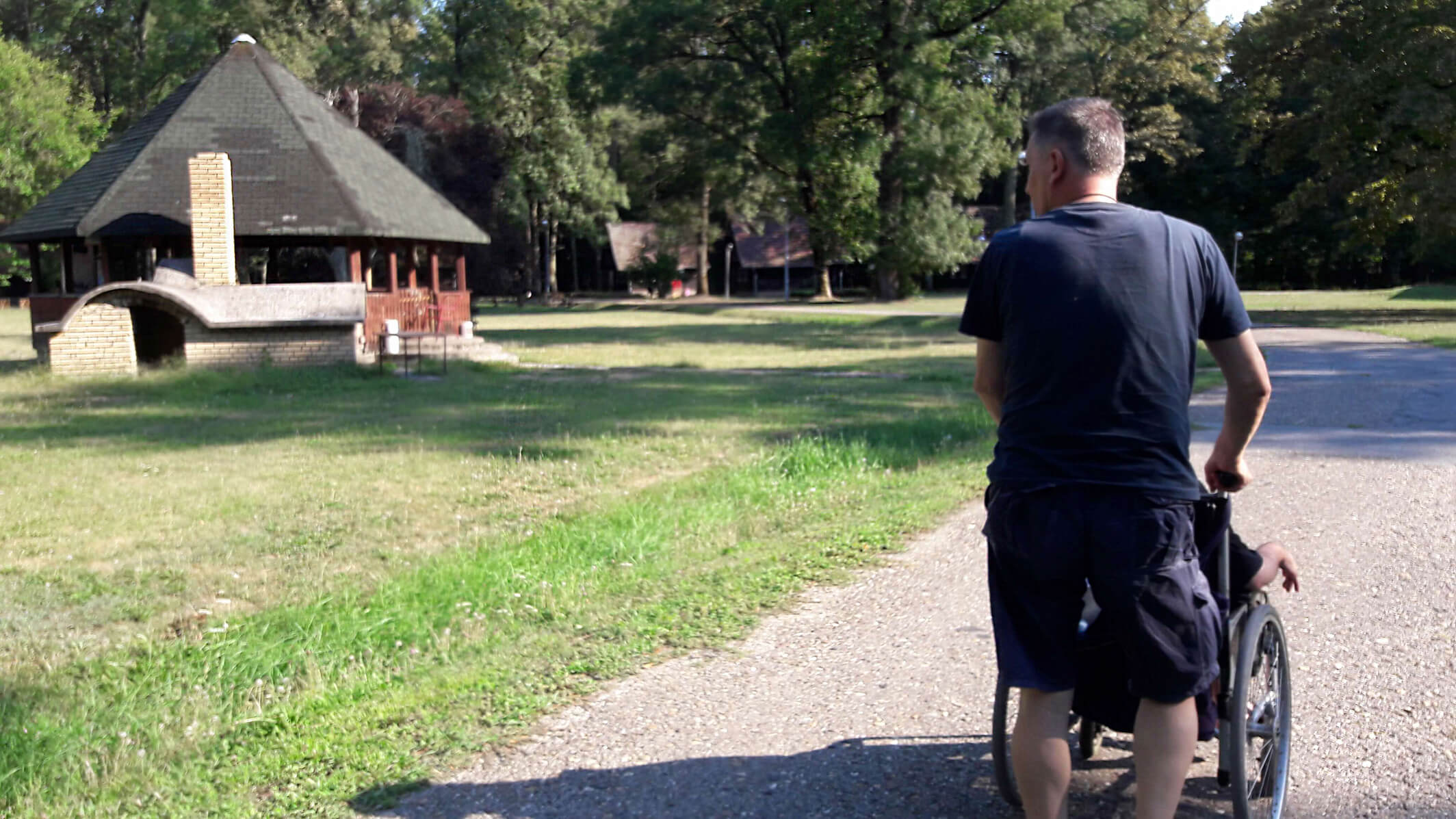
While most tourists in Nice head straight for the sea and take photos of the Promenade des Anglais, just a few steps away lies a place where time seems to have stood still…
The Masséna Palace in Nice hides lavish salons, historical artefacts, an exotic garden, and a story of the time when the French Riviera was a favourite retreat for European aristocracy.
This magnificent villa was built in the early 20th century in a style that combines Italian Neoclassicism, French elegance, and that special atmosphere found only on the French Riviera.
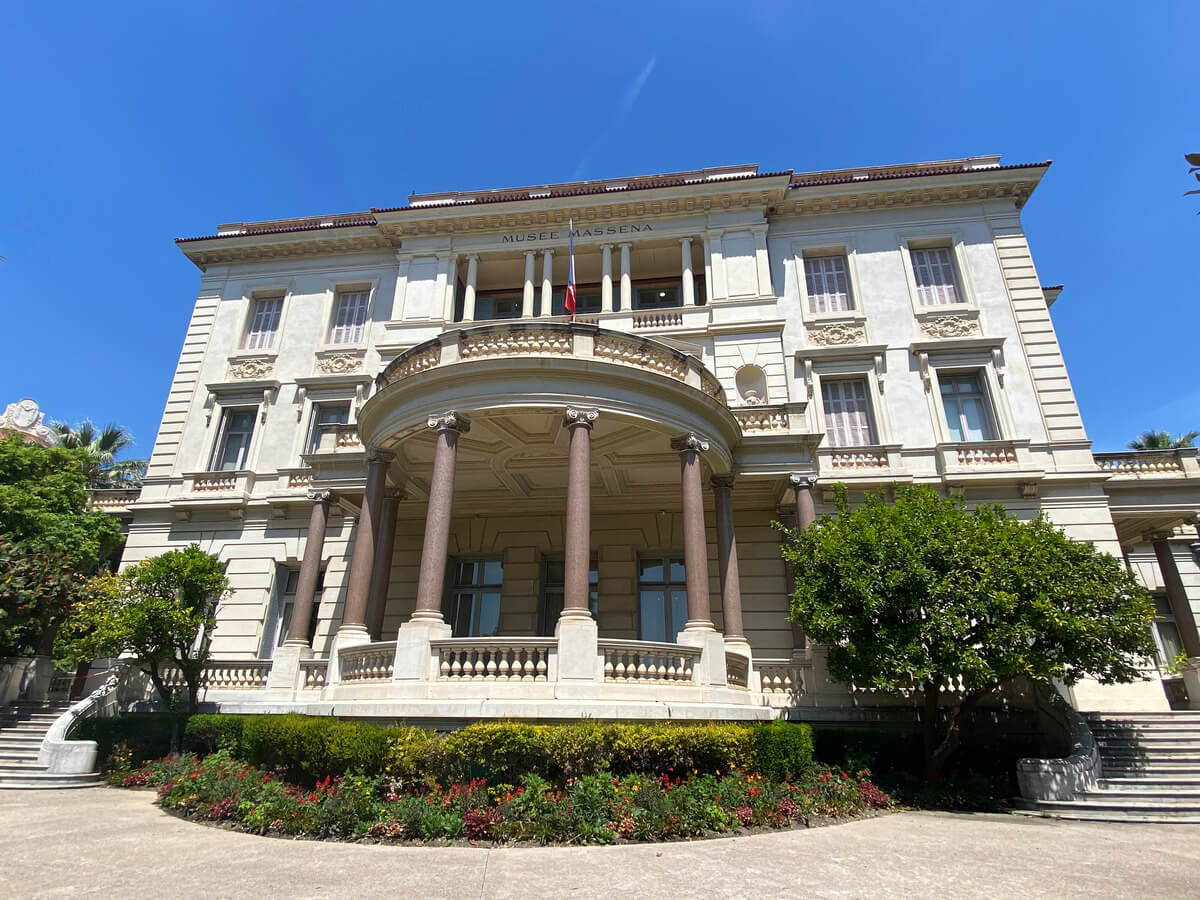
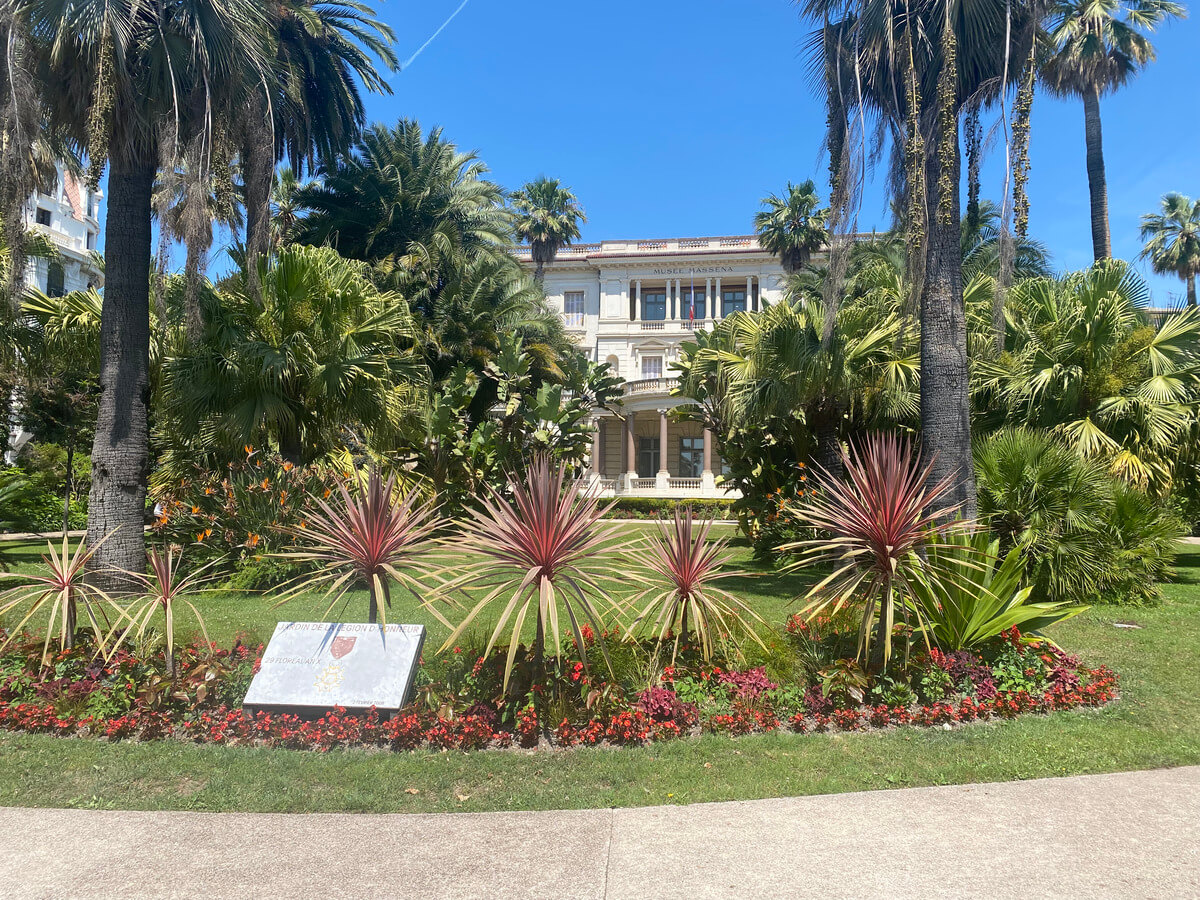
Surrounded by palm trees and lush greenery, the elegant villa looks completely different from the typical museums you might expect to find in a city.
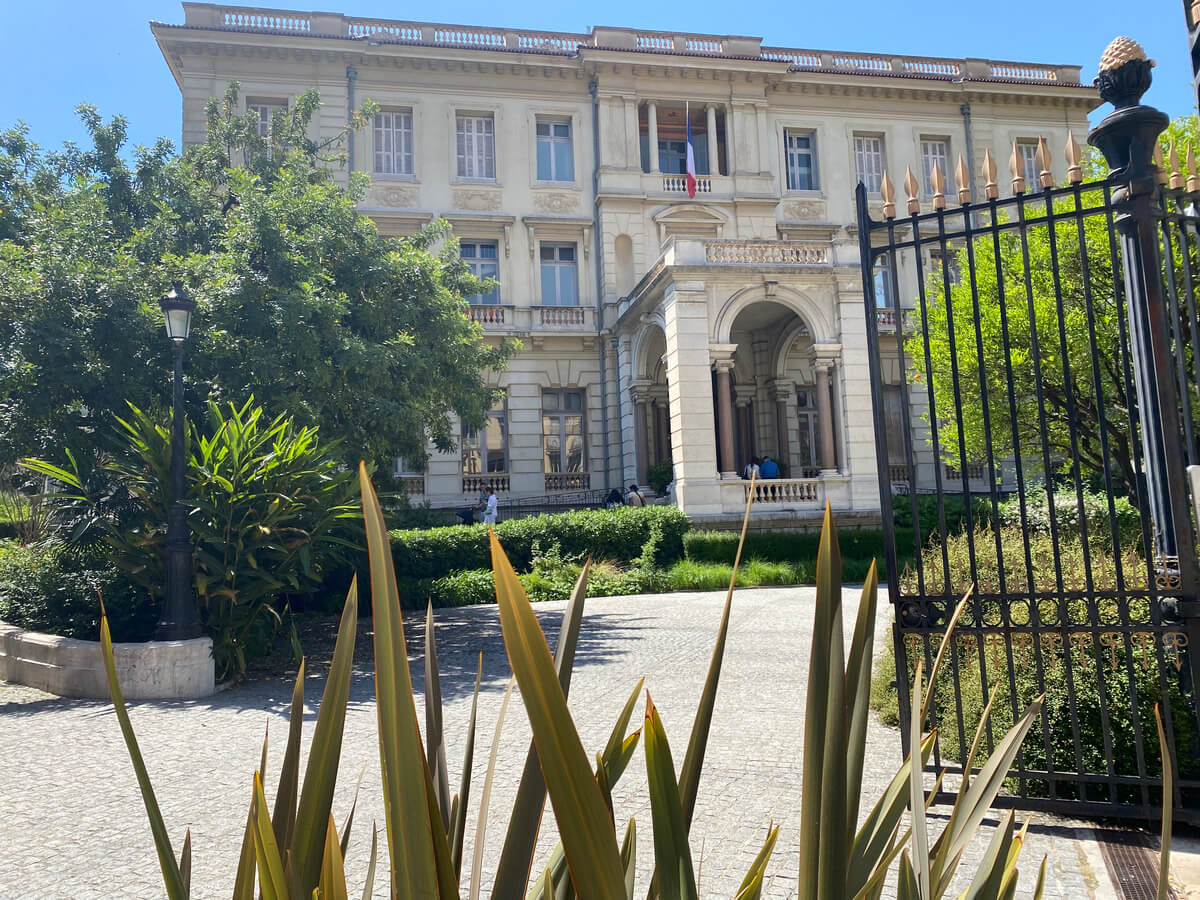
The palace was built between 1898 and 1901 for Victor Masséna, Prince of Essling and grandson of the famous Napoleonic marshal André Masséna. Today, the villa is known as the Musée Masséna, or Masséna Museum, and is dedicated to the history of Nice.
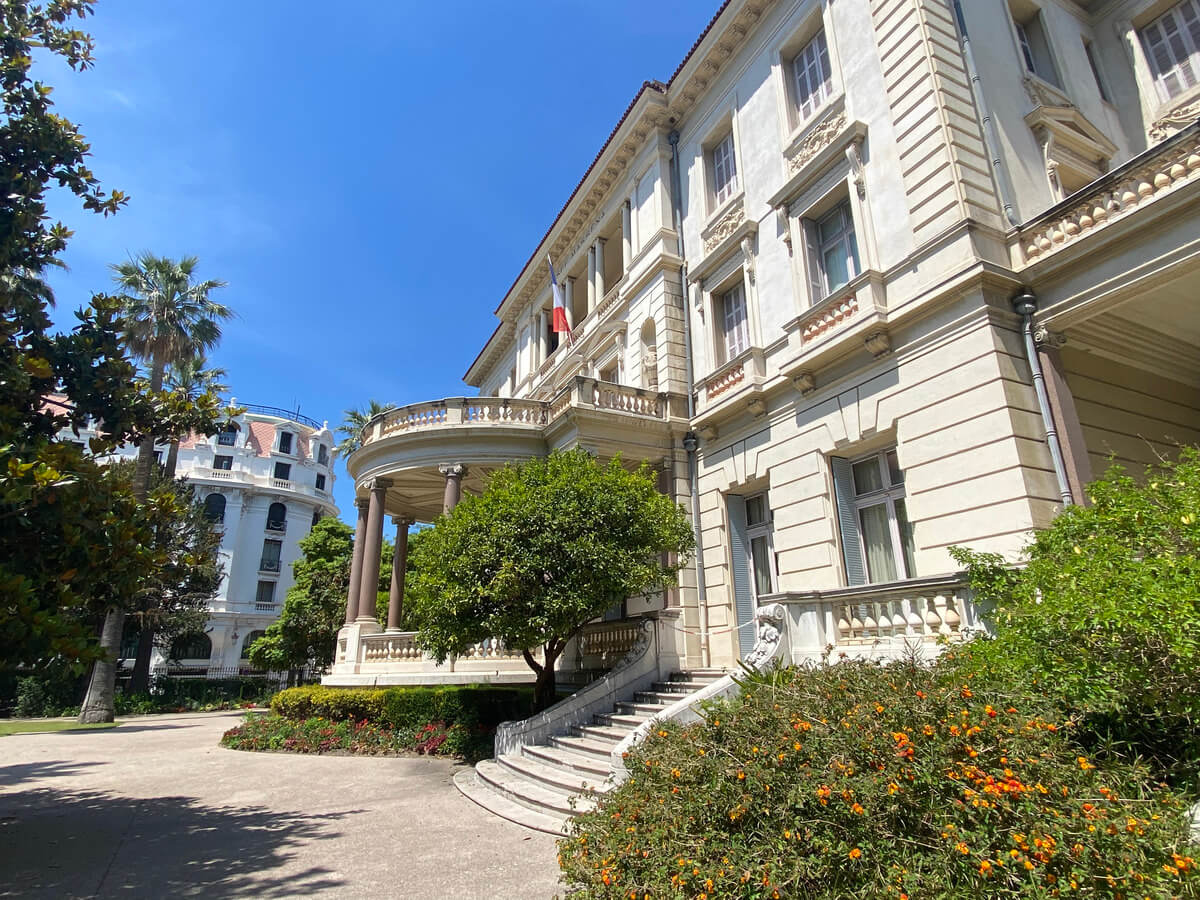
Masséna Palace is located right next to the Promenade des Anglais, so you can easily combine a visit with a seaside stroll and a tour of other Nice landmarks, which I have written about here. You could also stop for a drink at the nearby legendary Hôtel Negresco, which I have written about here.
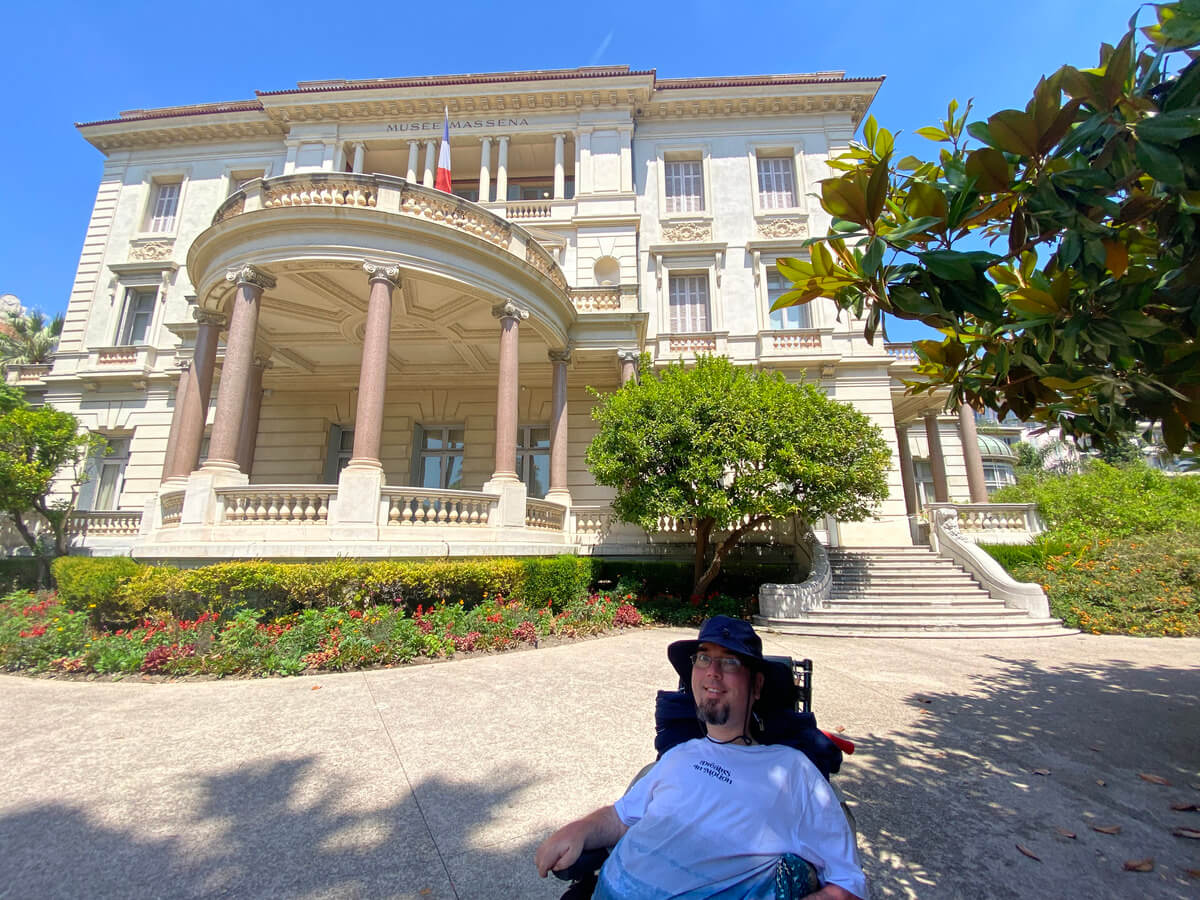
Although it was built as a private residence, the villa was designed to impress from the very beginning.
The grand staircase, lavish salons, marble, decorative details, and spacious garden create the feeling that every corridor leads to another story waiting to be discovered.
What can you find inside Masséna Palace?
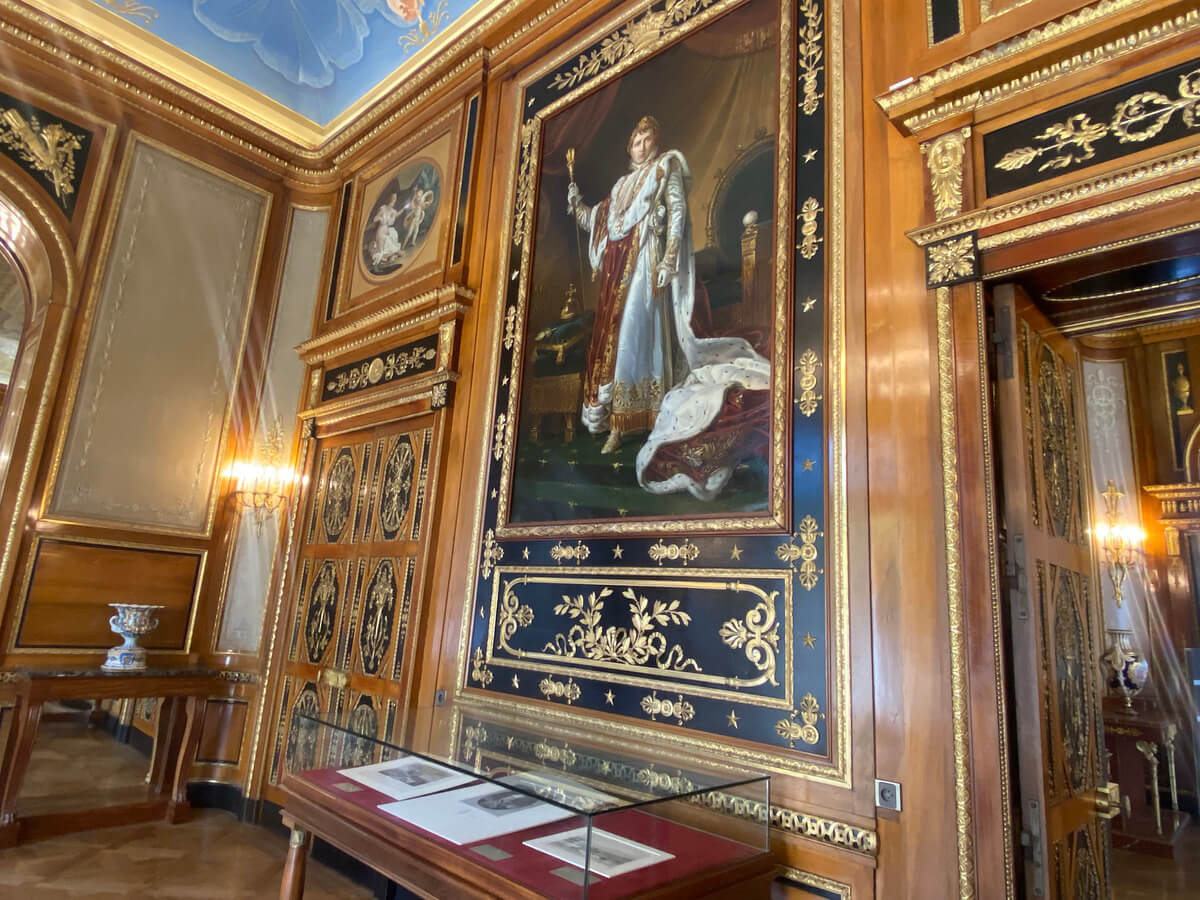
The historic salons of Masséna Palace look like something straight out of an old film.
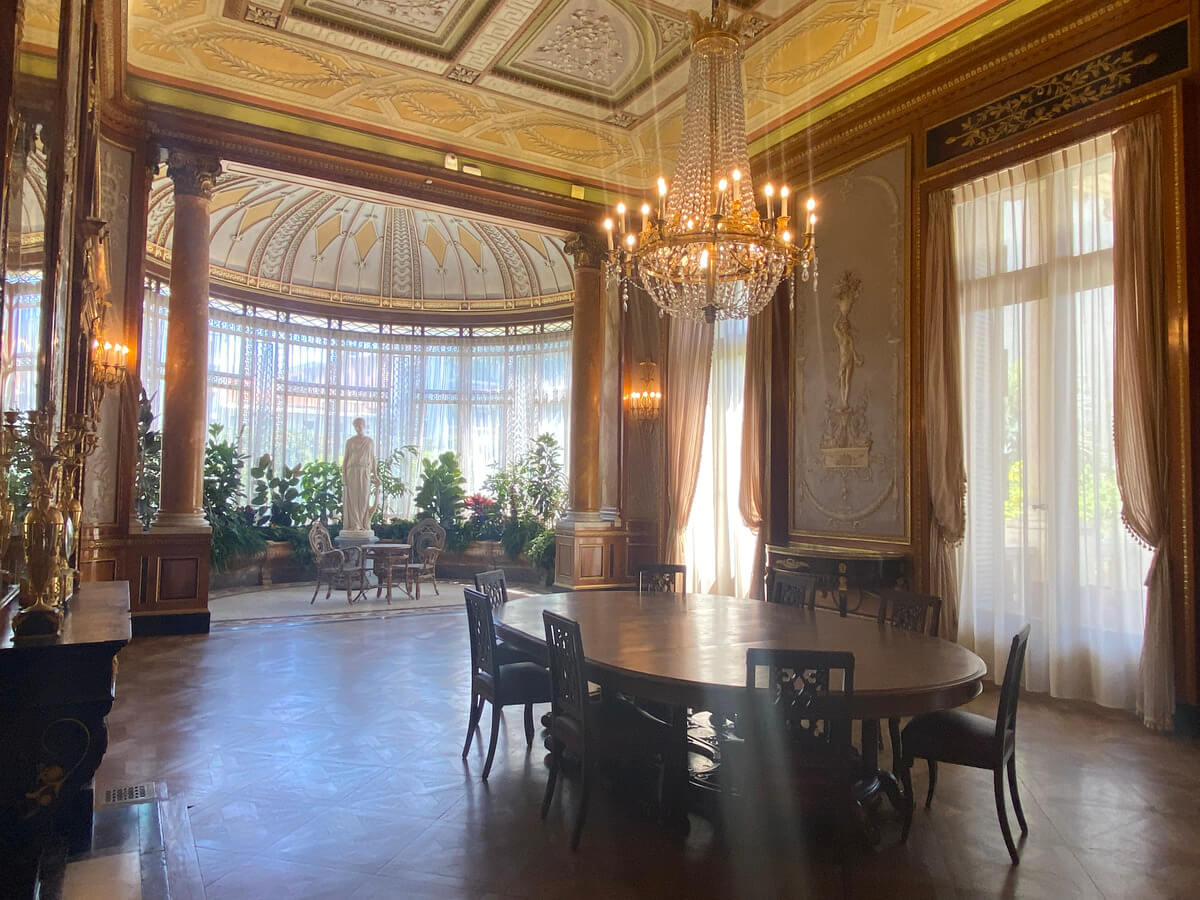
You’ll find magnificent ceilings, decorative wood panelling, large windows, mirrors, period furniture, portraits, and works of art.
The salons are particularly interesting because they offer a glimpse into the lifestyle of the aristocracy on the French Riviera in the early 20th century.
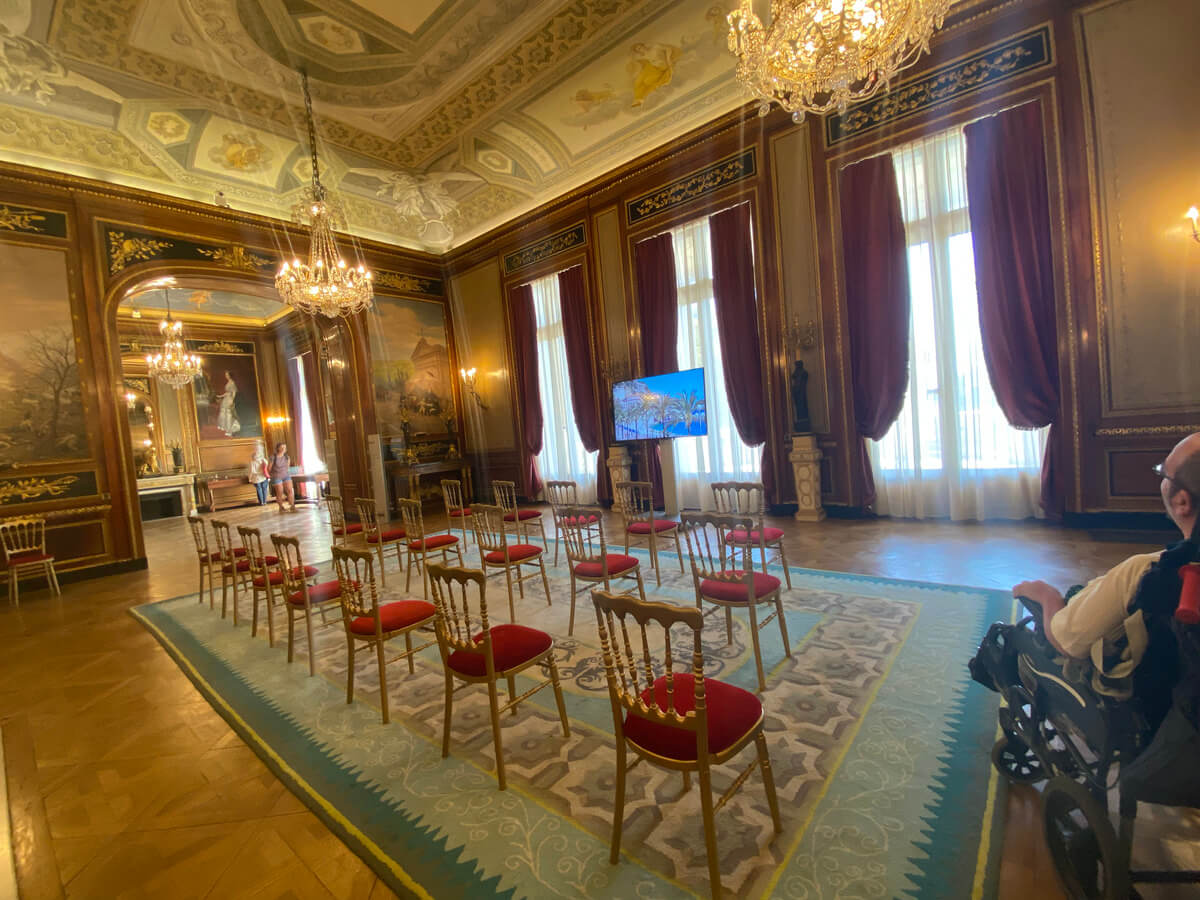
As you walk through the rooms, it’s easy to imagine the grand balls, dinners, and gatherings attended by members of the highest social circles.
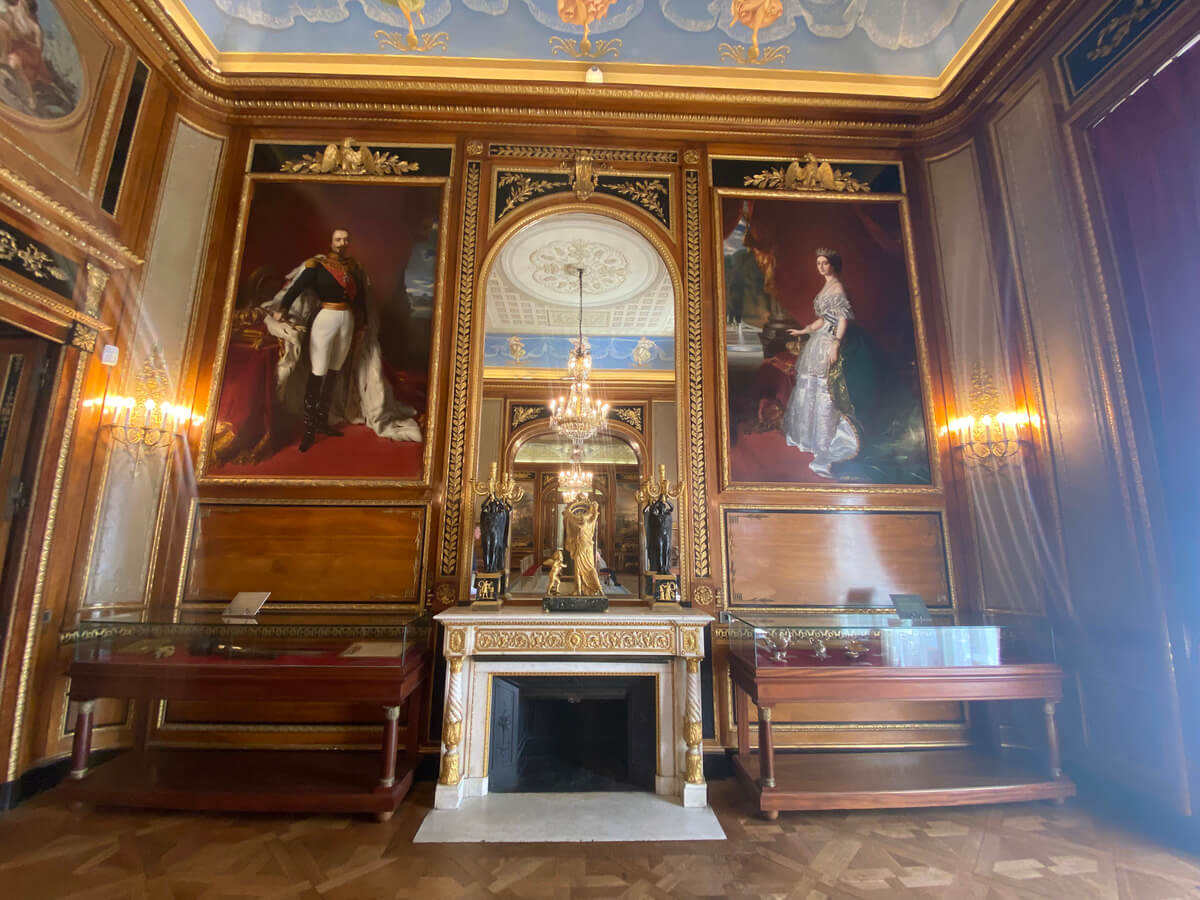
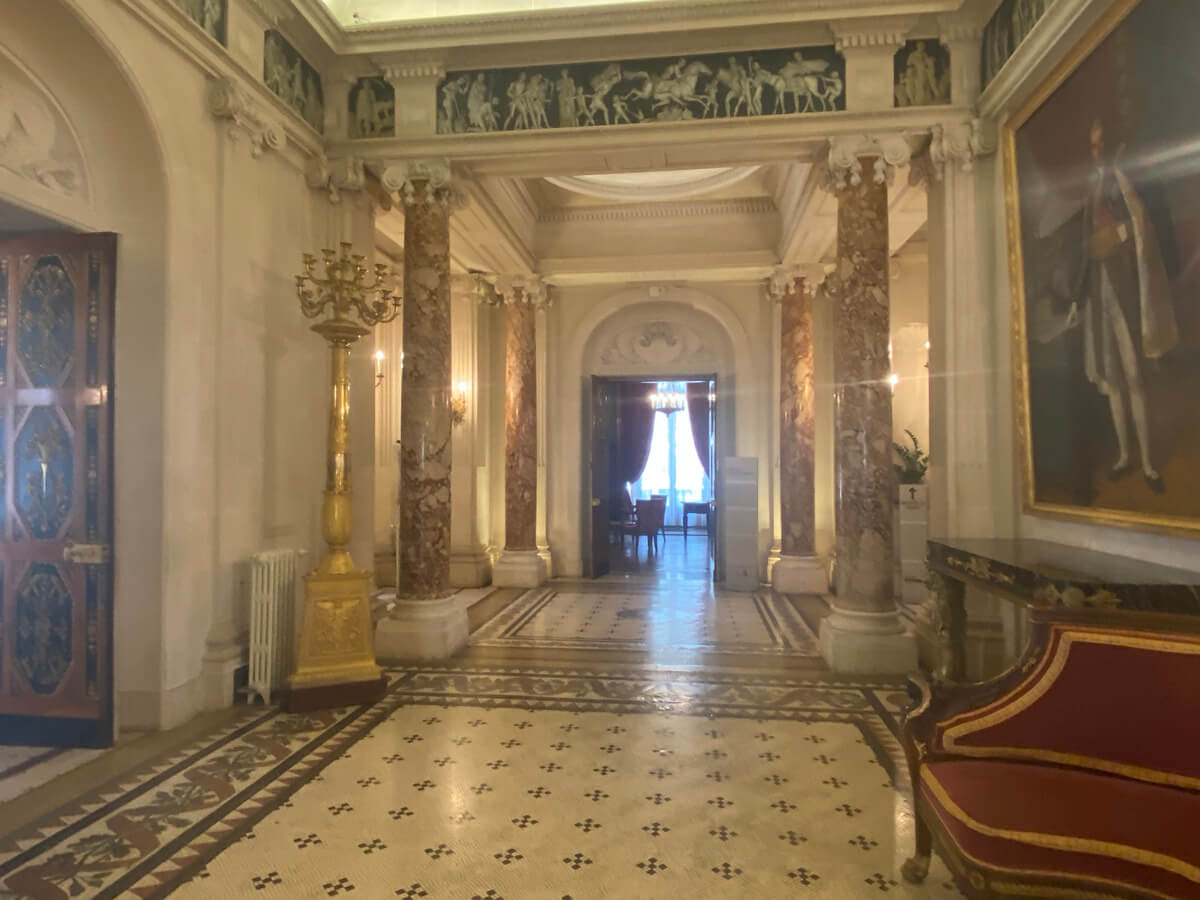
On the ground floor, you’ll find historic salons that have been preserved and restored to recreate the atmosphere of the period when the villa served as the winter residence of the Prince of Essling.
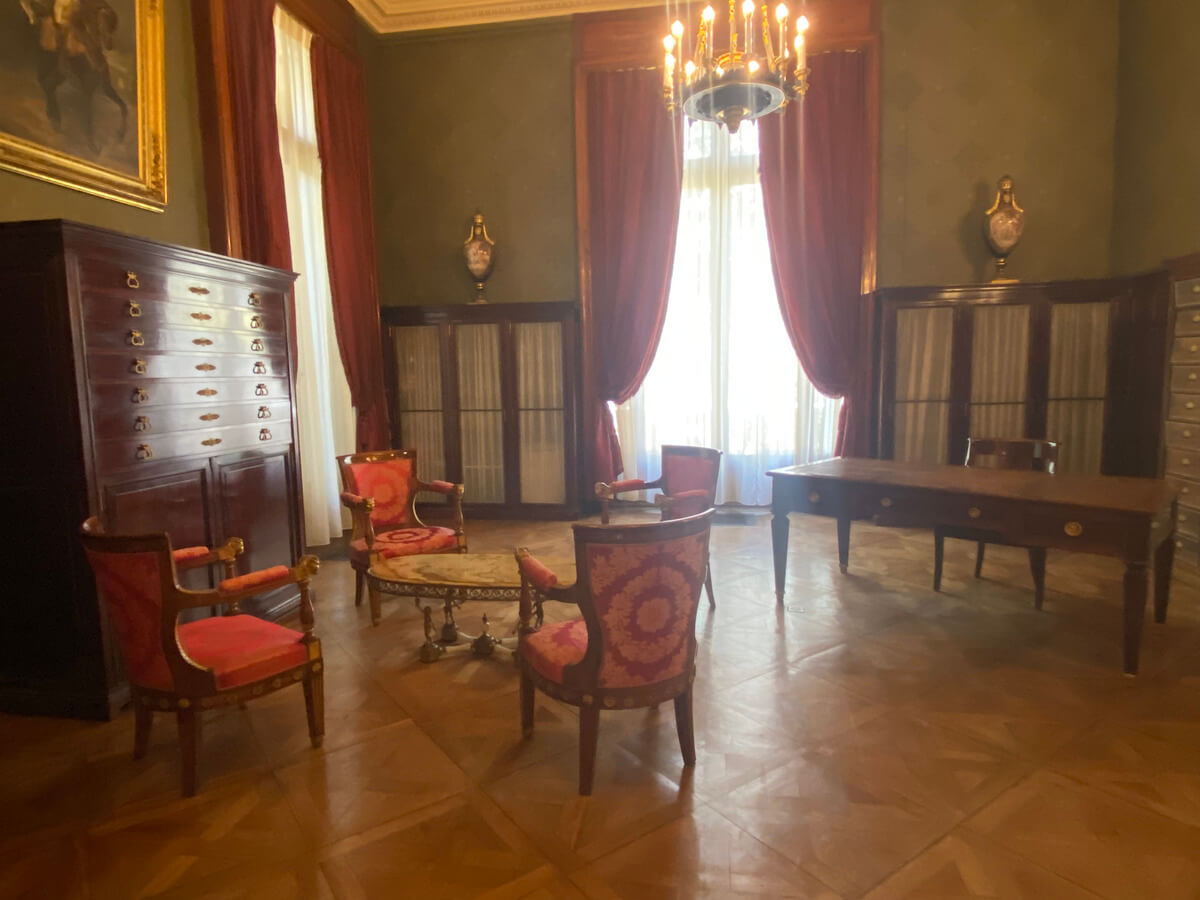
A grand gallery leads to the main reception rooms: the Portrait Salon, the Grand Salon, the smoking room, the dining room, and the prince’s study.
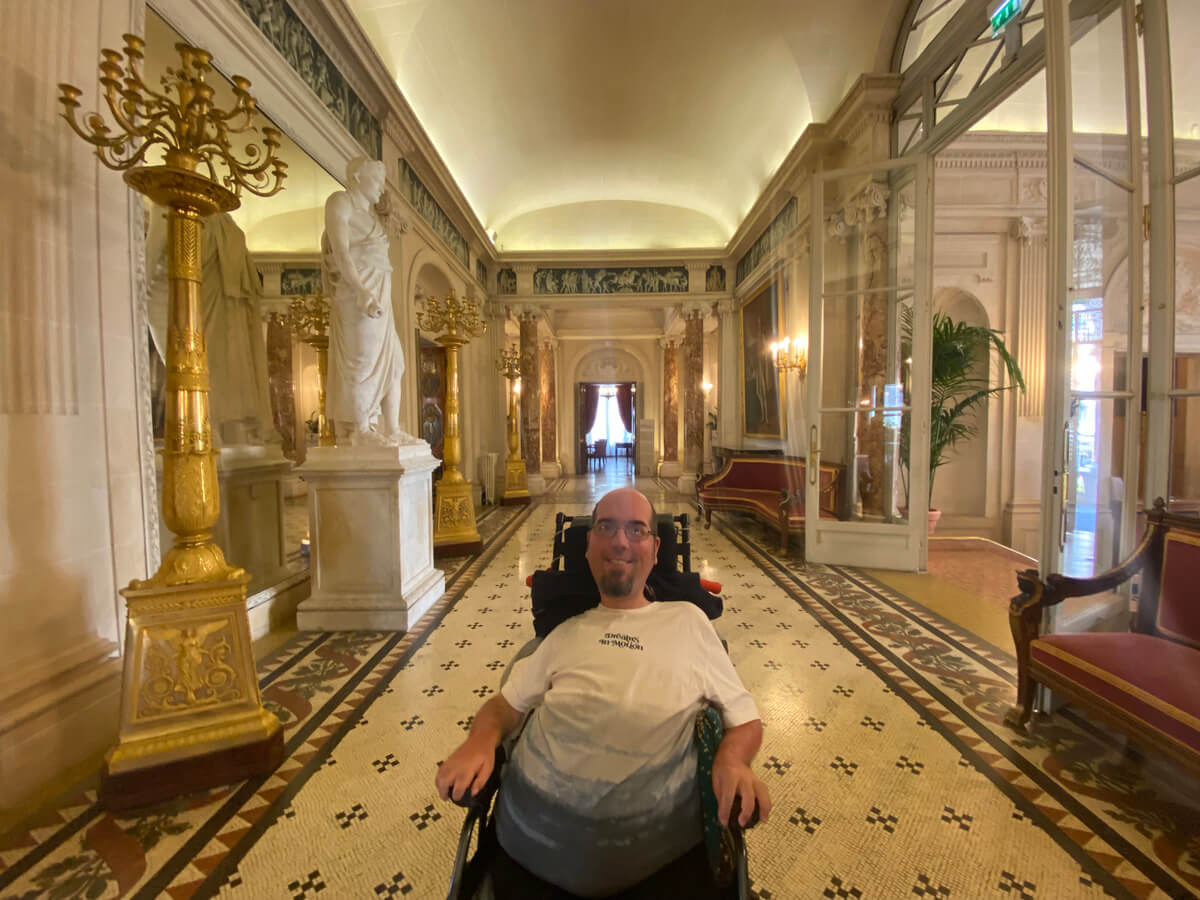
The palace’s beautifully painted ceilings immediately catch your eye, while the doors, wood panelling, and decorative elements were brought from Govone Castle in Italy. There are also paintings depicting battles associated with the famous marshal Masséna, the grandfather of the palace’s owner.
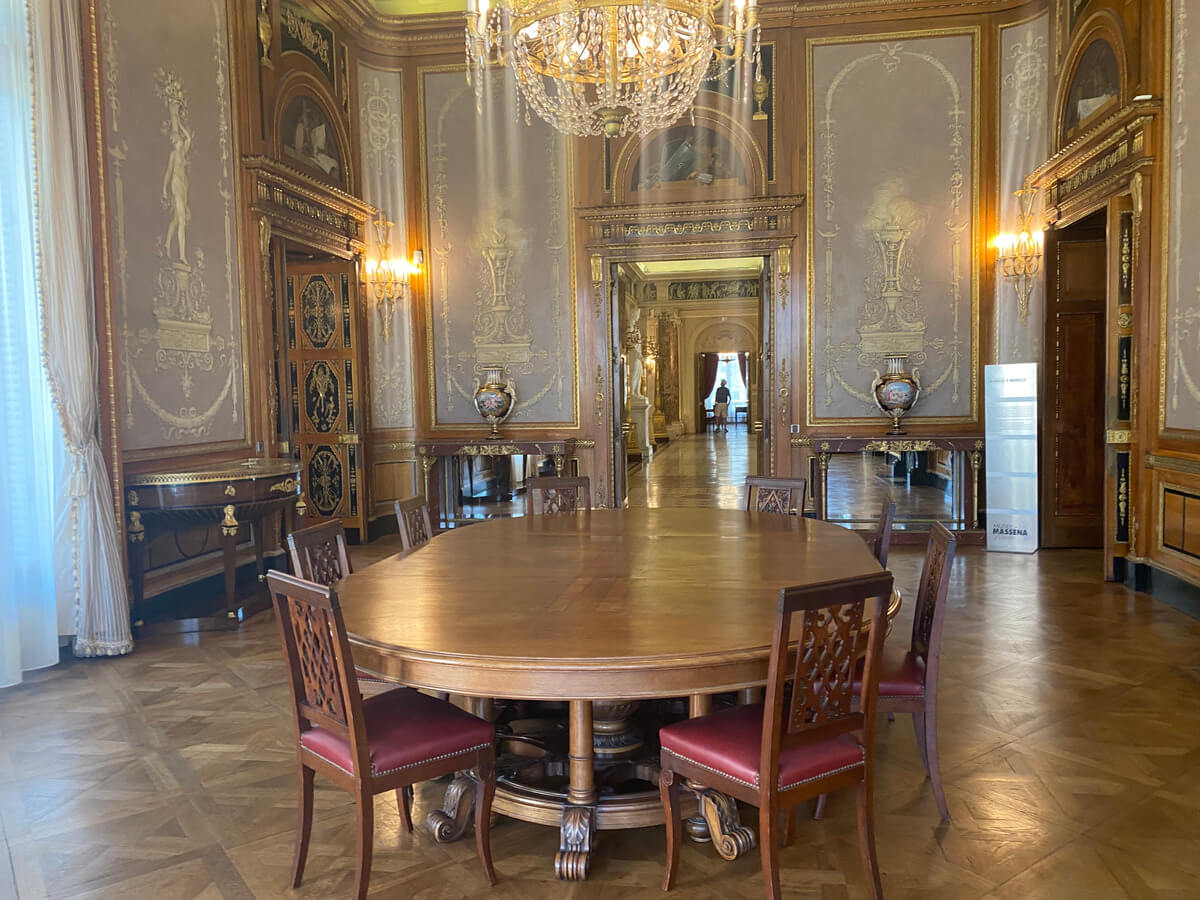
The entire palace is filled with elegant furniture from past eras.
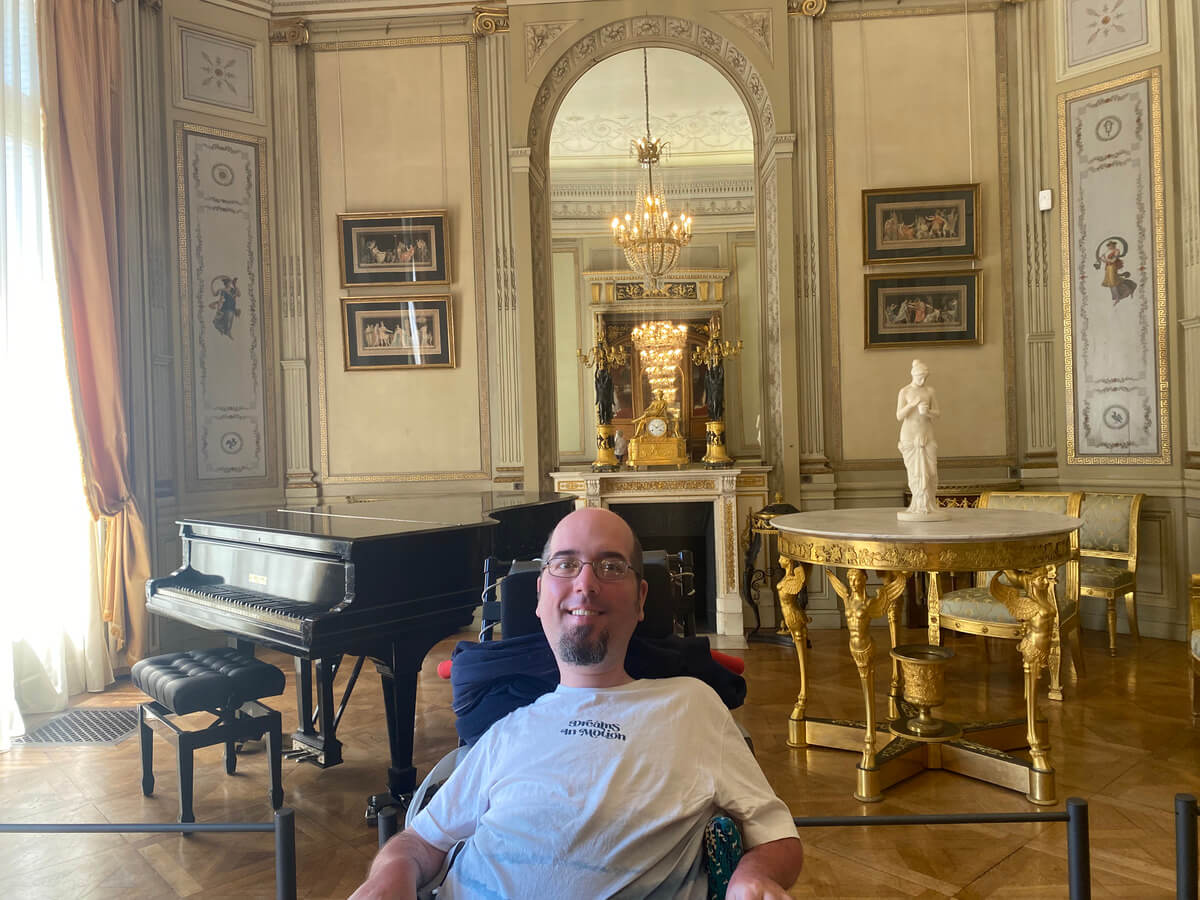
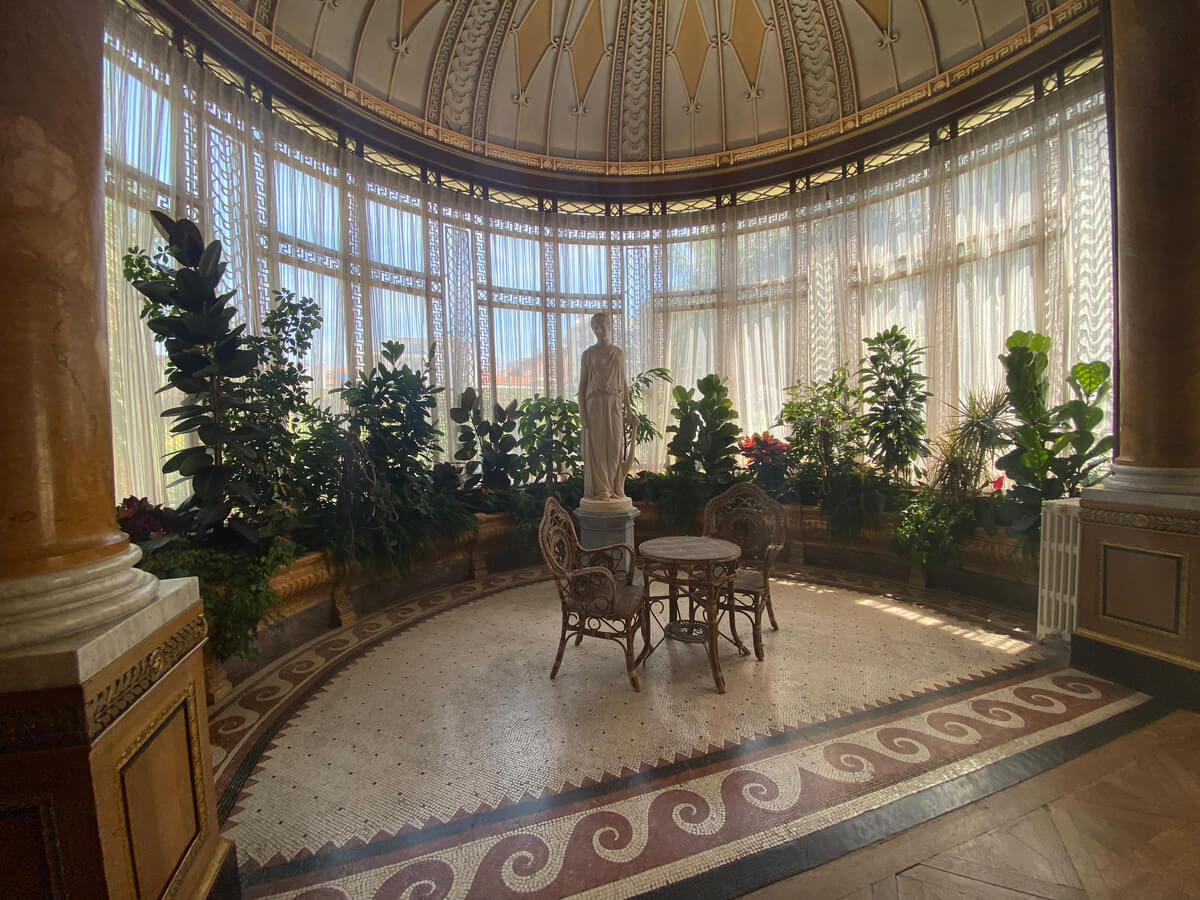
A large semicircular veranda offers views of the garden, creating an almost seamless transition between the interior and the greenery outside.
Now, it’s time to head upstairs.
This floor is filled with paintings and other fascinating details.
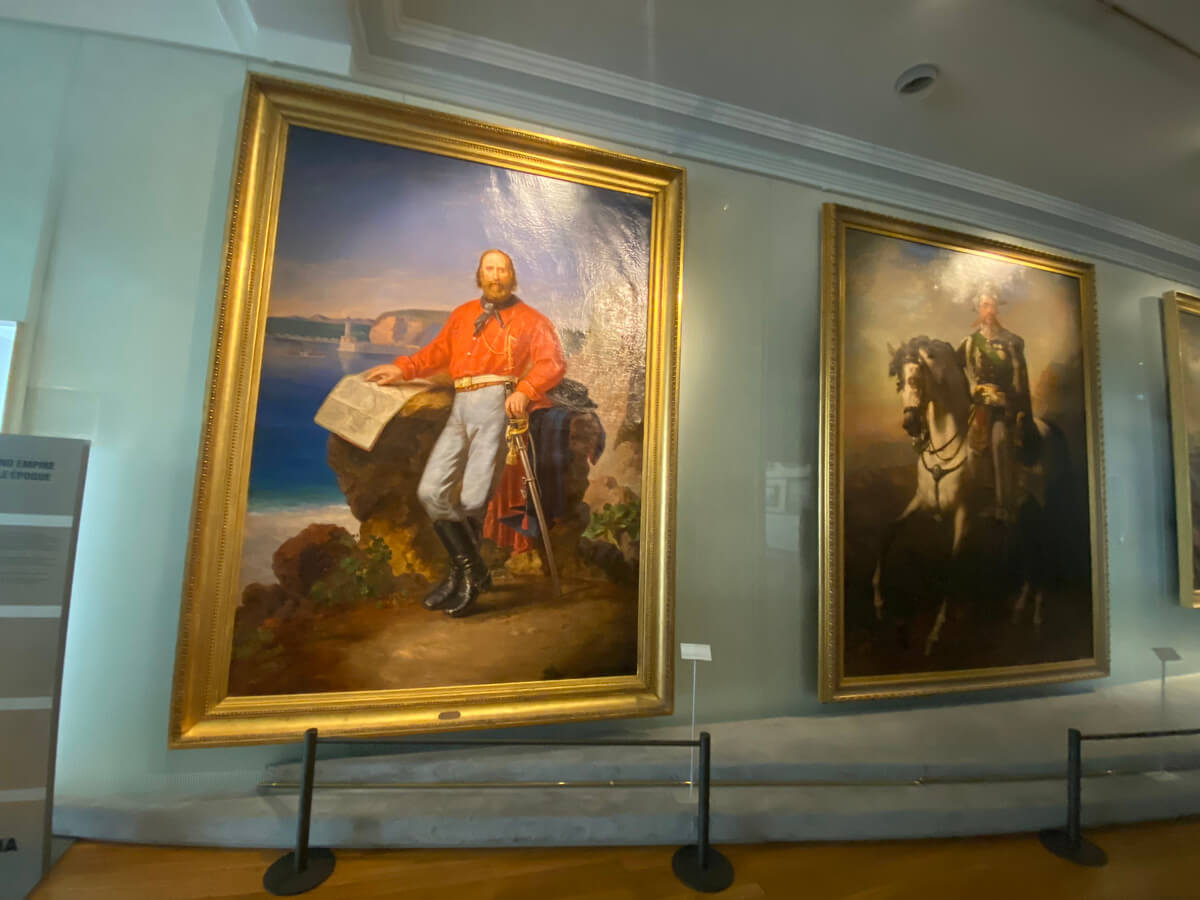
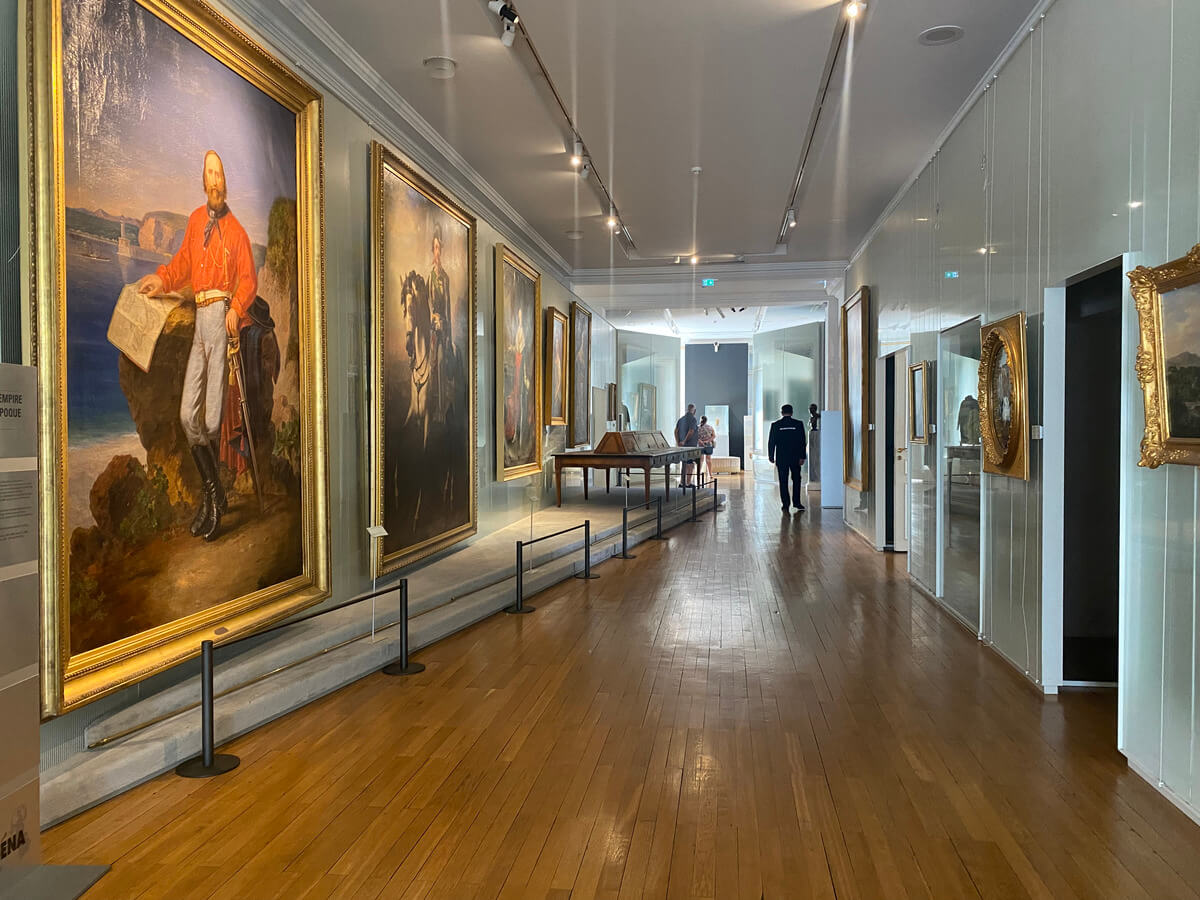
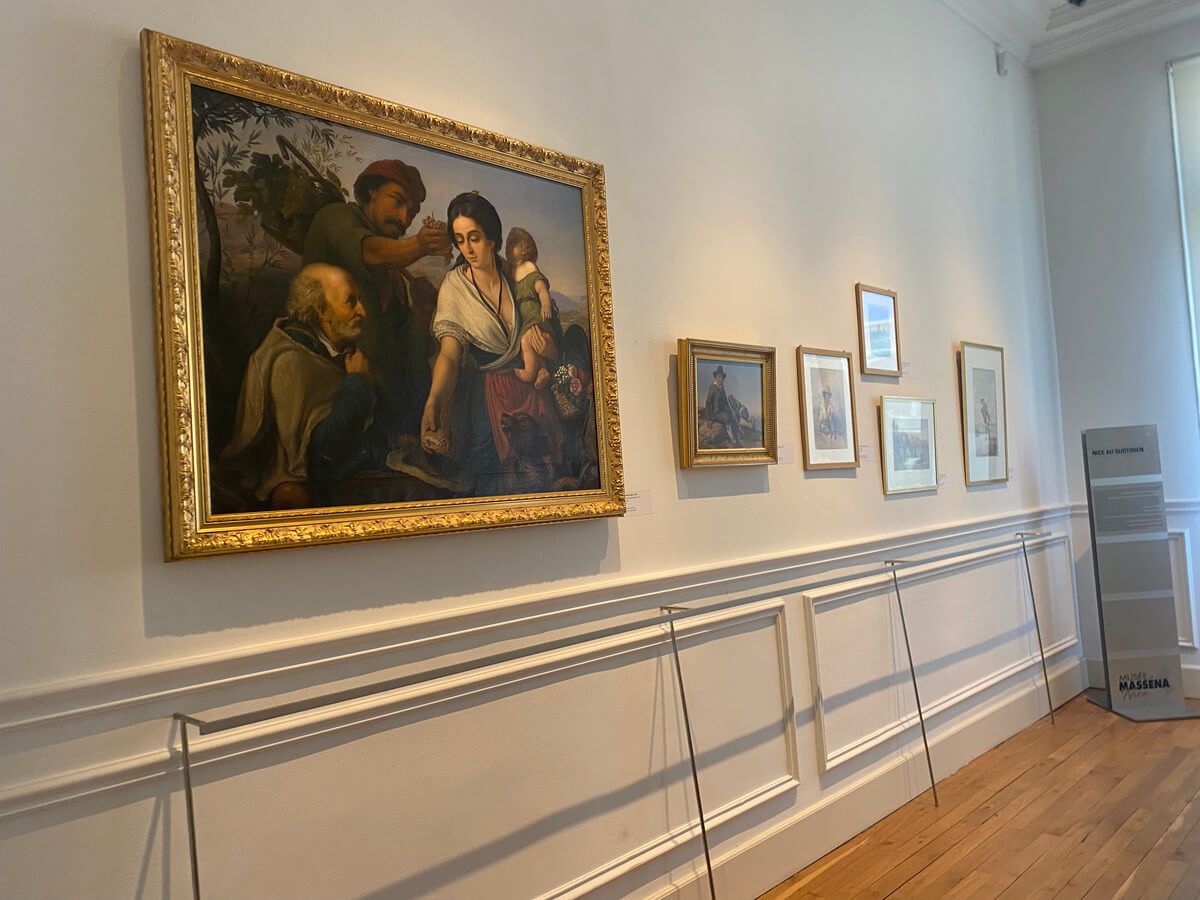
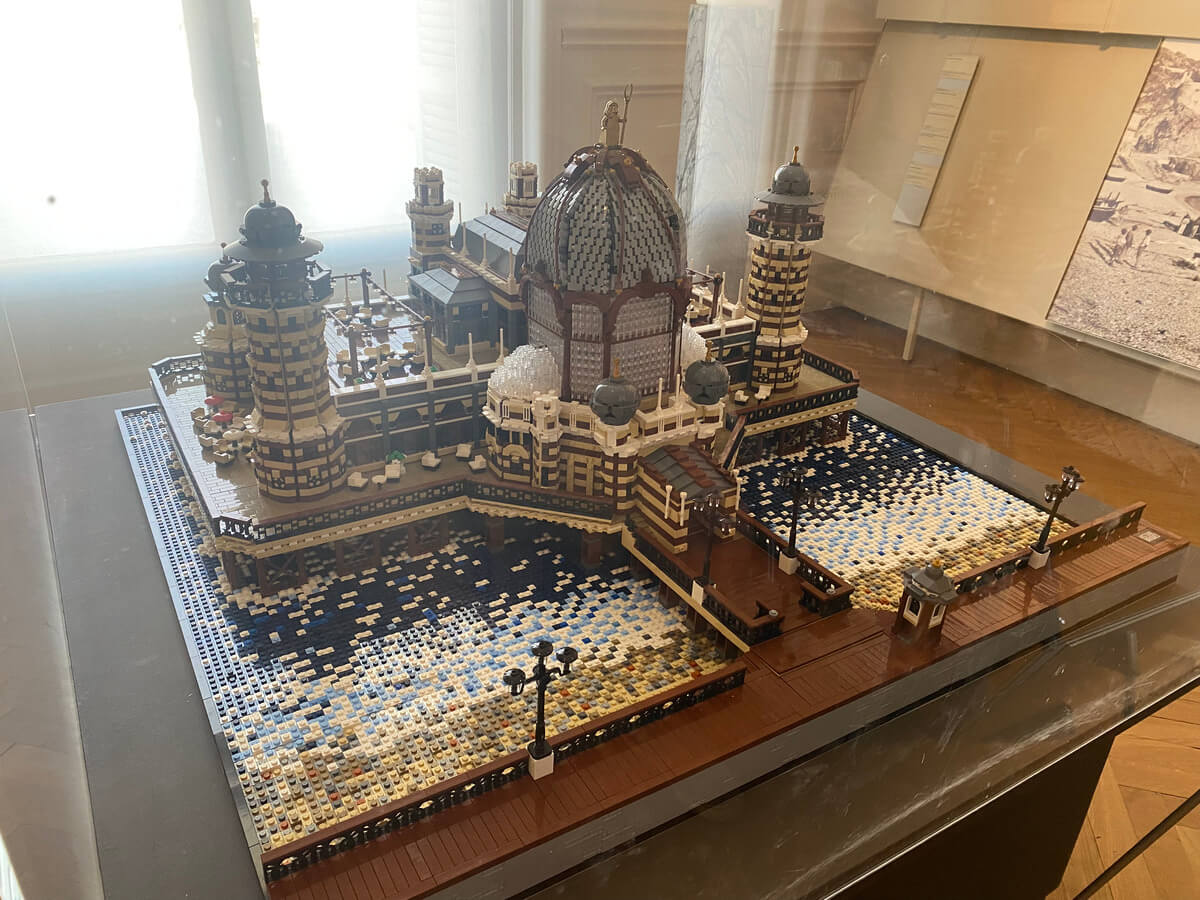
Among the exhibits are objects associated with the Napoleonic era, including Napoleon’s death mask.
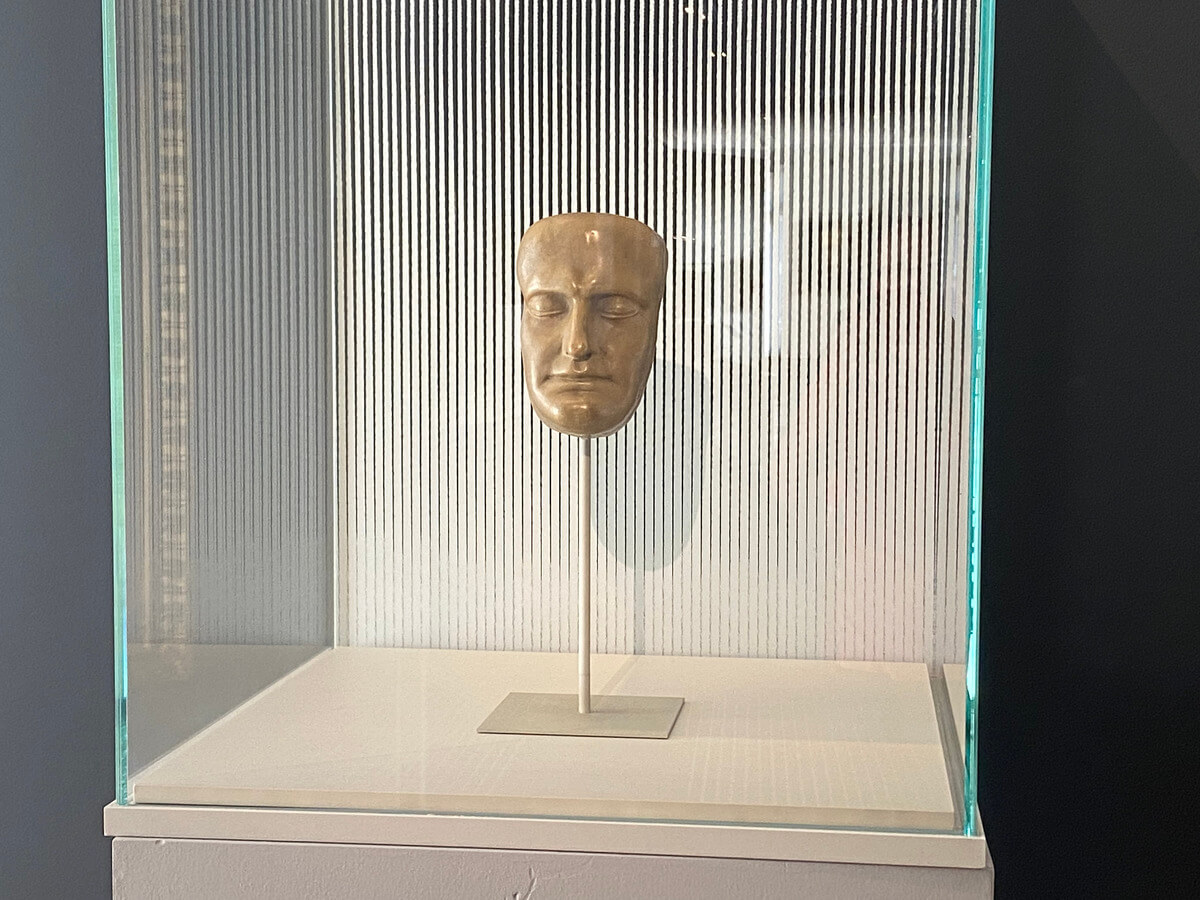
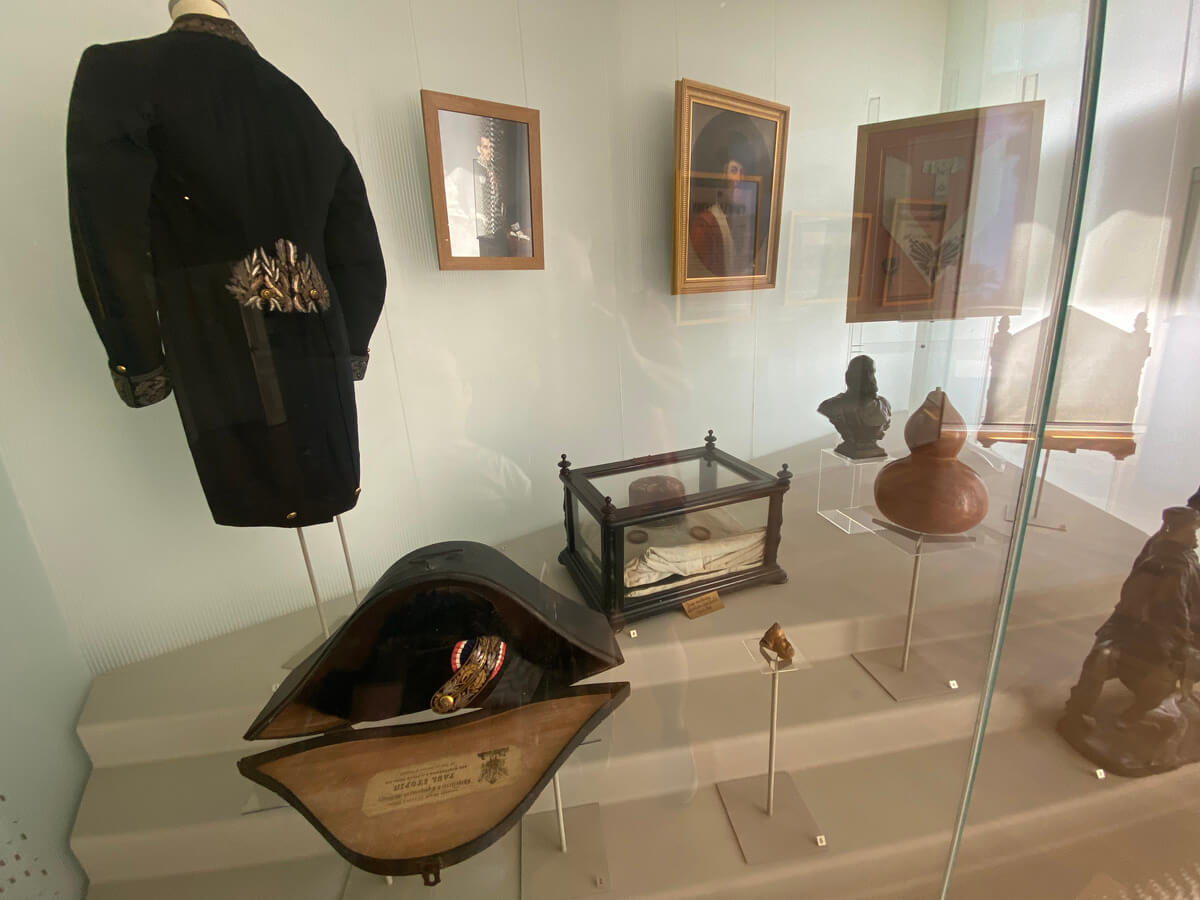
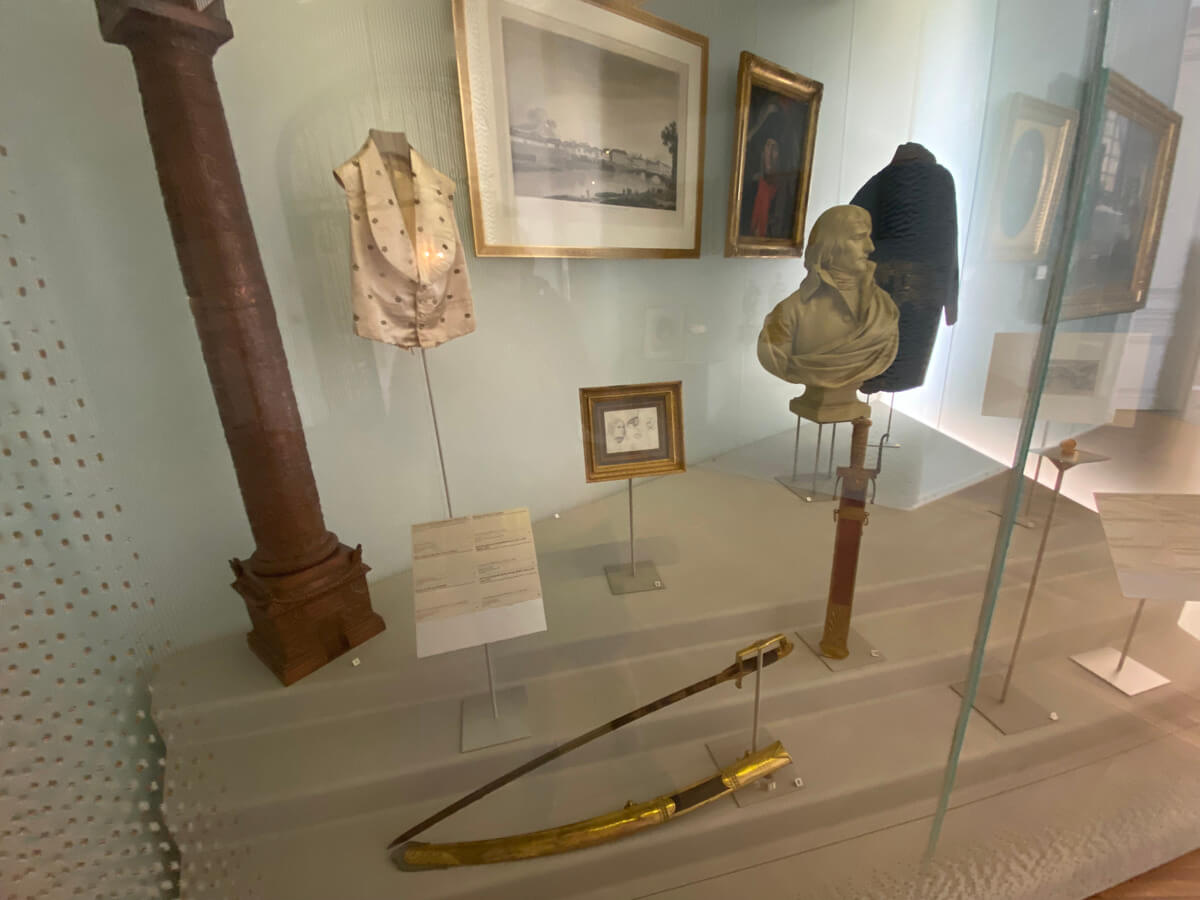
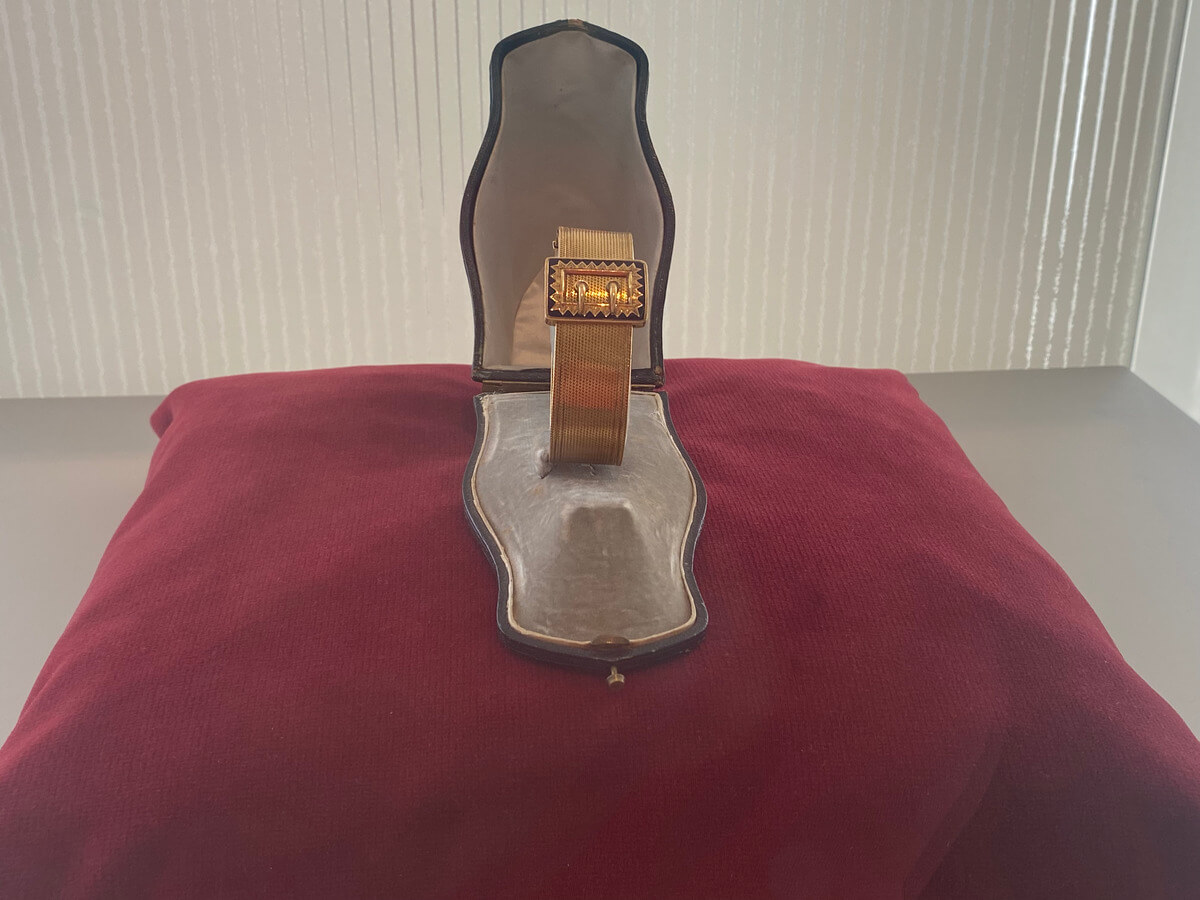
You’ll also find objects connected to Empress Joséphine.
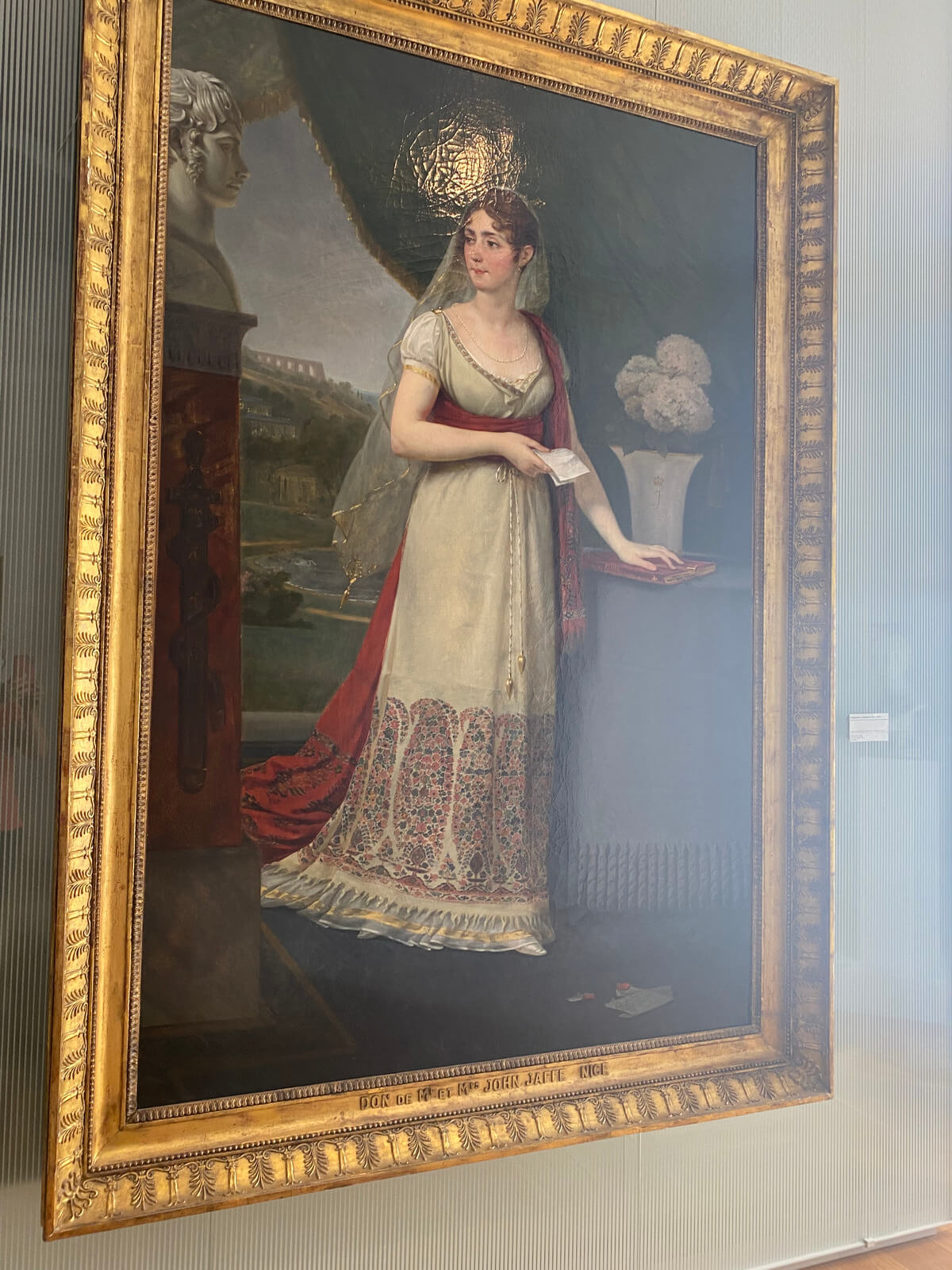
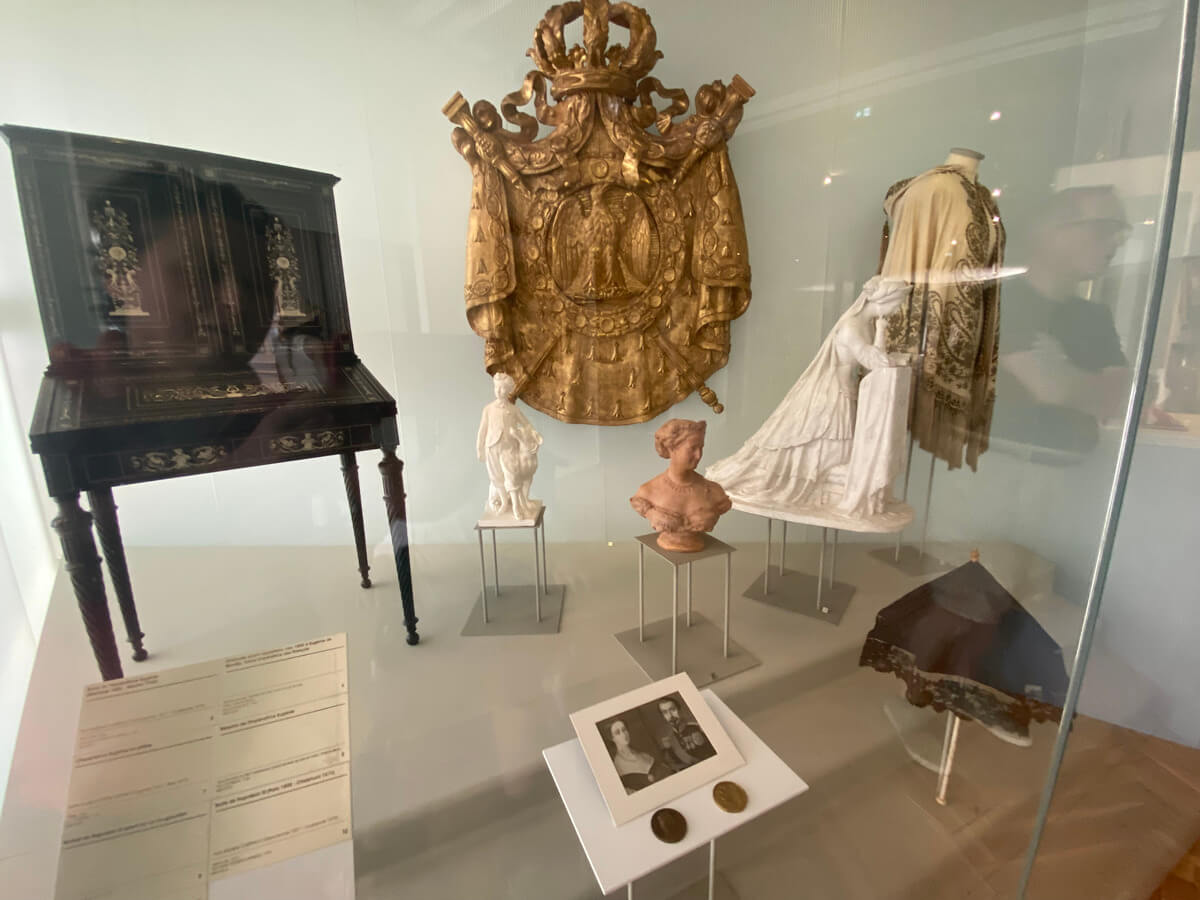
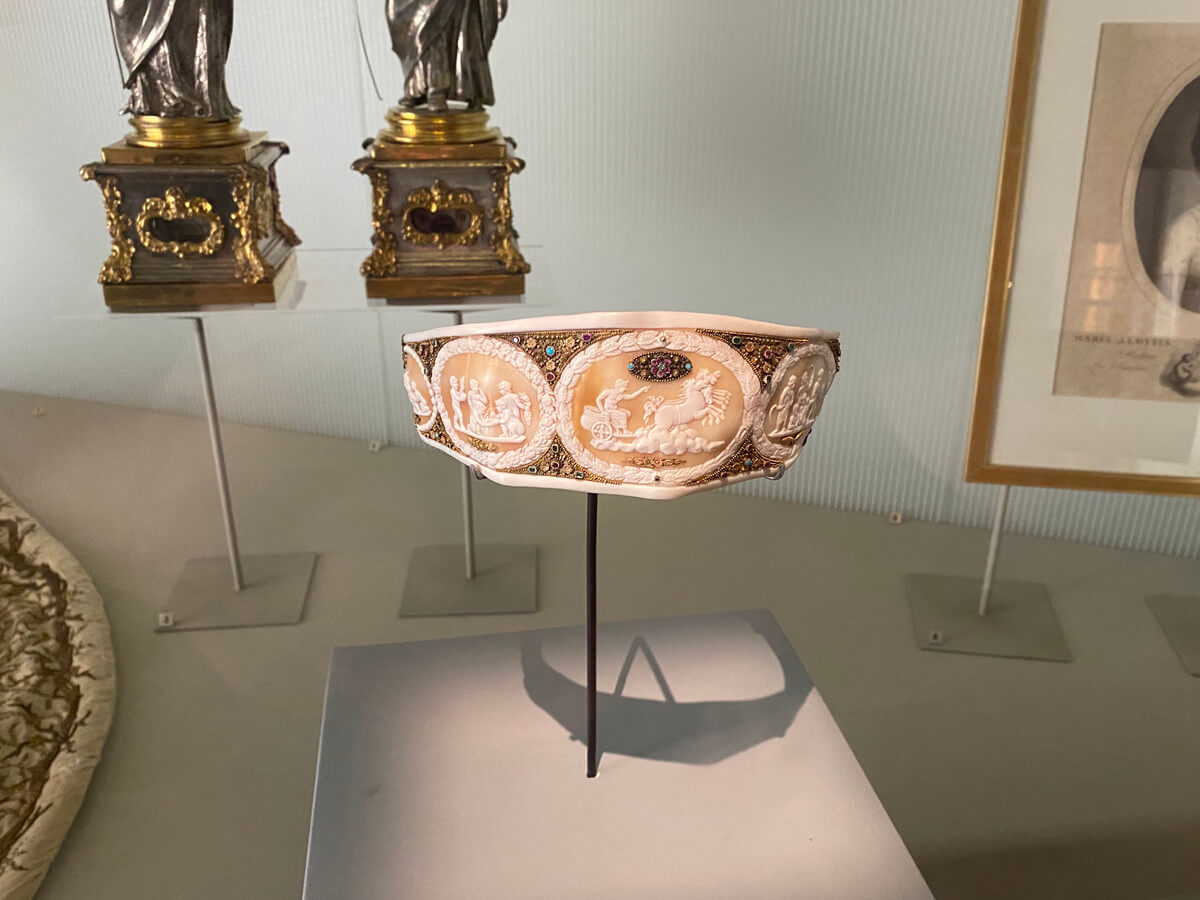
Inside, you can explore a variety of artefacts, works of art, furniture, documents, and other traces of the city’s past.
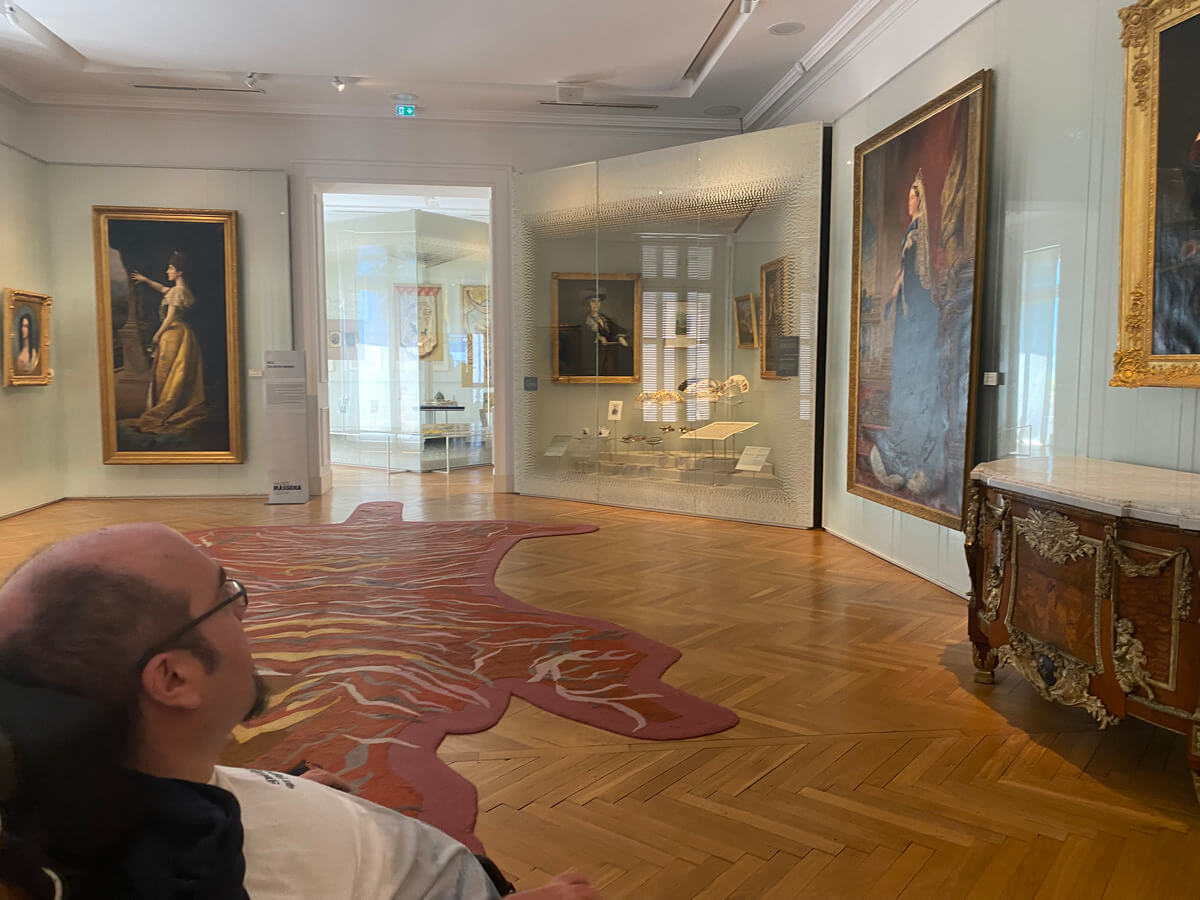
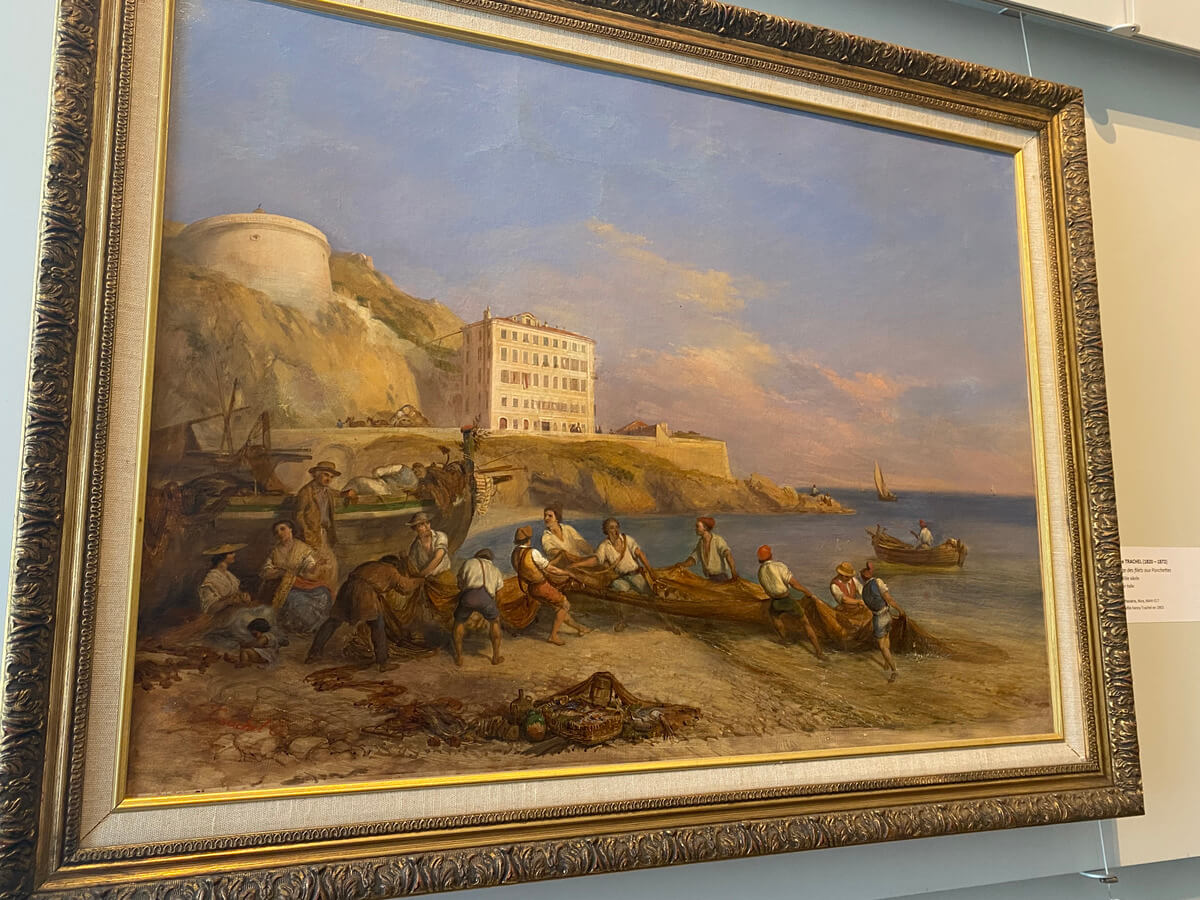
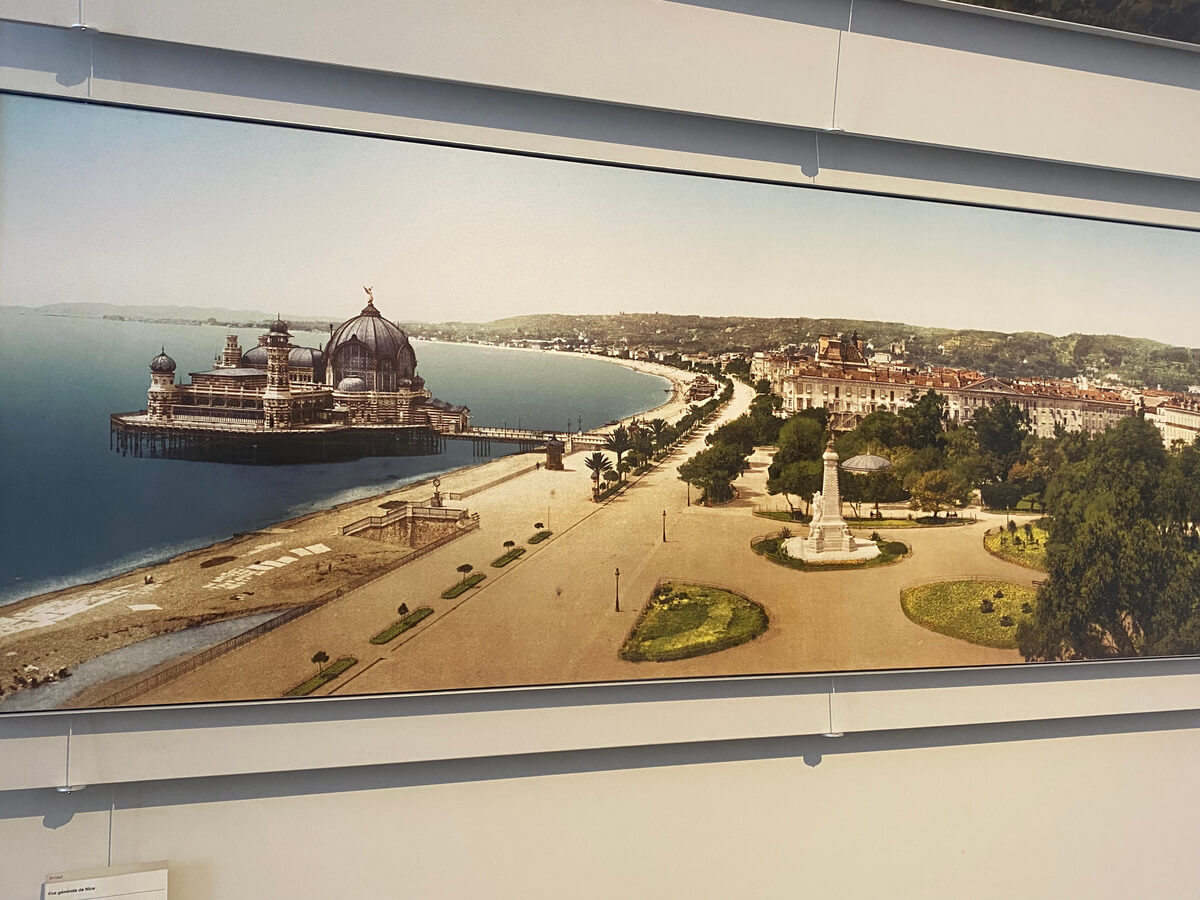
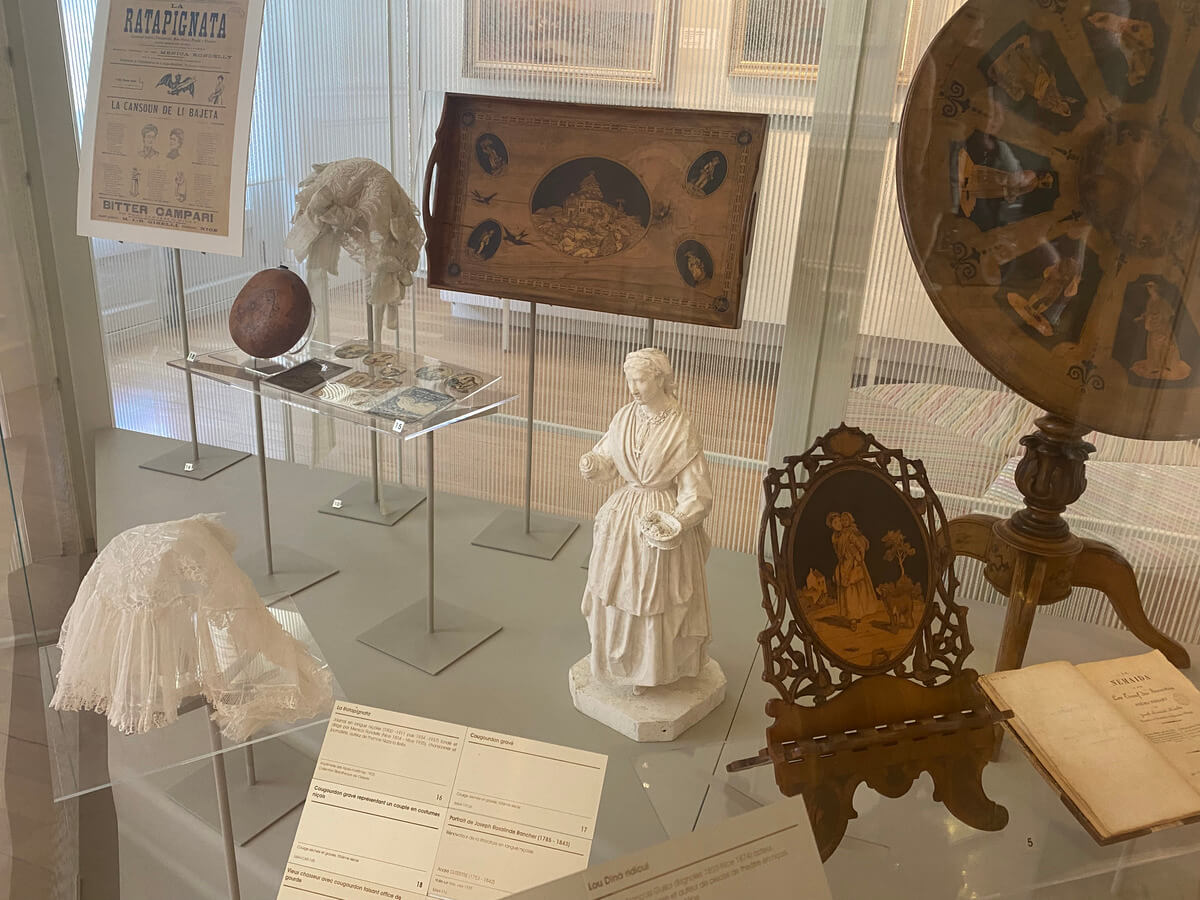
Is Masséna Palace accessible to wheelchair users?
As a wheelchair user myself, this is naturally one of the first questions that comes to mind.
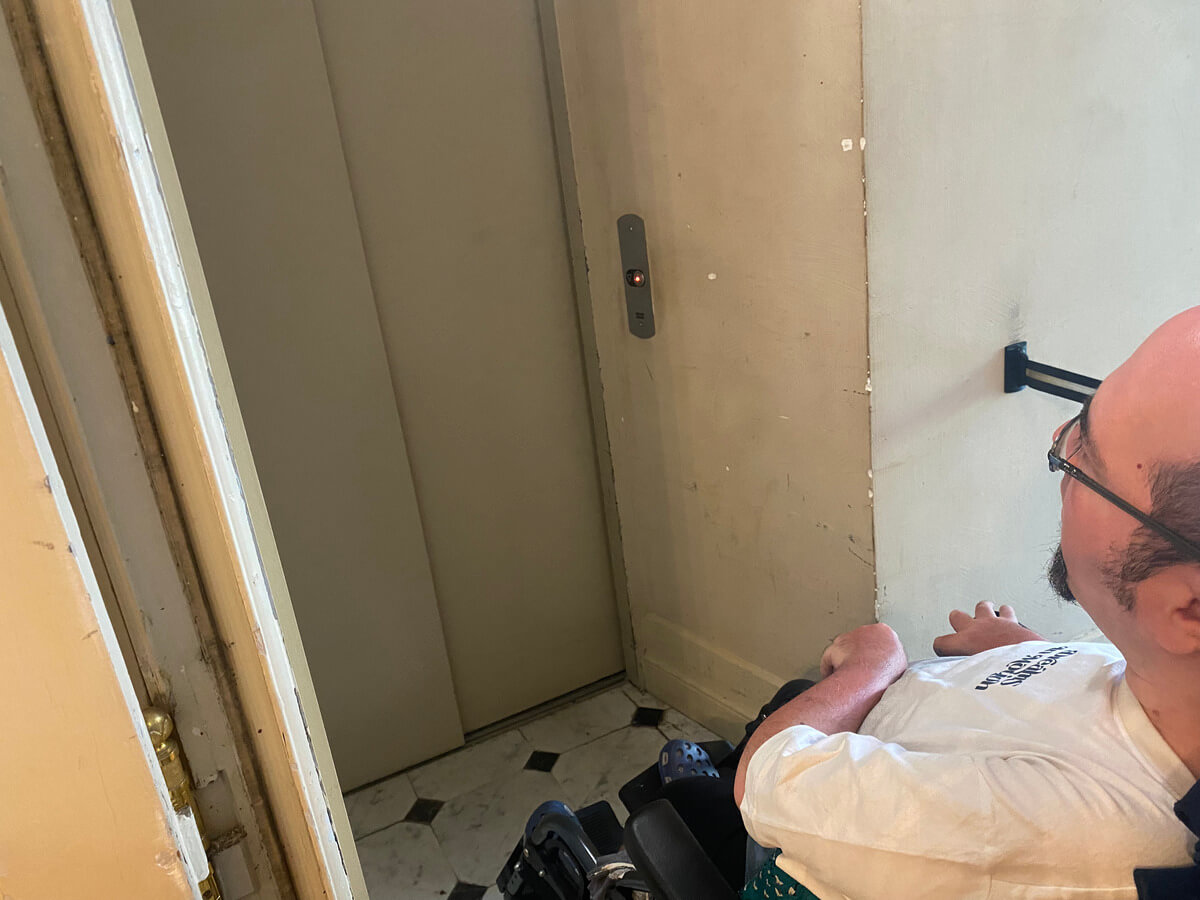
Masséna Palace is a historic building, so you shouldn’t expect every part of it to be adapted in the same way as a modern building. However, wheelchair users can enter through a side entrance, which staff will open for you.
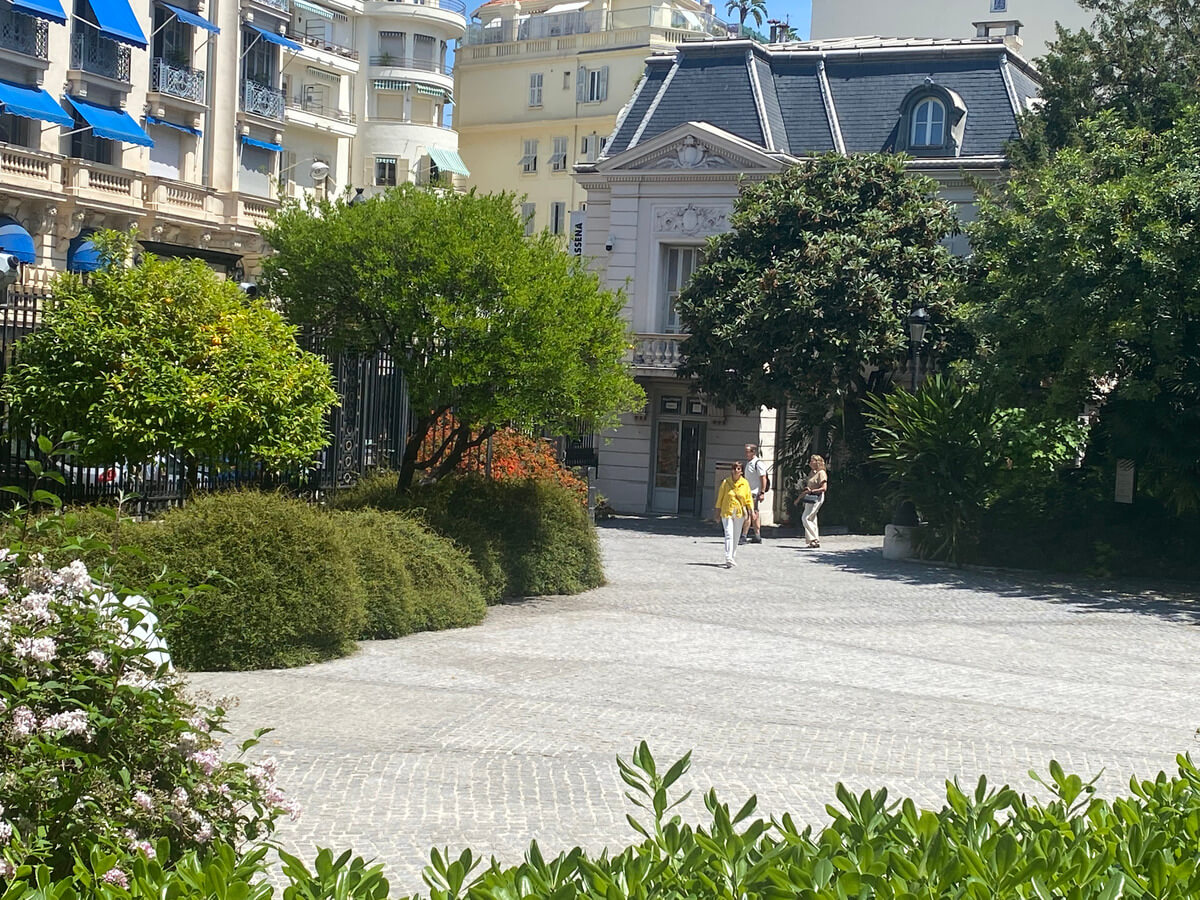
I was able to explore the palace in my wheelchair and enjoy the experience just like any other tourist.
The garden of Masséna Palace – my favourite part
The garden of Masséna Palace covers approximately 6,250 square metres and was designed in 1899 by the renowned French landscape architect Édouard André.
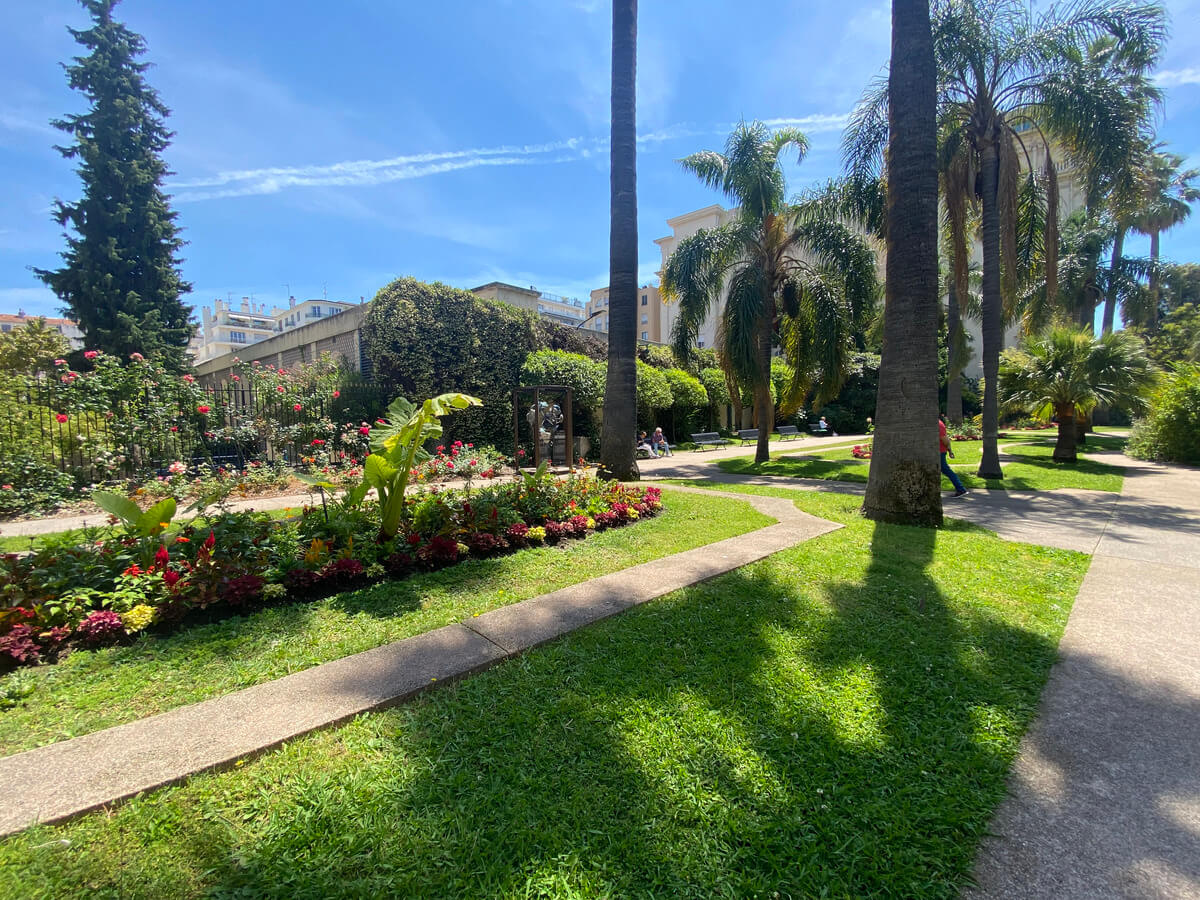
Today, it is protected and has been awarded the Jardin remarquable label, recognising it as an exceptional garden.
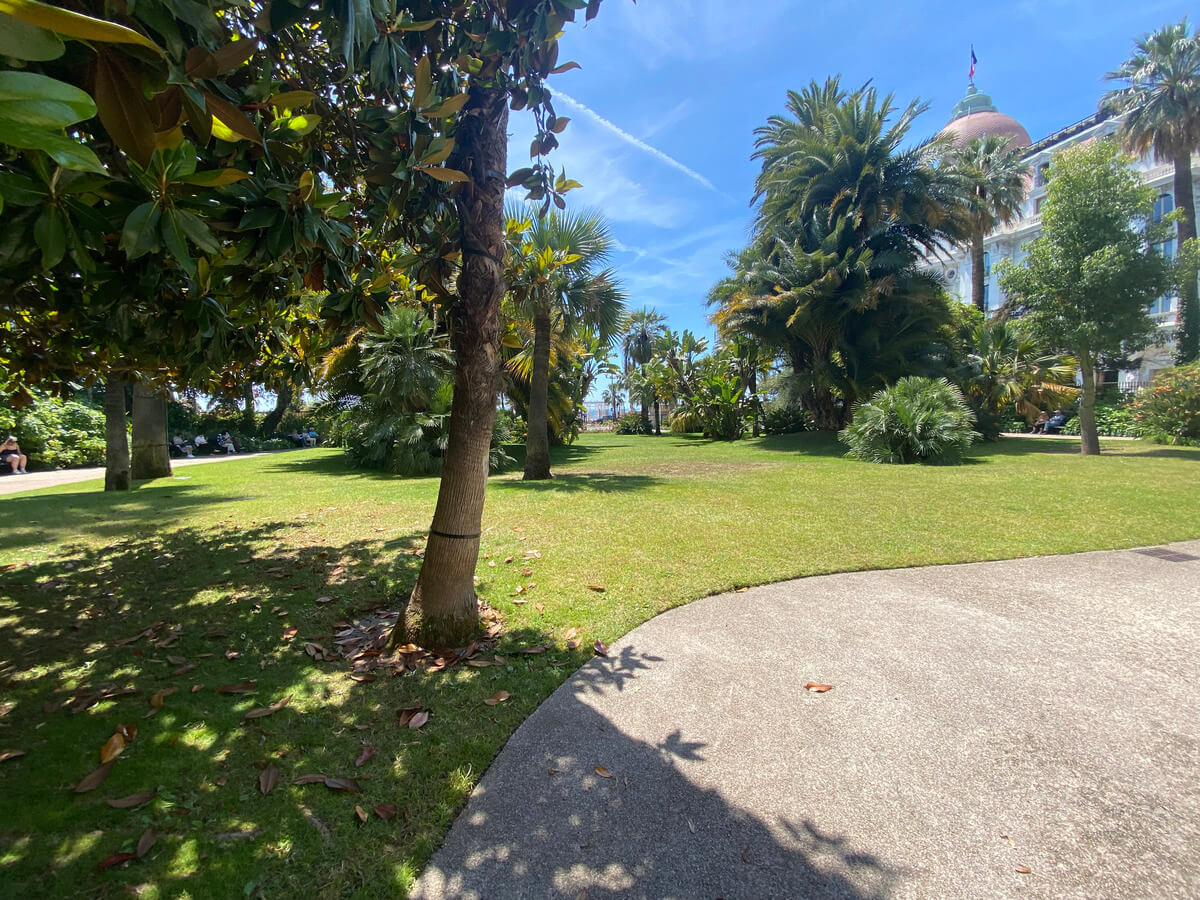
You’ll find palm trees, roses, citrus trees, ficuses, magnolias, cycads, and exotic plants, carefully arranged so that each section of the garden offers a different view and atmosphere.
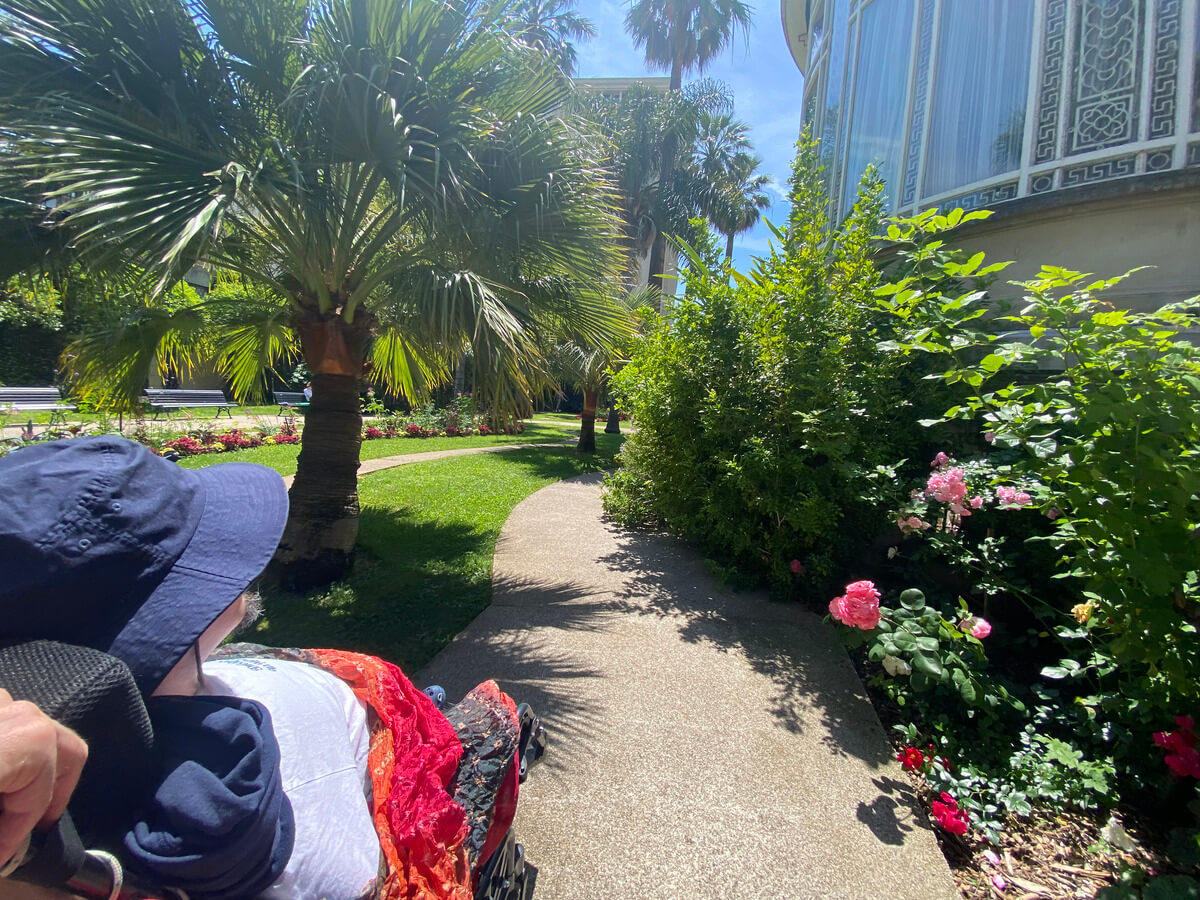
One area features neatly arranged flower beds, while further on, a large lawn opens up, surrounded by a collection of palm trees and other exotic plants.
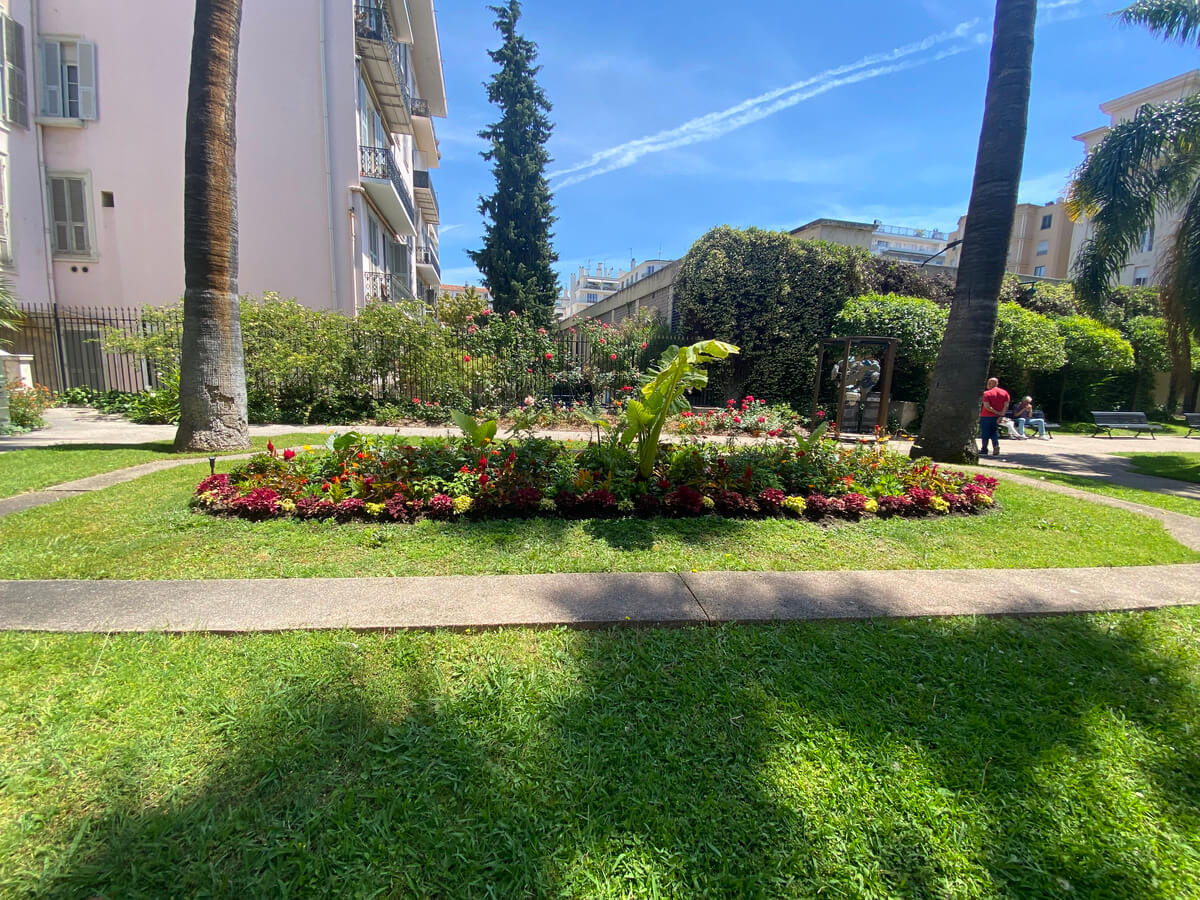
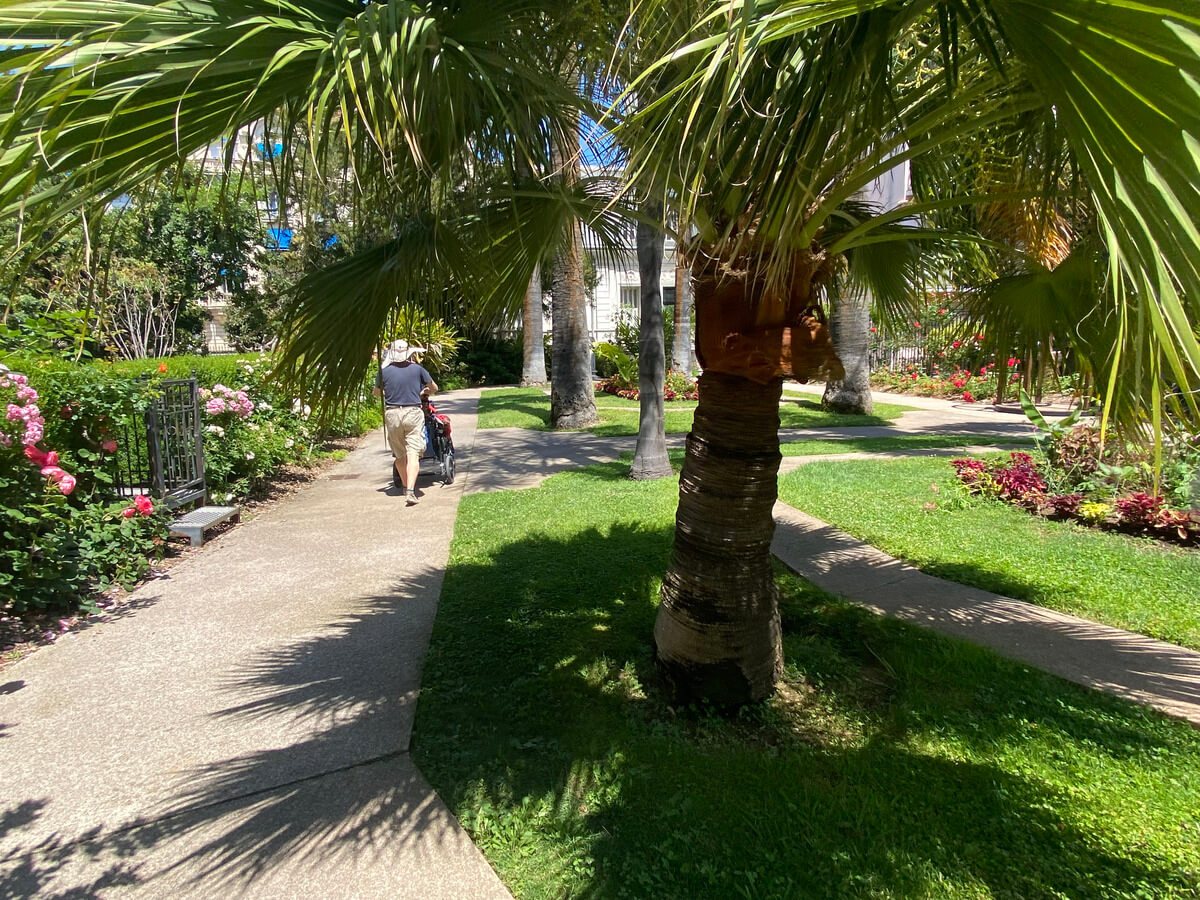
The view through the garden railings towards the Promenade des Anglais is particularly beautiful.
Is Masséna Palace worth visiting?
Yes, especially if you’re interested in history, architecture, and discovering a different side of Nice.
Allow around two hours for your visit. It’s easy to combine the palace with a walk along the Promenade des Anglais, a tour of Nice city centre, or a visit to other nearby attractions.
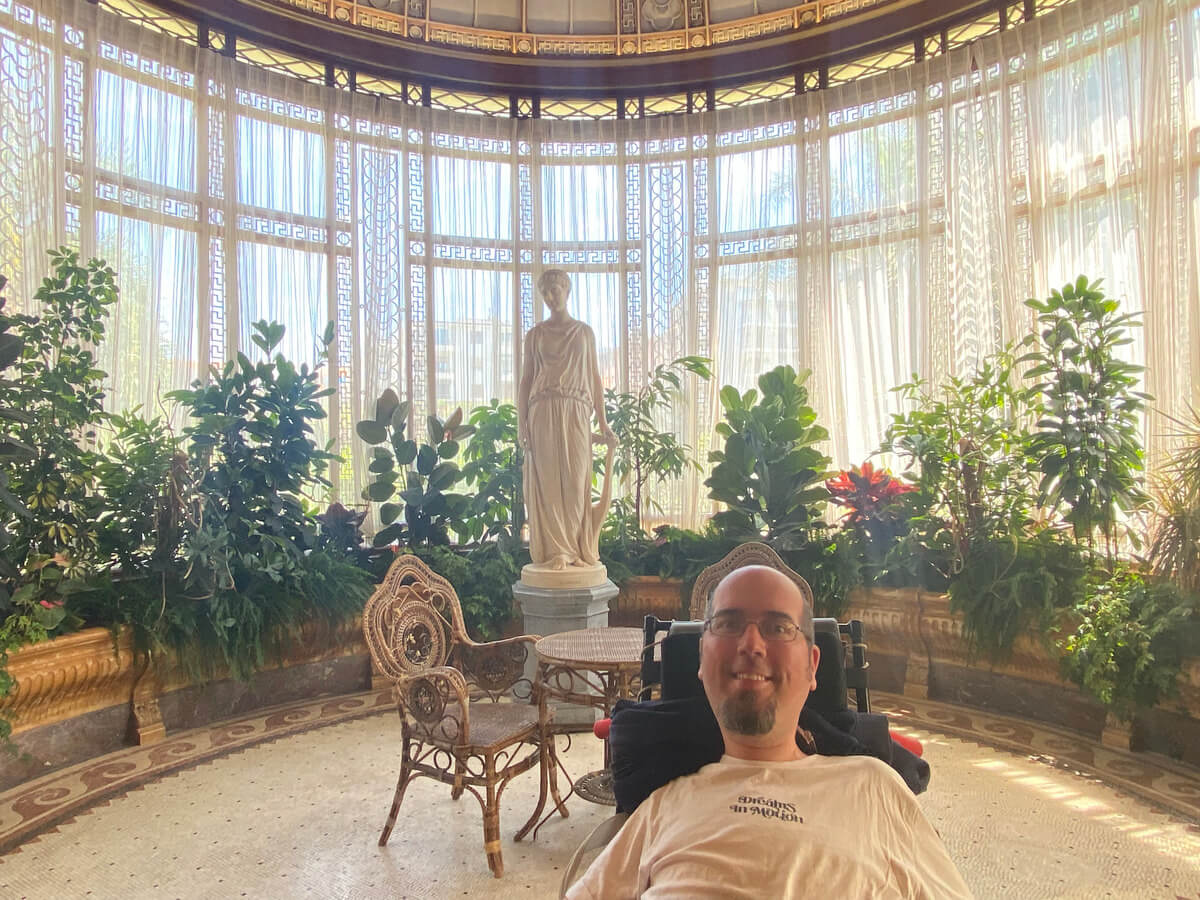
Masséna Palace is more than just one of the most beautiful buildings in the city. It offers a glimpse into an era when princes, aristocrats, and Europe’s elite came to the French Riviera to spend their winters. Perhaps that’s precisely what makes it so fascinating.
After the visit, it’s time for a little refreshment. Since I’m in France, a croissant and a coffee are always a winning combination.

Have you visited the Masséna Museum in Nice?
Did I miss anything?
Travelled and enjoyed,
Marko Veličković