If you’re planning a trip through northern Greece, the Tomb of Philip II and the Museum of the Royal Tombs at Vergina are among the most important historical and cultural attractions you can visit…
Where is Vergina?
Vergina is located about 75 kilometers (47 miles) west of Thessaloniki.
In ancient times, it was known as Aigai, the first capital of the Kingdom of Macedon and the burial place of the Macedonian kings. It was here, in 336 BC, that King Philip II was assassinated, and his son, Alexander the Great, was proclaimed king.
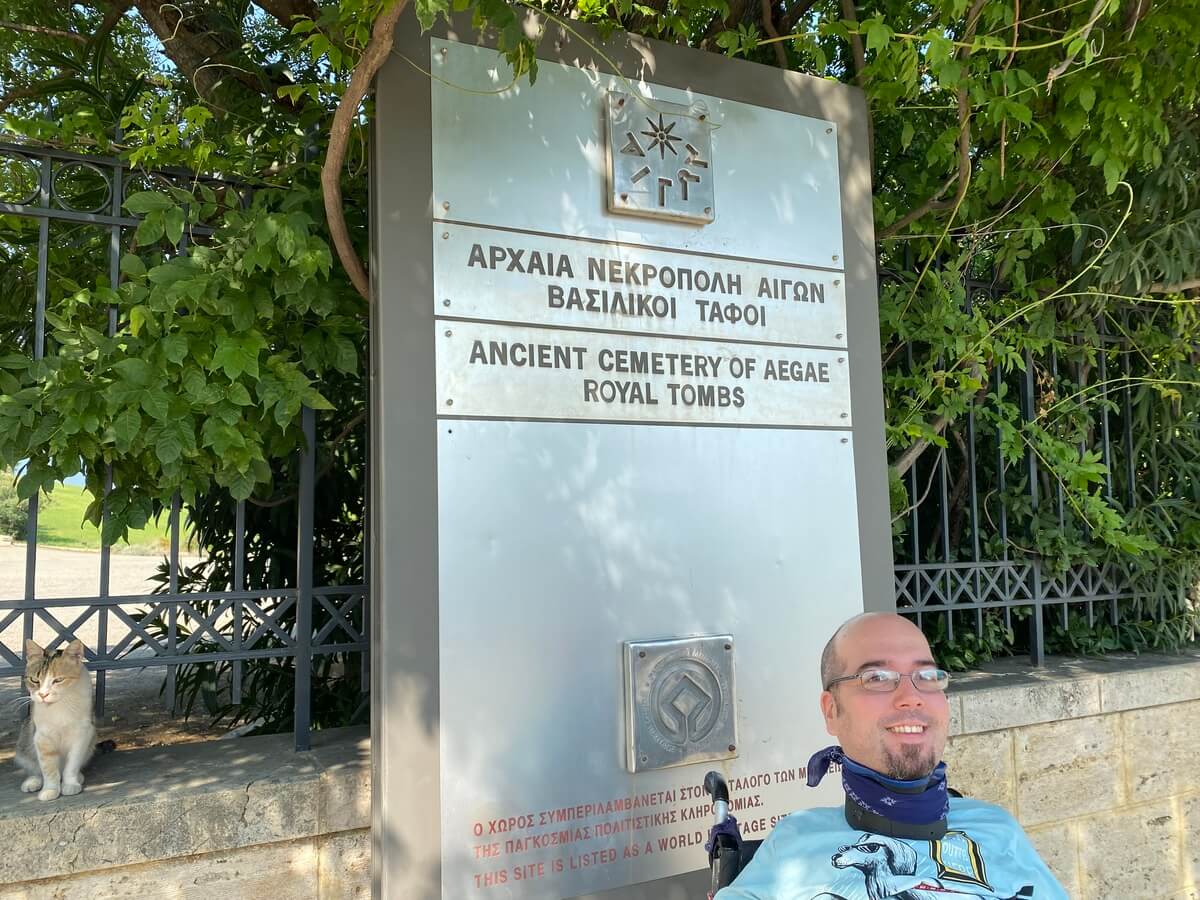
Because of its exceptional historical significance, the archaeological site of Vergina has been designated a UNESCO World Heritage Site and is now one of Greece’s most visited historical destinations.
The site’s most famous attraction is the Tomb of Philip II, the father of Alexander the Great. It was discovered in 1977 by Greek archaeologist Manolis Andronikos and is considered one of the greatest archaeological discoveries of the 20th century.
Why is the Tomb of Philip II so important?
Philip II of Macedon was one of the greatest military leaders of the ancient world. He united the Greek city-states and established a powerful kingdom that his son, Alexander the Great, would later expand across Asia and Egypt.
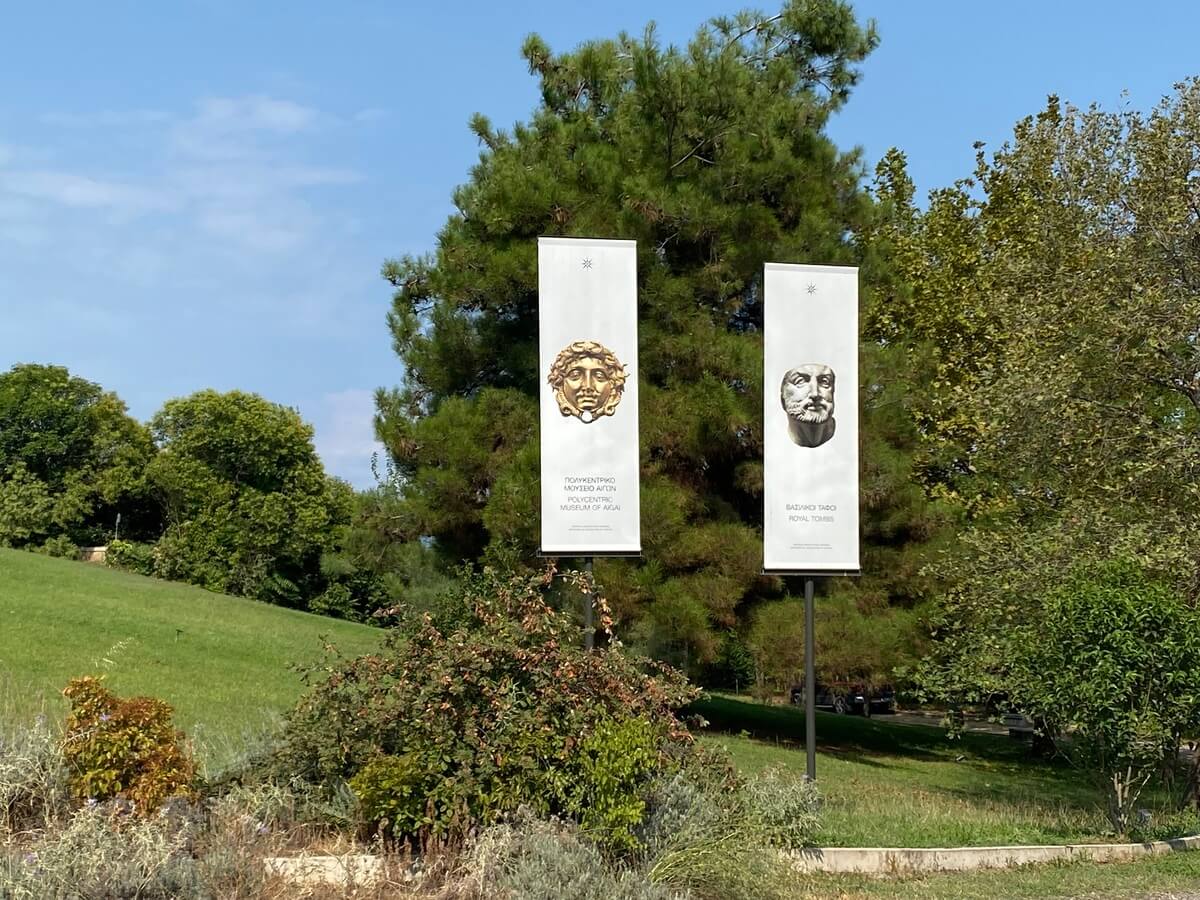
His tomb provides an invaluable source of information about the history of ancient Macedonia.
Visiting the Tomb of Philip II offers a unique opportunity to see authentic artifacts more than two thousand years old and to experience firsthand the history that shaped the course of European civilization.
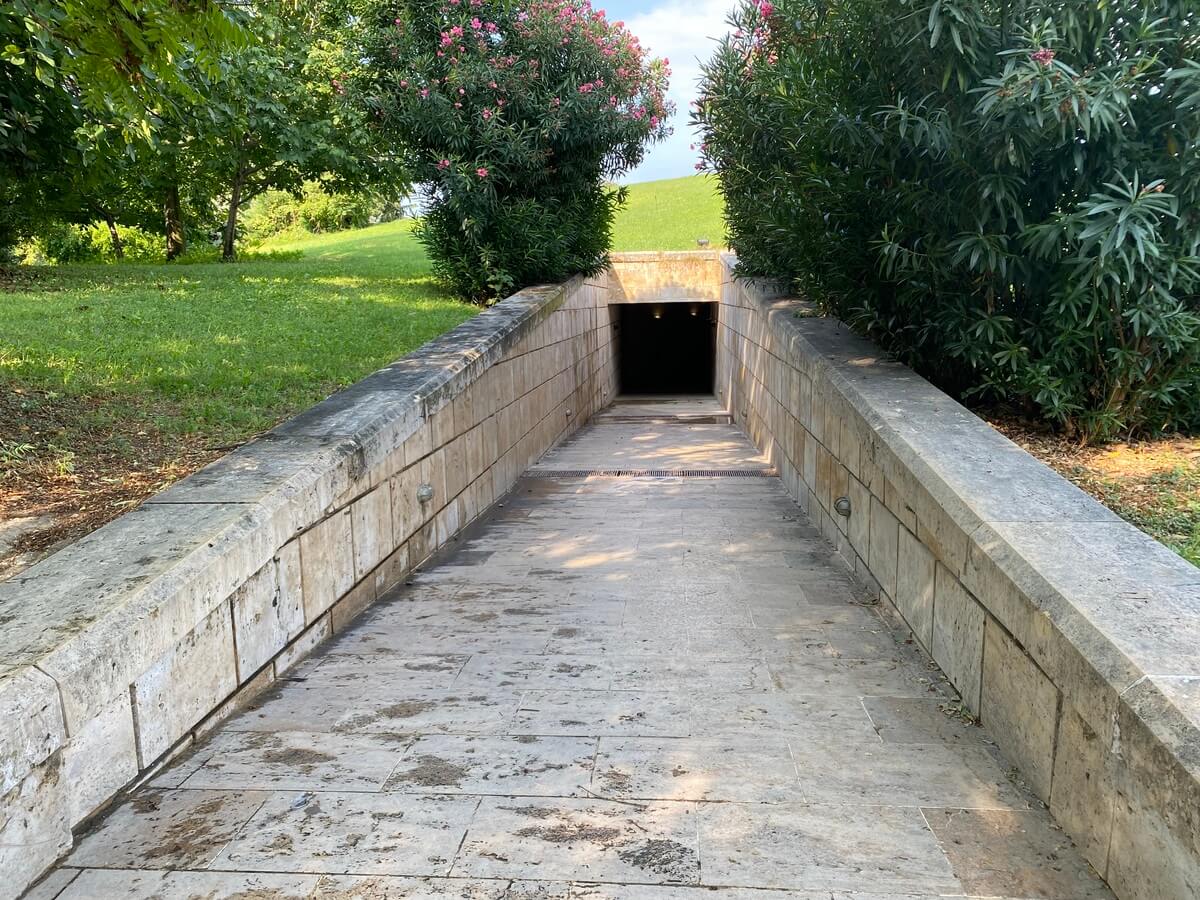
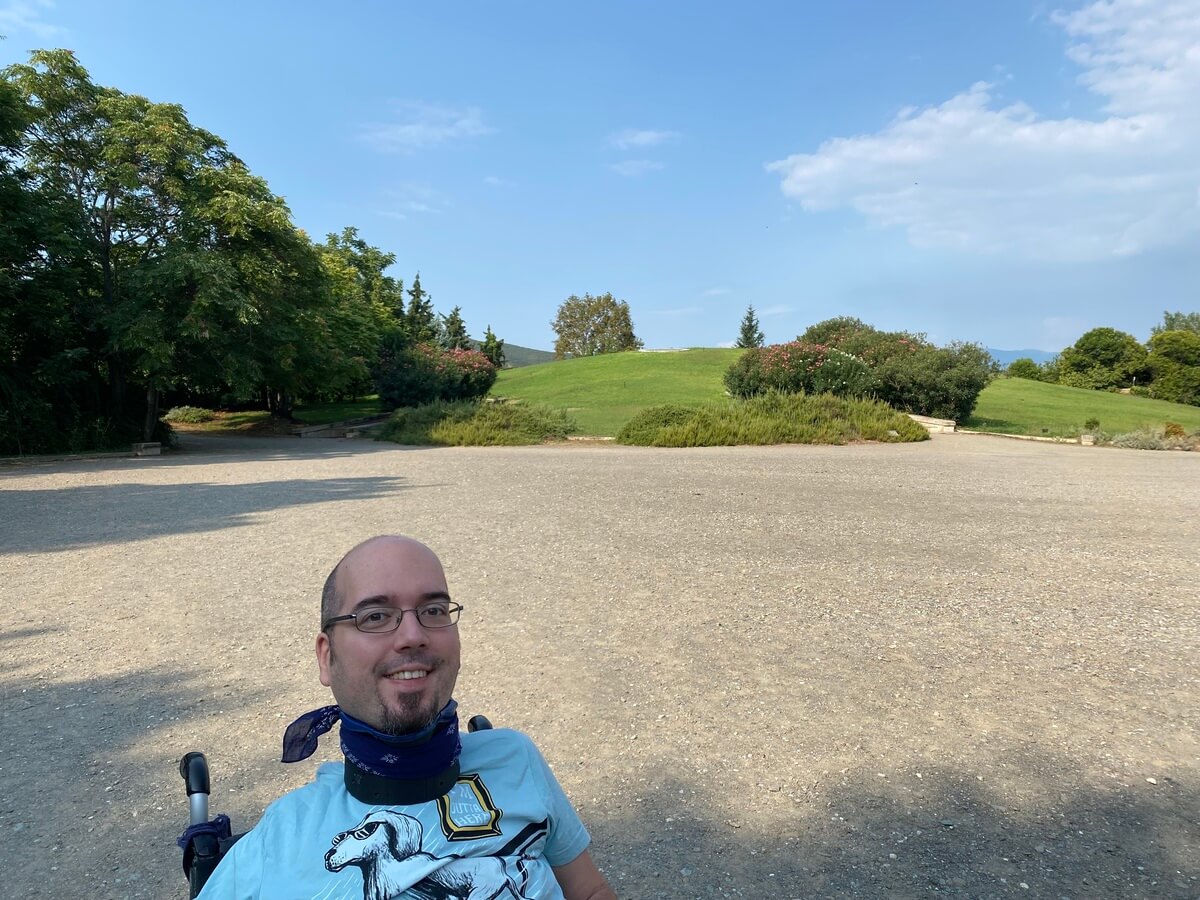
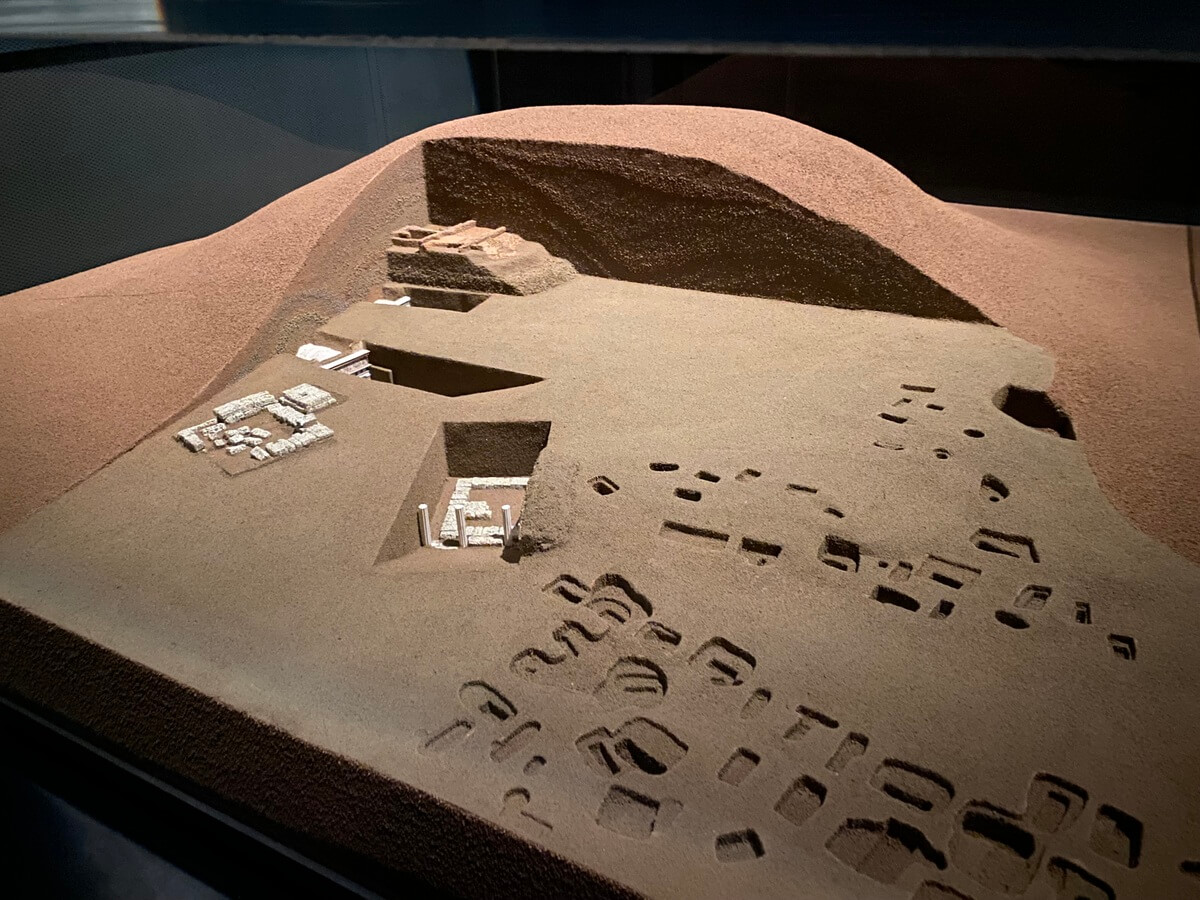
Unlike many of Greece’s major archaeological sites, which were looted centuries ago, Vergina is one of the few places where its treasures remained untouched. It’s hard to believe that beneath an ordinary grassy hill lay one of the greatest archaeological discoveries of the 20th century. For more than 2,300 years, the tomb of Philip II remained completely intact.
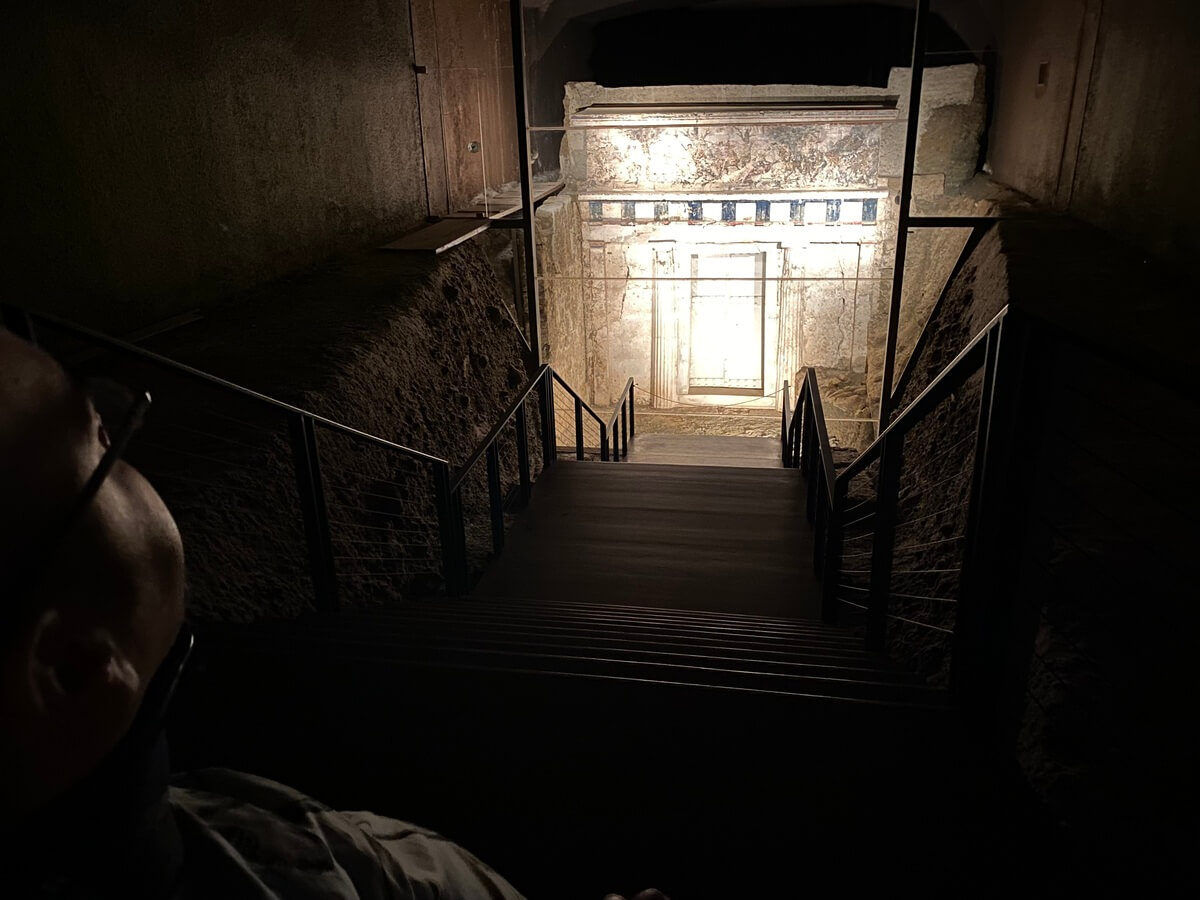
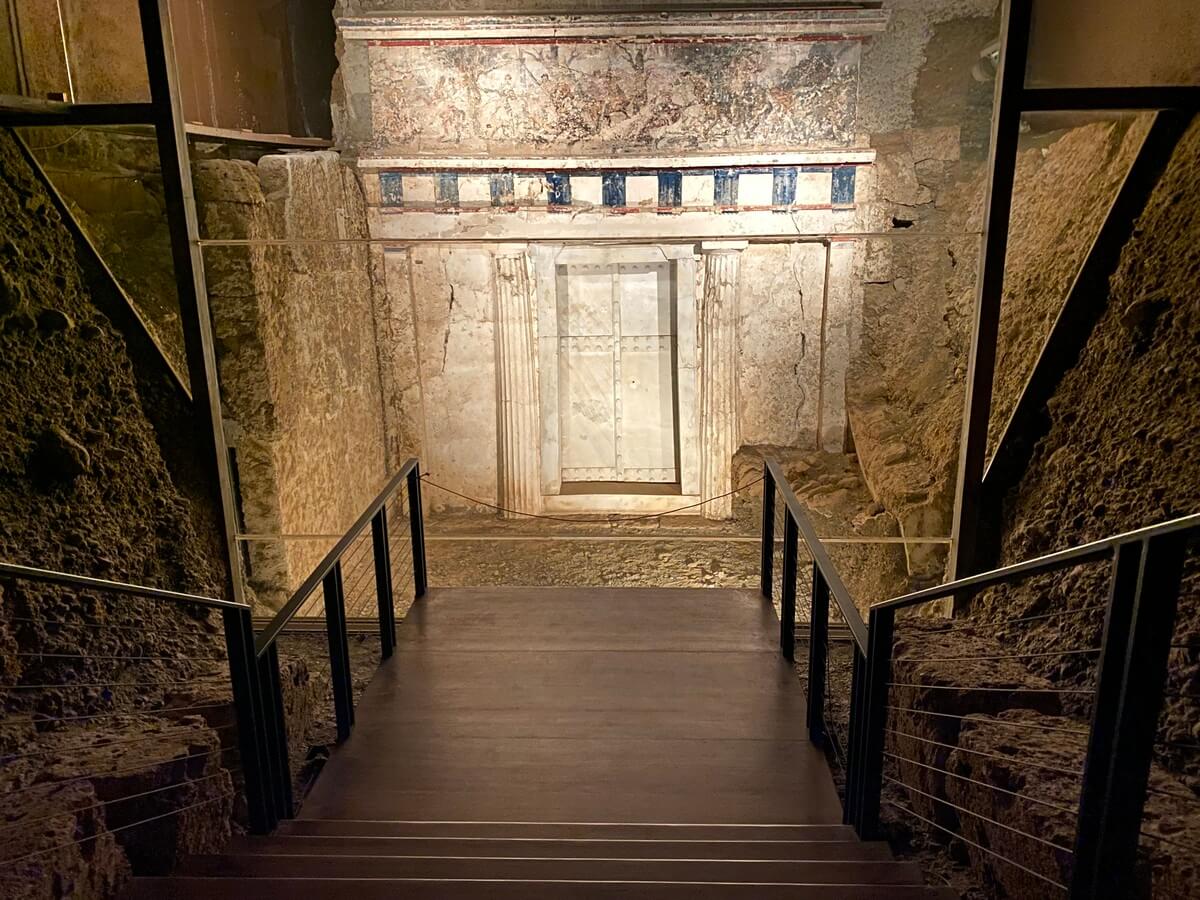
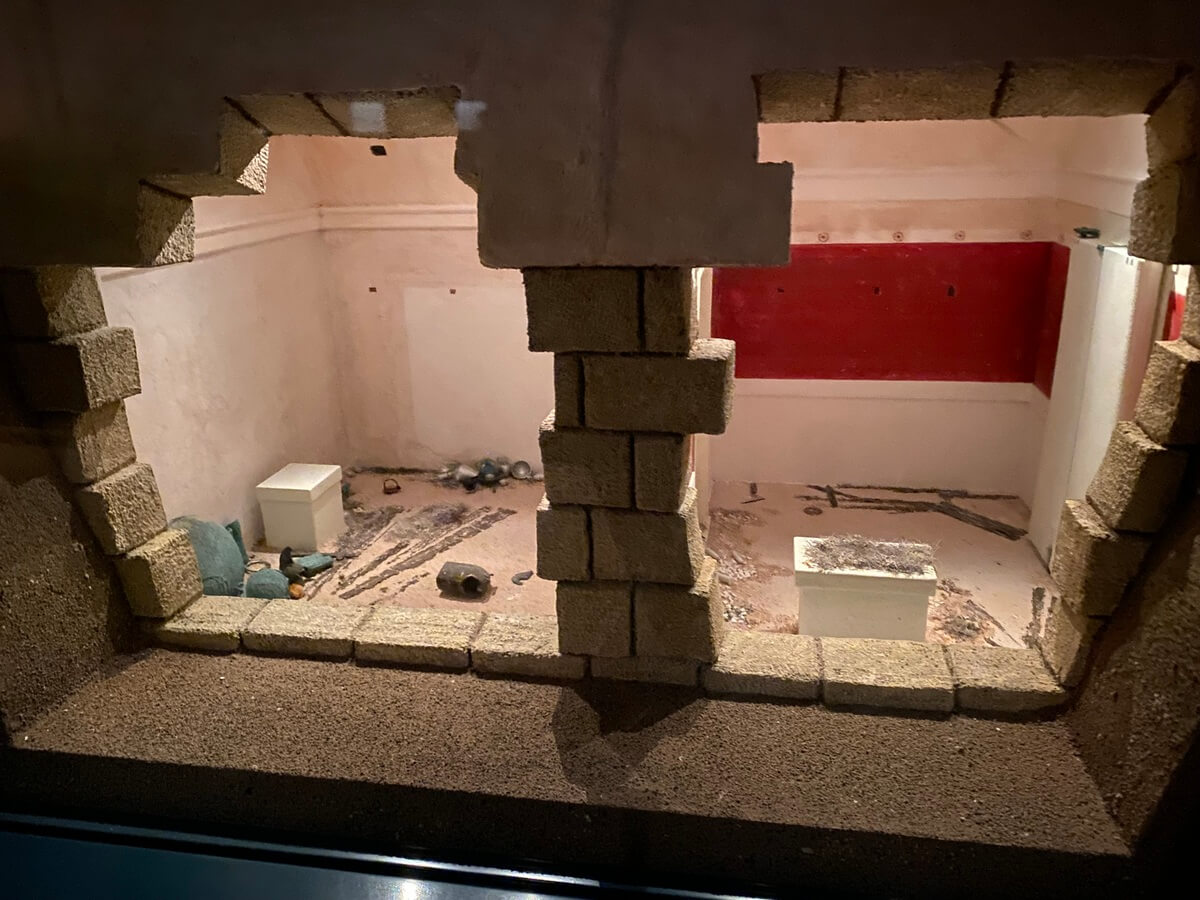
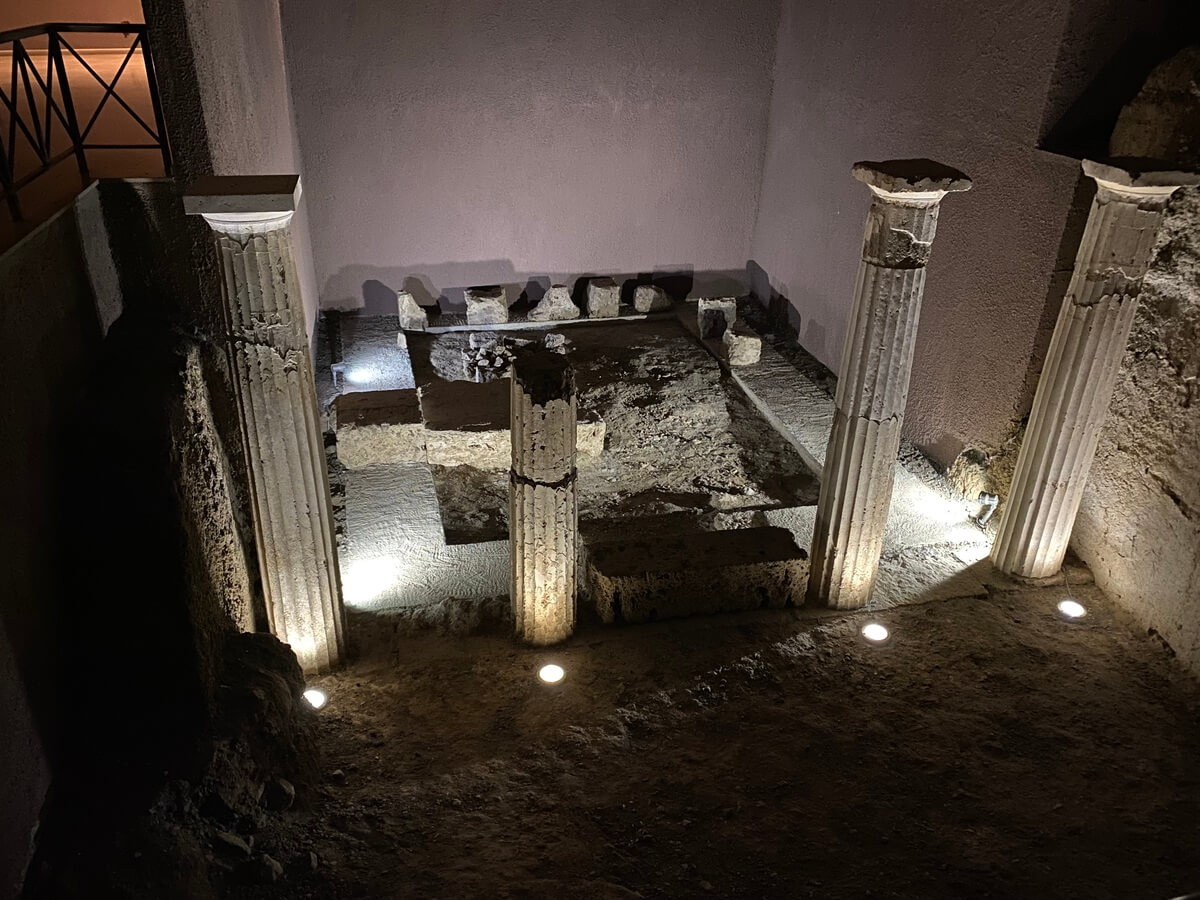
Today, the site is protected by the modern Museum of the Royal Tombs at Vergina, which was built around the original tombs to preserve them while allowing visitors an unforgettable experience.
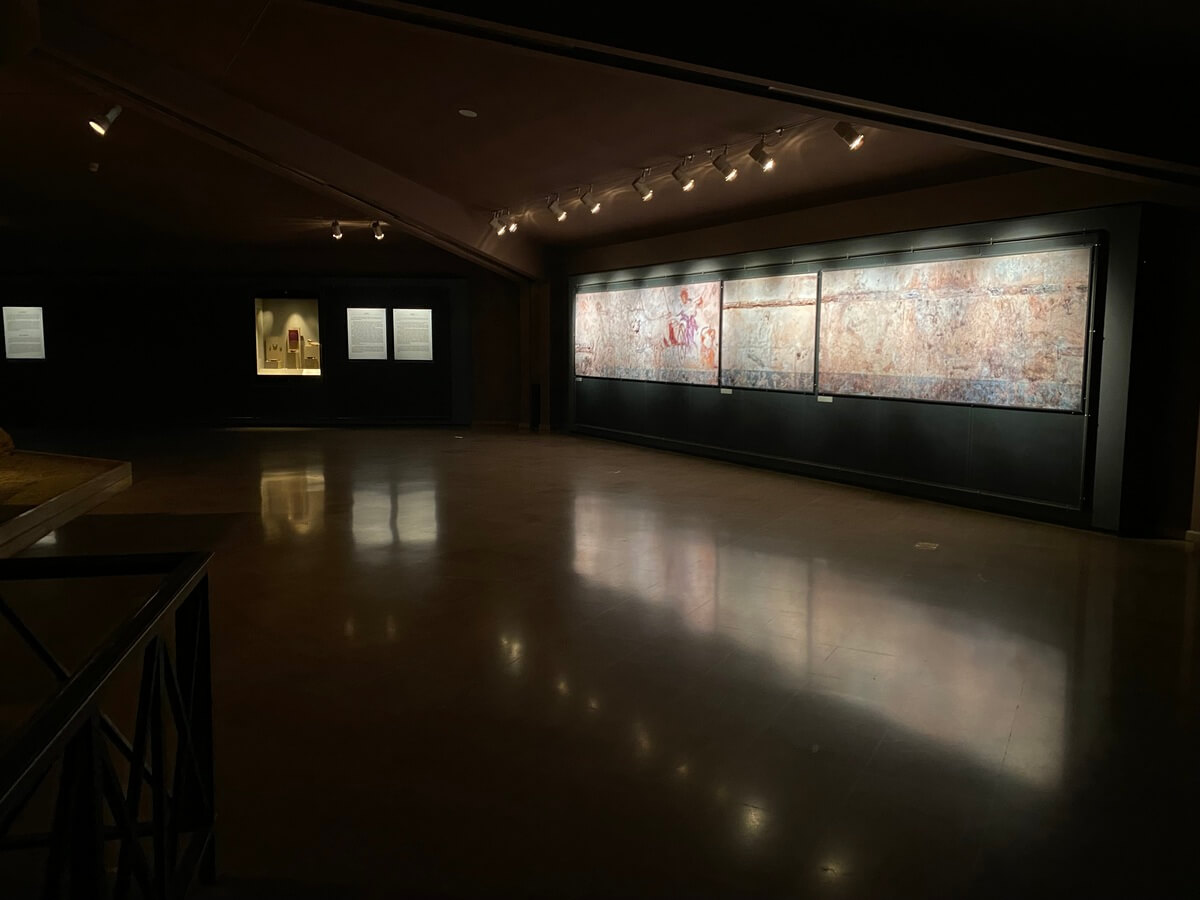
Visitors walk through dimly lit galleries designed to resemble the interior of ancient burial mounds, creating the feeling of stepping back in time.
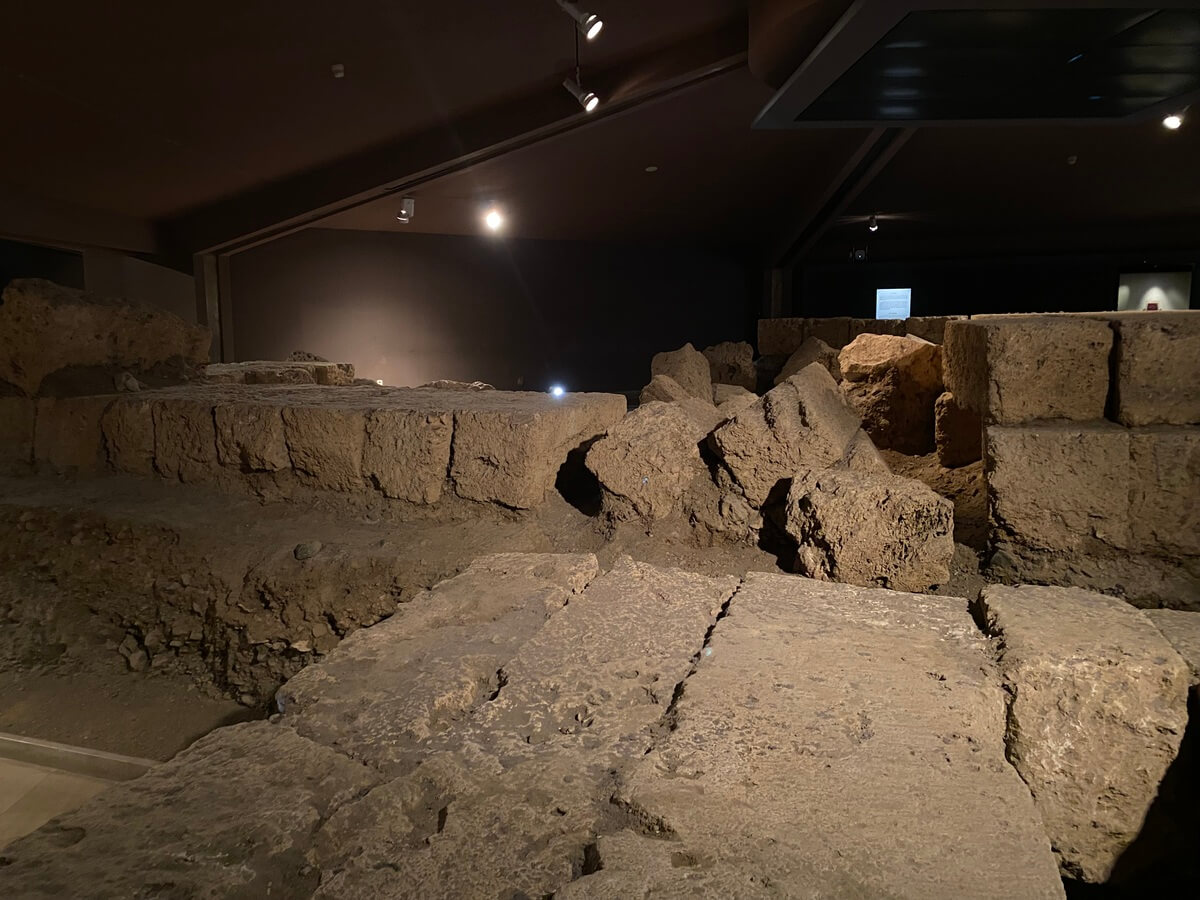
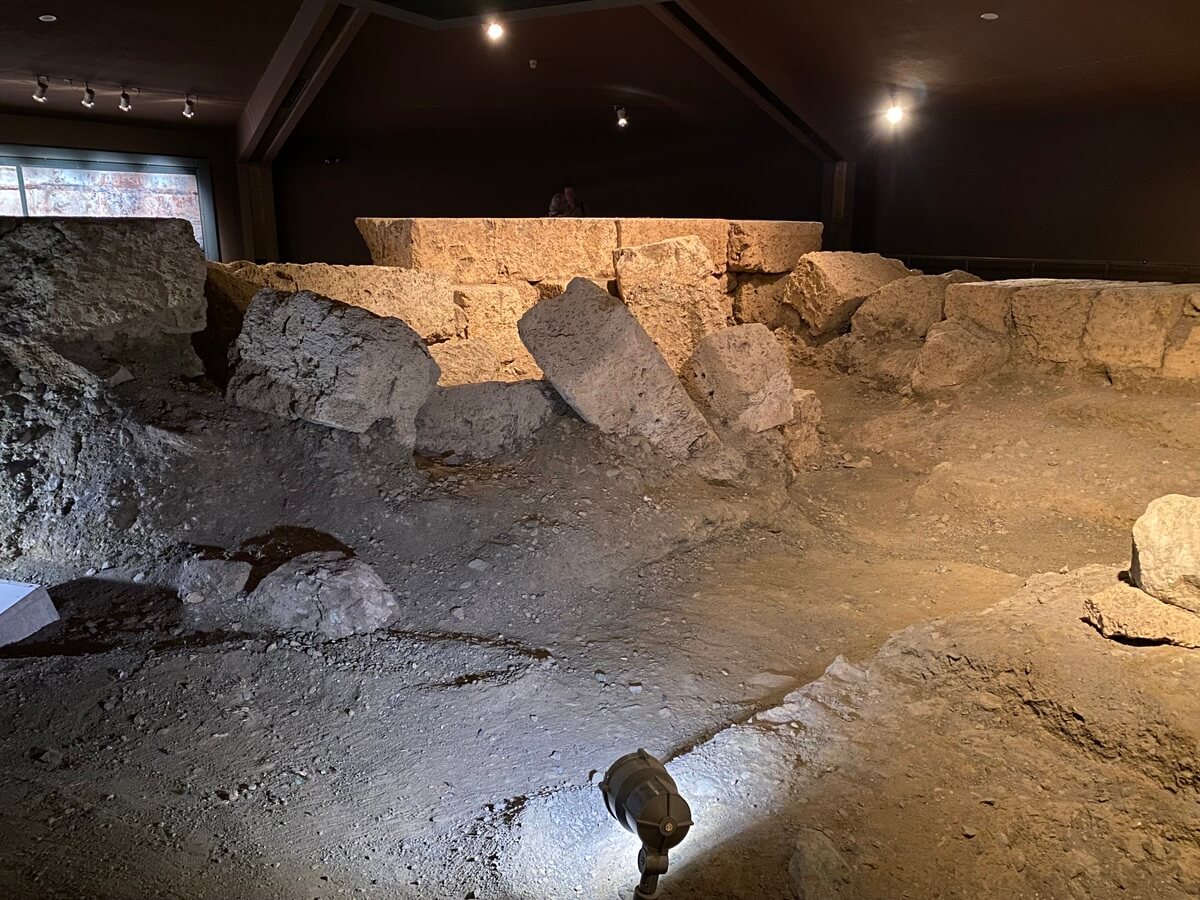
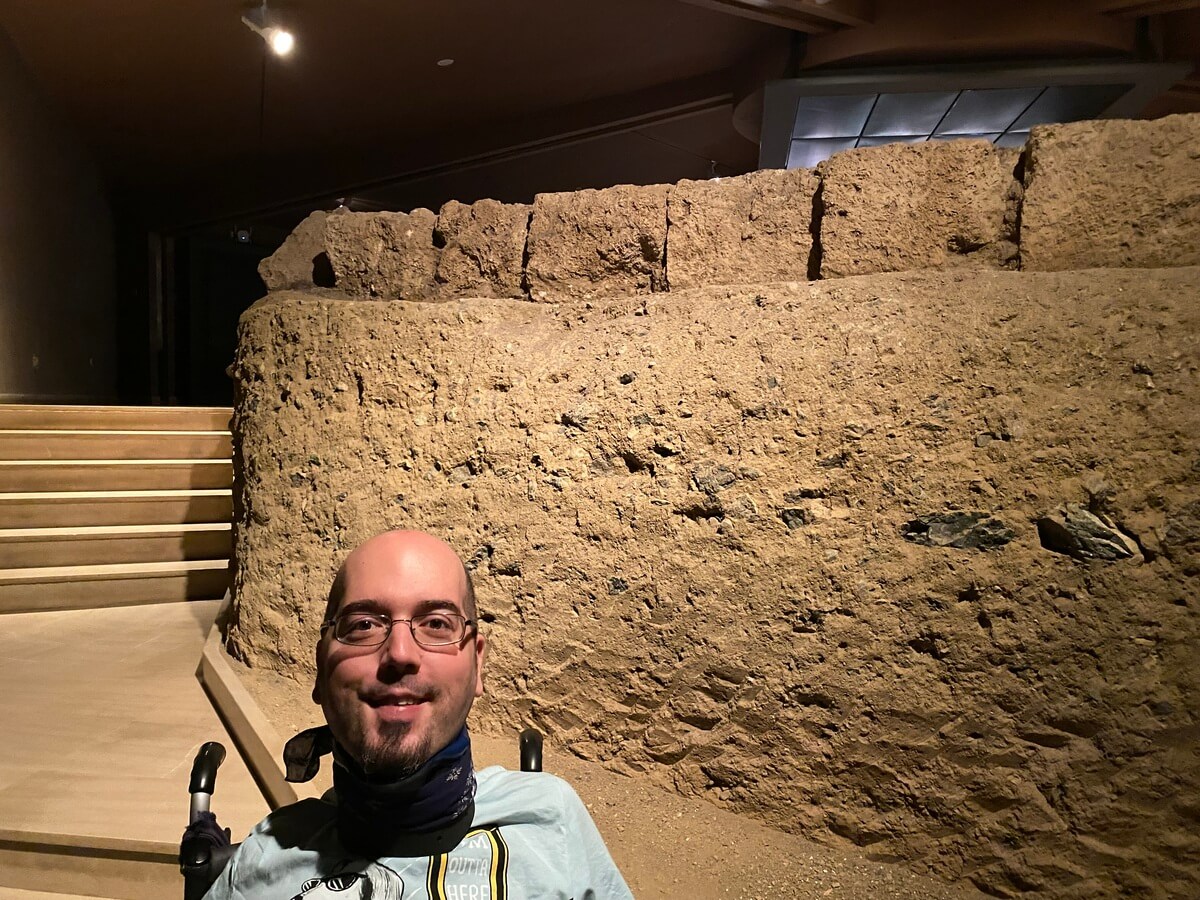
The museum is unlike a traditional building filled with display cases. Every part of the exhibition has been carefully designed to make you feel as though you’ve entered the ancient world. Soft lighting, silence, and beautifully illuminated artifacts create an atmosphere that’s difficult to describe. This isn’t a place you rush through. Quite the opposite—you’ll find yourself stopping to admire every single detail.
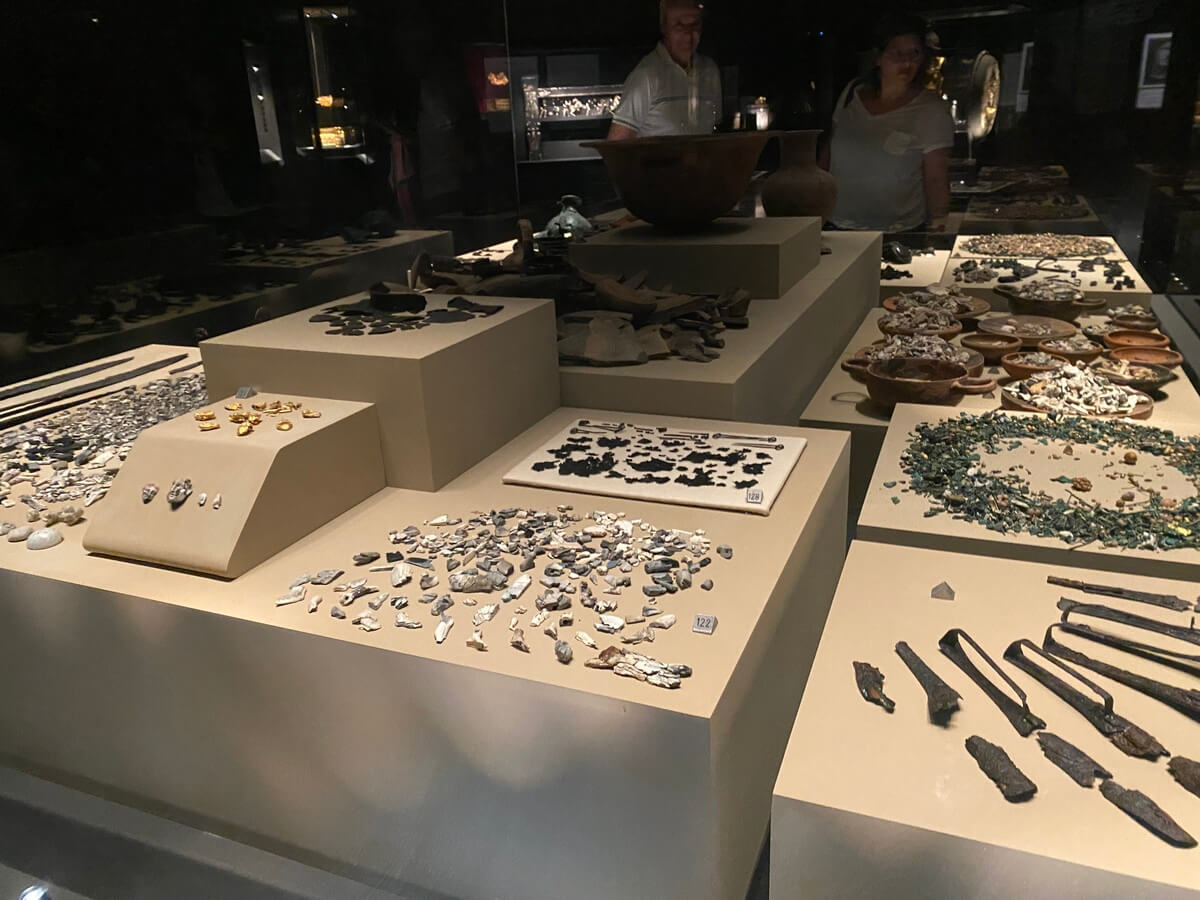
And there are countless details to admire.
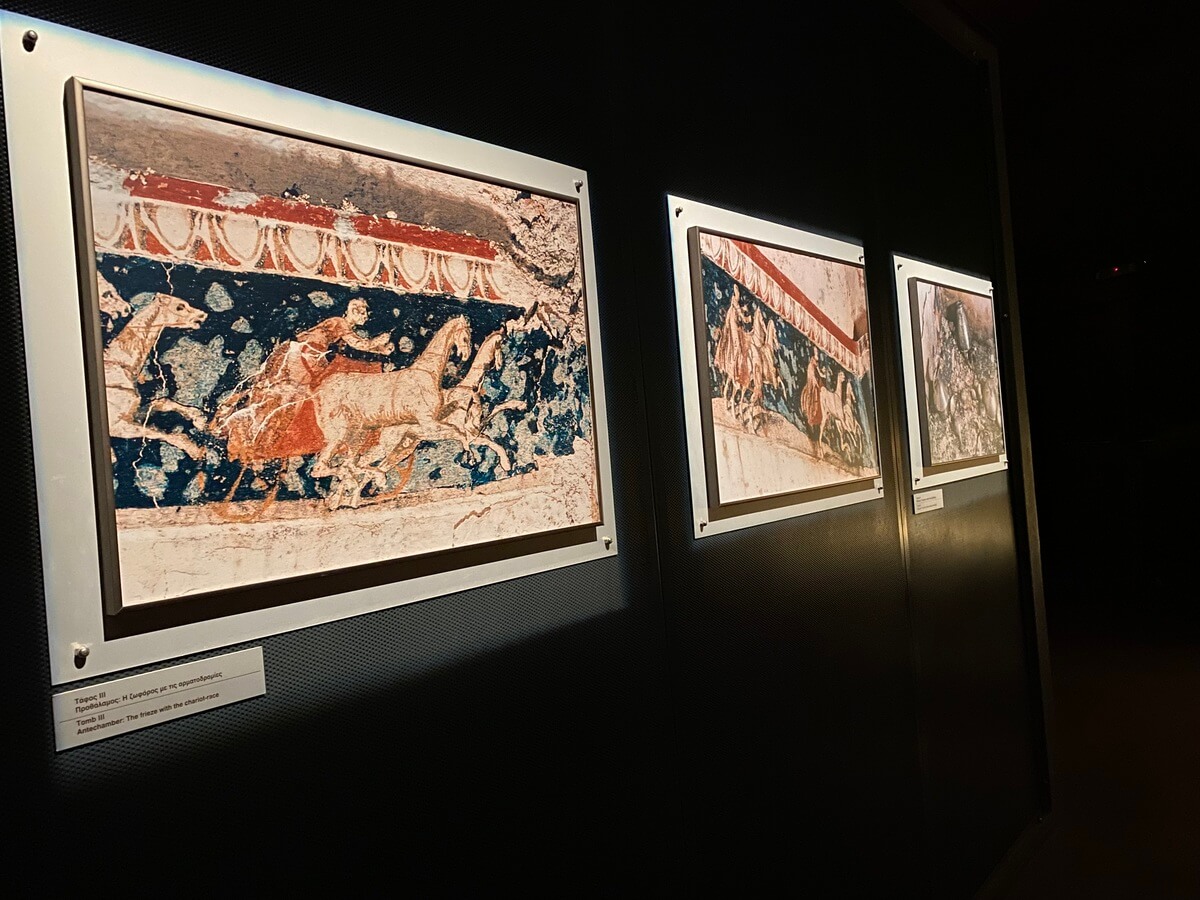
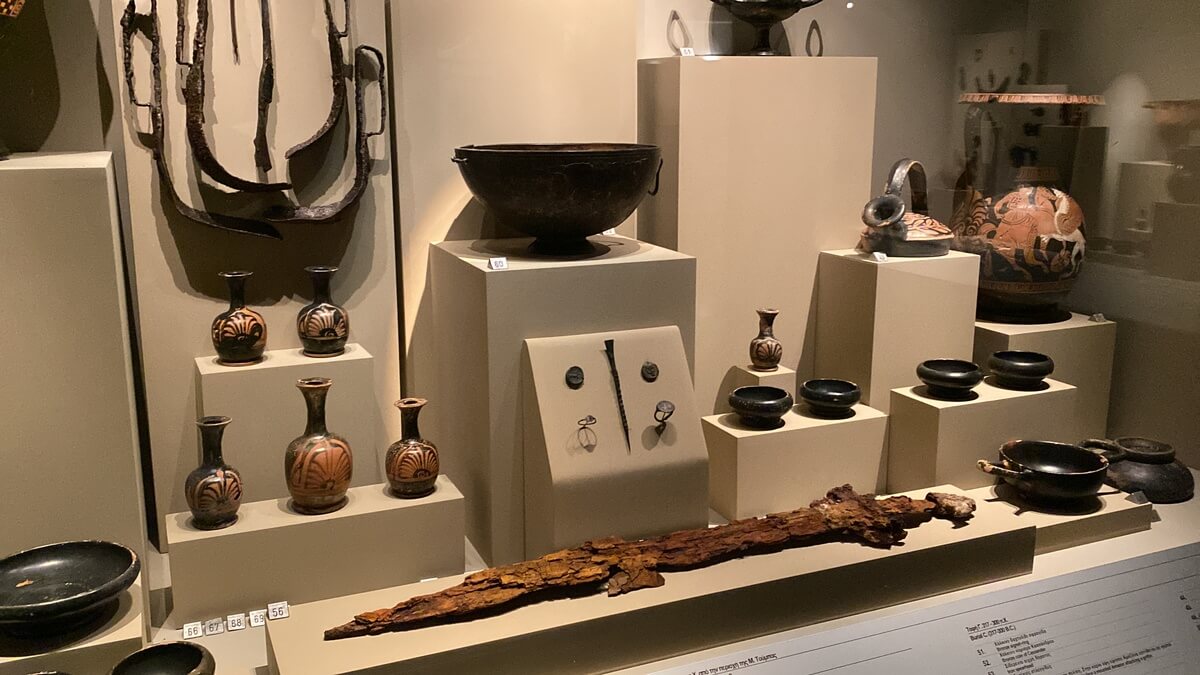
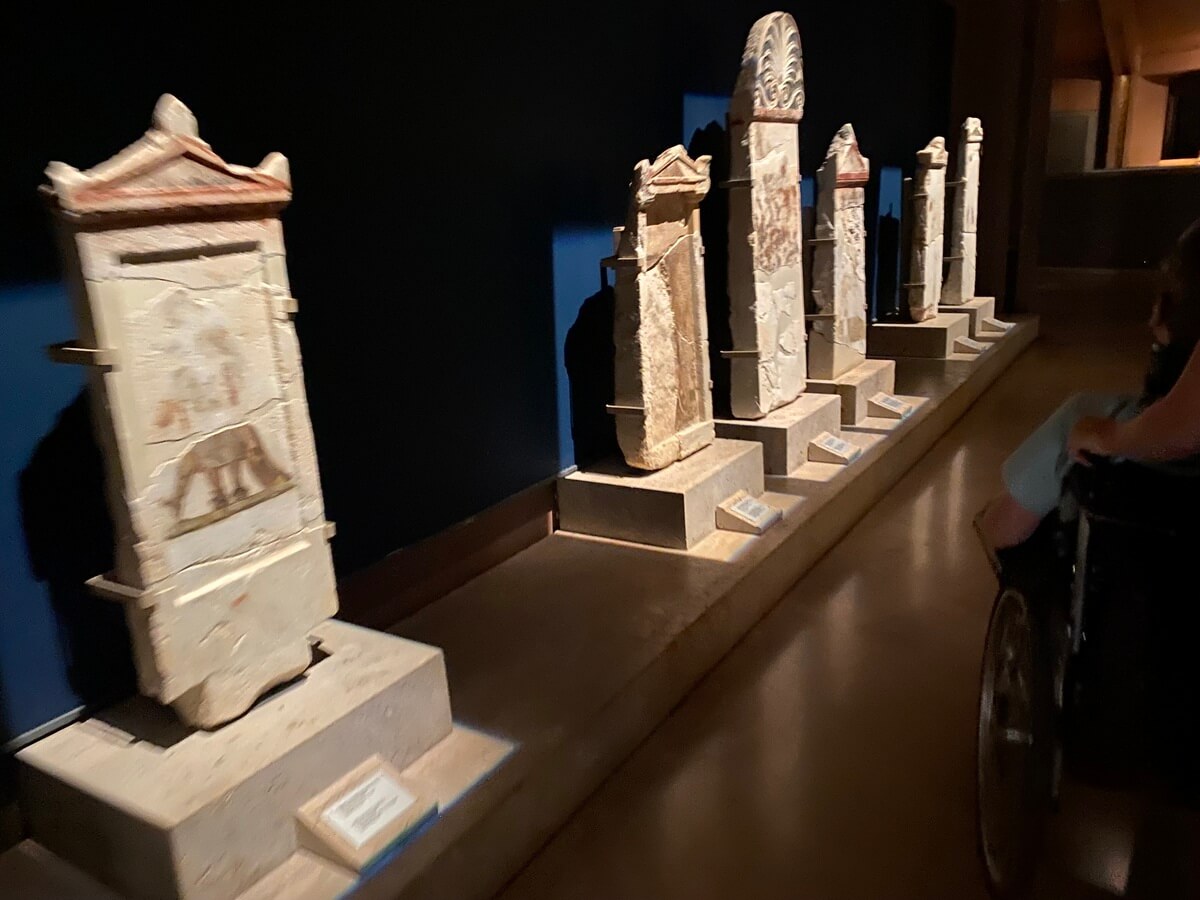
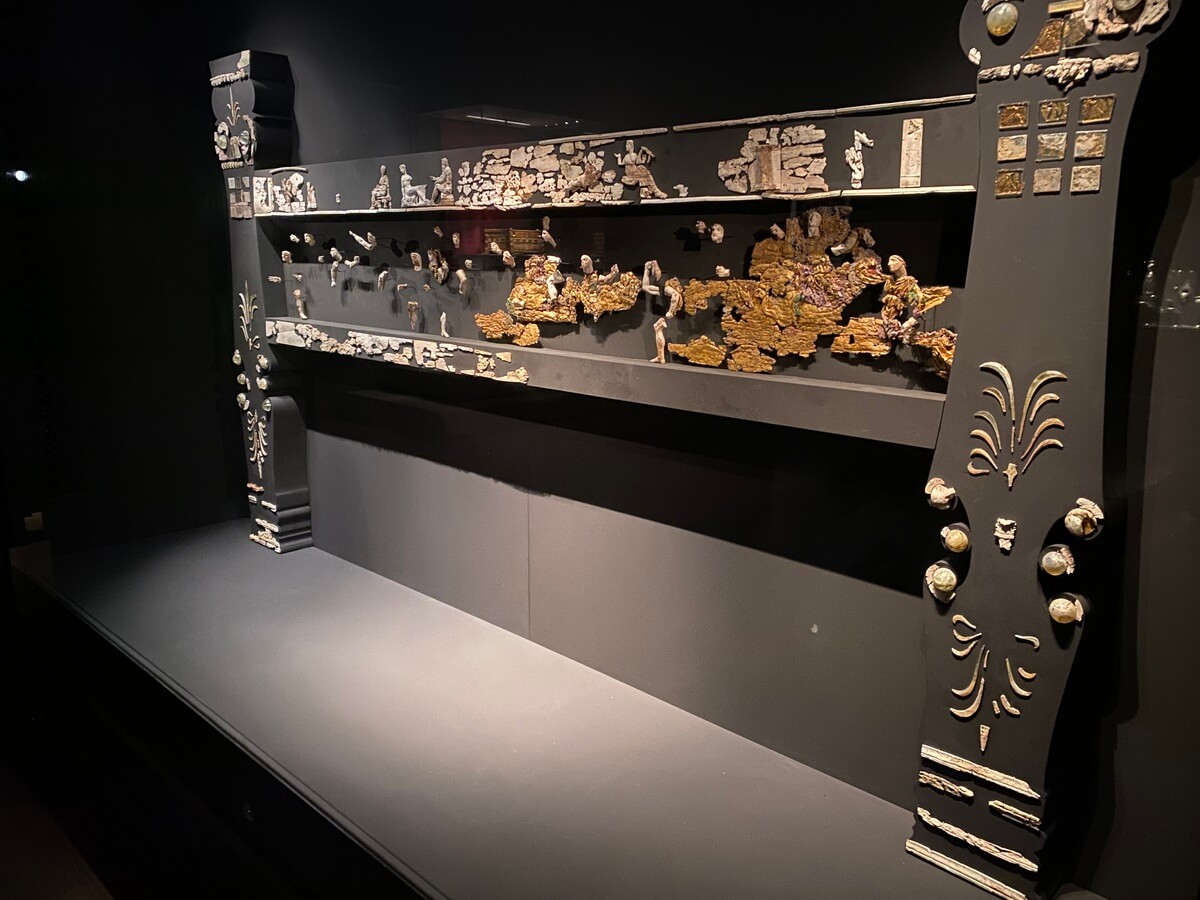
The objects that impressed me the most were the extraordinary gold artifacts discovered inside Philip II’s tomb.
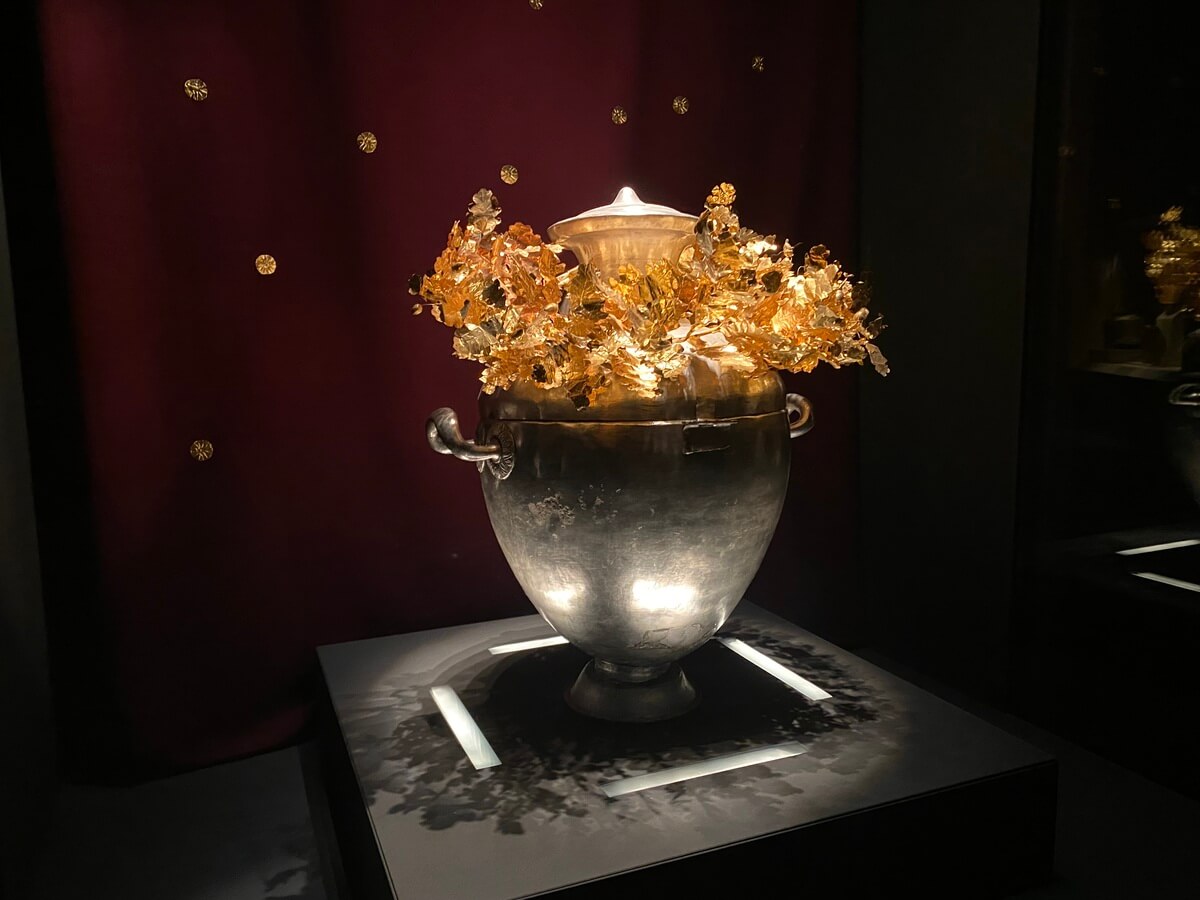
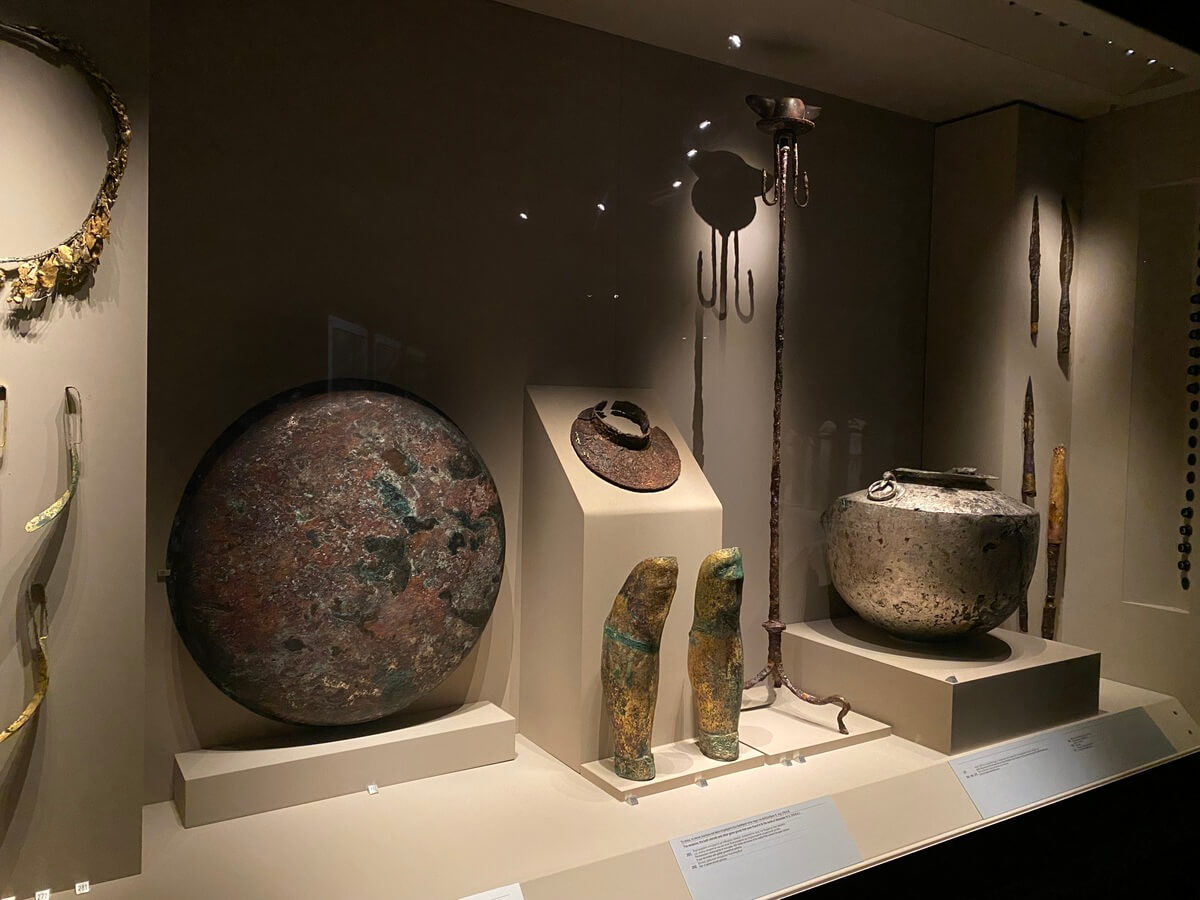
The gold oak wreath looks almost unreal. It’s difficult to believe that such a delicate masterpiece is more than two thousand years old. As you admire it, you can’t help wondering how craftsmen achieved such perfection without modern technology.
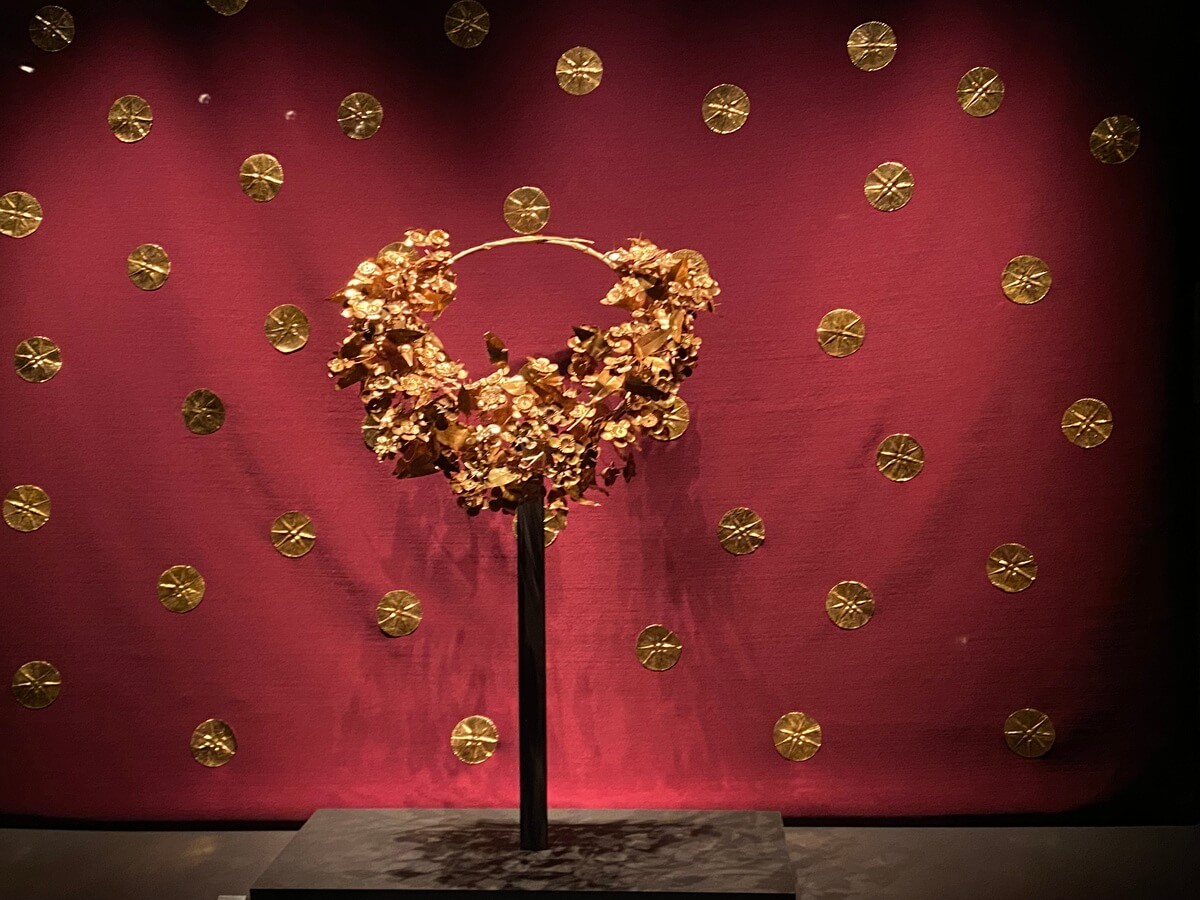
Descending into the underground galleries, you’ll encounter artifacts that have remained remarkably well preserved since 336 BC.
Among the treasures discovered in the tomb are:
The famous Golden Larnax of Vergina, decorated with the Vergina Sun. The golden chest weighs several kilograms and is made of solid gold. The Vergina Sun has become one of the most recognizable symbols of ancient Macedonia.
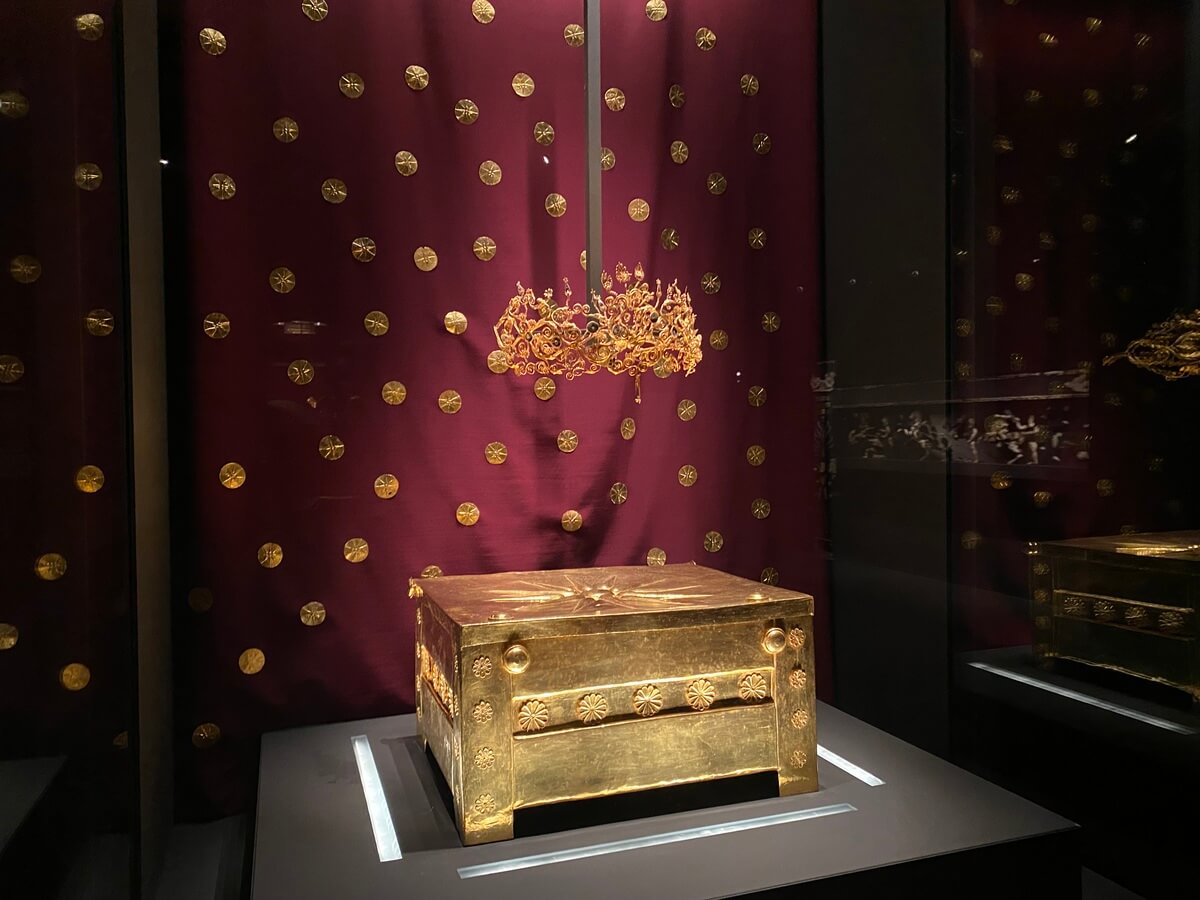
Weapons and jewelry.
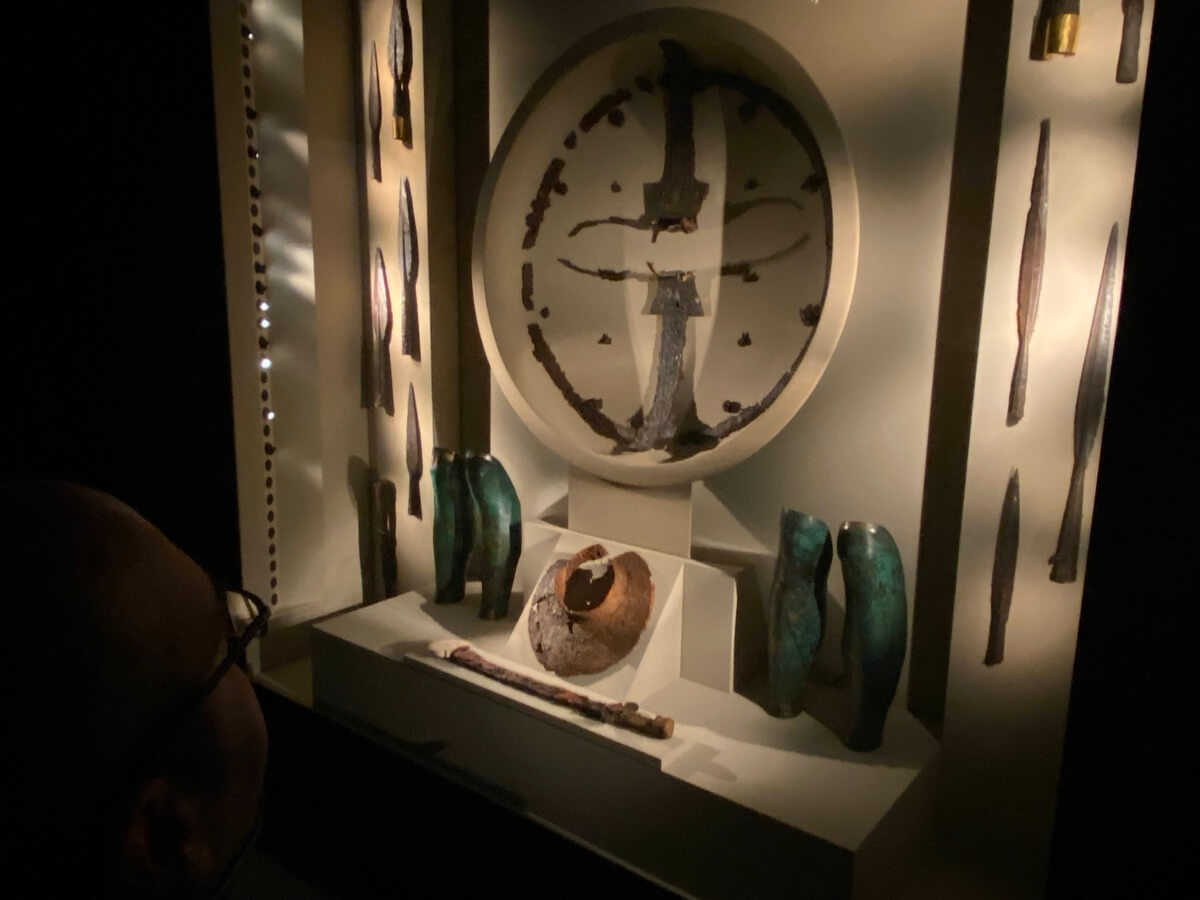
Armor and shields.
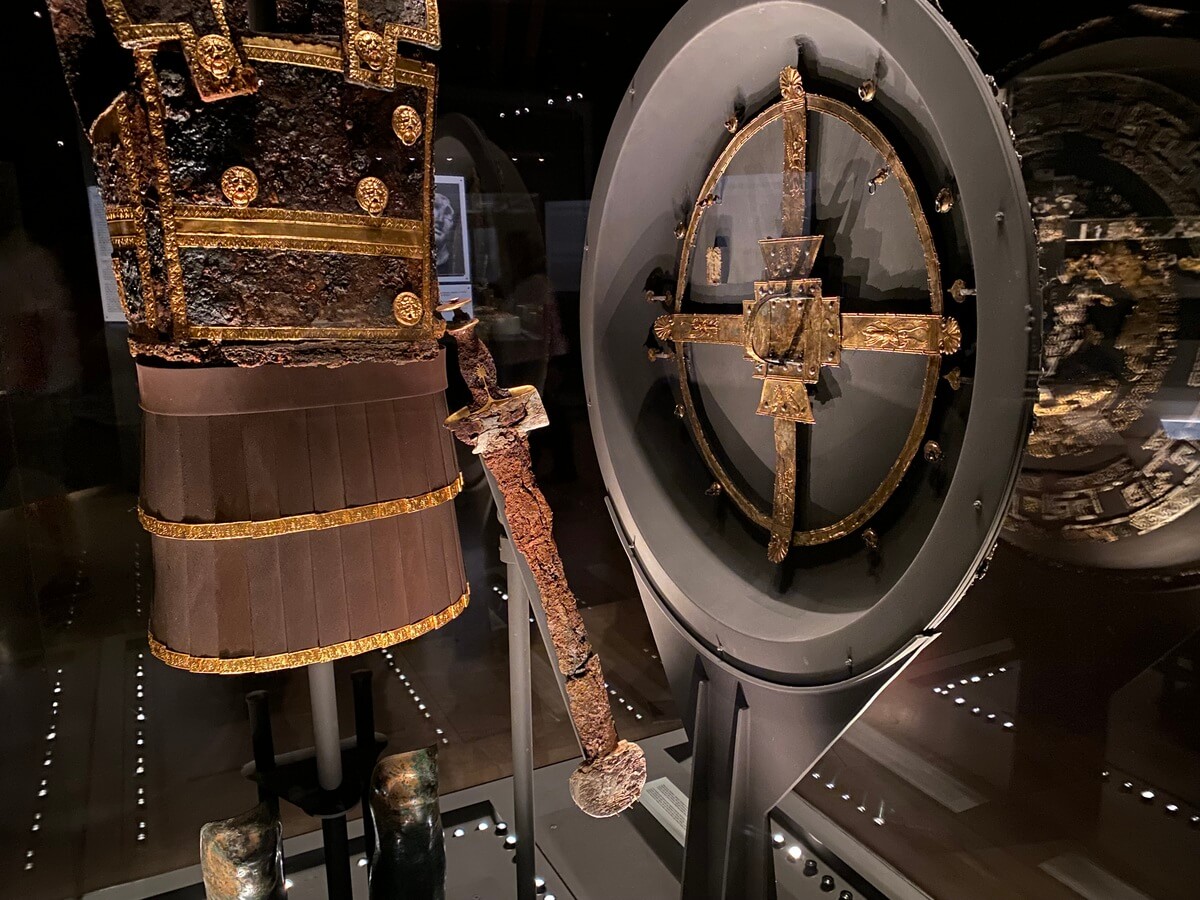
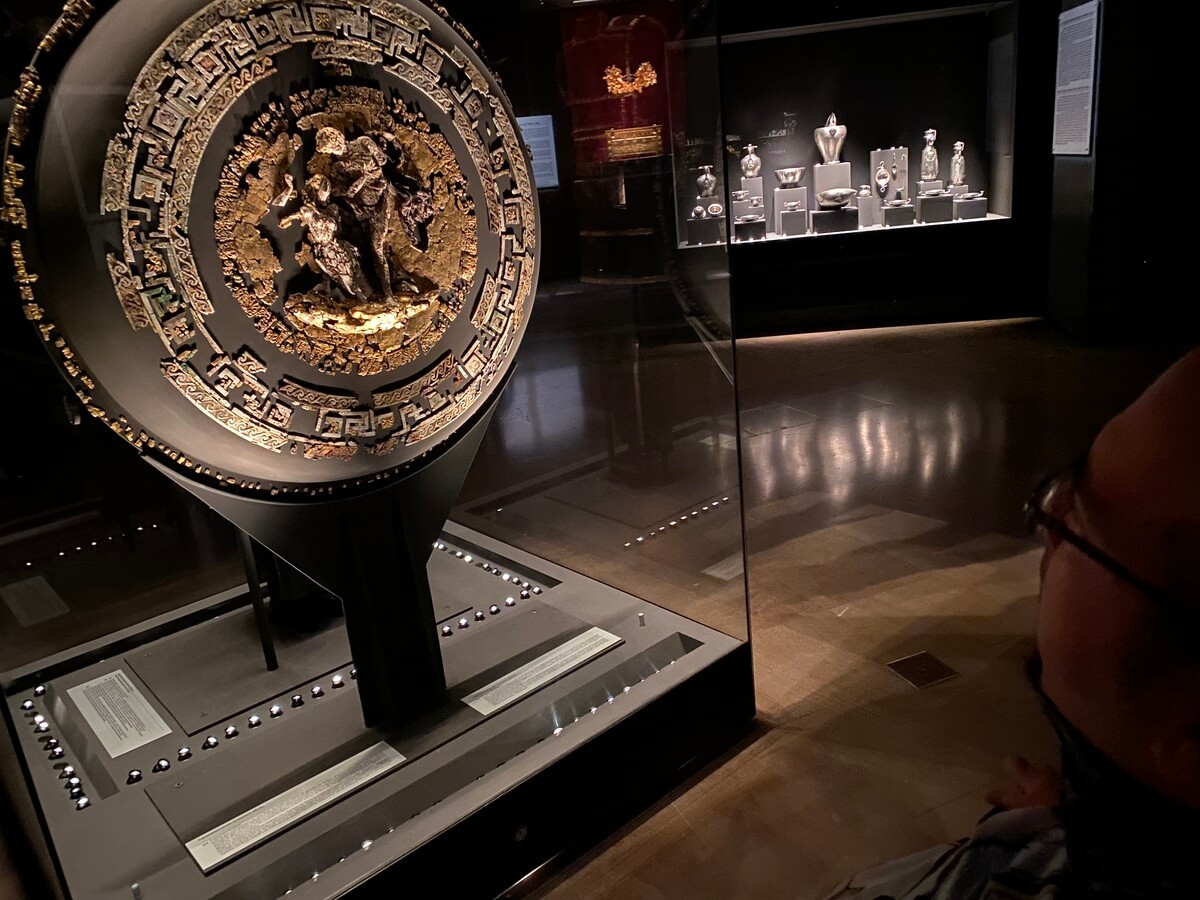
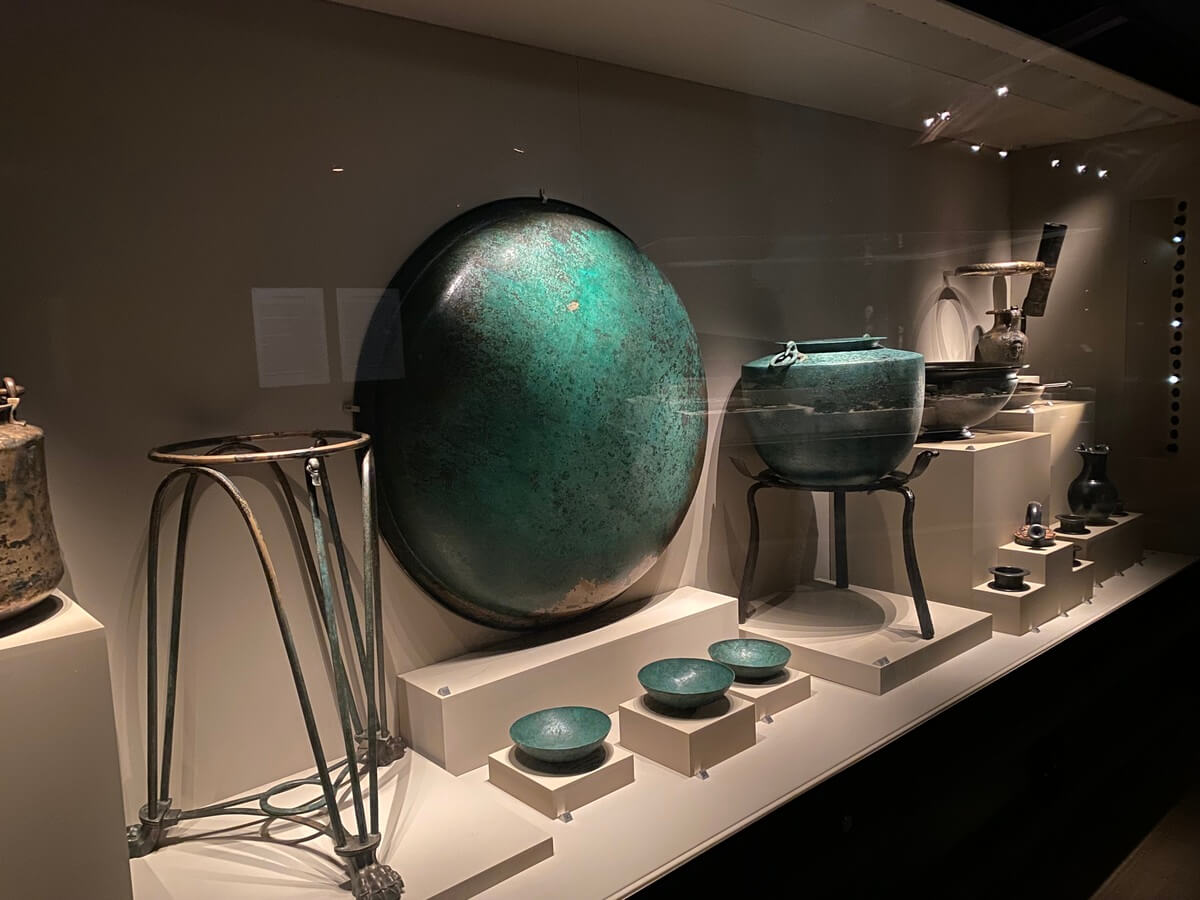
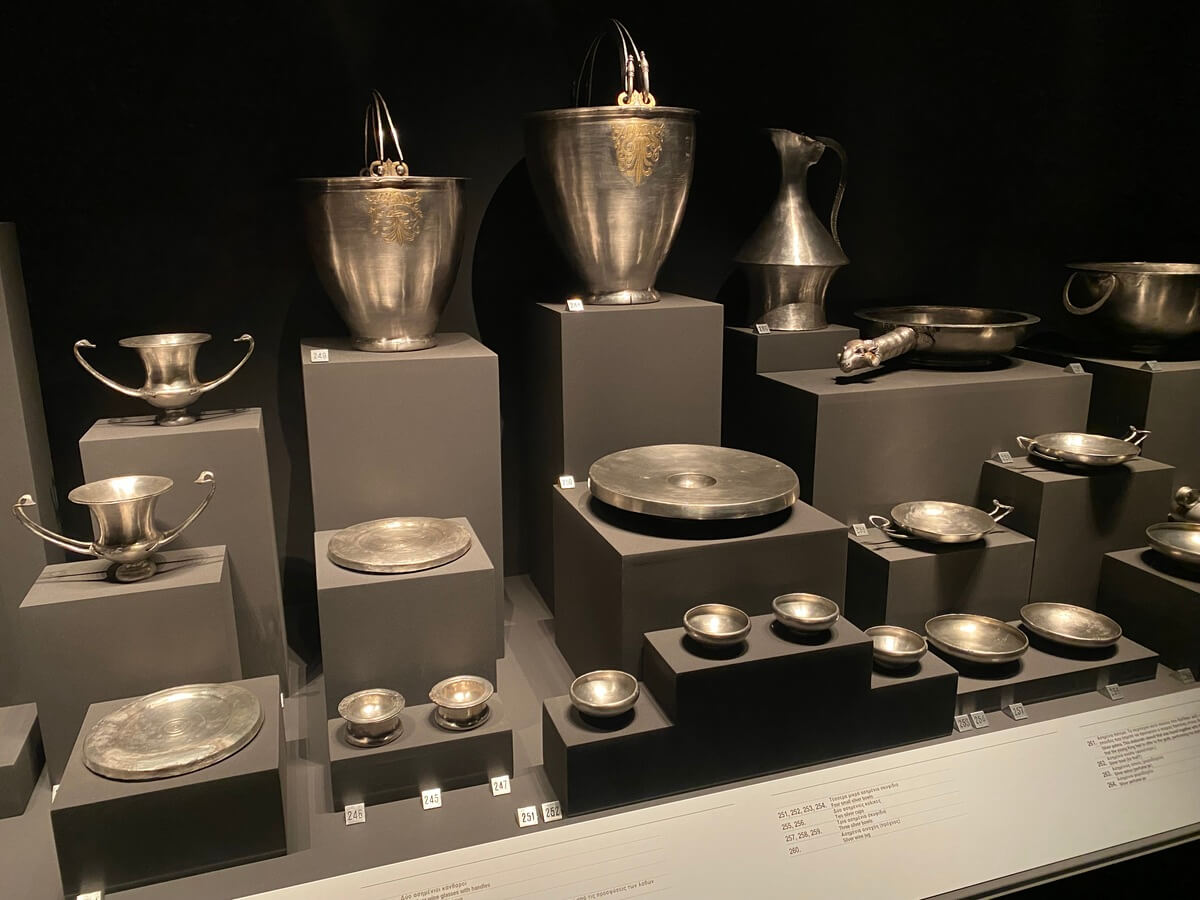
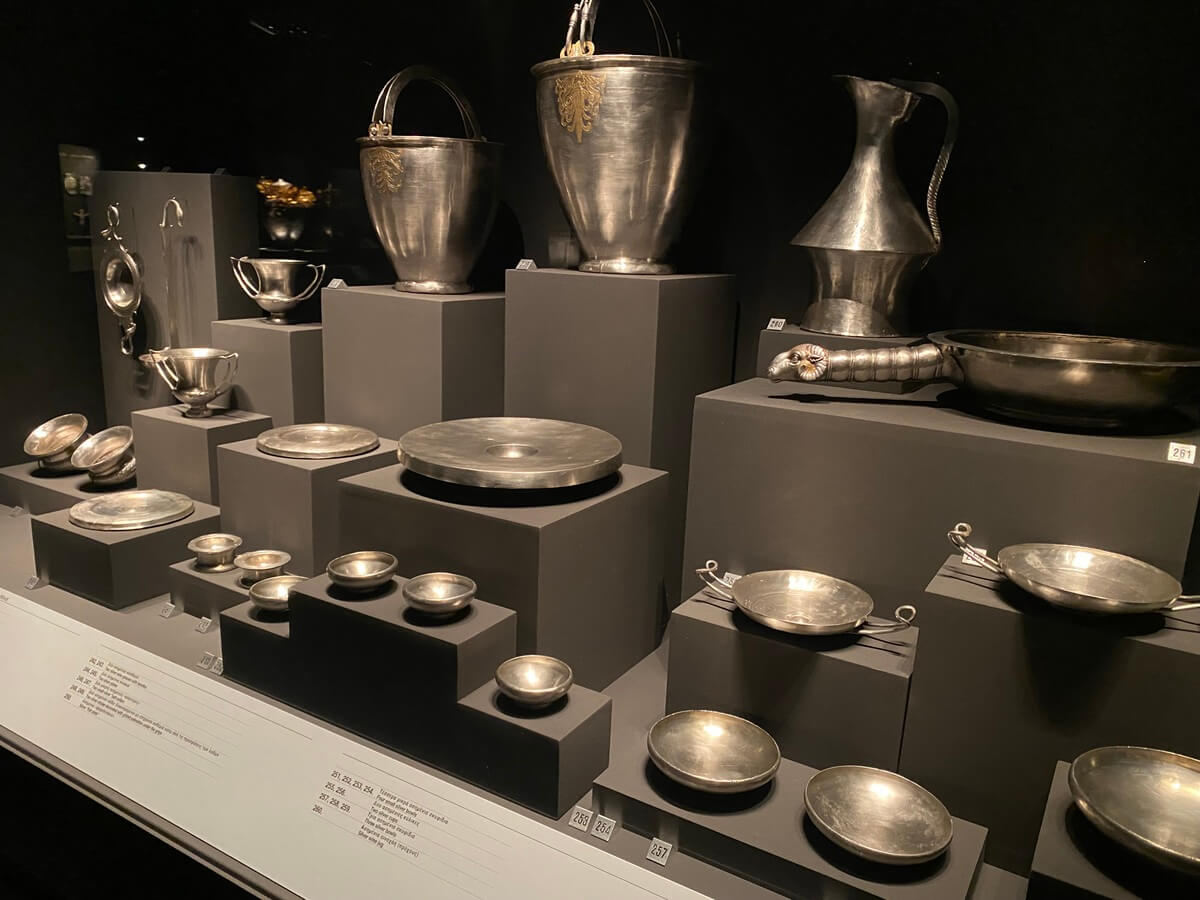
Silver and bronze artifacts.
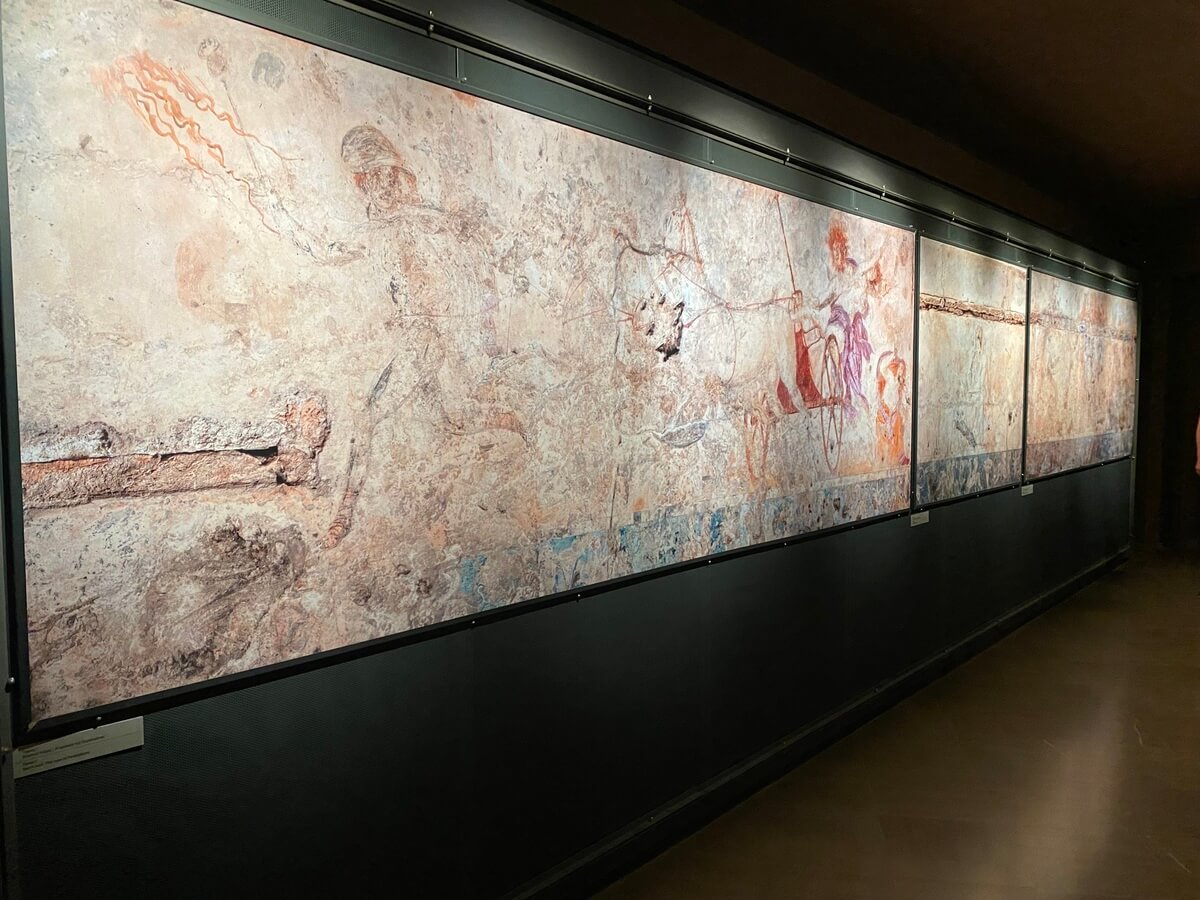
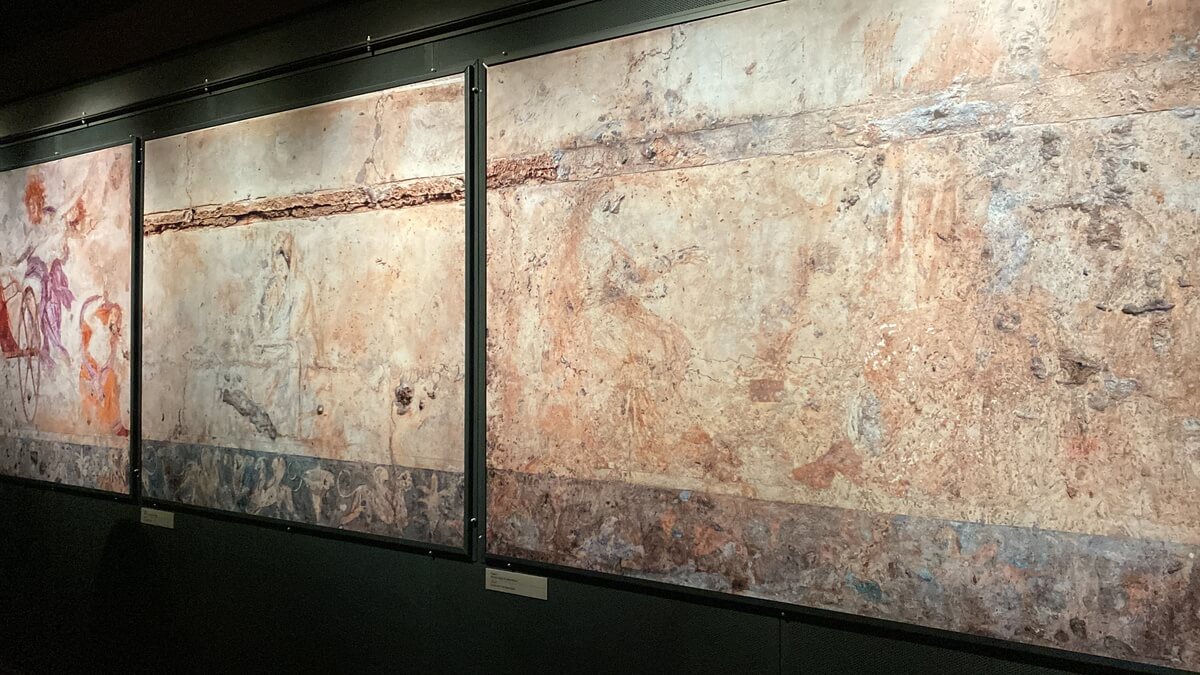
Exceptionally well-preserved frescoes that are over 2,300 years old. These paintings are among the finest surviving examples of ancient Greek art.
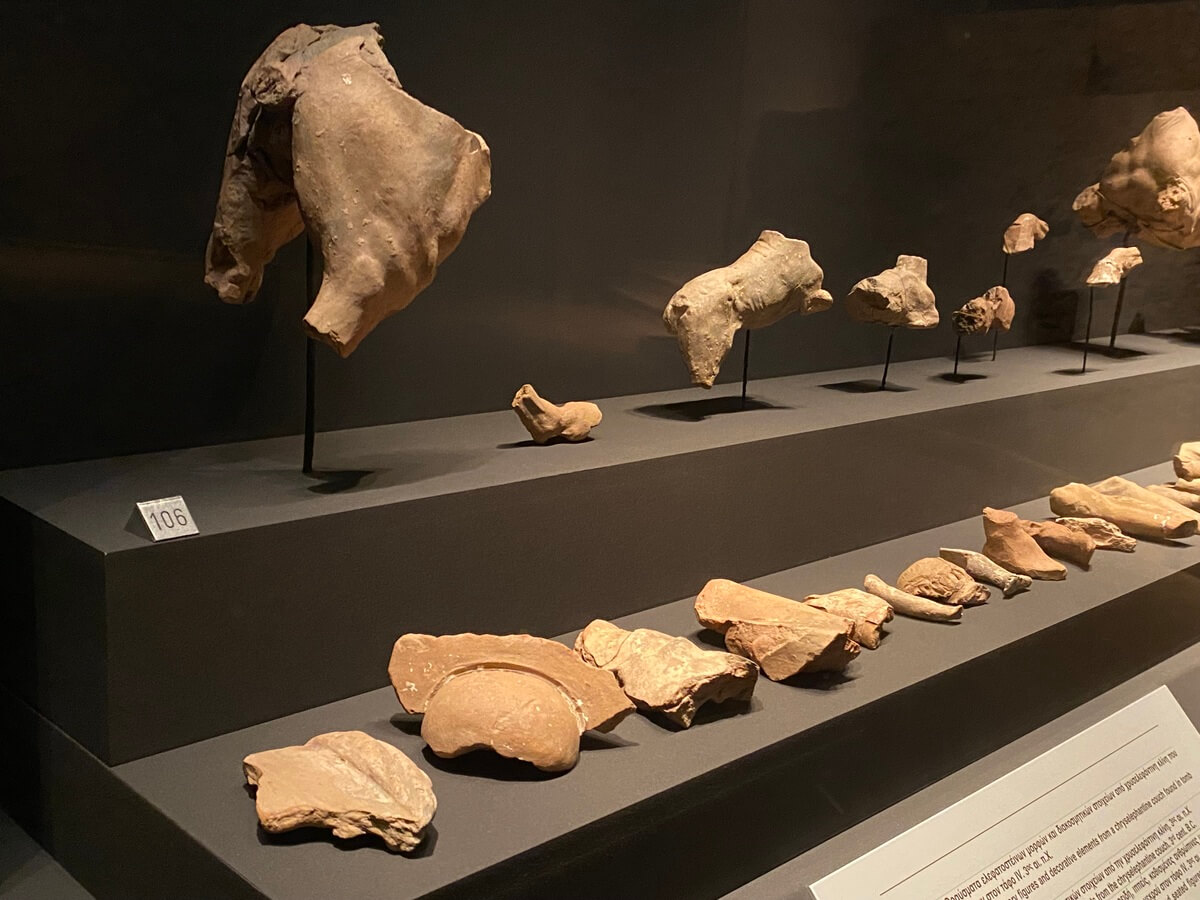
Sculptures, pottery, and everyday objects from the ancient period.
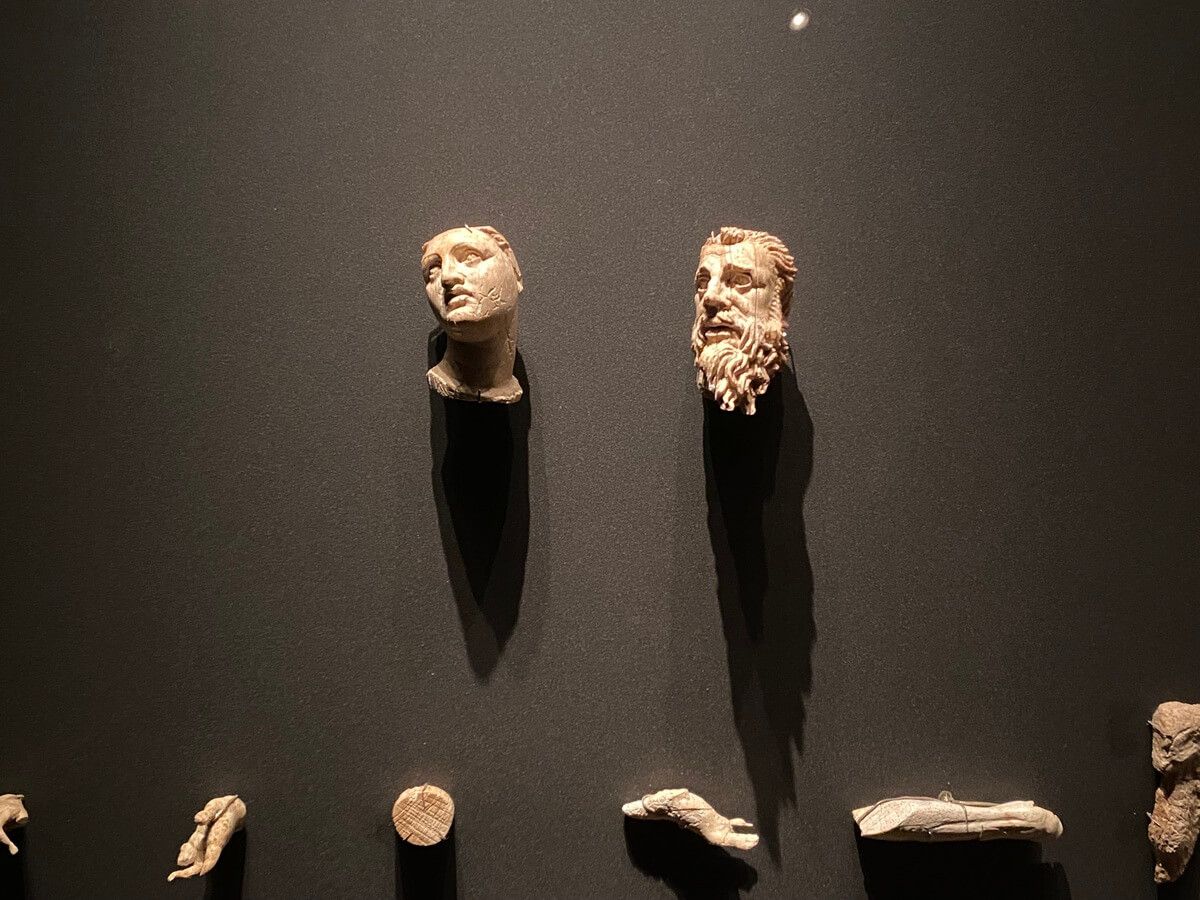
Together, these artifacts represent one of the greatest archaeological treasures of ancient Greece.
Because the museum was built around the original burial mound, visitors truly feel as though they are entering an authentic ancient tumulus.
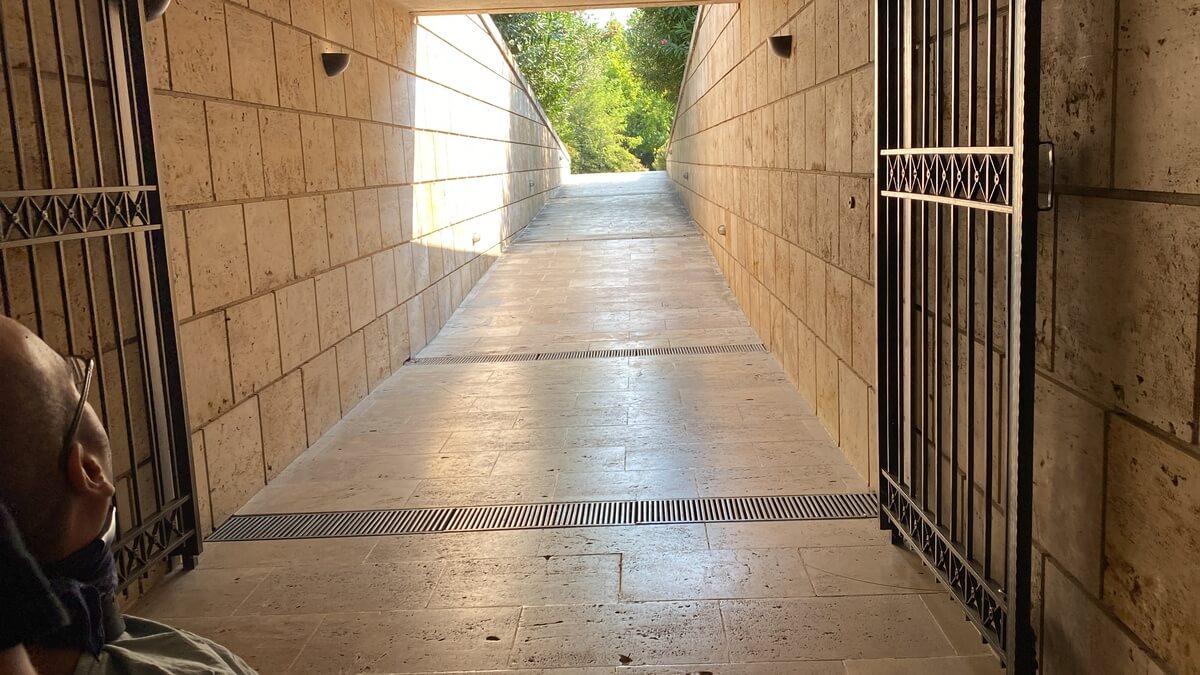
Unlike many archaeological sites, Vergina has a remarkably intimate atmosphere. Here, you can take your time, read every information panel, and fully absorb everything around you.
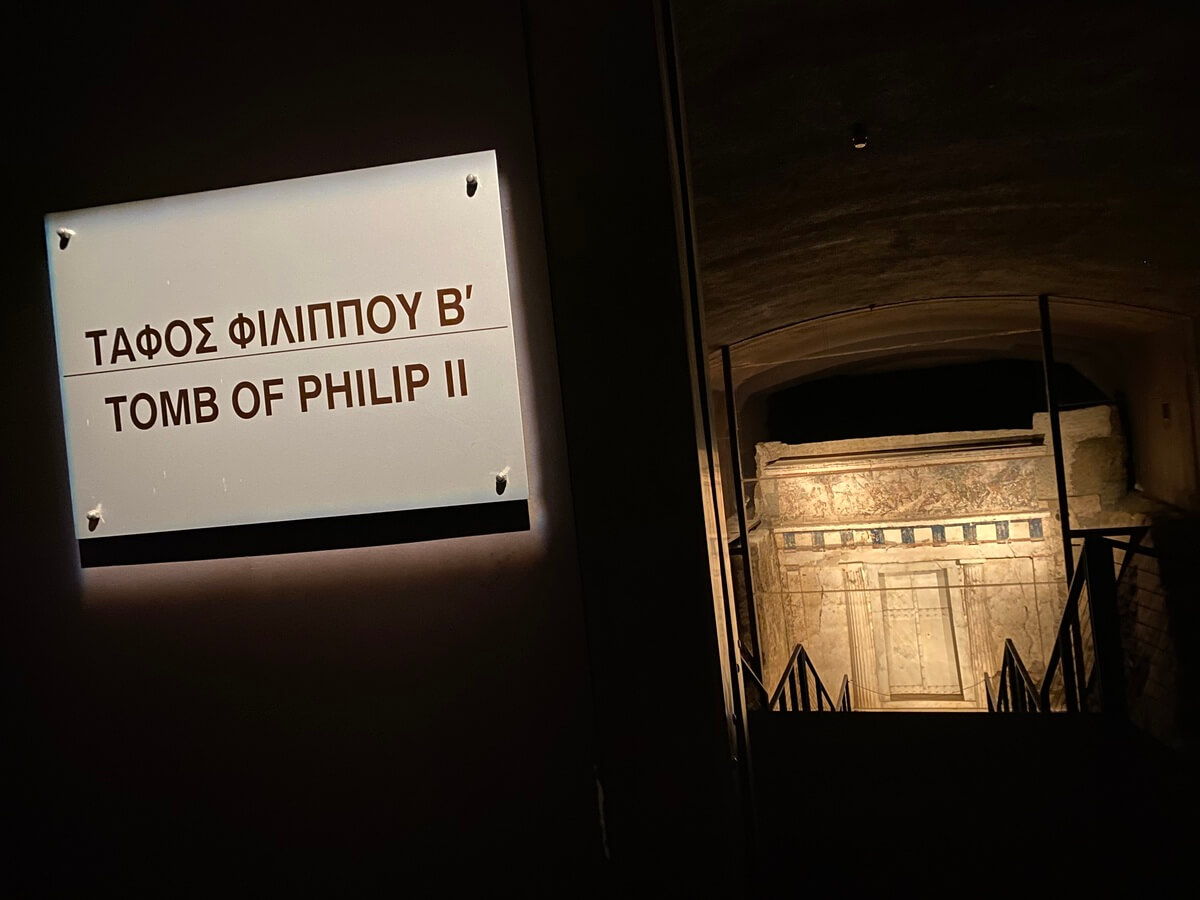
The tomb was discovered completely untouched.
How to Visit the Museum at Vergina
Vergina is about an hour’s drive from Thessaloniki, making it one of the most popular day trips in northern Greece.
Many travelers staying in Paralia, the Olympic Riviera, or Halkidiki include the Museum at Vergina in their northern Greece itinerary.
The best time to visit is during spring or autumn, when temperatures are pleasant and exploring the site for several hours is comfortable.
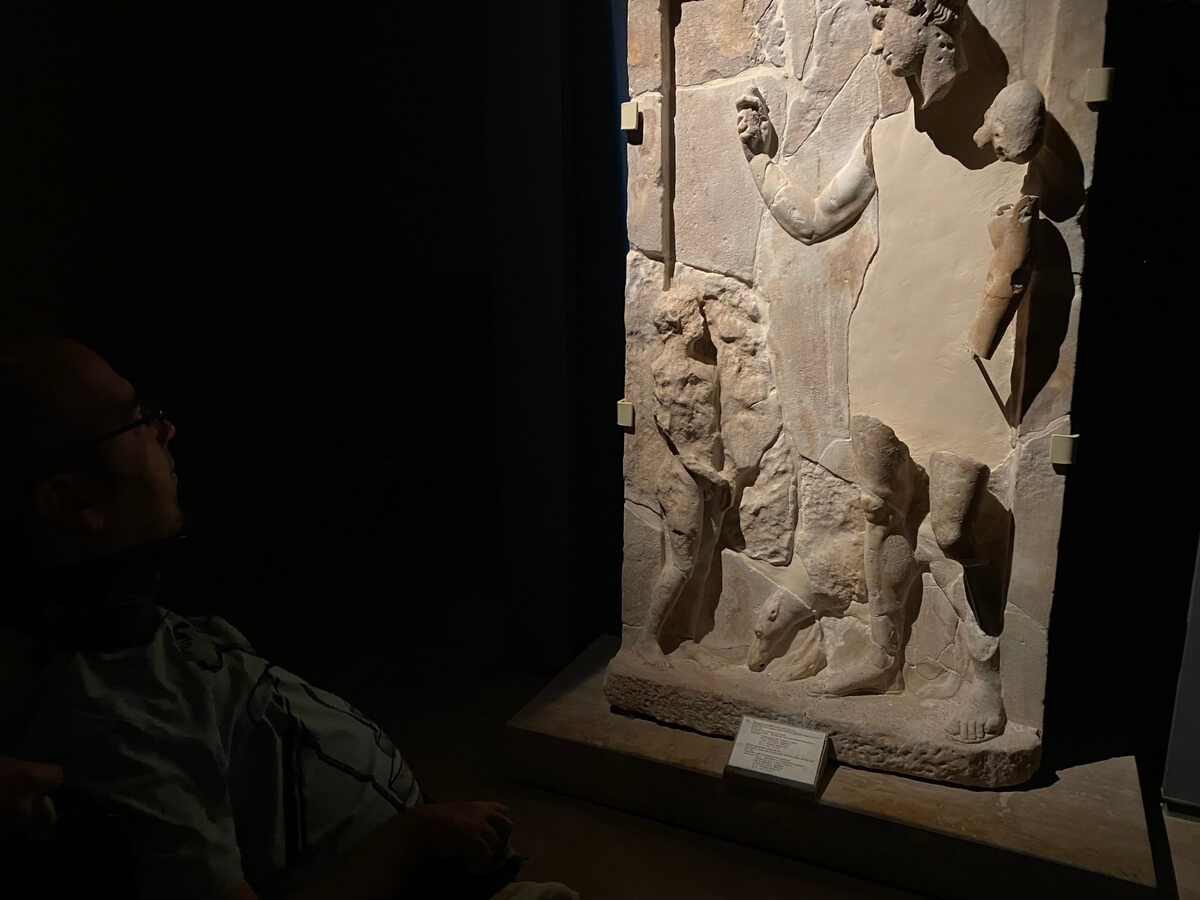
Practical Information for Wheelchair Users
- The museum entrance is fully accessible for wheelchair users.
- Moving through the exhibition is easy thanks to wide passageways.
- Most exhibits can be comfortably viewed from a seated position.
- Allow at least 1.5 to 2 hours for your visit—you’ll want plenty of time to appreciate every detail.
Tips for Your Visit
Plan to spend at least two hours exploring both the museum and the archaeological site.
Comfortable shoes are recommended, and don’t forget your camera—the countryside around Vergina is beautiful.
After your visit, you can continue to the nearby city of Veria or head toward Mount Olympus.
The best time to arrive is right when the museum opens at 9:00 AM. Around 11:00 AM, numerous tour buses arrive, and the museum quickly becomes crowded.
To be there at opening time, you’d usually need to spend the night in Vergina, something most tourists don’t do. For us, however, staying overnight was the perfect decision. We were among the first visitors of the day and had the museum almost entirely to ourselves.
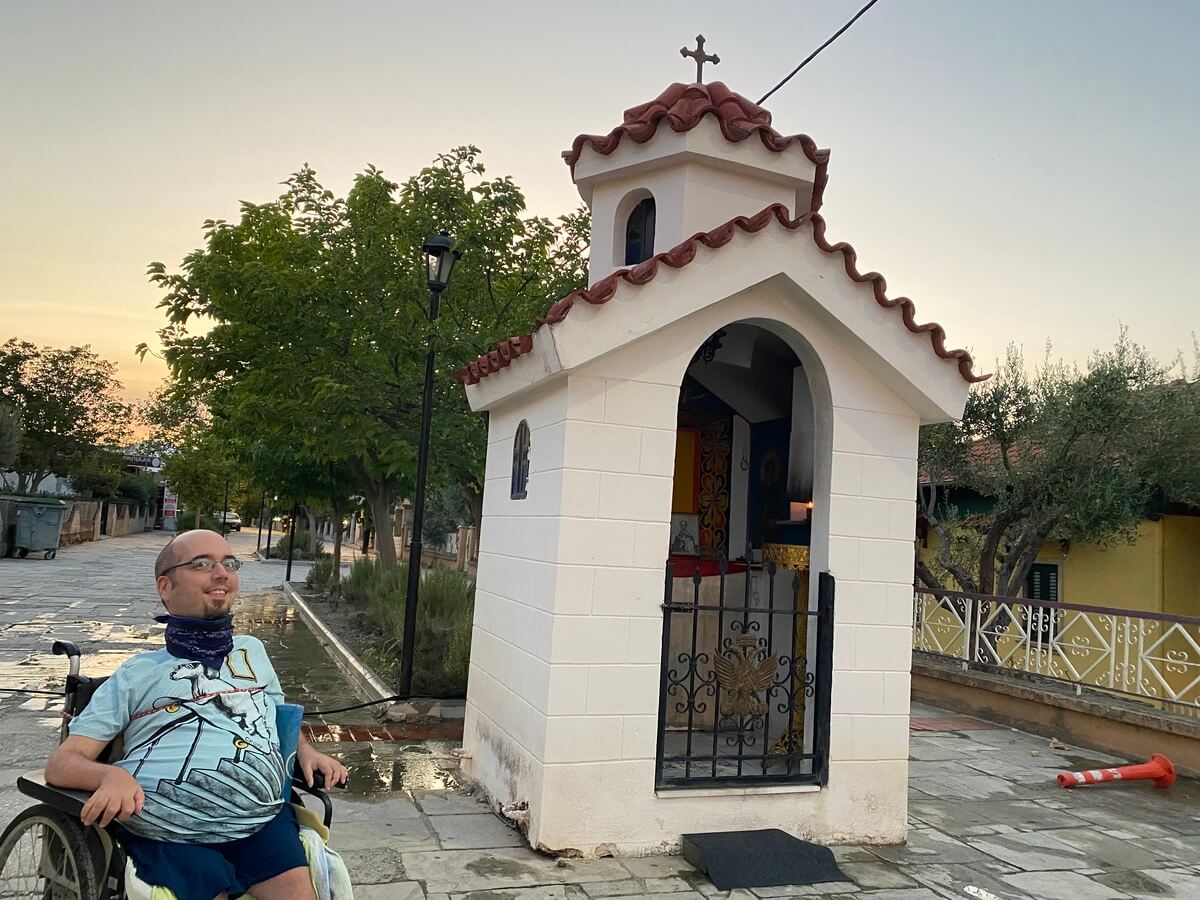
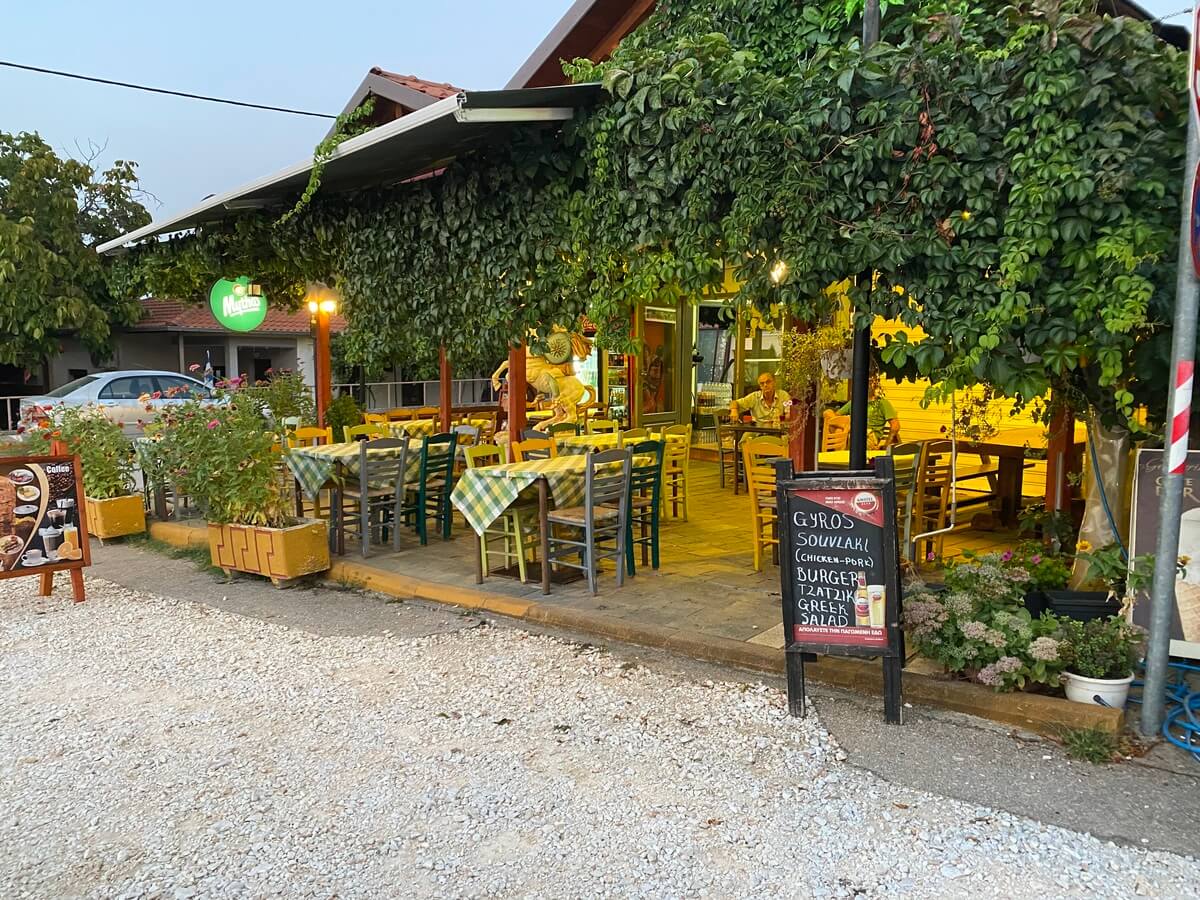
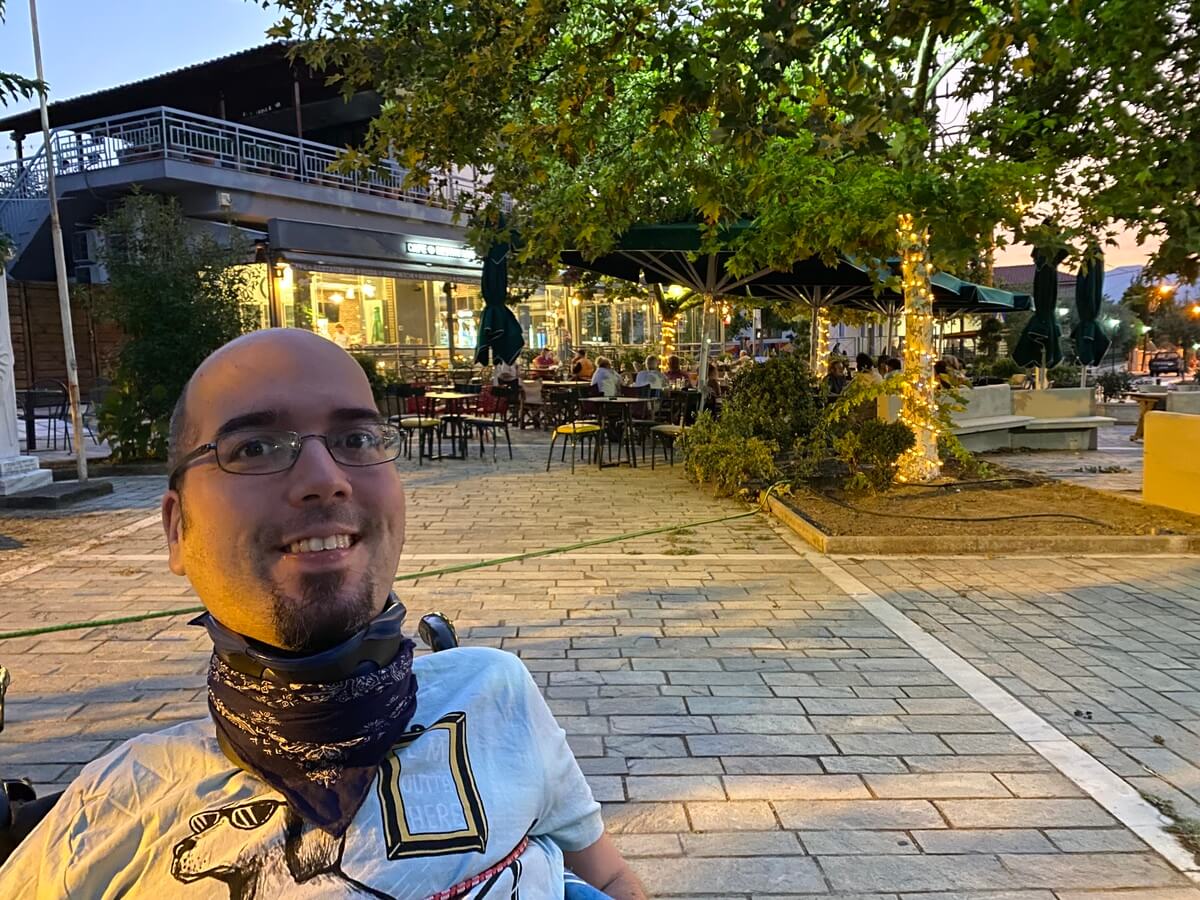
Finding accommodation in Vergina, a quiet little village, isn’t difficult. There are also several traditional tavernas where you can enjoy local specialties. Since the village is quite small, you can easily explore it in a short time.
Just 15 minutes from Vergina is the city of Veria, which is considerably larger. Most travelers choose to stay there overnight instead.
Conclusion
Whether you’re passionate about history and archaeology or simply looking to enrich your Greek holiday with an unforgettable excursion, Vergina, the Tomb of Philip II, and the Museum of the Royal Tombs will leave a lasting impression and take you on a journey through more than 2,300 years of history.
For me, Vergina was much more than another destination on the map. It was a reminder that history belongs to everyone—and that the best way to experience it is without barriers.
Have you visited Vergina and its museum?
Did I miss anything worth mentioning?
Traveled and enjoyed,
Marko Veličković