Monaco is famous for luxury, Formula 1, and glamorous yachts, but one of its most visited and impressive attractions is the Oceanographic Museum…
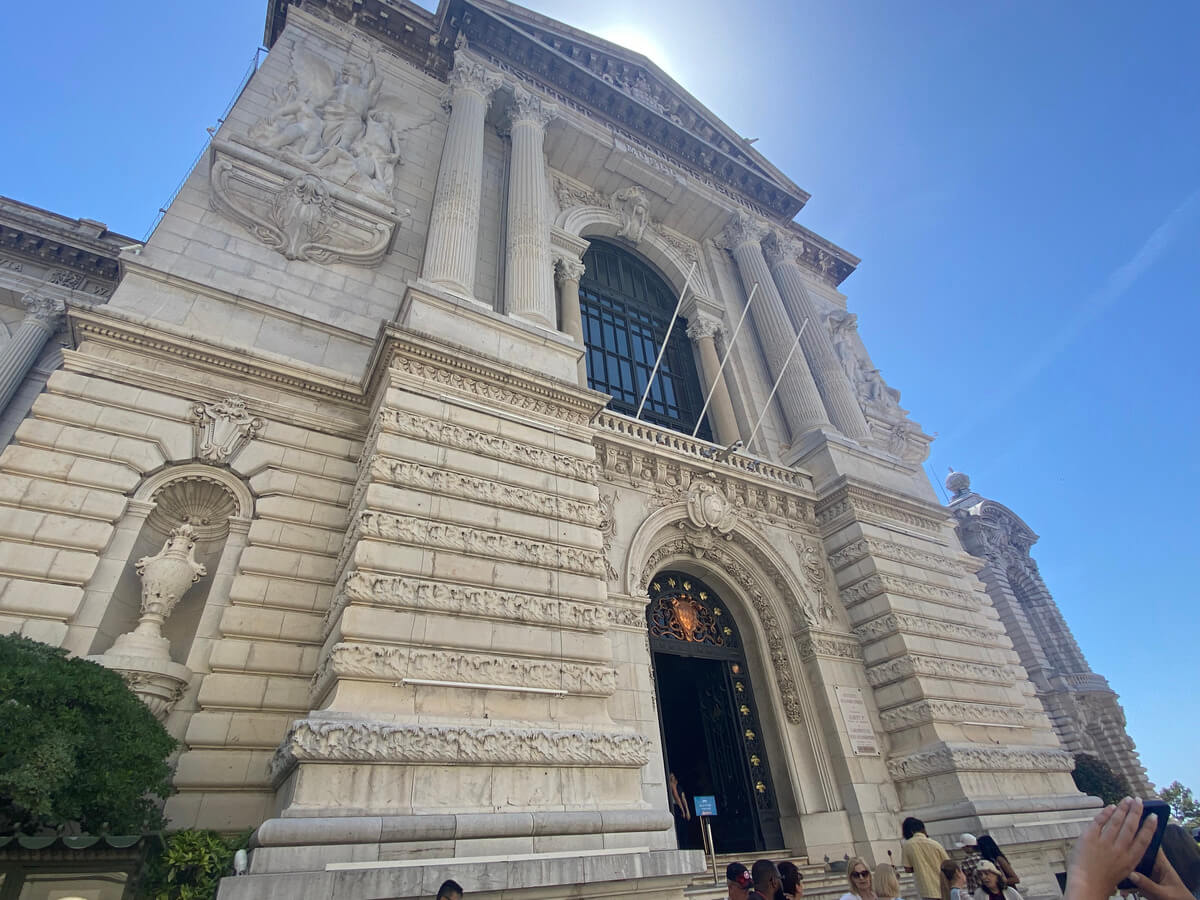
Perched dramatically on a cliff overlooking the Mediterranean Sea, this museum combines science, history, and nature, offering visitors a unique opportunity to explore the wonders of the underwater world.
Whether you are traveling with family, love marine life, or want to learn more about ocean exploration, the Oceanographic Museum of Monaco is a must-see destination during your visit to this small principality.
Where is the Oceanographic Museum in Monaco?
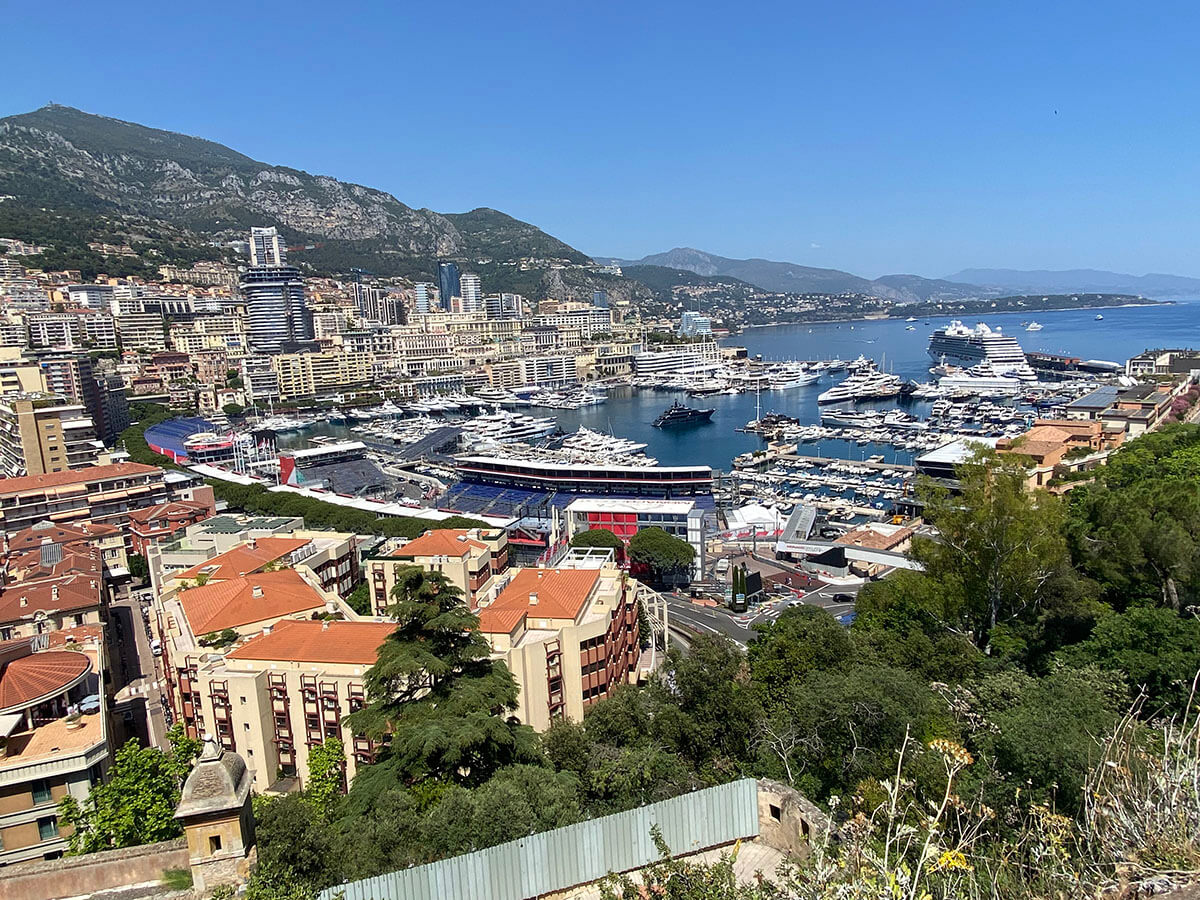
The Oceanographic Museum is located in Monaco’s historic district, known as Monaco-Ville. Built on the edge of a cliff rising approximately 85 meters (279 feet) above the sea, it offers breathtaking views of the Mediterranean.
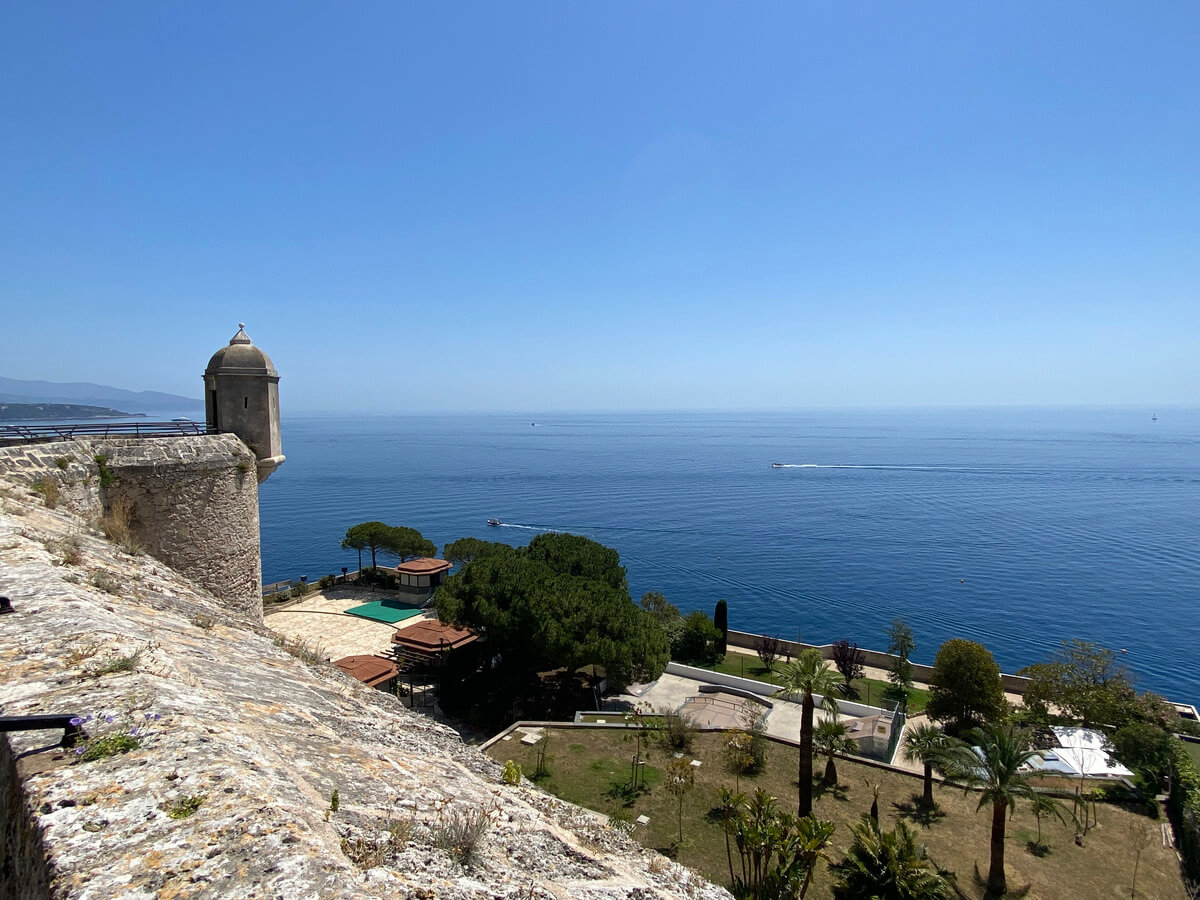
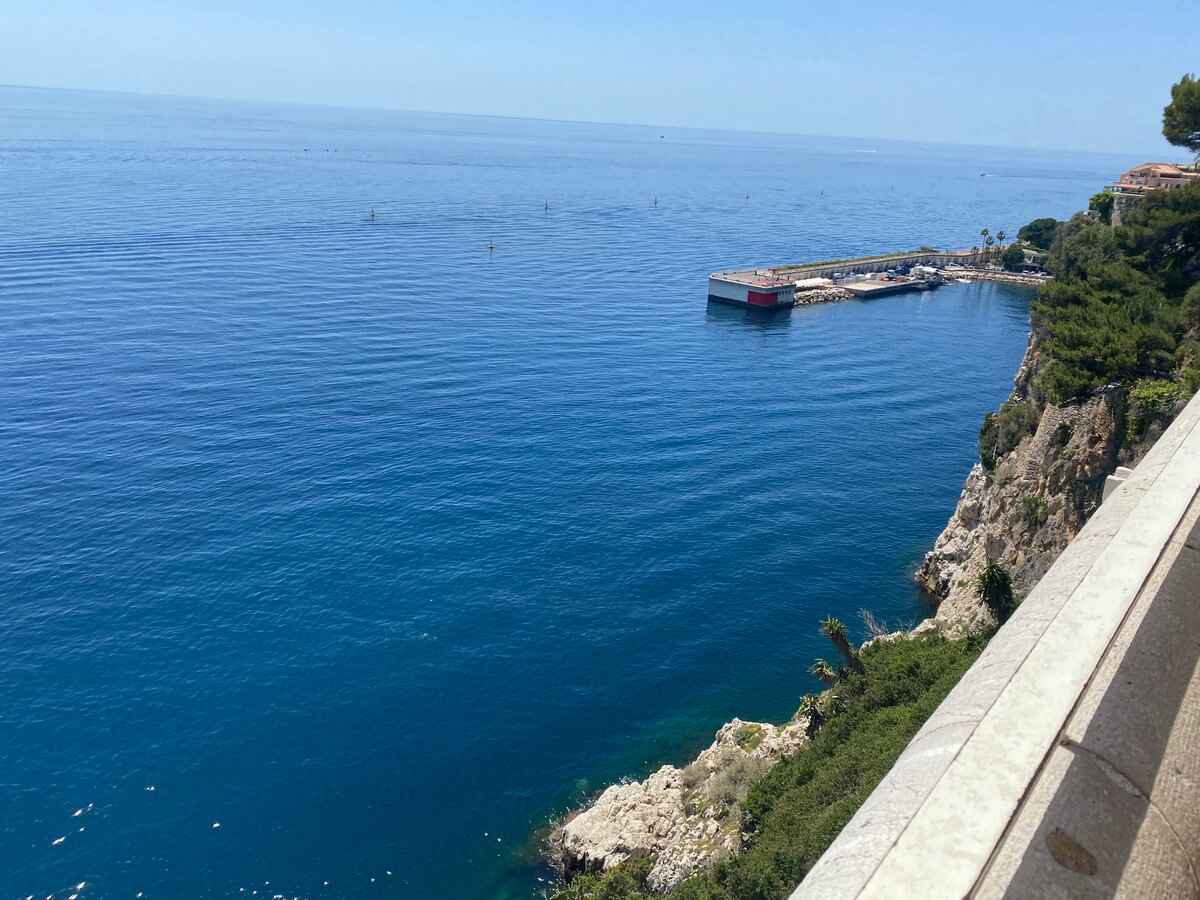
The museum houses more than 6,000 specimens of marine flora and fauna, making it a true Temple of the Sea. It is one of the most famous aquariums in Europe and attracts hundreds of thousands of visitors from around the world every year.
Covering an area of 6,500 square meters, it is one of the largest museums of its kind in this part of the world and one of Monaco’s top attractions.
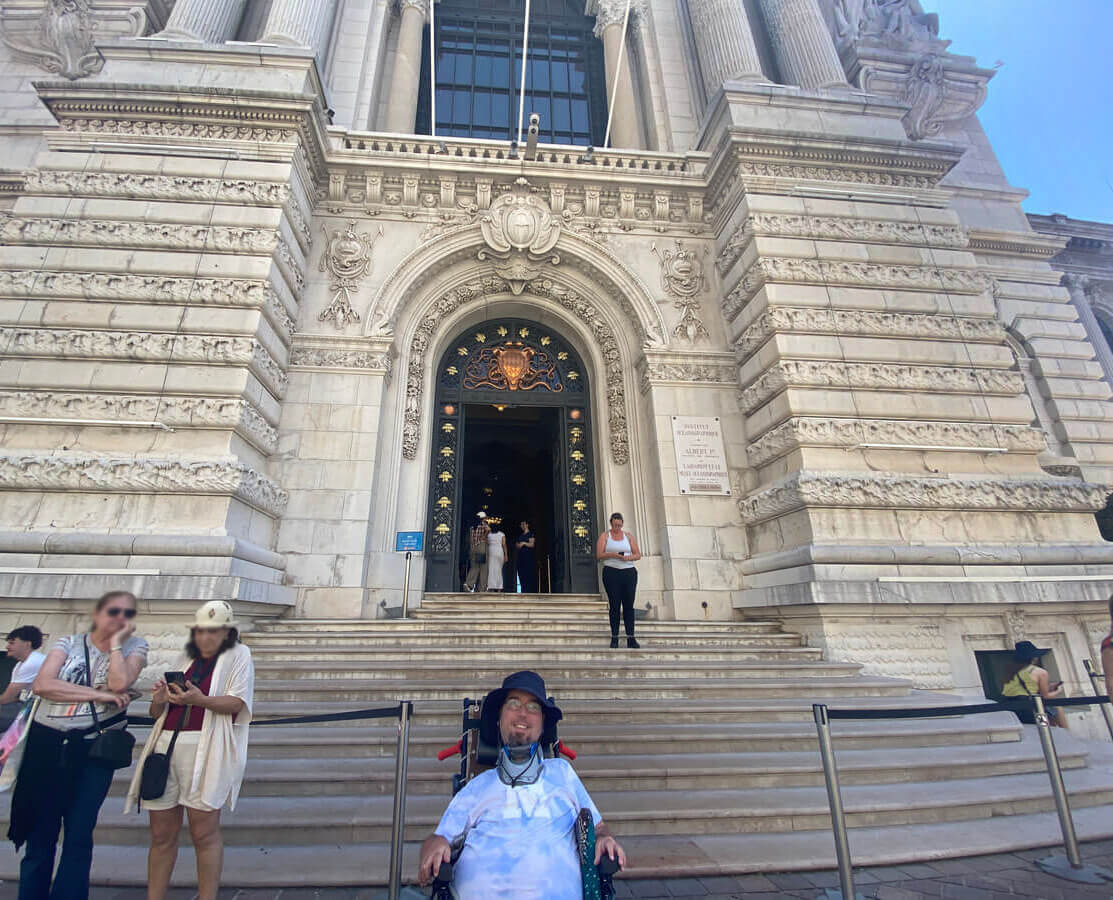
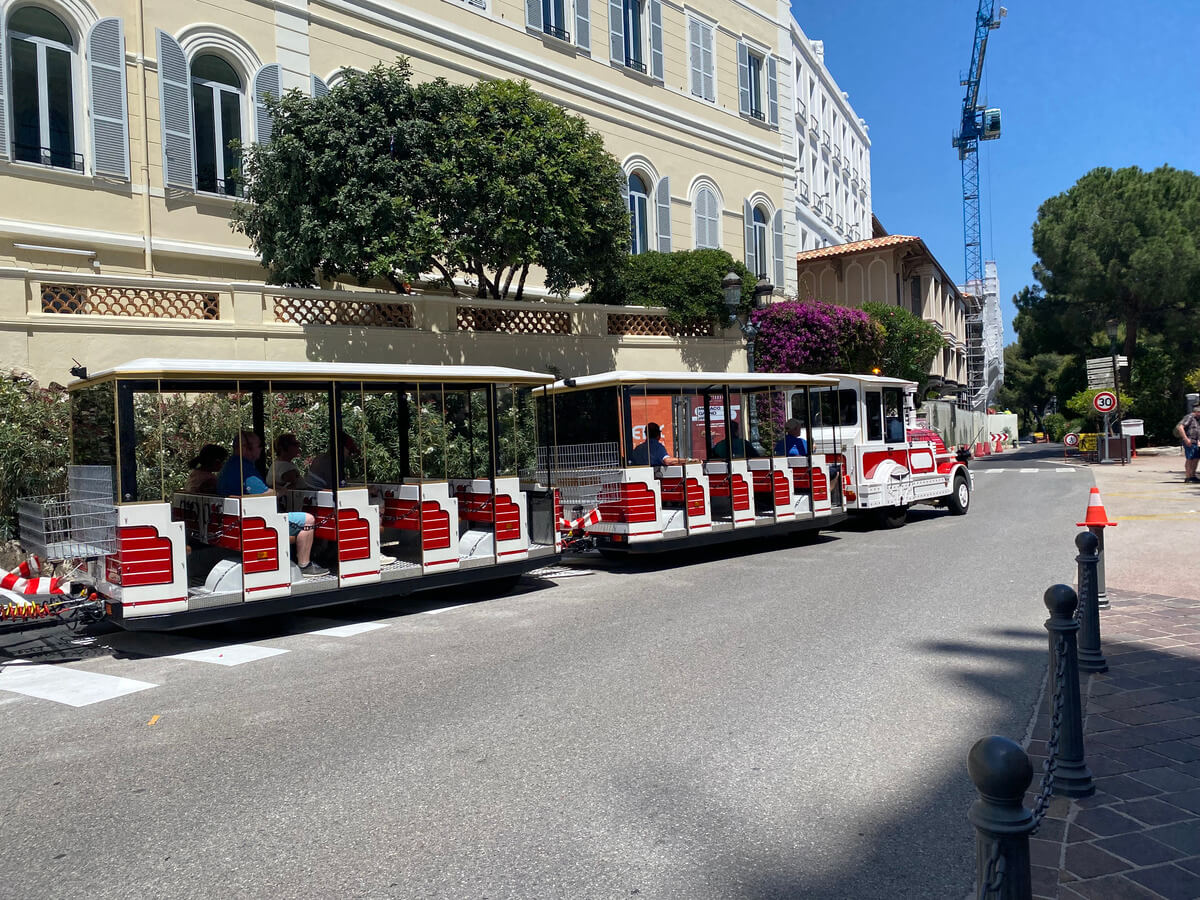
The museum is easily accessible on foot from the city center, by local bus, or by the tourist train that visits Monaco’s major landmarks. Its spectacular location makes it one of the most photographed attractions in the country.
History of the Oceanographic Museum
The story of the museum began in the late 19th century when Prince Albert I, often referred to as “the scientist among rulers,” decided to establish an institution dedicated to the study of the sea.
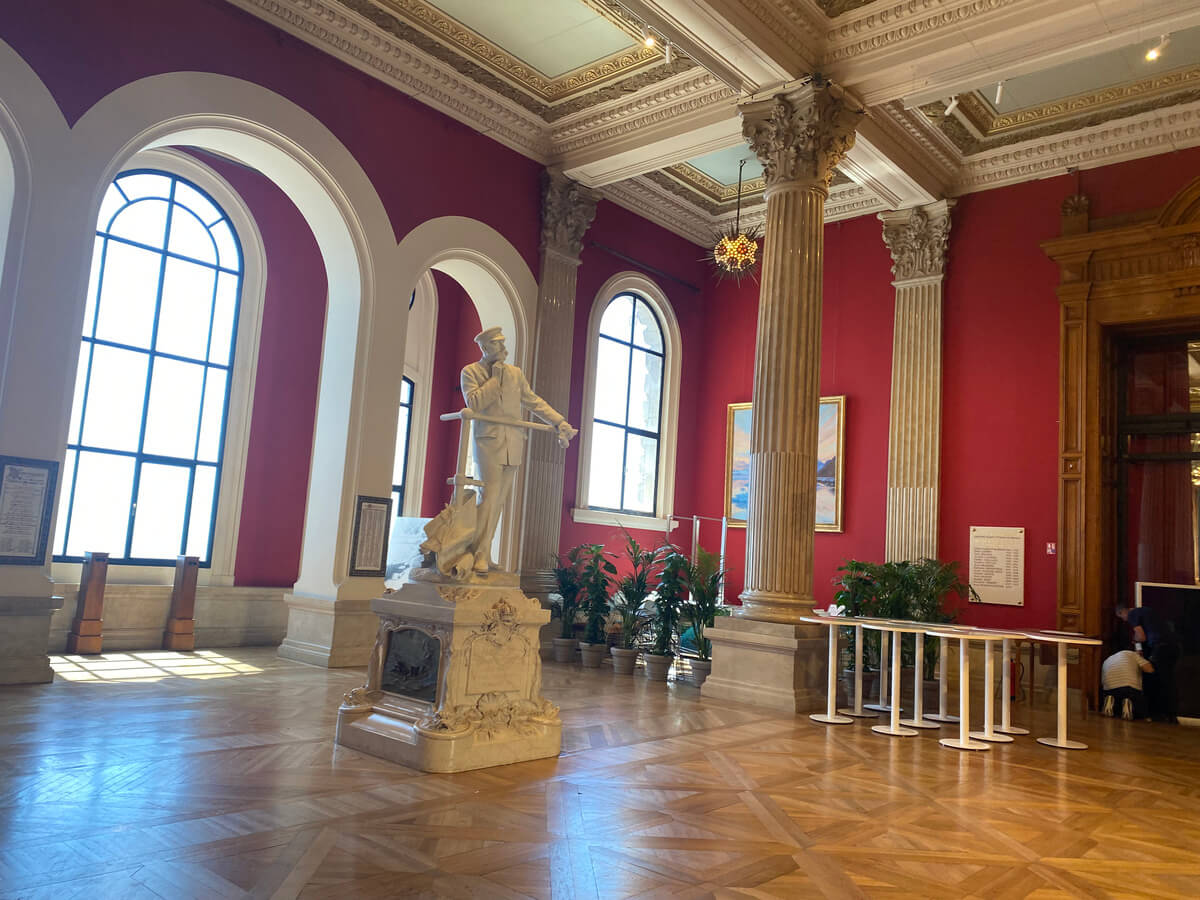
More than half of the collection consists of specimens personally collected by Prince Albert I during his expeditions in the late 19th and early 20th centuries. The museum was never intended to be just an aquarium but rather a center for marine research that would be accessible to everyone.
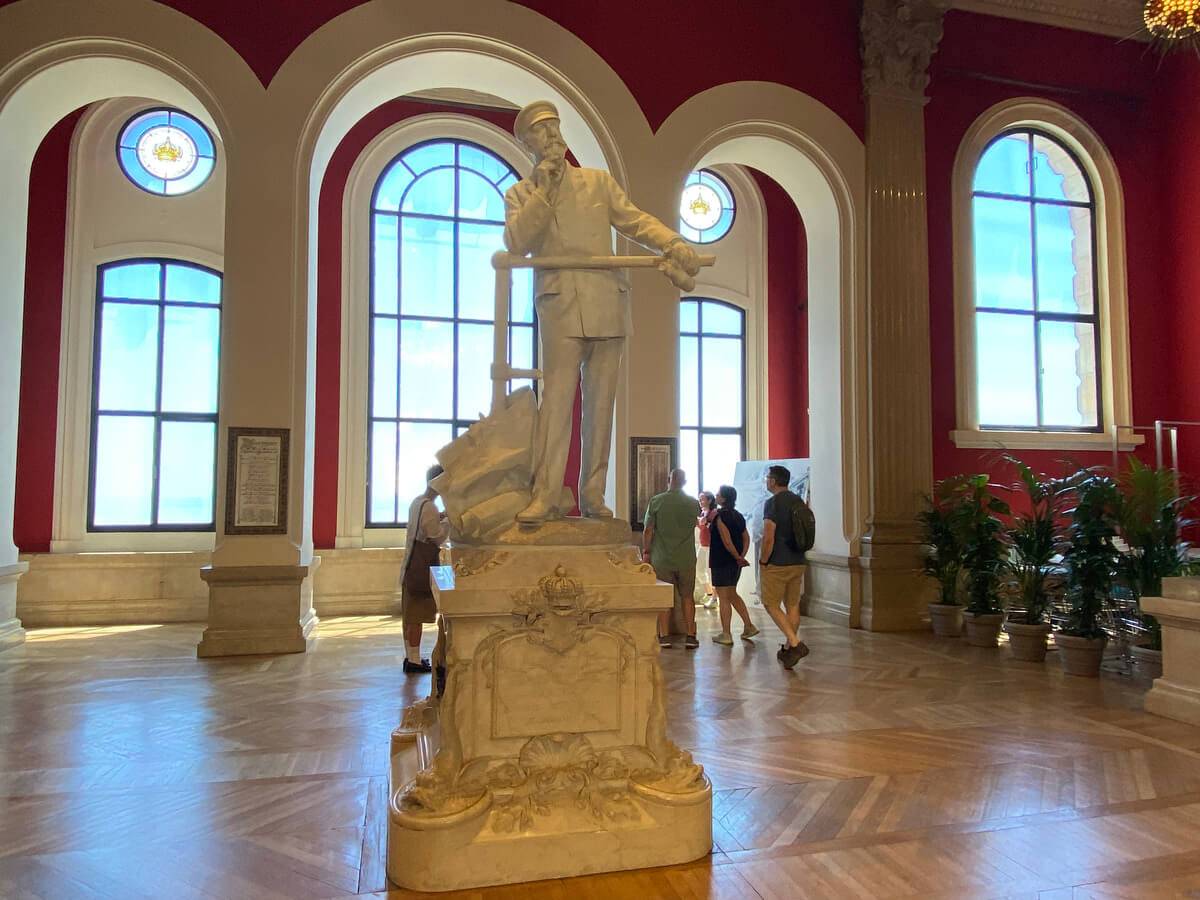
The museum opened at the beginning of the 20th century and quickly became one of the world’s leading centers for oceanographic research.
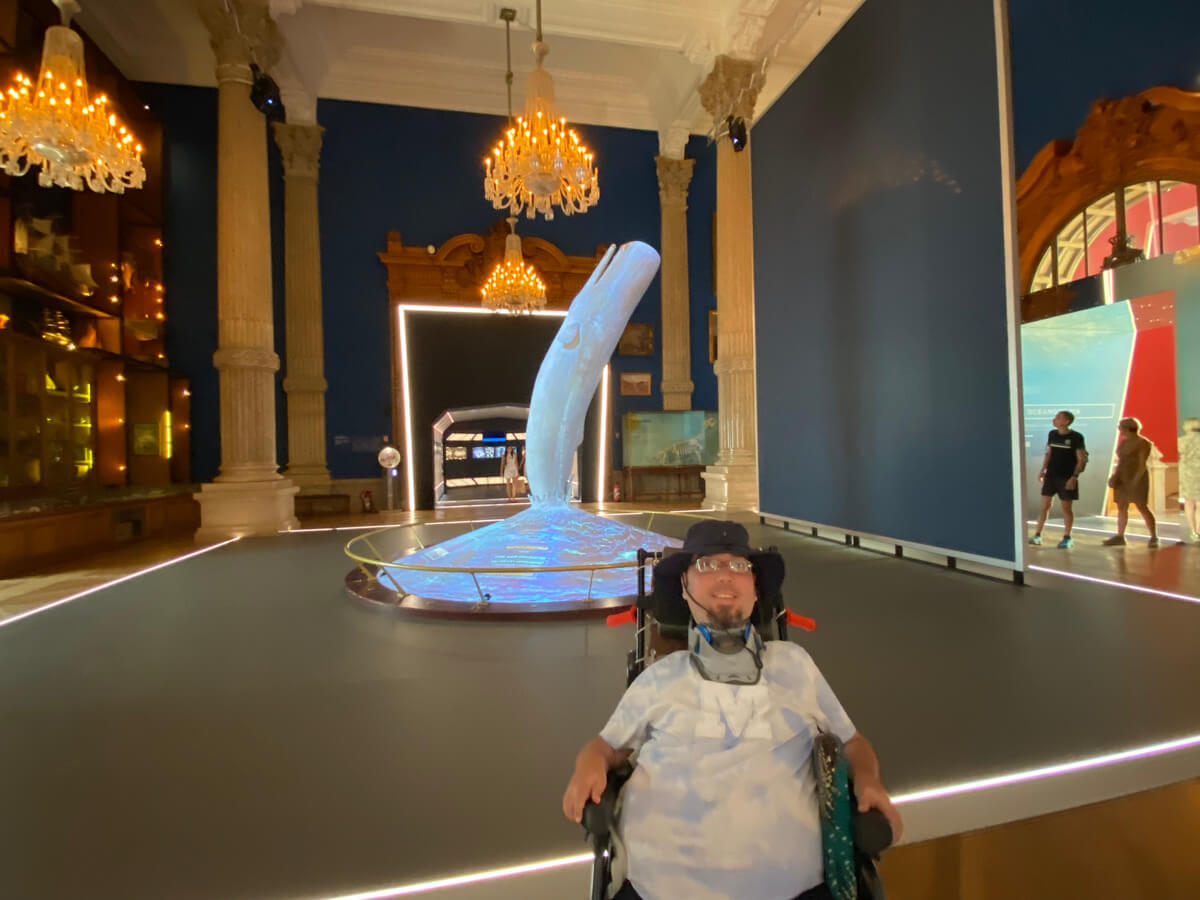
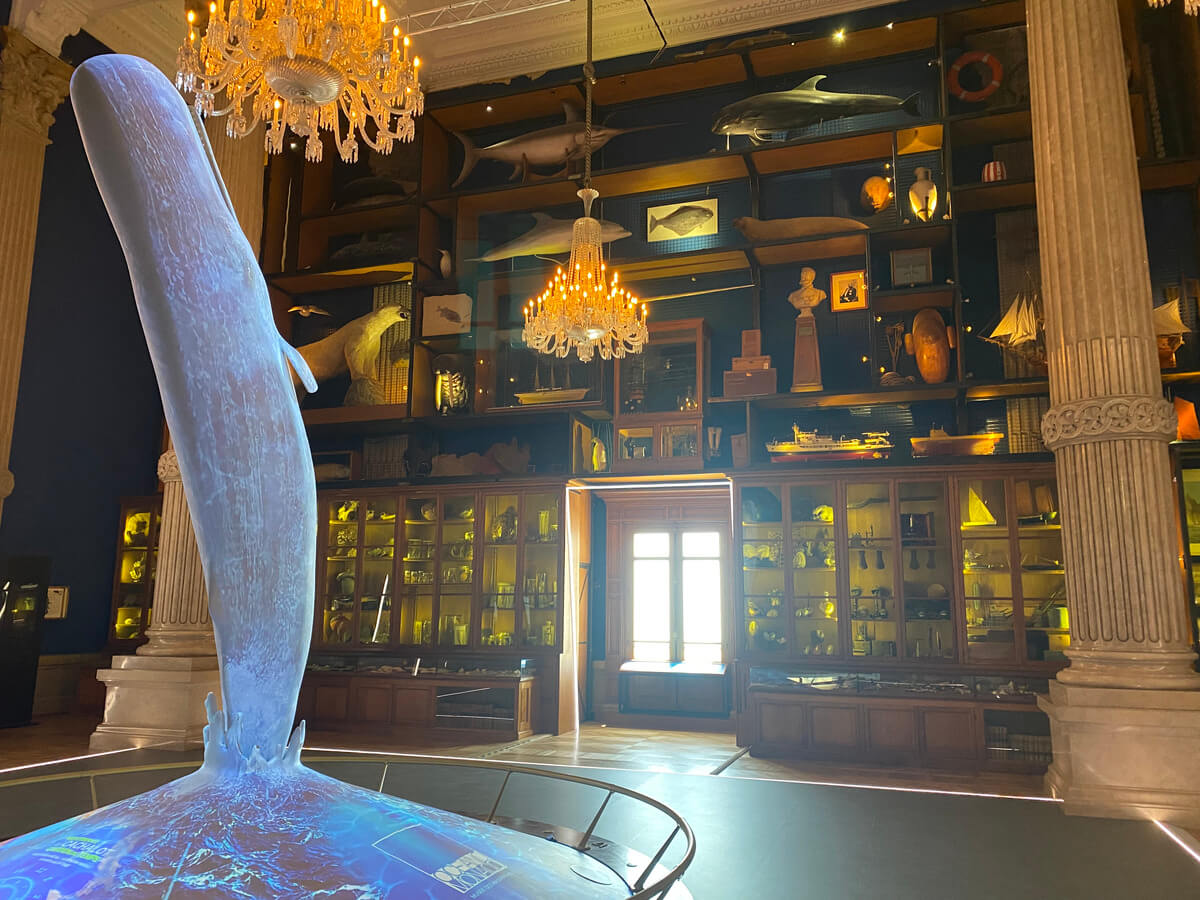
One of the museum’s most famous directors was the legendary ocean explorer Jacques-Yves Cousteau, who further enhanced its international reputation. Cousteau served as director of the museum for nearly three decades.
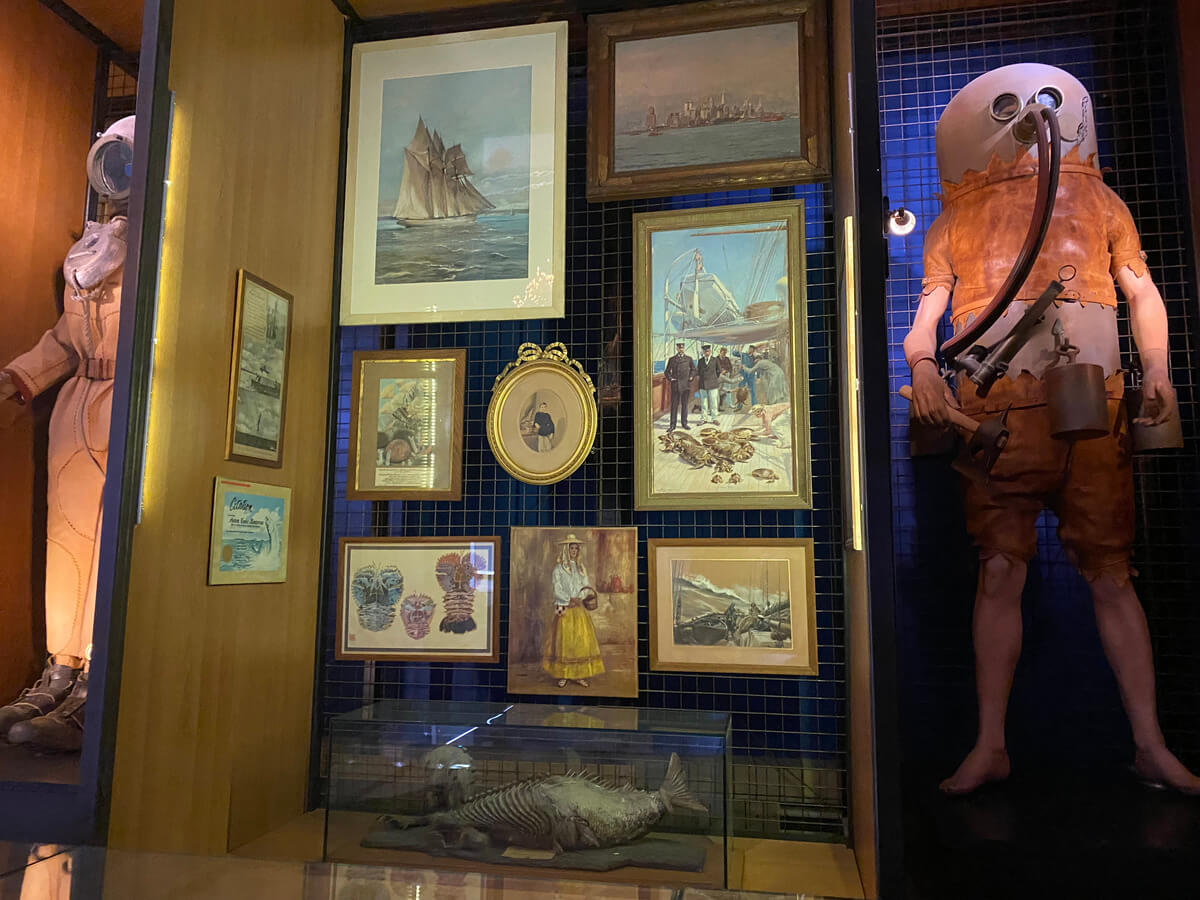
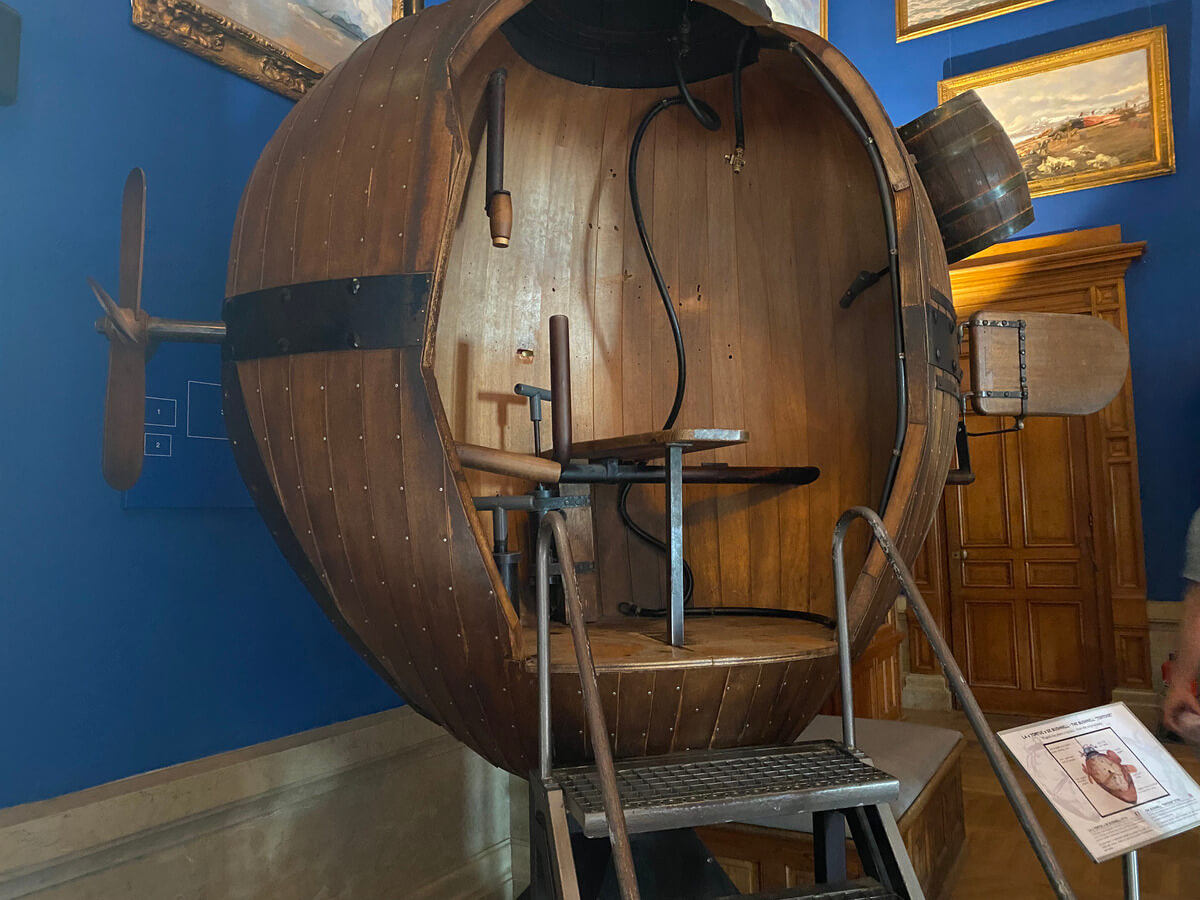
He made history when his team captured images of microscopic plankton at a depth of 304.8 meters (1,000 feet), reaching depths that had never been explored before.
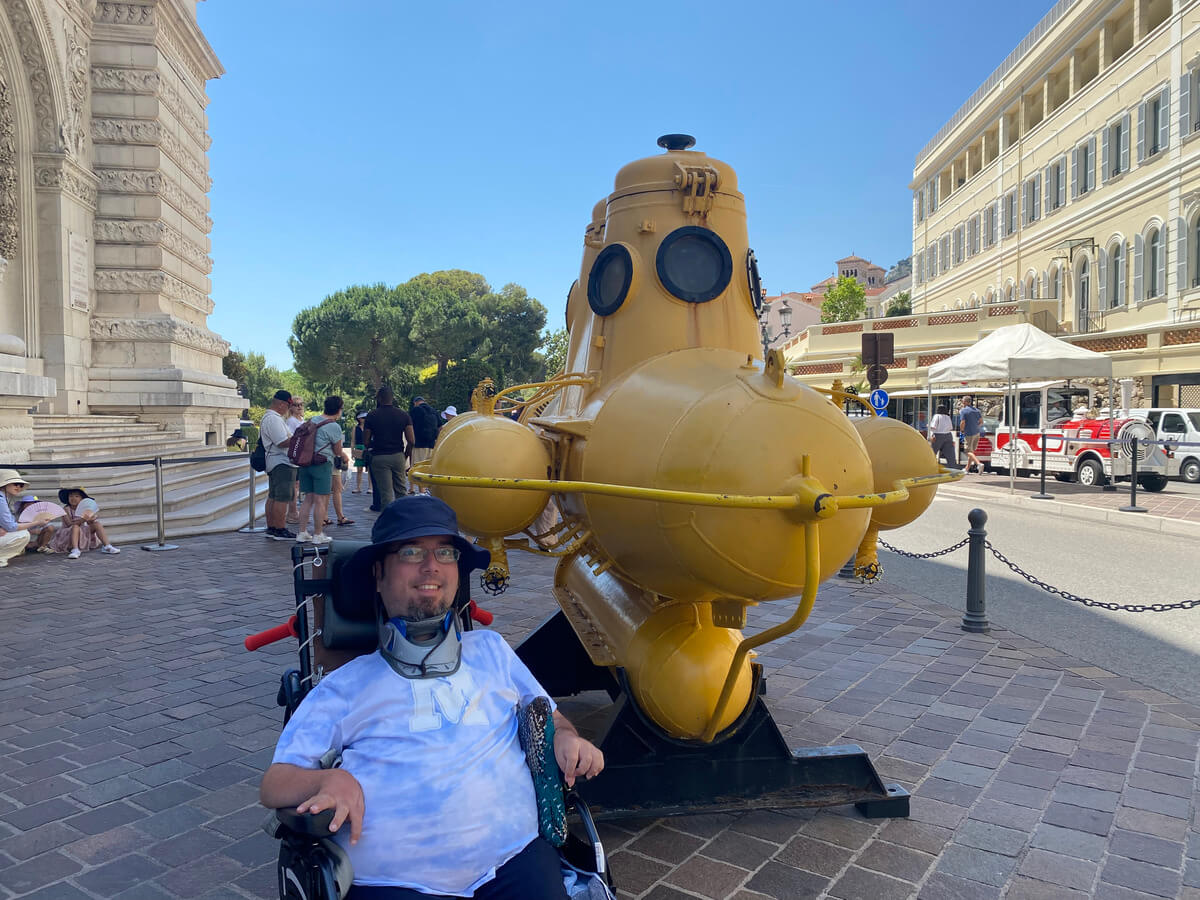
At the museum entrance, visitors can see the yellow submarine Anorep I, which Cousteau used during his expeditions. Interestingly, the submarine dates from 1966—the same year The Beatles released their famous song, “Yellow Submarine.”
What to See at the Oceanographic Museum
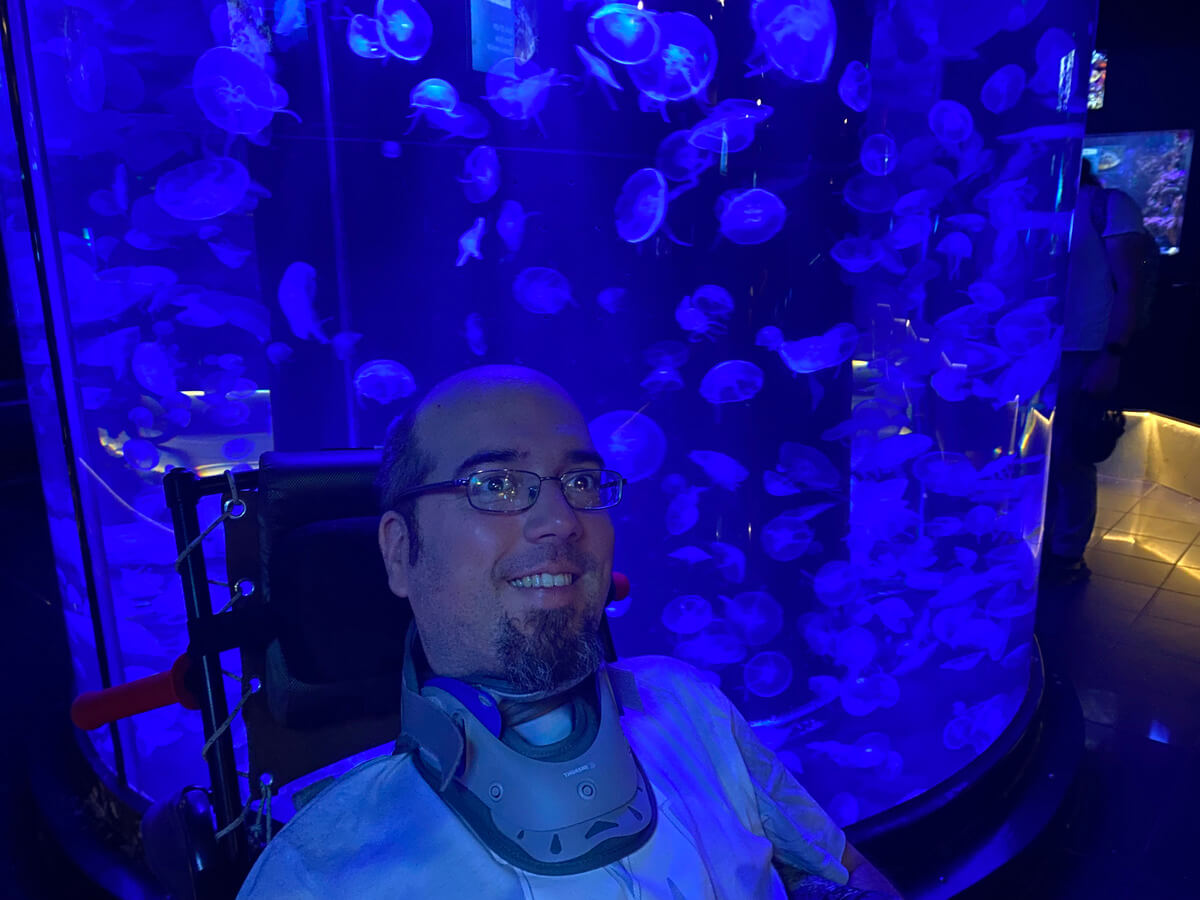
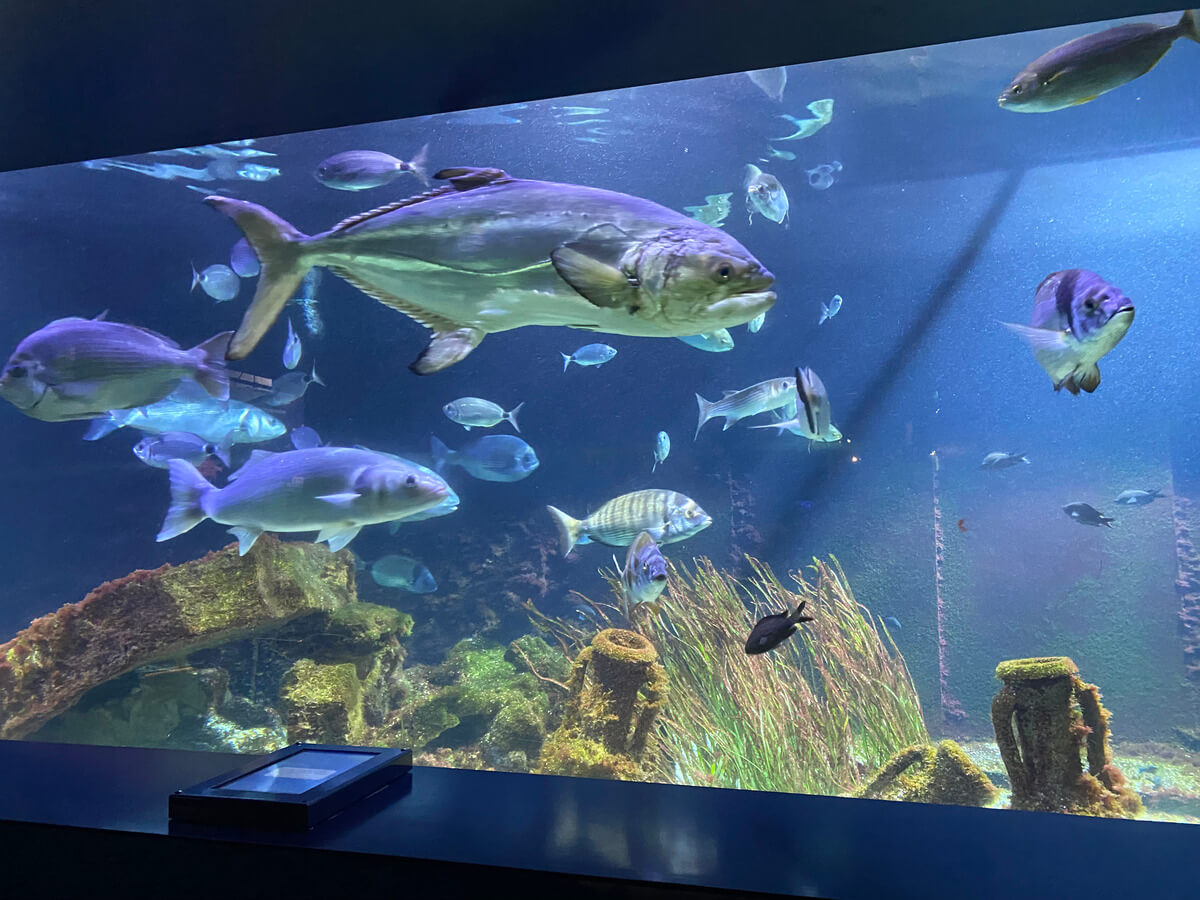
One of the museum’s biggest attractions is its impressive collection of aquariums, which faithfully recreate natural marine habitats.
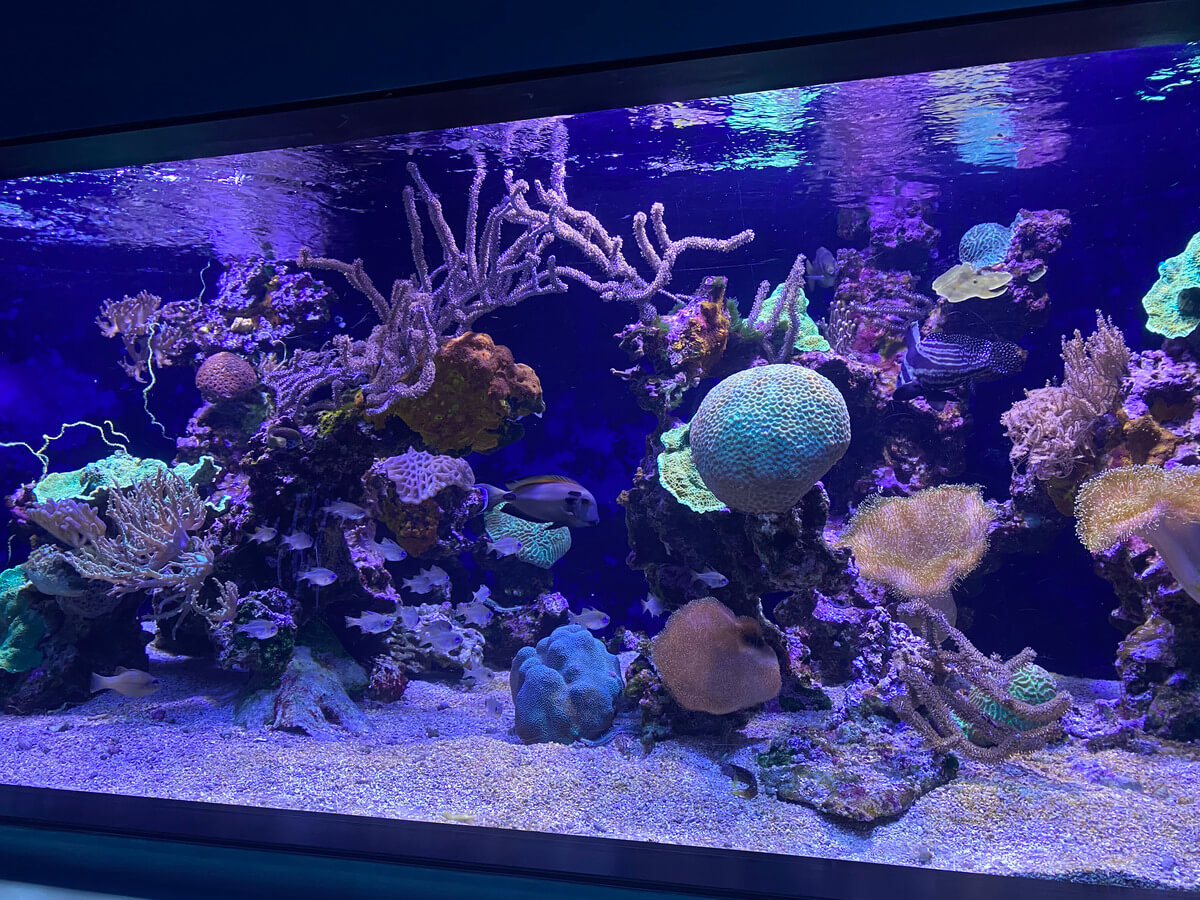
Visitors can see:
- Colorful tropical fish
- Coral reefs
- Octopuses
- Various species of sharks
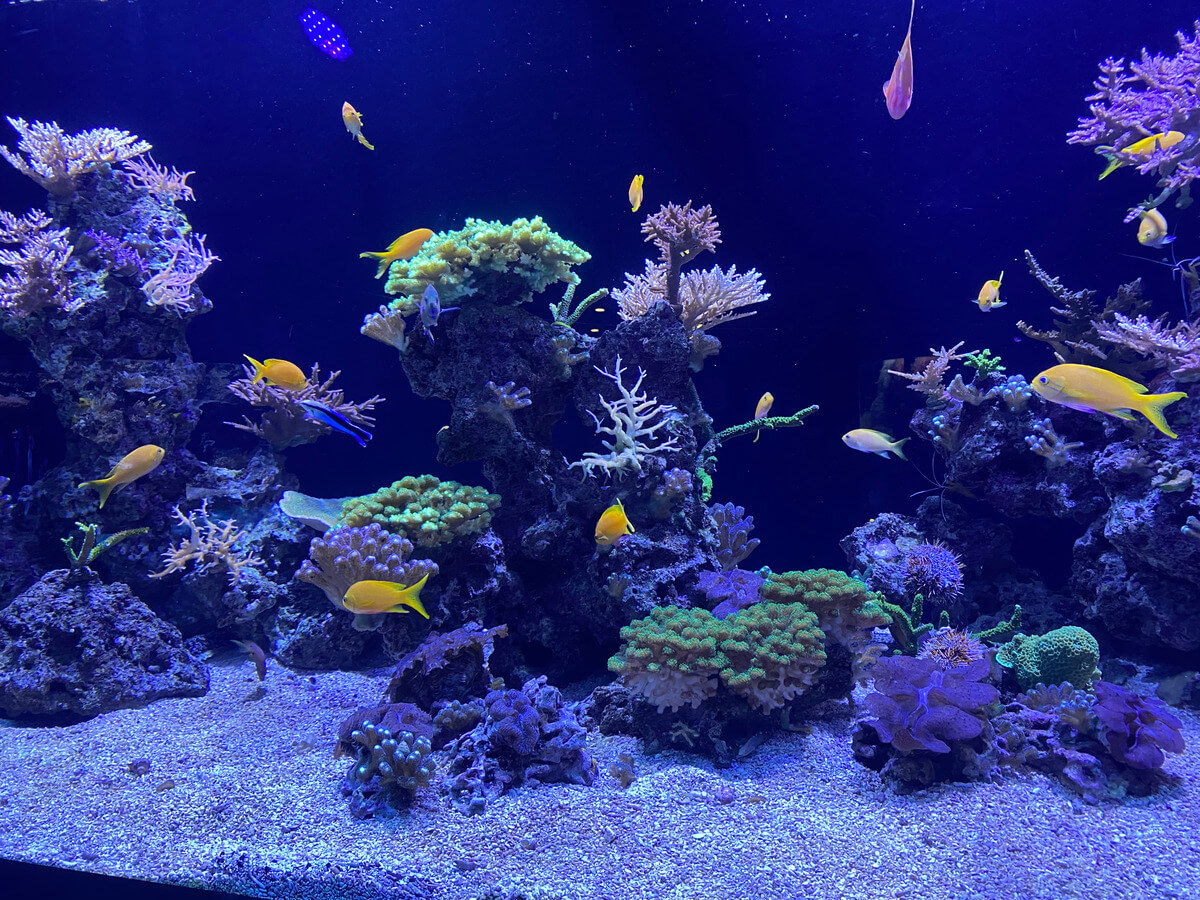
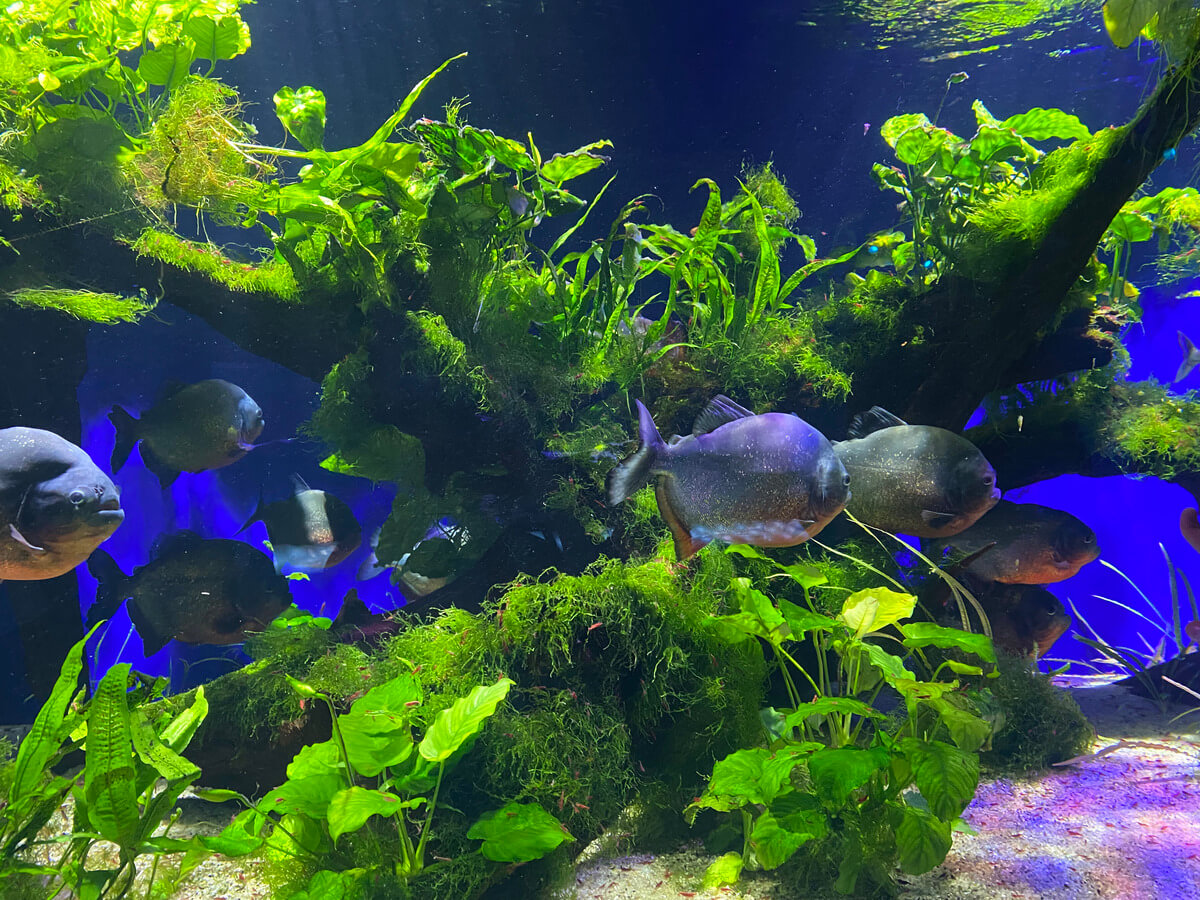
The main aquarium is located in the basement level. Here, visitors can explore tanks featuring tropical and Mediterranean species, including a 6-meter-deep shark aquarium.
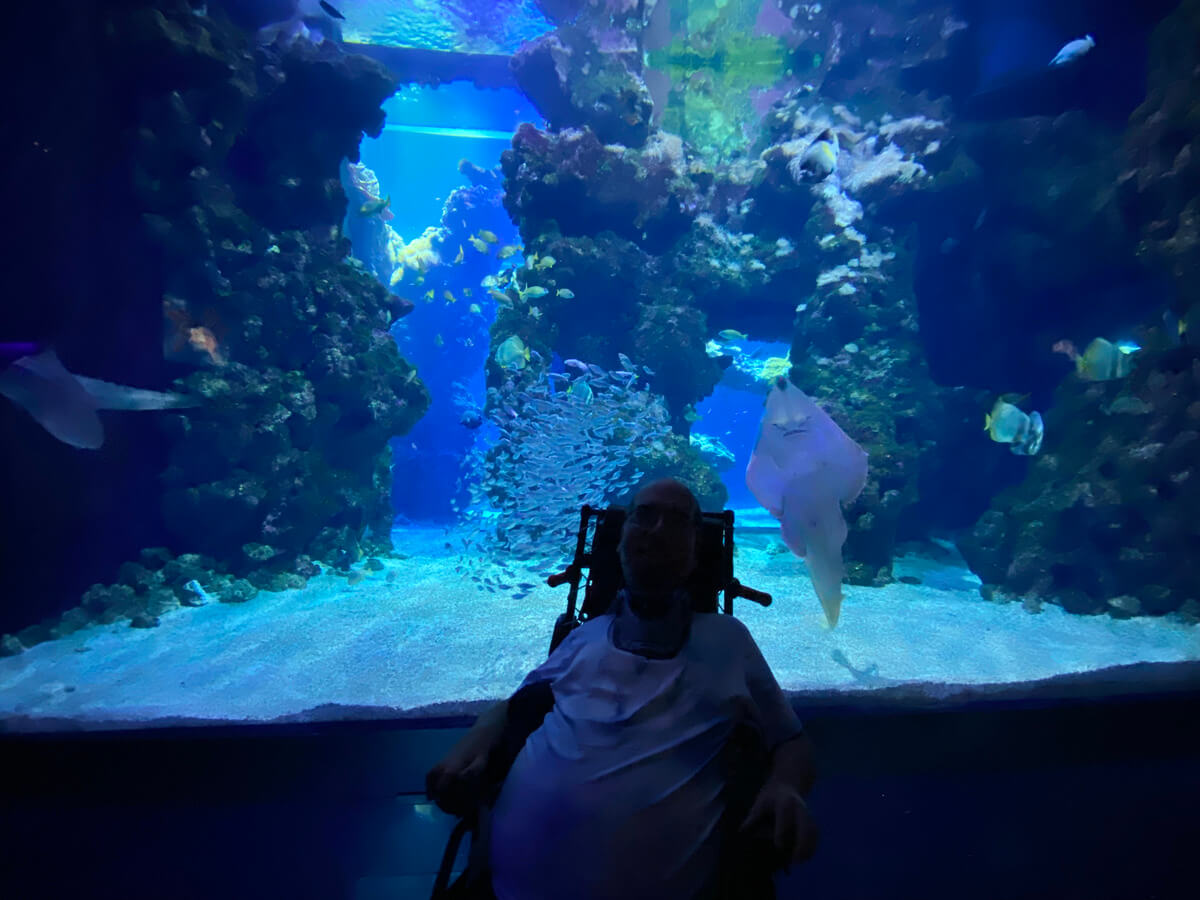
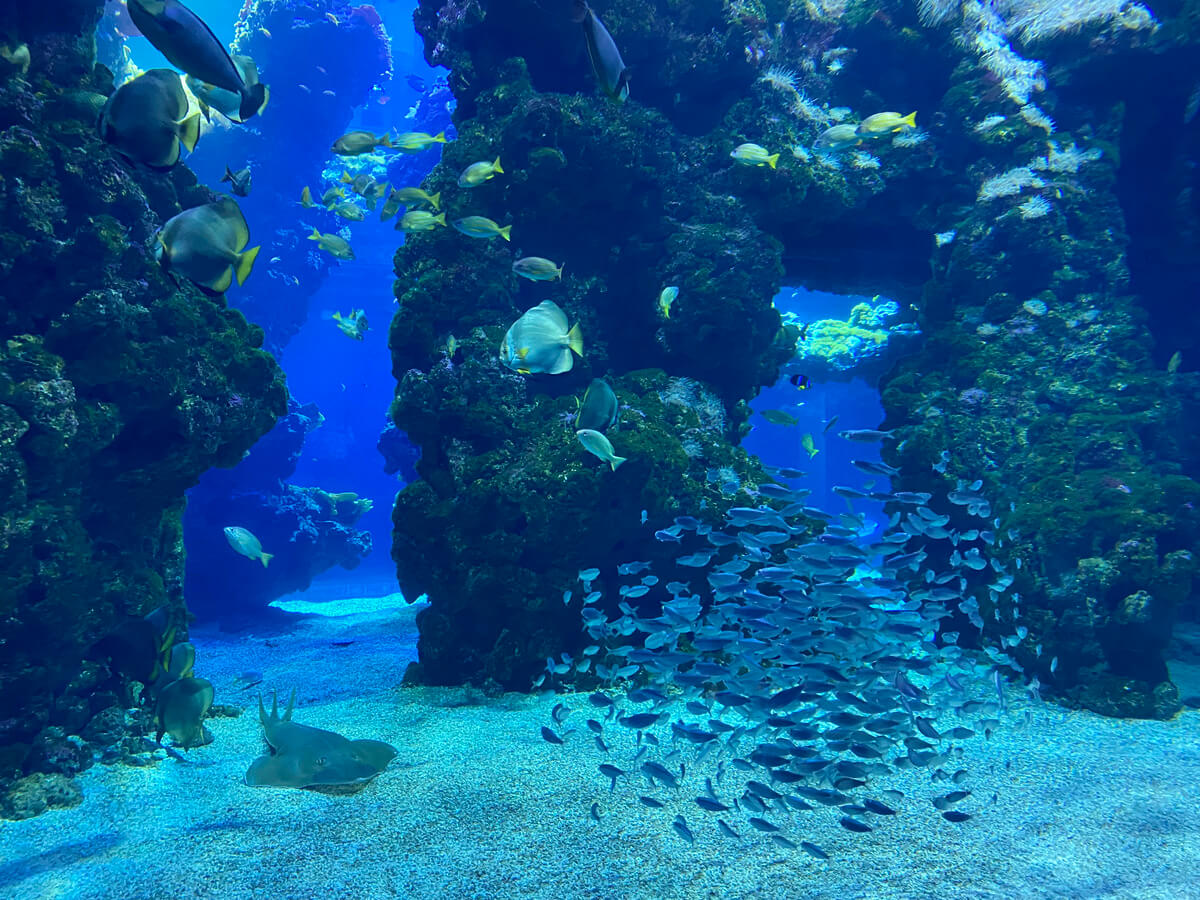
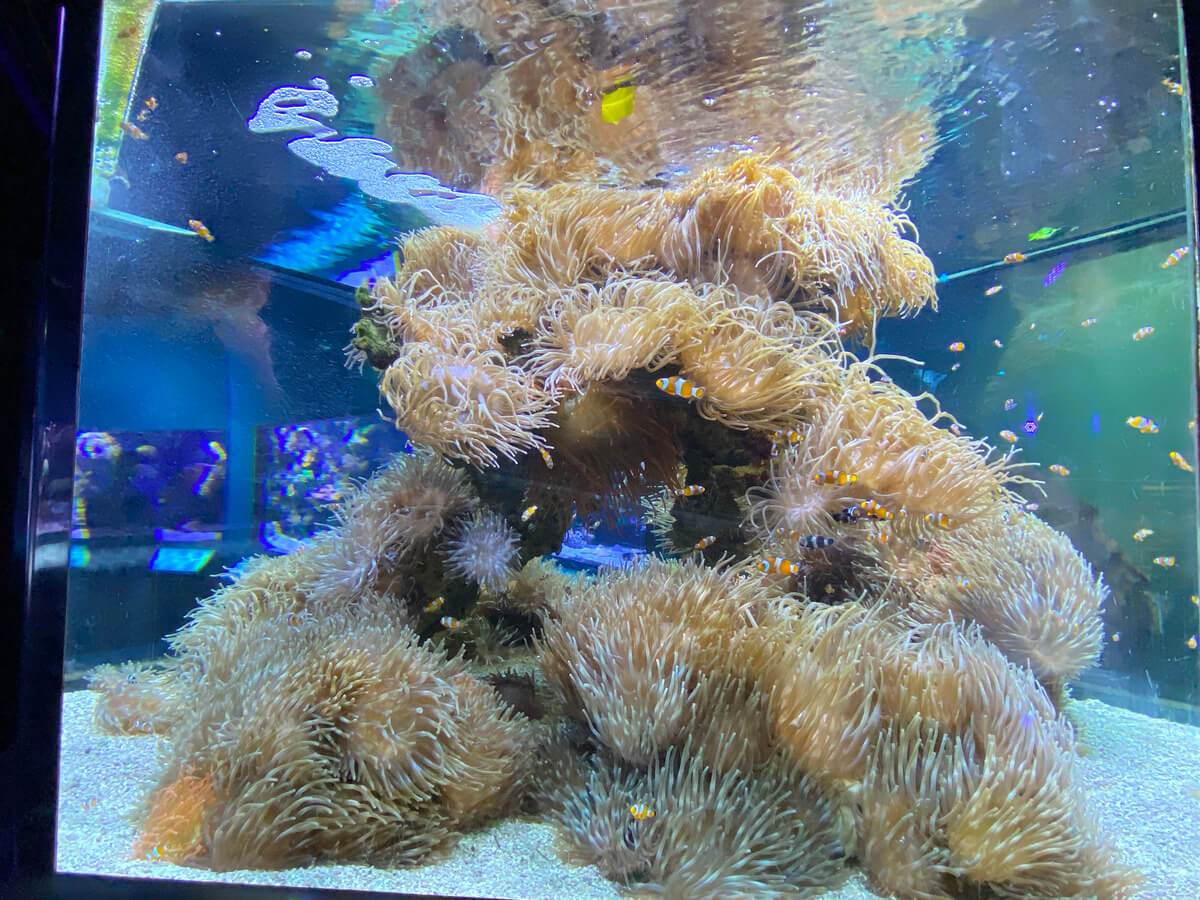
This tank is the highlight of the aquarium section, showcasing the vibrant life of a coral reef ecosystem.
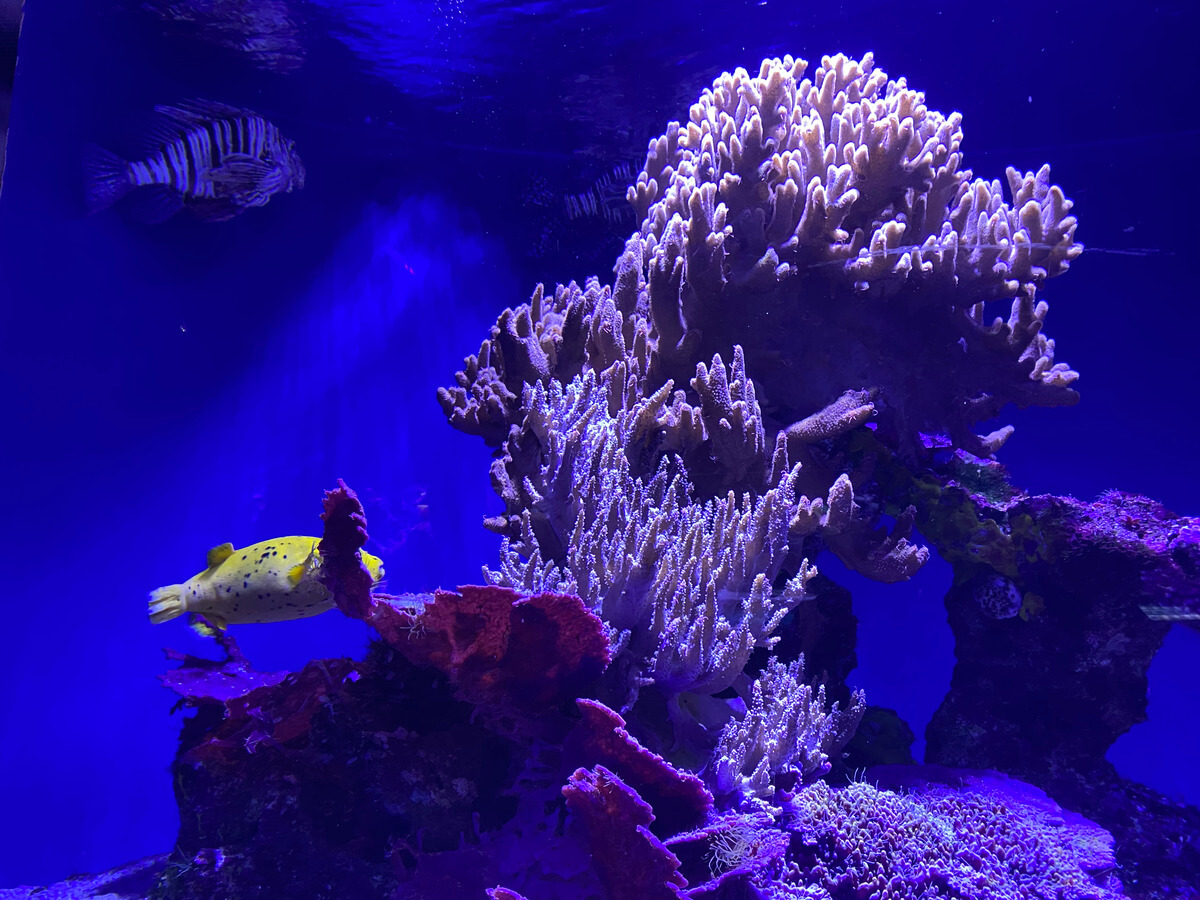
Coral samples were brought from the Red Sea in 1989, and this remains the only aquarium in the world where these corals have successfully been bred in captivity.
The aquarium is a remarkable technological achievement, containing 450,000 liters of seawater. The walls, designed to withstand the immense pressure, are 35 centimeters thick.
Oceanography Exhibitions
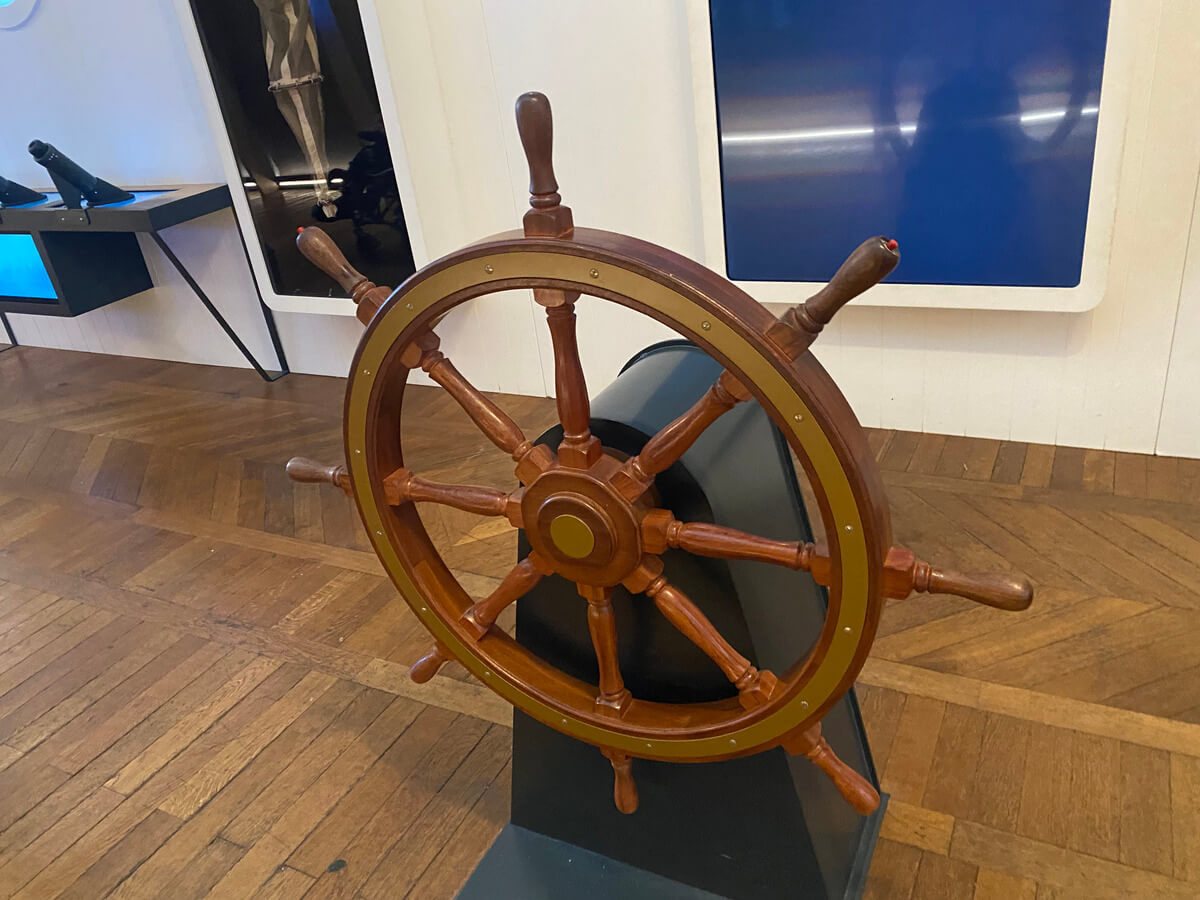
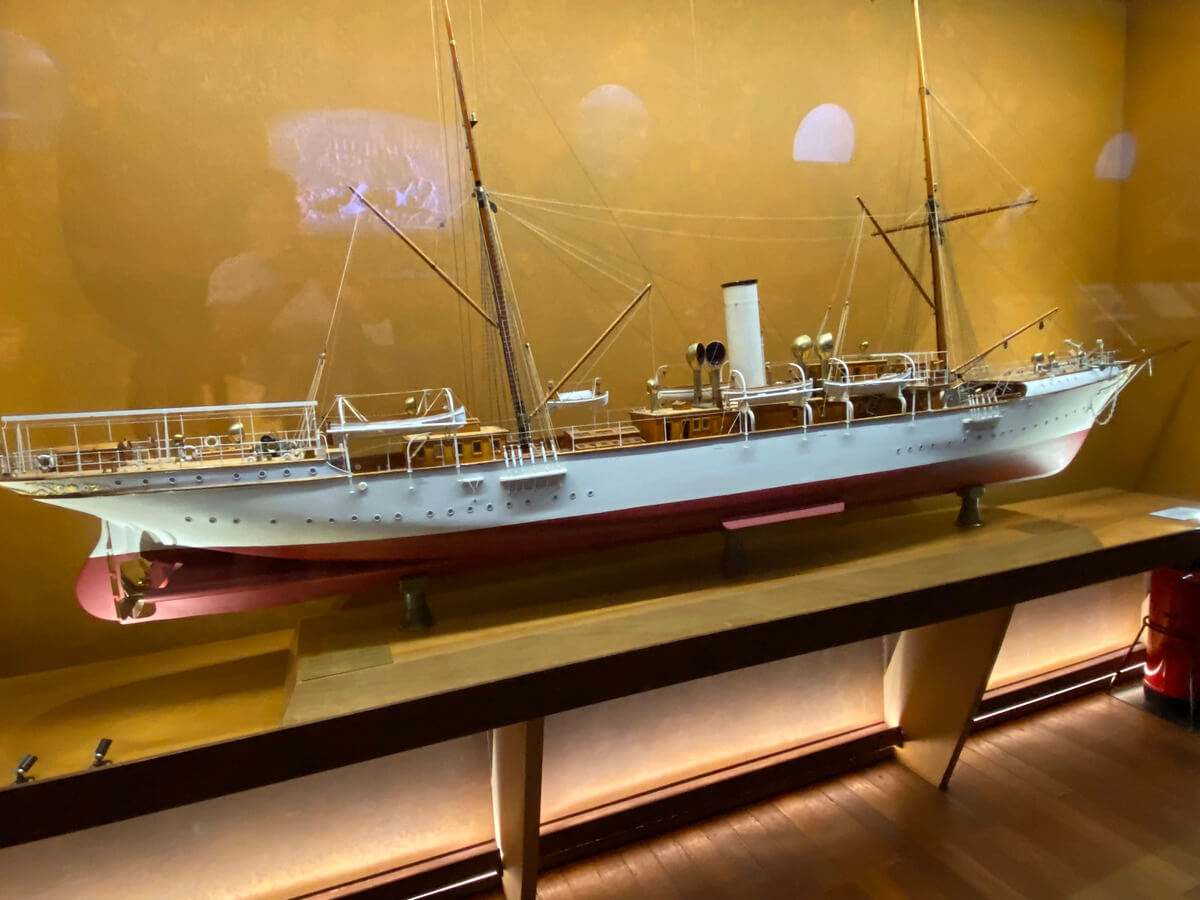
The museum also features an extensive collection of instruments, maps, and artifacts used during scientific expeditions.
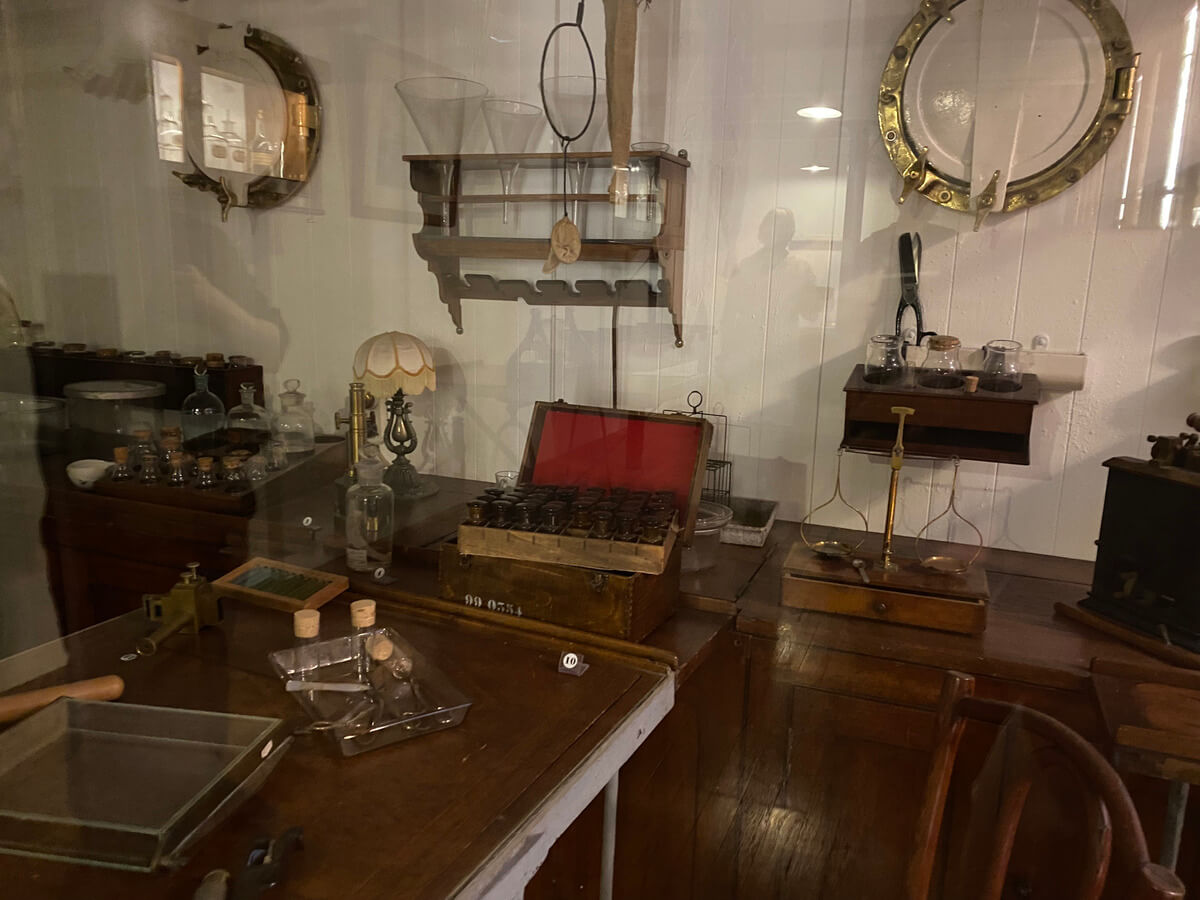
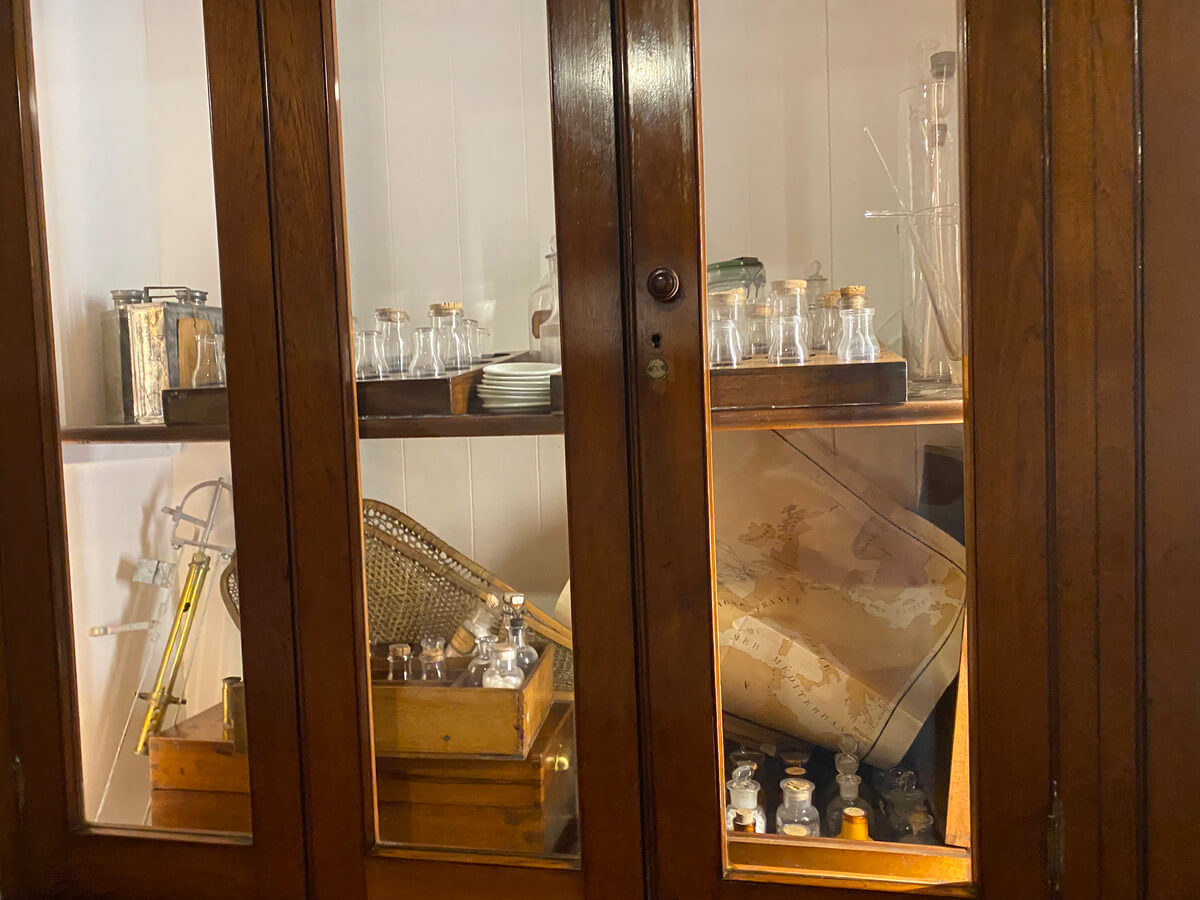
Through interactive exhibits, visitors can learn:
- How ocean ecosystems function
- The impact of climate change on marine life
- Why ocean conservation is crucial for the future of our planet
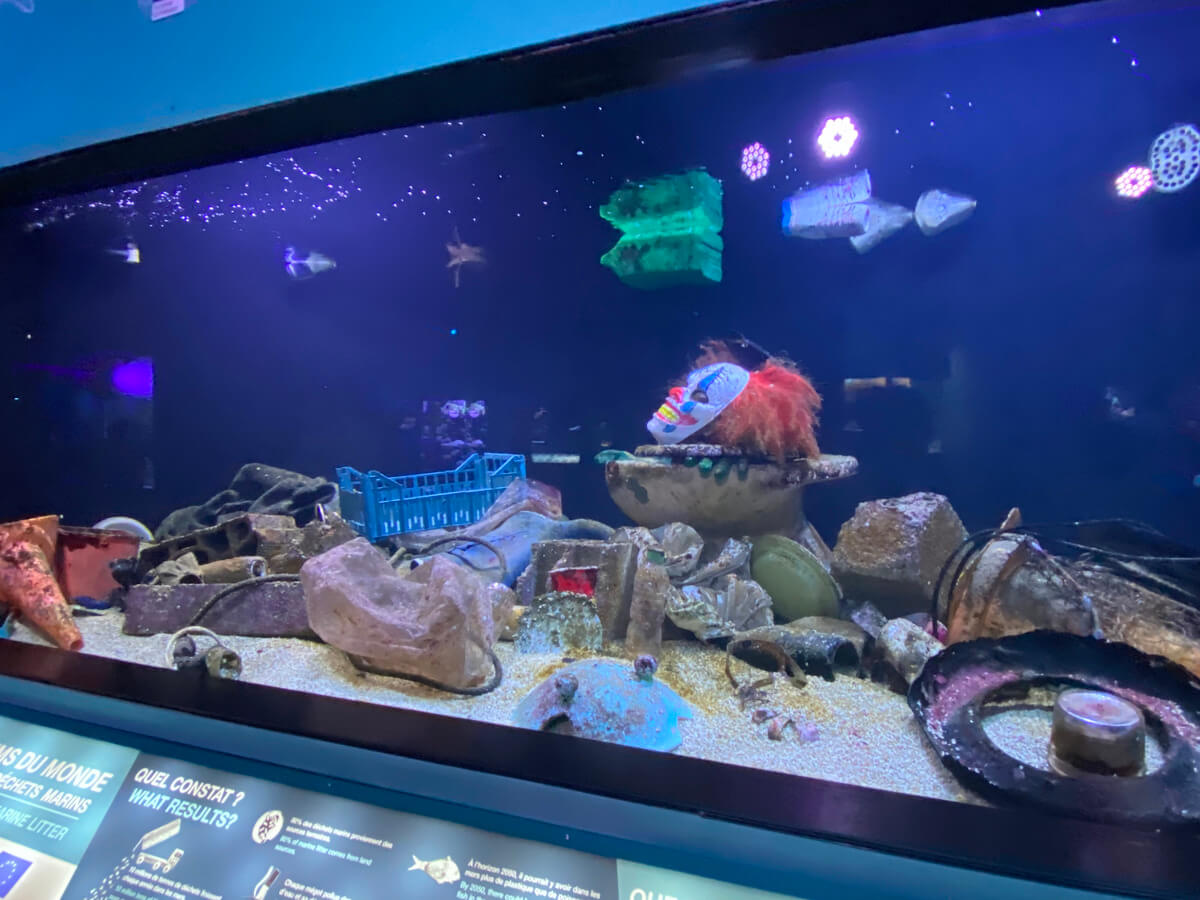
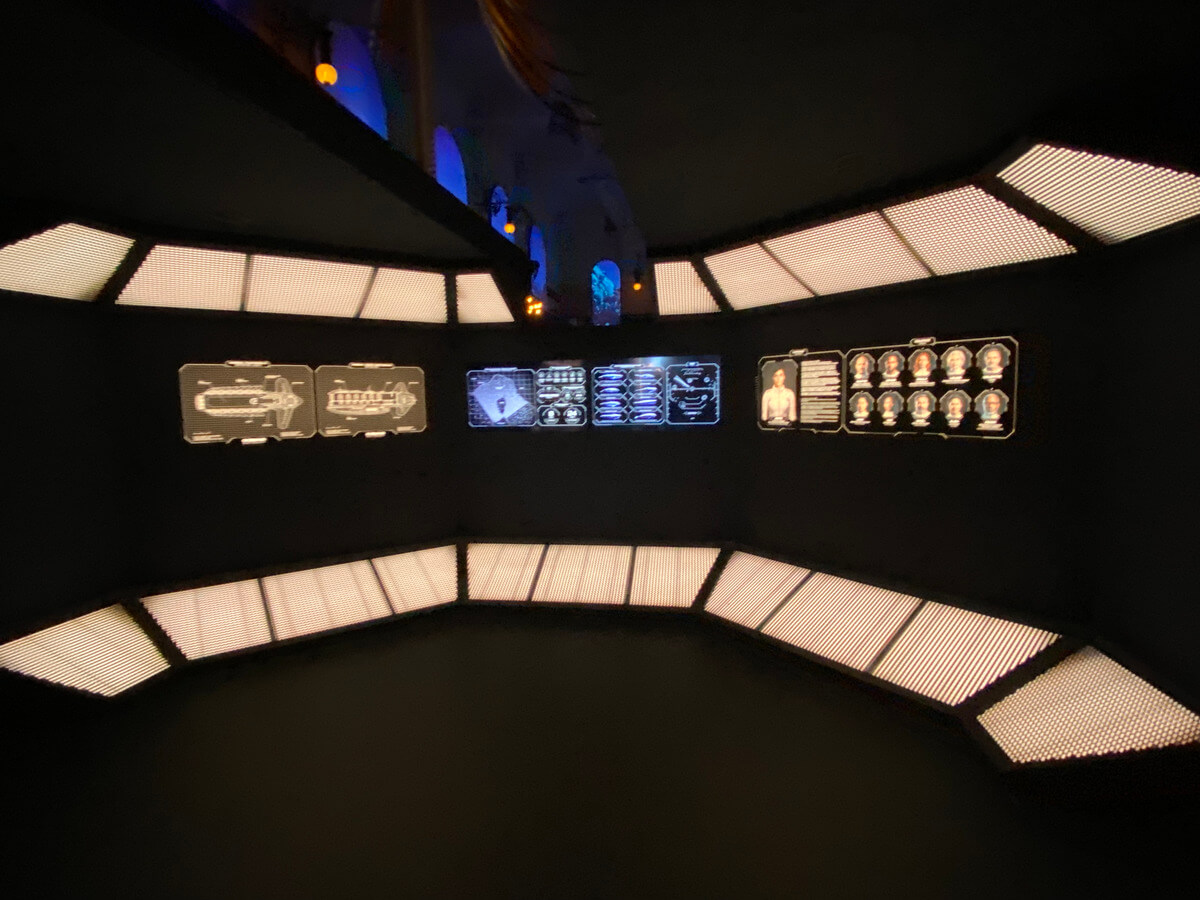
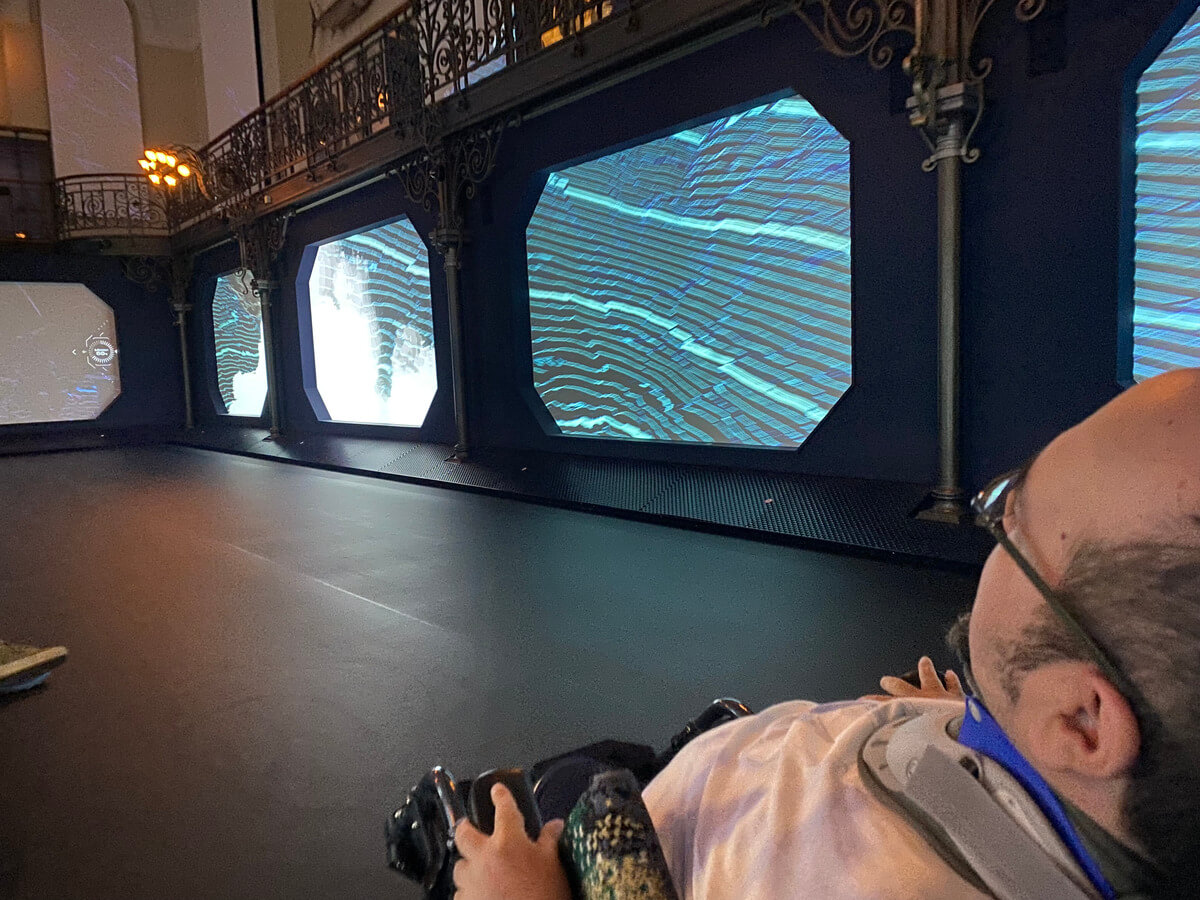
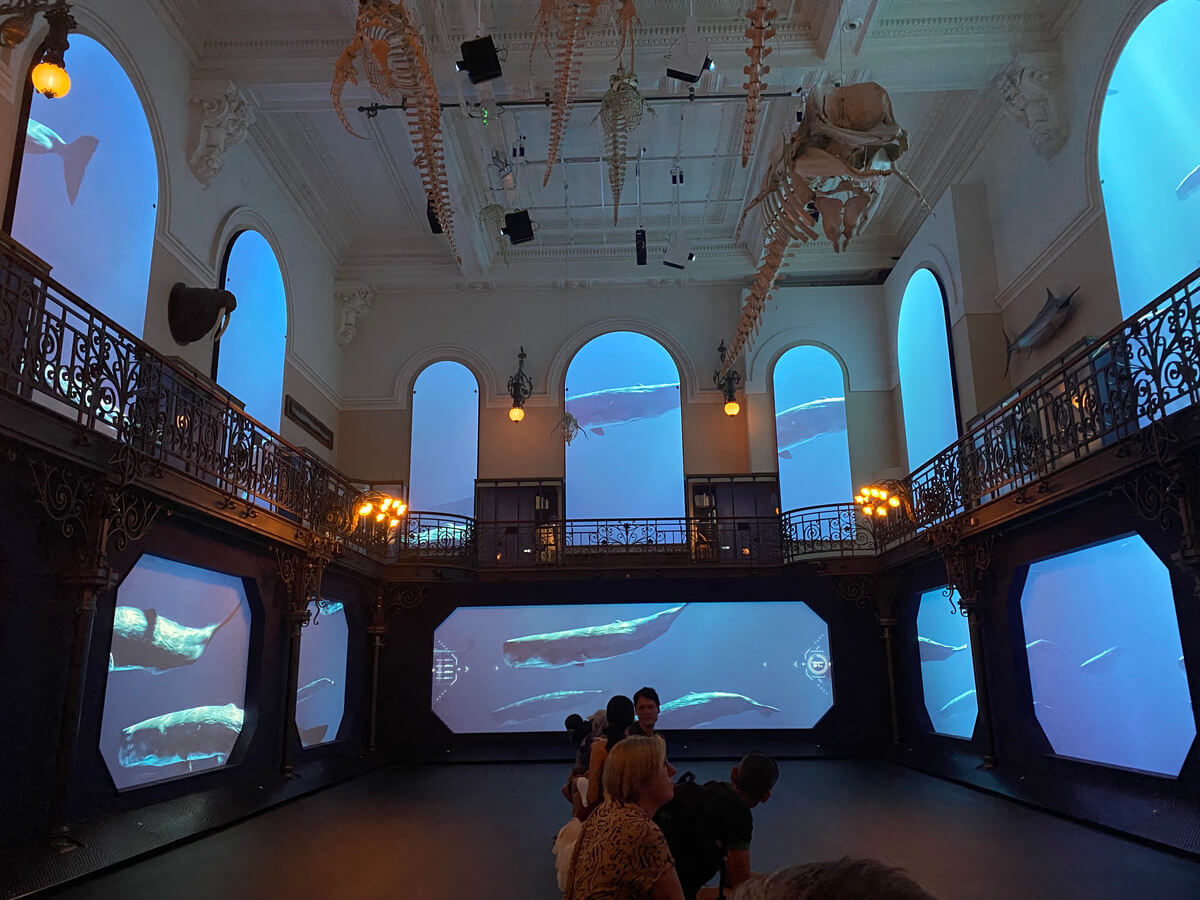
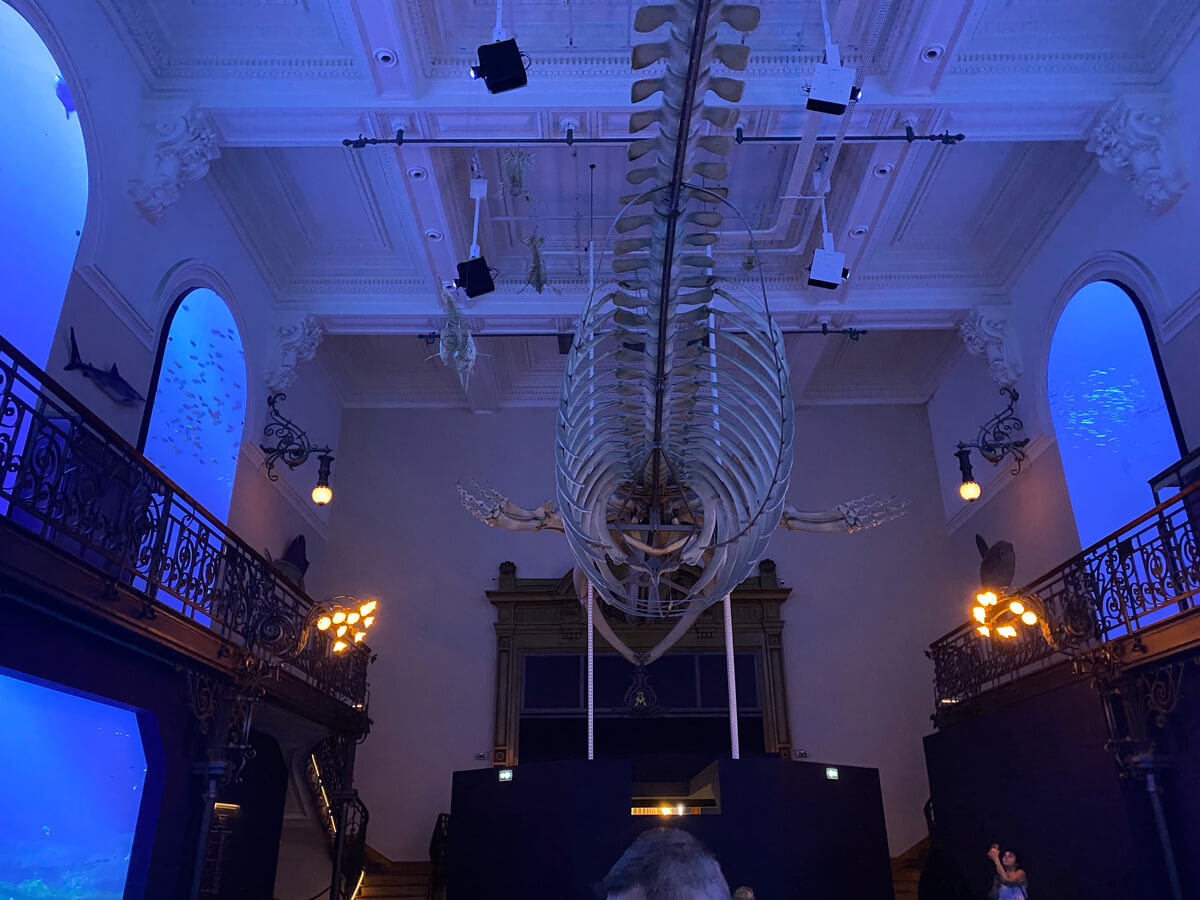
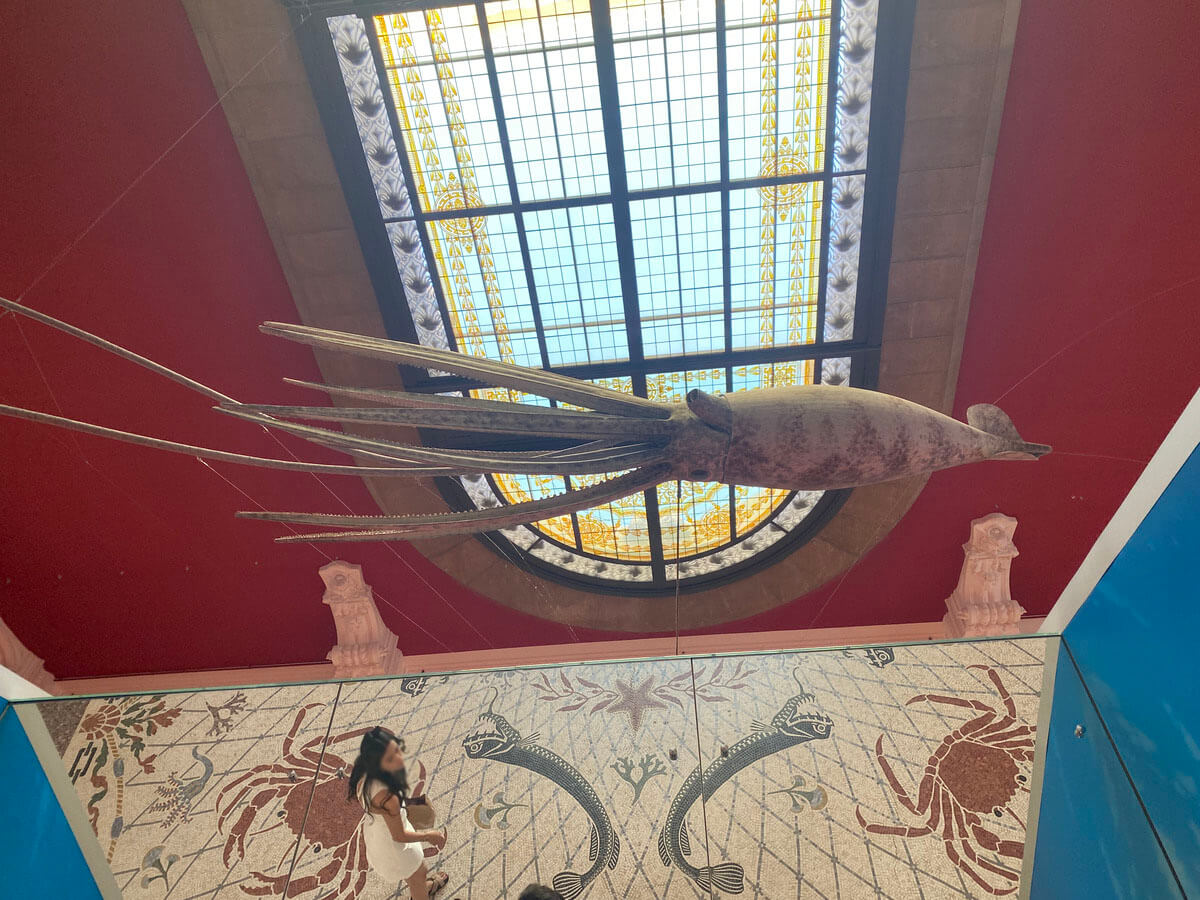
A section of the museum is dedicated to large marine mammals. Here, visitors can admire impressive whale skeletons and other specimens that demonstrate the size and diversity of life in the oceans.
Don’t miss the rooftop terrace. From the top of the museum, visitors can enjoy stunning views of Monaco and the French Riviera.
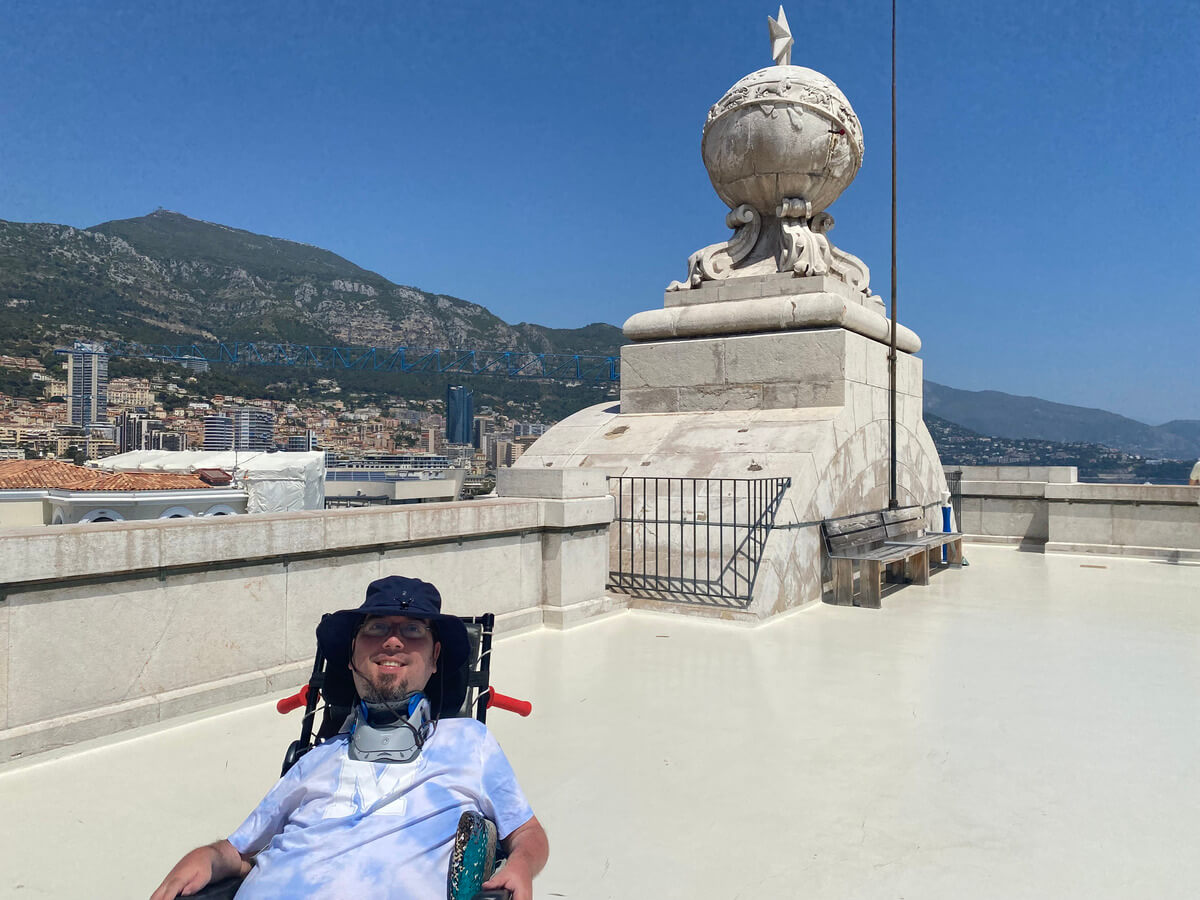
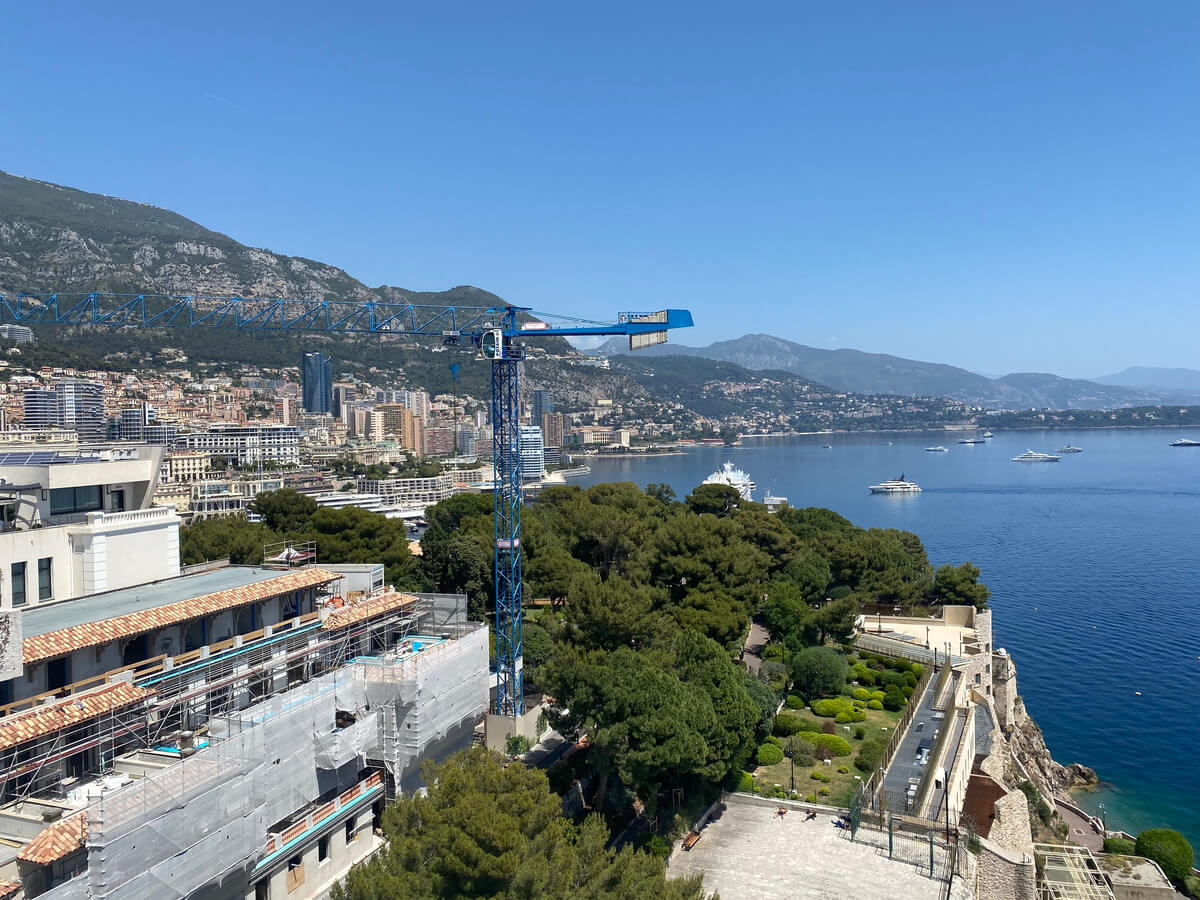
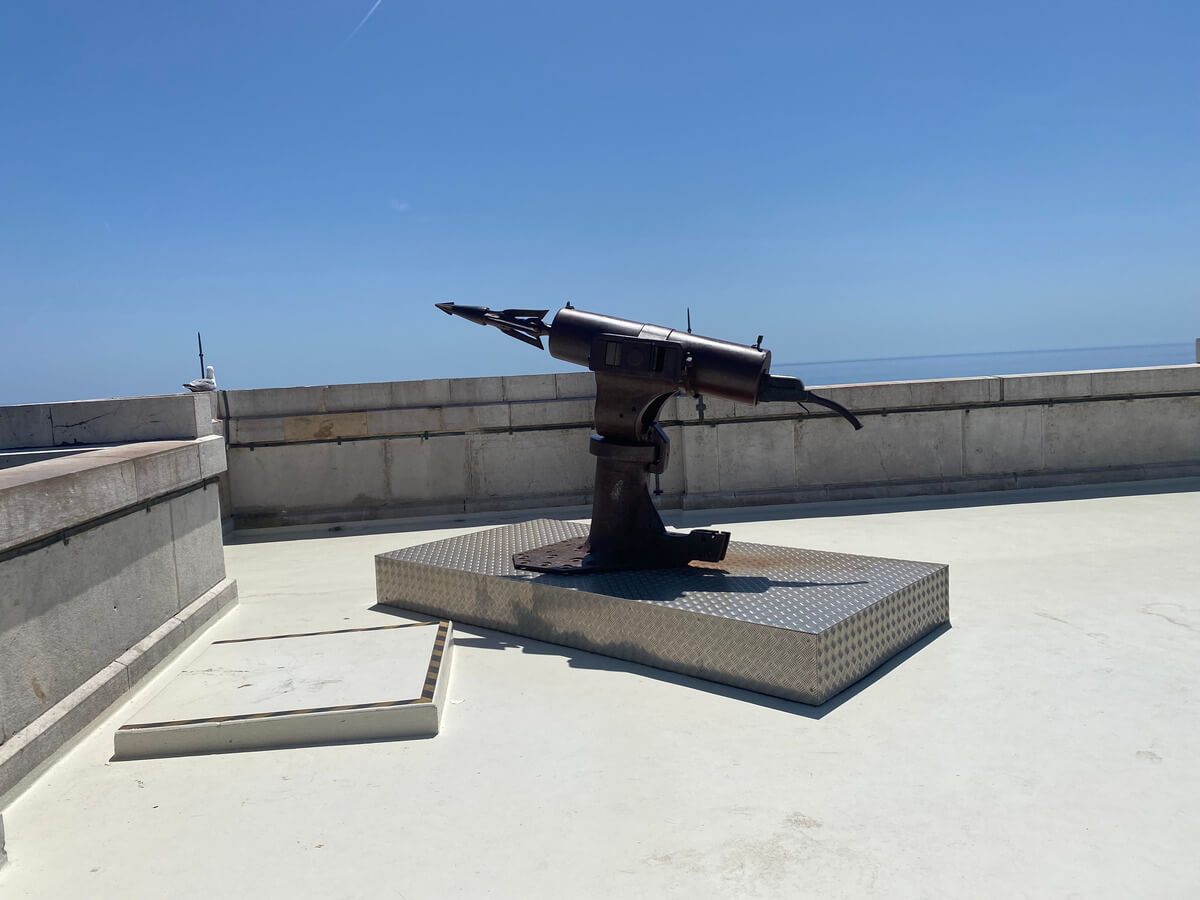
There is also a café on the terrace, although on a hot summer day you may prefer to enjoy the view and move on rather than linger for long.
Opening Hours and Ticket Prices
The Oceanographic Museum of Monaco is open every day except during Formula 1 race weekends and on Christmas Day (December 25).
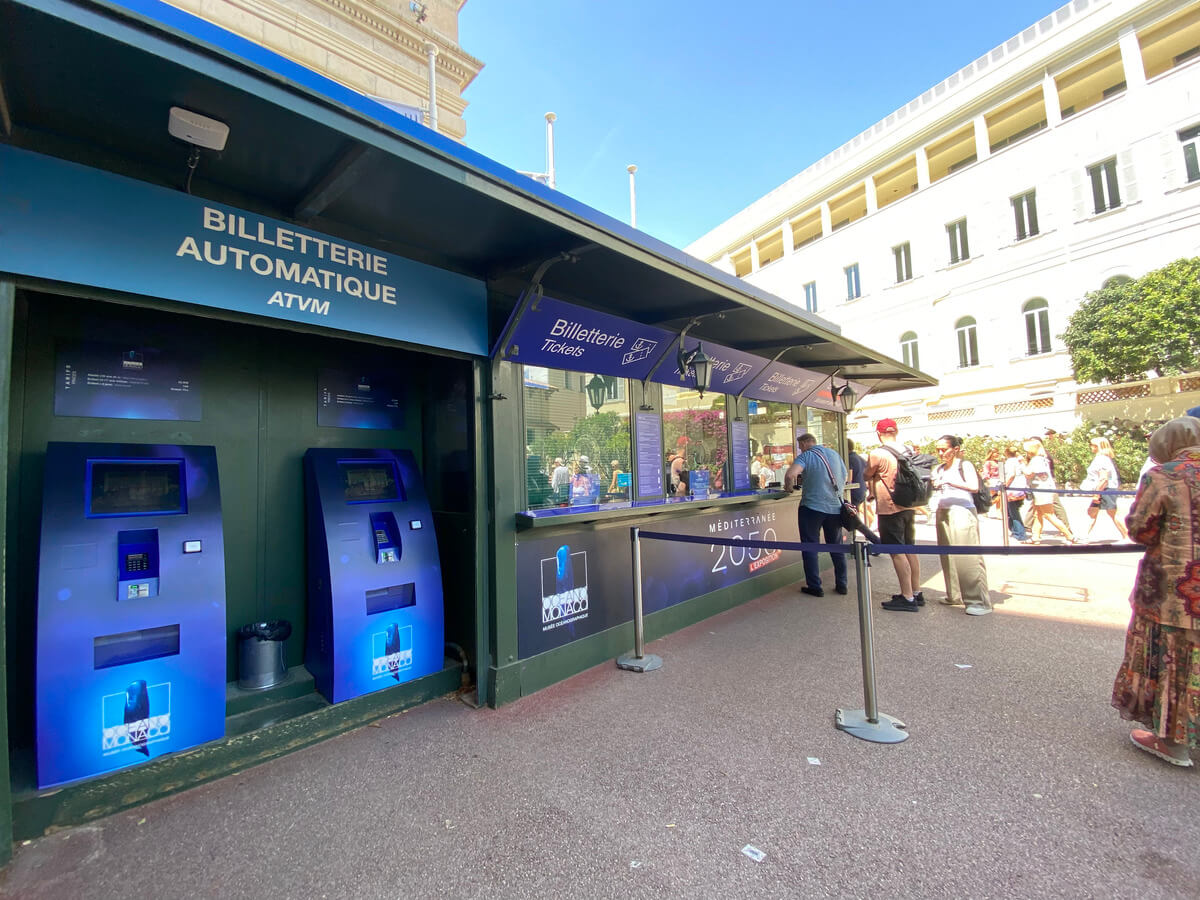
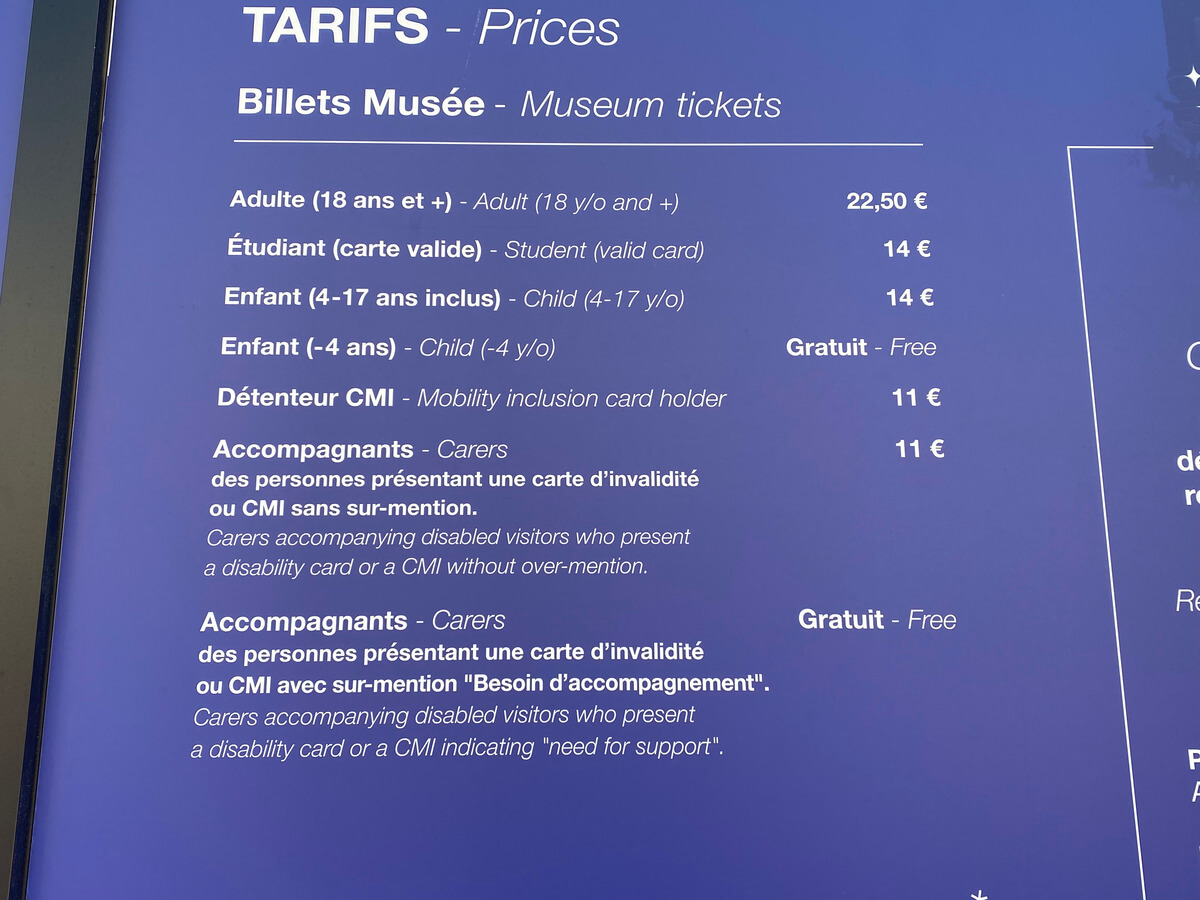
Before planning your visit, it is recommended to check the latest opening hours and ticket information on the museum’s official website.
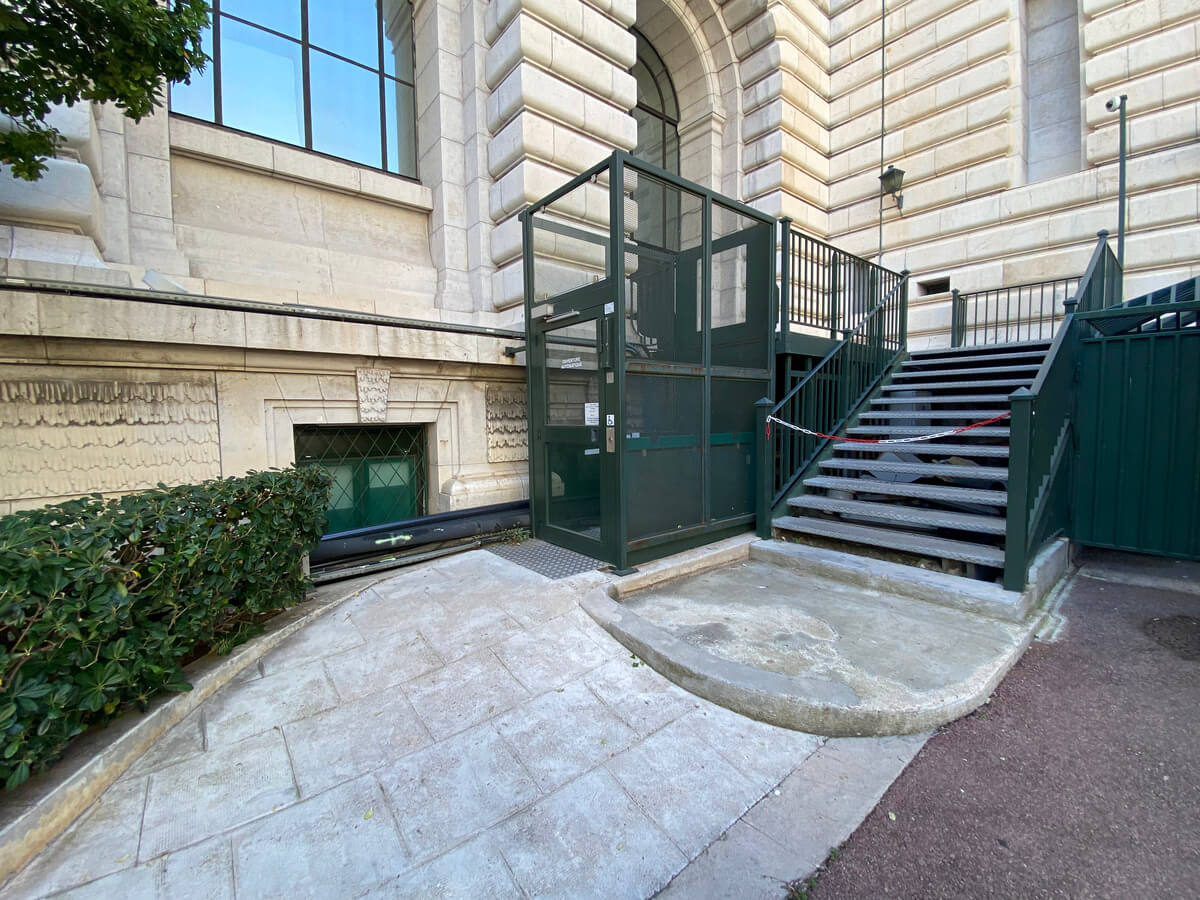
The museum is fully accessible to wheelchair users, both inside and outside. The wheelchair entrance is located on the left side of the building. After purchasing a ticket, a member of staff will assist you in accessing the elevator.
Visitor Tips
Visit Early in the Morning. Morning visits tend to be more enjoyable due to smaller crowds.

How Long Does a Visit Take?
Most visitors spend between two and three hours exploring the museum.
Is the Museum Suitable for Children?
Yes. The interactive exhibits and aquariums are particularly popular with younger visitors.
What Animals Can You See?
Visitors can observe tropical fish, sharks, octopuses, seahorses, corals, and many other marine species.
When Is the Best Time to Visit?
Spring and autumn offer more pleasant temperatures and fewer crowds.
Is the Museum Close to Monaco’s City Center?
Yes. It is located in the historic heart of Monaco and is easily accessible on foot. Nearby attractions include the Prince’s Palace, Monaco Cathedral, and the charming streets of the Old Town.
How to Get to the Museum
From the Harbor
From Port Hercules, take the elevators and escalators from the “Chemin des Pêcheurs” parking area on the southern side of the harbor. Alternatively, you can walk up the Rampe Major and follow the signs from Palace Square.
If you are on the northern side of the harbor near the Monaco Yacht Club, you can also take the Bateau Bus ferry across the harbor for €2.
By Train
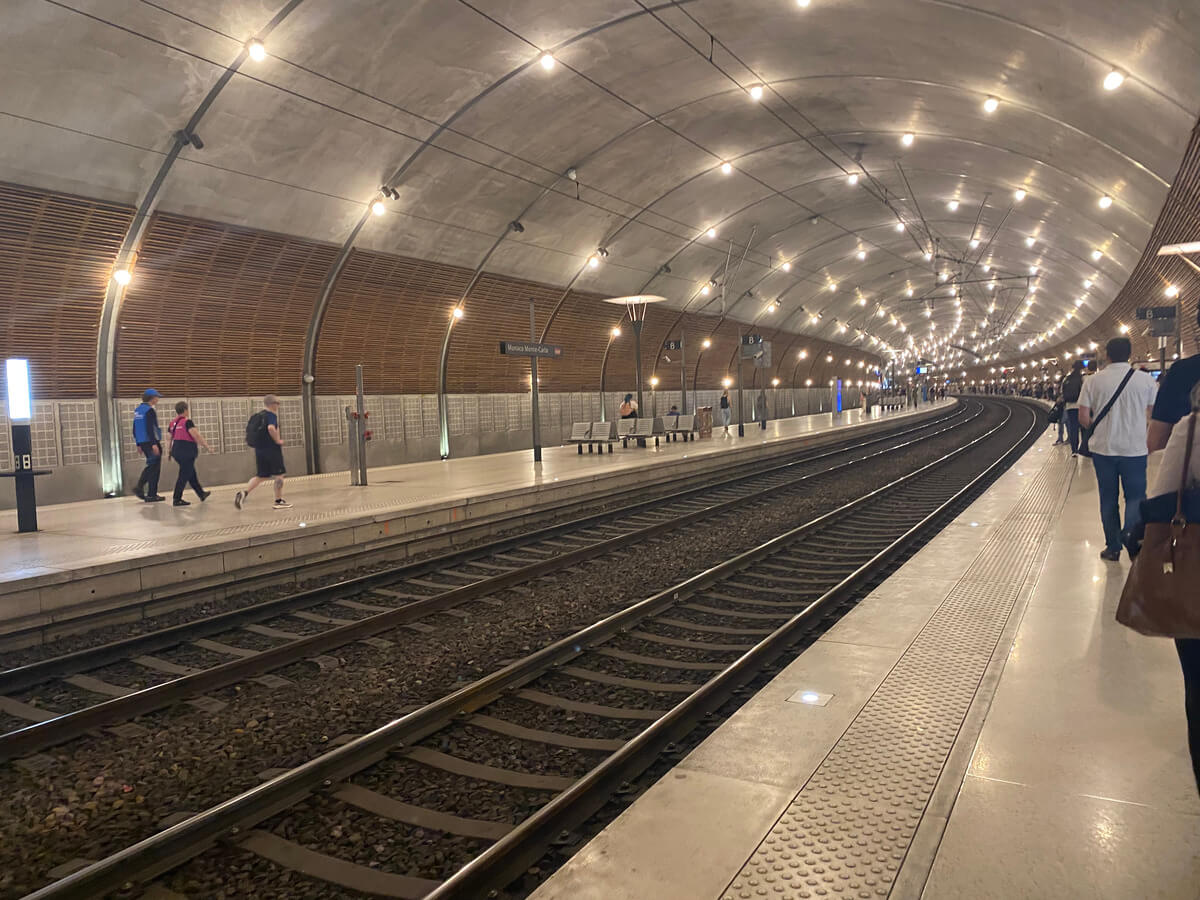
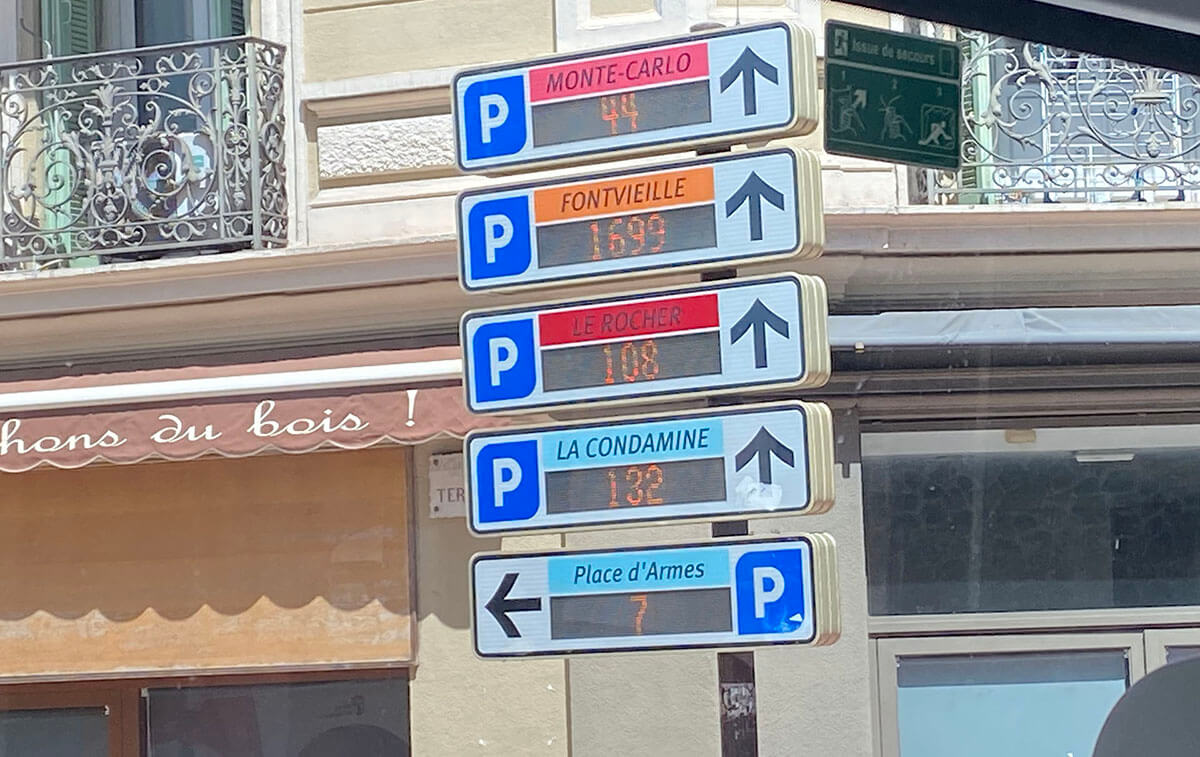
If arriving by train, use the “Sortie Fontvieille/Le Rocher” exit, which leads to Place d’Armes.
From Place d’Armes, you can take Bus Line 1 (Saint Roman to Monaco-Ville) or Bus Line 2 (Jardin Exotique to Monaco-Ville) and get off at Place de la Visitation, near the museum. This is the final stop, and the fare is €2 per person. This is the option I personally used.
By Car
If traveling by car, parking is available directly beneath the museum at the “Parking du Chemin des Pêcheurs,” accessible via Avenue de la Quarantaine and the Pêcheurs Tunnel.
Elevators connect the parking garage directly to the entrance of the Oceanographic Museum of Monaco.
Is the Oceanographic Museum Worth Visiting?
Absolutely.
The Oceanographic Museum of Monaco offers a perfect blend of education, entertainment, and natural beauty. Its outstanding aquariums, fascinating scientific exhibits, and spectacular location make it one of the most important tourist attractions not only in Monaco but along the entire French Riviera.
If you enjoy my travel stories and guides, feel free to buy me a coffee. You’ll find the button in the upper-right corner of the sidebar on the website.
Have you visited the Oceanographic Museum in Monaco?
Did I miss anything worth mentioning?
Traveling and enjoying life,
Marko Veličković