After the glitz and glamor of the upper parts of Kristianborg, you can also visit the ruins in the basement, which bear witness to 1000 years of Danish history…
Every basement can be a big challenge for us wheelers. However, the Danes pulled through and built not one, but two high-tech ramps, which allowed me to feel equal with others and make this visit.
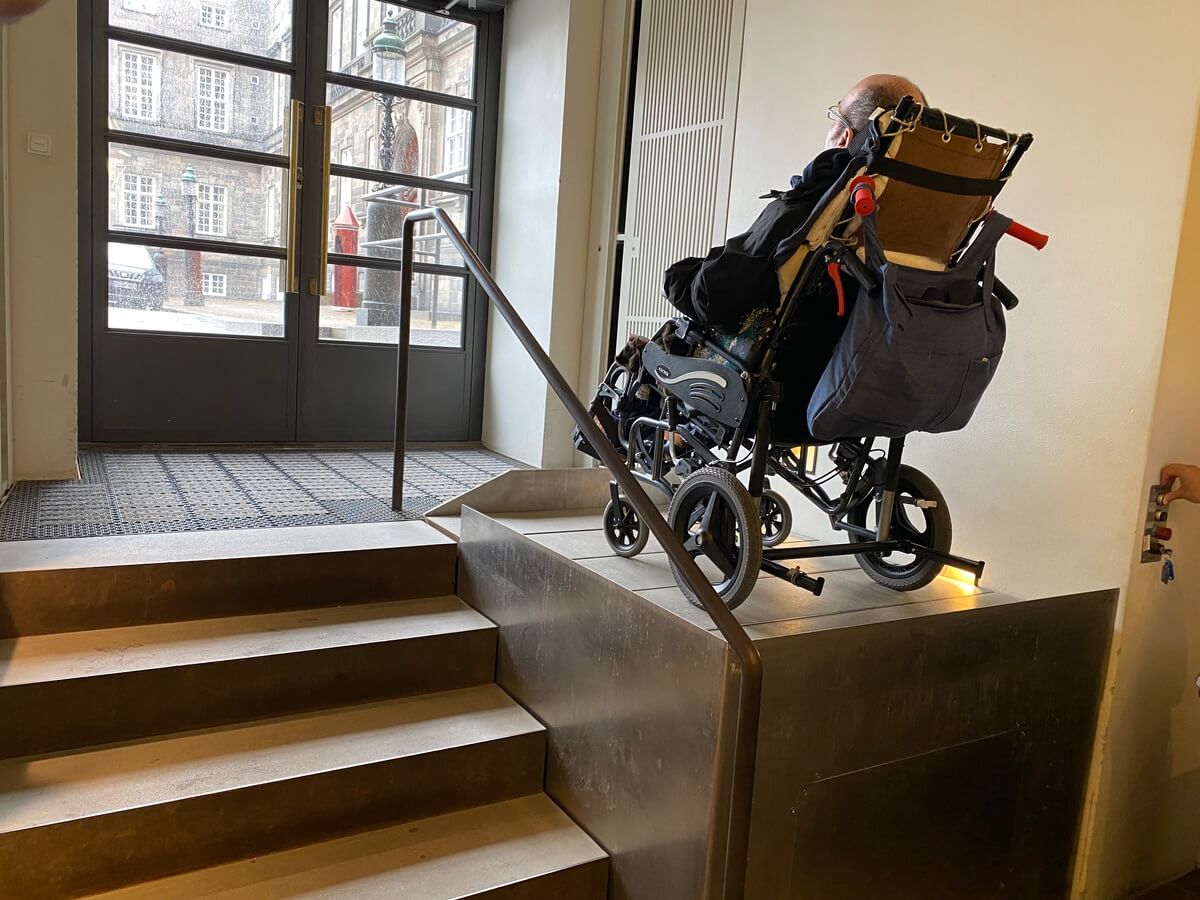

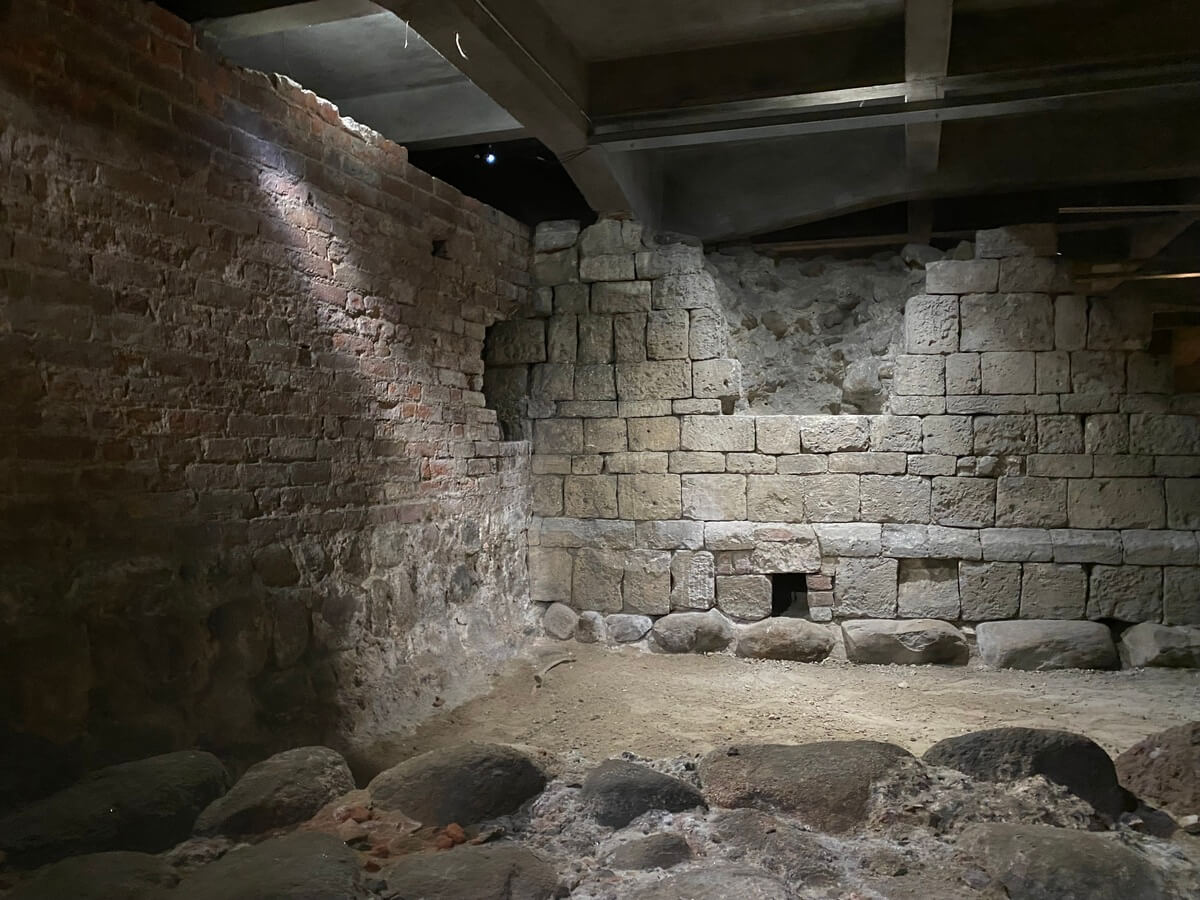
In the basement there are the remains of walls, arches and parts of trenches, which have a very exciting story and, miraculously, are very accessible to people in wheelchairs.

The underground was opened to the public in 1924. Since then, it has been renovated and explored several times.


Christiansborg was built on the remains of a former castle, which was supposed to protect the city from pirates.

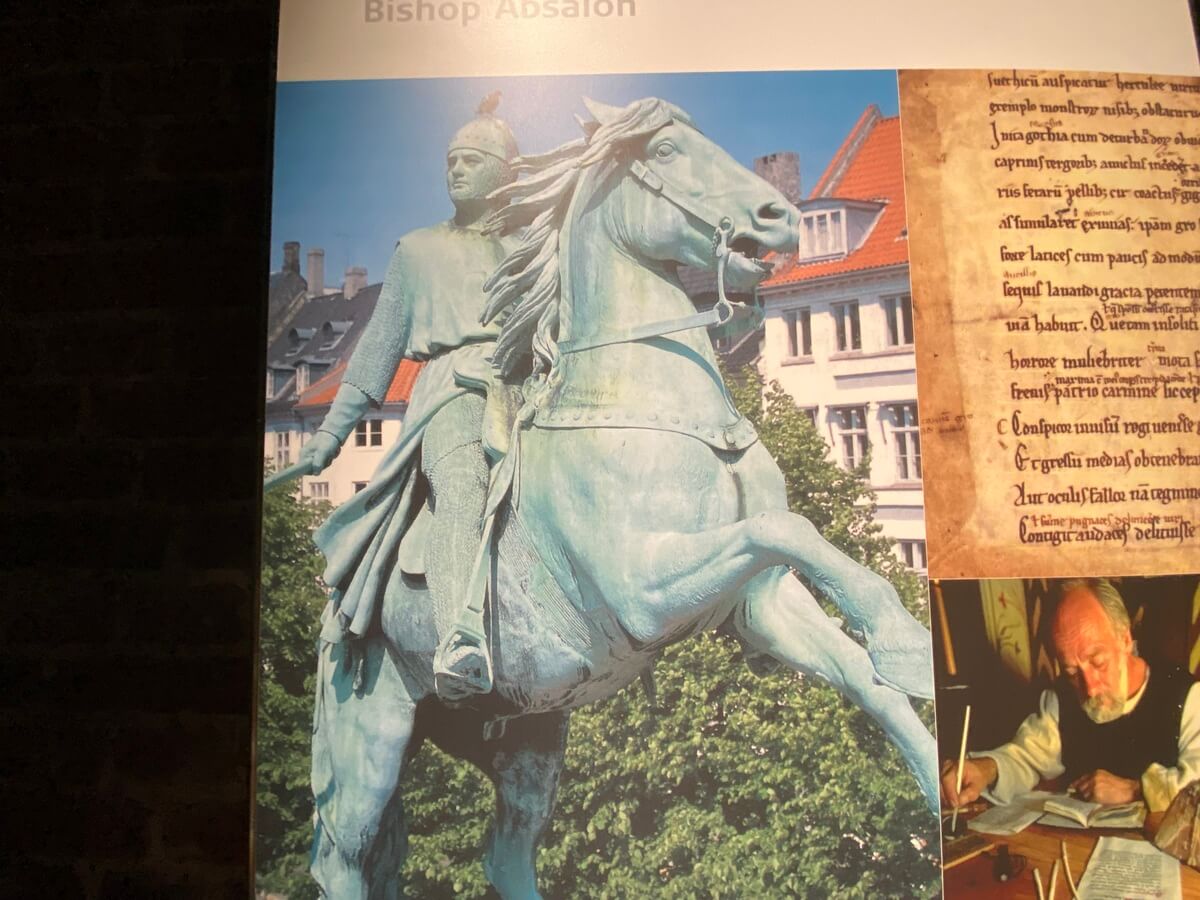
It was built by Bishop Absalon in 1167. Absalon was one of the most important bishops and politicians in medieval Denmark.
The castle was built of limestone, and bricks were used later.
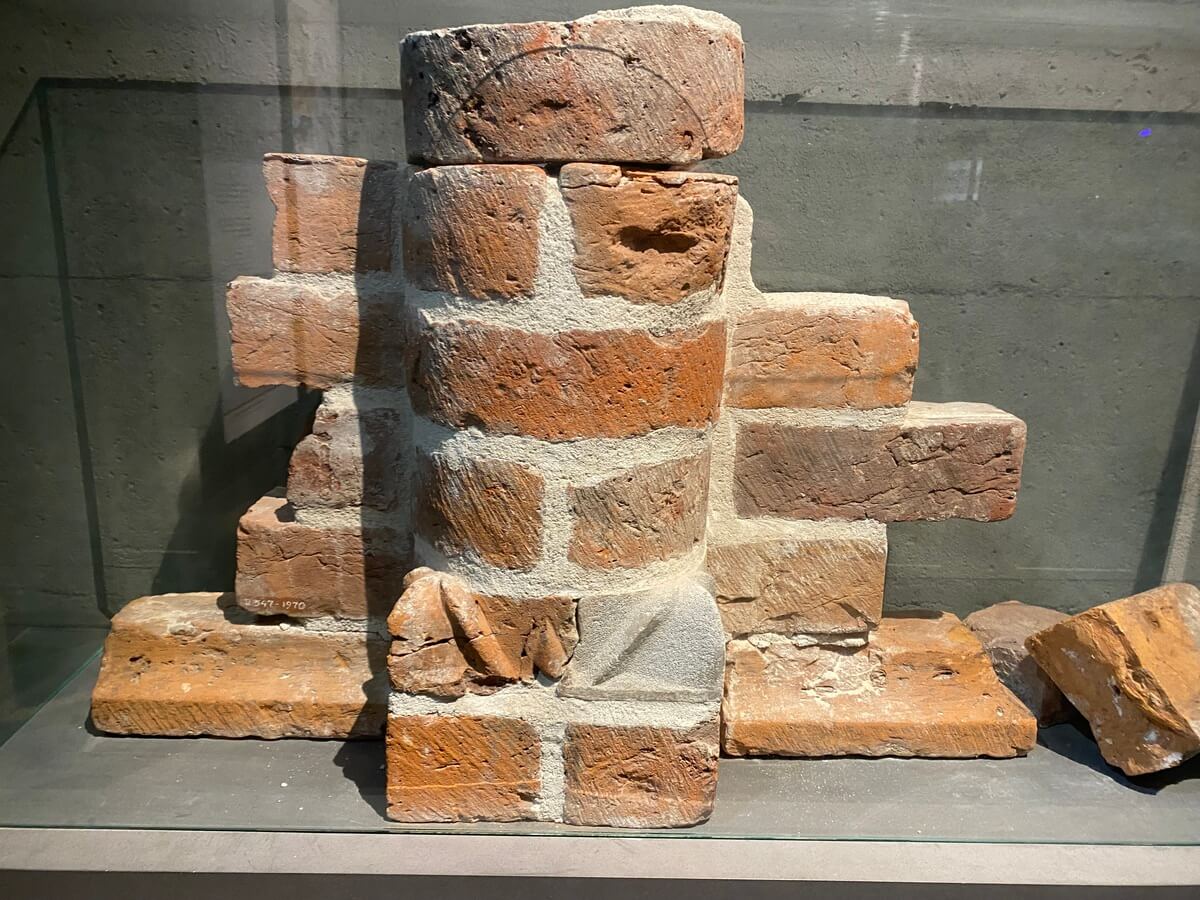
You can see the double walls, which were used for protection.
One can easily imagine what the siege of such a castle looked like. Hot oil or tar spilled from the walls.
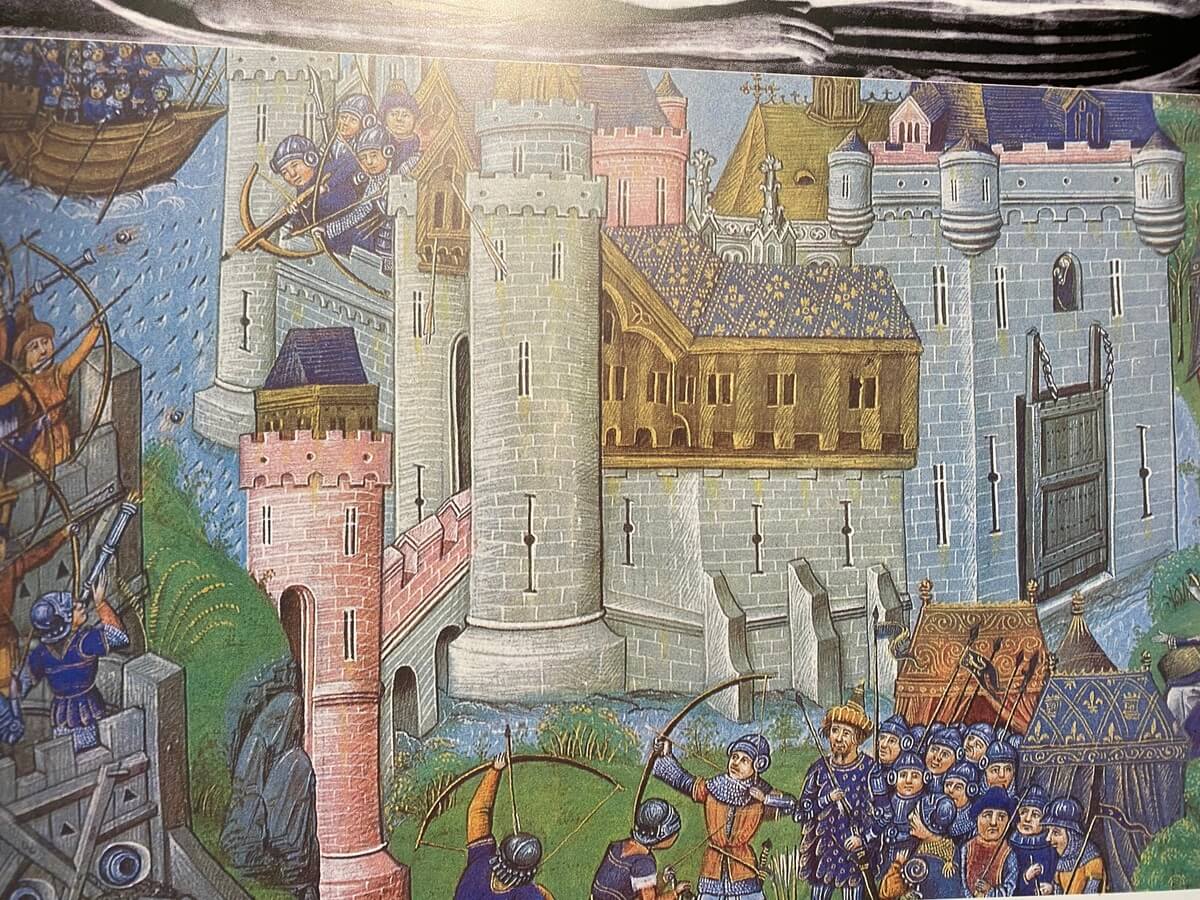
If the conqueror had time, he could surround the castle and wait for the defenders of the fortress to succumb to hunger. This is exactly what happened to Absalon’s castle, which was razed to the ground in 1369.
If you want to scare your opponent, these customs were not foreign either.
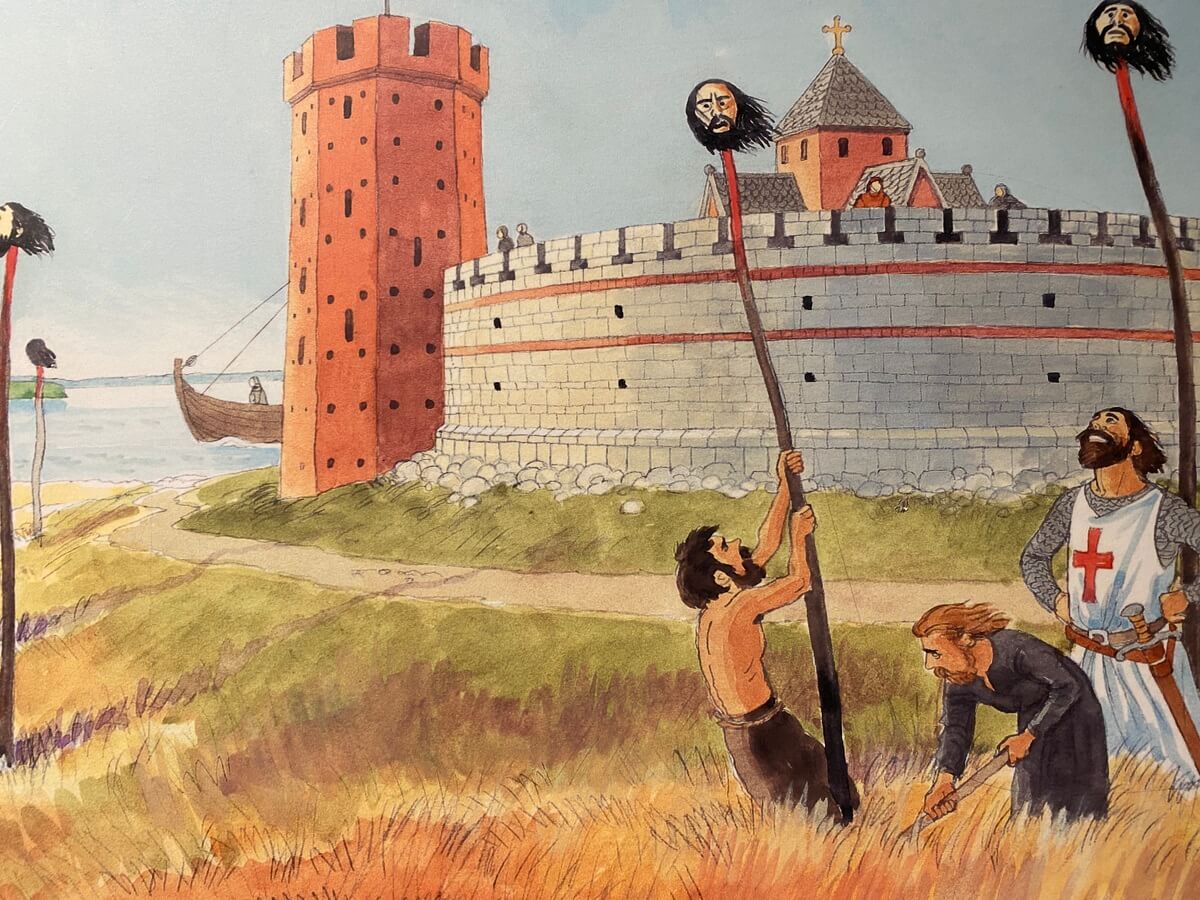
A new castle was built on the ruins, which was now called Kristiansborg.
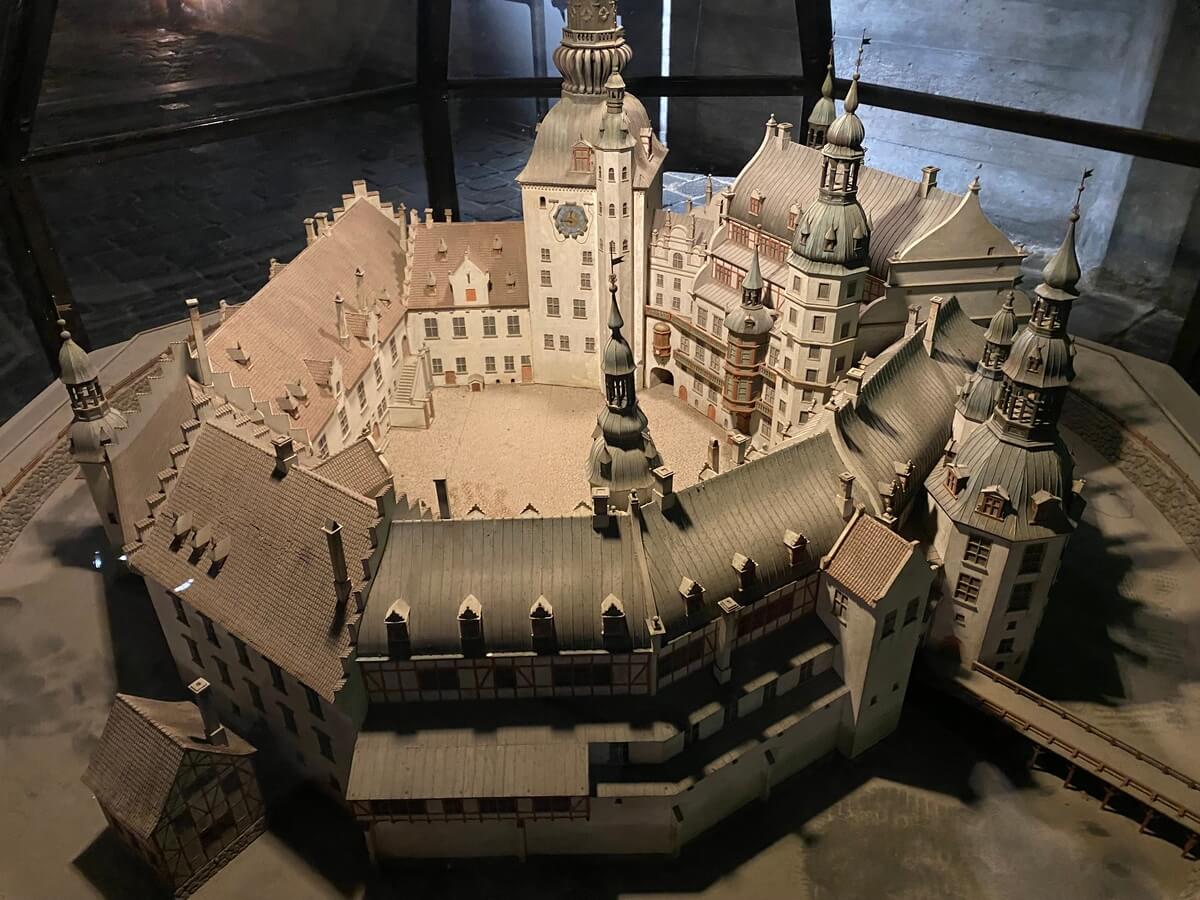
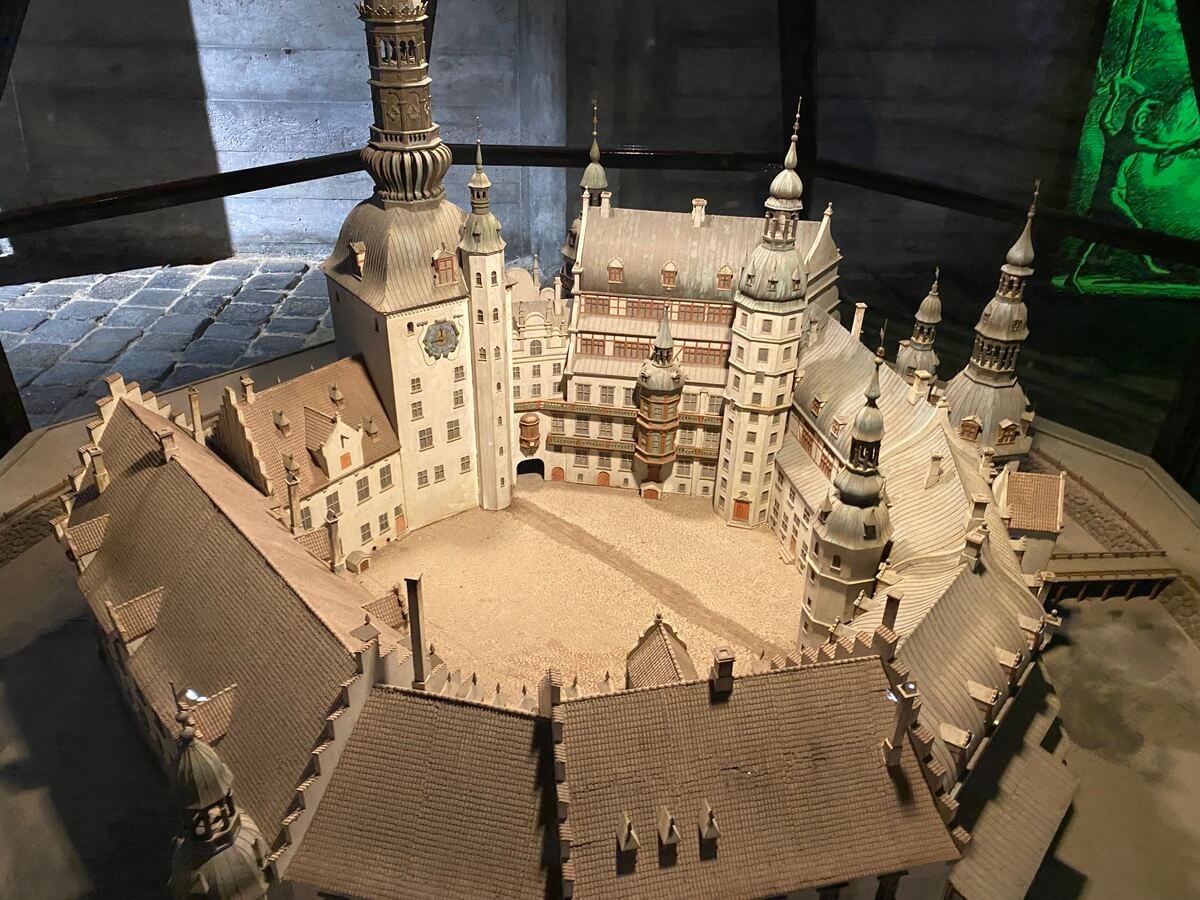
The famous Blue Tower, which is also the tallest building in the castle, has become its trademark.

Built in the 15th century, its original purpose was to serve as a prison for political prisoners and criminals. However, her most famous prisoner was Princess Leonora Christina, the favorite daughter of King Christian IV.
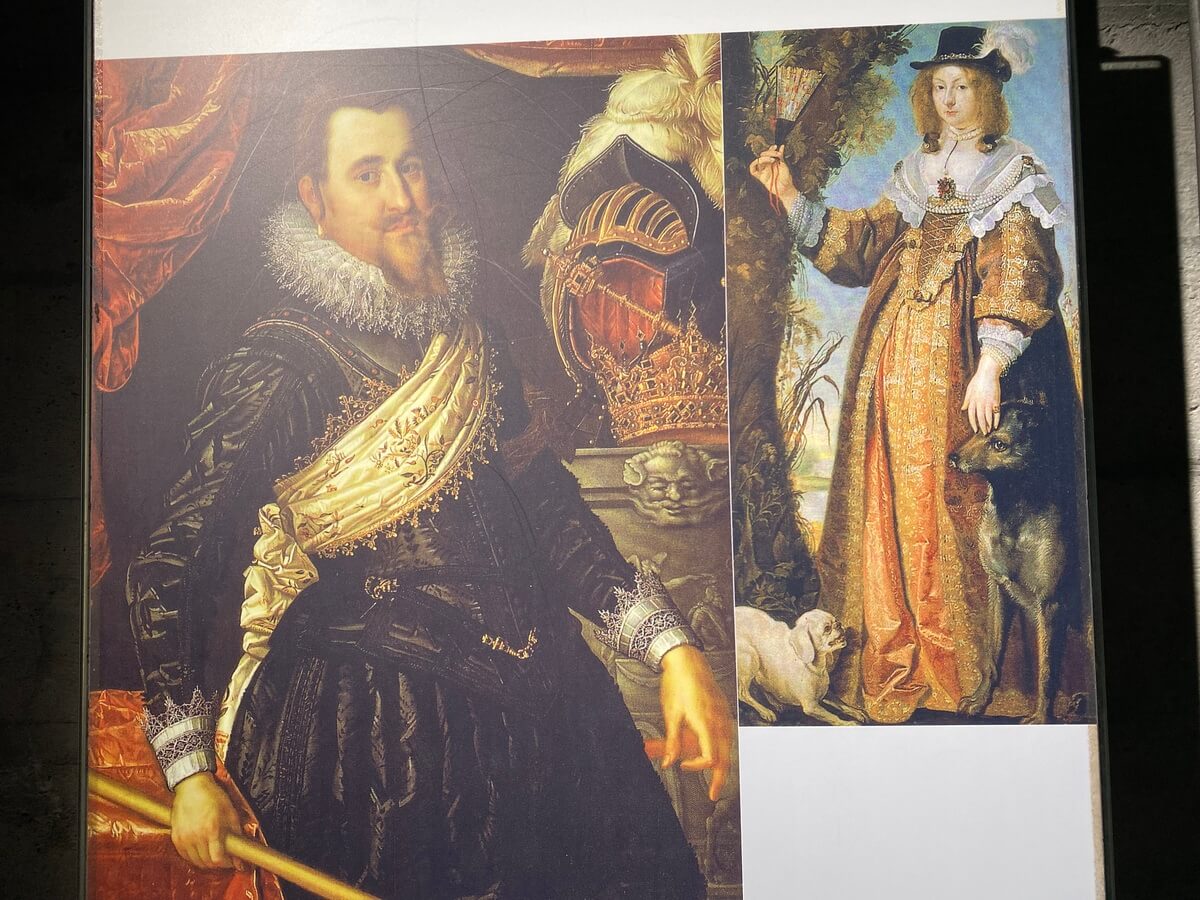
She was accused of treason along with her husband. The husband was never caught, and the princess spent 22 years in captivity.
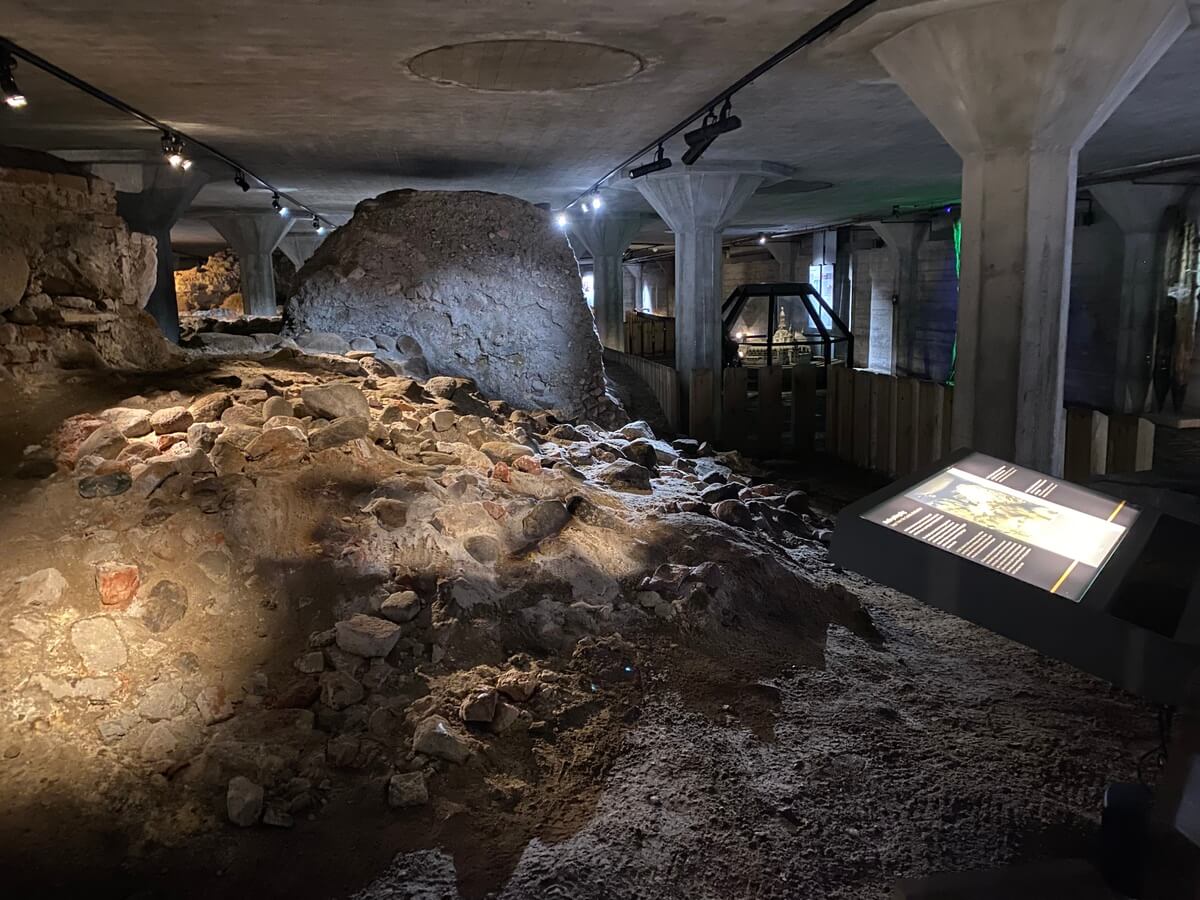
Christiansborg Castle was not the king’s permanent residence. They stopped by here sporadically, so at one point the castle was extremely neglected.
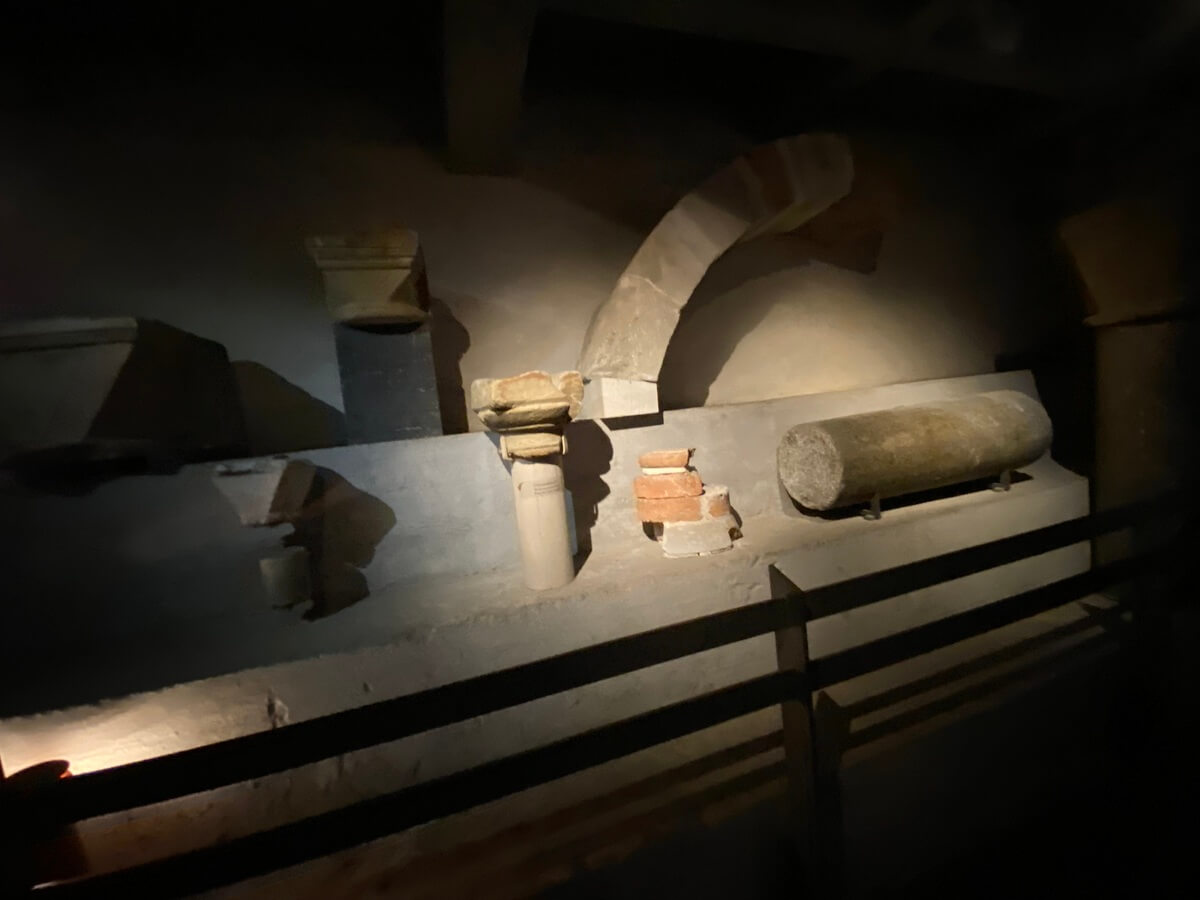
However, when Christiansborg became a permanent residence, the castle began to be renovated and modernized. At some point, they even looked up to the famous Versailles in Paris.

The path around the site is completely flat and accessible for people in wheelchairs.
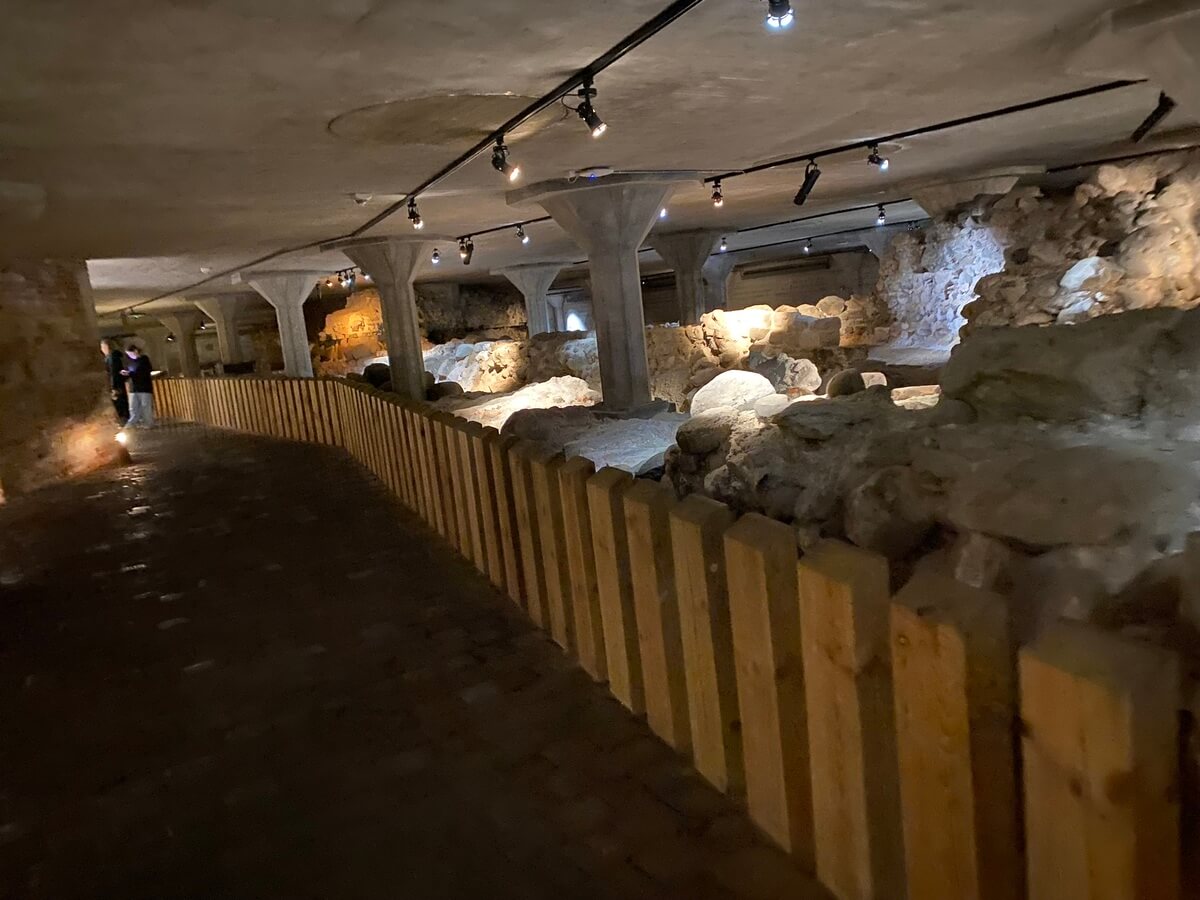
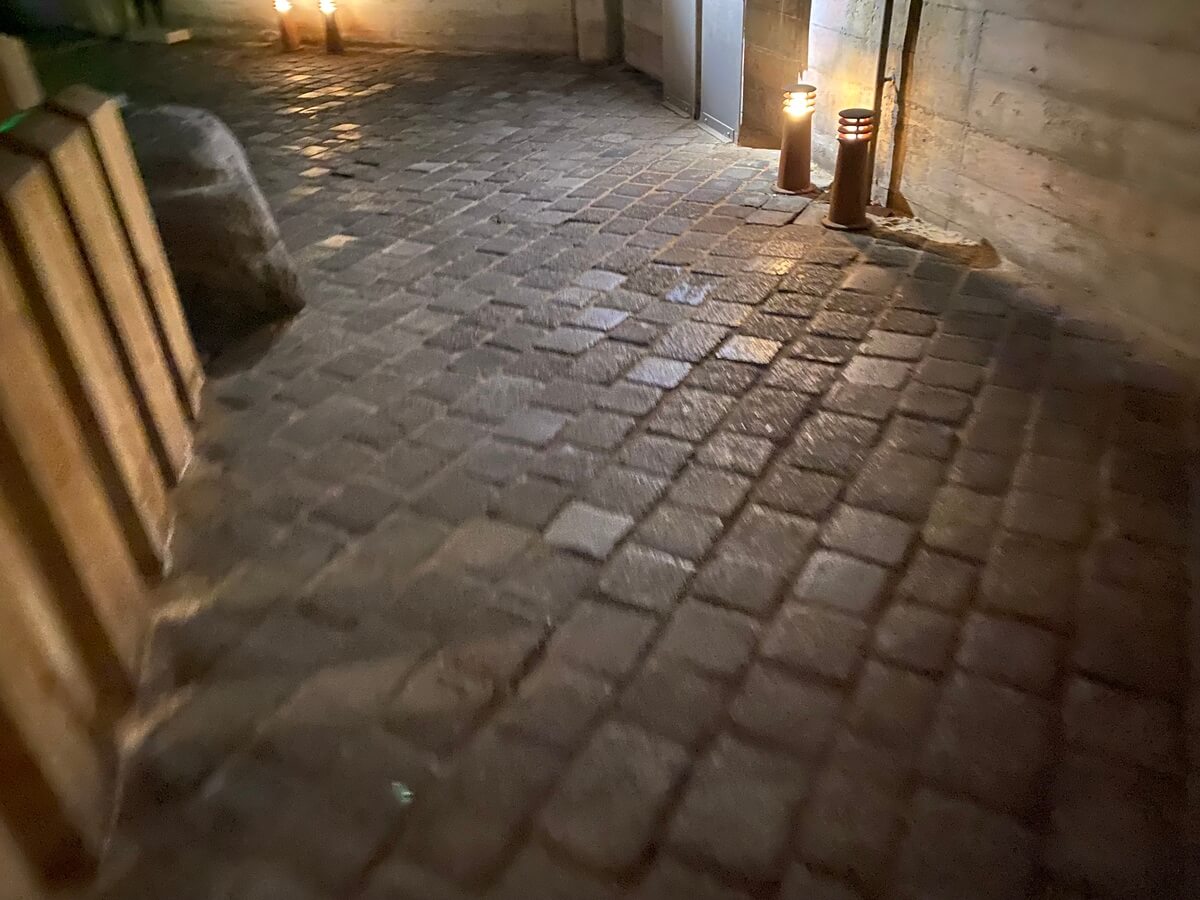
So you can calmly tour the ruins and read about the exciting events that took place here from the exhibits.

At some point you will come to this well. This 10 m deep well was in use until 1884. but he failed to save Kristiansborg from the catastrophic fire, which started in the Great Hall.
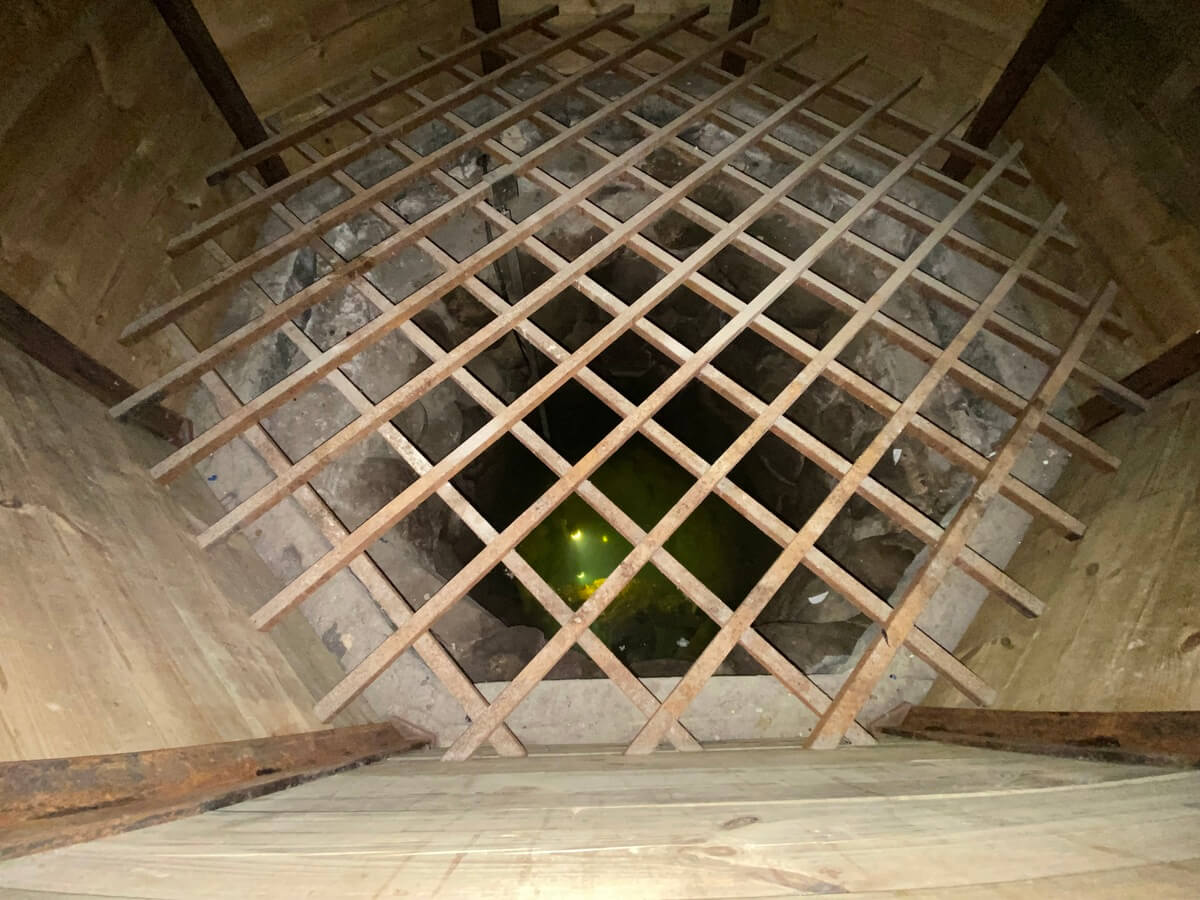
The fire spread with great speed, so that the palace burned down in a day. 70 people lost their lives in the fire.


Christiansborg was razed to the ground several times. Either because of a siege, or because of a fire, or because of excessive interventions, which the old foundations could not withstand.
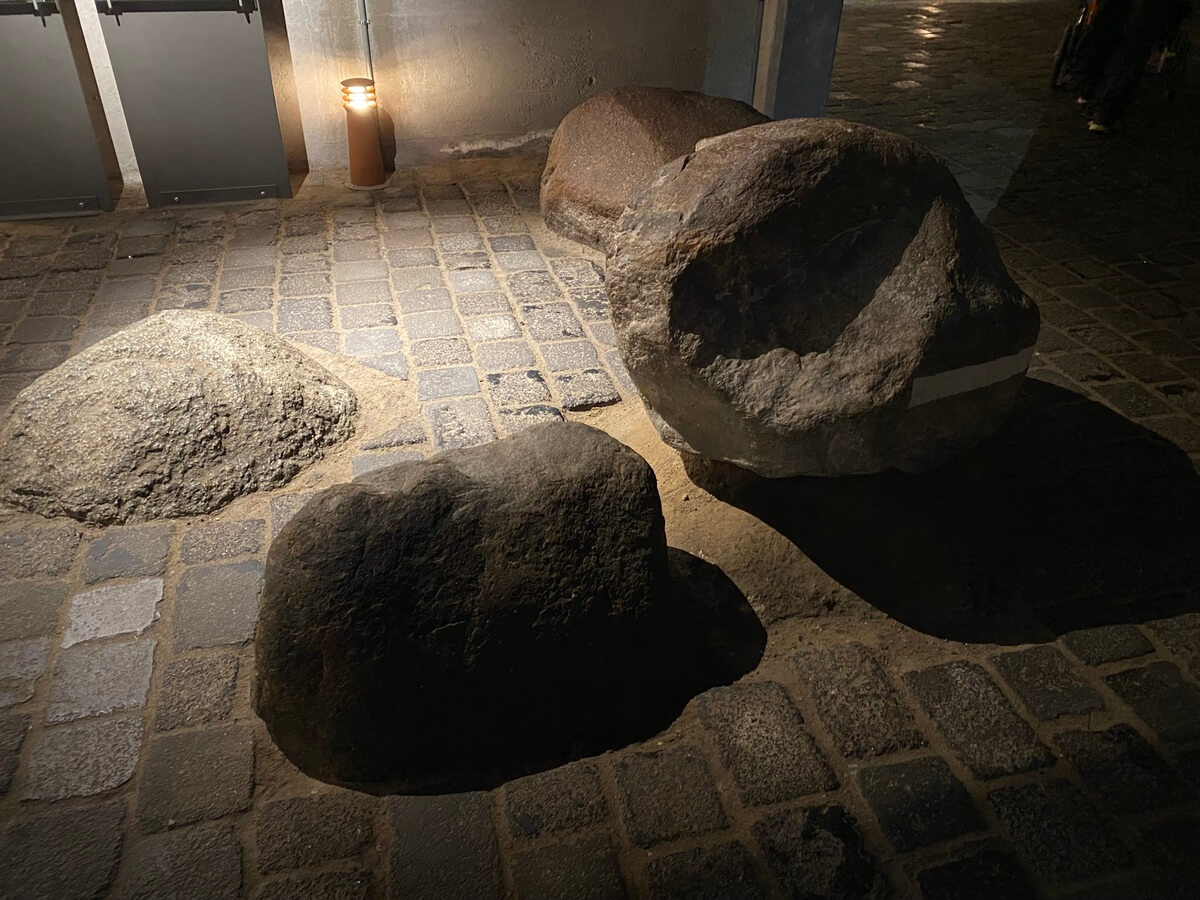
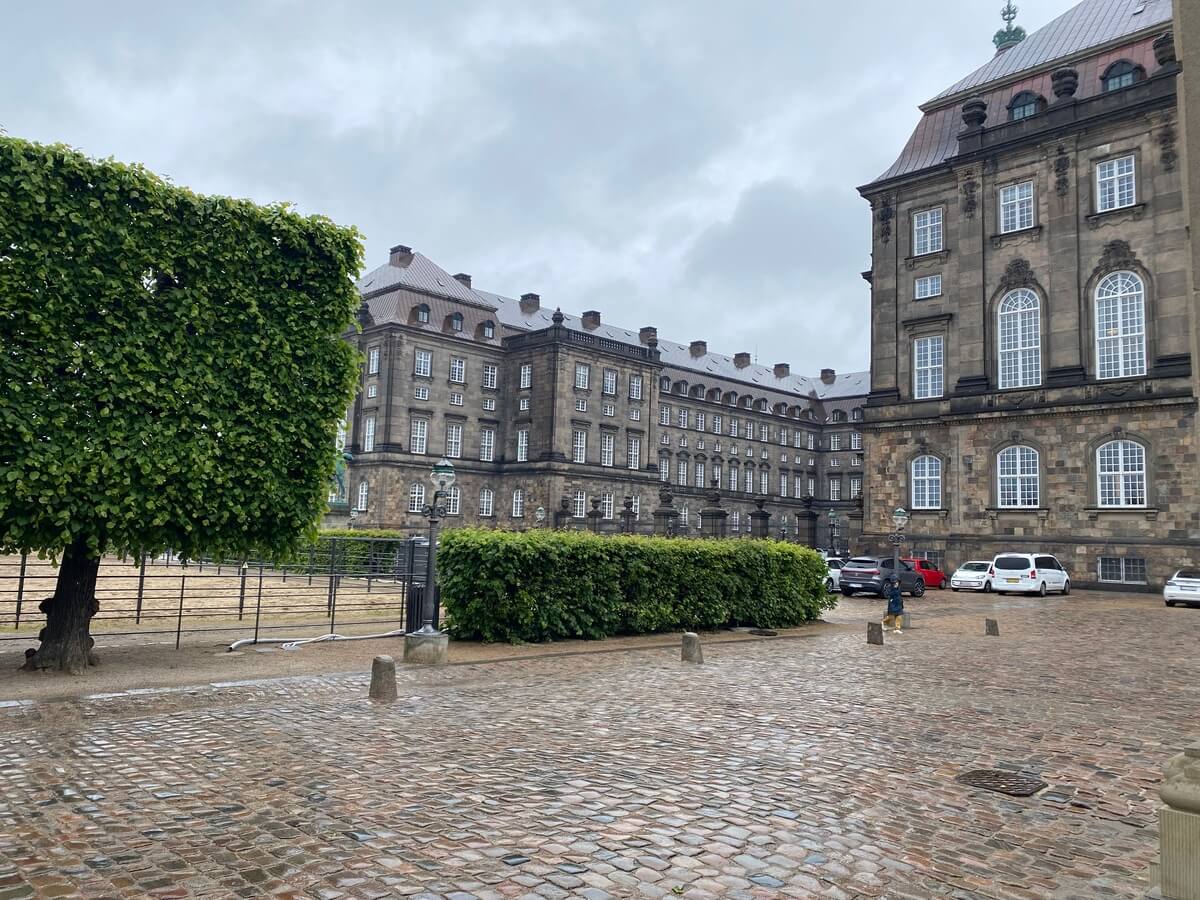
Today’s Christiansborg, from 1928, is still standing and I am very happy that I was able to visit it.

Stables
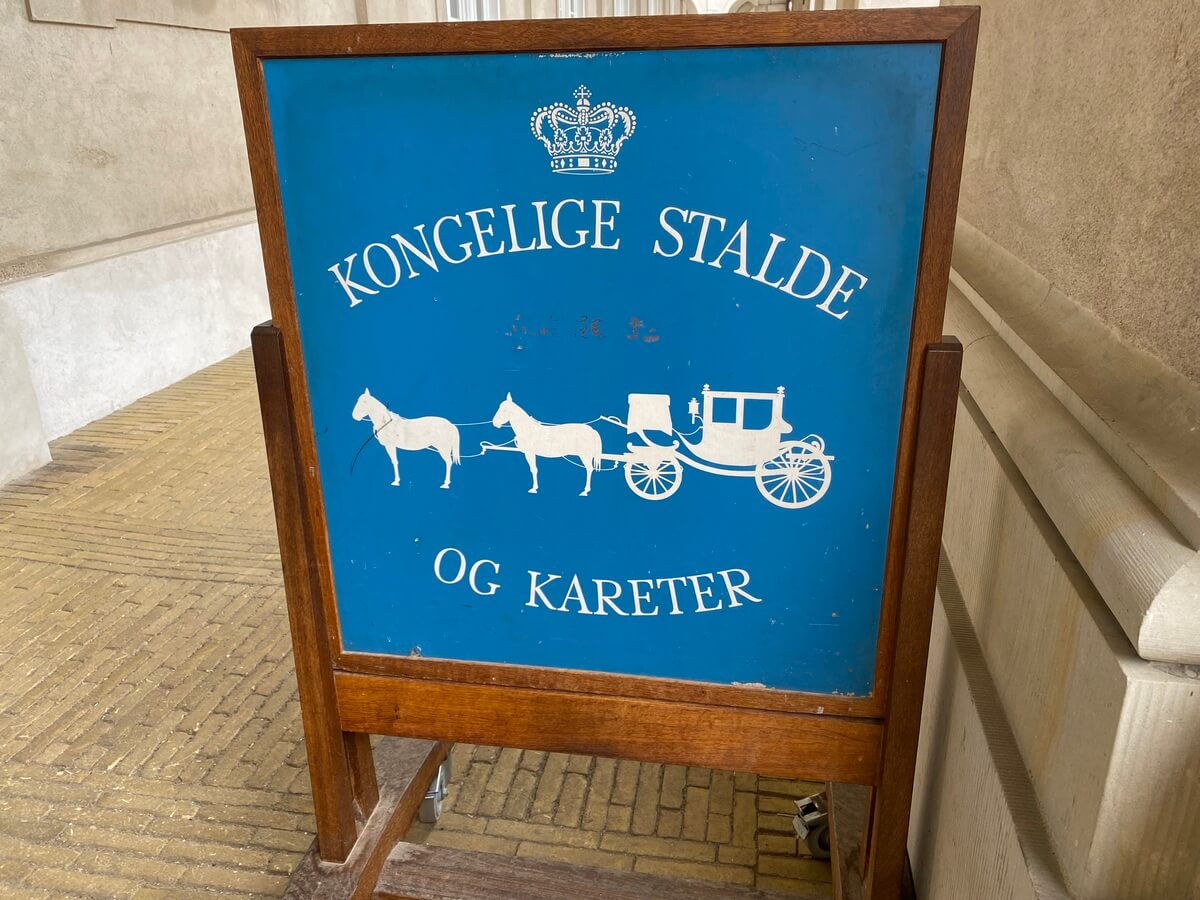
Part of the royal complex is represented by stables with carriages, which will certainly make your visit complete. The stables are located very close, but a visit is a very demanding endeavor for some of us. First you will be greeted by cobblestones, which my wheels look forward to like I do fish oil.
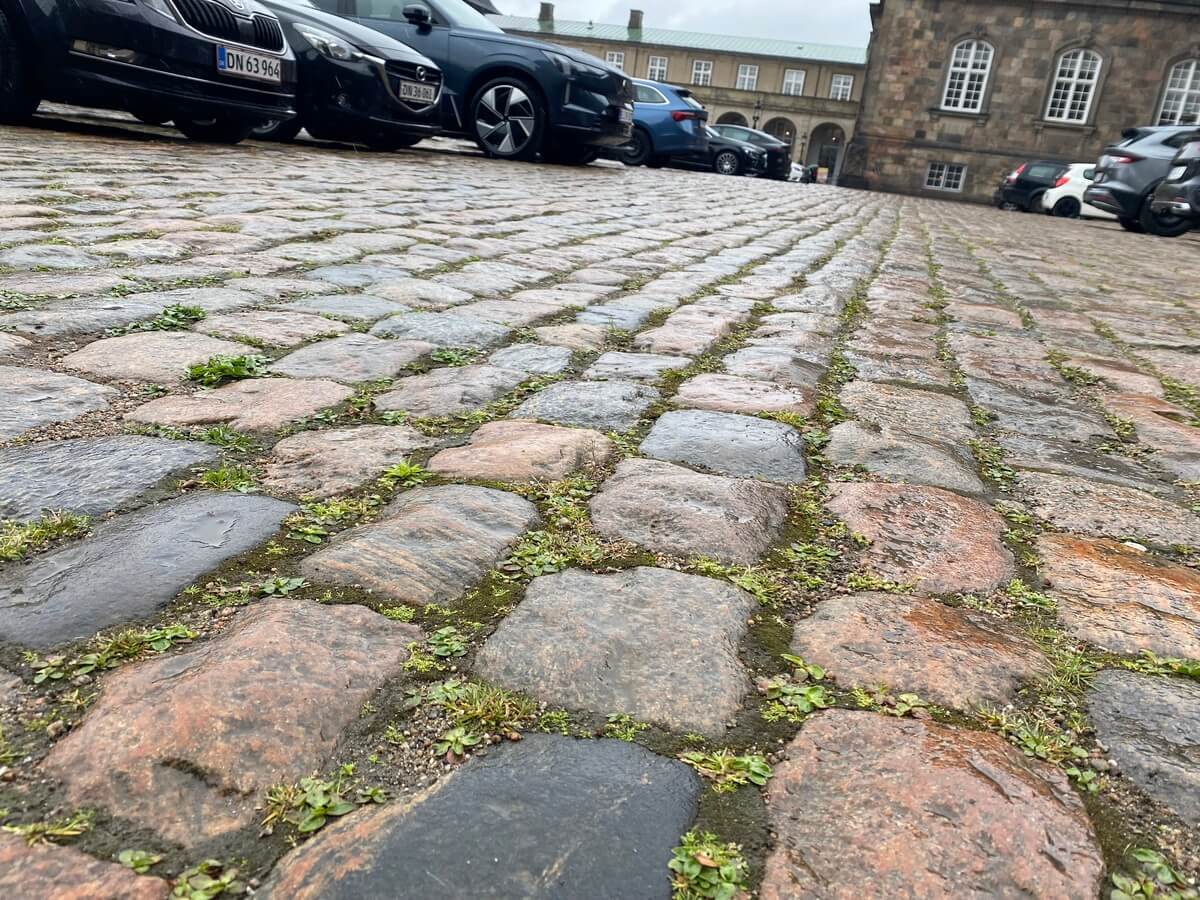
Once you’ve mastered that, there’s a yellow brick path that leads you to the right place. I was like Dorothy from The Wizard of Oz.

I followed the yellow brick road, and then I couldn’t go any further because this awaited me.

It is not at all clear to me how someone can make ramps, which are the latest miracle of technology, and then not just make two strips on the side so that we in the wheelchairs can also enter.
Now we enter the barn. Here I said hello to the horses.
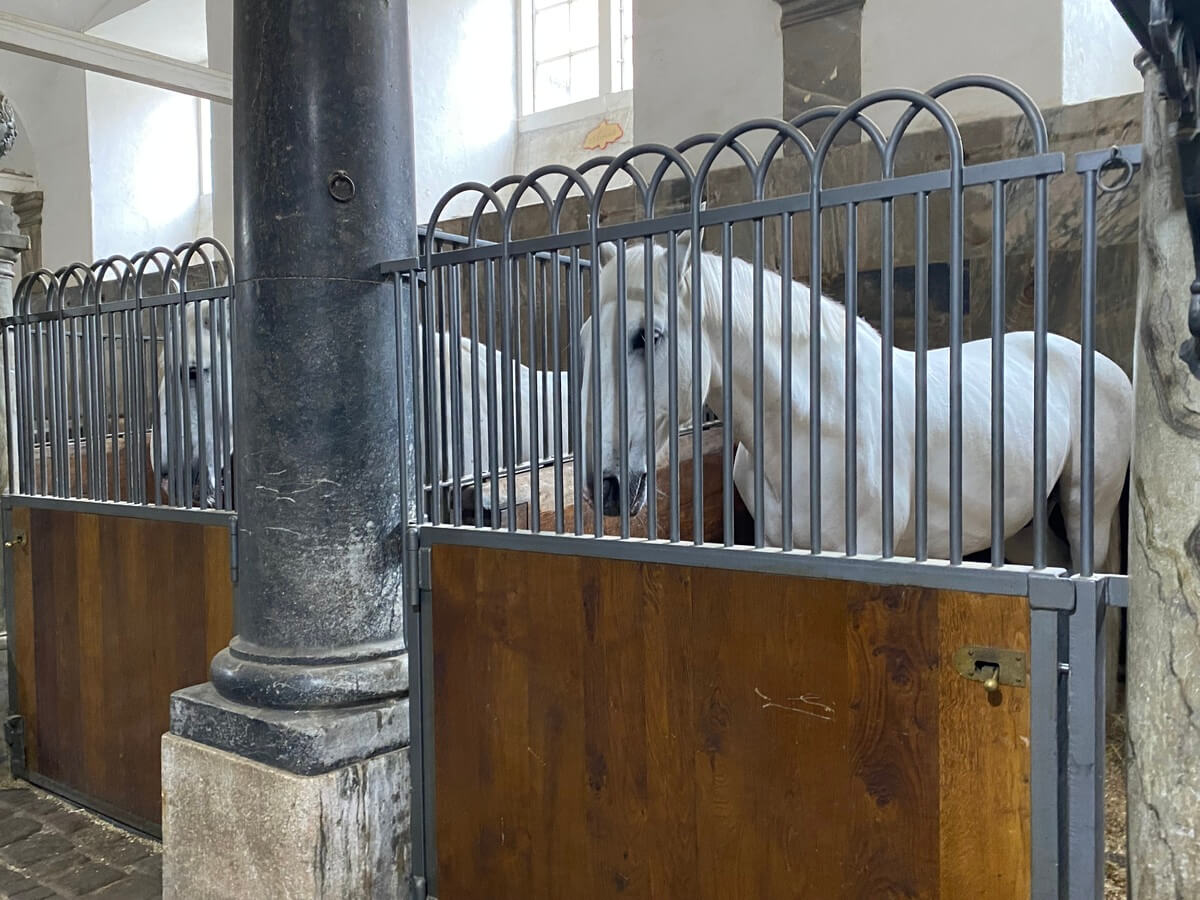
These horses belong to the cladruber breed, which is of Czech origin.
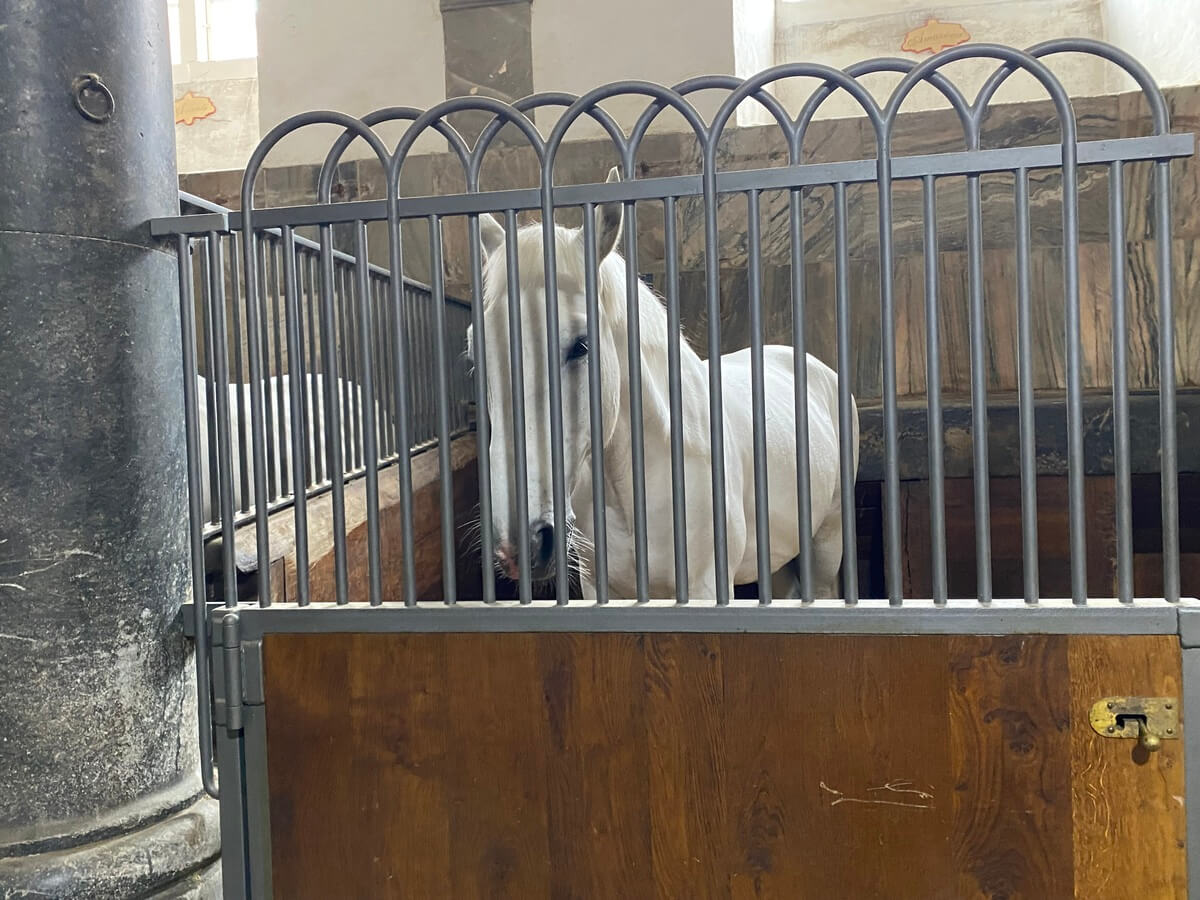
The legend says that they are born black, and only later turn white. Royalty is very fond of white horses and they are very rare.
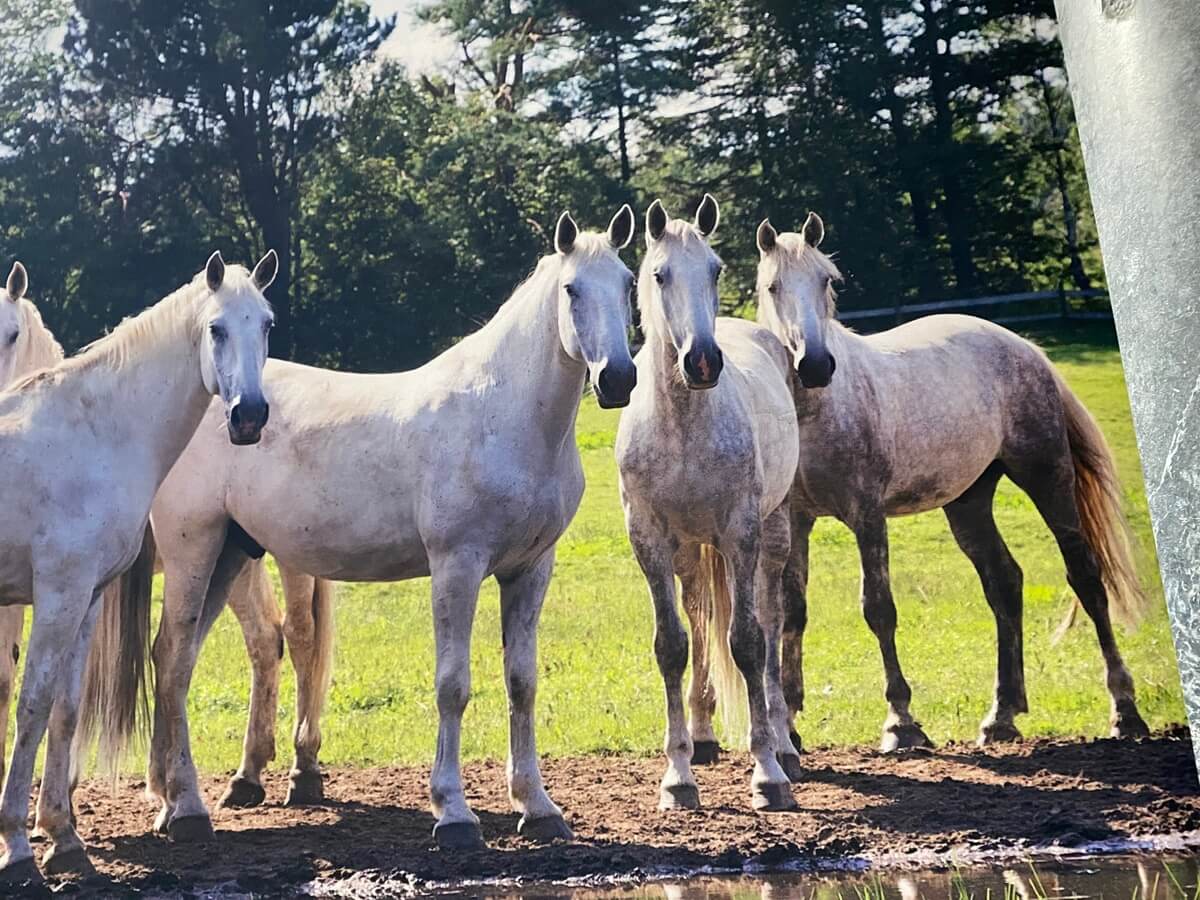
There used to be 250 horses here among these marble columns. Today there are about 16 of them here. Six people take care of them.

The royal family often uses these carriages for various jubilees and celebrations. Carriages appear preserved and maintained regardless of their age.
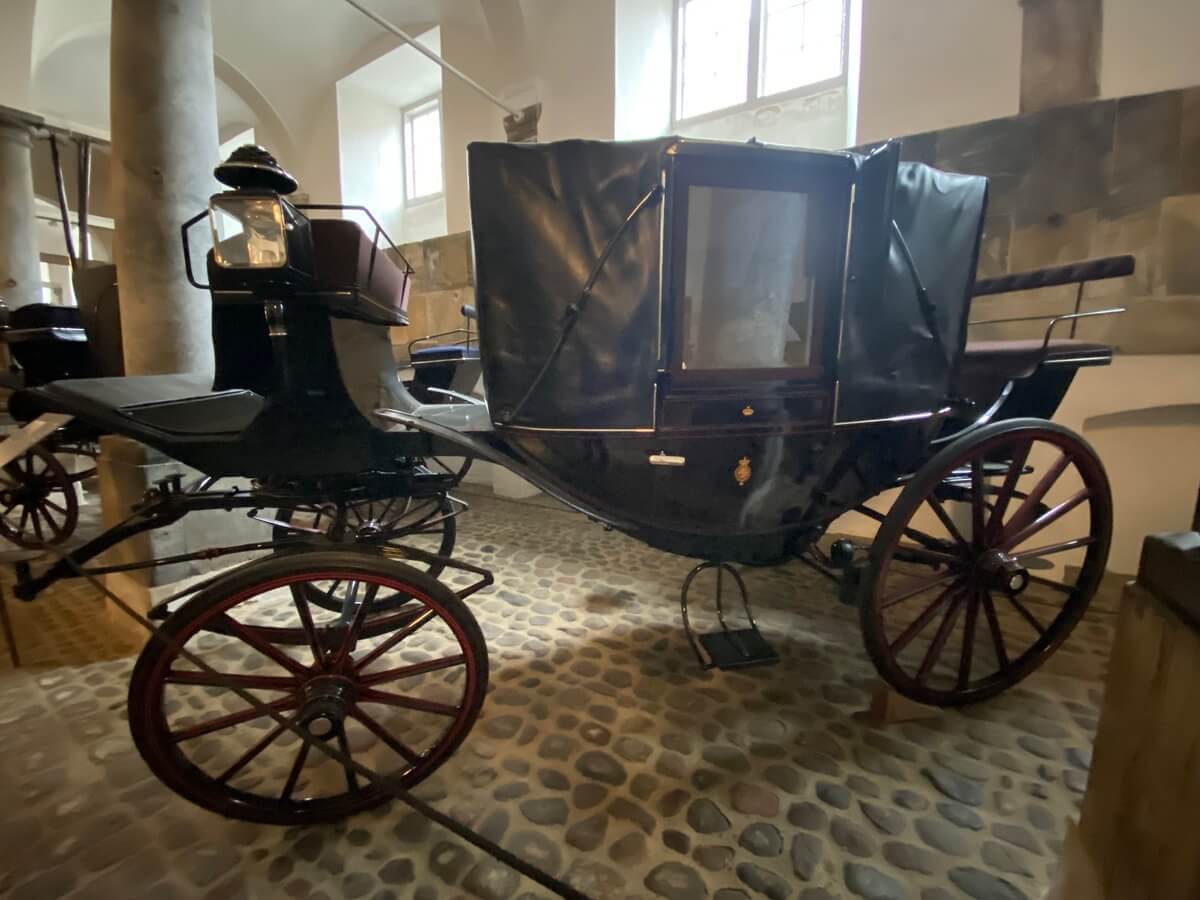
The Danish family loved these little carriages, which were used by queens, governesses, children.
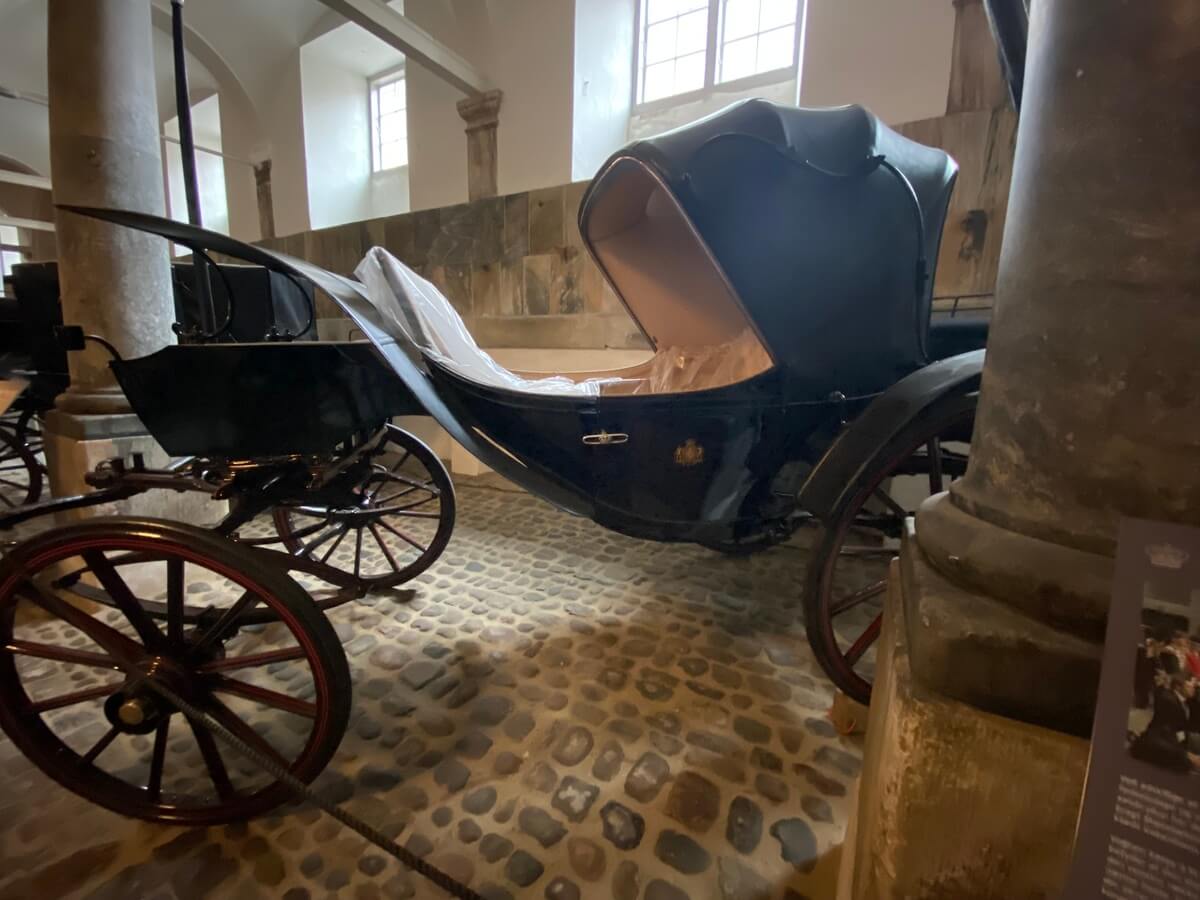
Marie-Sophie was a queen who had never been seen walking.
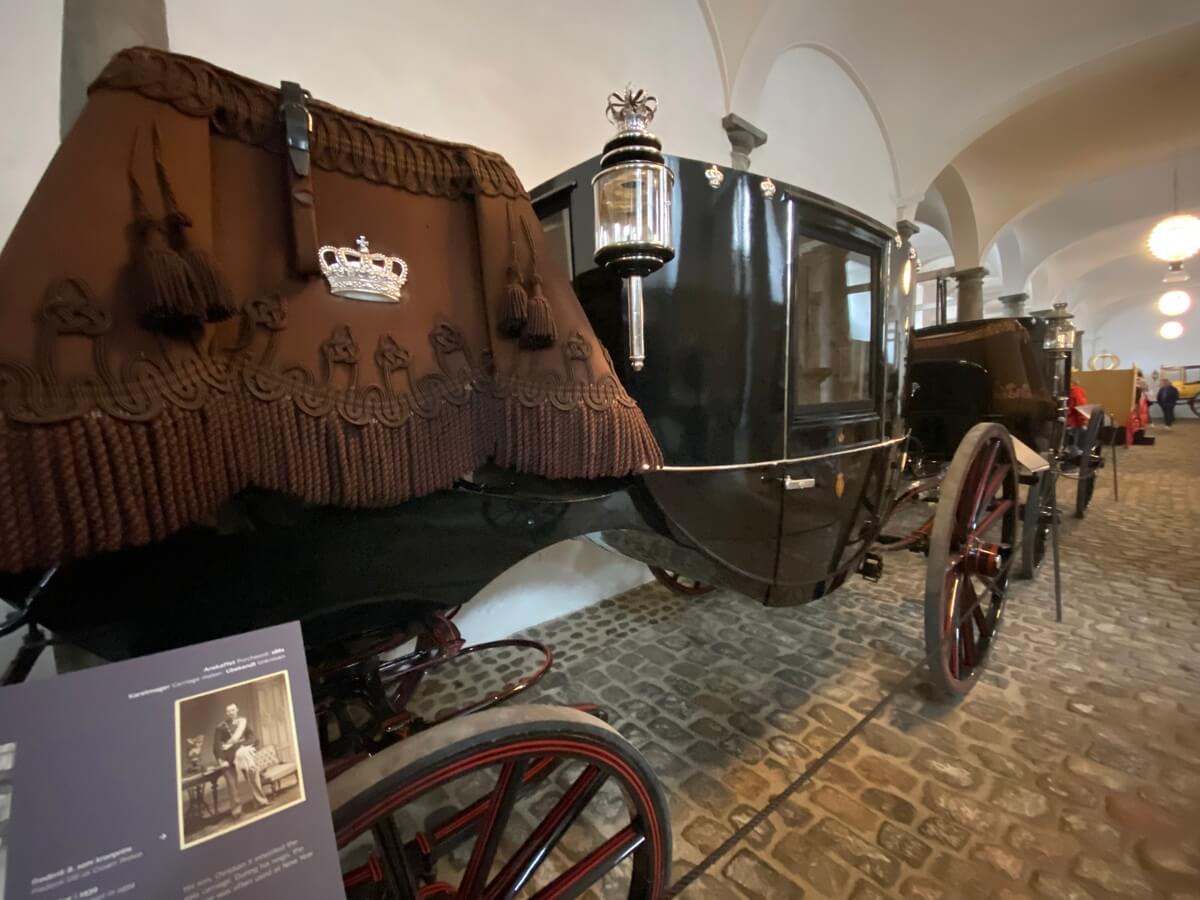
It was believed that the queen, who was of German origin, had sworn that she would never set foot on Danish soil.

The truth is that after eight births, the queen had great difficulty walking.
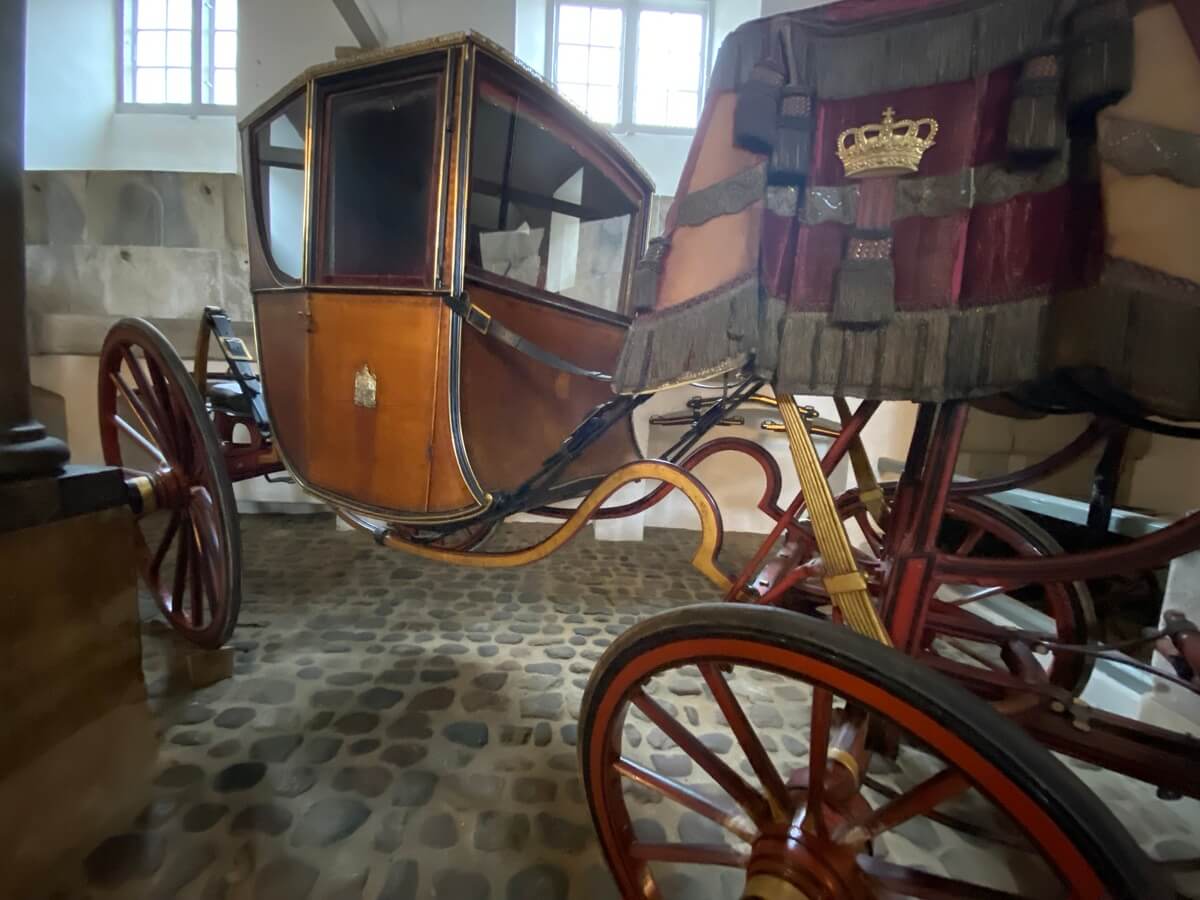
The oldest carriages come from the time of the absolute monarchy.
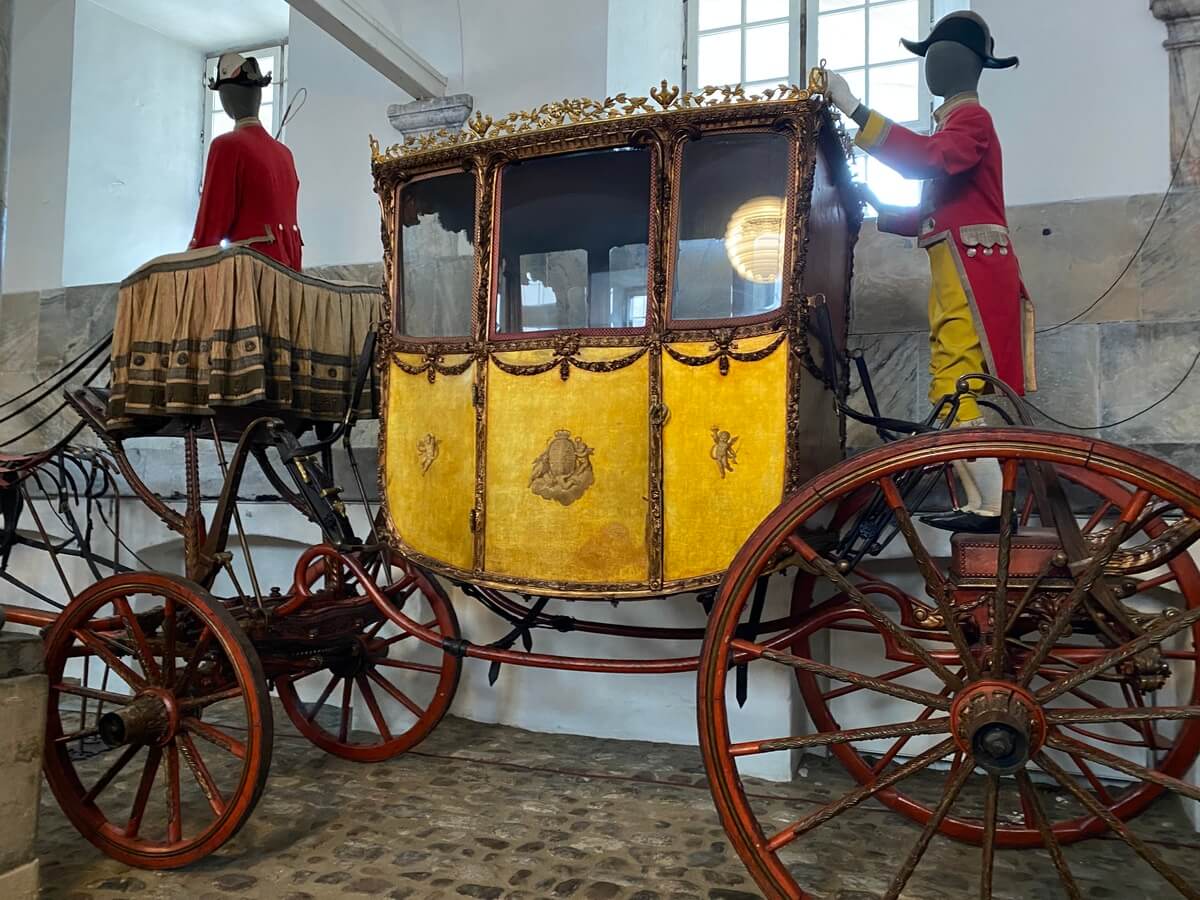
Hunting carriages are the latest addition to the royal collection. They are good for hunting and can hold a lot of passengers.

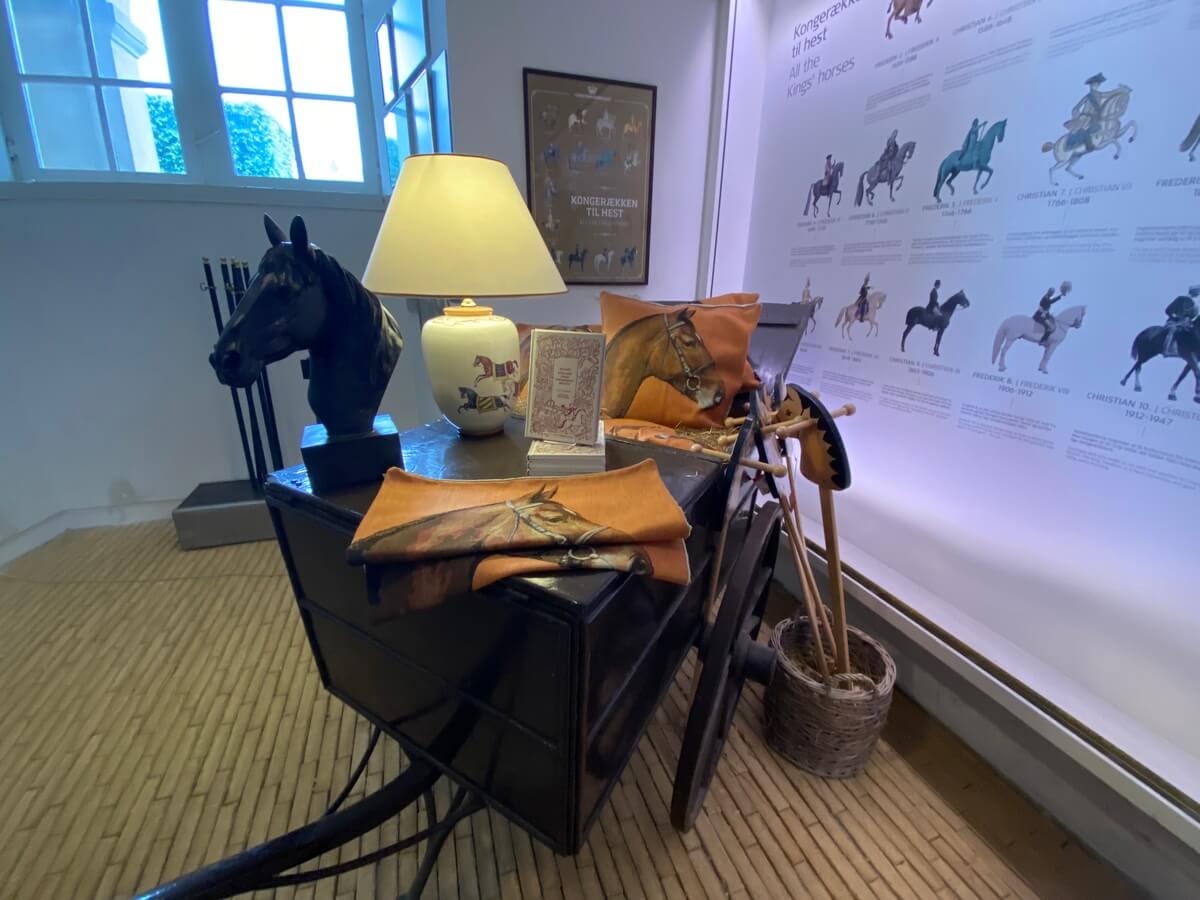
There is also a small museum here.
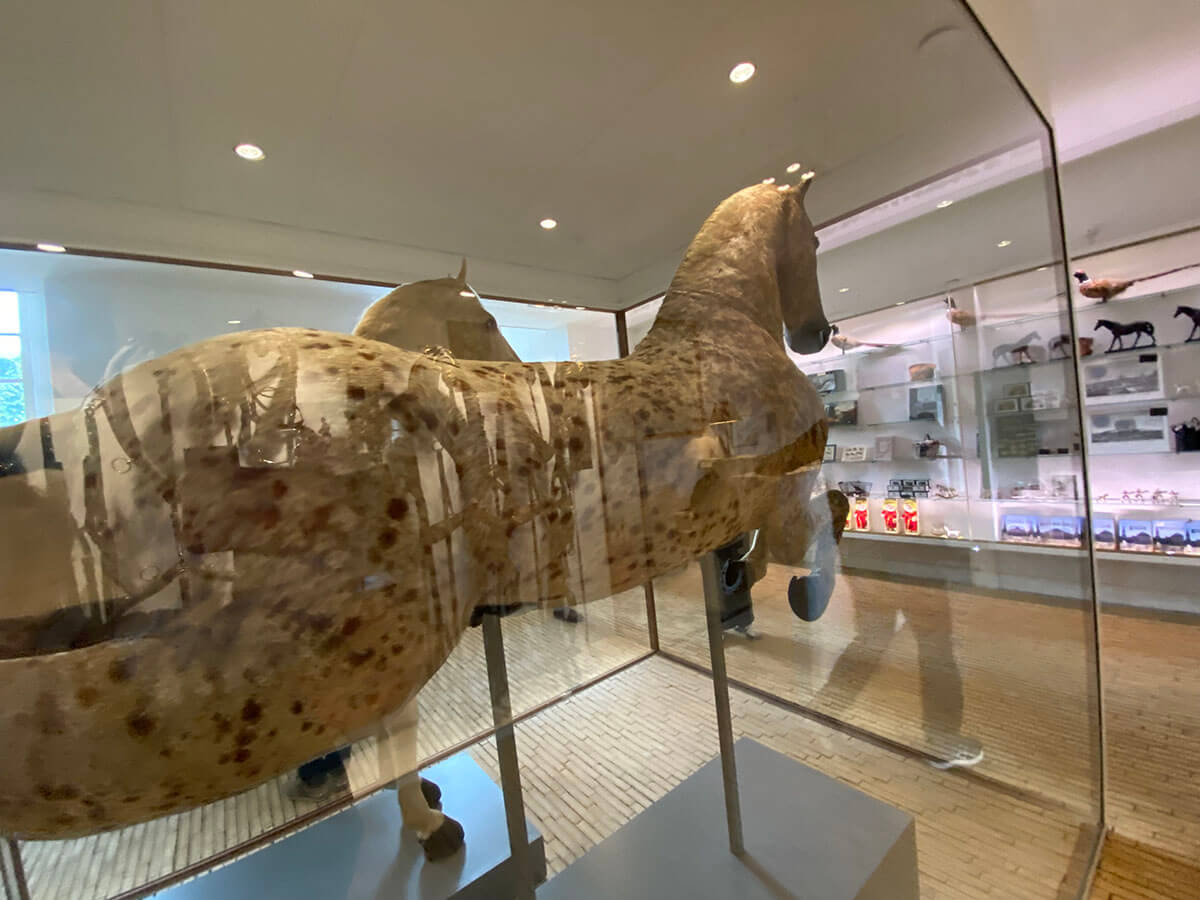
There are also several stuffed horses in the museum. Parlin is one of them. He accompanied the king during the war for Silesia.

In 1664, it was recorded that a bet was made between the king and the English ambassador.
The ambassador was to choose any horse from the king’s stable and that horse was to run a distance of 35 km in 45 minutes. The horse and rider did it in 42 min. After that the horse fell dead. Because of success, the horse was stuffed. Today it is the oldest stuffed horse in Denmark.
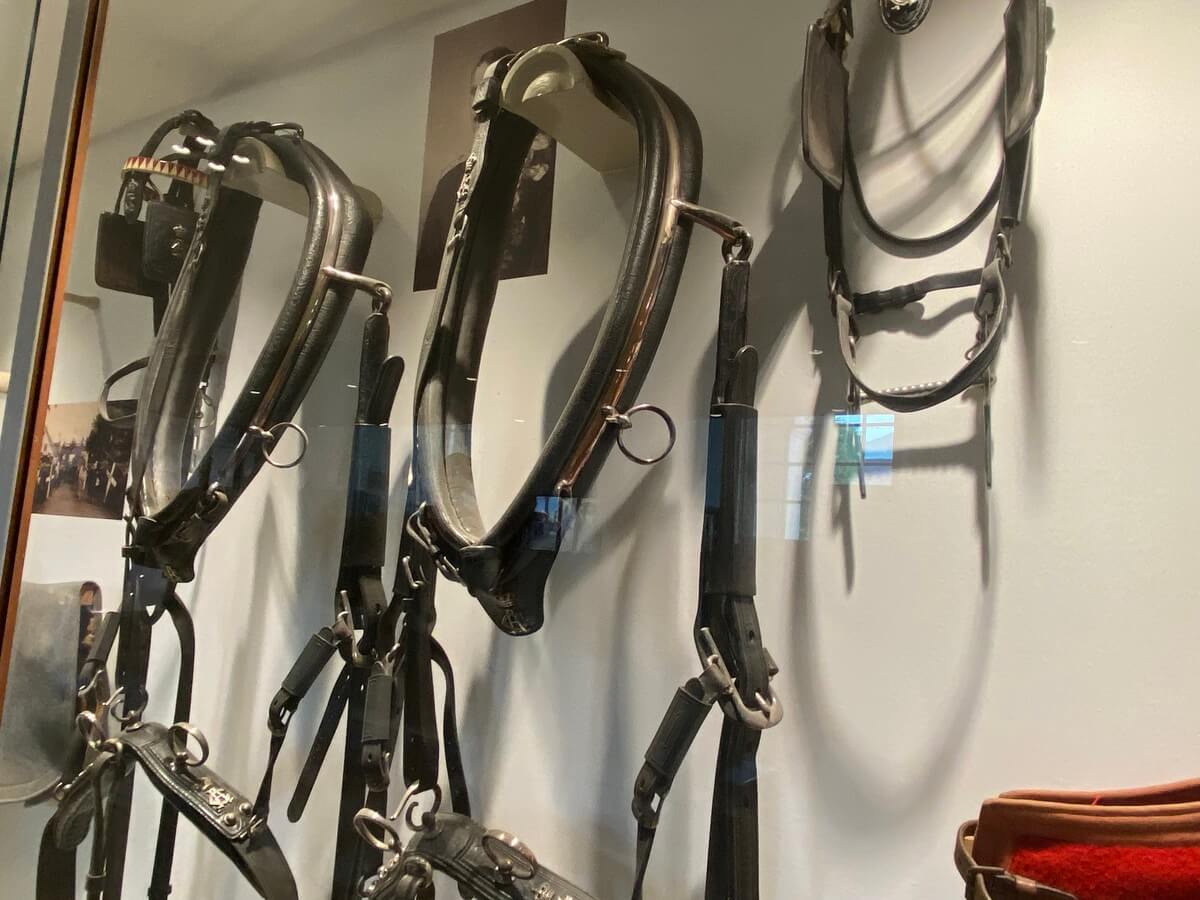
The uniforms used by the staff in charge of the stable and escort are displayed in glass cases.
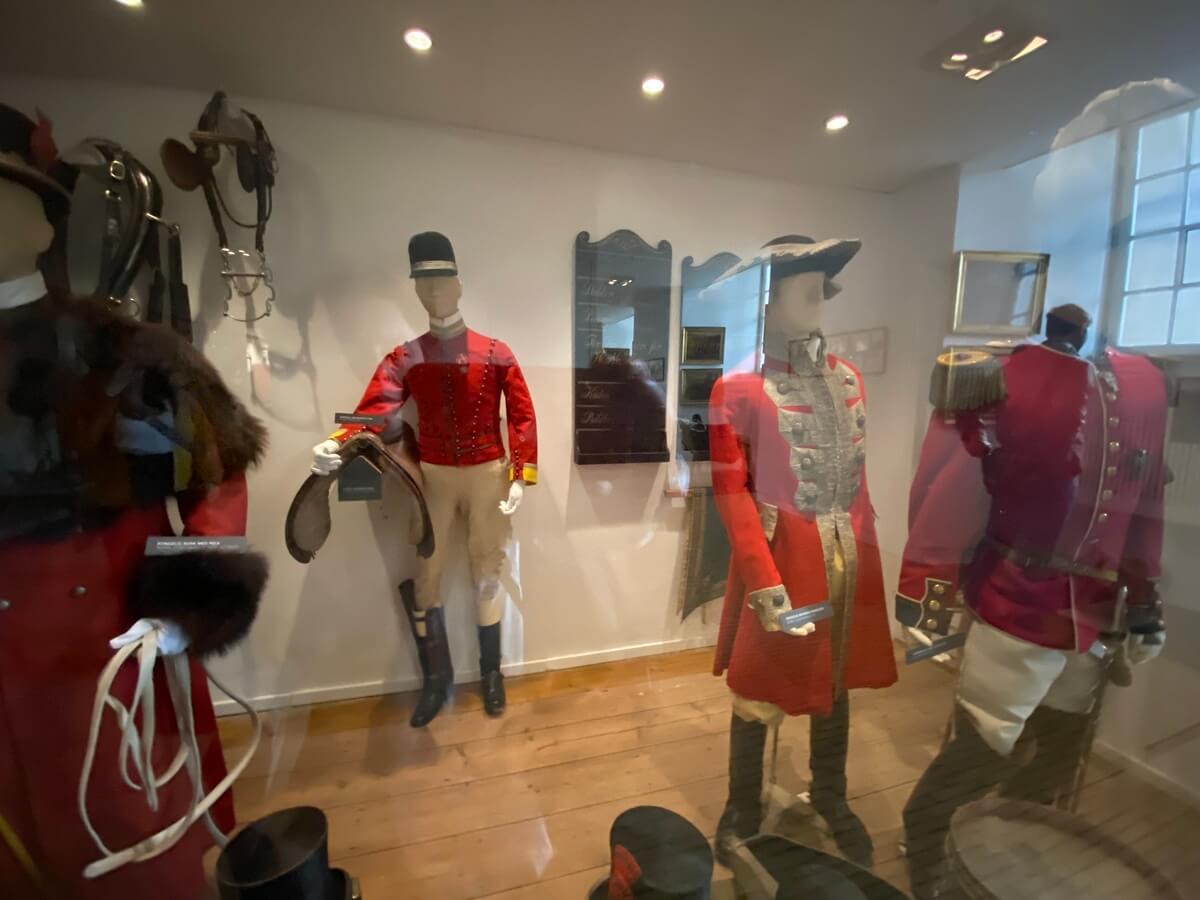
There are also various saddles here. Some queens did not like to ride sideways as was desirable at the time.
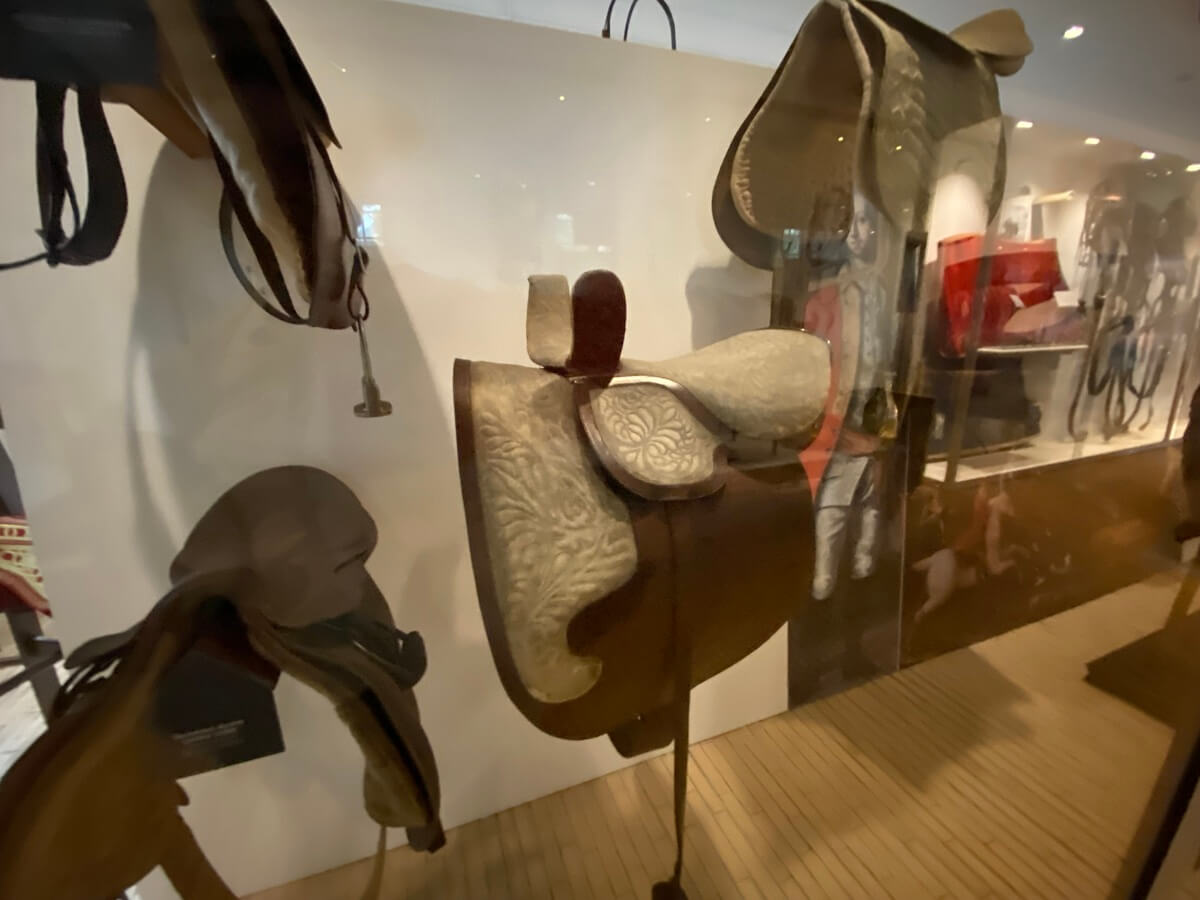
One of them, an excellent rider, was Karolina Matilda, who participated in all activities equally with men.
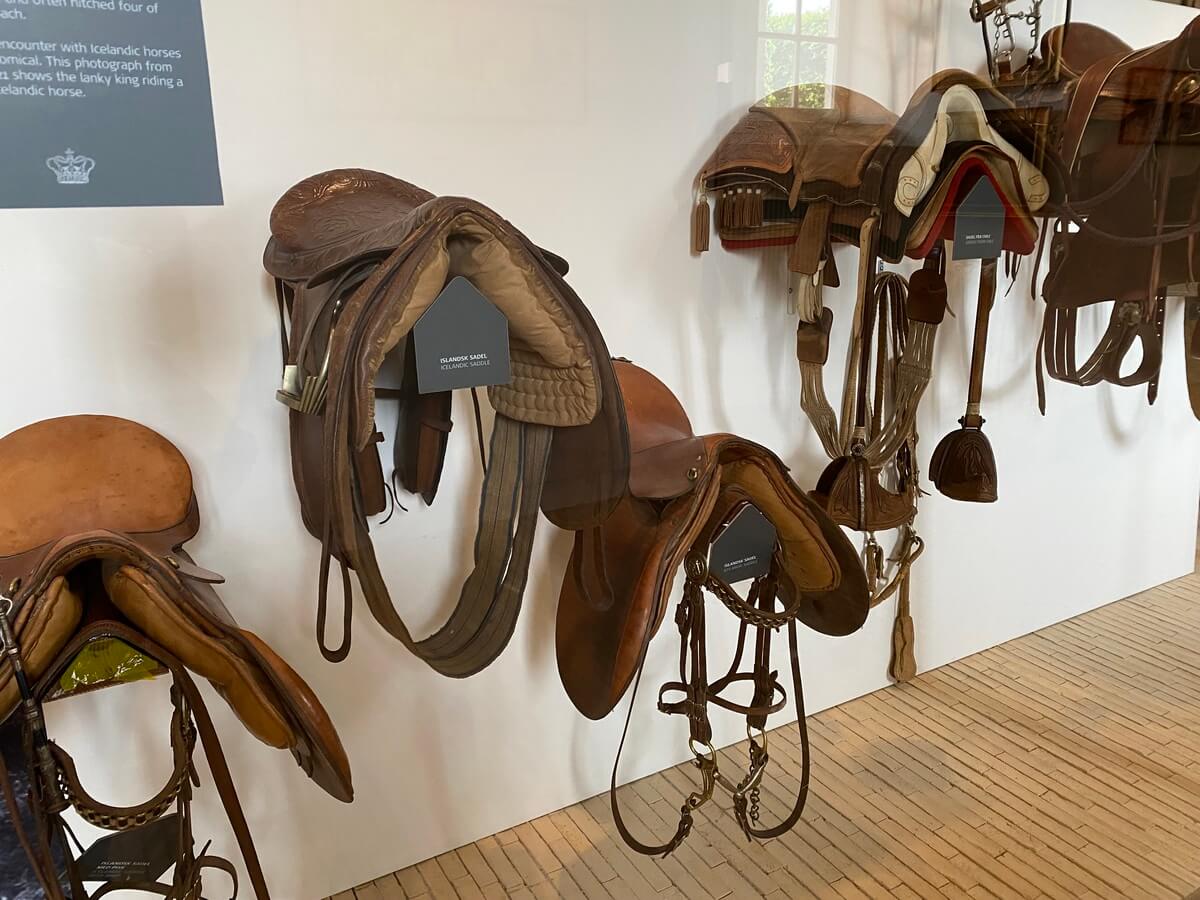
Princes also used carriages during some of their tournaments. They hit each other with clay balls and defended themselves with shields. They also tried to hit paper heads, which resembled Turks on stakes.

Frederick VIII’s brother was the first member of the royal family to buy a car. However, it wasn’t until Christian X came to the throne that cars found their place in the royal household.
End your visit to Christiansborg in this hidden palace garden, which I wrote more about here.

Near Kristjasborg there is also the National Museum, which I wrote about here, but it is better to leave it for another day. It is worth visiting and dedicating half a day to it.

Conclusion
Christiansborg is definitely worth a visit. It will give you a peek inside a royal house. You will learn a lot. My visit to the castle was challenging. I’m not sure I could handle all these obstacles in an electric wheelchair.
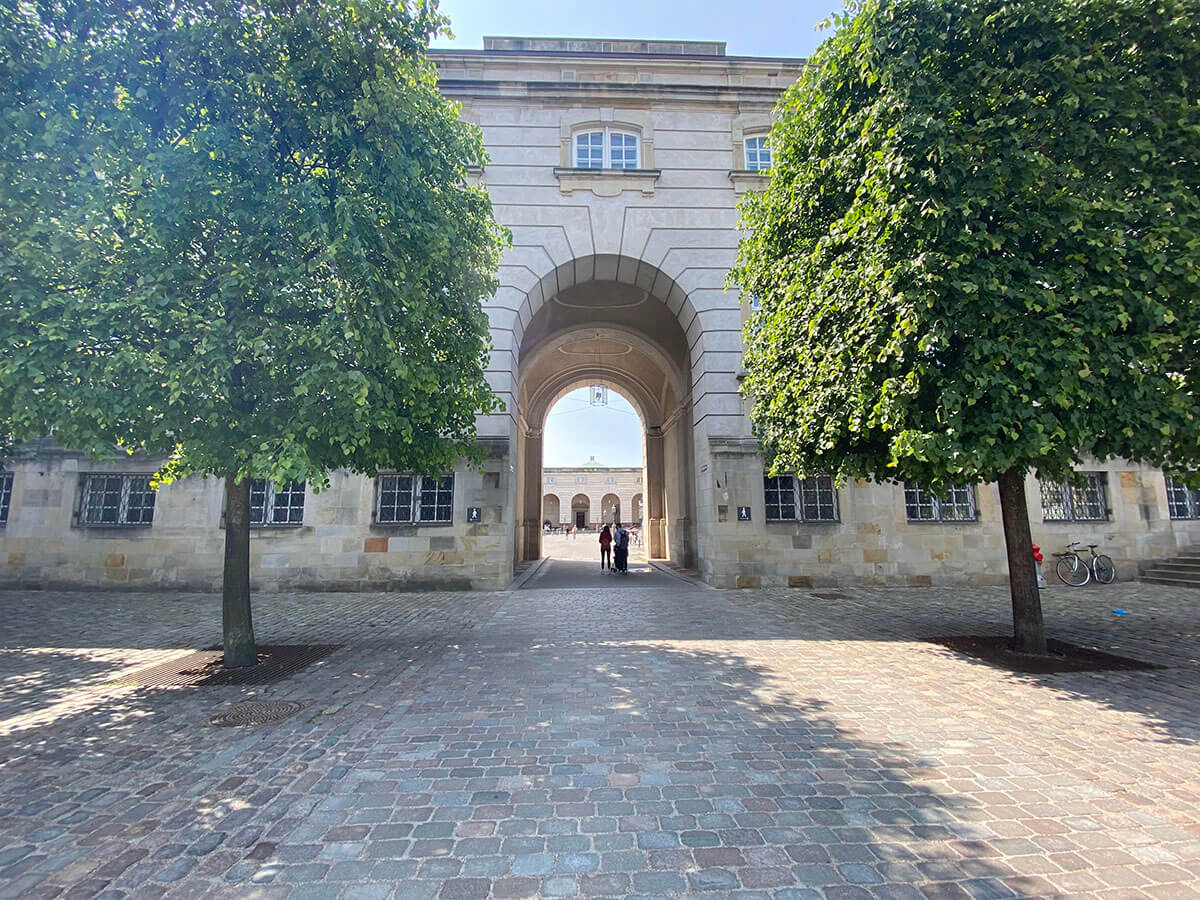
I hope that some things will change in the future, but I am glad that I visited all of Kristianborg.
If you like my travelogues, treat me to a coffee. The button is in the upper part of the sidebar on the pages.
Have you visited Kristianborg and toured the cellar and stables?
Did I miss something?
Traveled and enjoyed,
Marko Veličković