Eagle’s Nest is a mountain lodge built during the reign of the Third Reich on the summit of Mount Kehlstein. It housed the second most important center of Nazi power after Berlin. Today, it is a restaurant and viewpoint which, despite being burdened by a sinister past, attracts thousands of visitors every year with its beauty…
Eagle’s Nest is located in southern Bavaria, Germany.
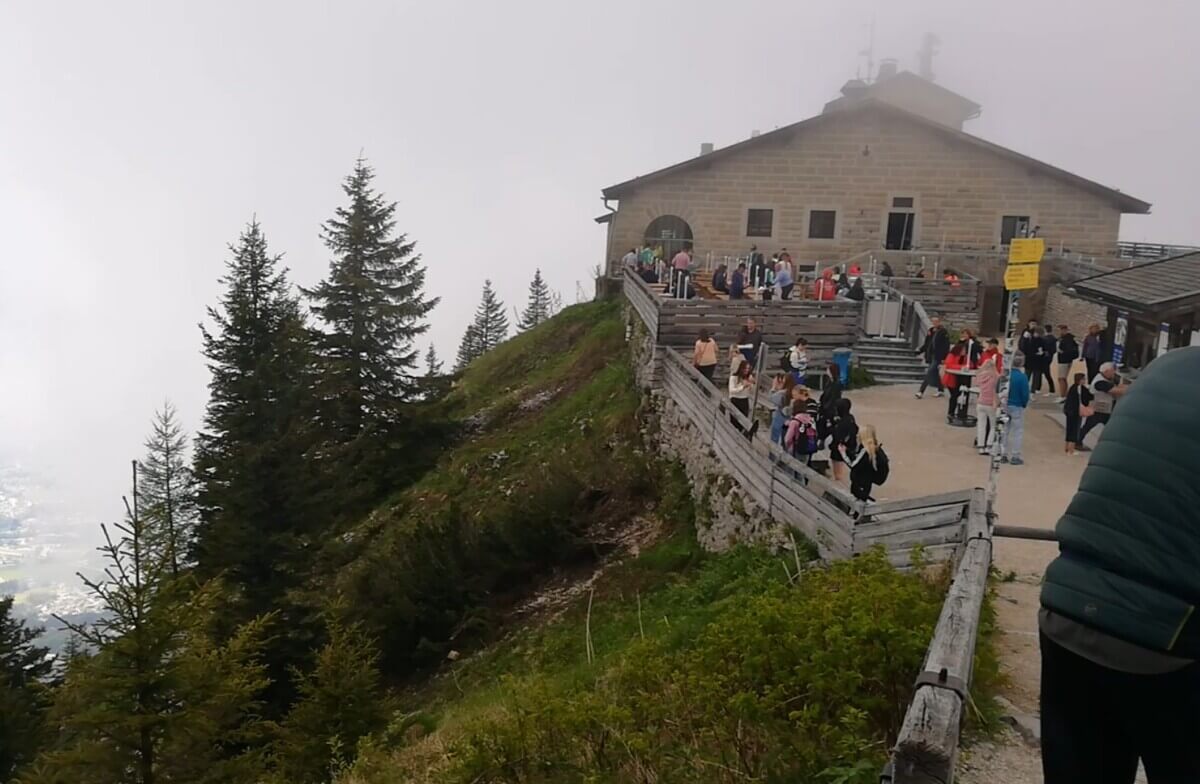
The Eagle’s Nest is not Hitler’s home, which you may have seen in numerous propaganda films. Those recordings were made at the Berghof, located a short distance from the Eagle’s Nest, and it was razed to the ground after the end of World War II.
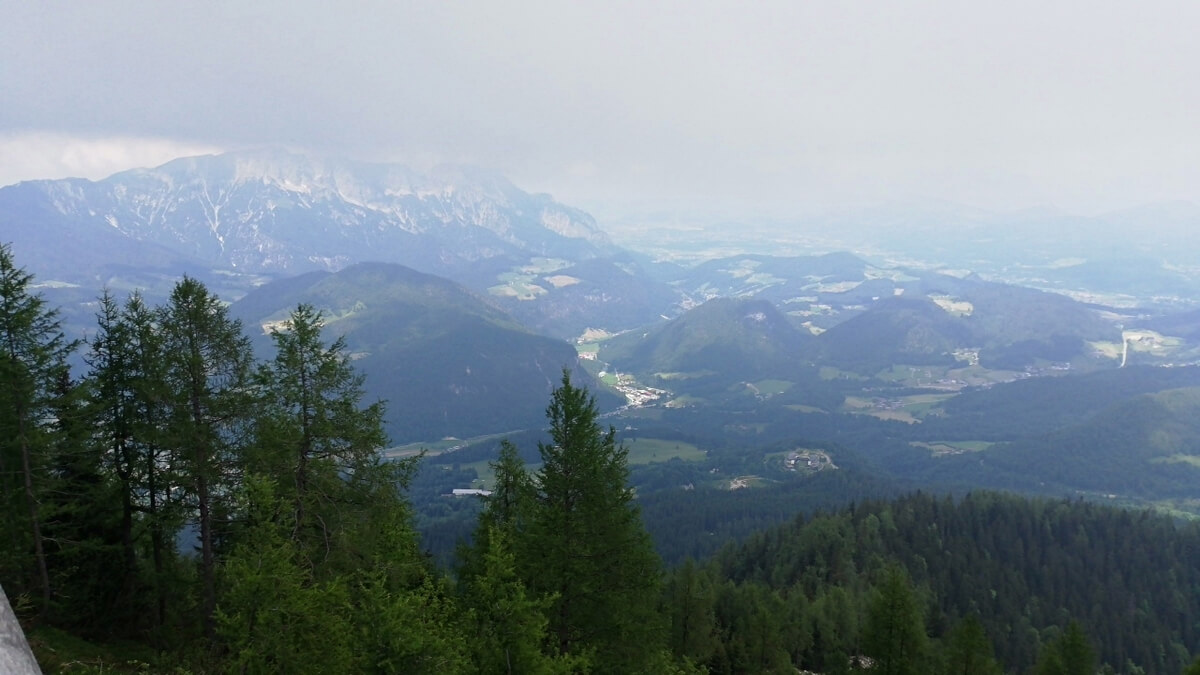
The Eagle’s Nest is situated at an altitude of 1,834 meters. It is proof that the Nazis had a good eye for location, as it offers a spectacular view in all directions—of course, if you manage to catch good weather.
Moreover, this site is accessible to wheelchair users, so why not take advantage of the opportunity and include it in your itinerary when you’re near Salzburg?
I headed there in May, accompanied by sunshine.
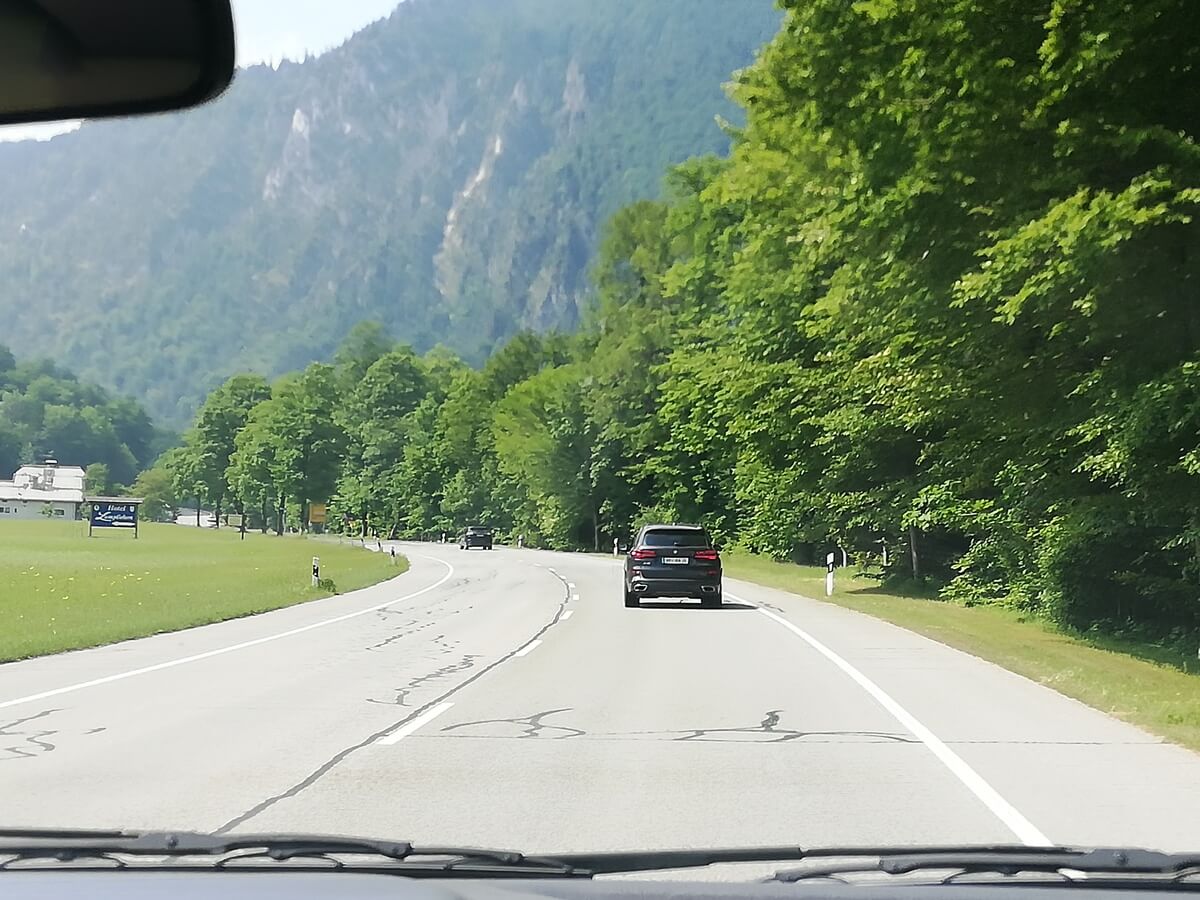
However, at high altitudes even the best forecasters cannot predict the arrival of clouds or fog, which can be extremely dense. It feels as if you could reach out with your hand and grab it, even stuff it into your mouth, like cotton candy. All you can do is wait for it to clear.
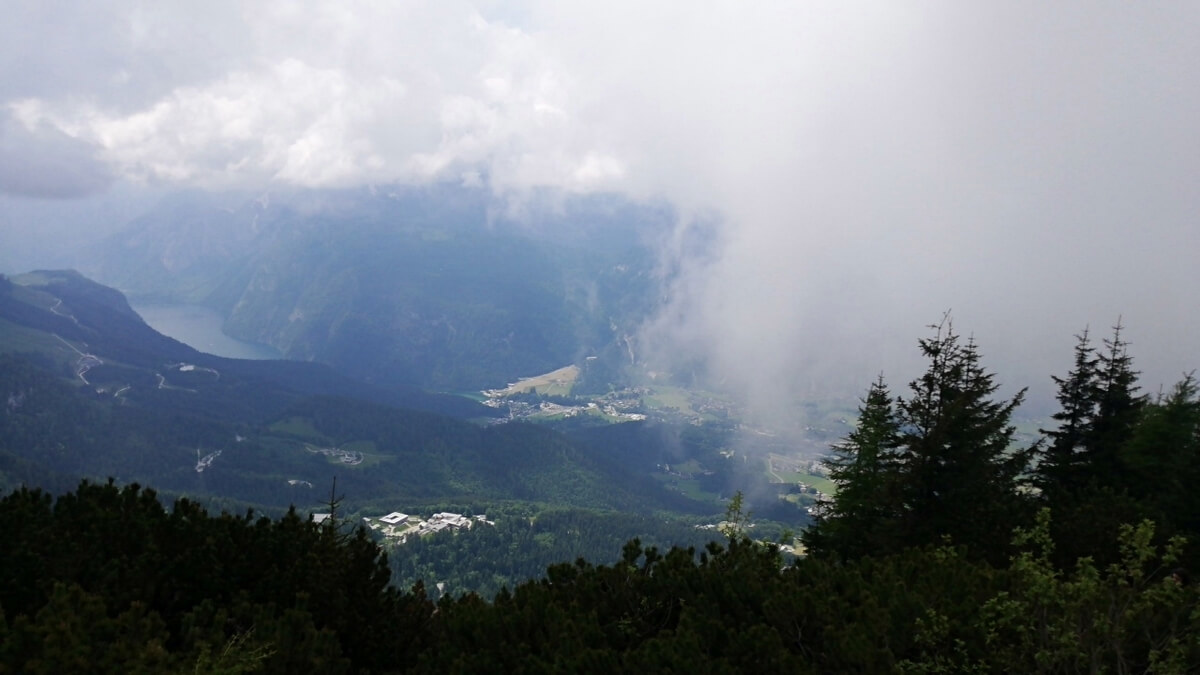
How to get to Eagle’s Nest?
The journey there is an adventure in itself. You cannot reach it by car. You leave your vehicle next to the information center, where there are large paid parking lots. Tickets can be purchased in advance or on site.
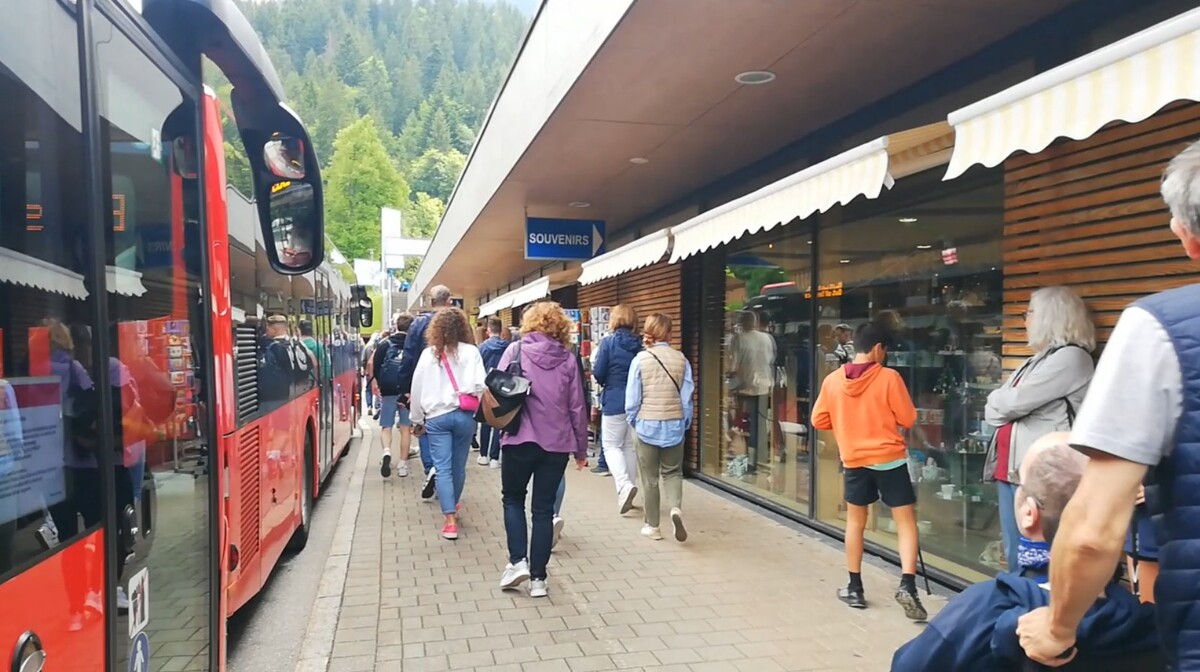
Only special buses go up to the summit; they are equipped with reinforced brakes, adjustable suspension, and are driven by specially trained drivers. The route passes through five tunnels, with incredible curves and a significant change in elevation.
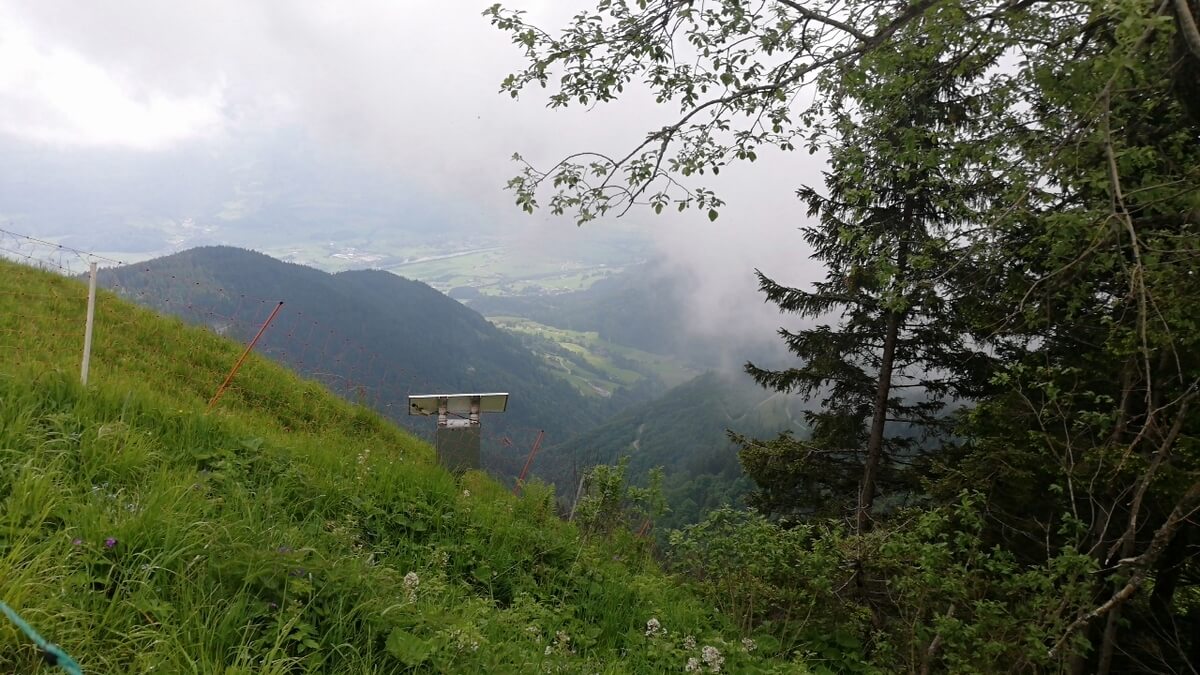
Even pedestrians are not allowed to use the road here. In fact, 285 meters of protective fencing have been installed, and thanks to all these safety measures, there have been no incidents here since 1952.
The buses are accessible to wheelchair users and operate at set time intervals. The hair-raising ride lasts about 15 minutes, but it feels like an eternity.
Once you reach the top, there is a large turning area for the buses where you must validate your return ticket. Be careful—otherwise, you might miss your ride back.
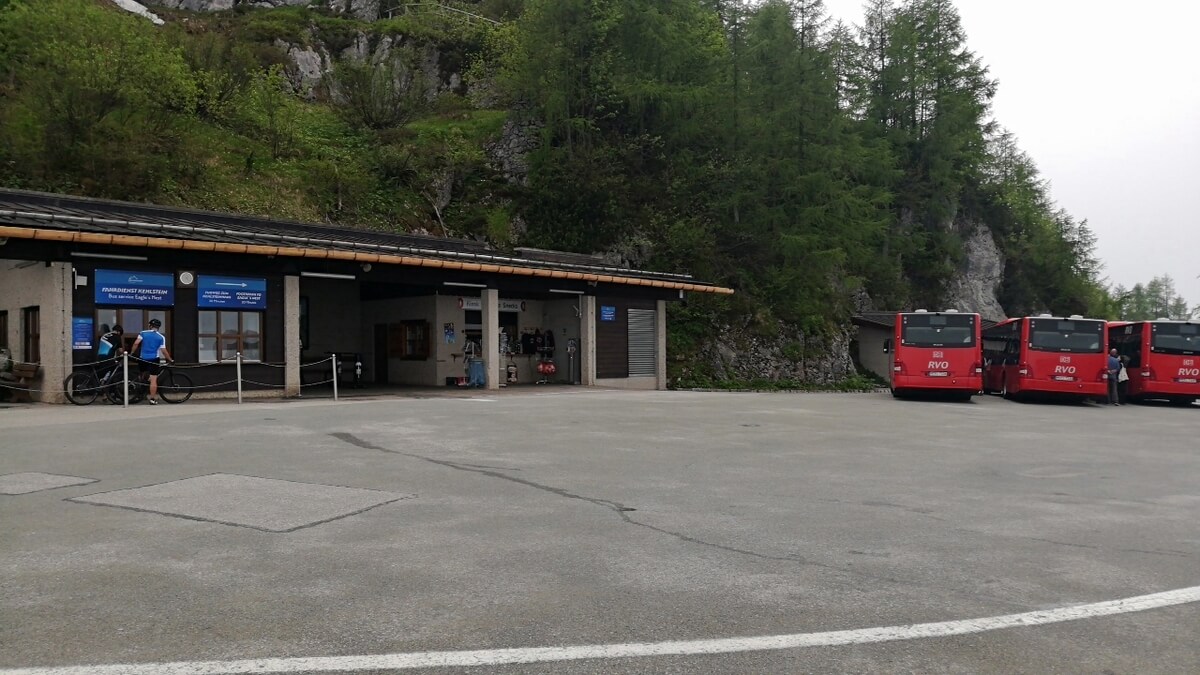
From here you enter a large tunnel with a length of 124 m.
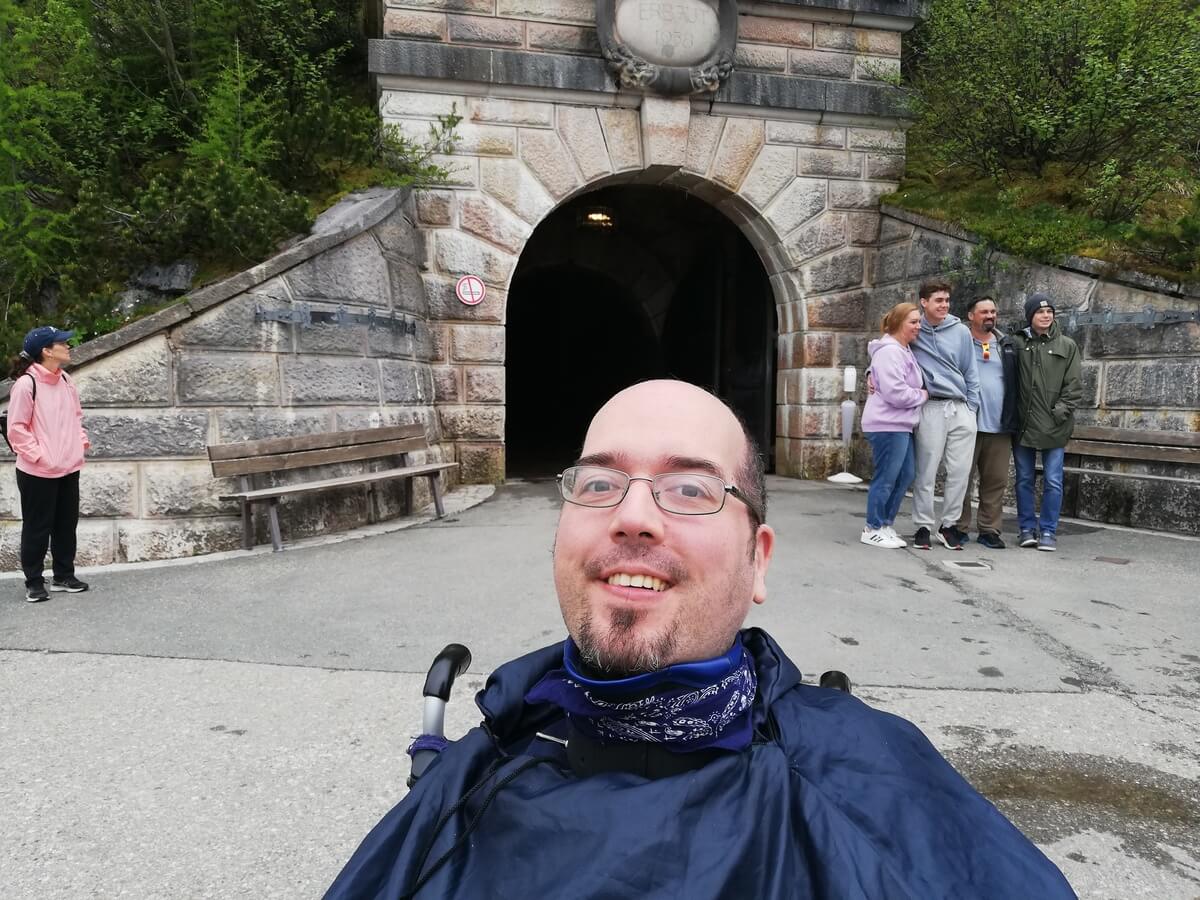
If you haven’t frozen by then, you certainly will in the tunnel.
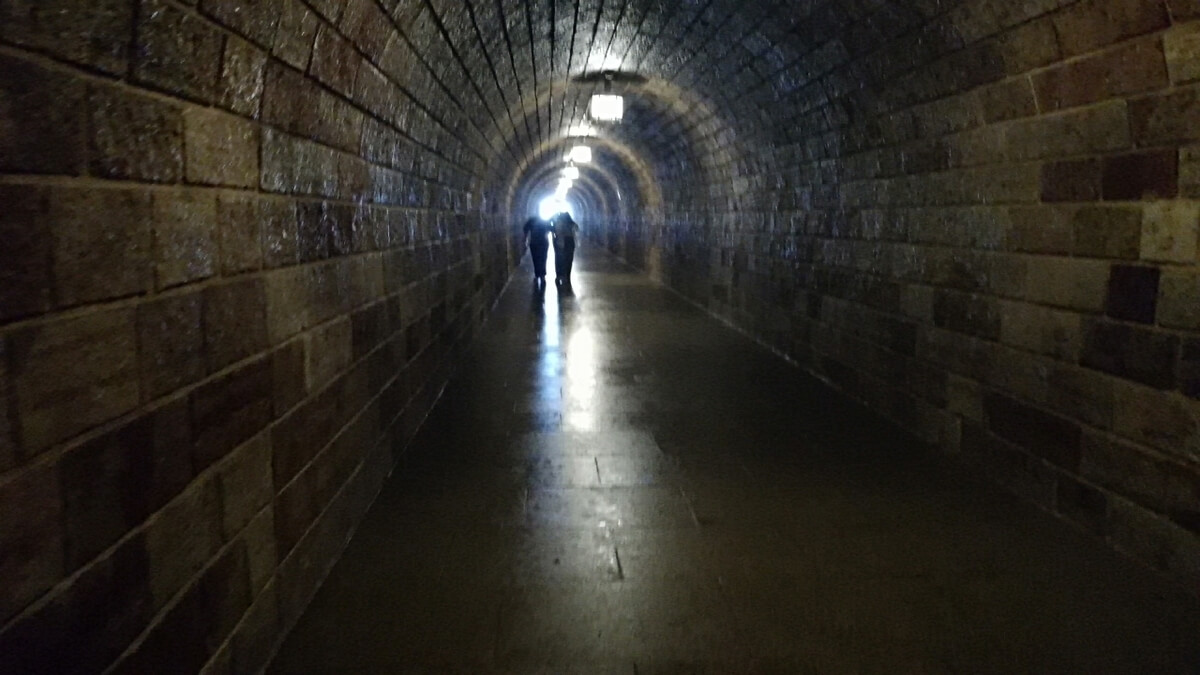
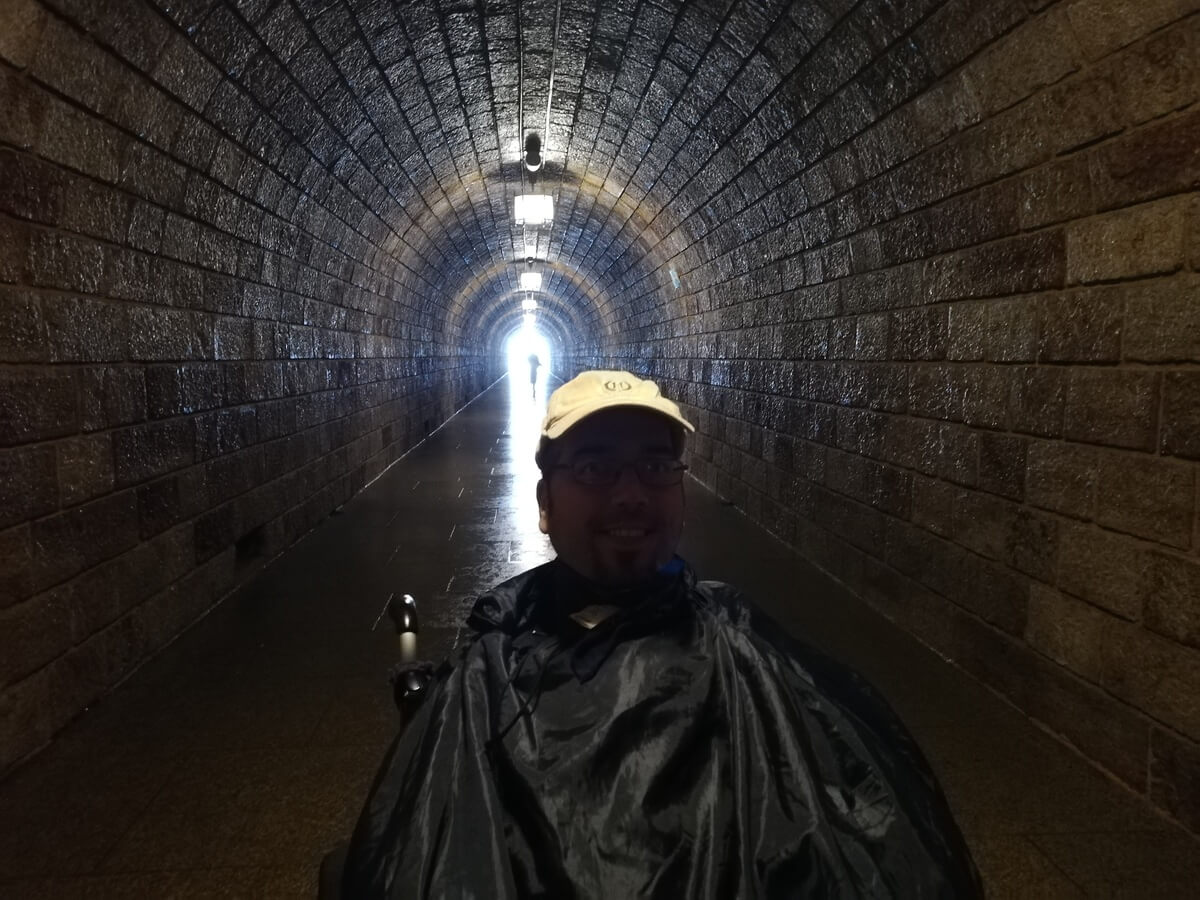
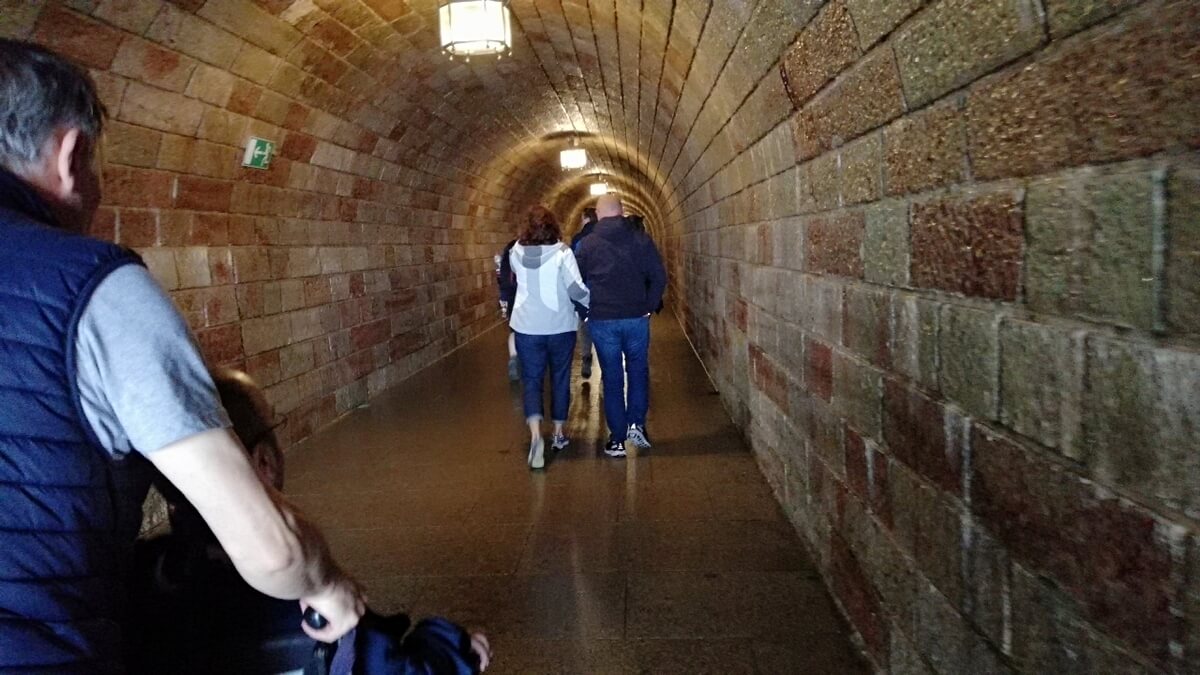
This is the route the Nazis used to drive their cars to the elevator. To return, the cars would drive in reverse. In front of the elevator there is a semicircular room that served as a place for guests to have tea before entering the most grandiose elevator I have ever seen.

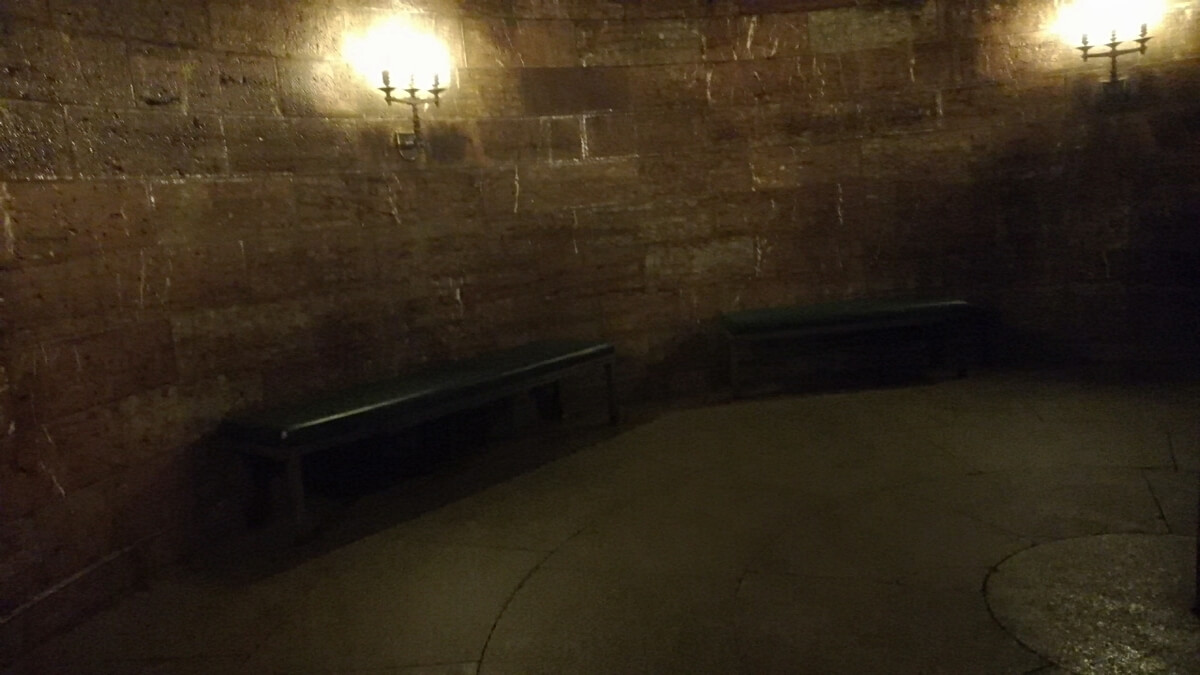
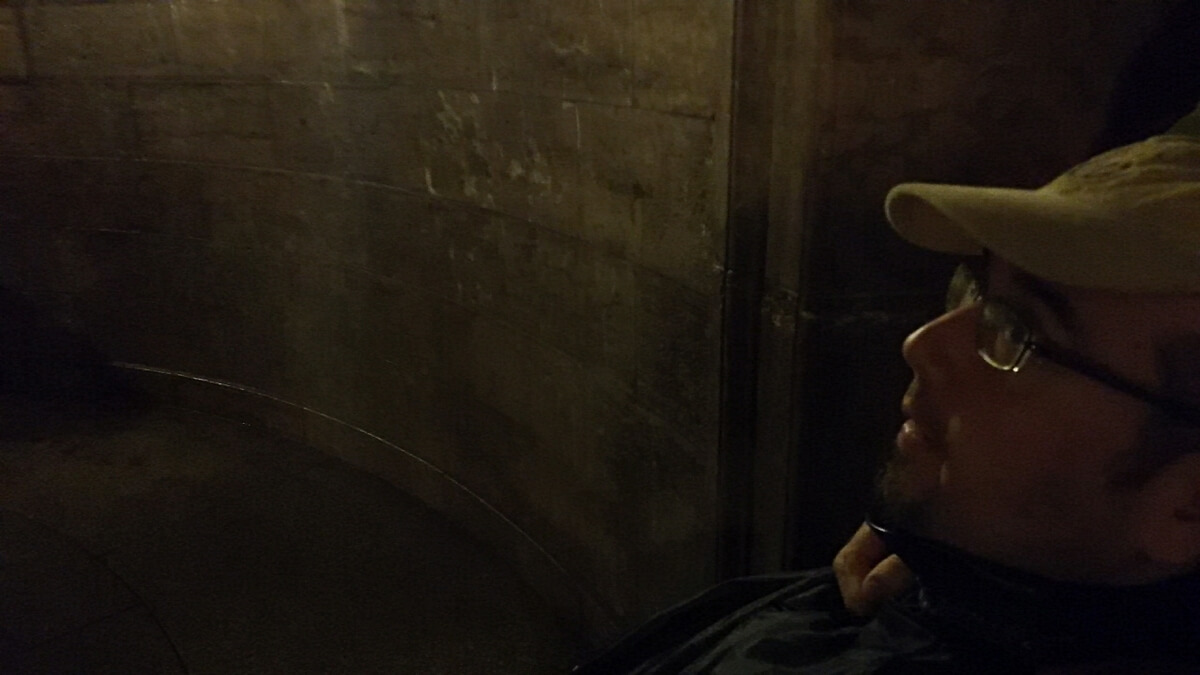
The elevator is as large as a room, holds over 20 people, is entirely covered in mirrors and brass decorations, and ascends almost diagonally to the top.
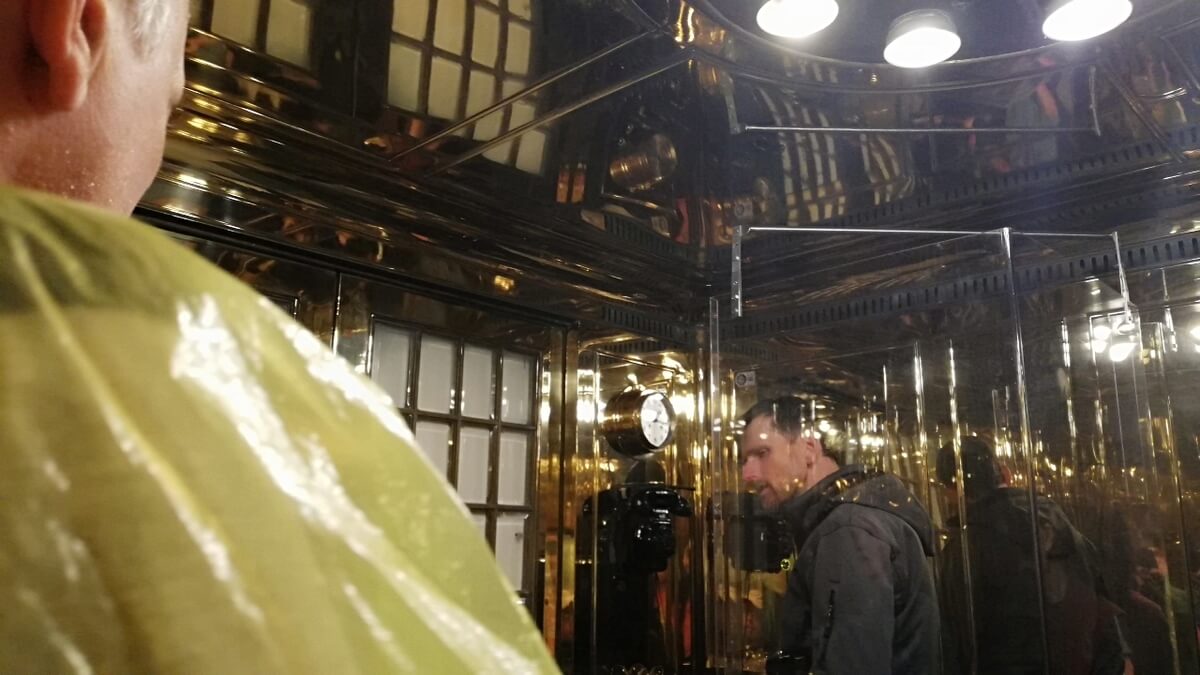
The elevator is operated by a technician, and everything moves very quickly. Hitler never used the elevator because he was obsessed with the fear that he would be struck by lightning inside it. In fact, this happened twice during the construction of the complex. That’s why he only arrived at the residence by helicopter.
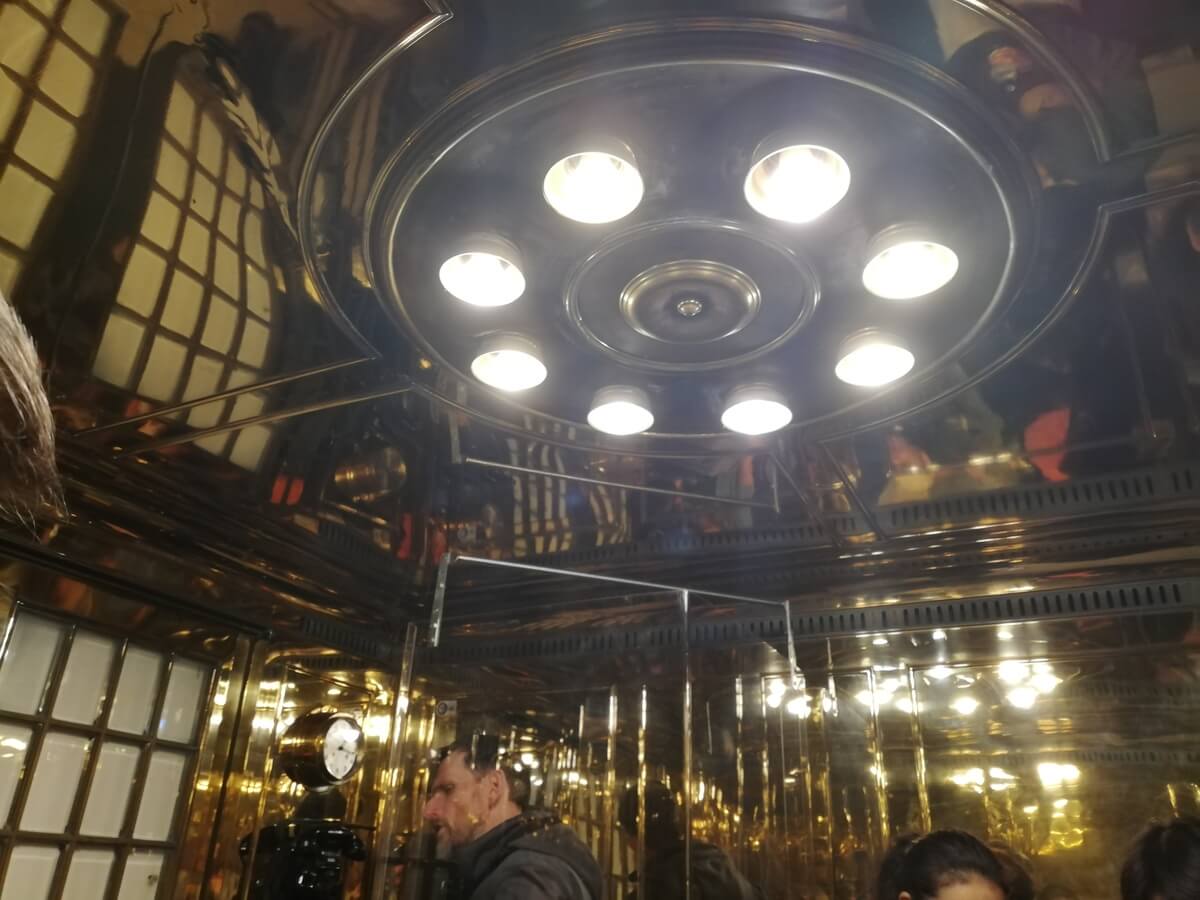
Once you reach the top, you won’t need more than 2 hours for the visit, as there isn’t much to do up there, especially for wheelchair users.
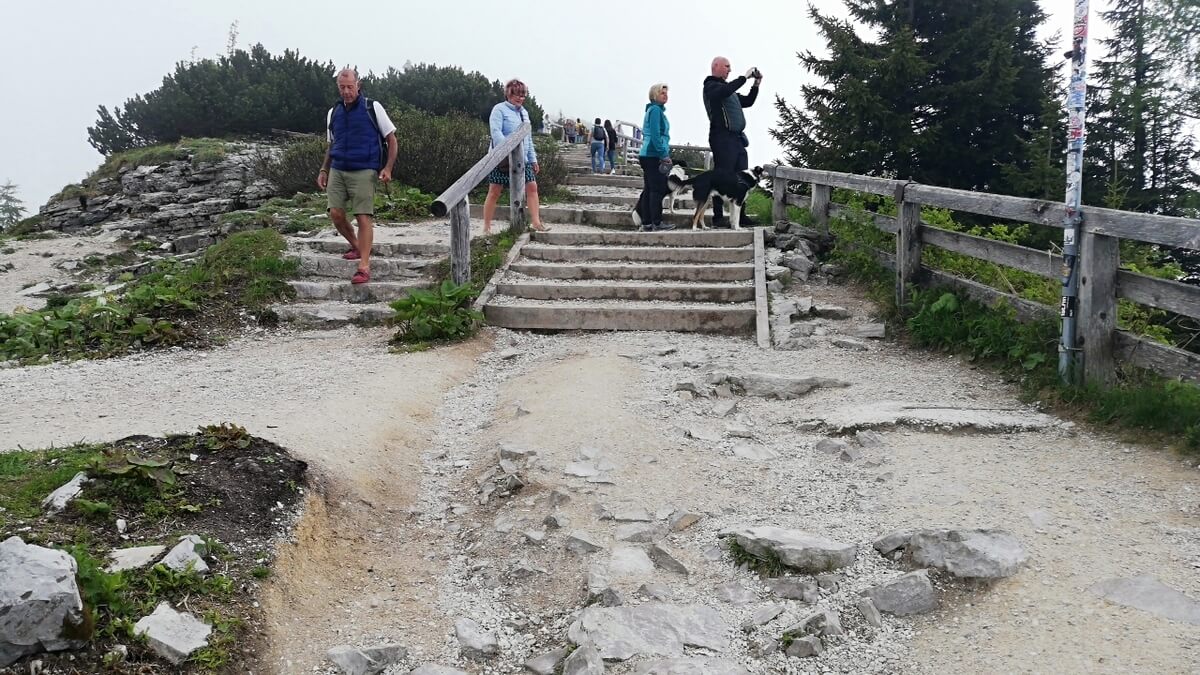
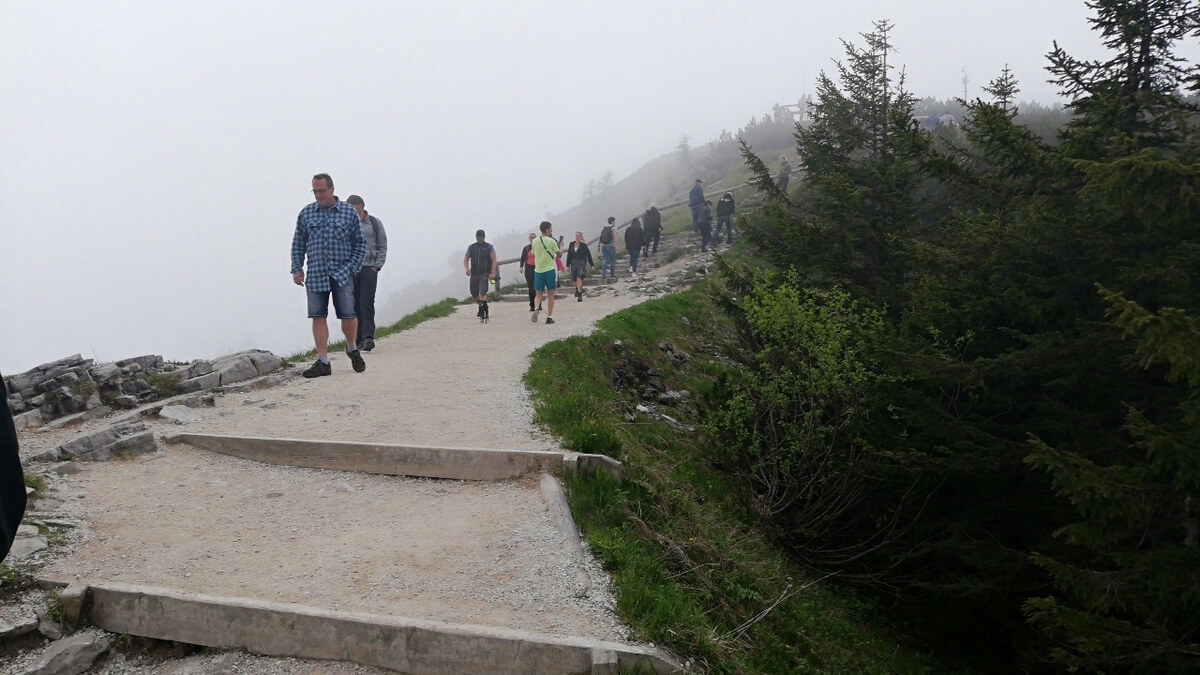
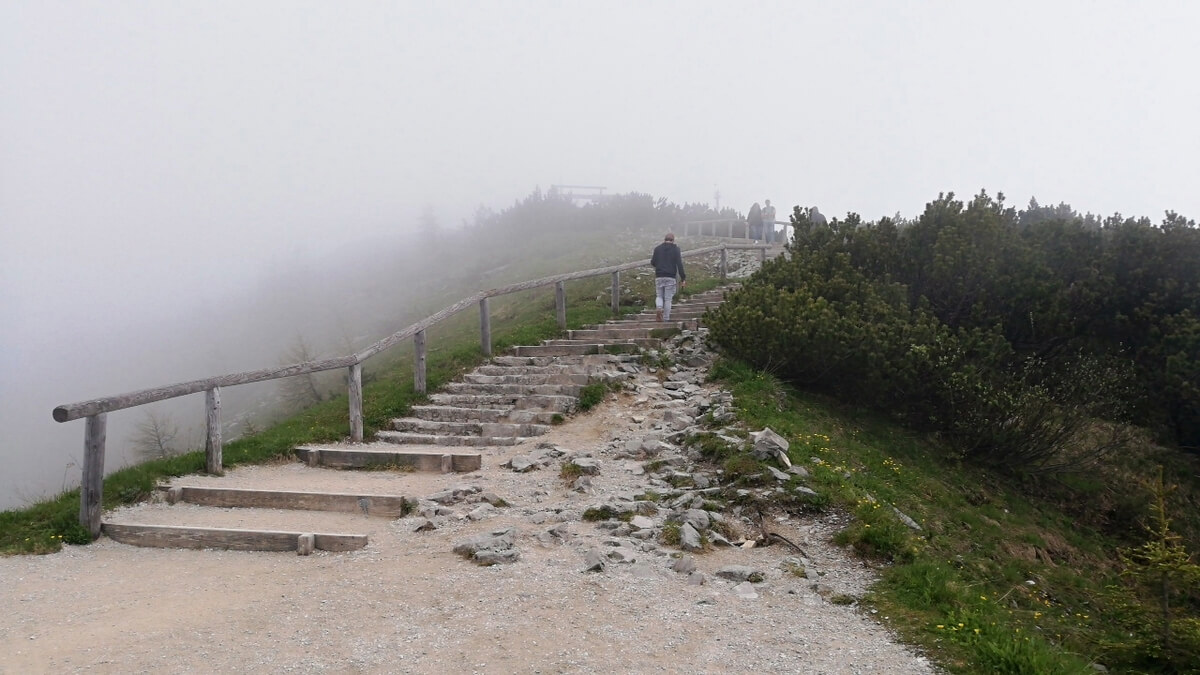
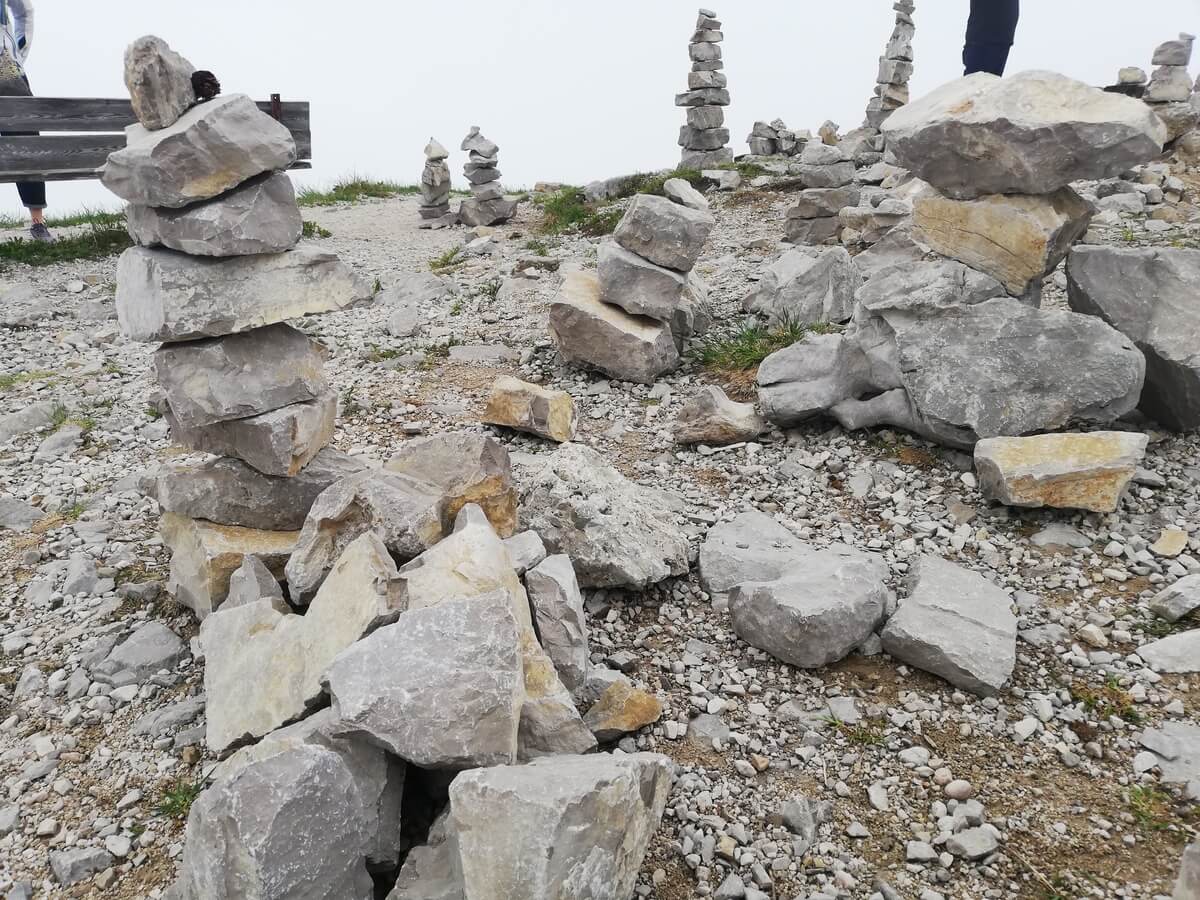
A stone path leads from the house to the cross, which marks the summit.
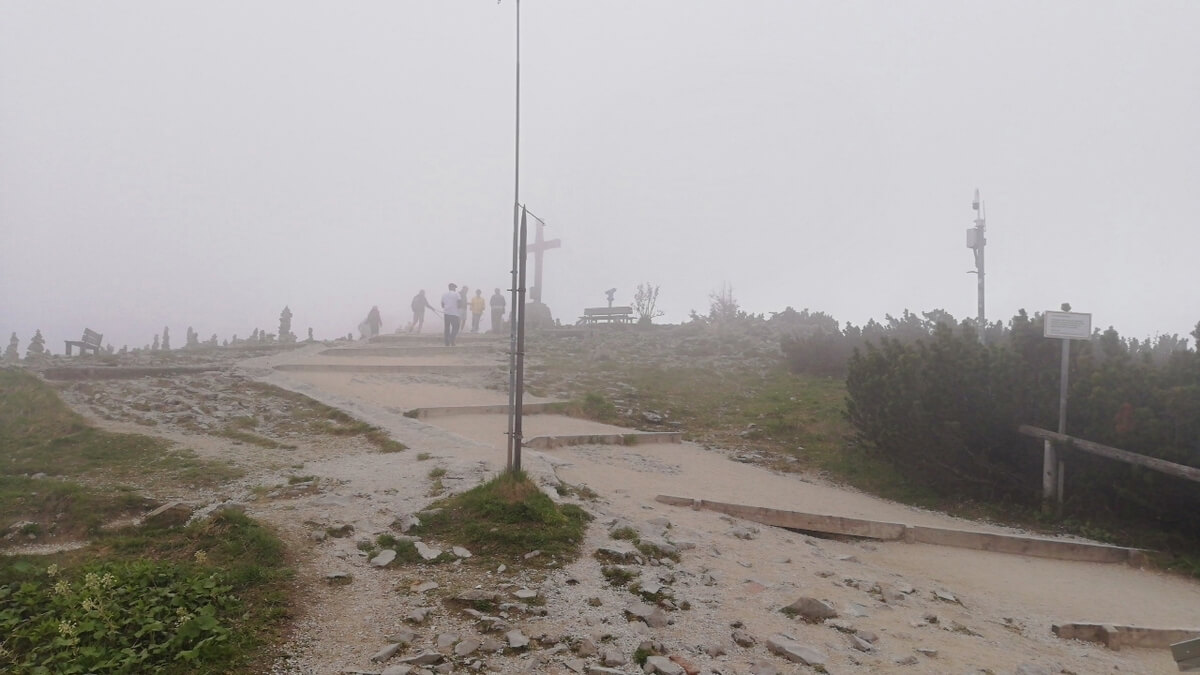
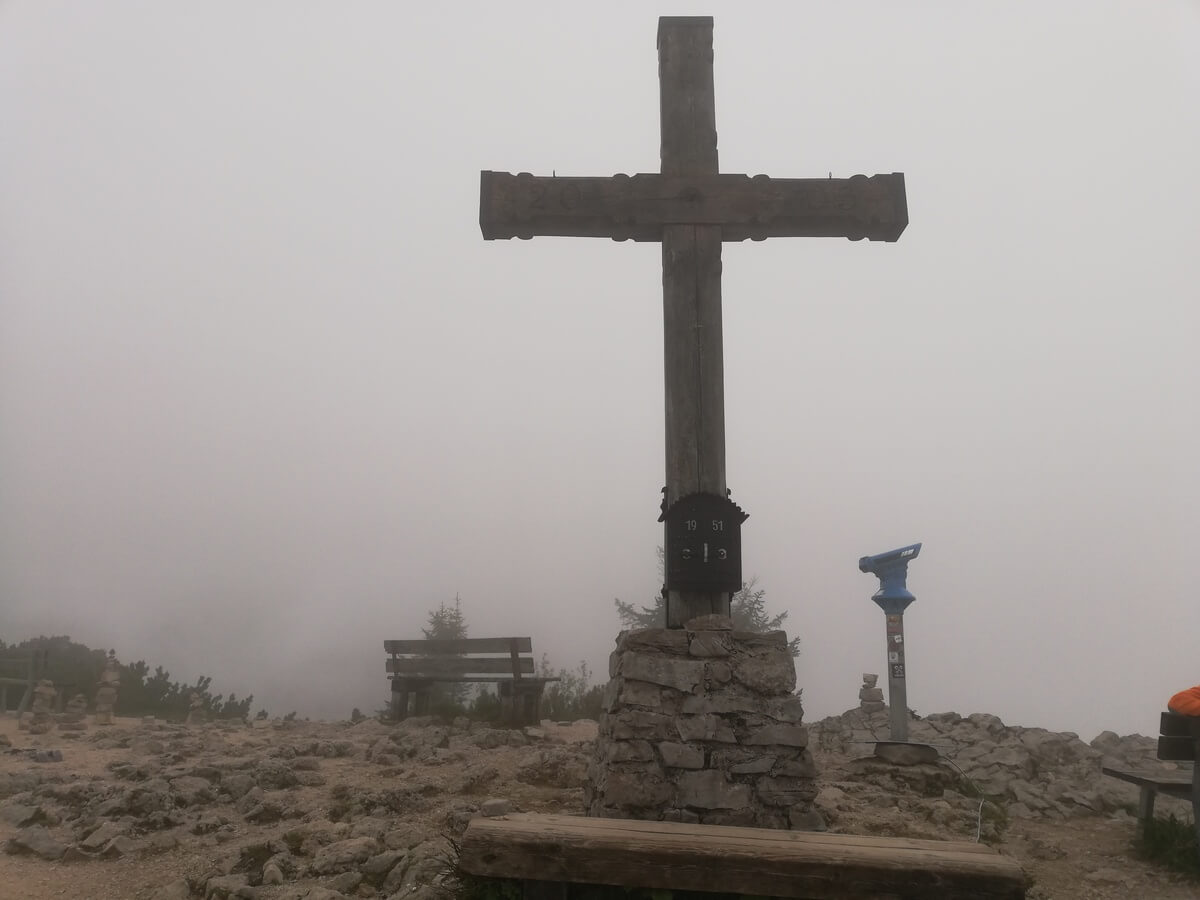
On a sunny day, beautiful photos of the Eagle’s Nest and the surrounding area can be taken from here.
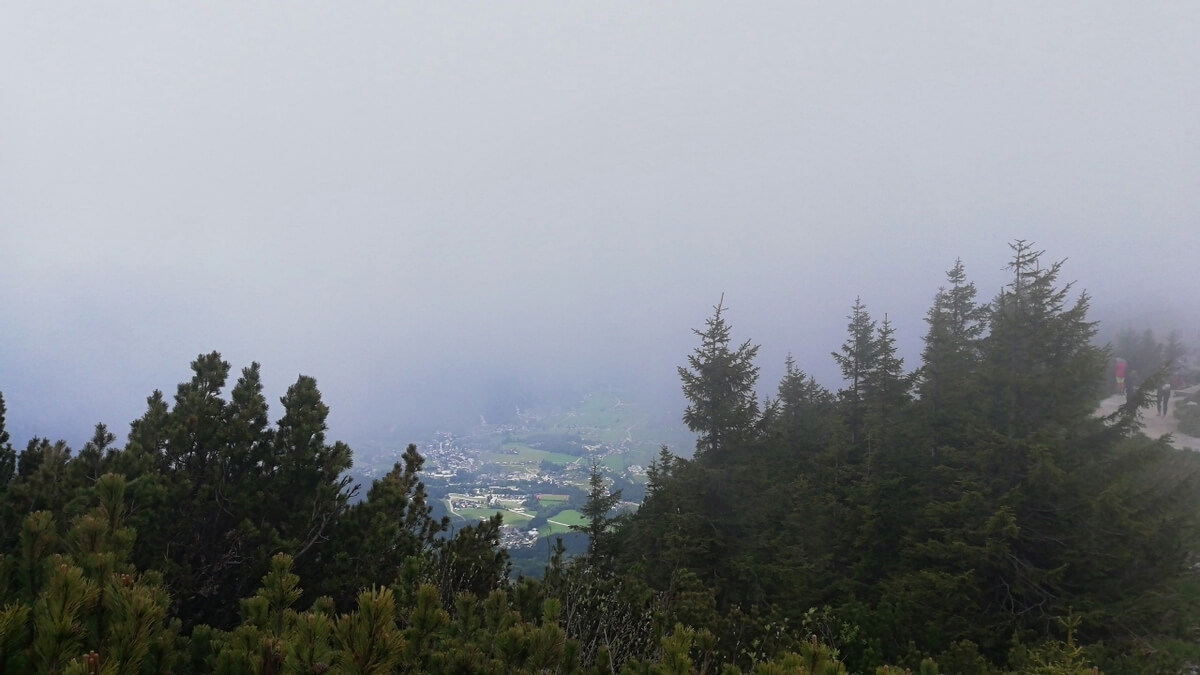
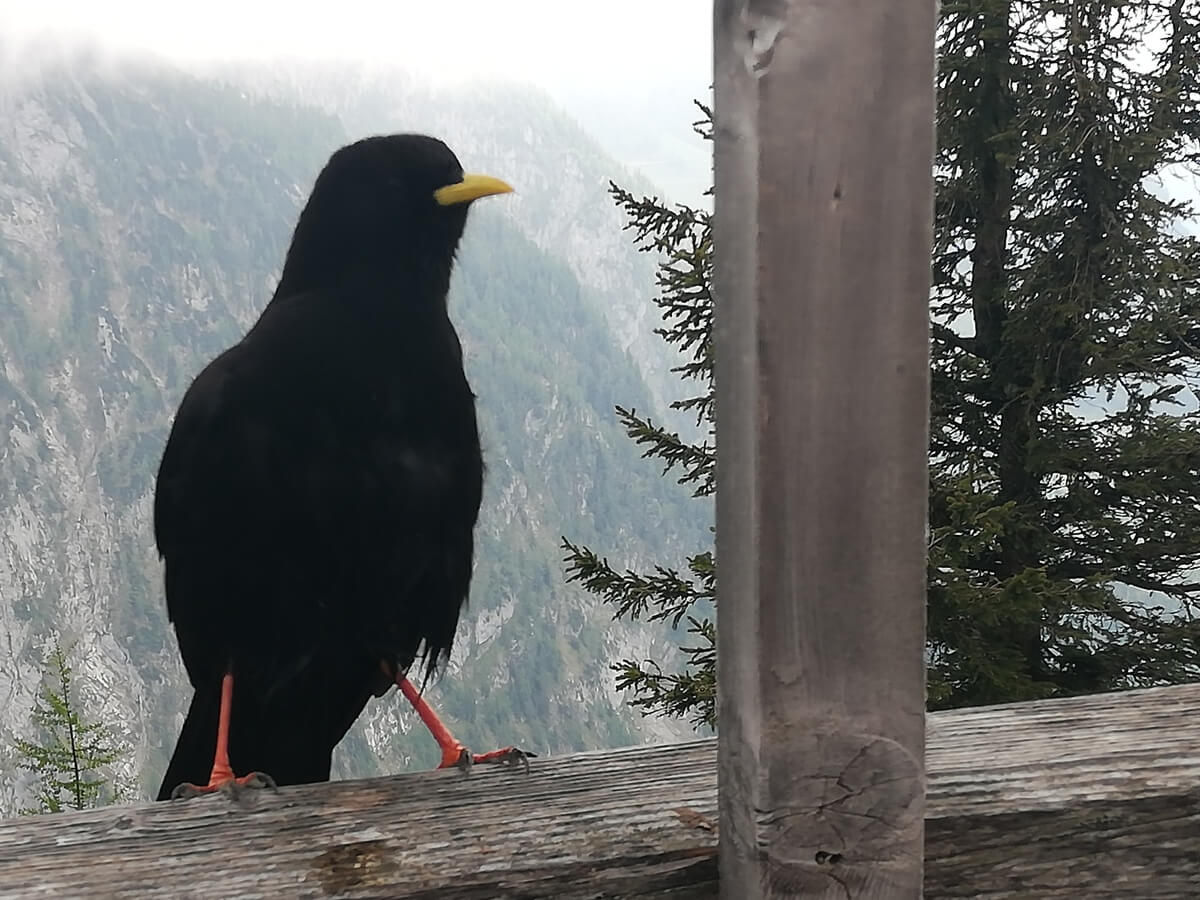
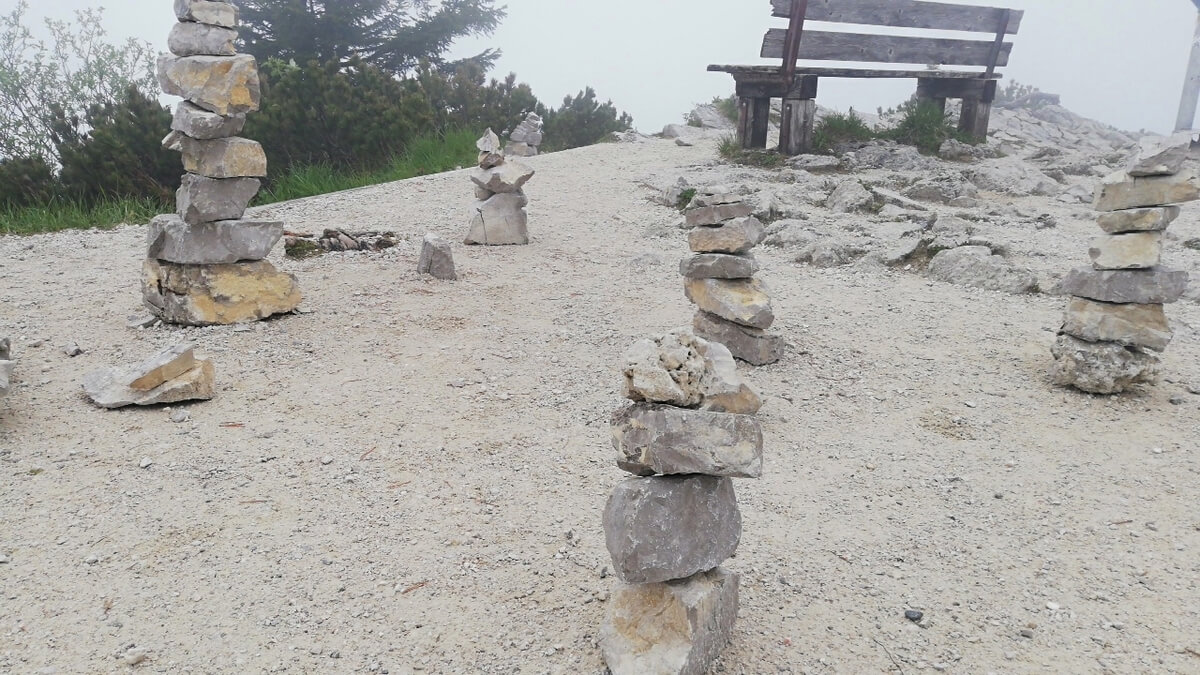
I wasn’t that lucky, so I spent the whole time keeping company with this bird.
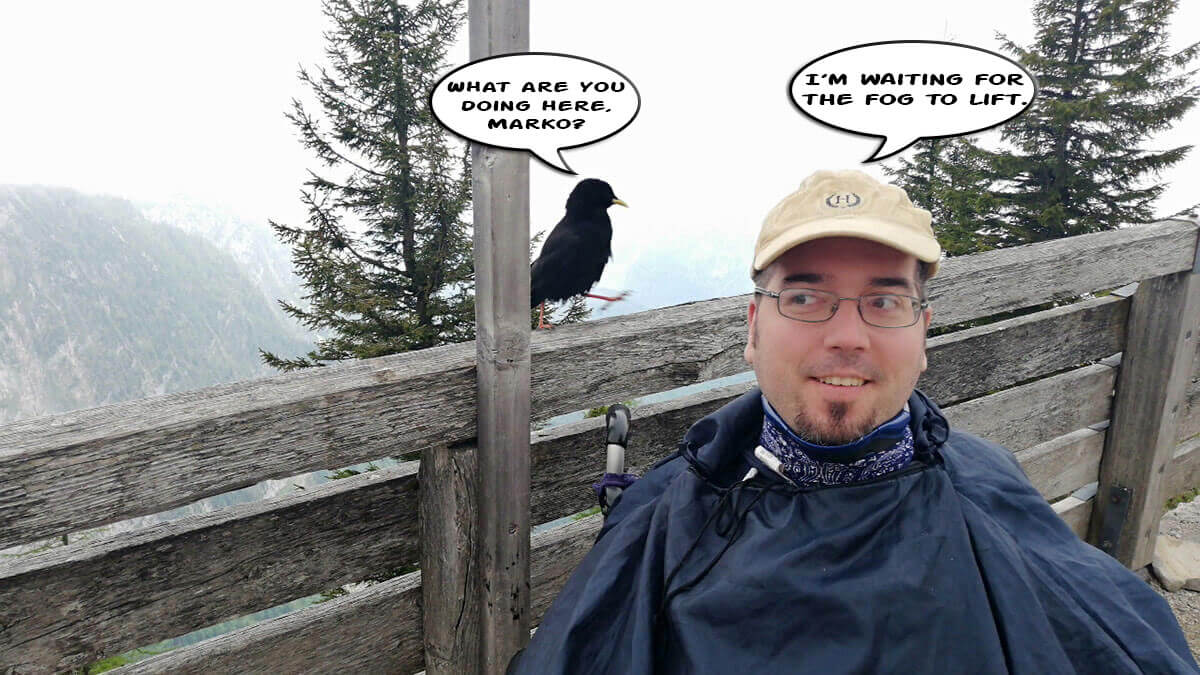
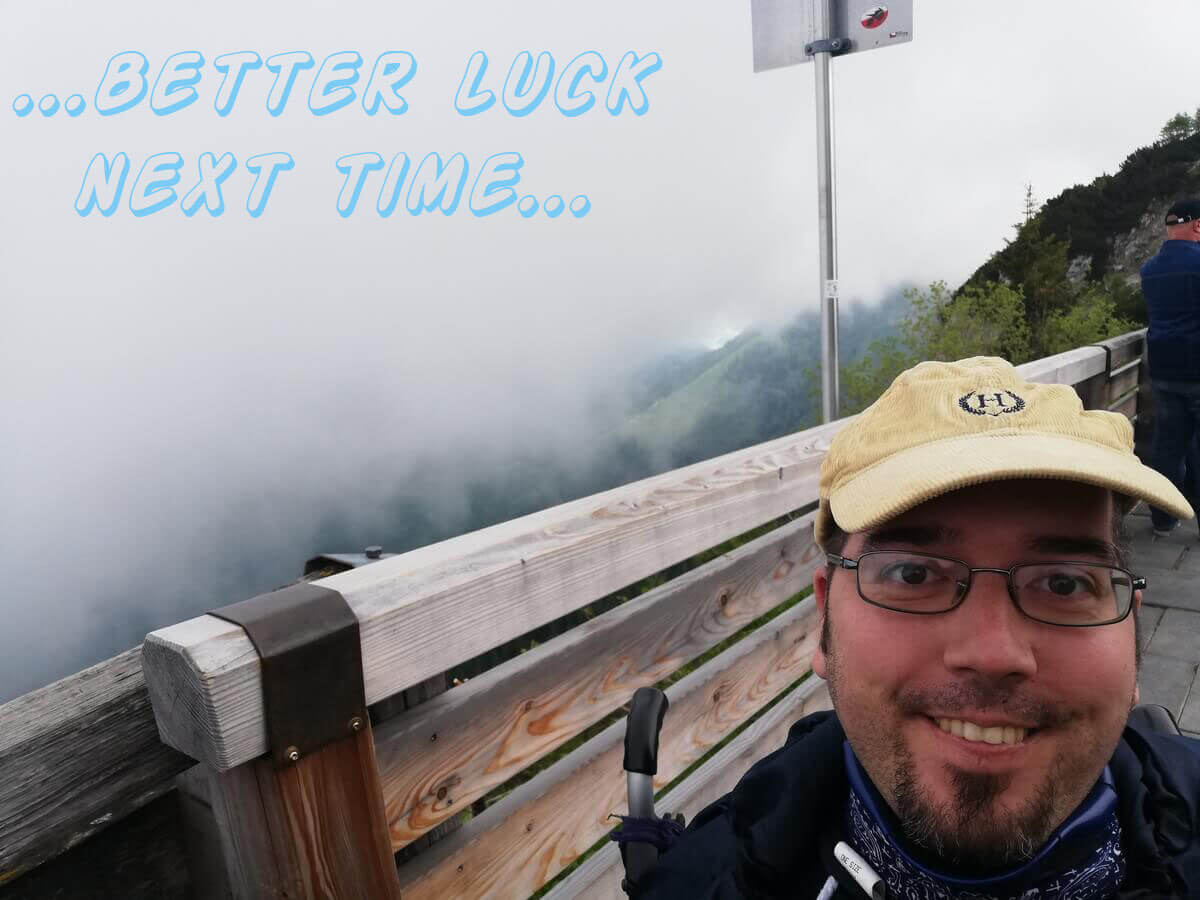
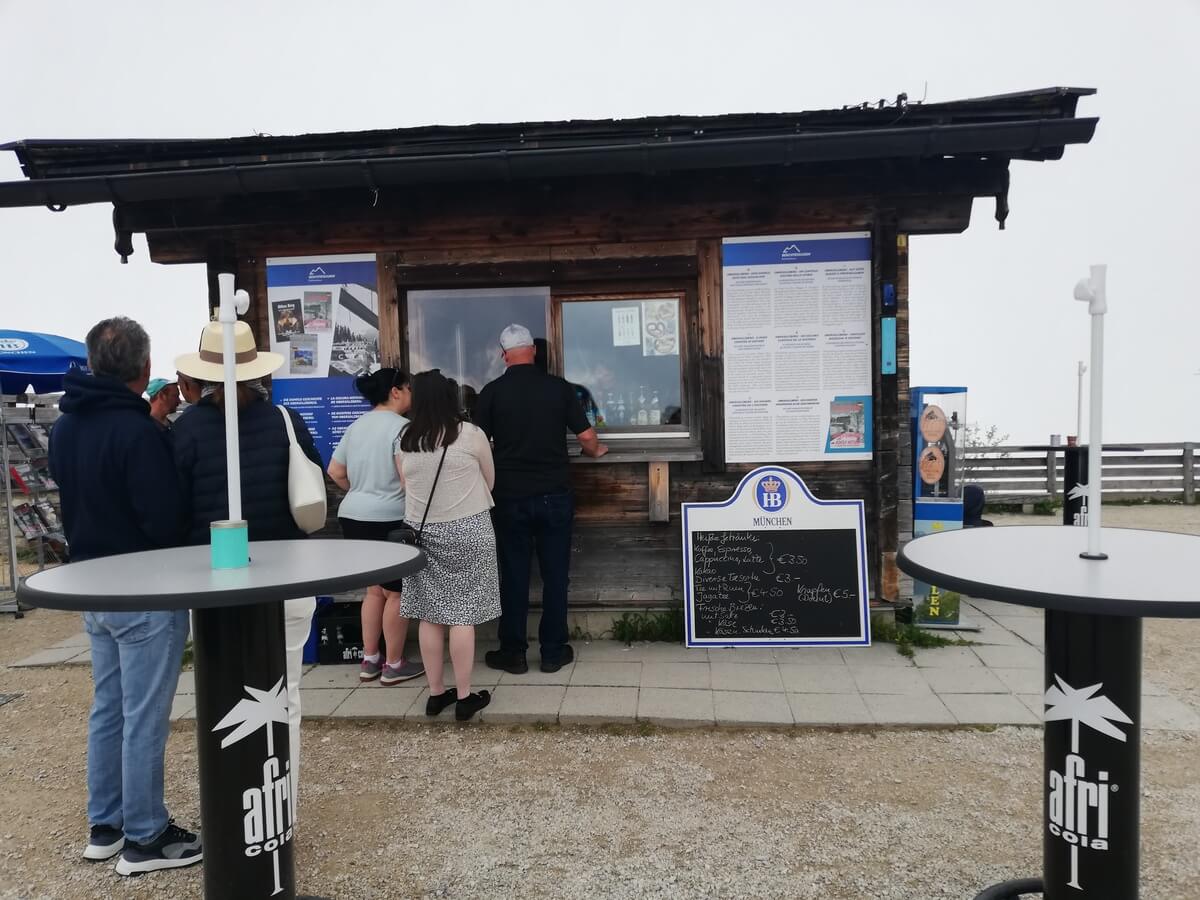
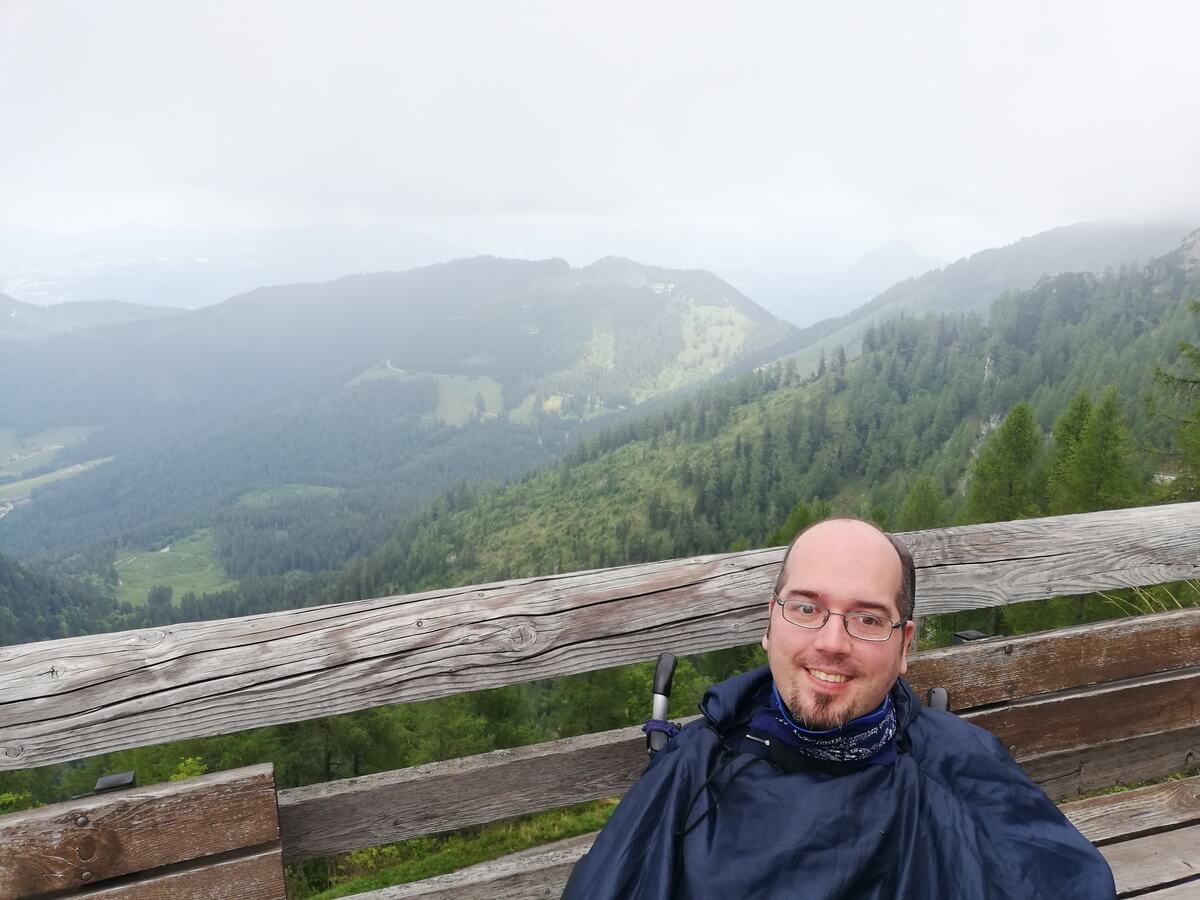
Wheelchair users can visit the restaurant, elevator, and tunnel, but not Eva Braun’s tea room or the grand hall. The main attraction here is the viewpoint, so I didn’t feel deprived of the other areas. But the viewpoint—yes, because that day the fog was stronger than me.
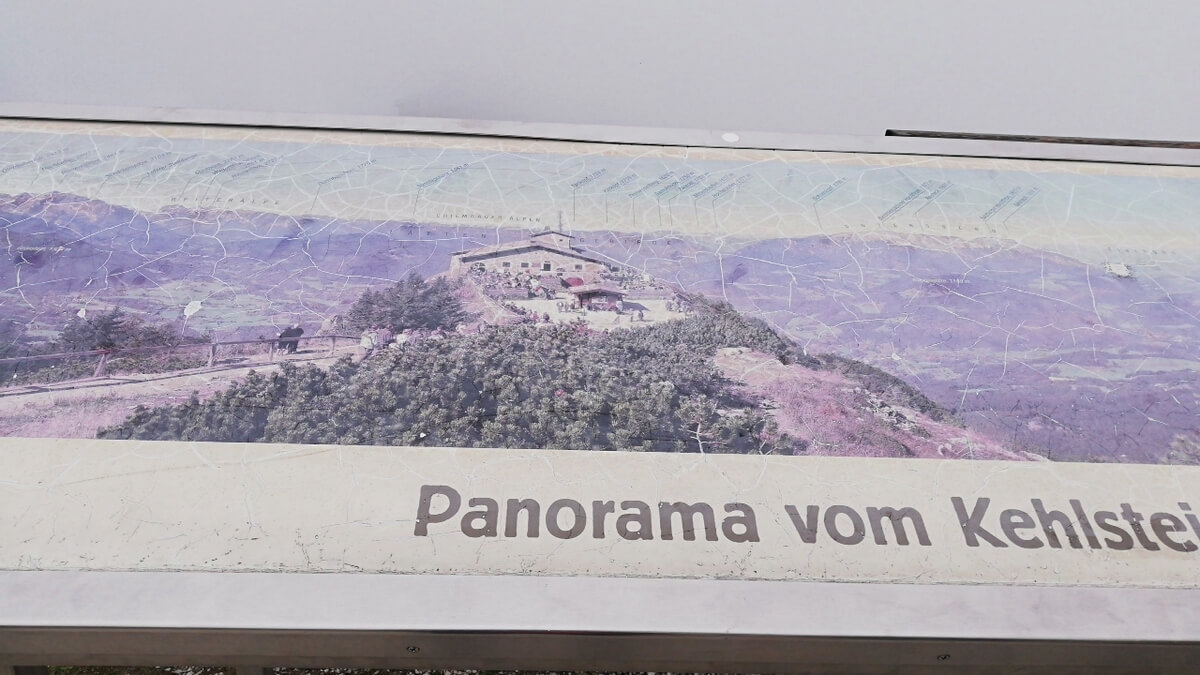
On this board is everything we could have seen if there was no fog.

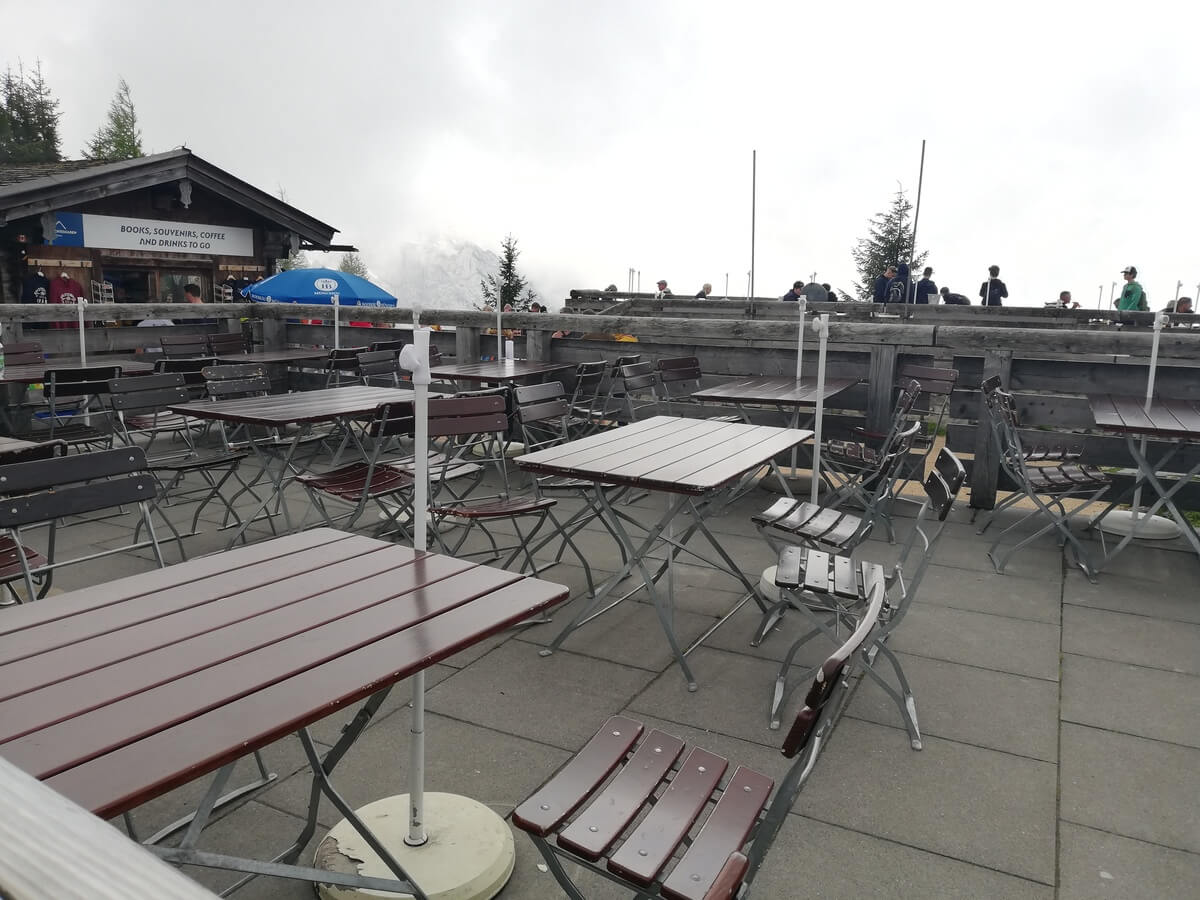
The prices in the restaurant are high, so if you want to avoid extra costs, bring your own sandwiches.
It is estimated that around 3,700 tourists visit this site daily, so, as everywhere, it’s best to start early. July, August, and September almost certainly promise good weather. May and October—not so much. I’ve personally checked.
Regardless of the season, the weather changes quickly at this altitude, so bring appropriate clothing to ensure your trip isn’t ruined.
History
While sipping my hot tea, I thought about what I knew of this place.
Hitler fell in love with this location long before he became famous. It was once a retreat for prominent Germans as well as ordinary tourists. Hitler bought the house here with the proceeds from his book Mein Kampf. Little by little, other like-minded followers of Hitler came up with the same idea. Along the way, the old owners got in their way, and one by one, they were given “offers they couldn’t refuse.” In this way, they gradually cleared the ground for their megalomaniacal plans. Soon, the entire Obersalzberg became theirs and, as such, turned into the second most important headquarters of the National Socialist Party.
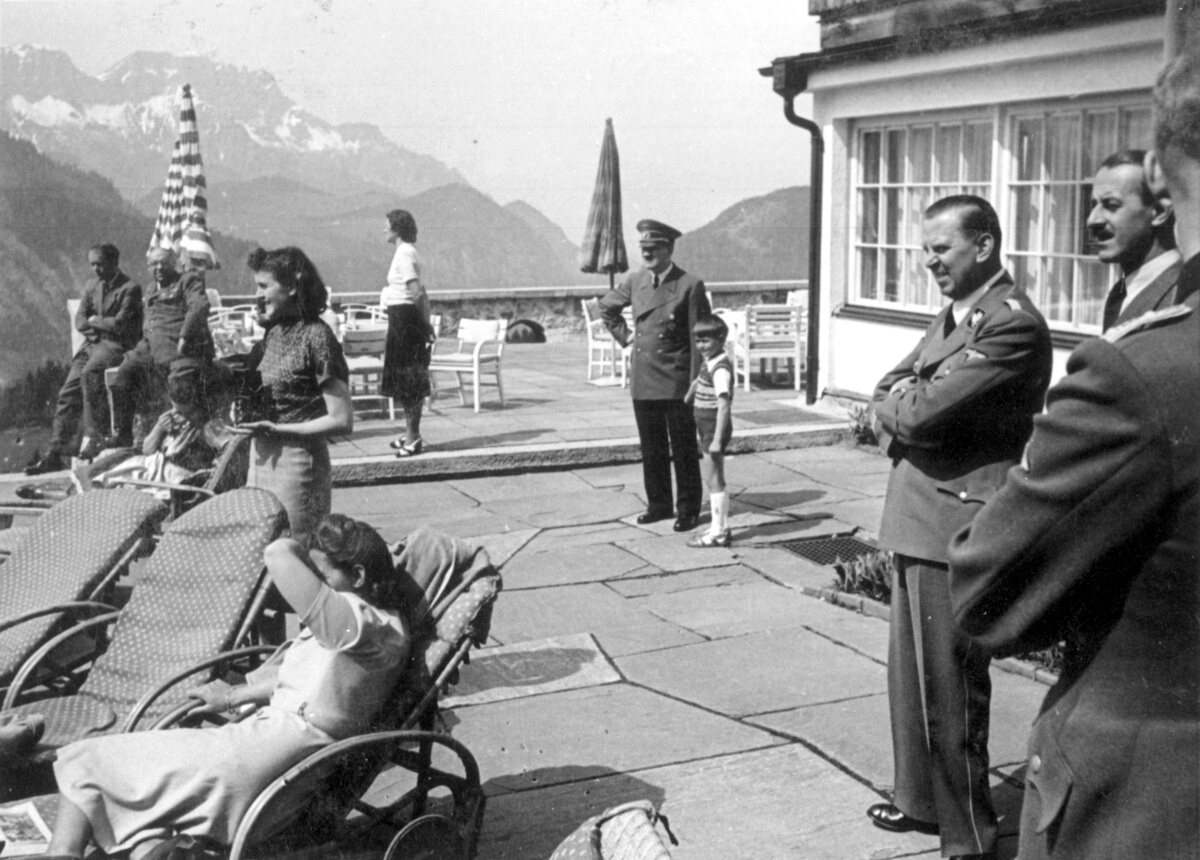
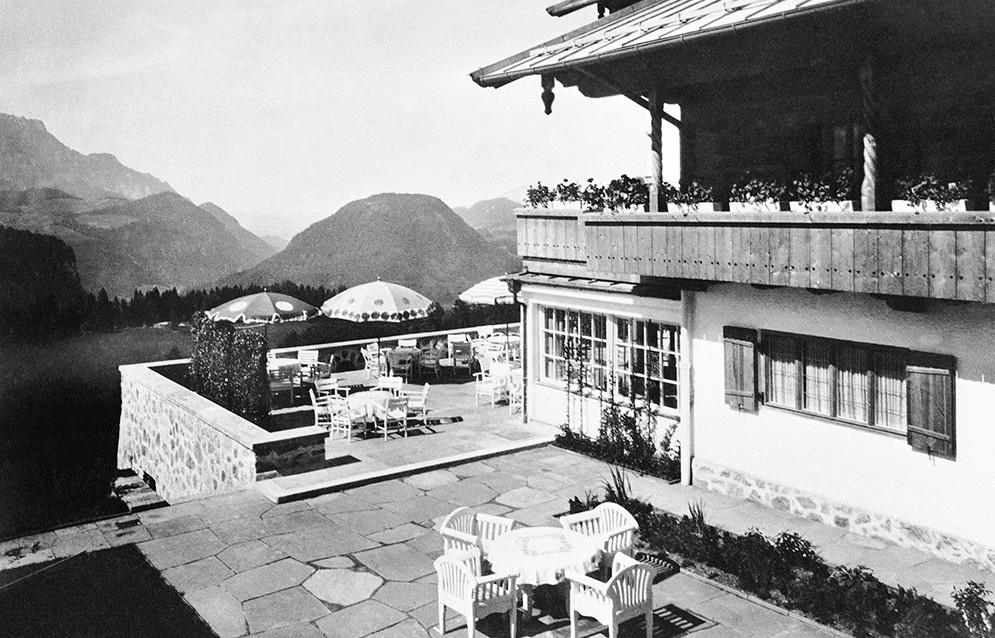
This is how the Berghof came to be, the one most often seen in photographs. There, Hitler received many guests more frequently than in Berlin. The main architect of this project, Bormann, wanted to build a tea house above the Berghof, that is, above Hitler’s house, intended for the same purpose. The house was meant to impress guests during their visit and to demonstrate the power of the Nazi machinery.
To achieve this, a road had to be built under impossible conditions. But since I had already become familiar with the Großglockner, which I wrote about here, I realized that undertakings of this kind are not unusual for this part of the country.
The construction of the Eagle’s Nest was one of the most demanding building projects. Bormann had free rein, as well as an inexhaustible supply of poorly paid workers from Poland and the Czech Republic. Bormann wanted the road and the house to be completed in time for Hitler’s 50th birthday in April 1939. Due to the tight deadline, 3,000 people worked around the clock, even through the winter. Despite the harsh conditions, the entire project was completed in 13 months, during which 12 workers lost their lives.
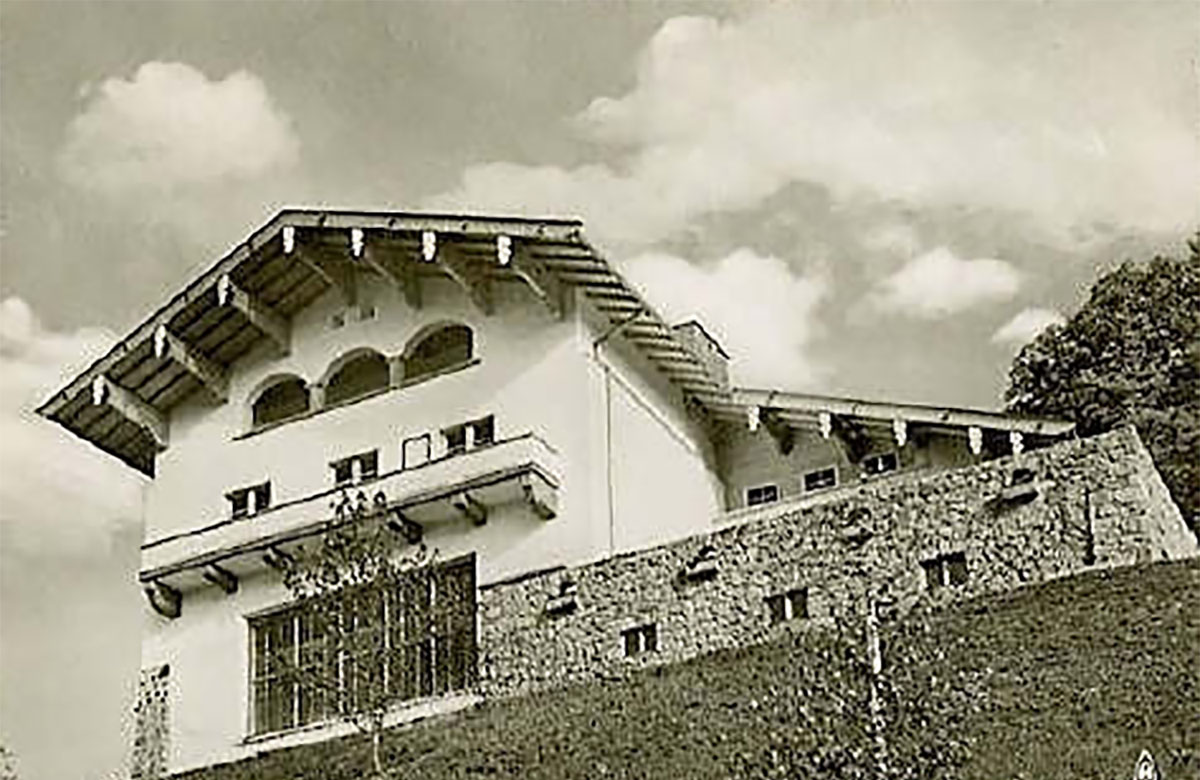
The first official visitor to the Eagle’s Nest was the French ambassador, who also gave the place its name.
Special attention was paid to the interior of the tea house. There is a marble fireplace, which was a gift from Mussolini. After the Americans entered, the fireplace was heavily damaged, as everyone wanted to take a piece as a souvenir.
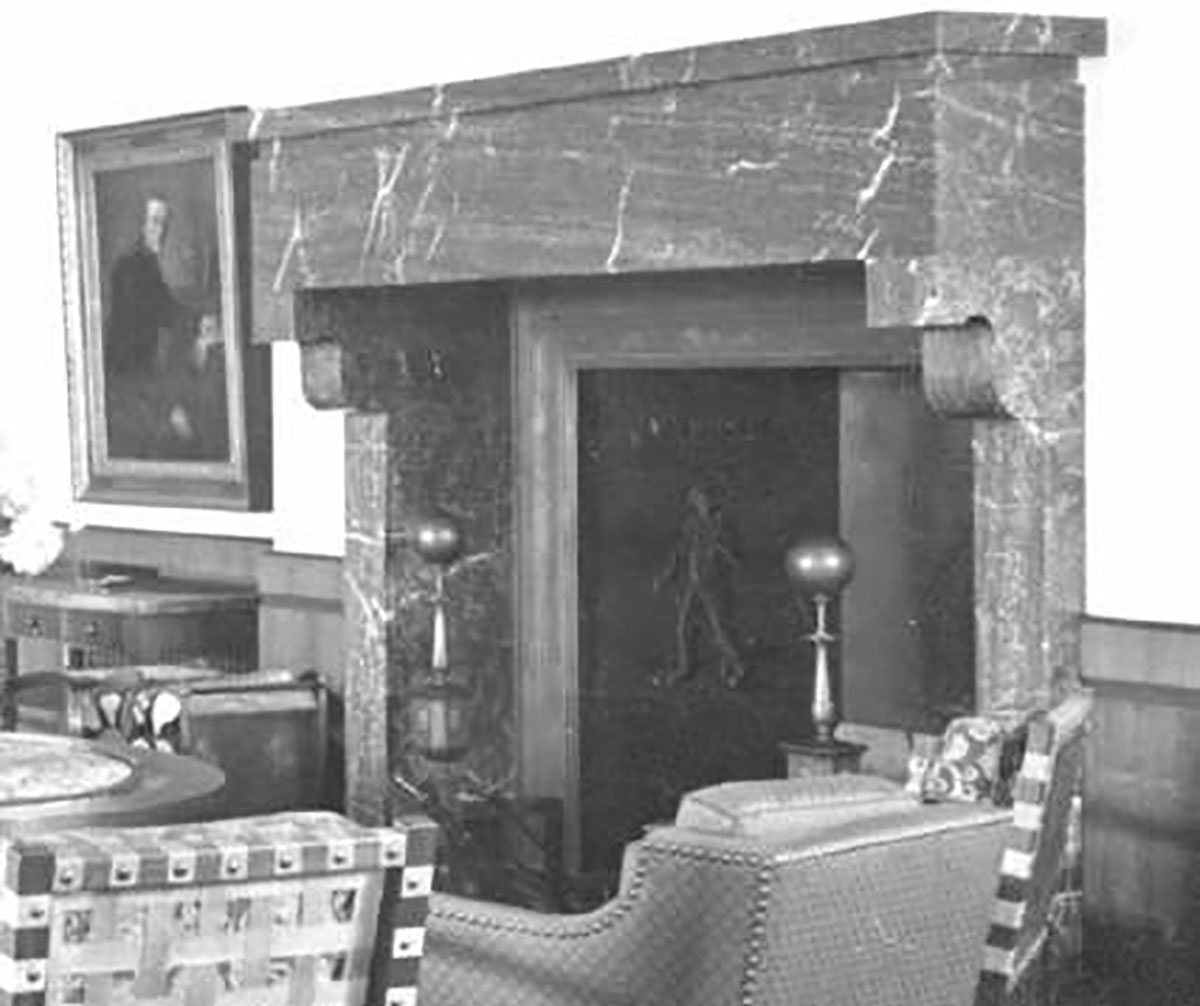
Hitler came here only 14 times between 1938 and 1940. After that, the building was used by other members of the Nazi Party. In 1944, it served as the venue for Eva Braun’s sister’s wedding—just three days before the Allied landing in Normandy. In April 1945, the area was bombed, and the Berghof was razed to the ground.
The Eagle’s Nest remained untouched. It is believed that the target was either too small or that some other factor was involved. Perhaps it was intended as a trophy for the Americans, who immediately closed off the area. In September 1945, the Americans opened the site to visitors, but only for Americans. This continued for the next six years until the property was returned to the state of Bavaria, which already had other plans.
Conclusion
The bus departure time approached, but the fog showed no sign of letting up. From the bus turning area, I could catch a glimpse of what I had missed. Still, I’m glad I came and took the opportunity to reach these heights as a wheelchair user.
If you enjoy my travelogues, treat me to a coffee. The button is at the top of the sidebar on the pages.
Have you visited the Eagle’s Nest?
Did I miss anything?
Traveling and enjoying,
Marko Veličković