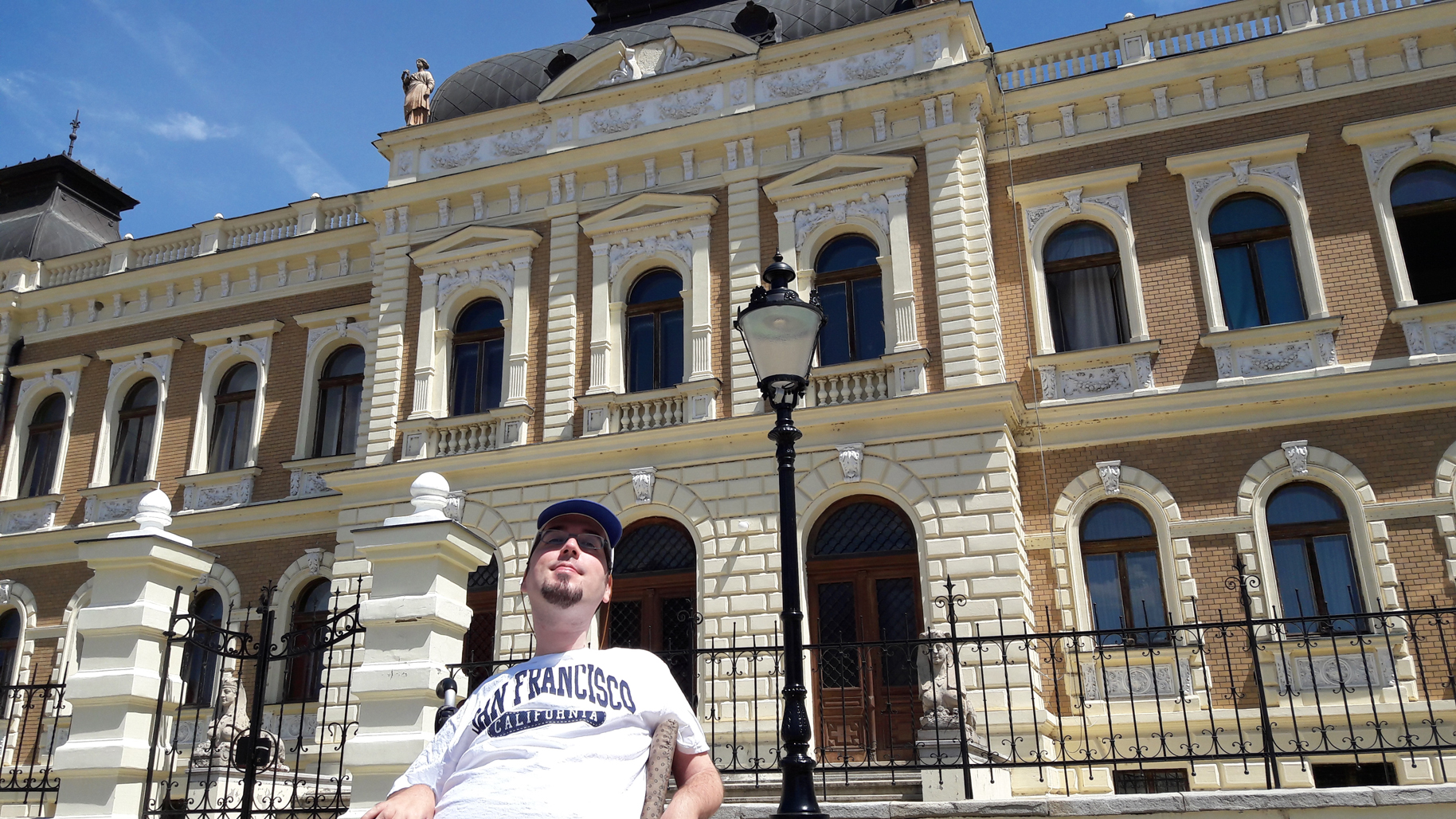
Cruising on the Vltava is the best thing you can do during your visit to Prague…
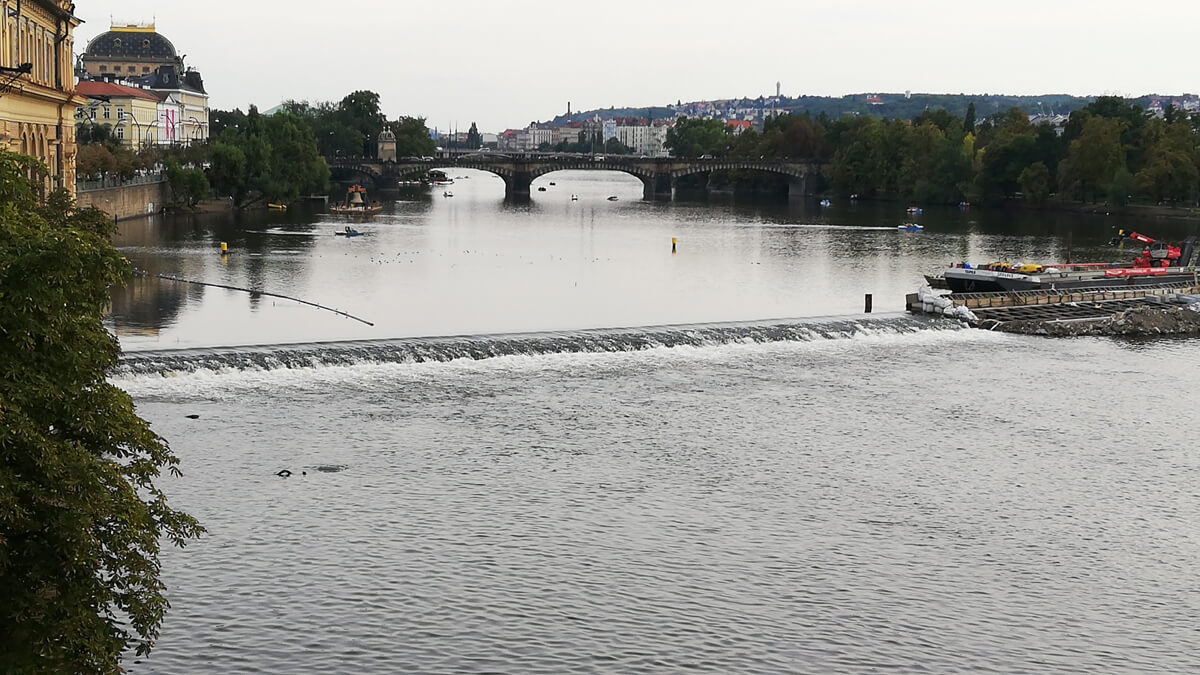
Whenever I visit a city, I try to respect the principle: land, air and water. This time it’s the Vltava River’s turn for several reasons. The Vltava is the longest and most important river in the Czech Republic. It begins its 300 km long journey in the dense Bohemian Forest all the way to its confluence with the Elbe River near the town of Melnka, located 40 km from Prague. Through the Prague region, the Vltava flows for a length of 30 km and along the way it is adorned with 18 bridges, one of which is the famous Charles Bridge.
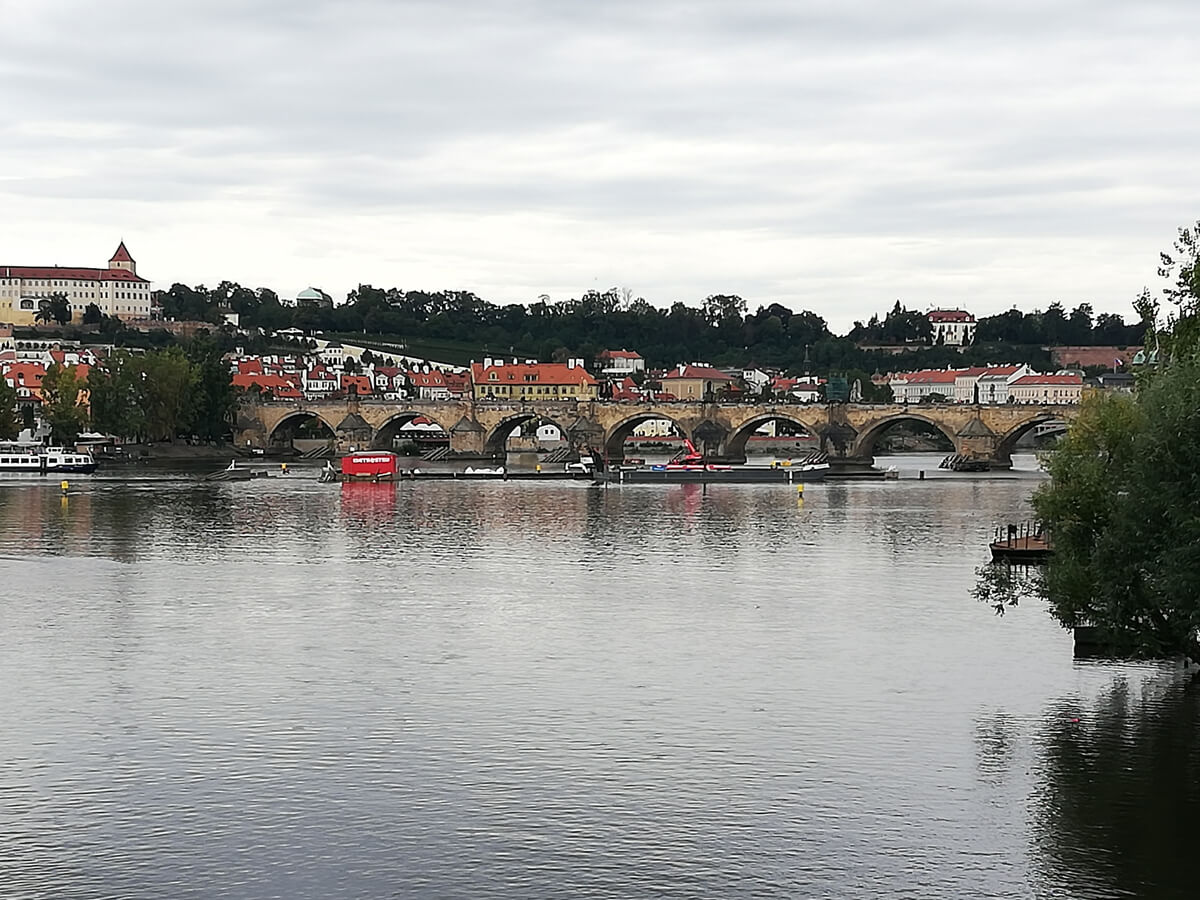
During its passage through the city, which it cuts in two, the Vltava meanders and goes around several islands where clubs, restaurants, gardens and cafes have found their place, as well as some old palaces. On the west coast are Mala strana and Hradcani, and opposite are Staro and Novo mesto. These are the four most important neighborhoods in Prague.
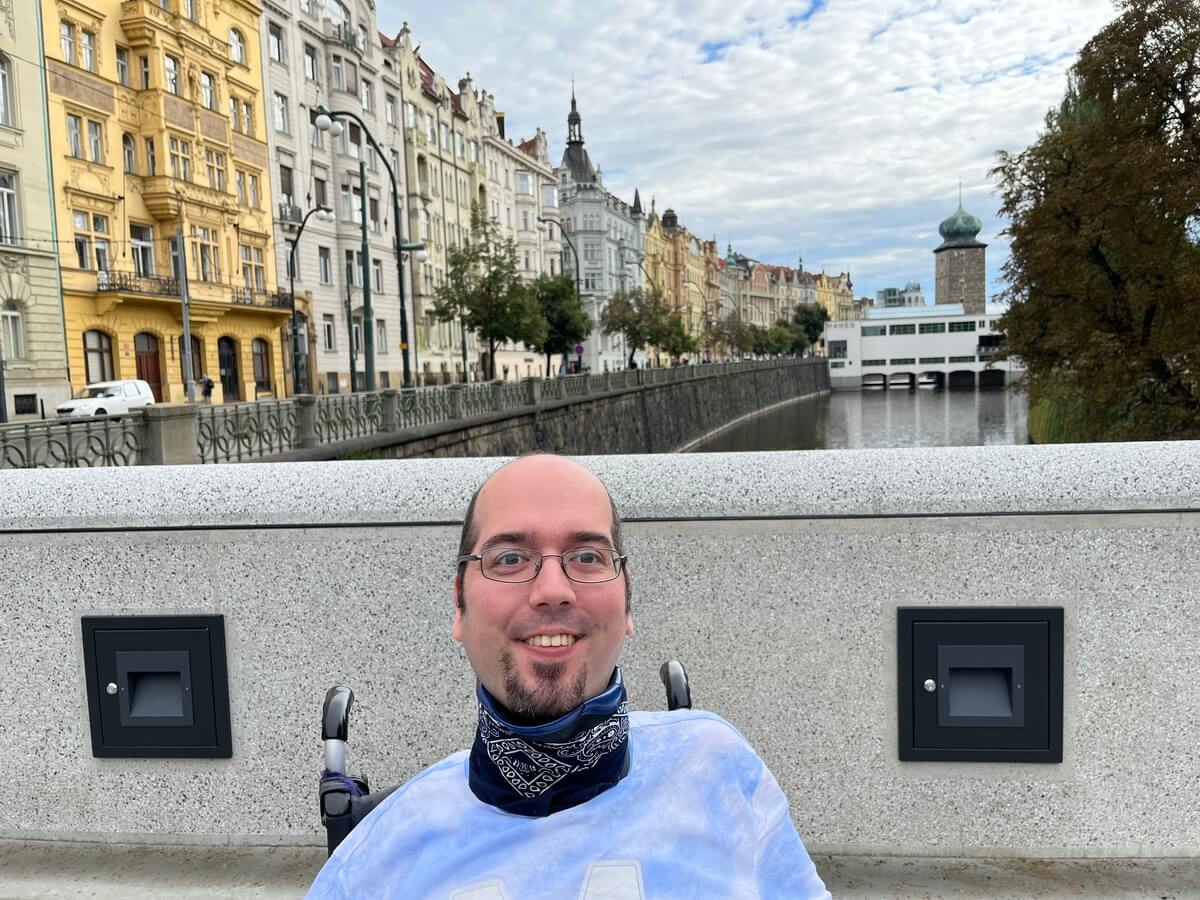
The Vltava is a navigable river and connects various parts of Europe. There is a misconception that the Danube and Vltava rivers are connected. That may have been several million years ago.
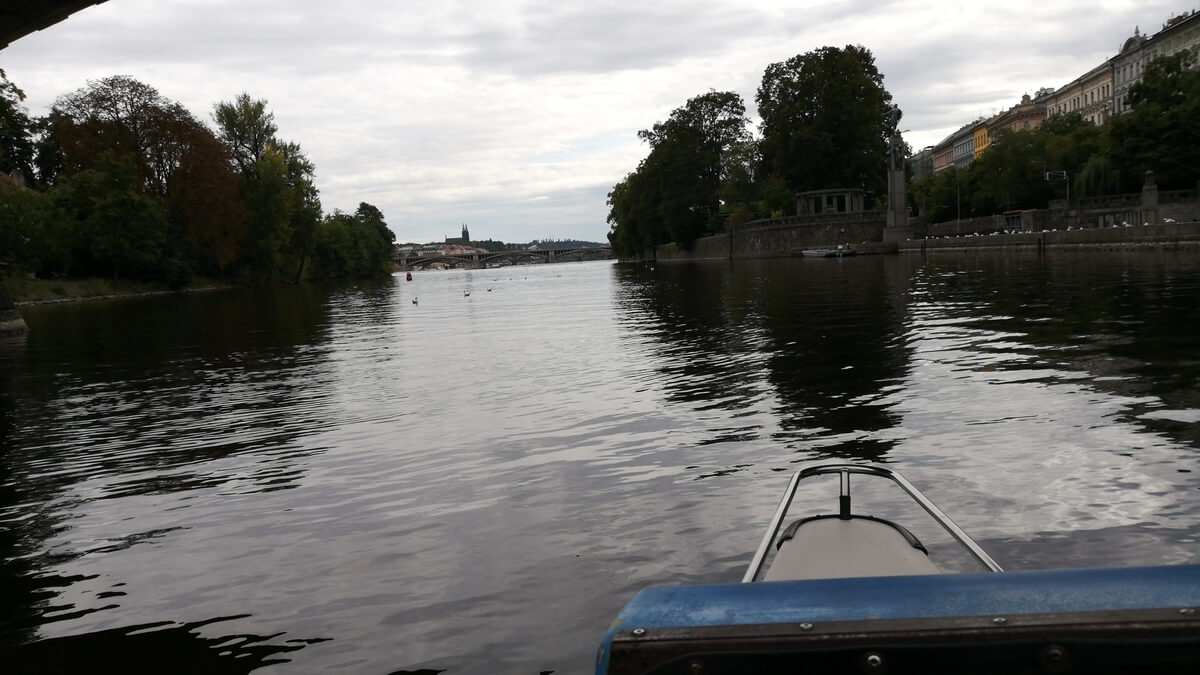
Vltava got its name from the old German word Wilt-ahwa – wild water, and that name first appeared in 1125.
There are several power stations on the river called the Vltava Cascade. The construction of this large construction project began in 1930, and was completed only sixty years later, in 1992.
Swimming in the Vltava is possible because the water is sufficiently clean. On a scale of 1 to 5, the quality of water in the Vltava is between 2 and 3, depending on the time of year and droughts. The average water temperature is from 8 to 10 degrees Celsius. The current in the Vltava also depends on floods, but is generally lower thanks to the system of cascade reservoirs, which can compensate for excess water during floods. Regardless, swimming in the Vltava is prohibited during floods and torrents.
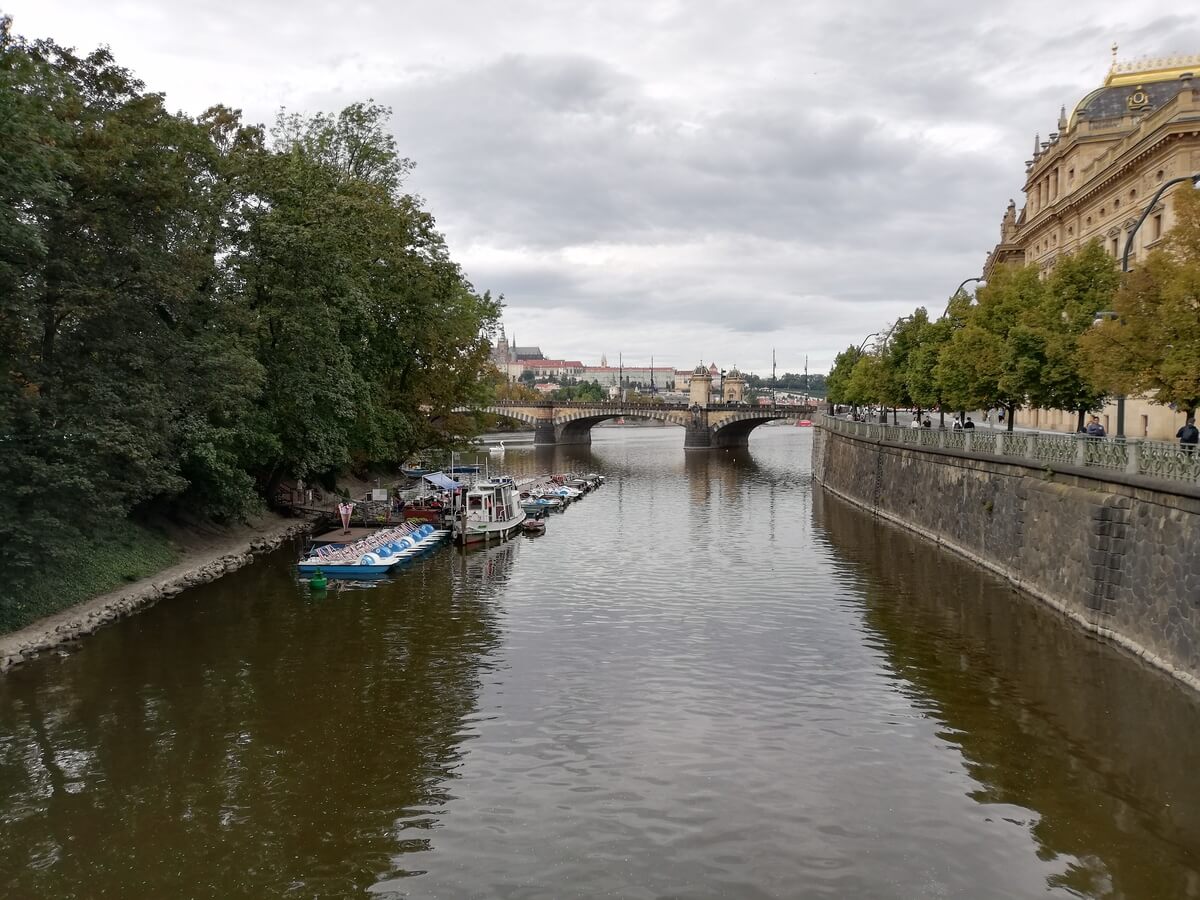
The Vltava has a specific color because it passes through the largest mud bog in the Czech Republic, also known as the Vltava Mead (it is the peat that gives the characteristic brown color to the water).

The Vltava River does not provide drinking water to the city of Prague, but it can if needed.
The maximum depth of the river is 7.2 m.
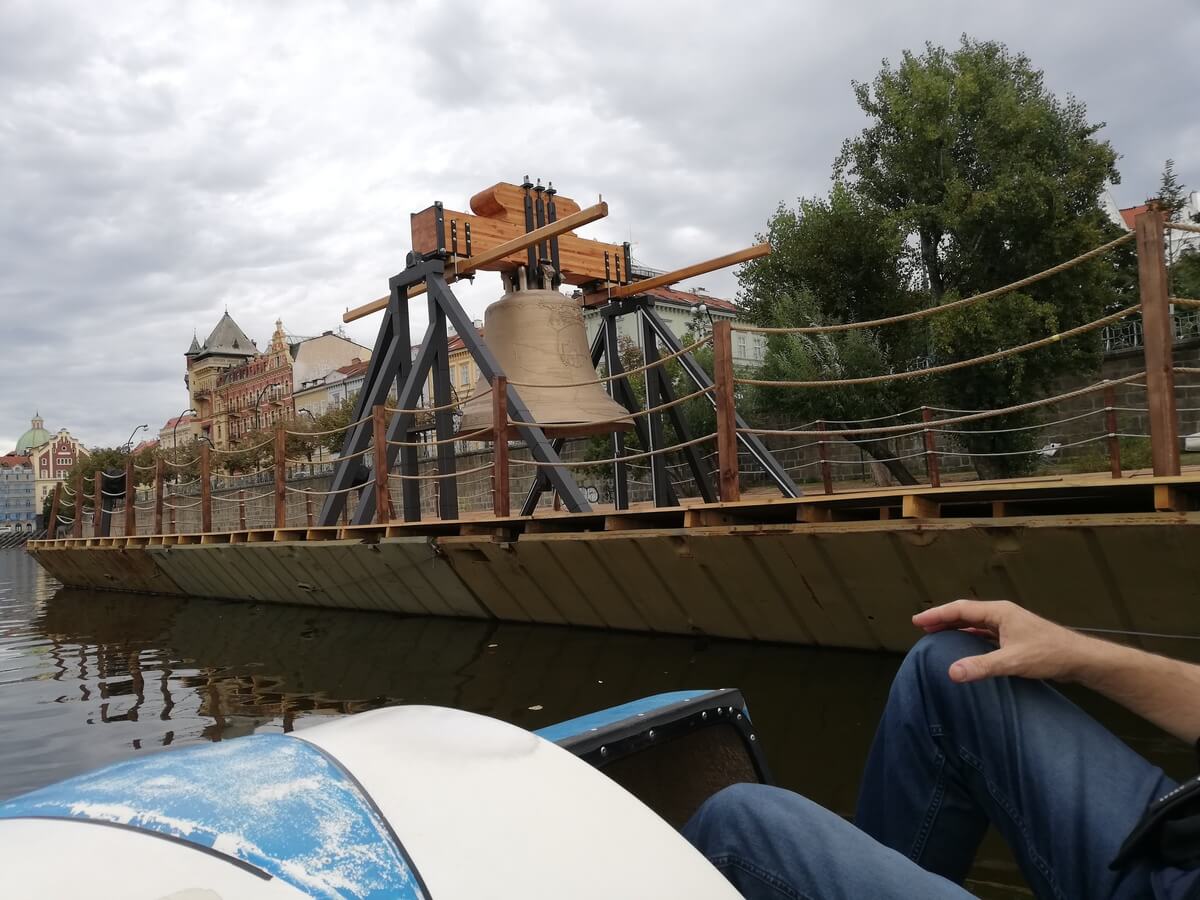
The legend of the Vltava
Like every corner of Prague, the Vltava is also associated with a legend. A mythical being, who lives under the water under the name of Vodnik, fell in love with a girl of Jewish origin from the coast.
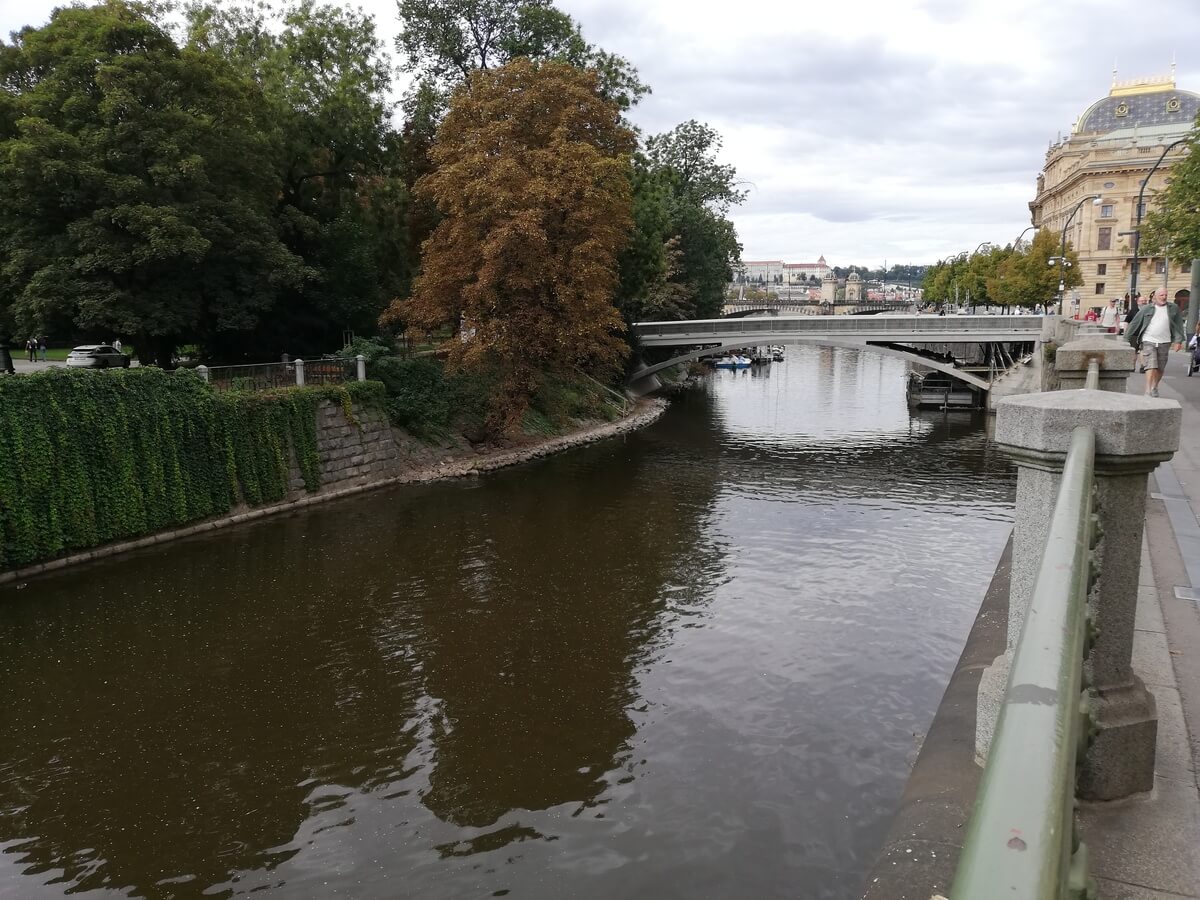
Her father did not approve of this relationship and arranged a wedding with a rich Jew. The girl did not agree with that and ran away with Vodnik. Her father searched for her for a long time but did not find her. Legend has it that the girl lives with her husband, Vodnik, at the bottom of the Vltava in a golden underwater castle. The legend says that sometimes she can be seen wandering the streets of Prague in the form of a black cat.
Unique buildings
As the river passes through Prague, on its banks there are numerous important buildings such as the National Theatre, the Dancing Building, the Liechtenstein Palace, the Rudolfinum, the Owl Mills, etc.
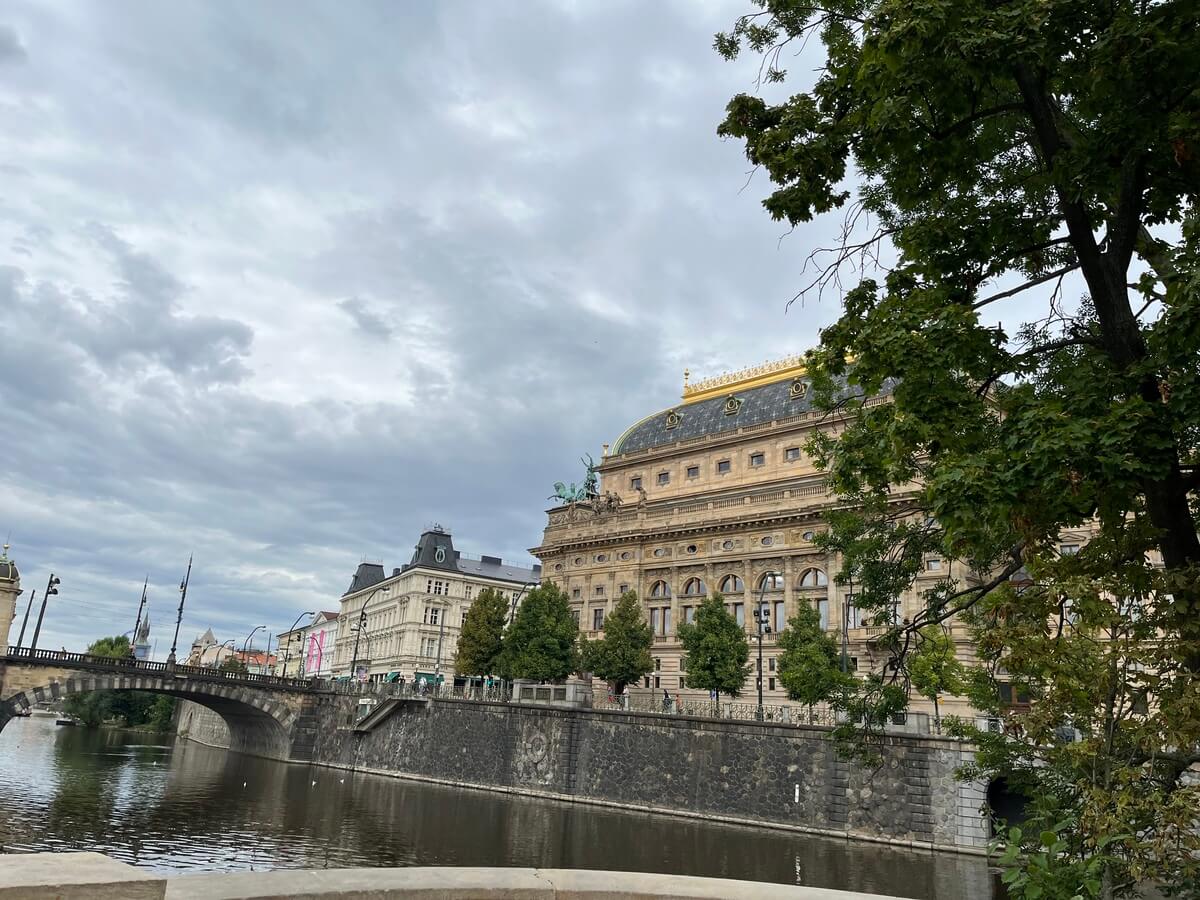
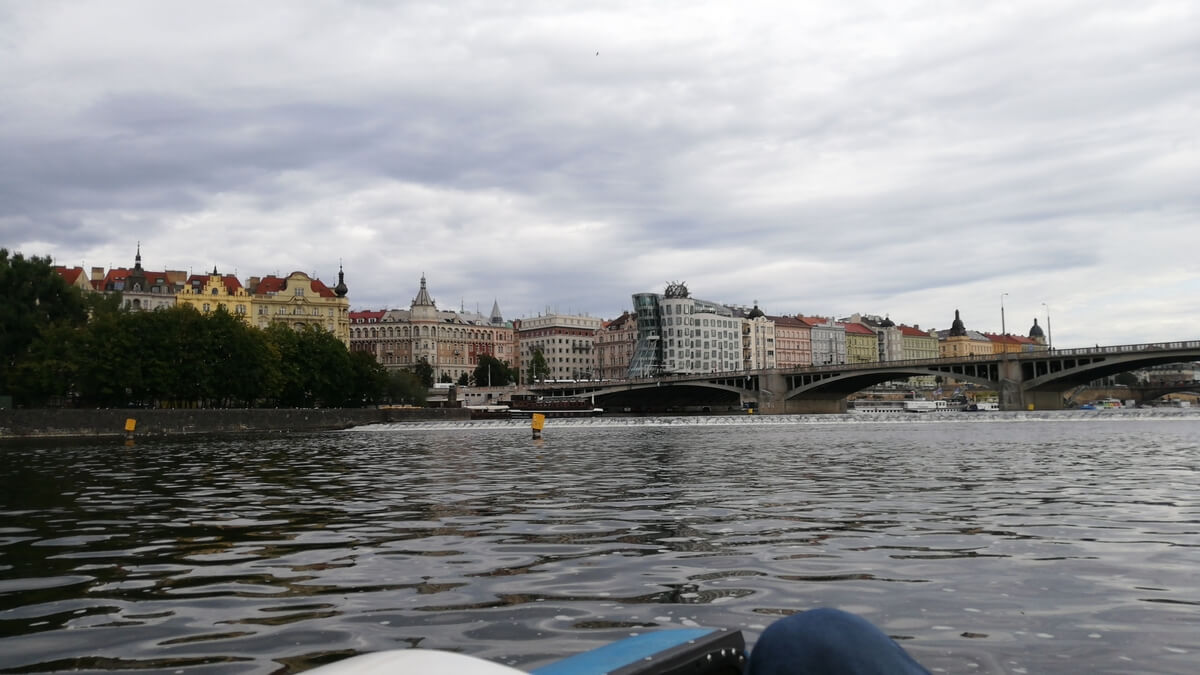
The entire coast is adorned with well-preserved buildings from past times.
Vltava River and floods
The Vltava is a rather unpredictable river and occasionally, as a result of heavy rains in Central Europe, it causes catastrophic floods. One of the biggest floods happened in 2002, when the water level rose by as much as 7 m. Many parts of the city were flooded, which were then rebuilt after a long time. There are markers throughout the city, which testify to how far the water rose. Since then, defensive barriers have been installed along 20 km of the coast through Prague, as well as 7 km of mobile barriers, which protect the historic center. Barriers can be activated in seconds and protect the city. Thanks to the floods, some parts of the city are more beautiful than they were.
Animals on the Vltava
There are 22 species of ducks in the Czech Republic, and a large number of them can also be found on the Vltava in Prague.
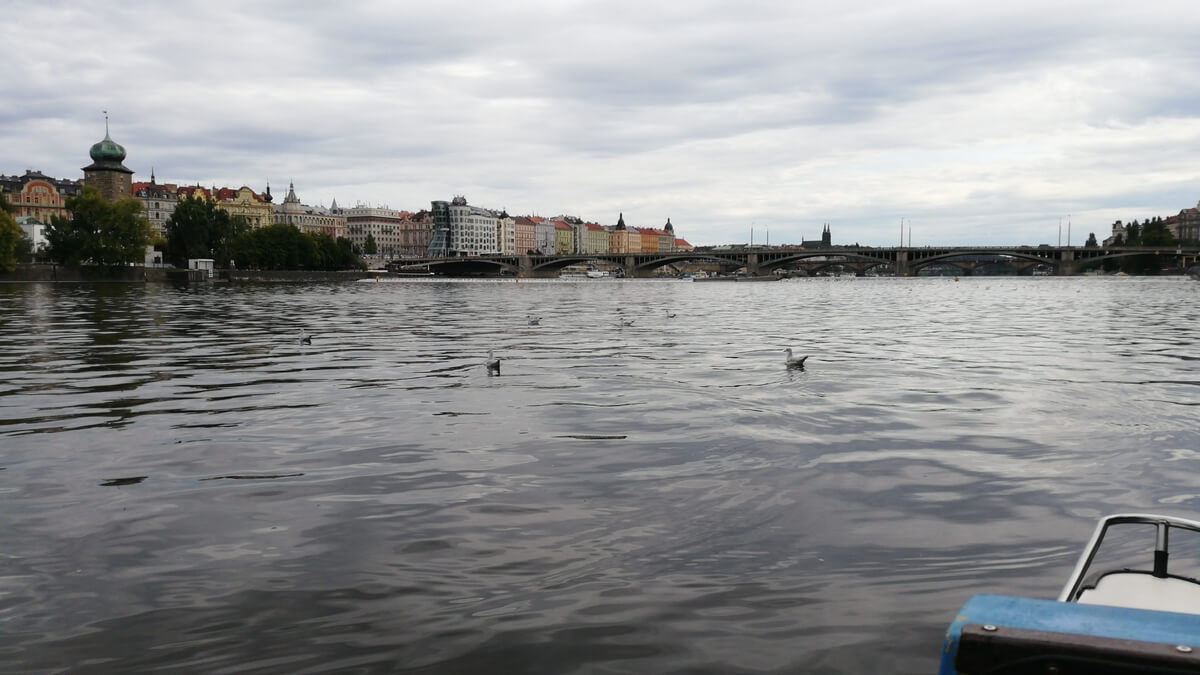
They are quite tame and you can feed them.
The first swans appeared on the Vltava about 50 years ago. In 1970, there were only 160 of them, and today their number is over 1,000.
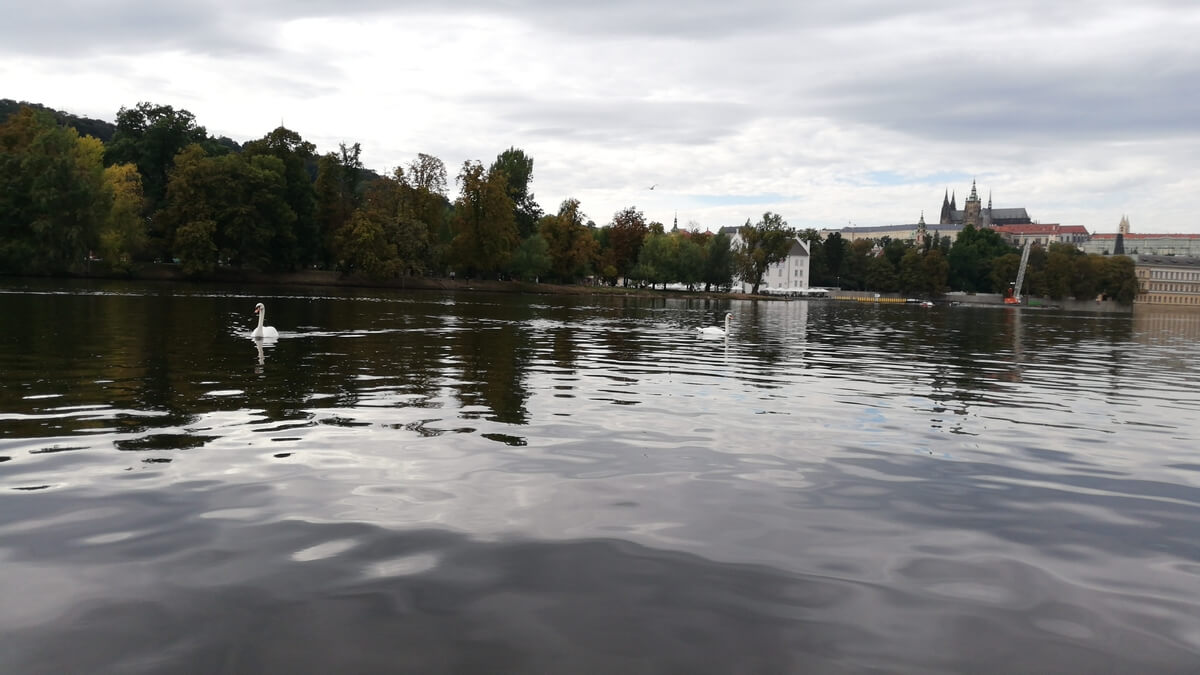
You can feed the swans, but not with bread. Bird feed, lettuce, corn, carrots, potato skins are good meals for them. If you don’t have any of these, there are pellets specially made for swans and ducks in the nearby pet shops. Swans gather for feeding in the morning and in the evening at places well known to the locals.
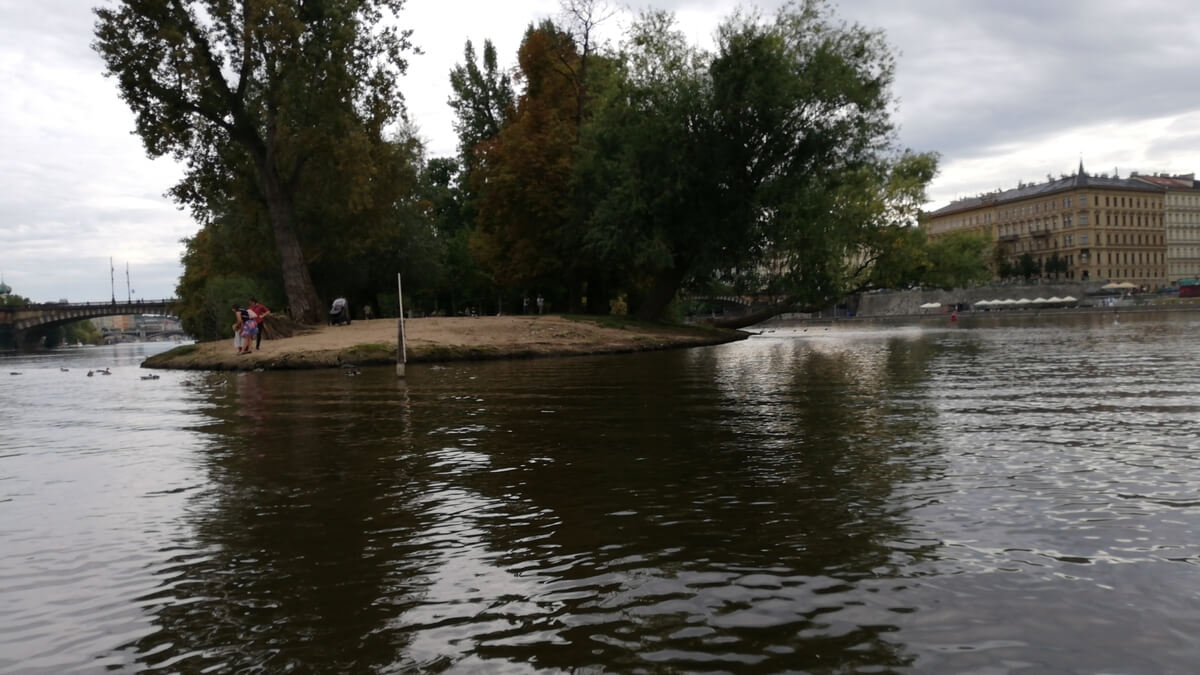
On the Vltava and the islands, you can also see nutria, rodents, which are often mistaken for beavers.
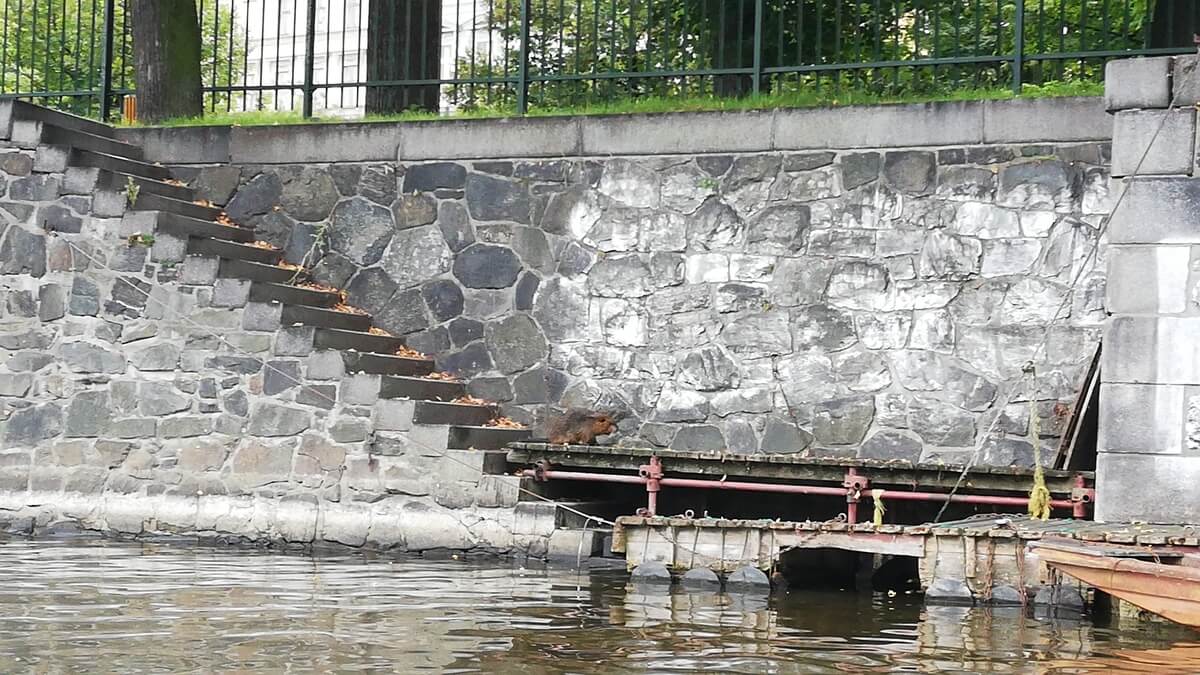
Although they look cute, they can be carriers of numerous infectious diseases. Unlike the beaver, which is considered a domestic animal in the Czech Republic, nutria were brought from South America when investors brought them in large numbers for fur and food.
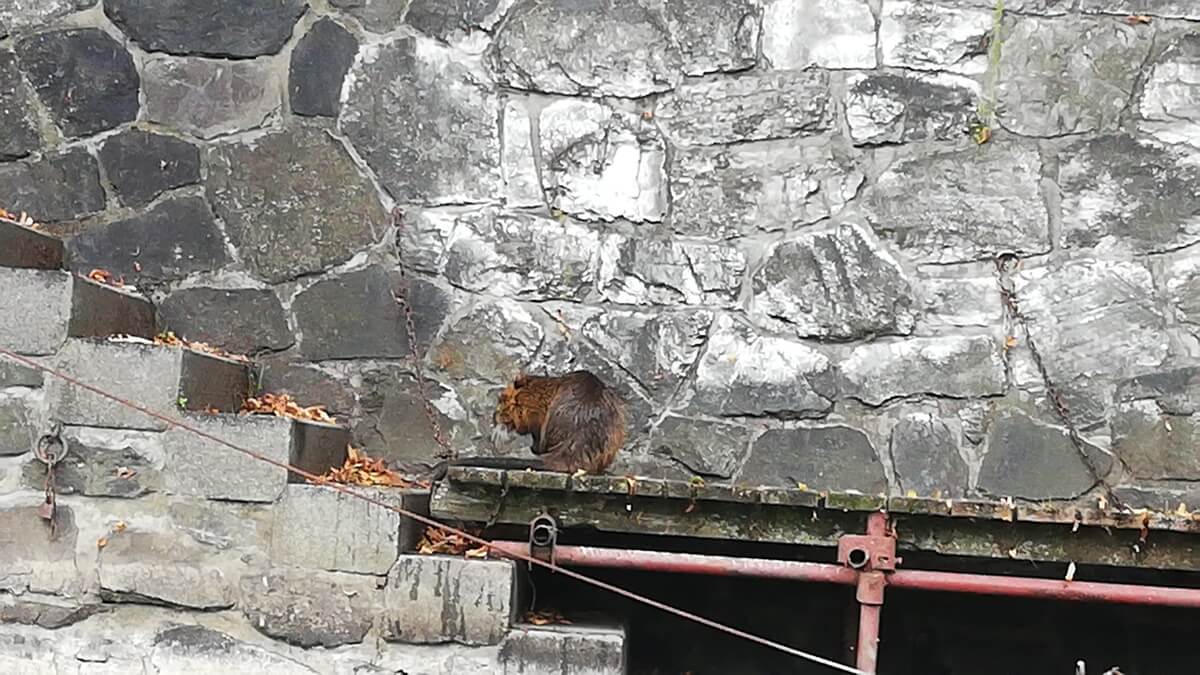
Since their calculations failed, they set the animals free. In 1929, one of the specimens was observed in the United Kingdom, and already in 1950, they were observed in Czechoslovakia. Since they have no natural enemies, they multiplied very quickly. They eat the same as the local population, have very sharp teeth and it is not recommended to feed them. The city occasionally hunts them and donates the caught animals to the Zoo for food, thus trying to control their numbers.
Bridges of the Vltava
The most famous bridge over the Vltava is certainly the Charles Bridge built in the 14th century.
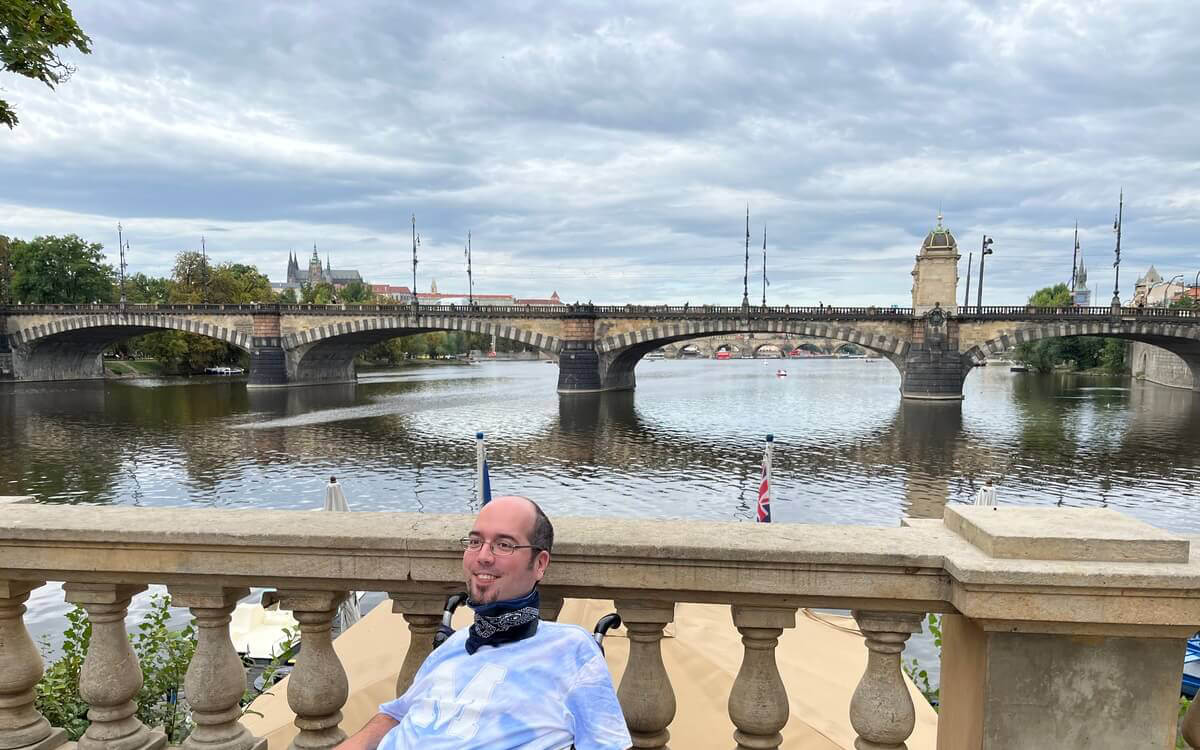
The other seventeen bridges, which connect the coasts, were named after important personalities. 4 bridges are railway and 3 are pedestrian bridges.
Ferries and the Vltava River
Prague boats are a great way to get to know Prague from the water. If there is no boat, a pedal boat is also good. Of course without me.
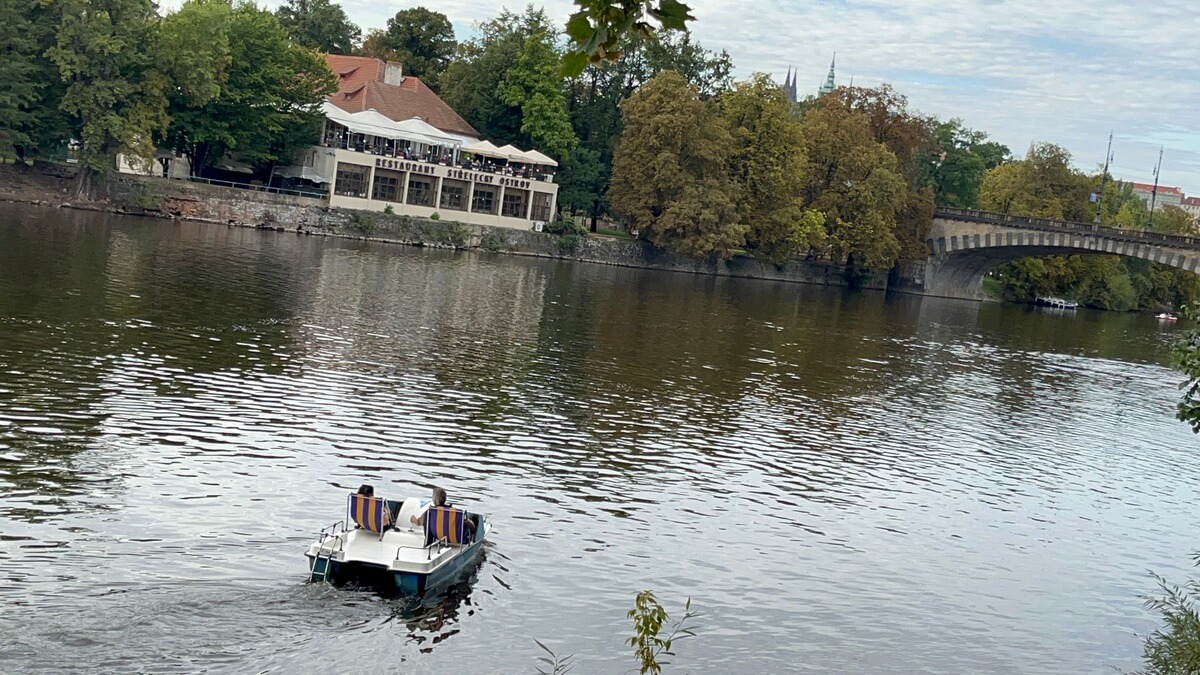
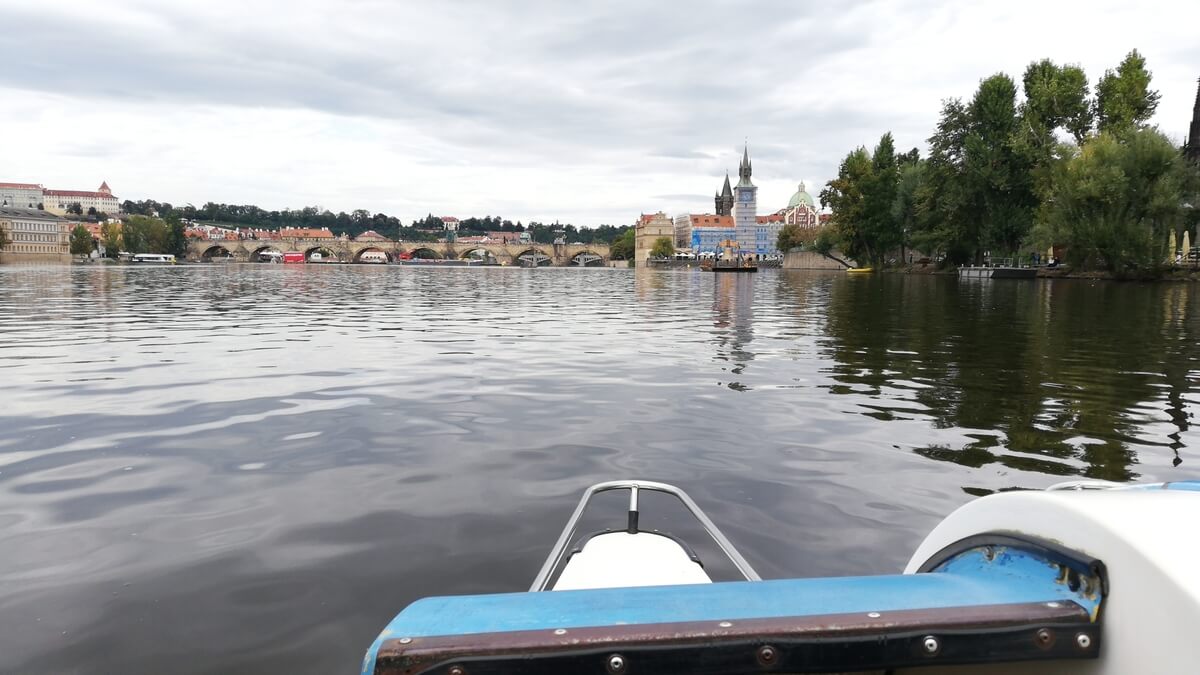
Even if it was wheelchair accessible I wouldn’t dare climb it. I stick to land whenever I can.
Vltava as an inspiration
The Vltava also served as an inspiration to many painters. It is believed that there are over 1000 paintings in which this river appears.
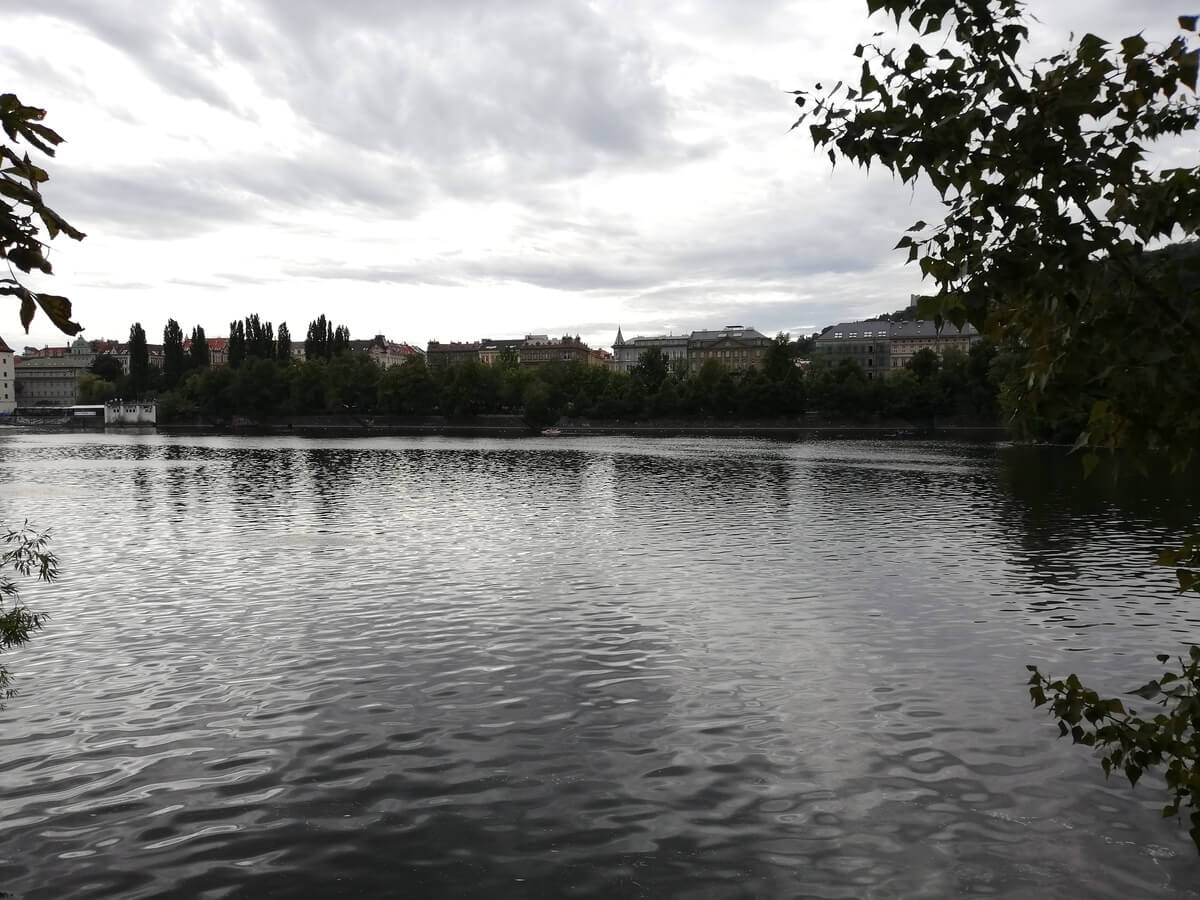
The most famous work of the Czech composer Bedrho Smetana is dedicated to this river. A cycle of six symphonic poems titled “My Homeland” describes the life, history and legends of the Bohemian Empire.
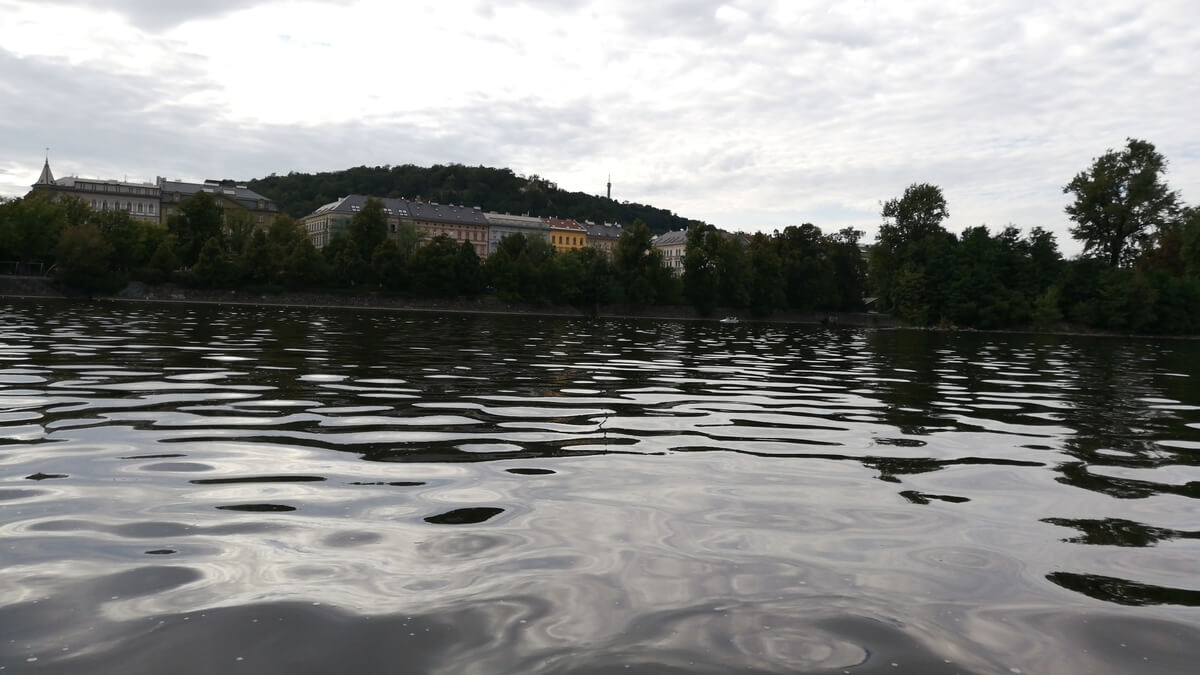
The second poem is the most famous and most frequently performed. It describes the Vltava River along its entire length. It starts calmly from the source, then travels through forests and meadows and slowly reaches its climax at the moment when it passes through Visehrad and enters Prague. After that, the rhythm slows down and follows the Vltava to its confluence with the Elbe River. Whenever I listen to this piece I feel like dancing.
Historical buildings on the river
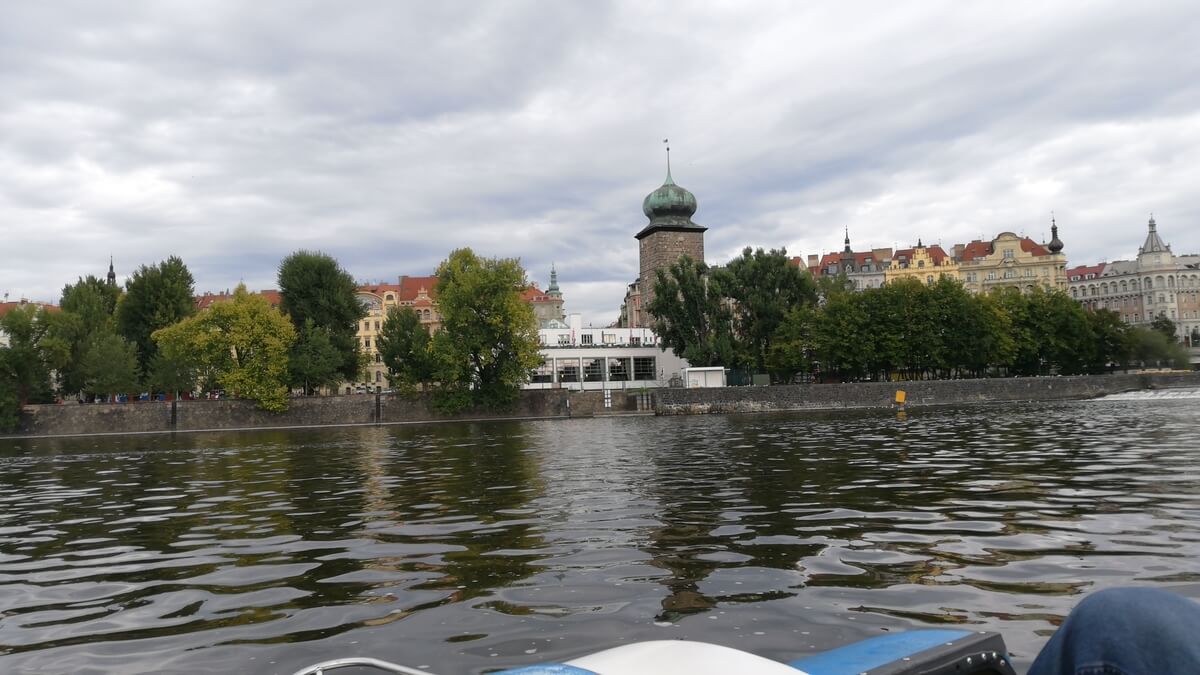
Some of the important buildings are best seen from the river. One of them is a complex called Sovini mlinovi, which are located on the left side of the river.

They were mentioned for the first time in 1393. They were built by the merchant Vaclav Sova, after whom they got their name. Mills didn’t always look like this. The first ones were built in the Gothic style, and later they were renovated in the Renaissance style. Later, they change owners, who upgrade them to steam-powered mills. Over time, the mills changed owners and uses, and today you can find an art gallery here with current settings.
Also, from the Vltava you can see the famous Zofin Palace, which is hidden in the greenery but can be seen clearly from the water.
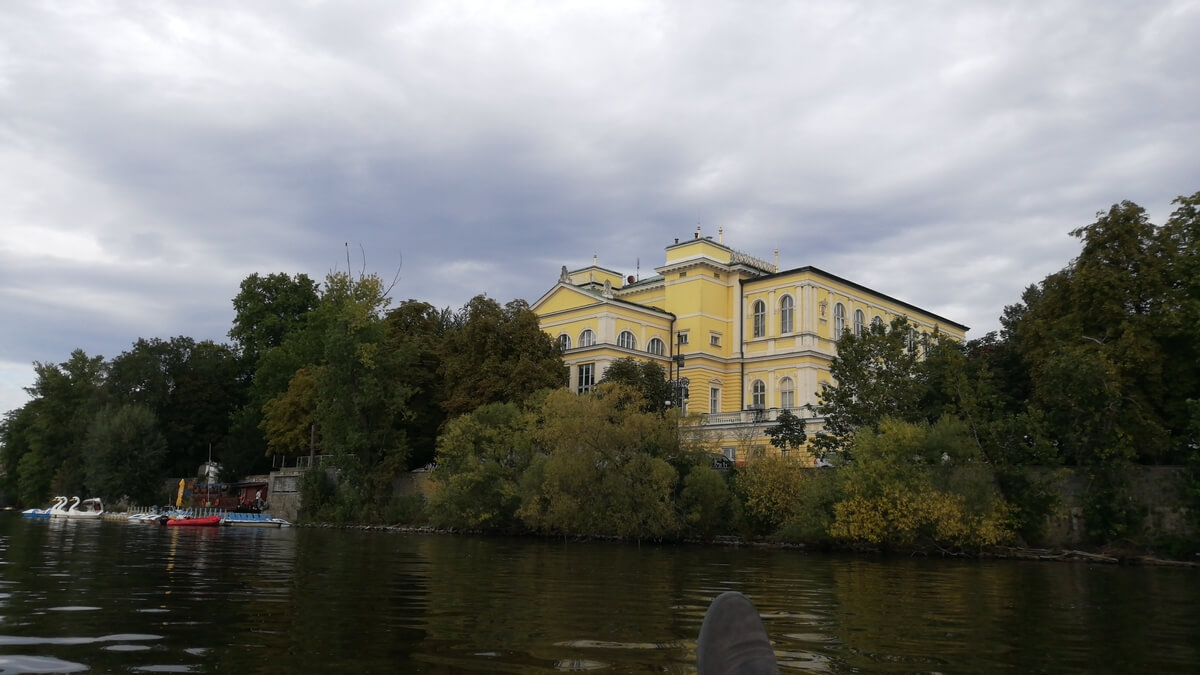
It is part of the Slavic Islands and represents the center of the cultural life of Prague.
A place for leisure
If you have free time, spend it on the river. Whether you’re walking, running, cycling or just feeding the ducks and wondering why Hungary doesn’t have a sea, the river is the best place for everything.

But if you want to fish in the Vltava you will need a permit. Vltava is still not occupied by tourists and if you want to feel like a local, I recommend you to come to its shores.
Conclusion
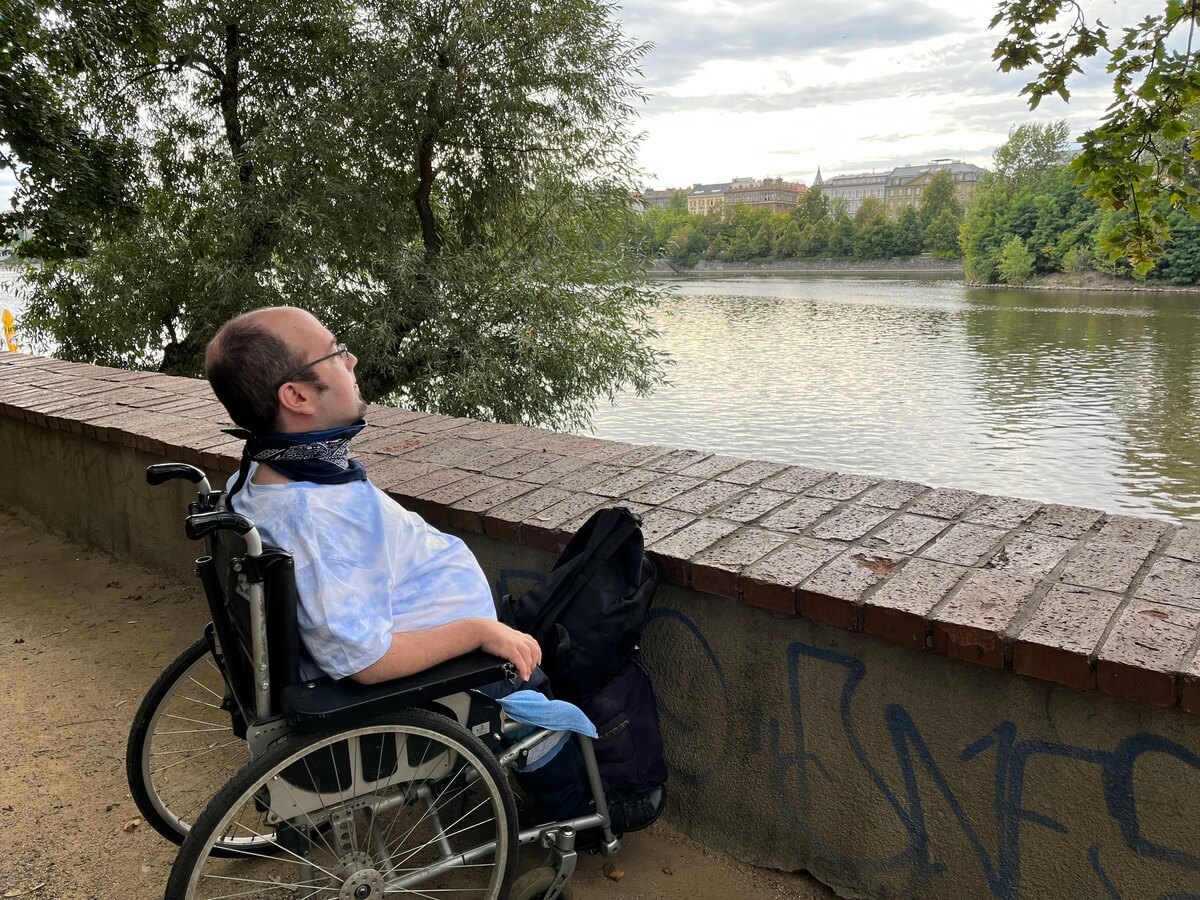
Although I didn’t get wet in the Vltava, I walked the length and breadth of its banks with Smetana’s music playing in my ears. Vltava was very calm and hospitable that day. It was one of those perfect days.
Have you visited the Vltava river?
Did I miss something?
Traveled and enjoyed,
Marko Veličković