
The Military Museum in Vienna, known as the Heeresgeschichtliches Museum, is one of the most important historical museums in Austria and Central Europe…
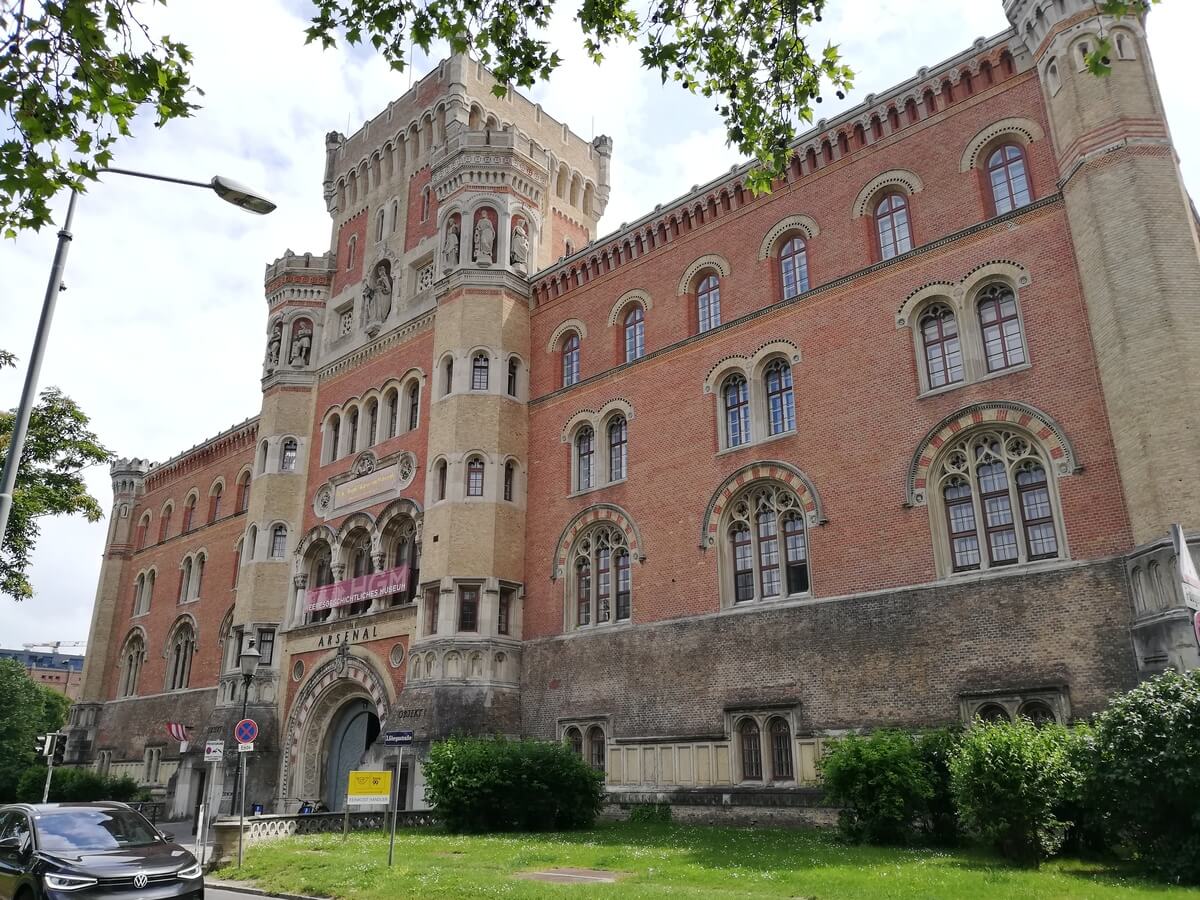
It is located within the large military complex of the Arsenal in Vienna and dates back to the 19th century (the building was completed in 1856, while the museum itself was later developed and expanded).
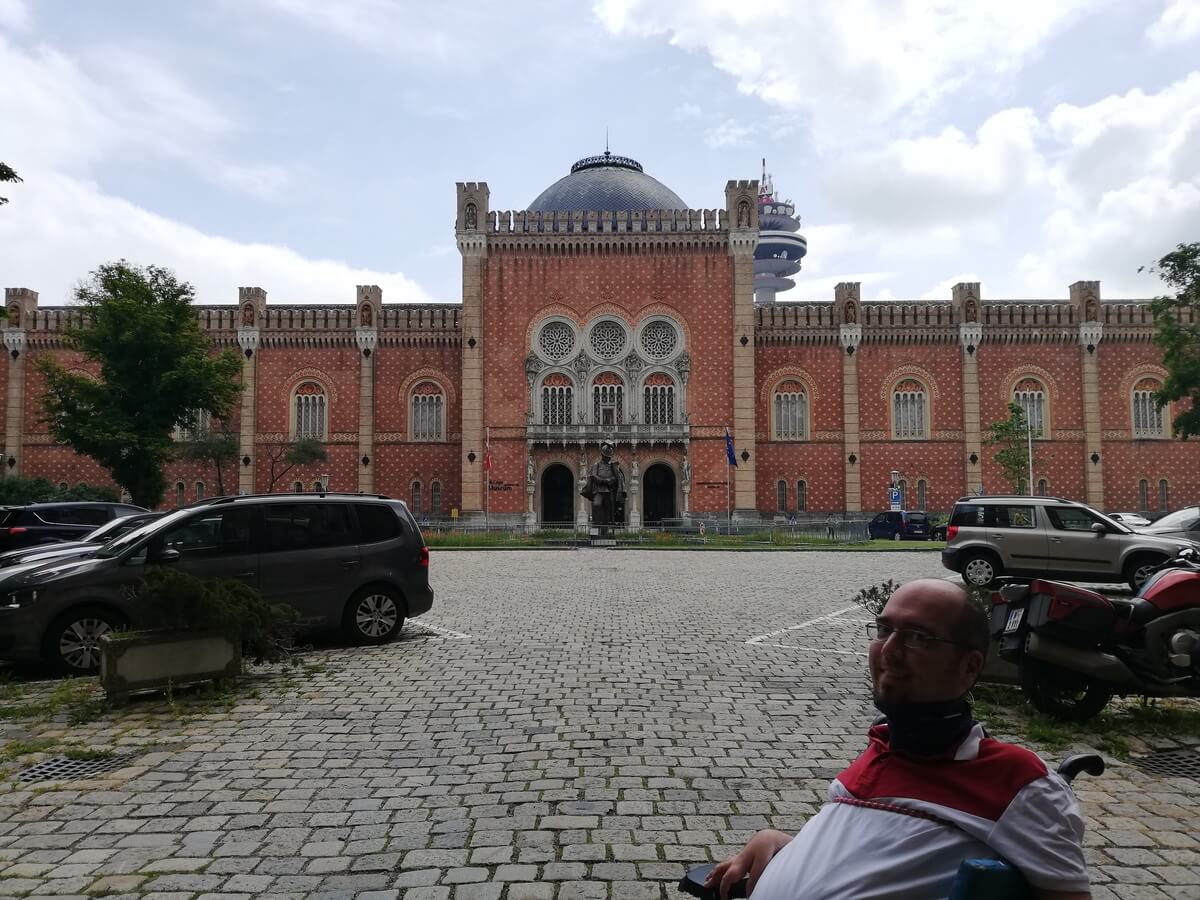
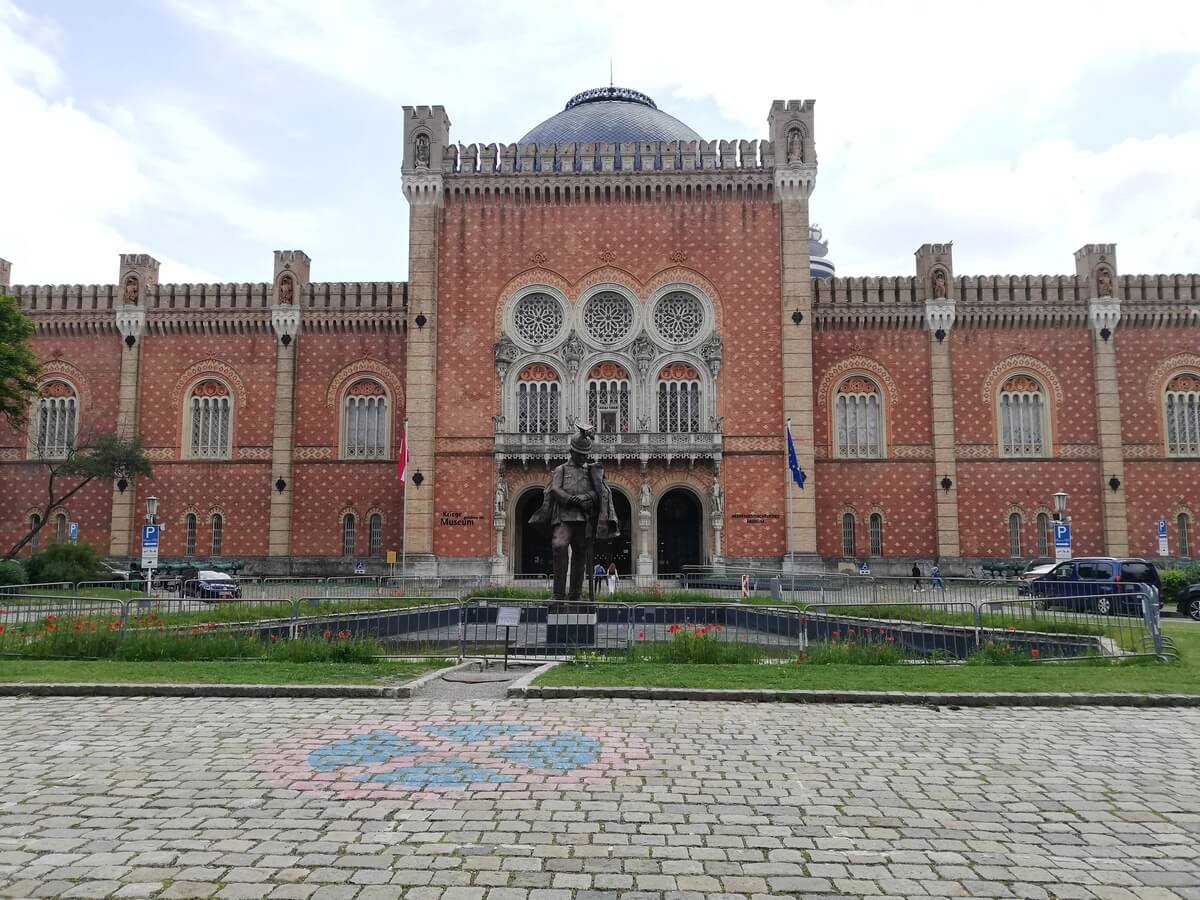
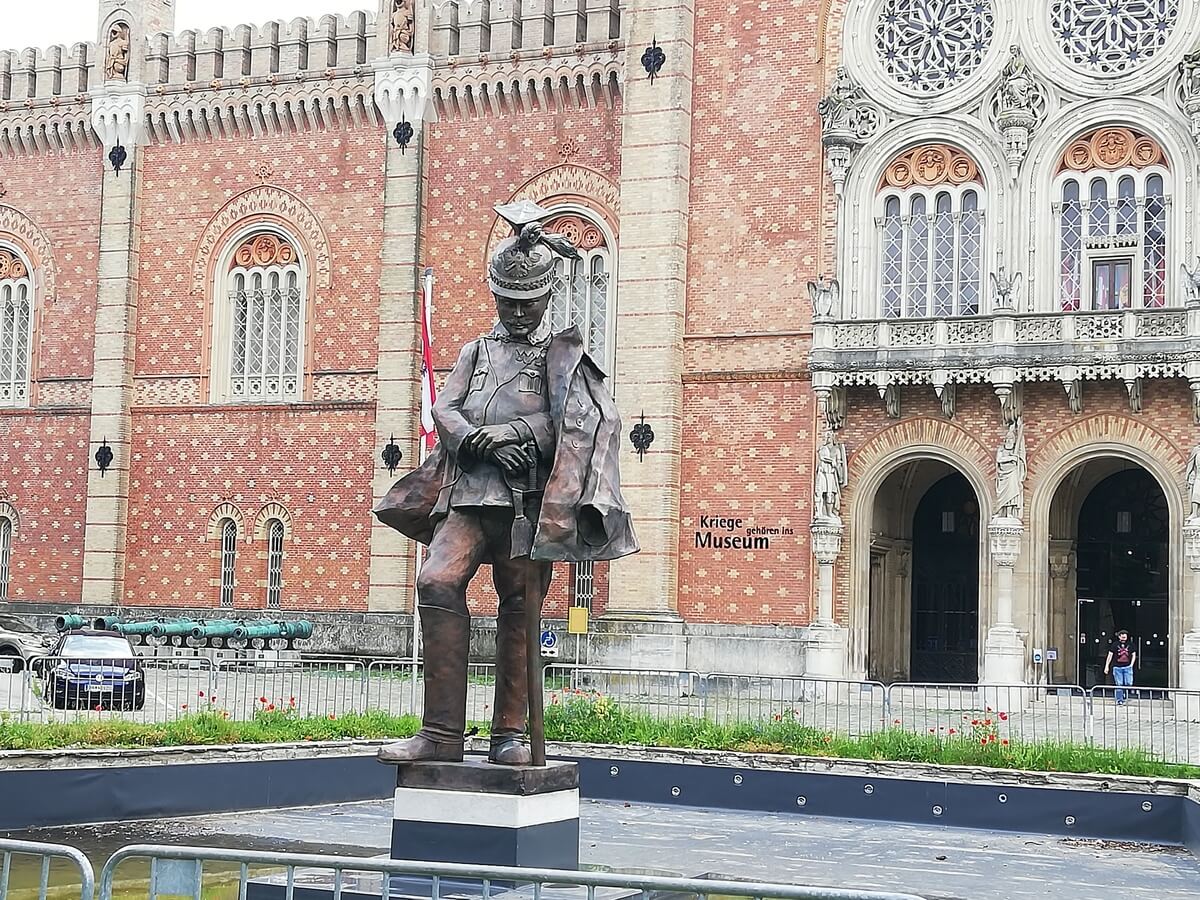
Interestingly, it is the oldest purpose-built museum building in Austria.
Hall of Generals
Right at the entrance, you are welcomed by a magnificent hall with 12 columns, decorated on all sides with marble statues.
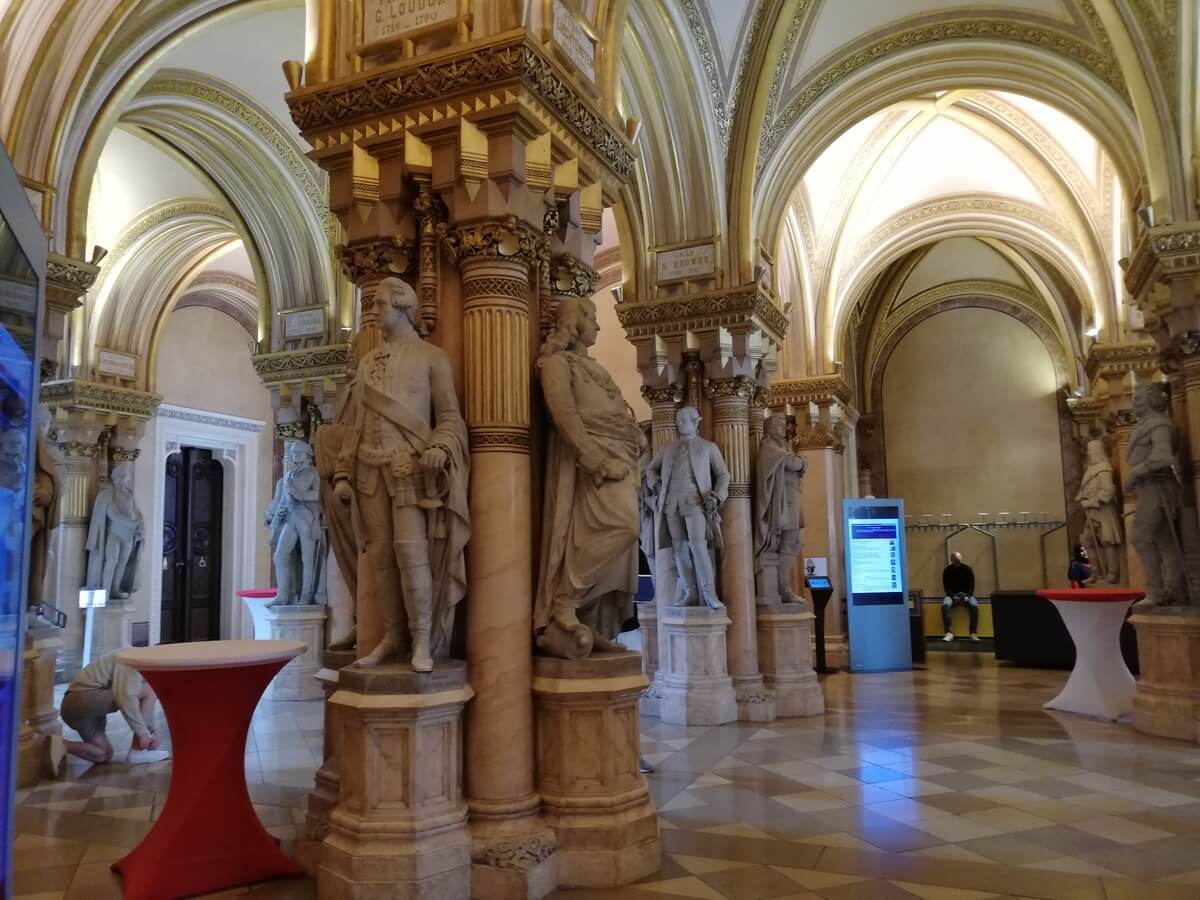
Each statue represents a well-known military figure from nearly a thousand years of Habsburg history.
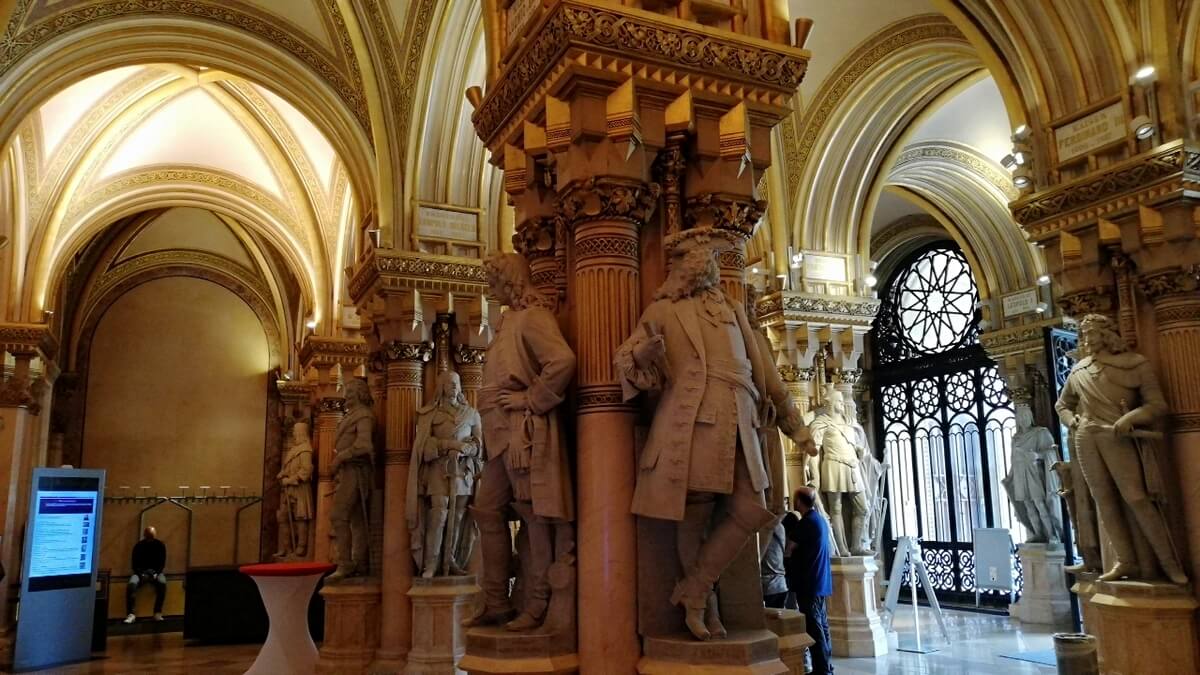
For example, you can recognize Archduke Charles, who inflicted Napoleon’s first defeat. The fact that Napoleon soon returned the favor doesn’t really count, there’s also a monument to this duke at Heldenplatz next to the Hofburg.

Prince Eugene of Savoy, who greatly contributed to Vienna through his battles against the Ottomans, Italians, and others, is also featured in this hall.
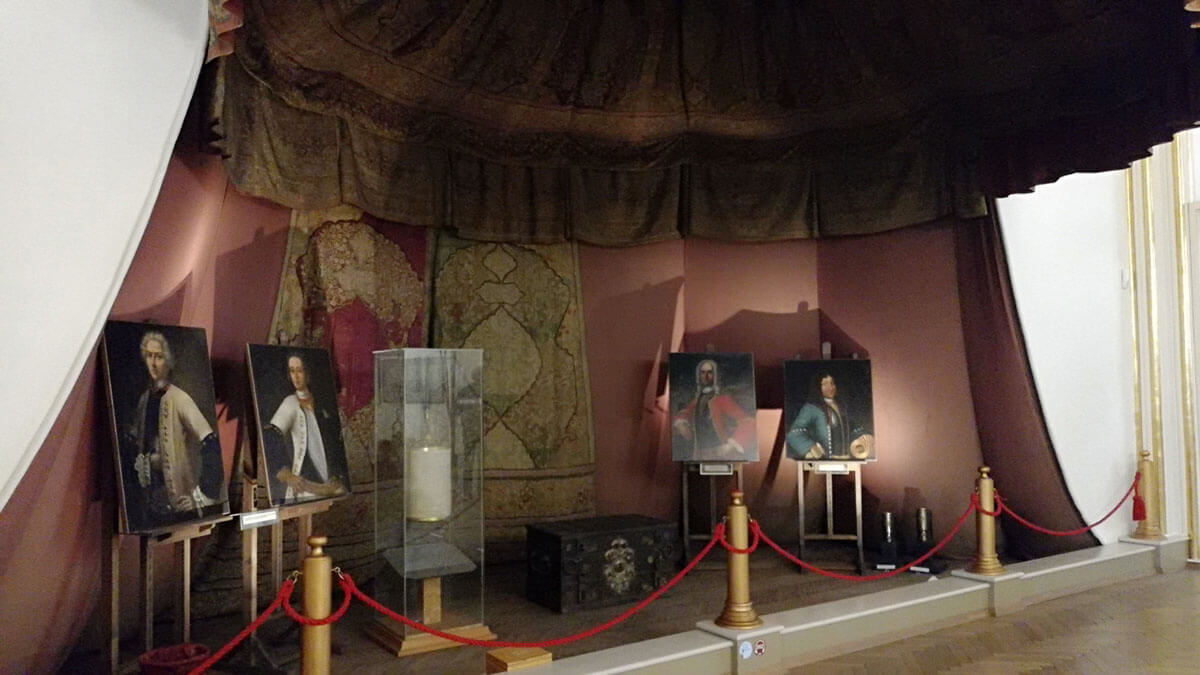
His residence, Belvedere, says even more about this exceptional military leader, who was originally destined for a church career until the age of 19, when he changed direction and joined the army.
Sometimes, it’s okay not to listen to your parents.
Hall of Fame
If you were impressed by the previous hall, the next one will leave you breathless.
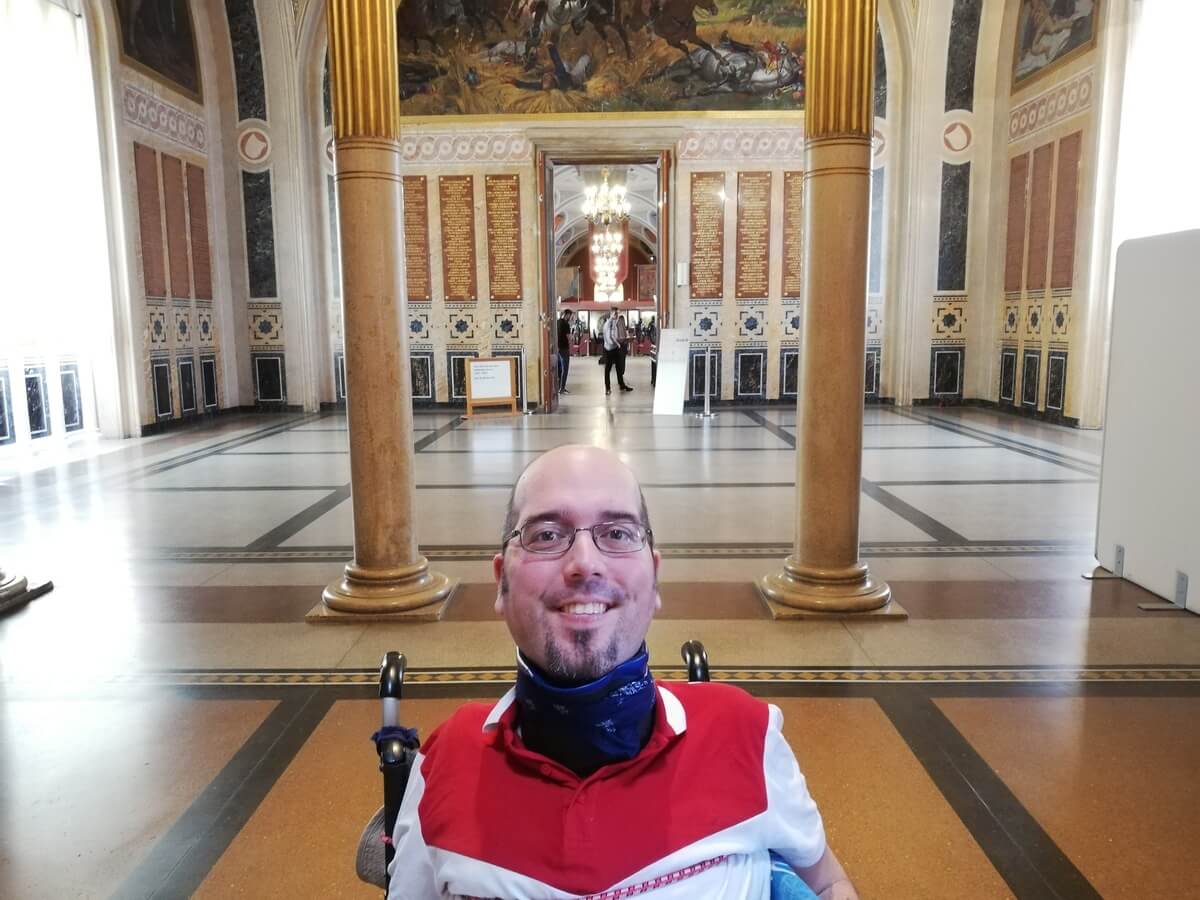
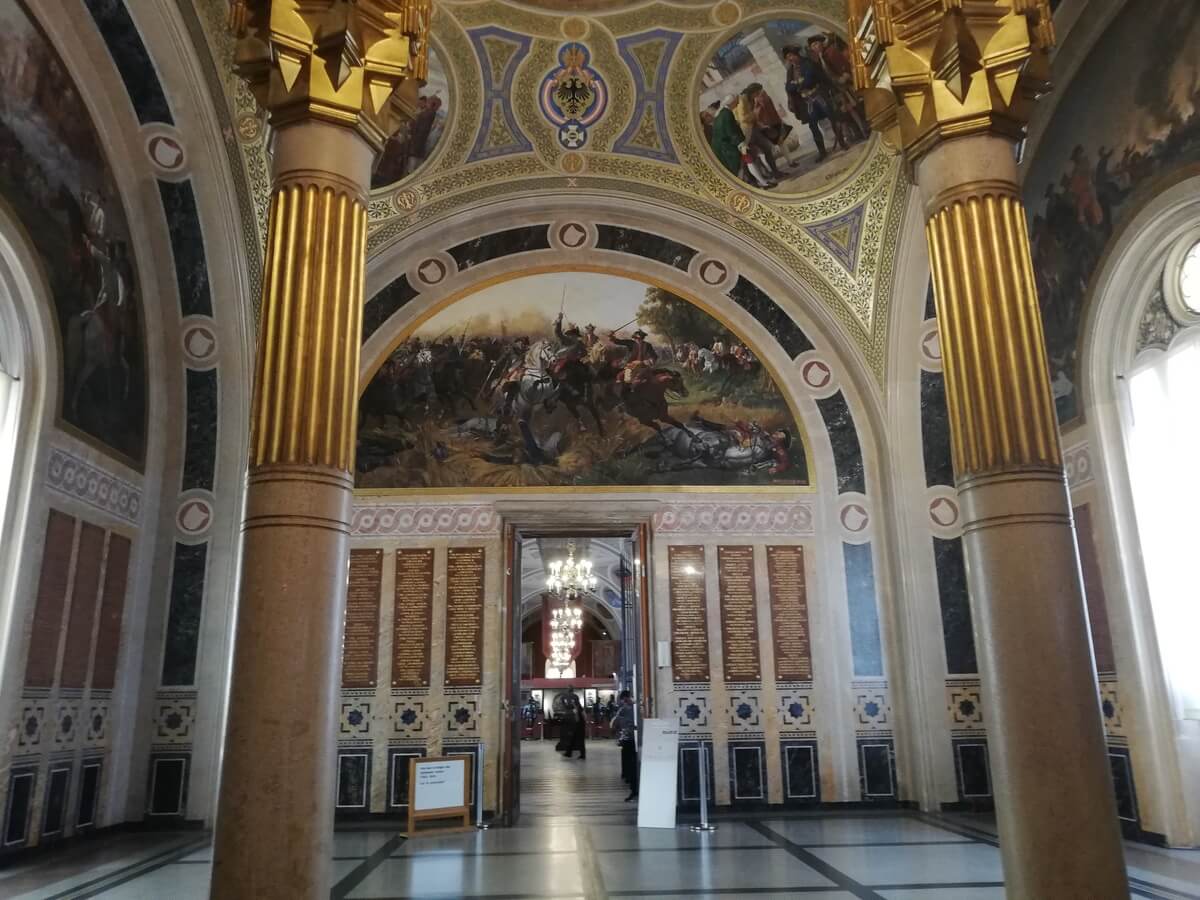
Three grand halls with a massive central marble dome.
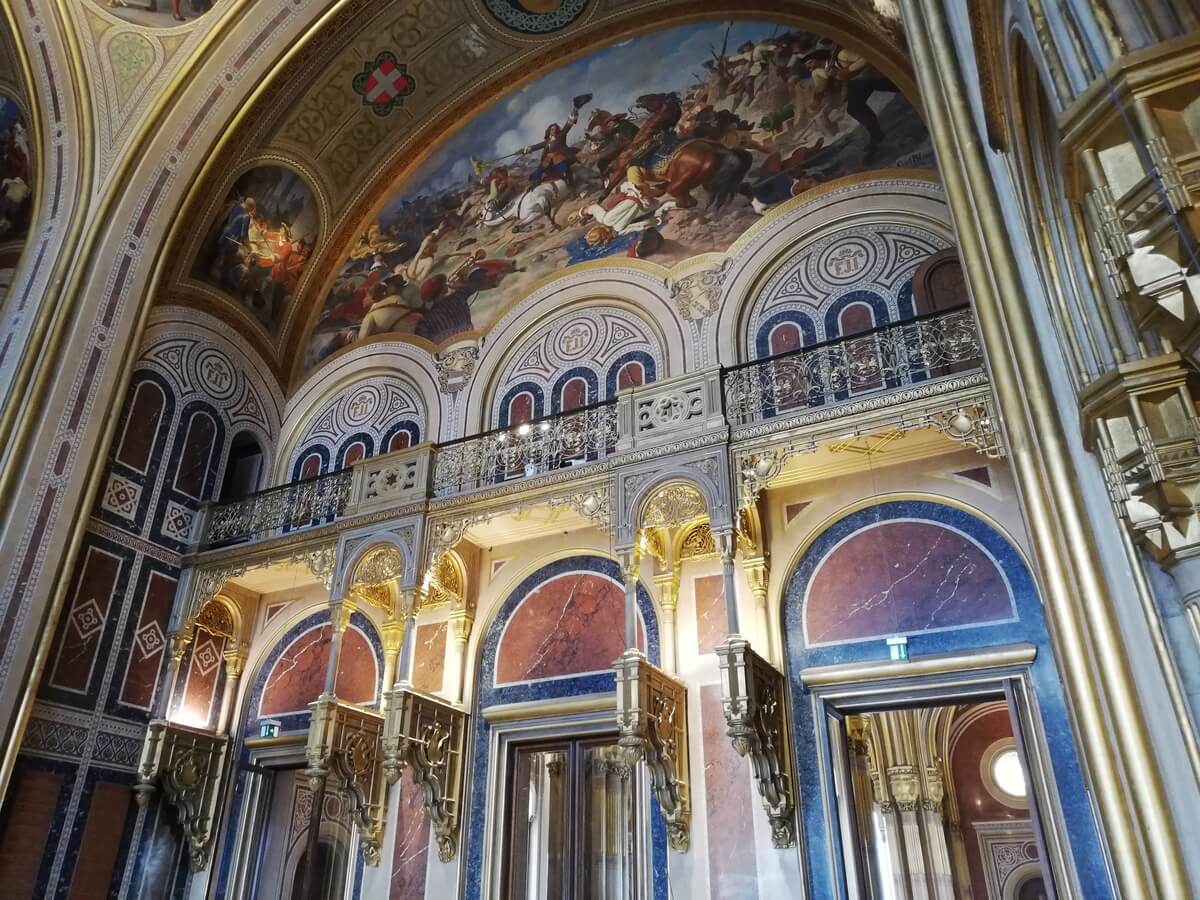
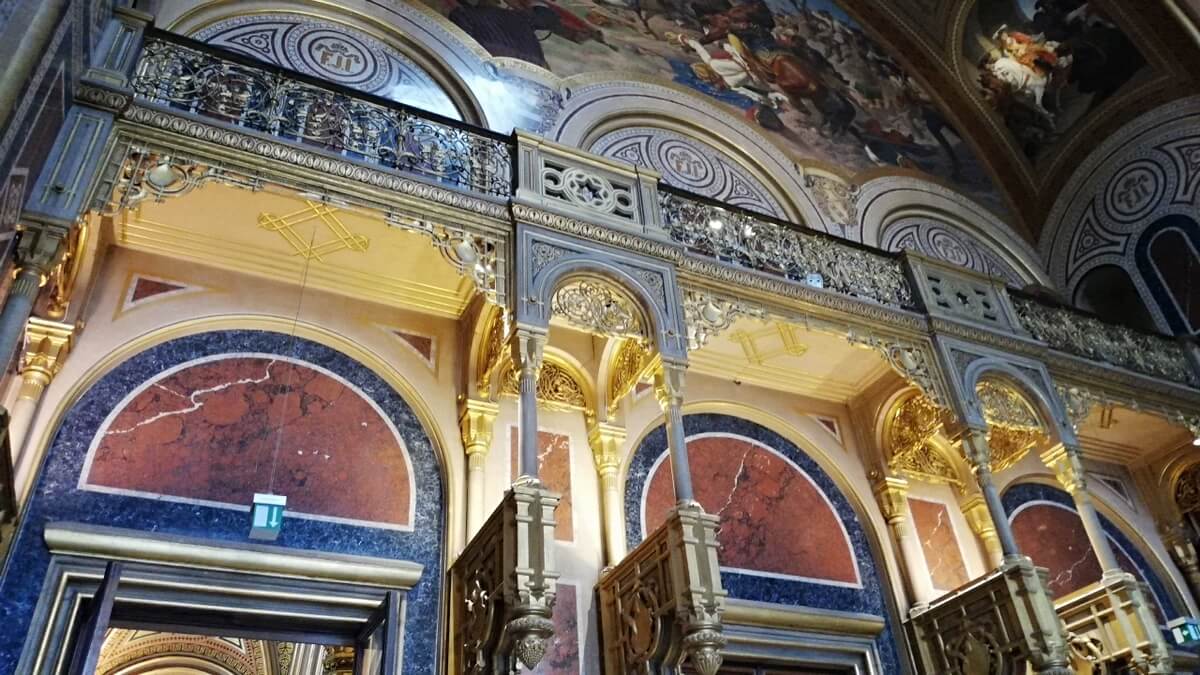
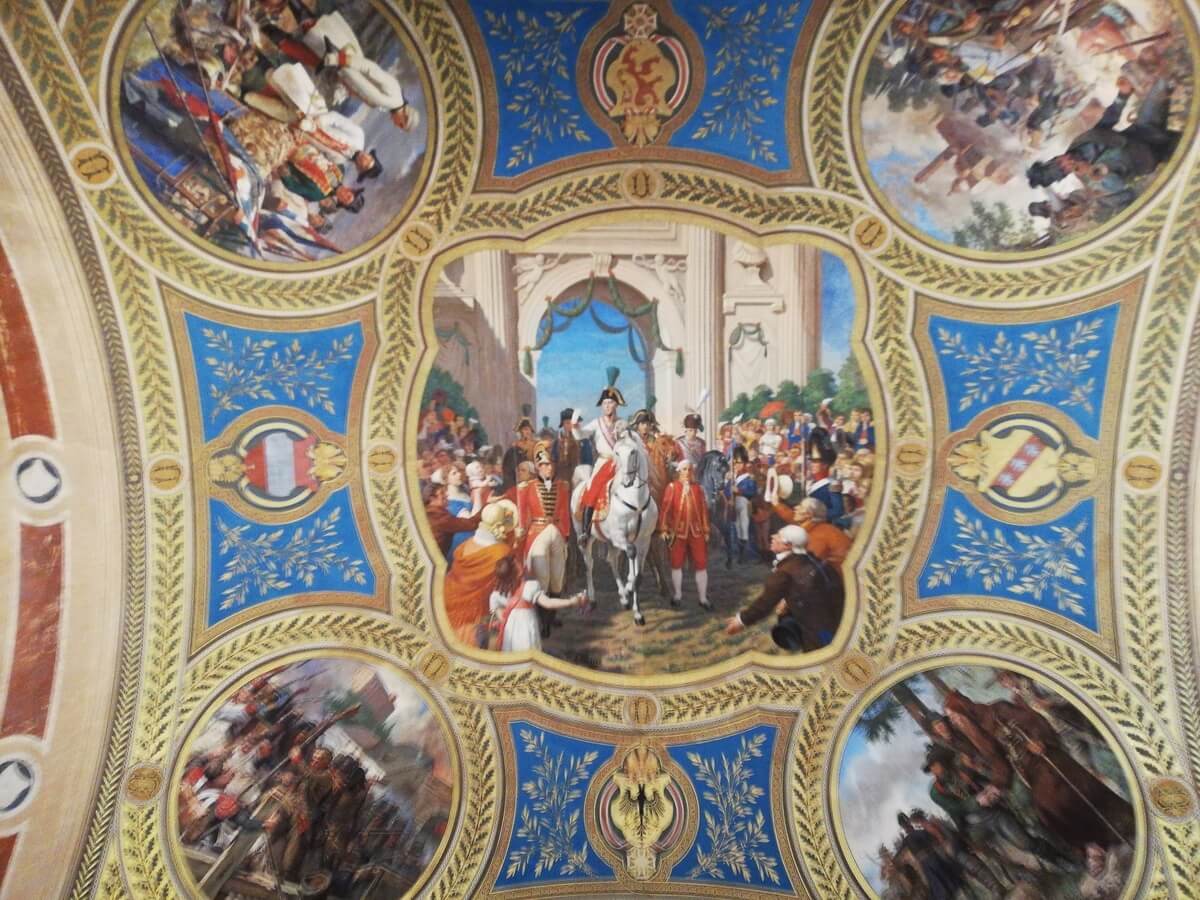
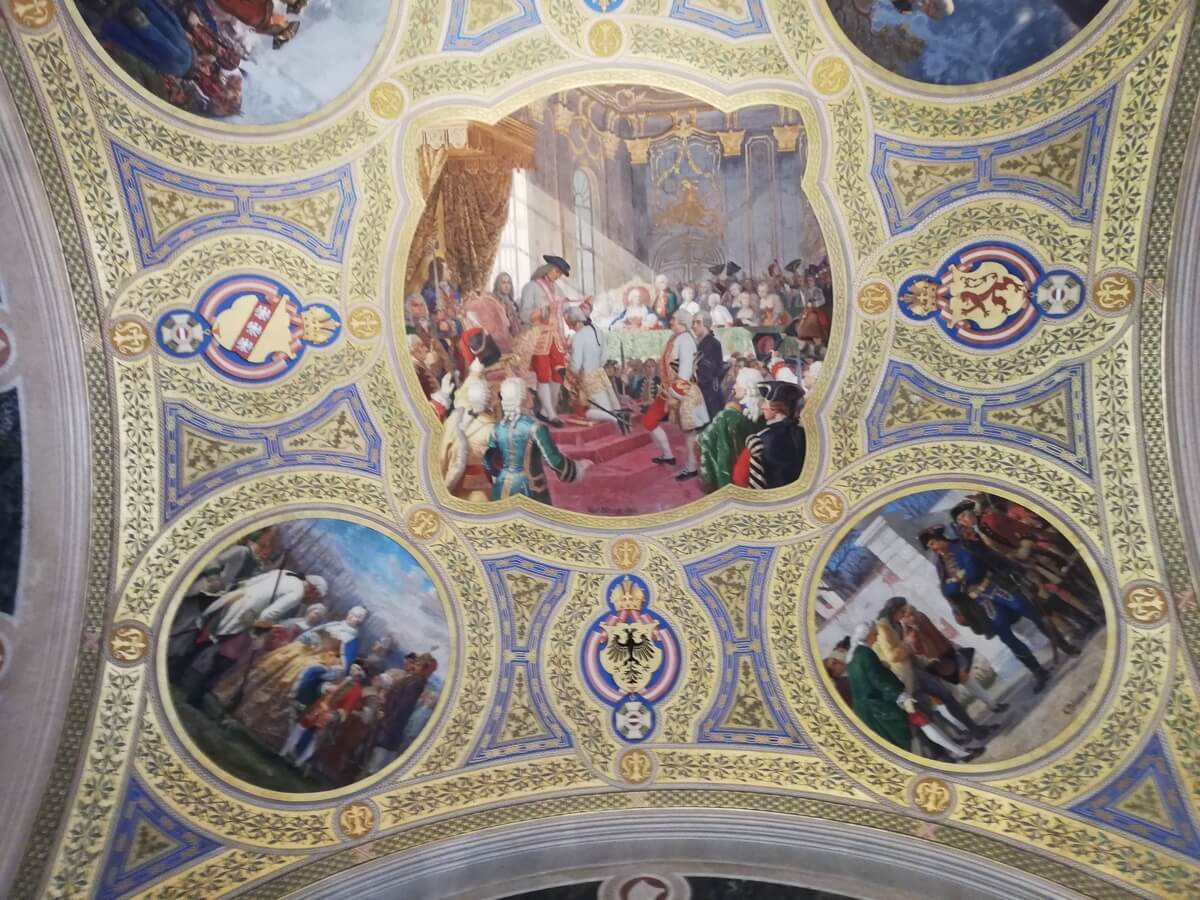
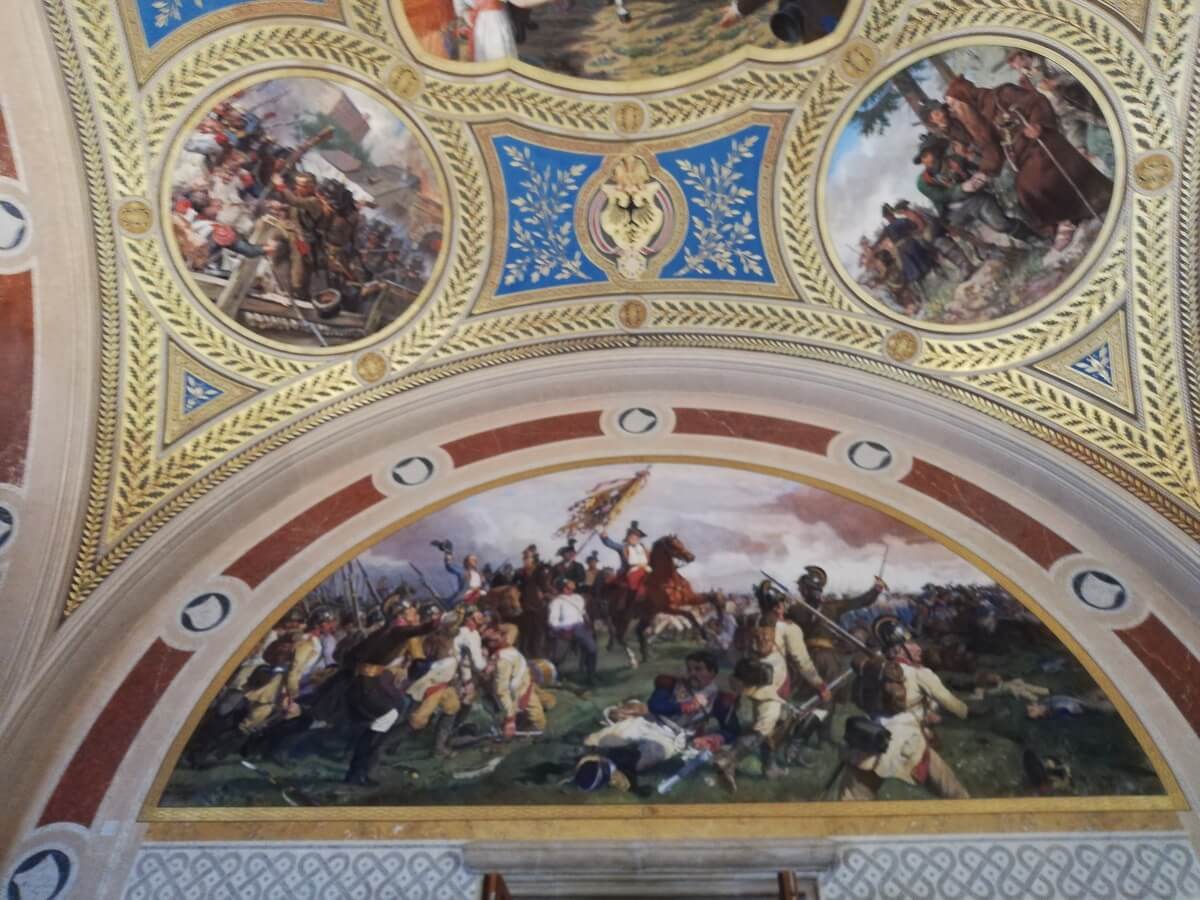
This part of the museum makes it hard to take your eyes off the ceiling, where 45 frescoes by Karl von Blaas await.
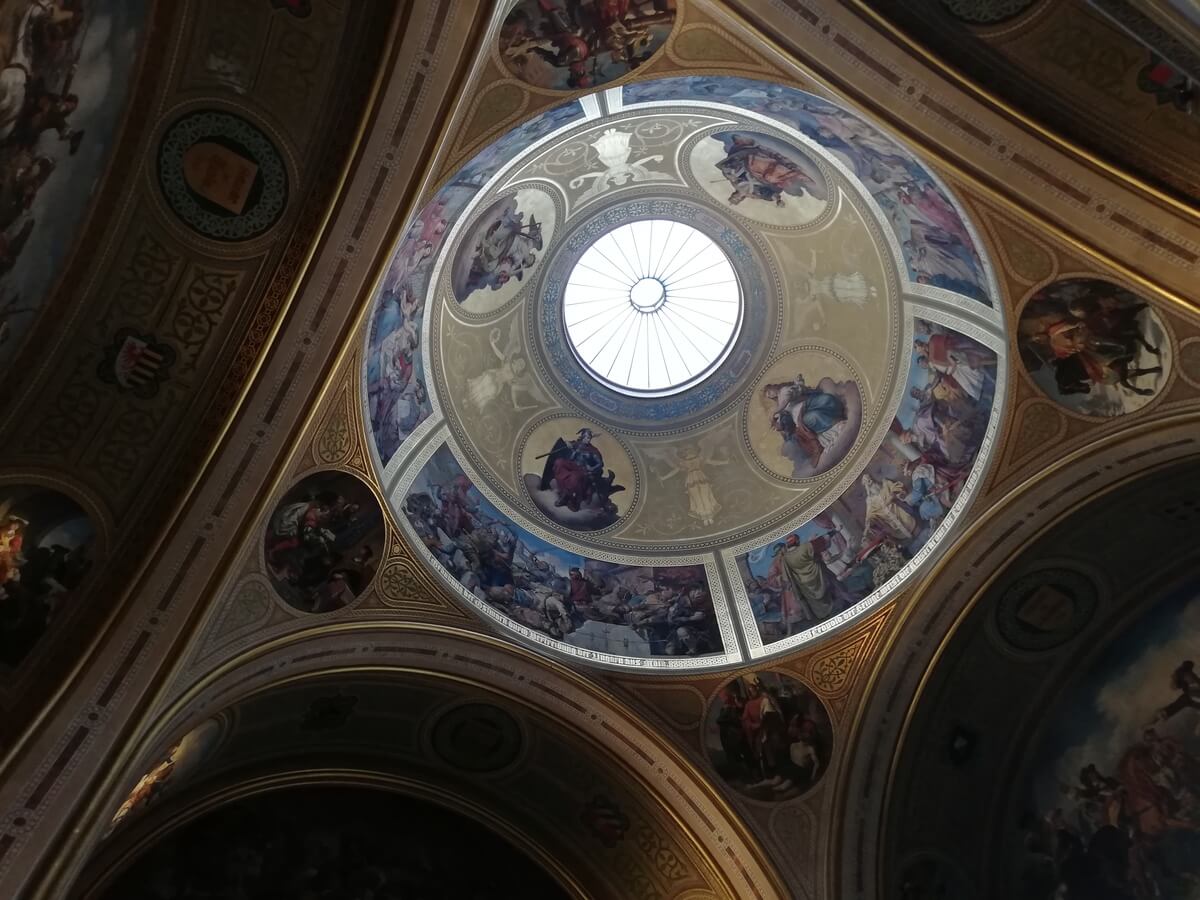
The frescoes depict numerous famous scenes from Austrian military history—naturally, only the battles they won.
What can you see in the museum?
The museum presents the history of the Austrian army and the Habsburg Monarchy from the late 16th century to modern times.
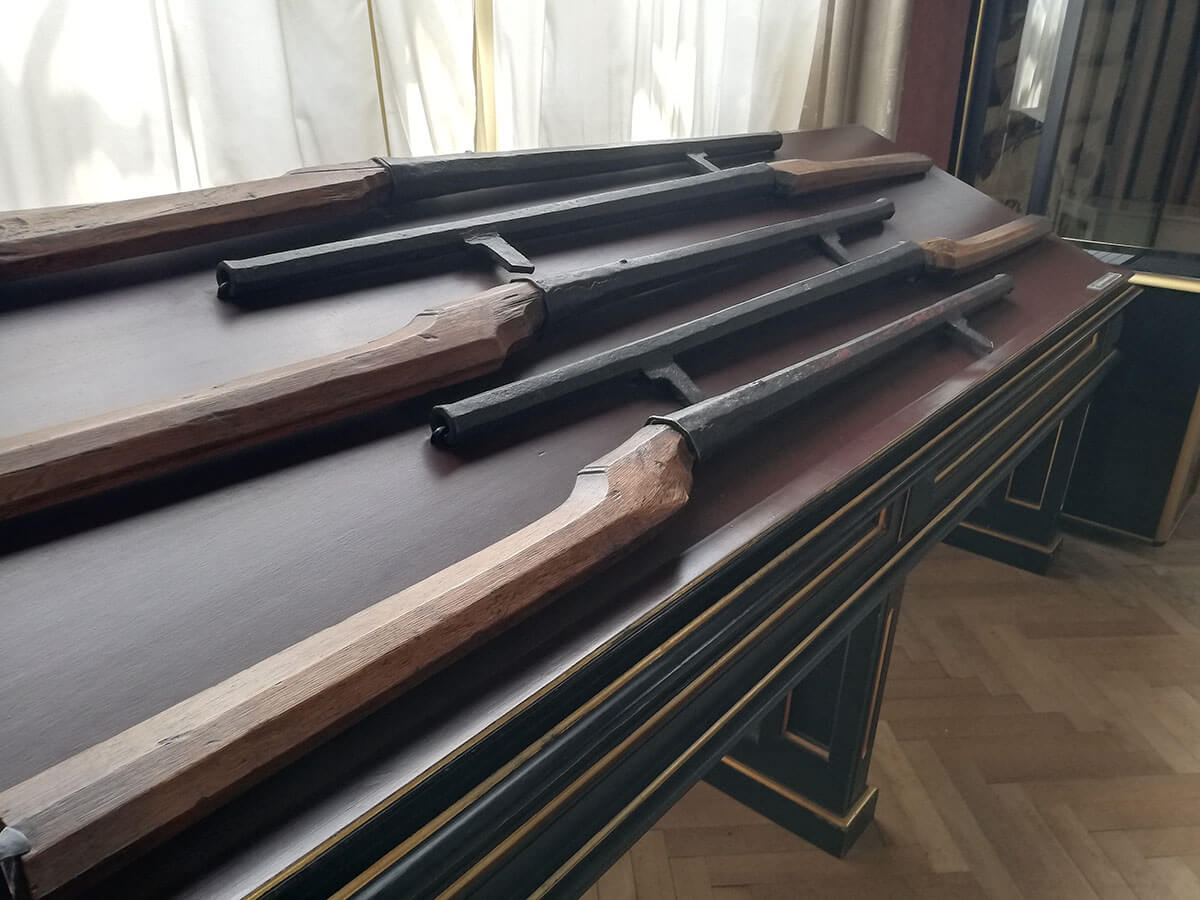
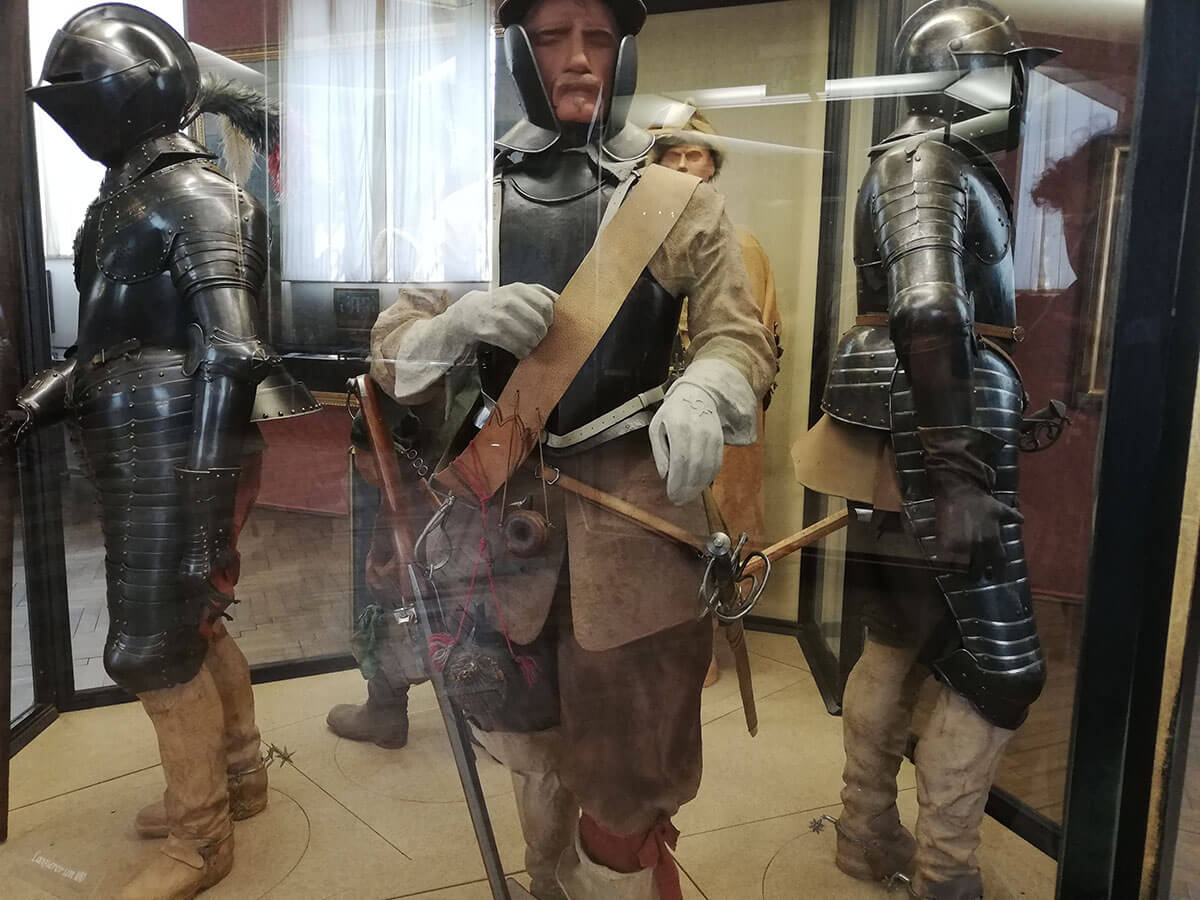
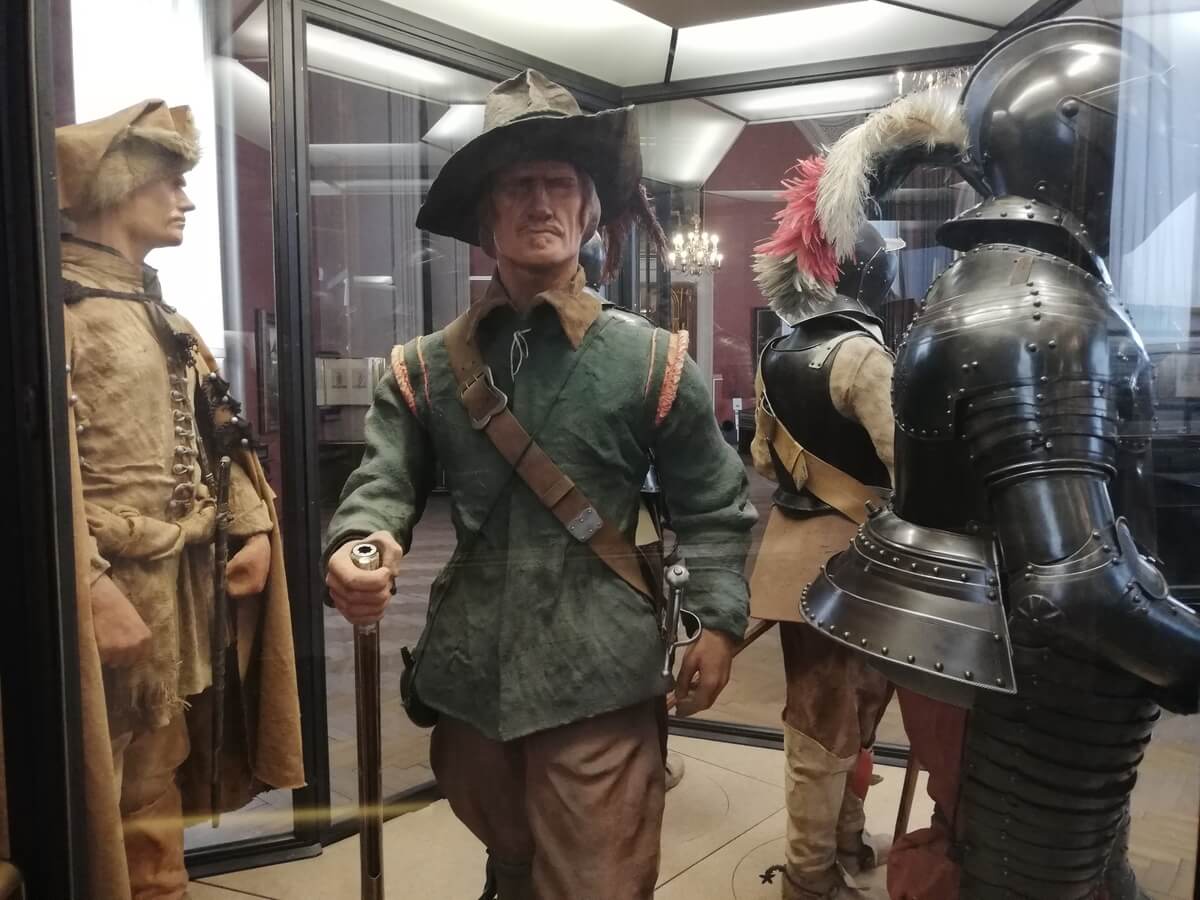
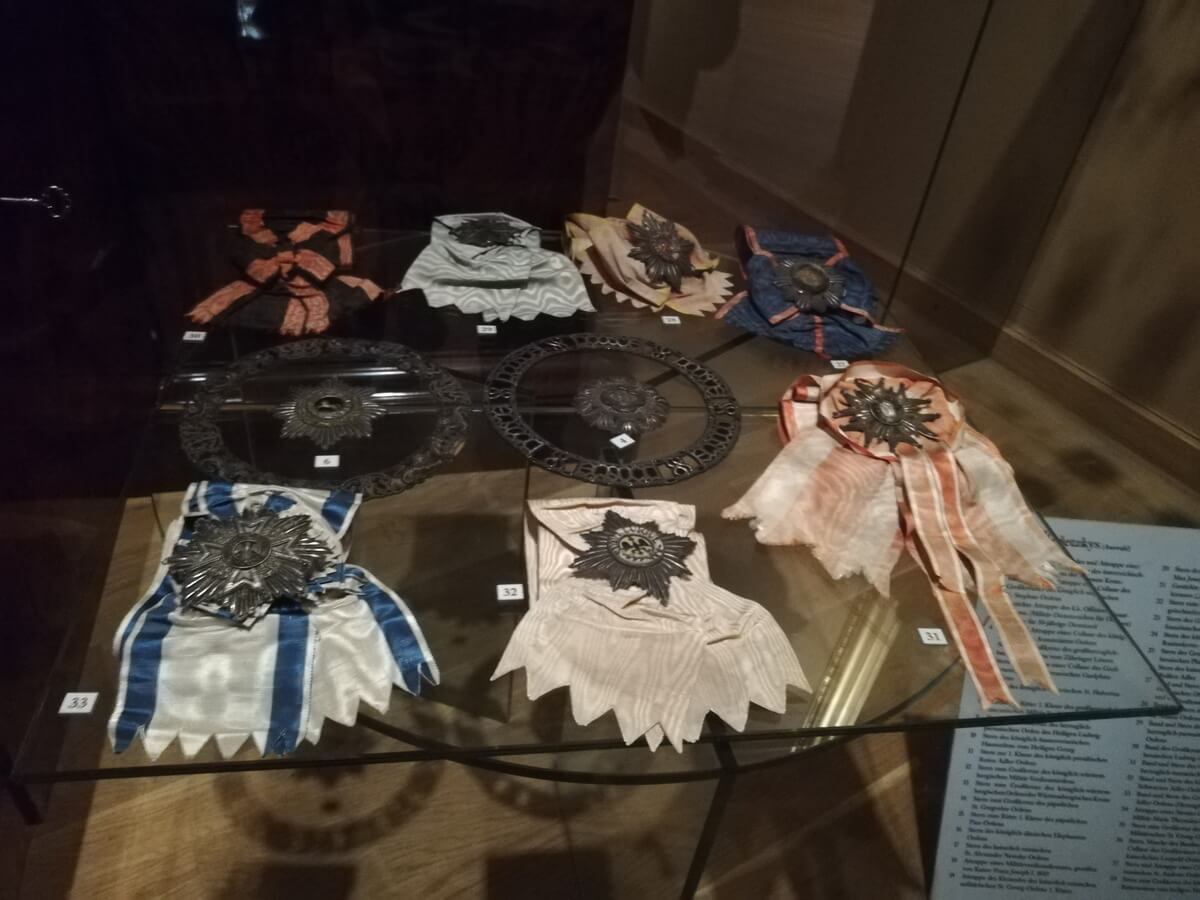
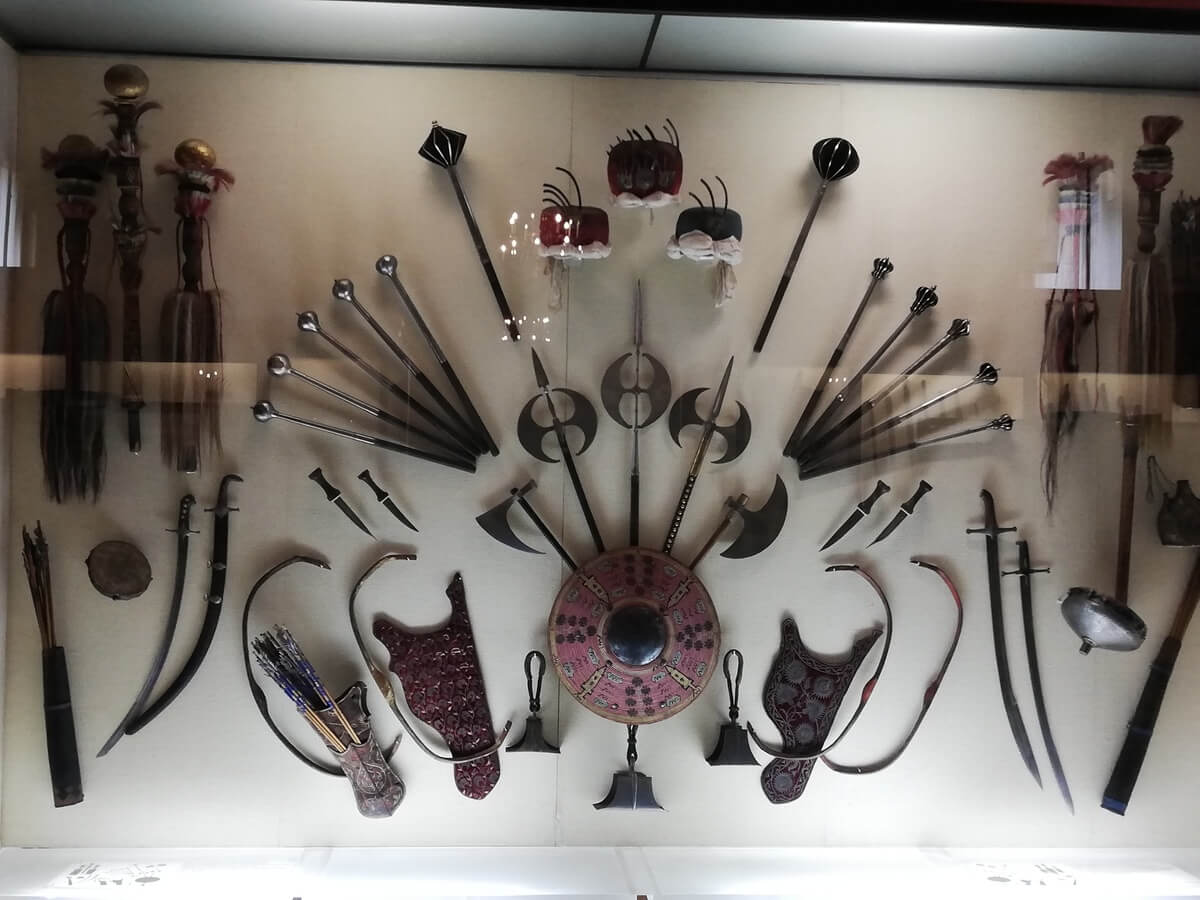
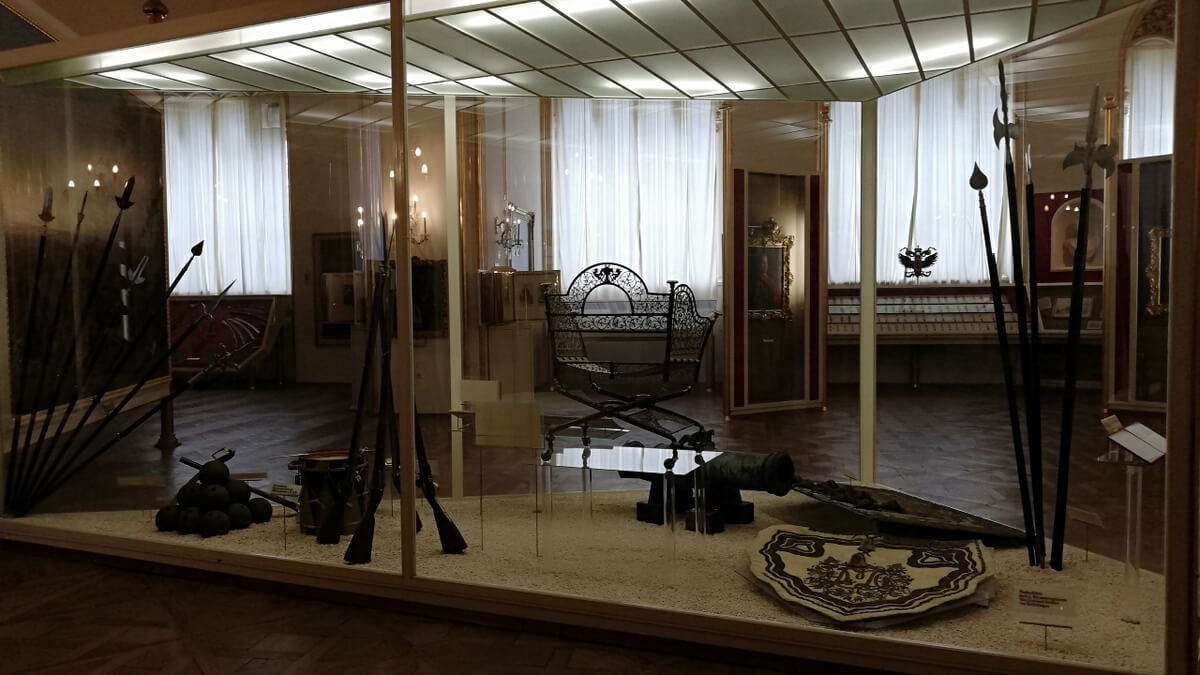
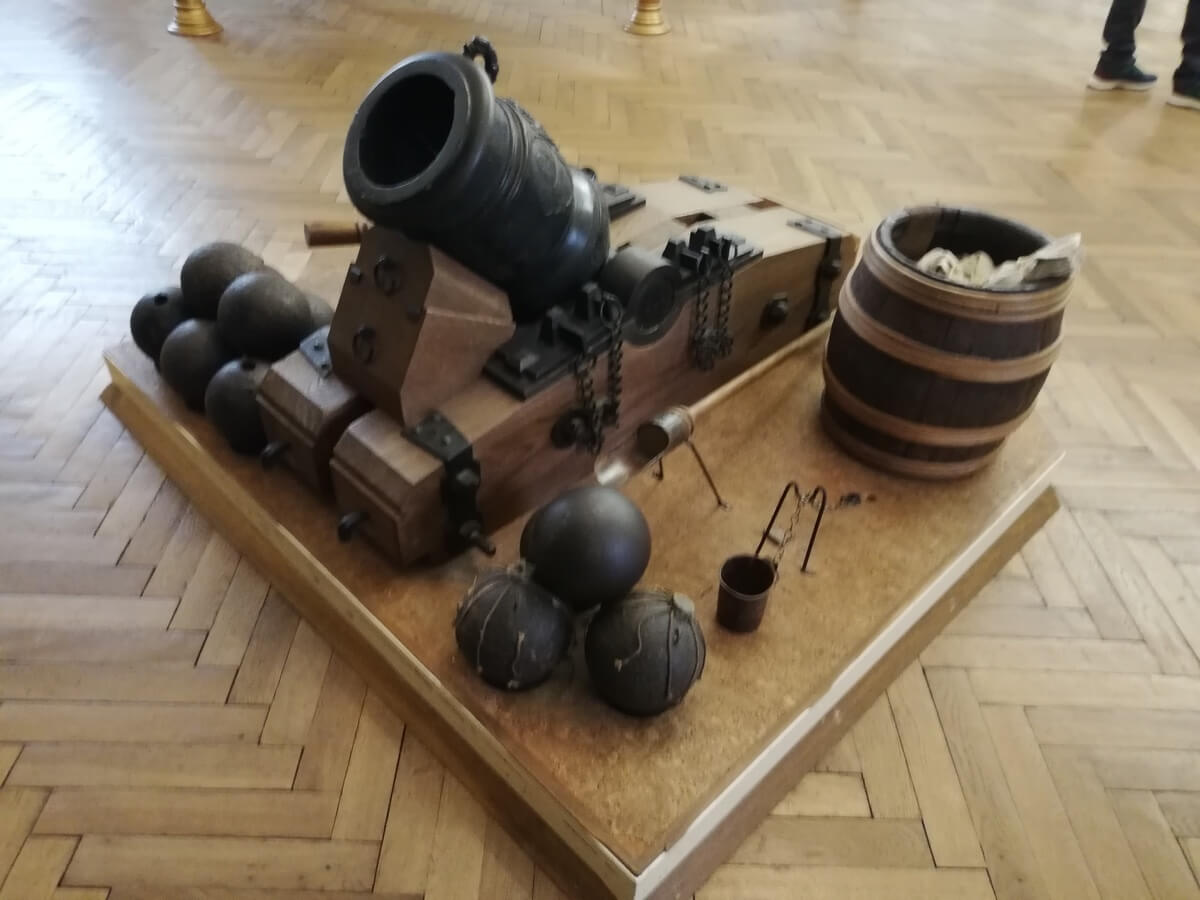
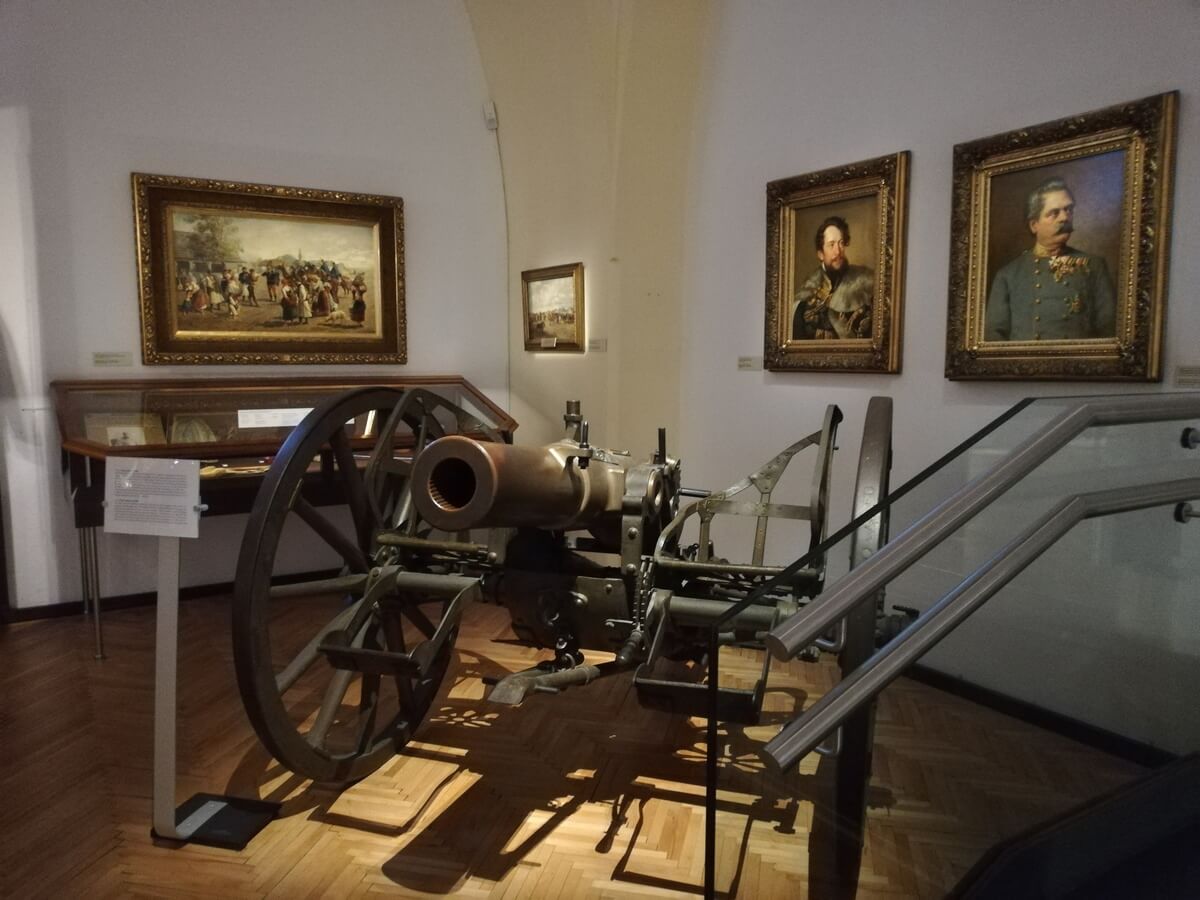
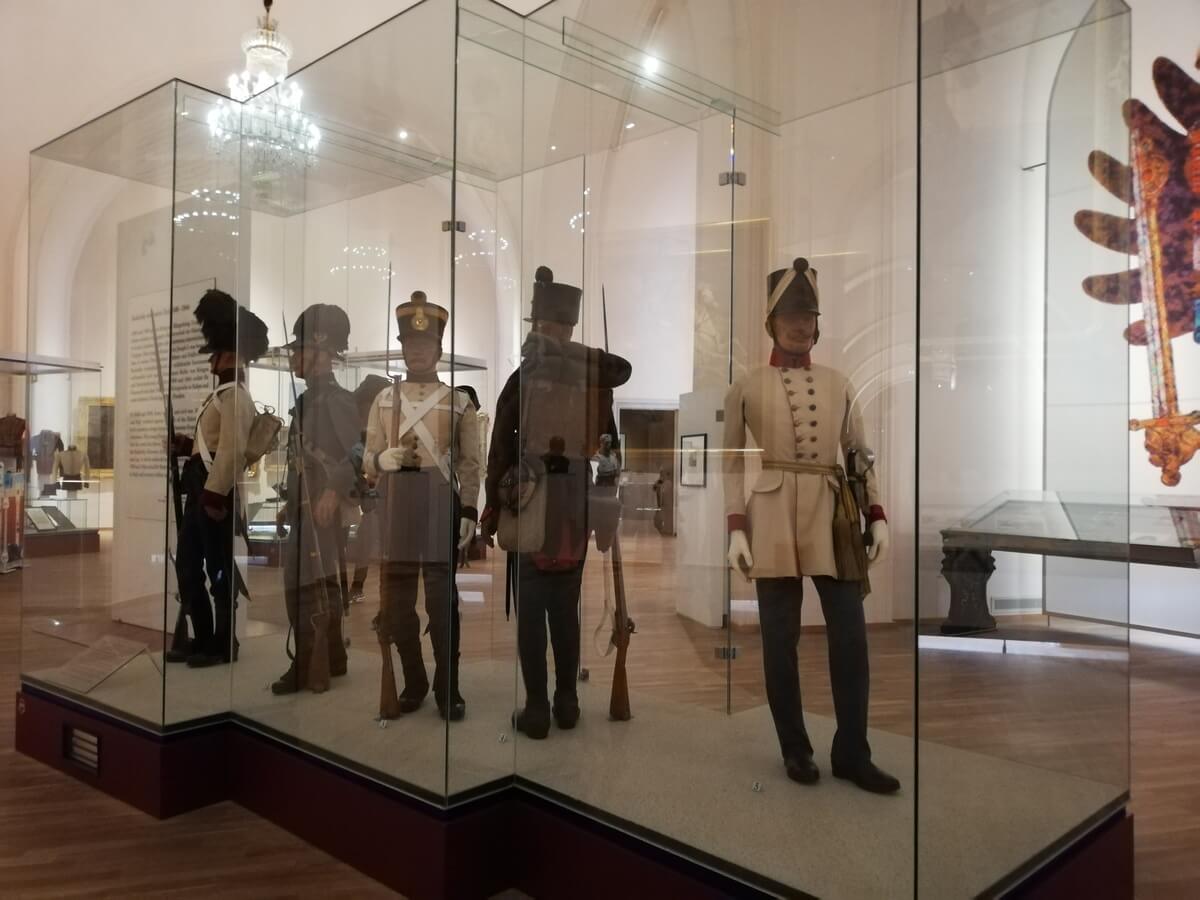
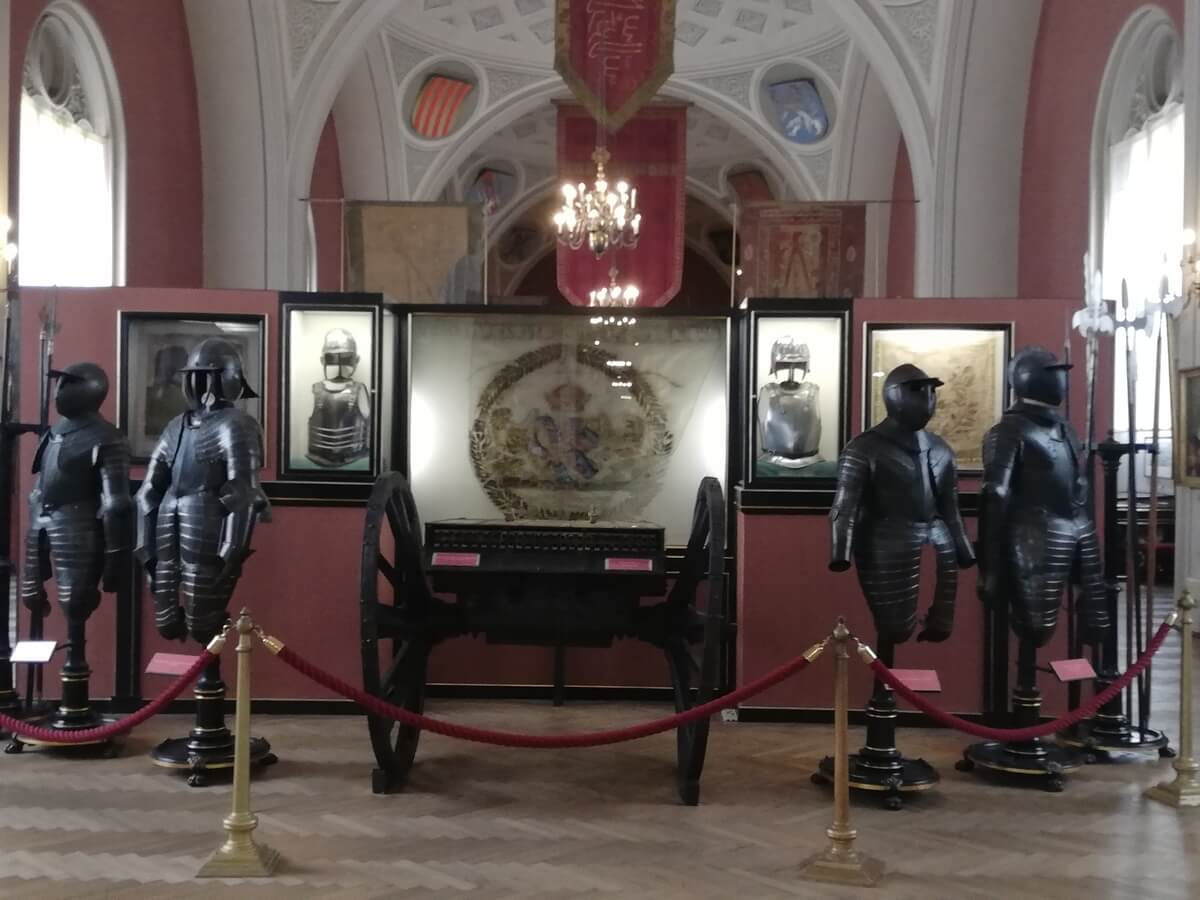
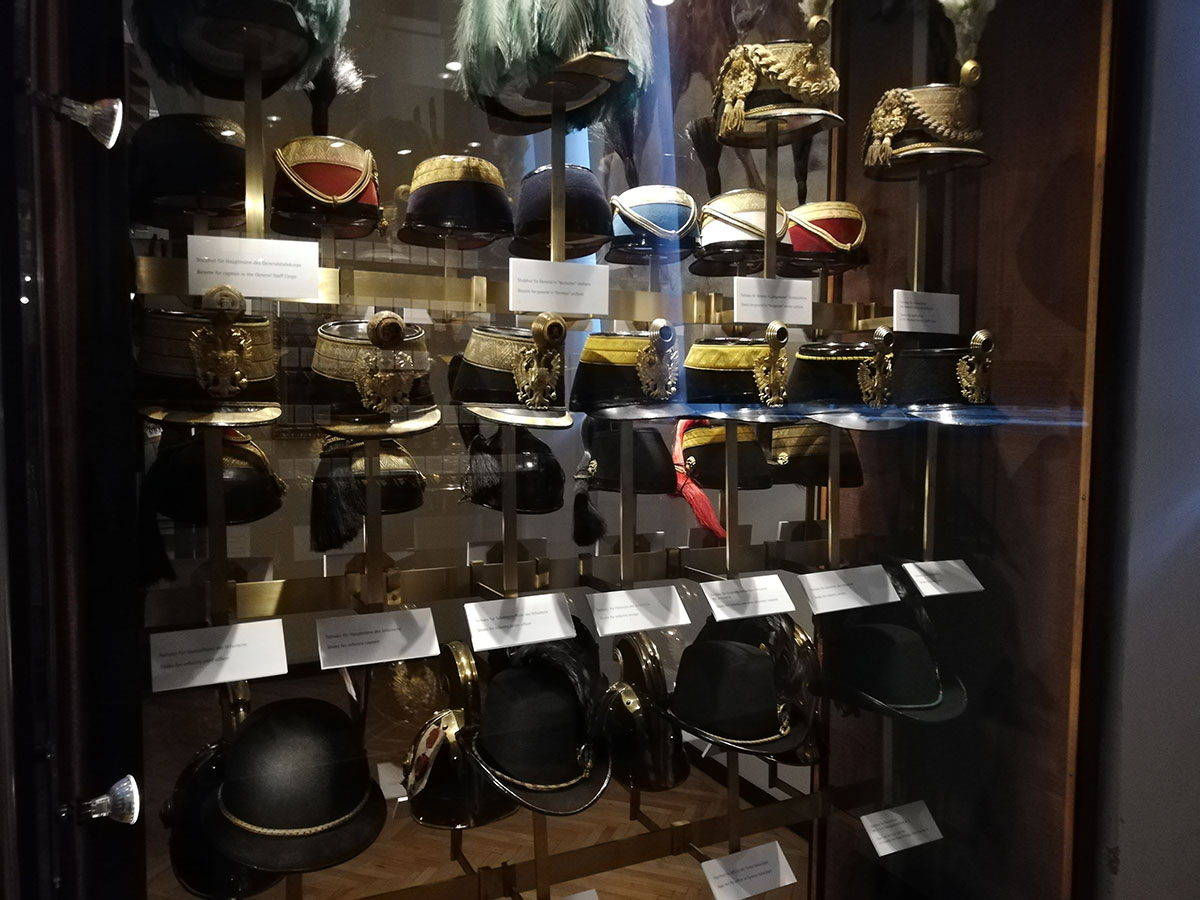
Inside, you’ll find: weapons, armor, and cannons from various periods, uniforms, flags, and military decorations, paintings and documents related to wars, as well as tanks, aircraft, and other military technology.
Exhibition and experience
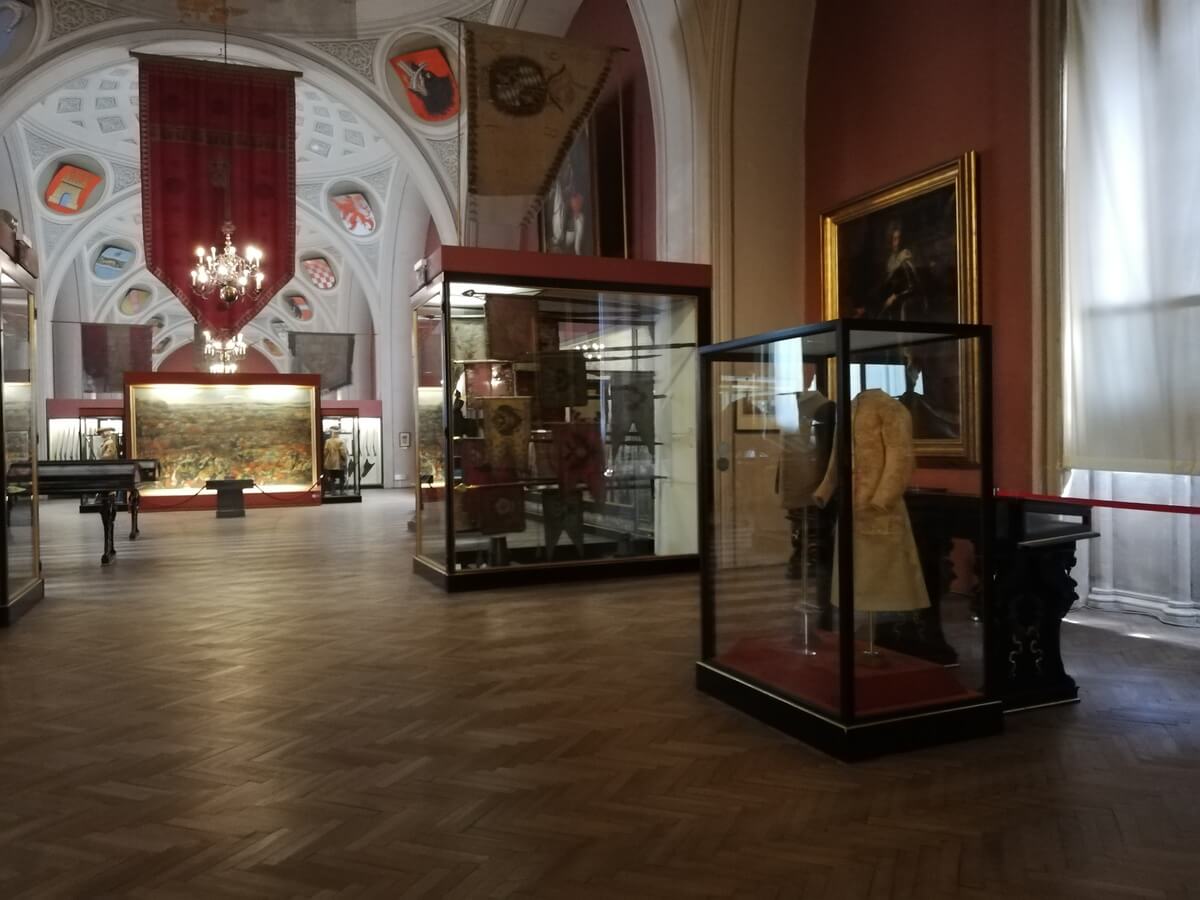
The museum is organized chronologically—moving through the halls, you can observe how warfare evolved over time: from knightly and “romantic” notions of battle to the industrialized and brutal warfare of the 20th century.
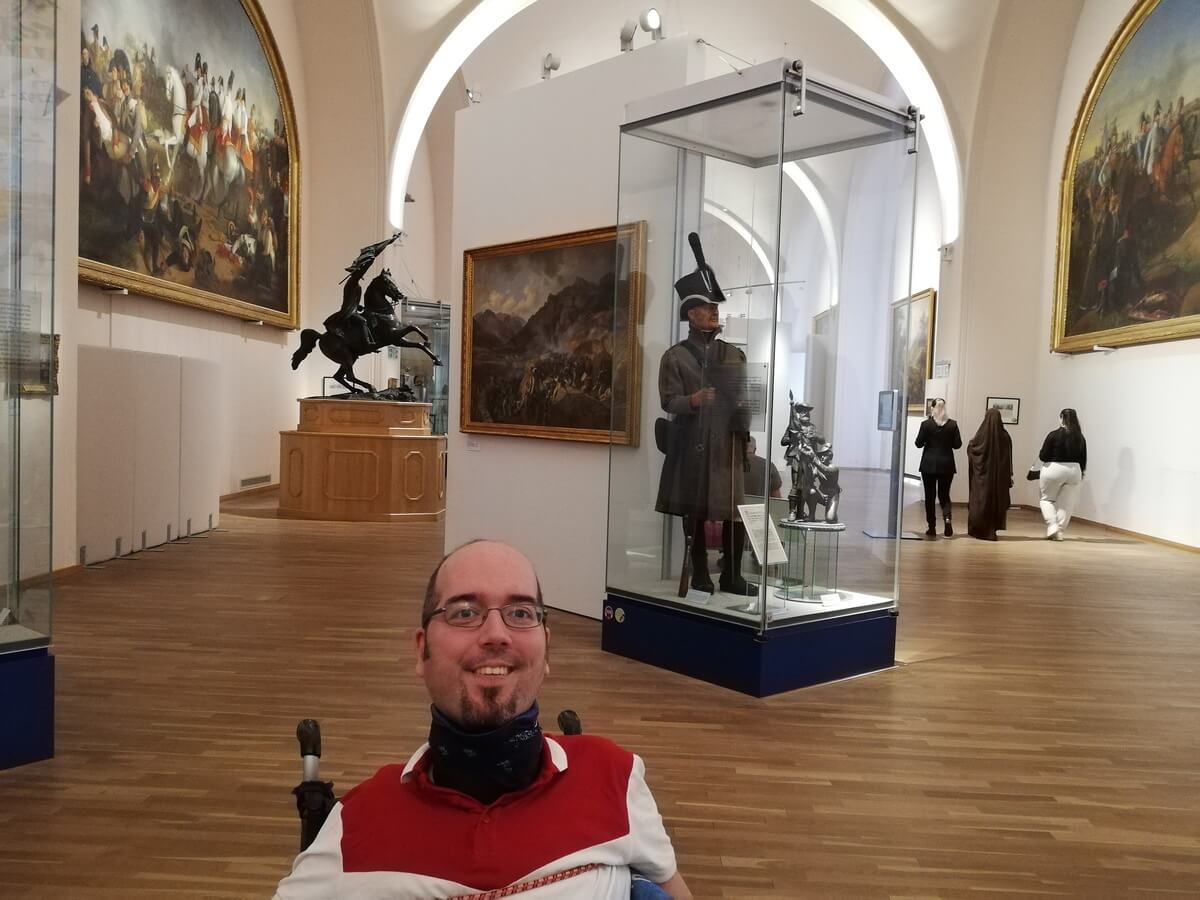
Although it was built nearly two centuries ago, the building is accessible to wheelchair users. The interior is richly decorated, so at times you won’t know where to look first.
Importance of the museum
This museum is not just a collection of weapons—it aims to present a broader picture of the relationship between war, society, and history.
Today, efforts are being made to modernize the exhibitions, with a stronger focus on themes such as democracy and the consequences of war on society.
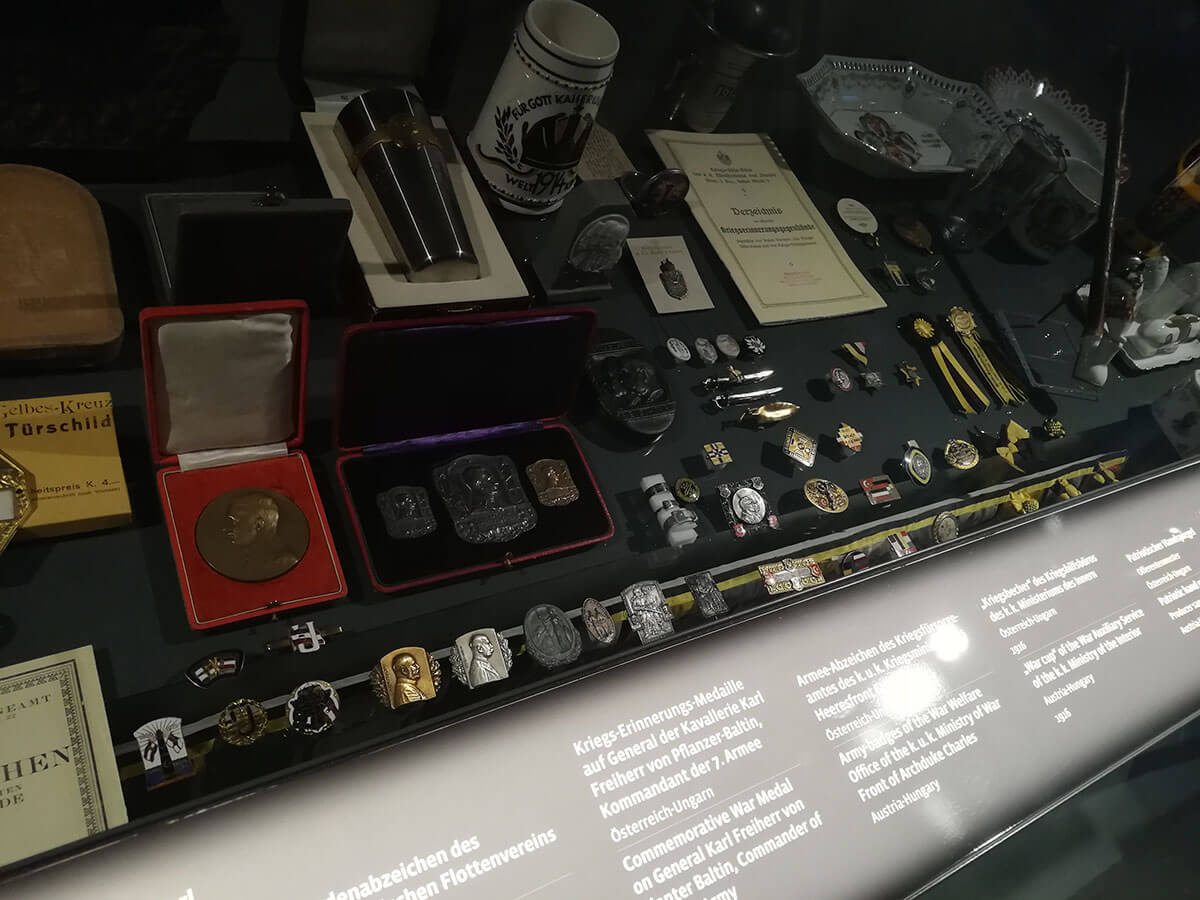
If you don’t have enough time to explore the entire museum, there are several must-see exhibits due to their uniqueness and historical significance:
The most famous exhibit is the car in which Archduke Franz Ferdinand was assassinated in Sarajevo in 1914.
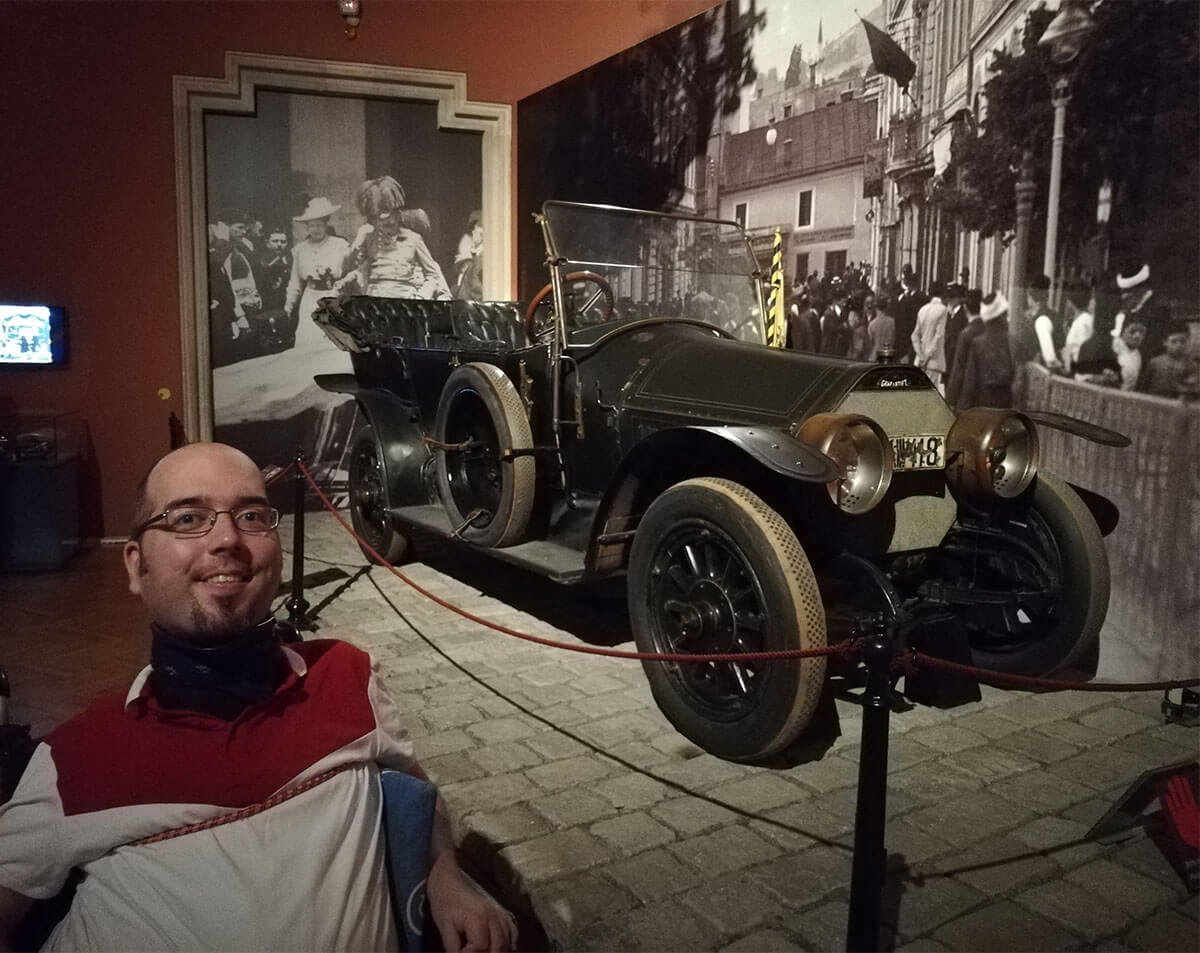
This event directly led to the outbreak of World War I, giving it enormous symbolic importance. Alongside the car, you can also see his uniform with bullet marks.
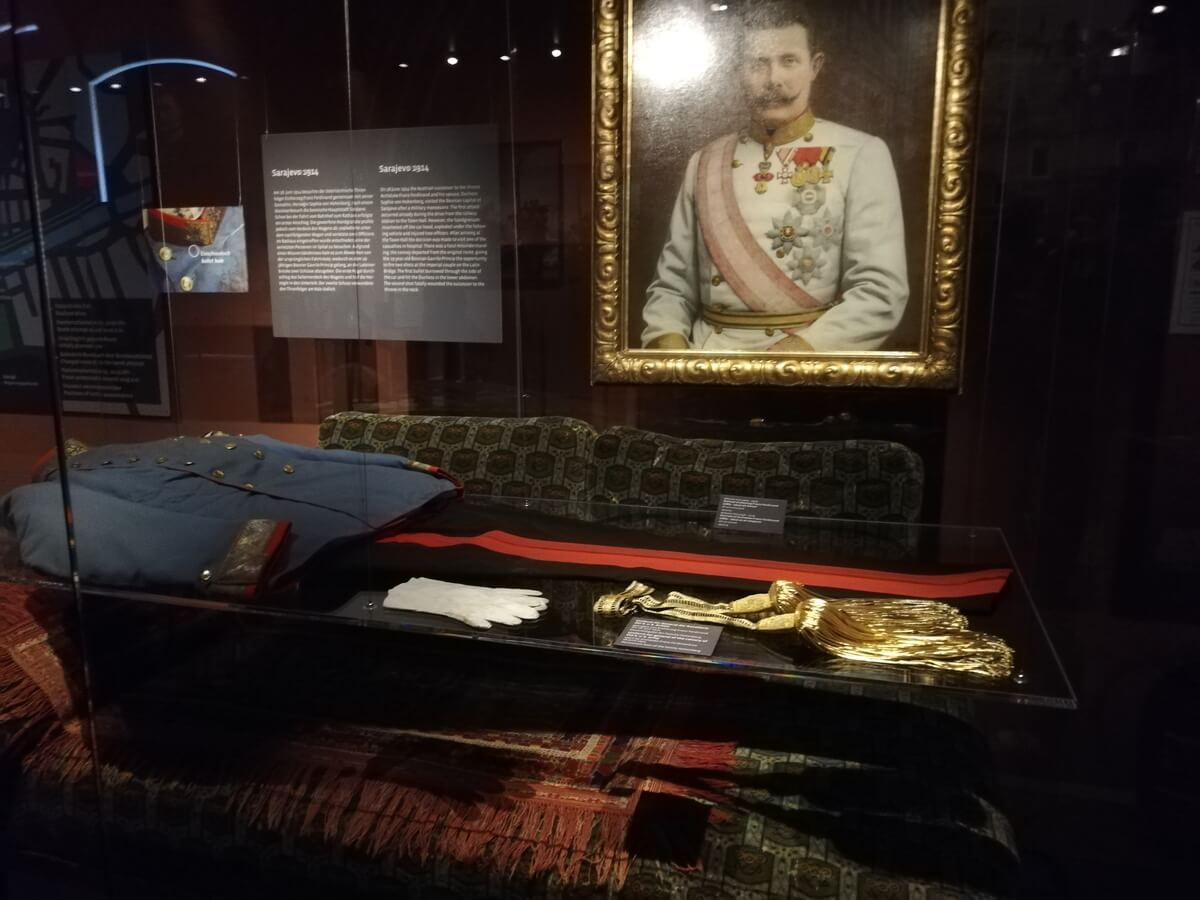
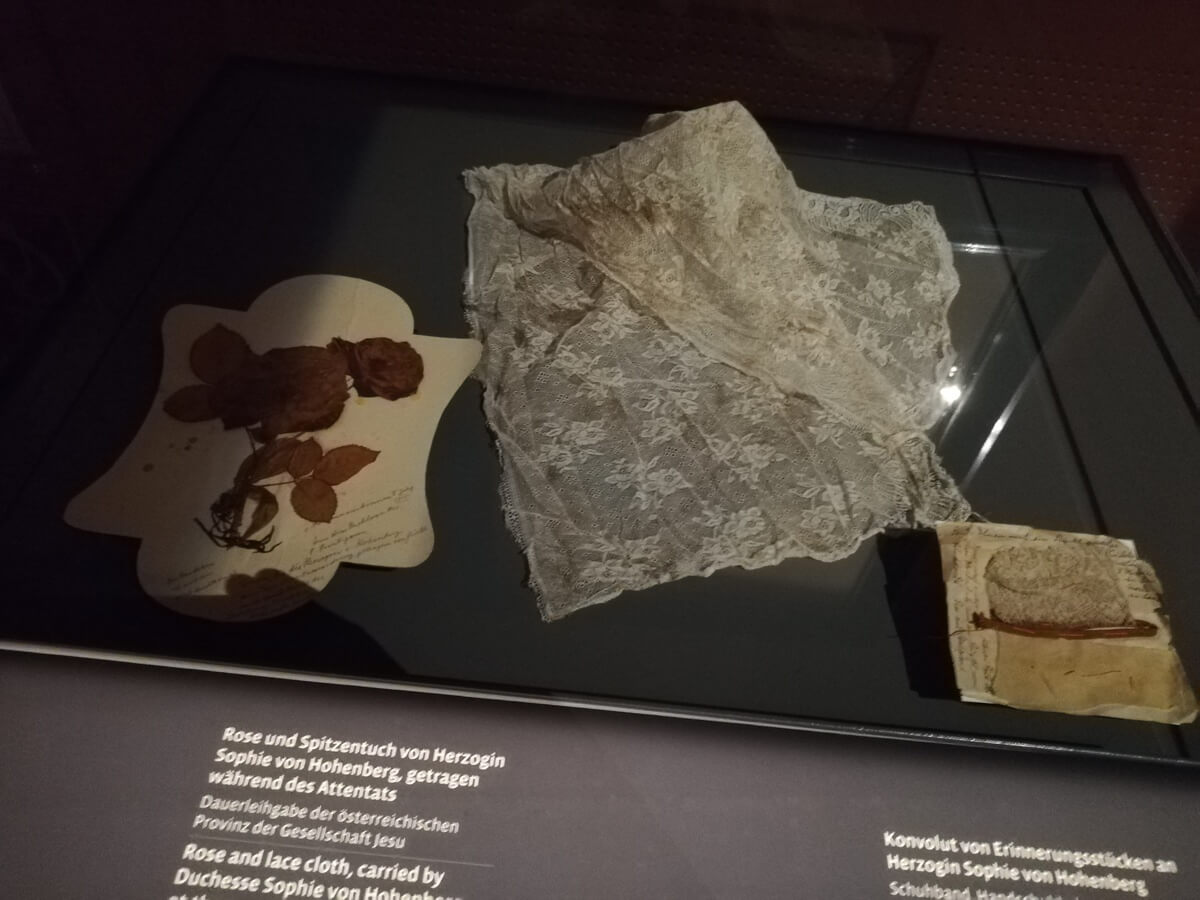
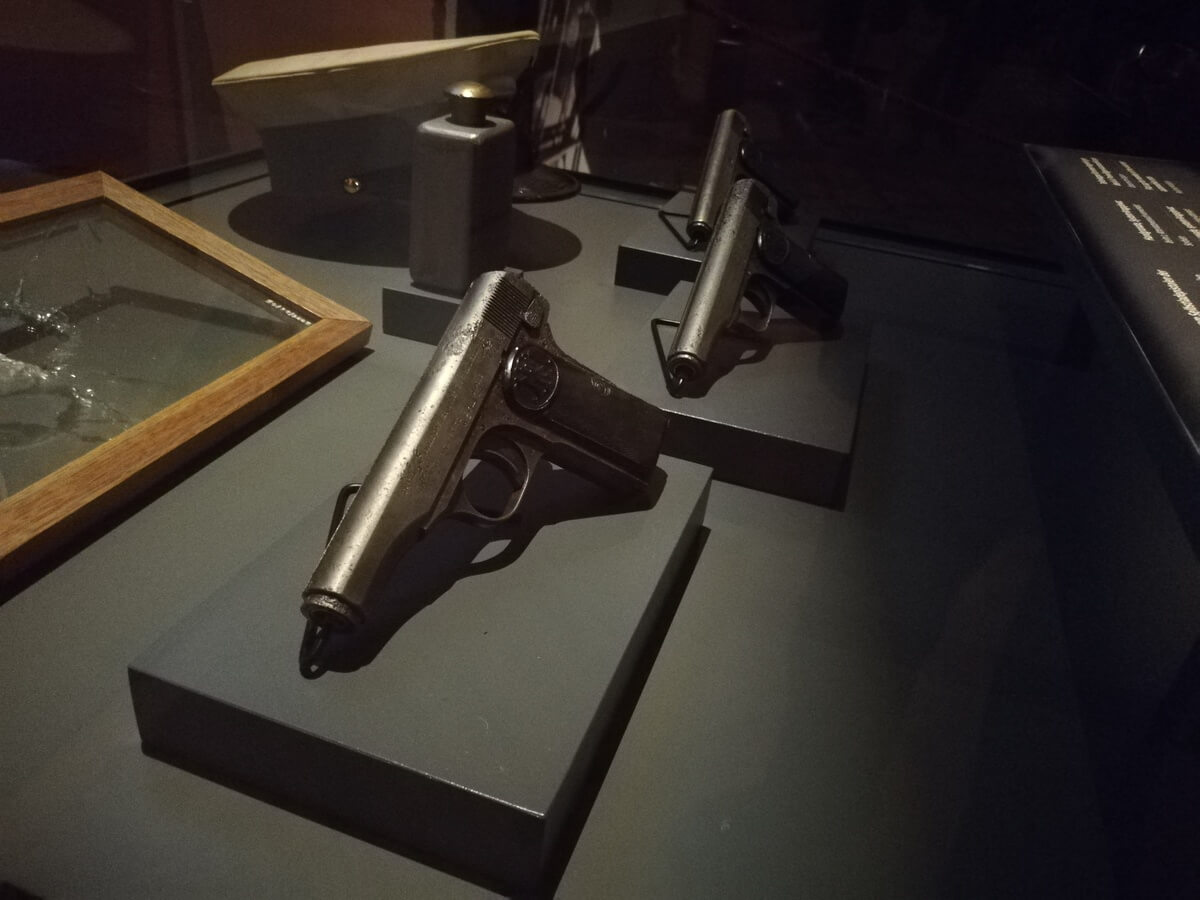
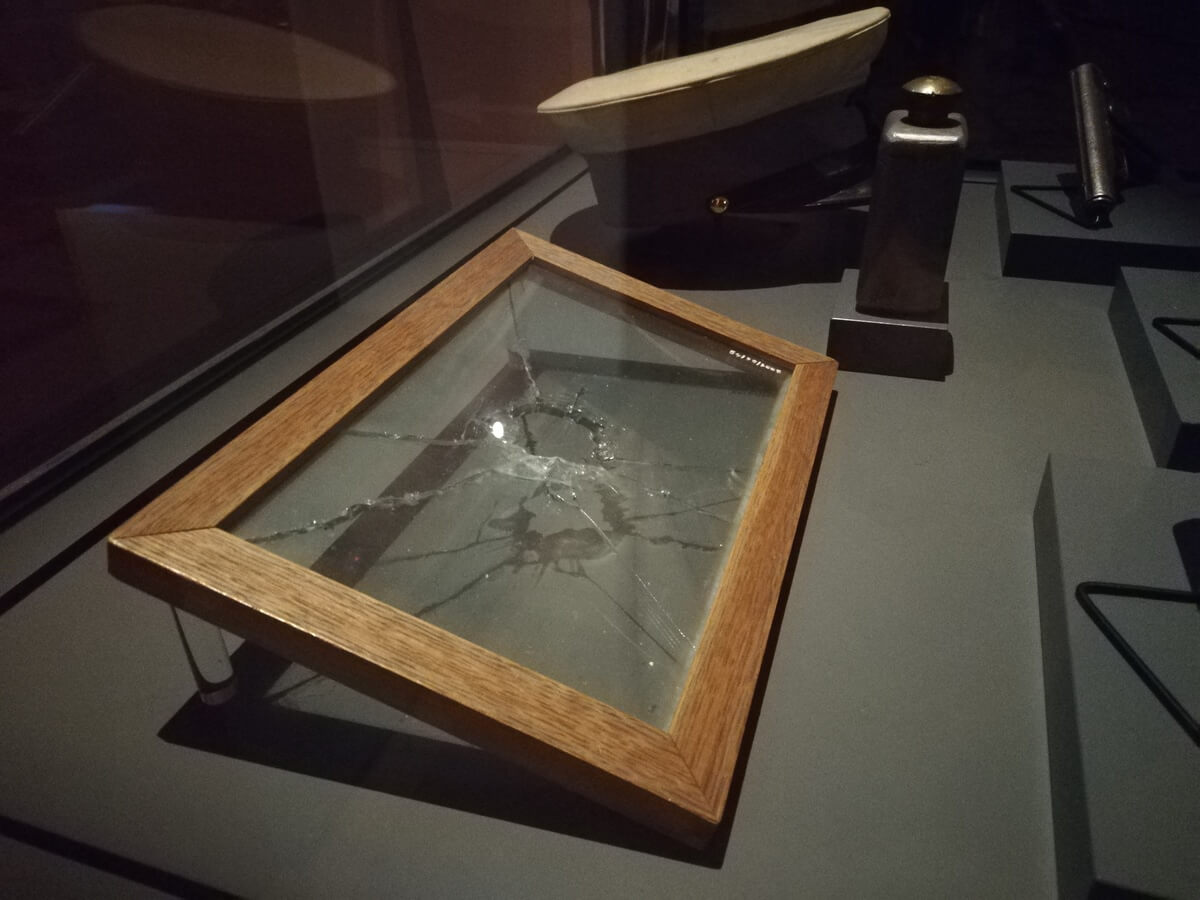
The pistol used in the assassination is also on display, as well as a piece of the original glass through which the bullet passed.
Weapons and armor from earlier centuries
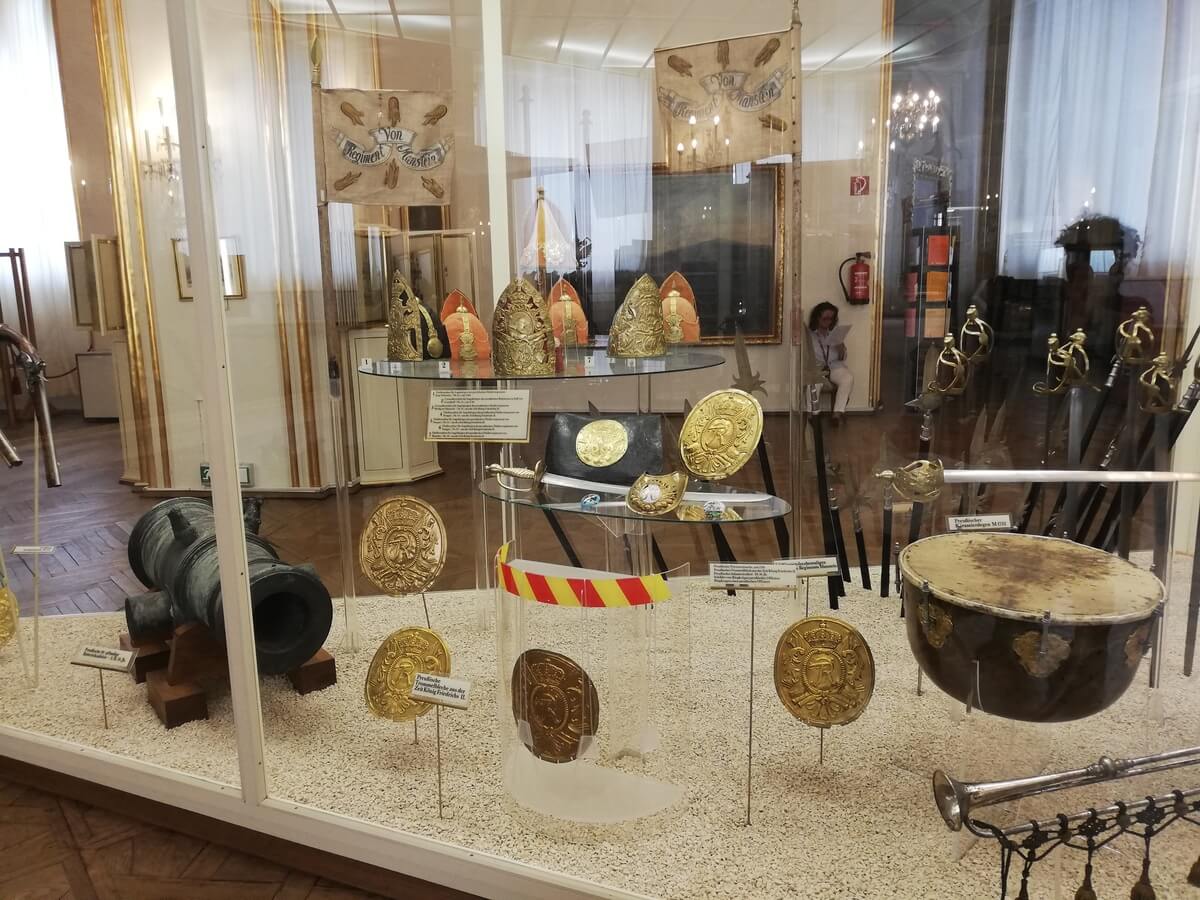
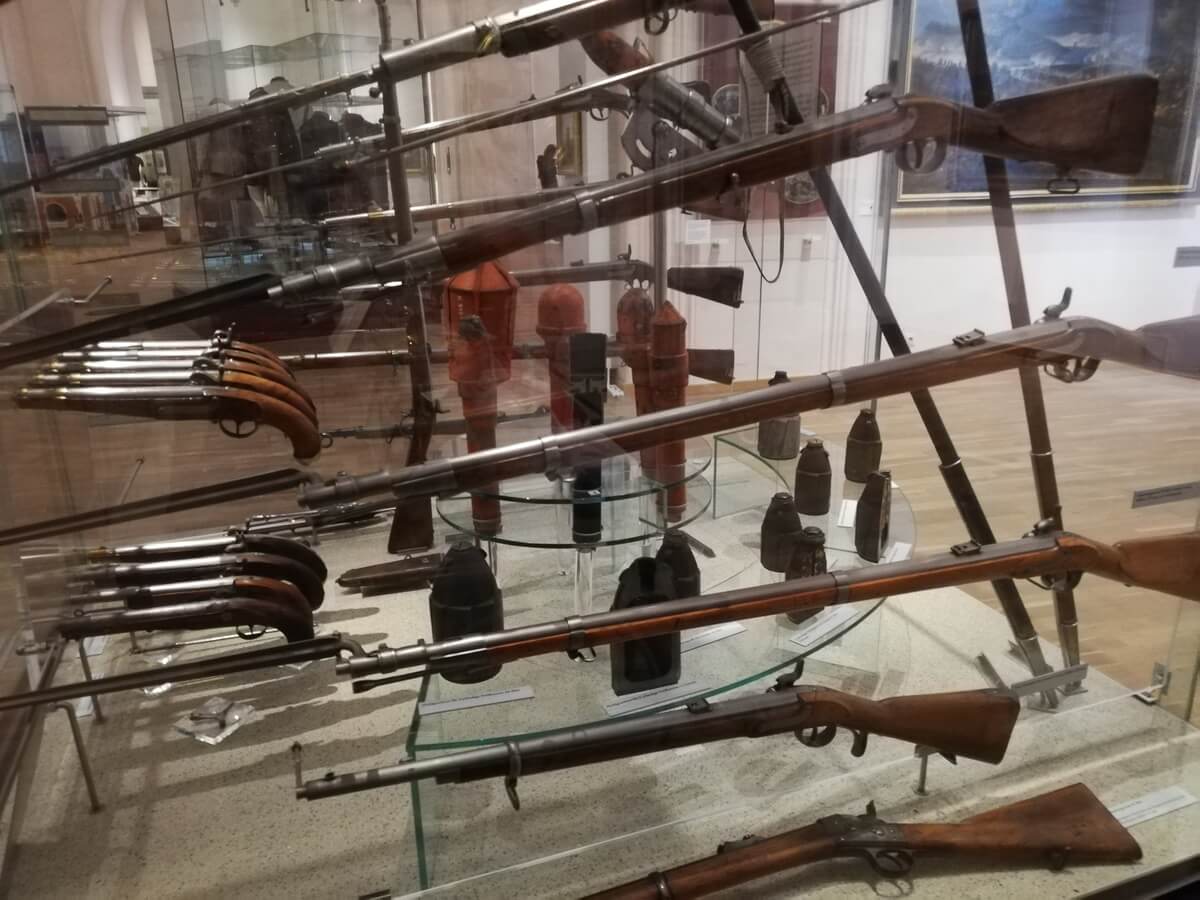
The medieval section features original armor, swords, and firearms from the time of the Ottomans and European wars.
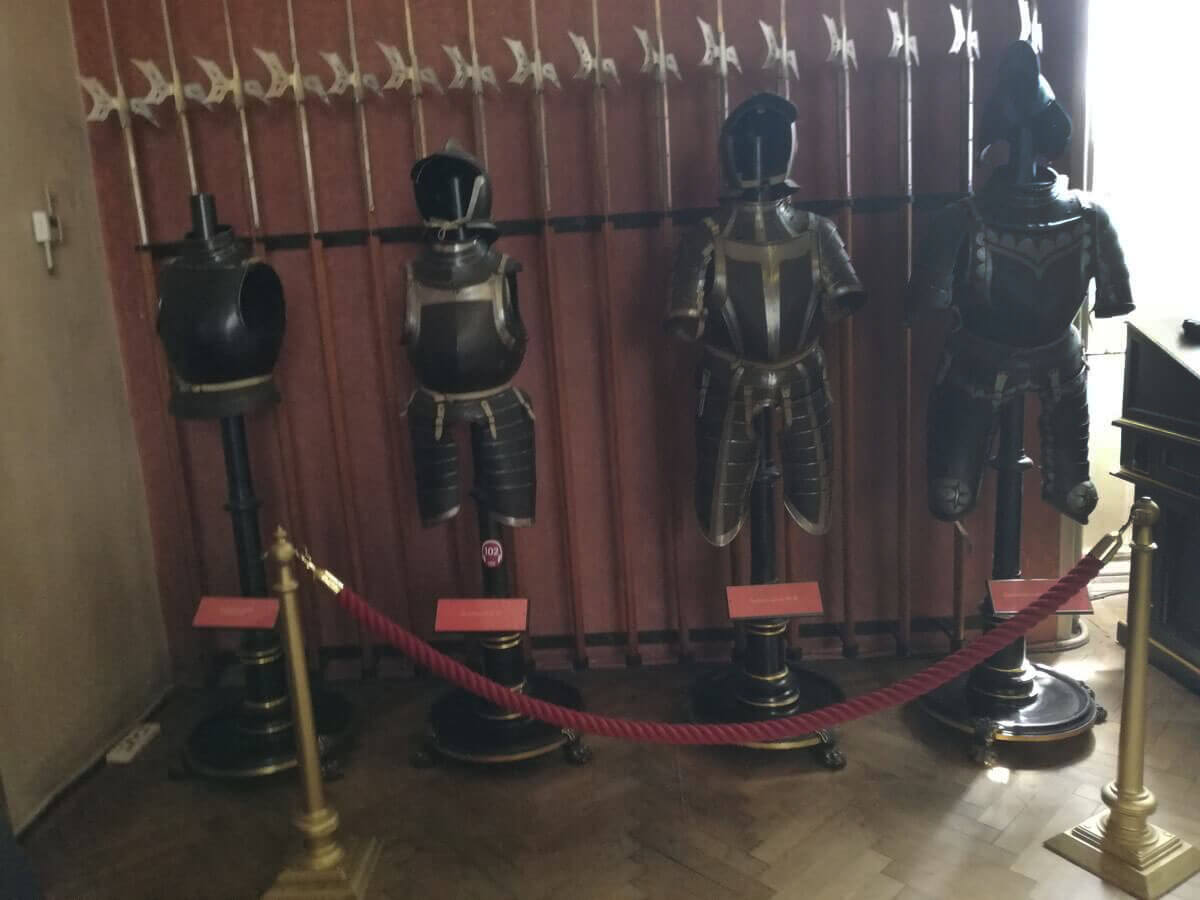
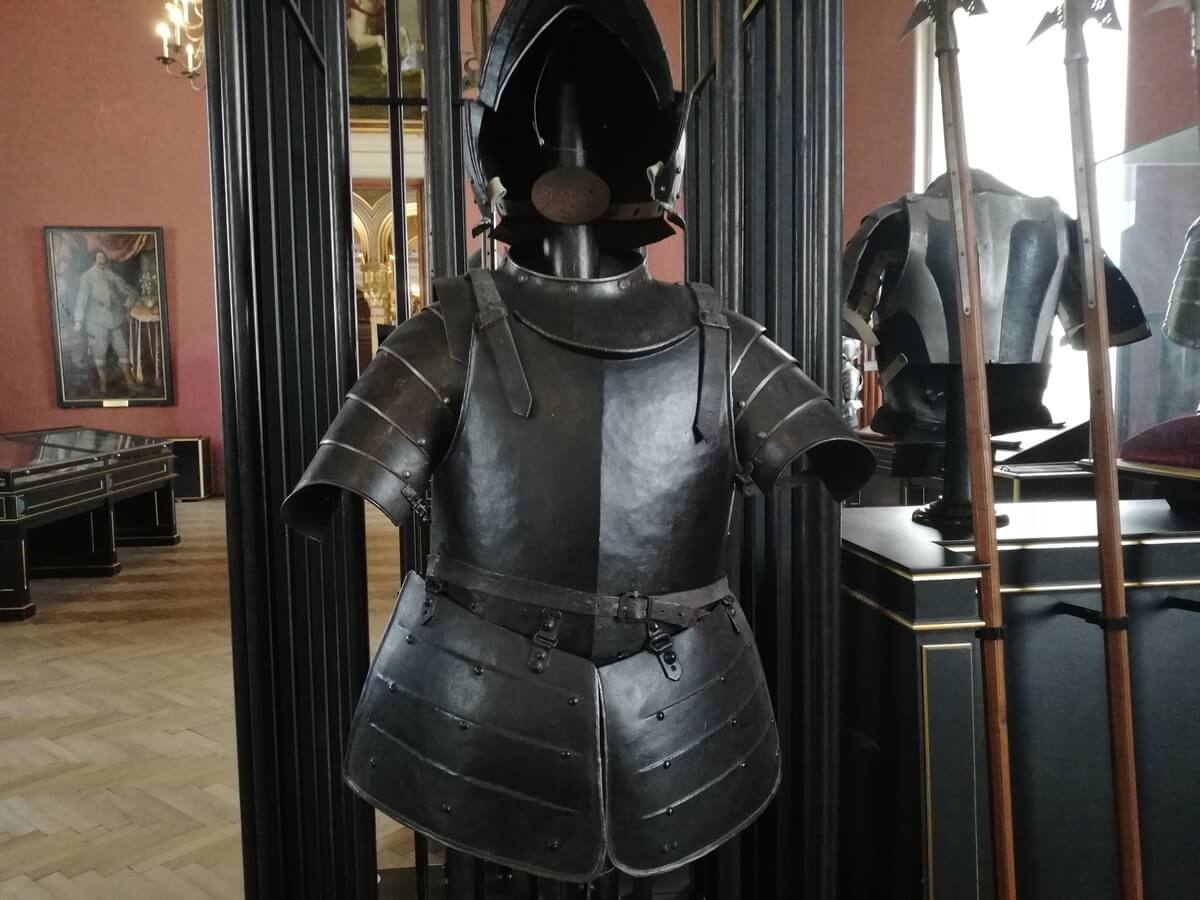
This exhibition shows how warfare evolved over the centuries.
Napoleon and the Austrian wars
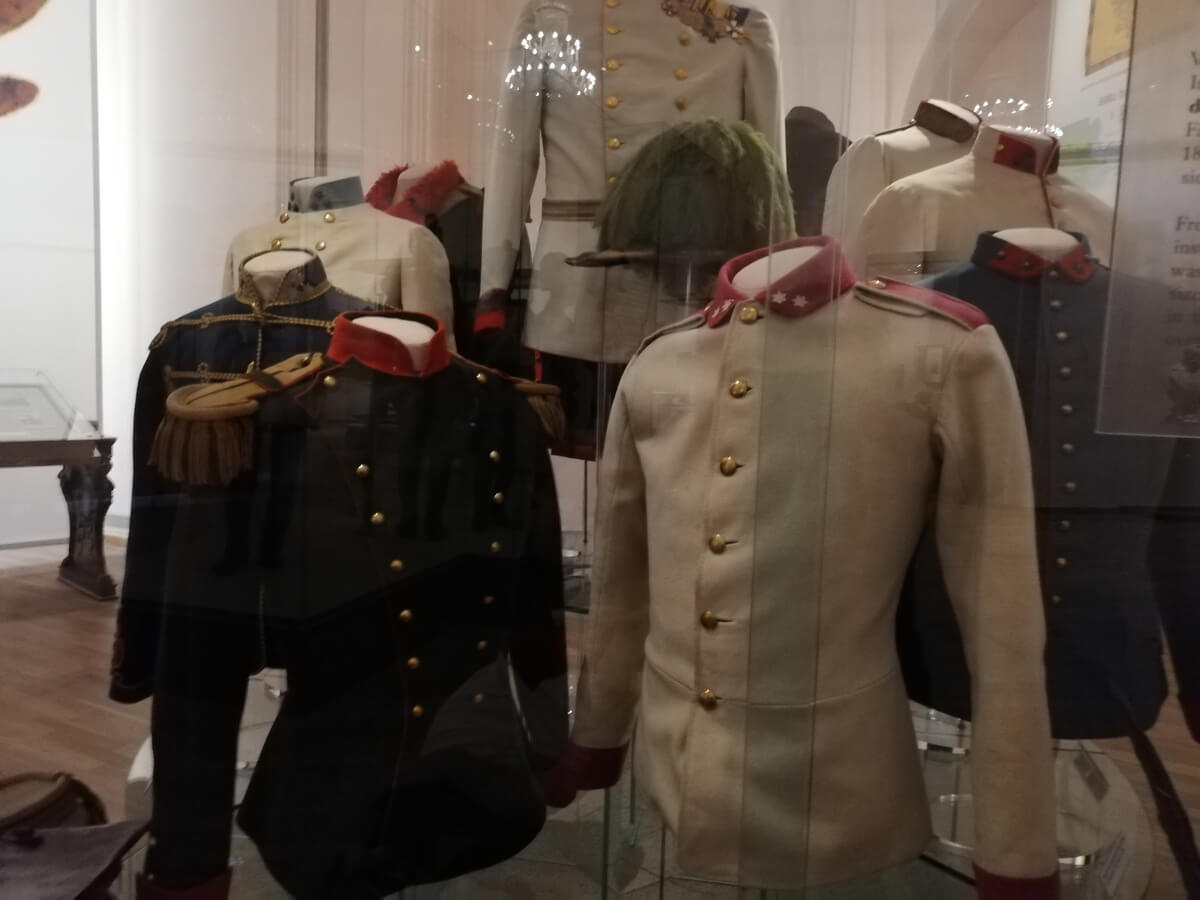
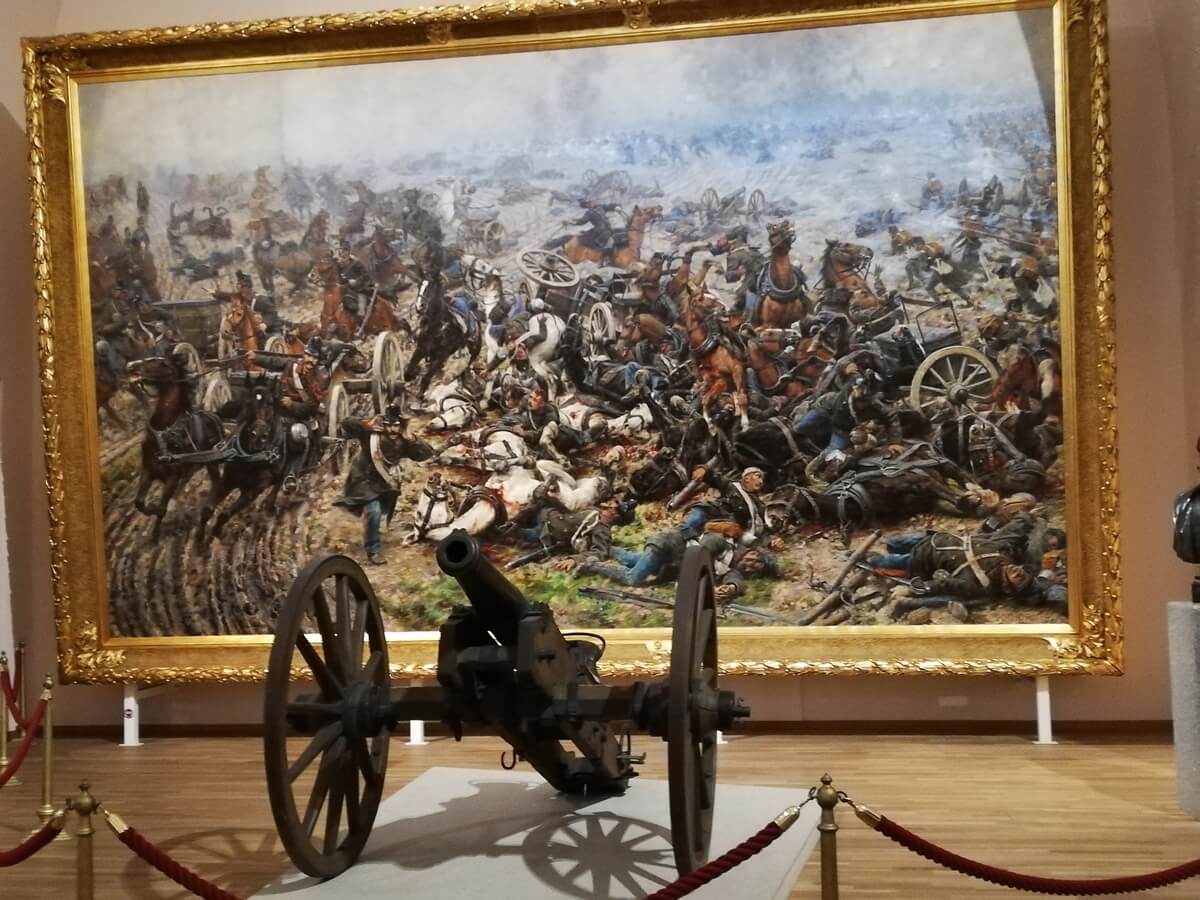
The exhibition on Napoleon and the conflicts with Austria is very interesting, featuring uniforms, maps, and objects from that turbulent period in European history.
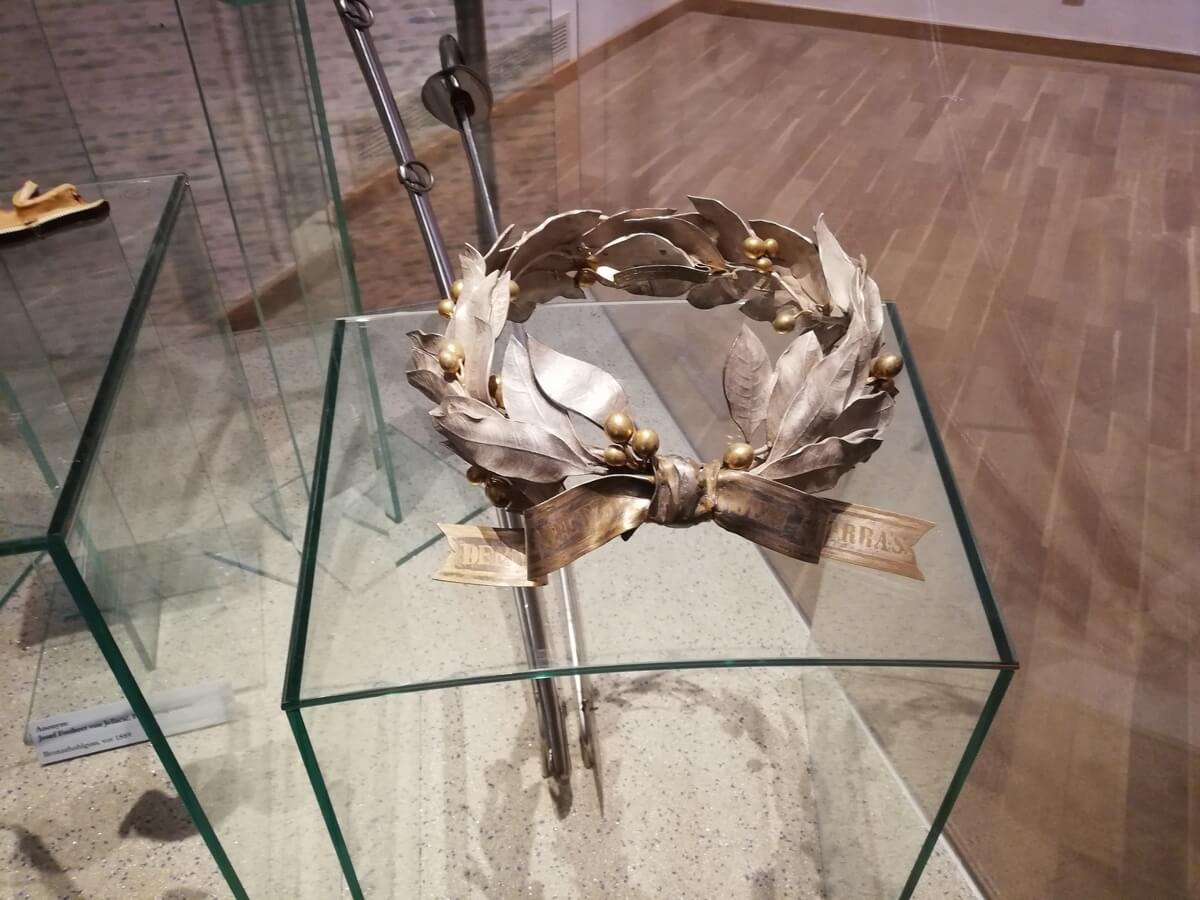
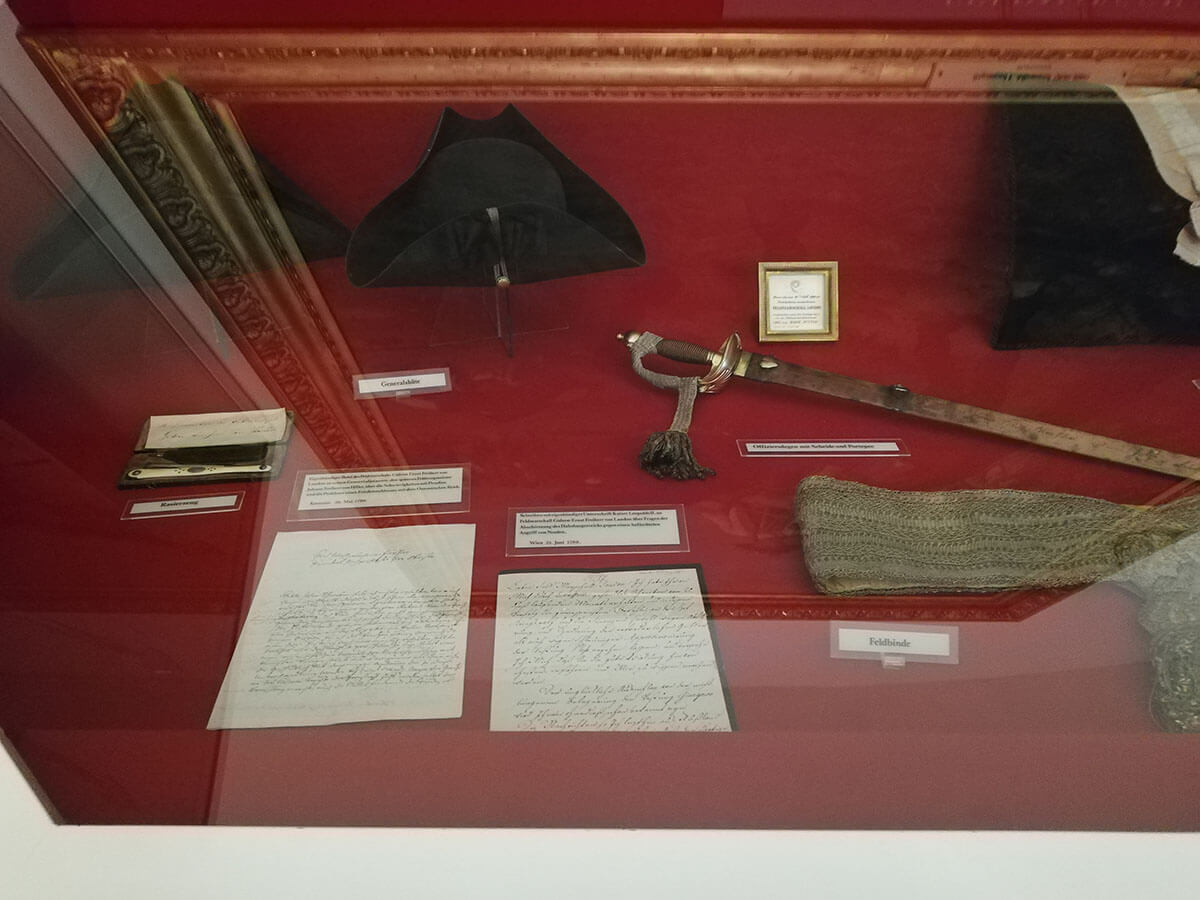
There is also a so-called “Naval Hall,” an exhibition about Austria’s history as a naval power. What many people don’t know is that Austria, when it still had access to the sea, was a major naval power for more than 200 years.
World War I – detailed exhibition
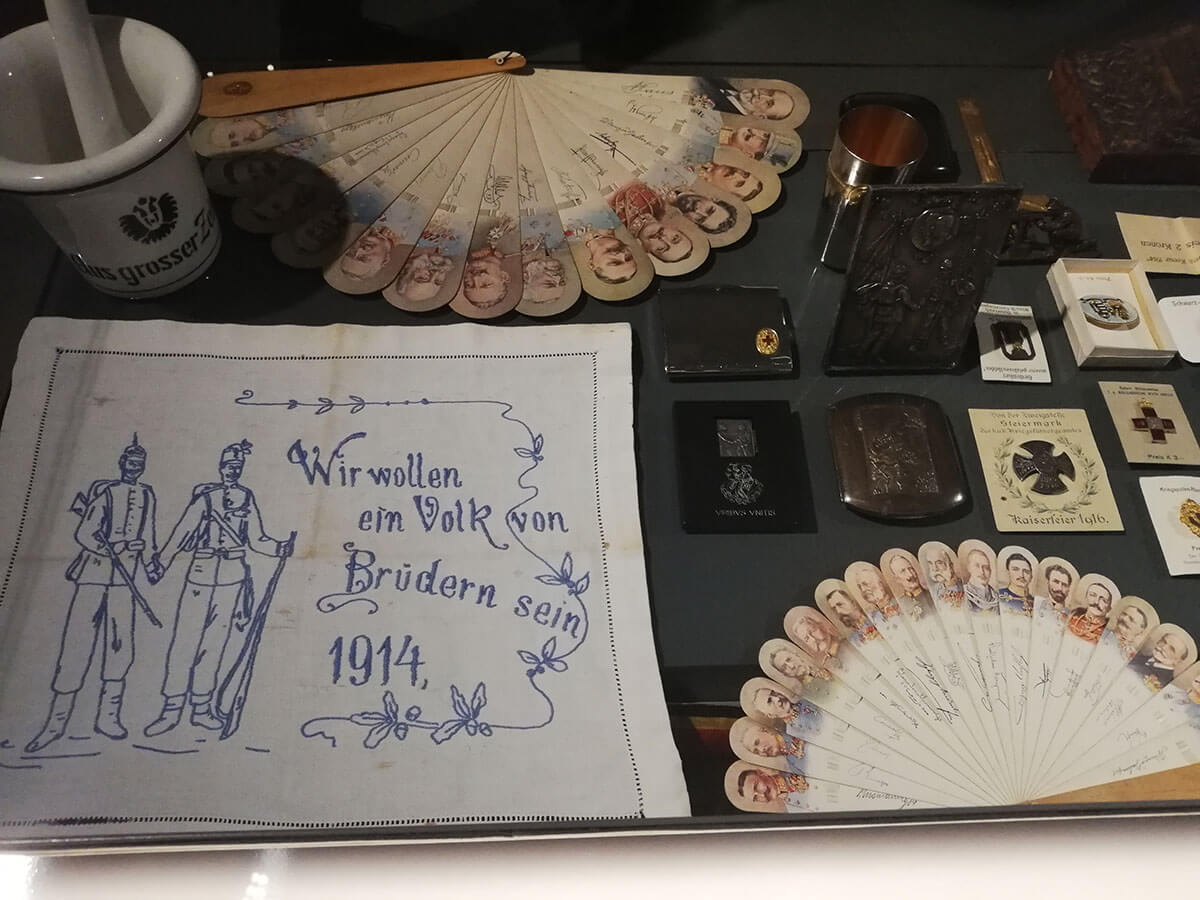
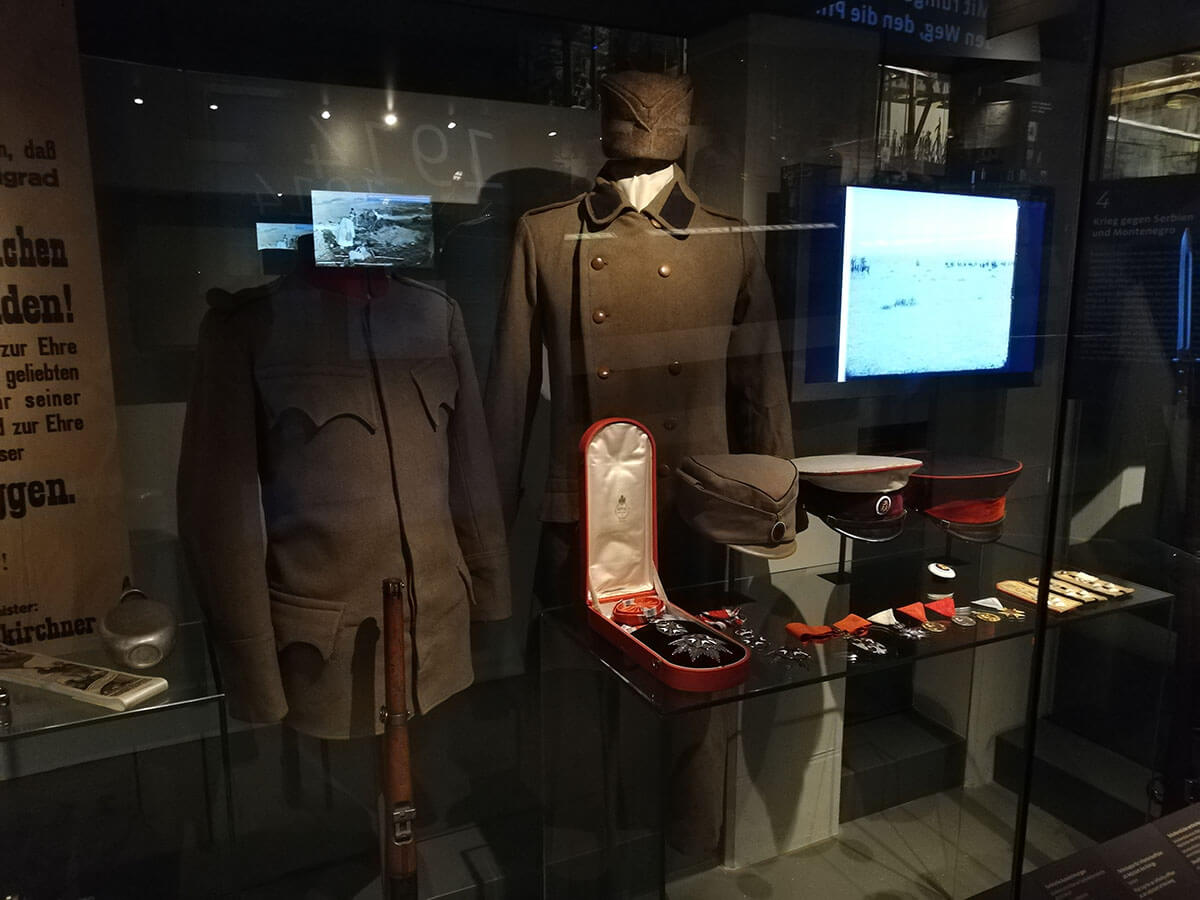
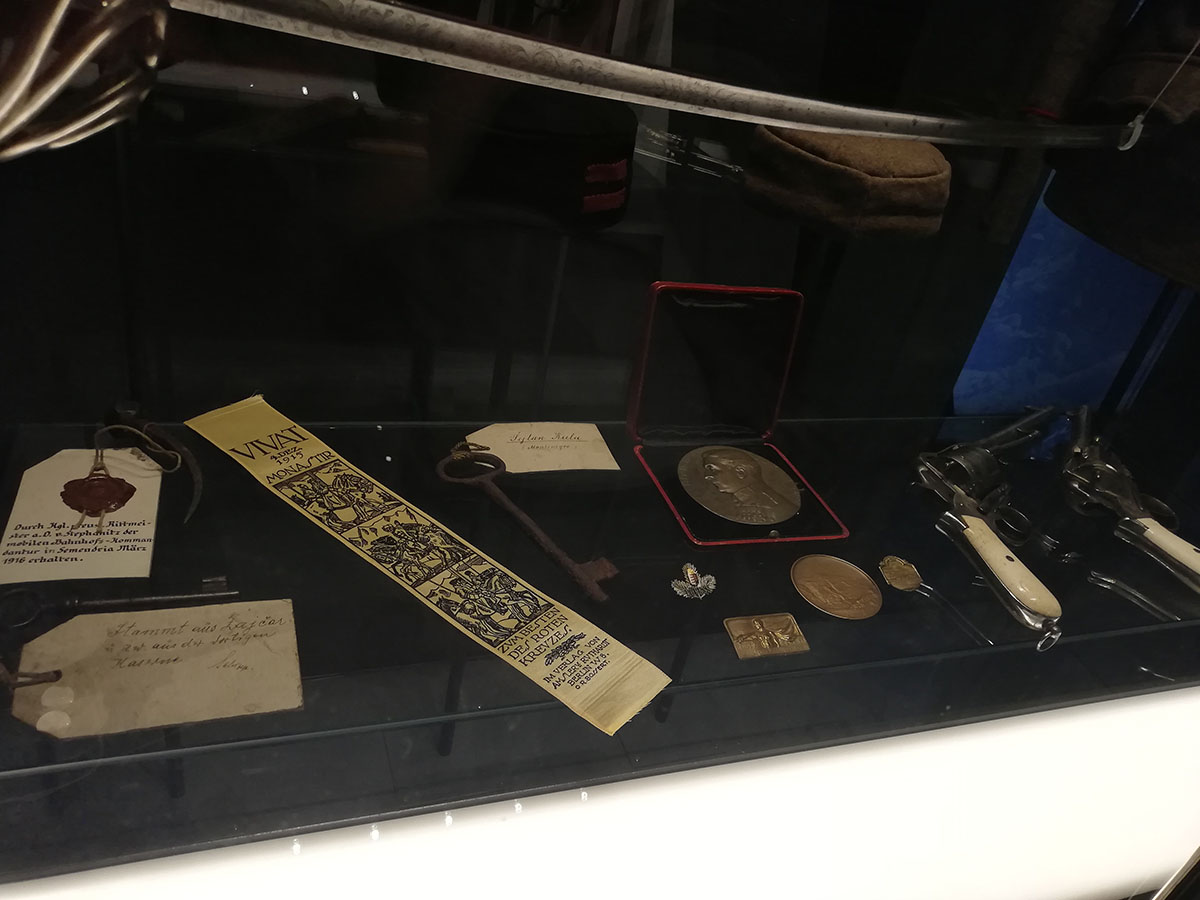
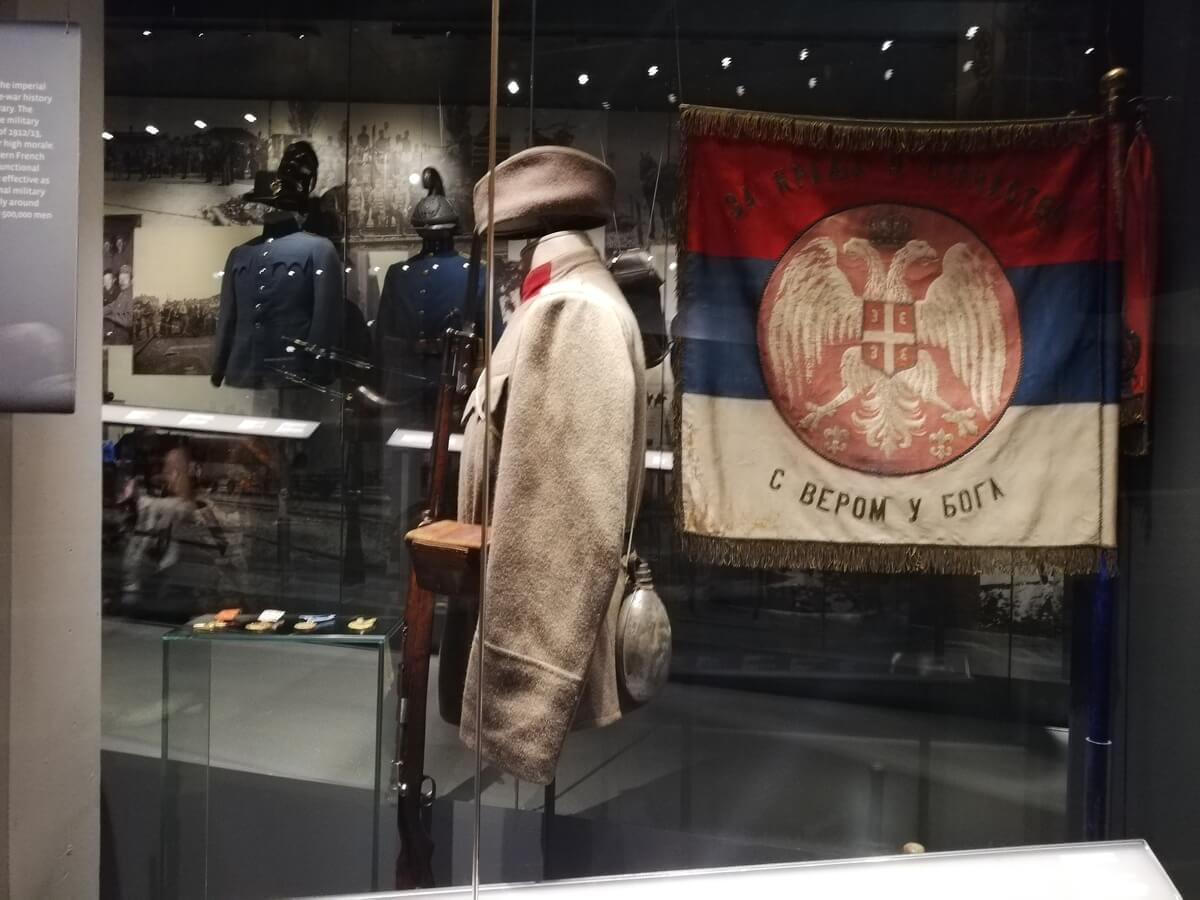
This is one of the strongest parts of the museum: original trench weapons and equipment, photographs, personal belongings of soldiers, and stories that reveal the brutality of war—not just strategy.
World War II and modern technology
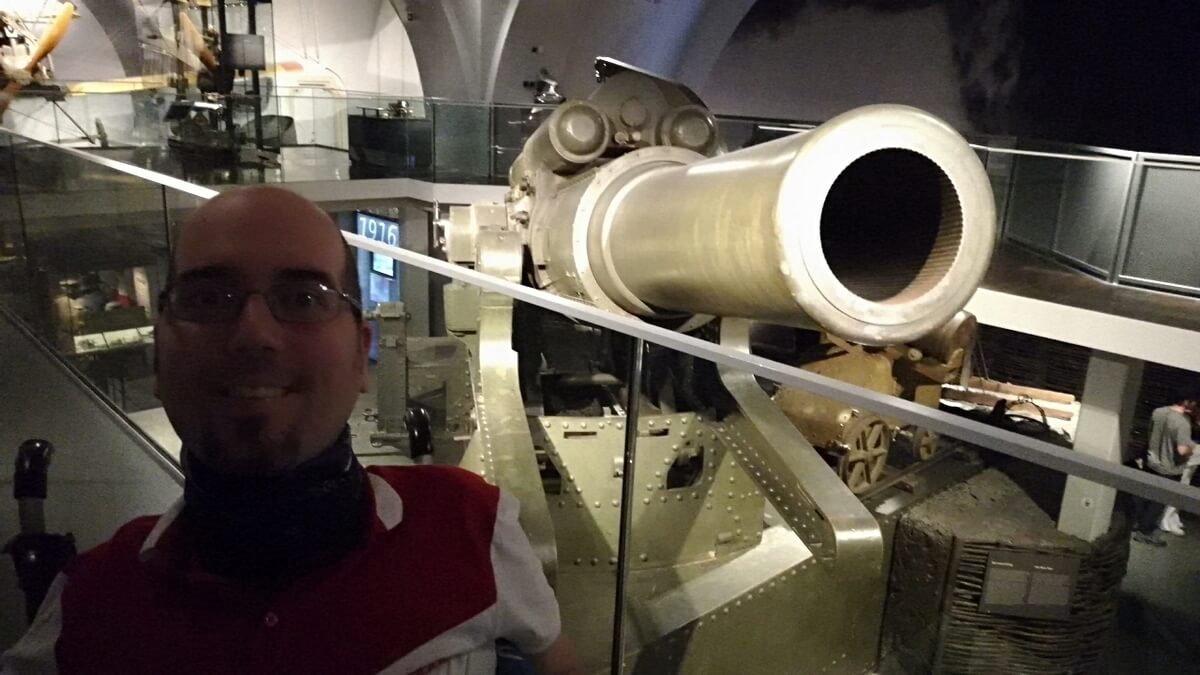
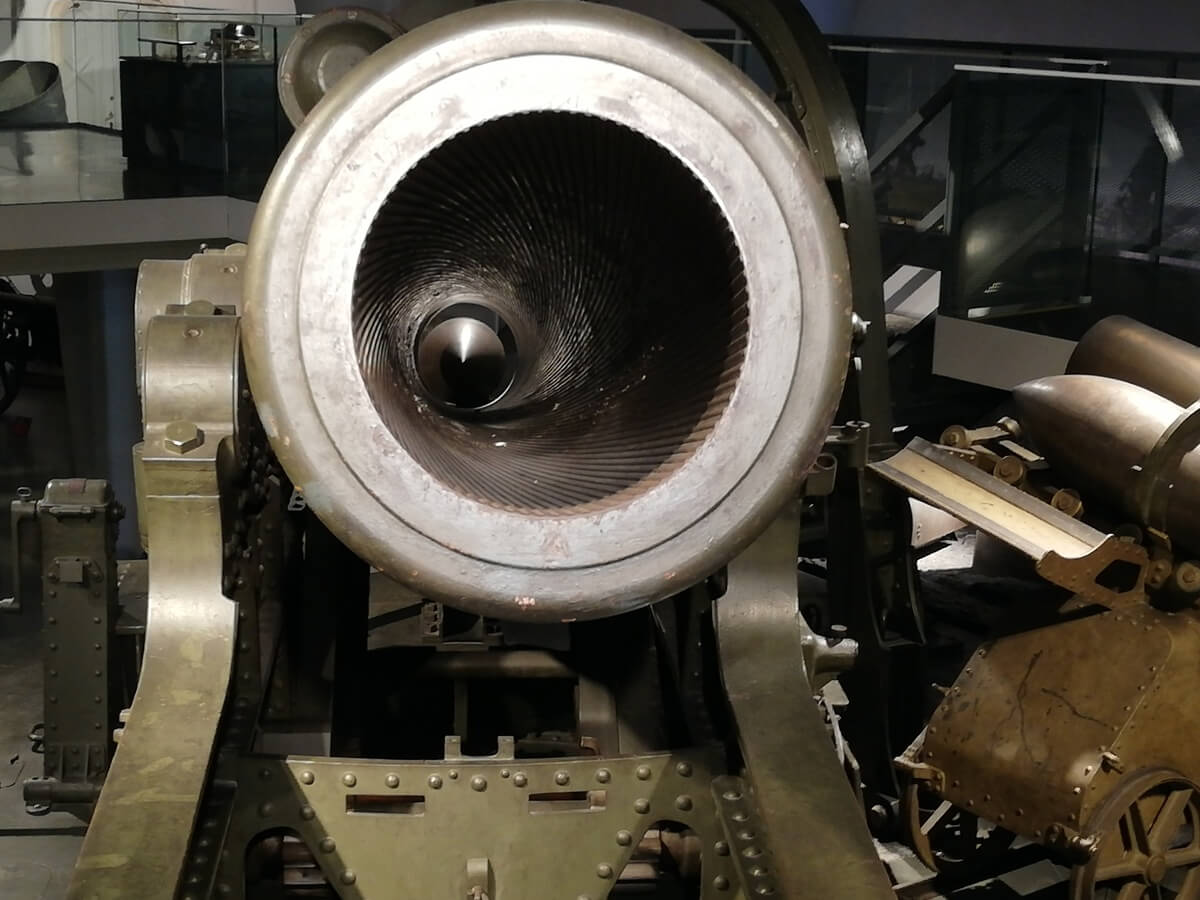
Here you can see tanks and artillery, military aircraft, and follow the development of warfare technology in the 20th century.
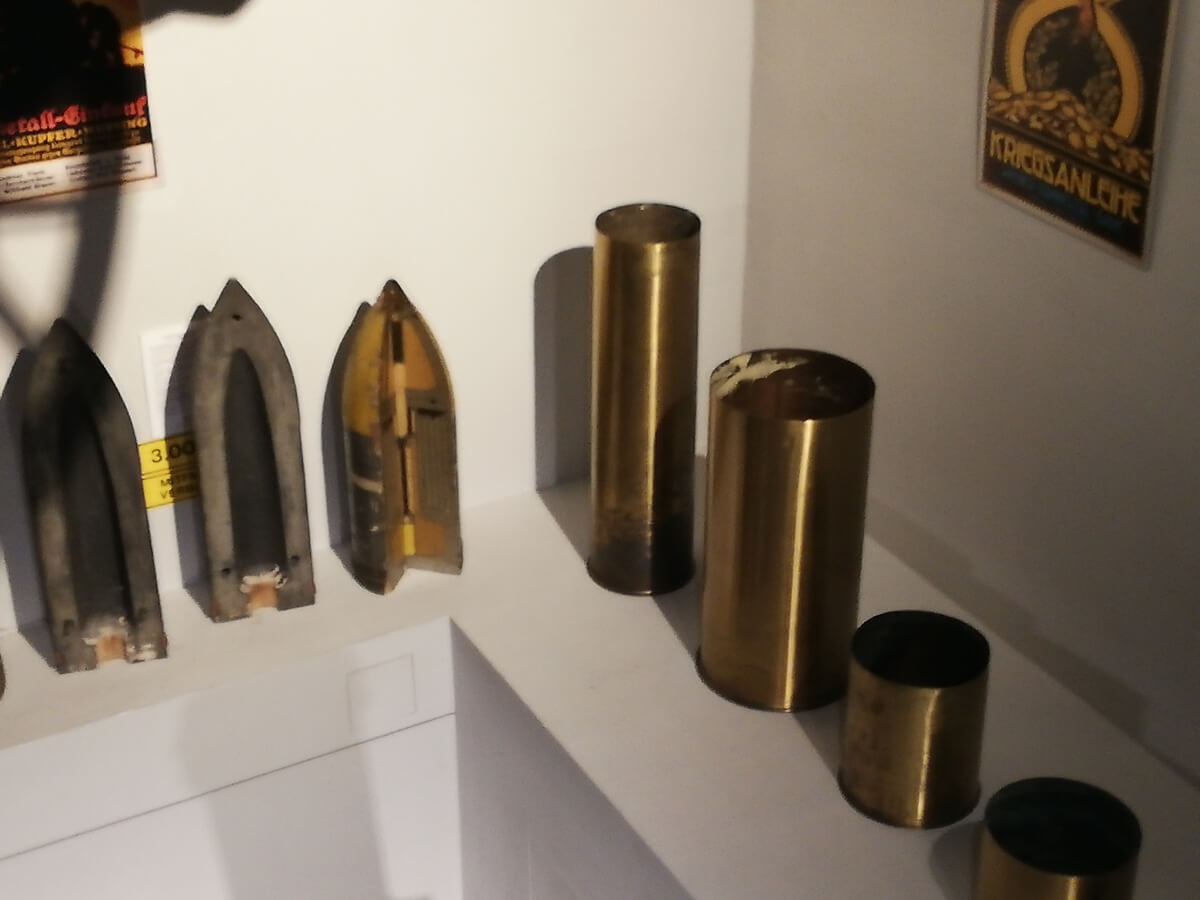
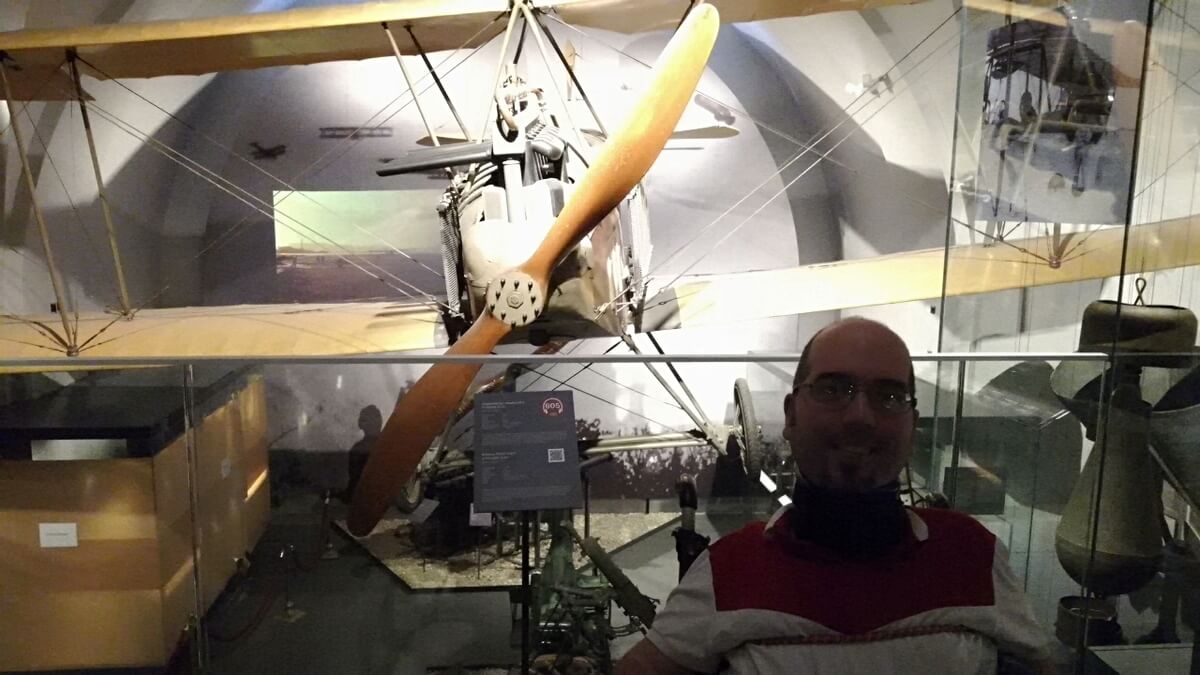
All in all, a visit to this museum is a fascinating journey that successfully combines remarkable historical artifacts with strong educational value.
Conclusion
Austria is not just about waltzes and sausages. Austria and the Habsburgs played roles in numerous conflicts around the world and therefore have much to show.
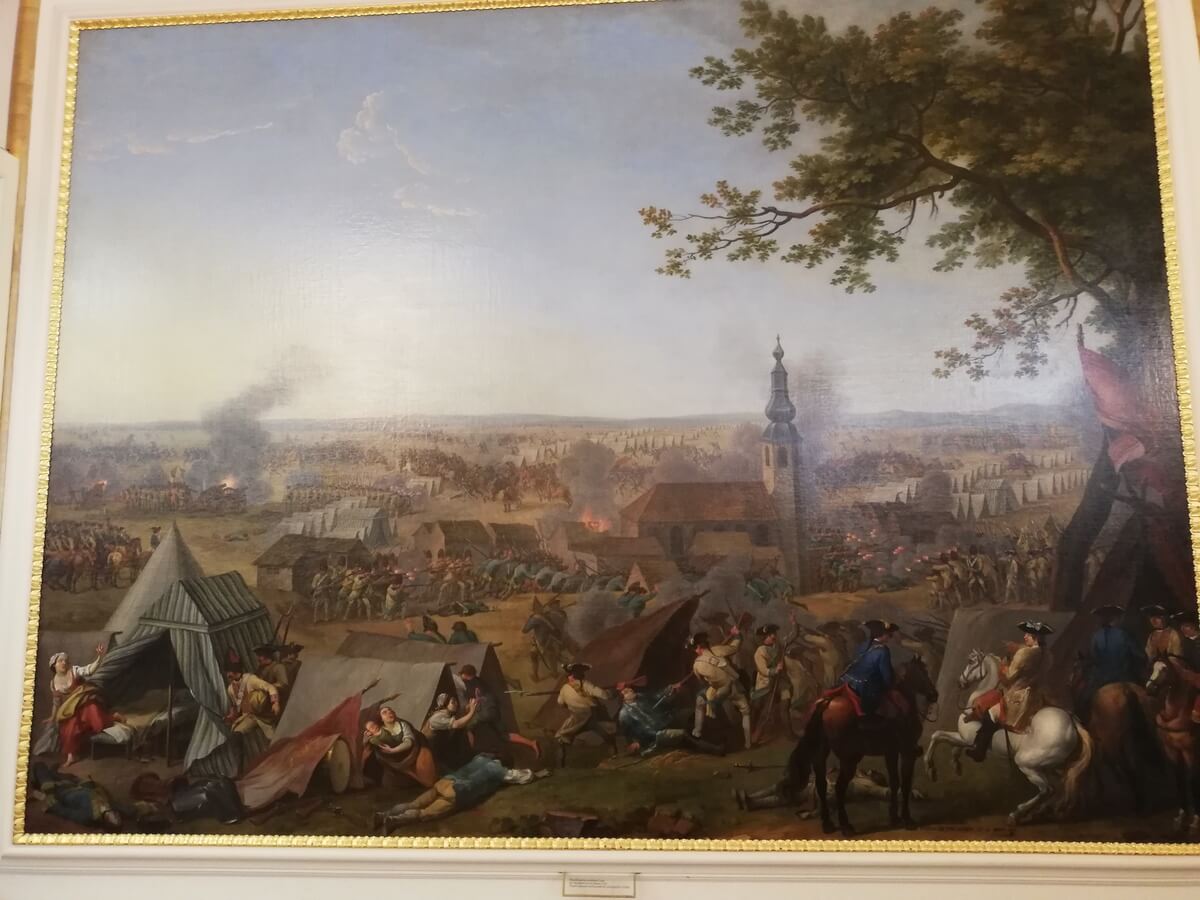
The museum is located off the typical tourist paths, but thanks to Vienna’s excellent metro system, it is easy to reach. About 2.5 hours is enough for a visit.
The museum is well marked, with information available in English.
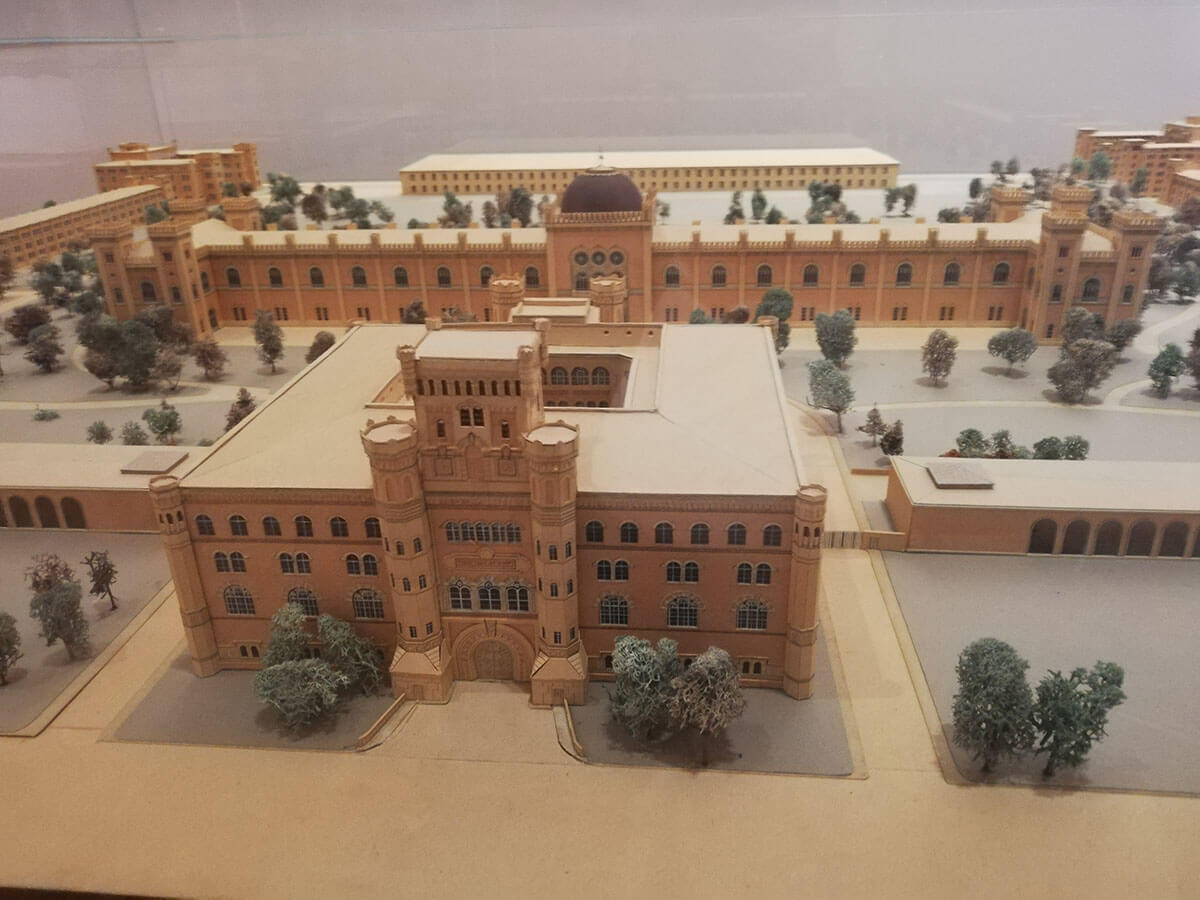
You don’t have to be a fan of the military industry to visit this museum. It is more of a historical museum that preserves memorabilia of one or two events you’ve likely read about, no matter where you are in the world. That alone is a good enough reason to visit.
Have you visited the Military Museum in Vienna?
Did I miss anything?
Traveled and enjoyed,
Marko Veličković