Vienna is a city of music, architecture, history, palaces, and museums. Because of all this, it can be difficult to decide what to prioritize when visiting Vienna…
A walk through Vienna without a specific goal can also be a winning combination, because in this city every corner tells a story. Add to that the culture of leisurely coffee drinking and you have a perfectly fulfilling day.
Here are my top 12 places to visit when you are in Vienna for the first time:
Schönbrunn Palace
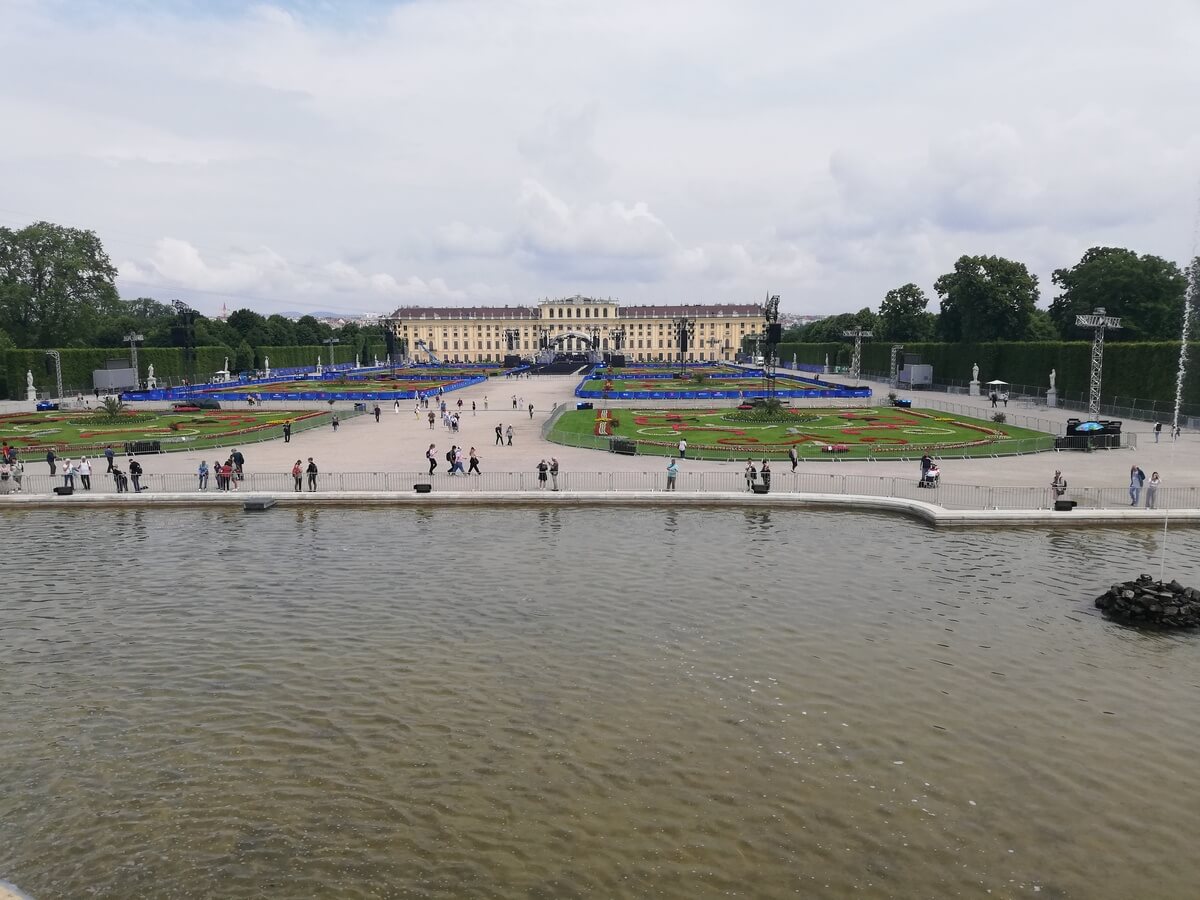
If I had to single out just one attraction in Vienna, it would be Schönbrunn Palace.
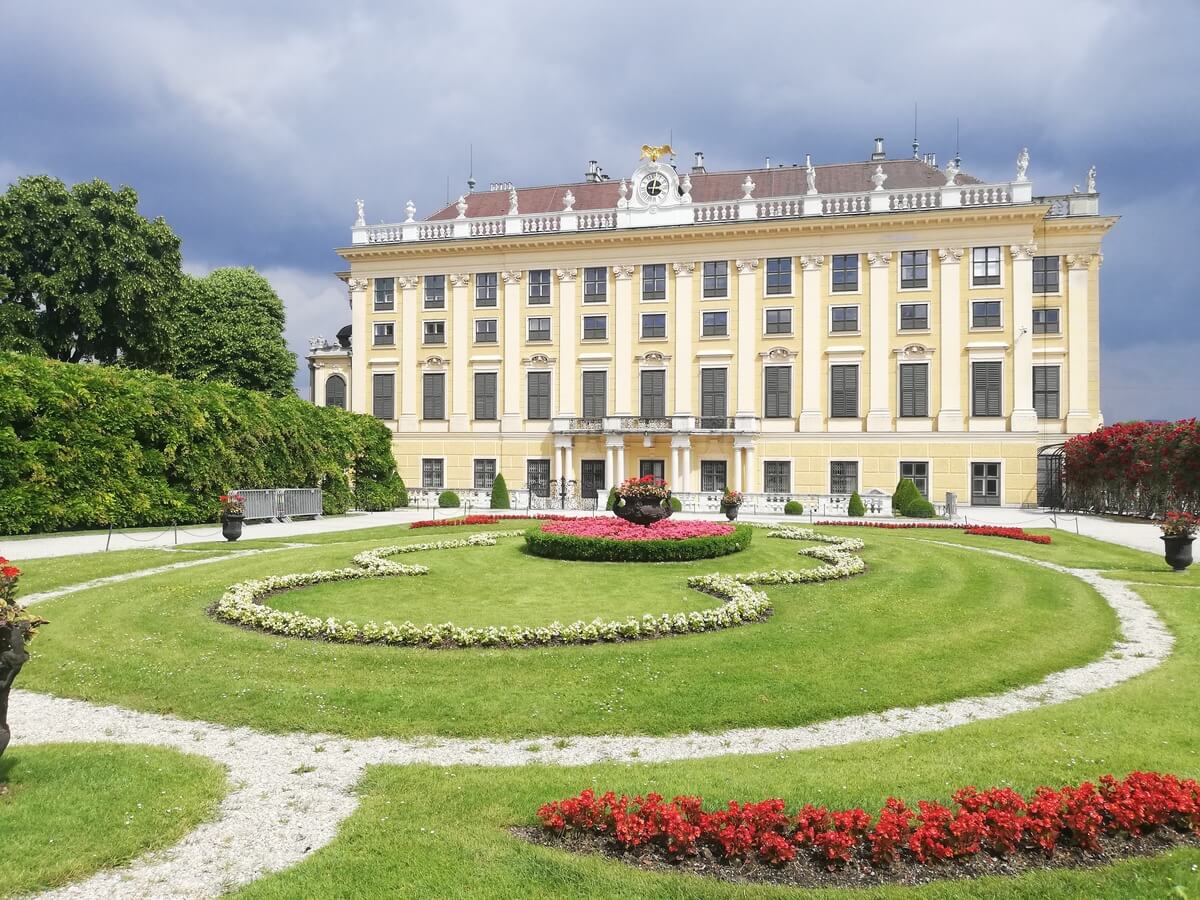
The palace was once the summer residence of the Habsburgs. Visiting it is also a journey through history, allowing you to walk through rooms where the young Mozart once played, where Marie Antoinette spent her childhood, and where Empress Sisi relaxed.
You can easily spend the entire day here because the palace is surrounded by a park.
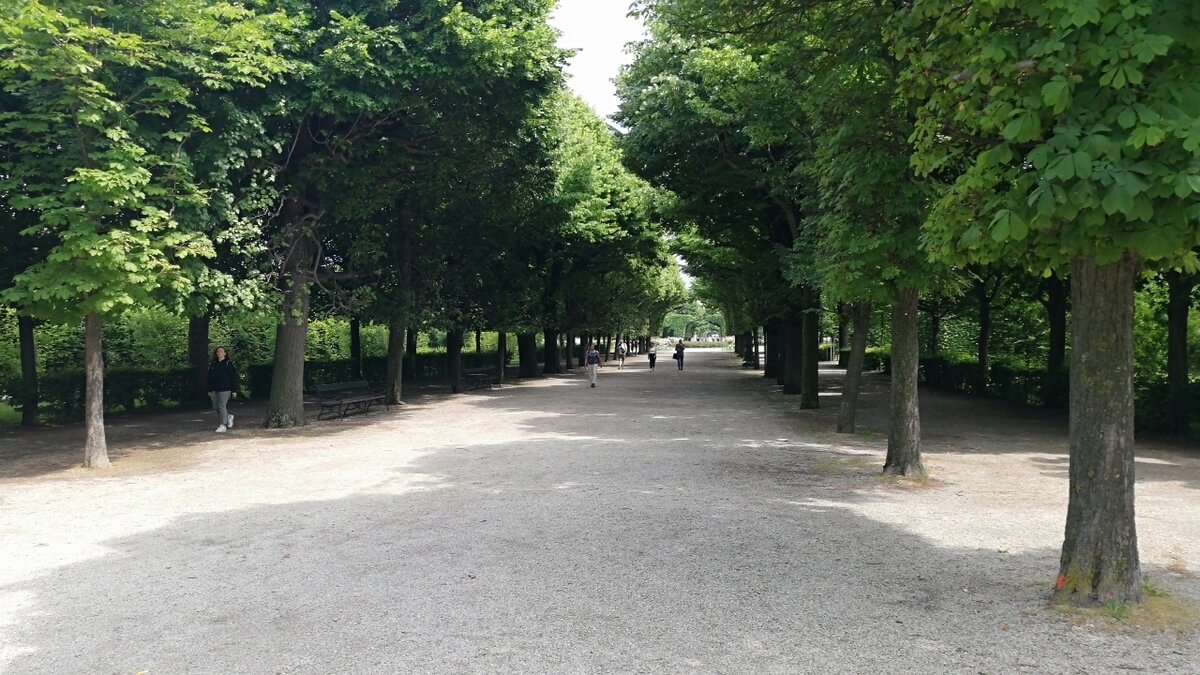
The palace is encircled by perfectly maintained gardens, which are at their most beautiful early in the morning before visitors arrive.
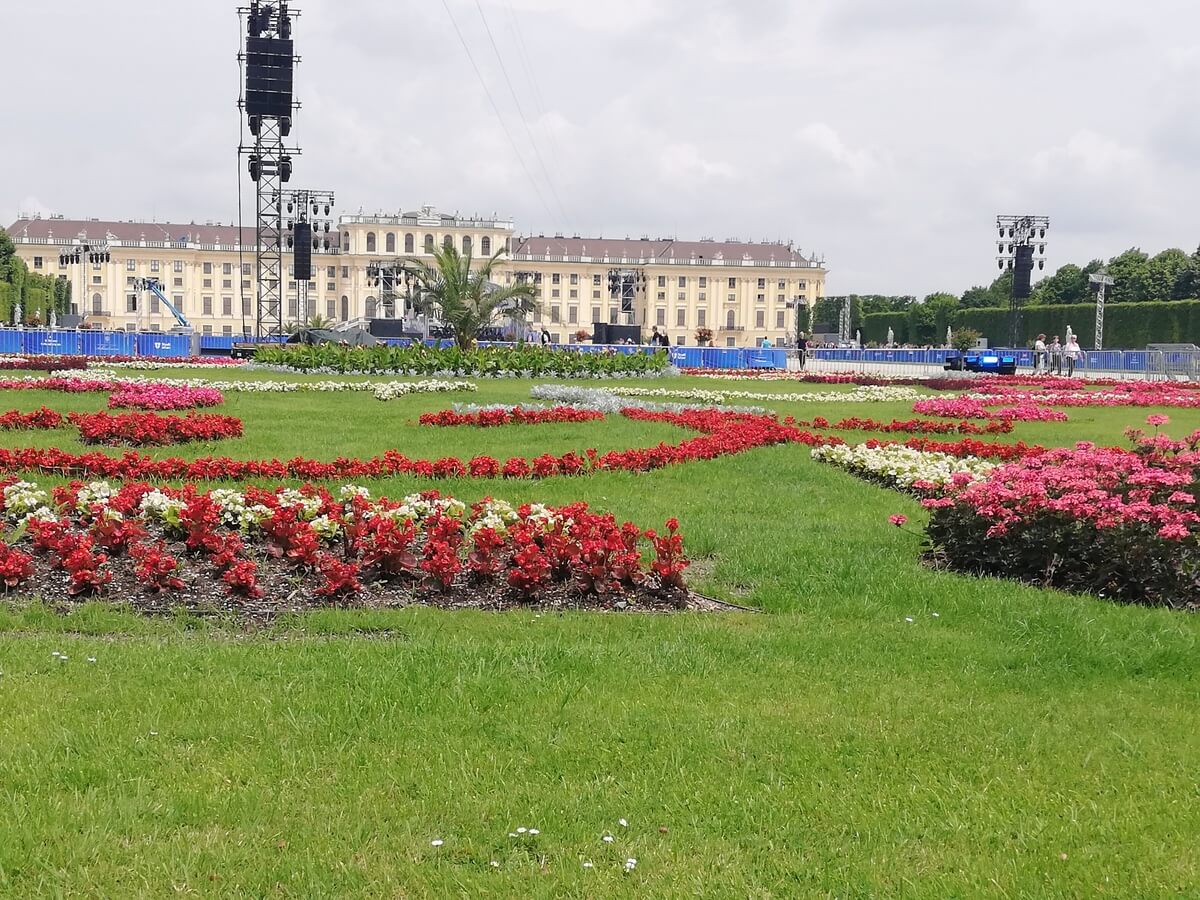
If you climb the famous hill where the Gloriette stands, you’ll have a spectacular view of the palace.
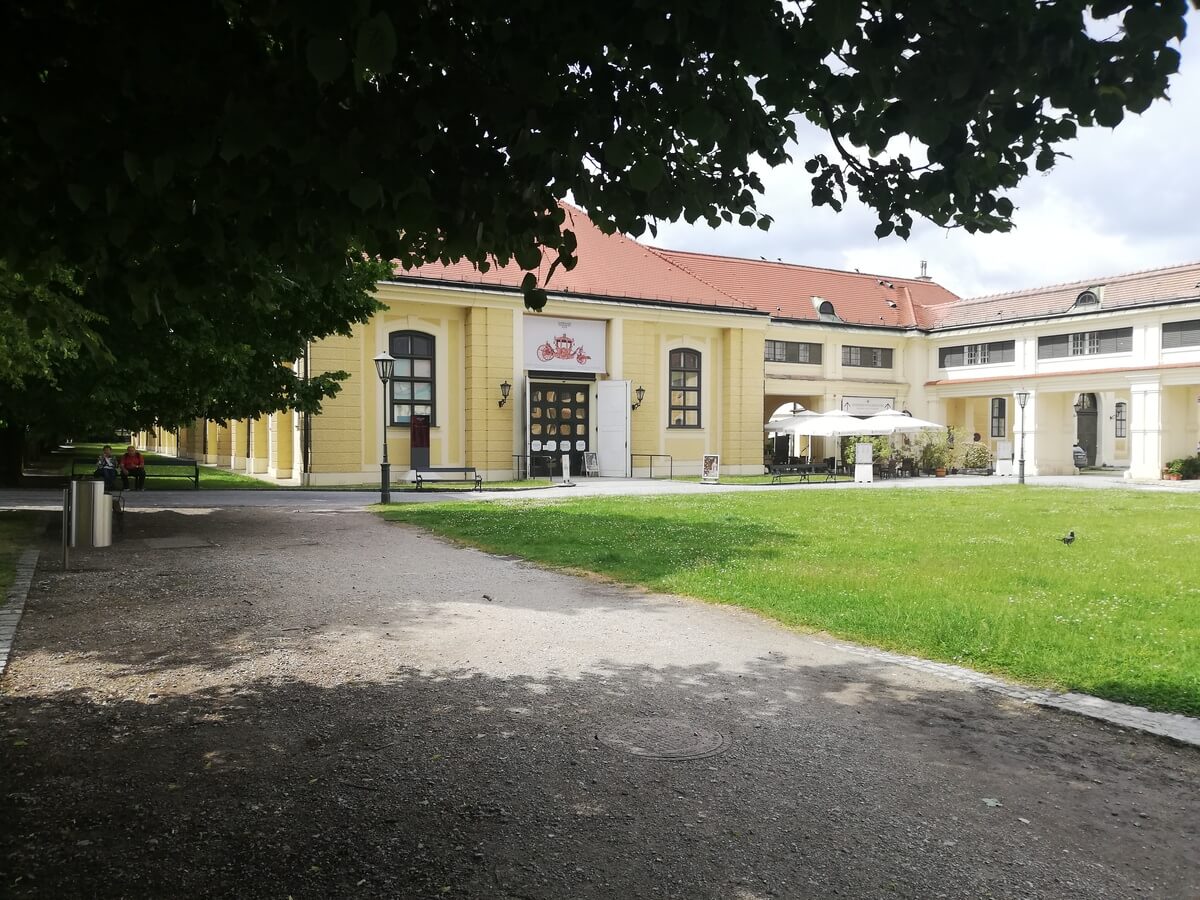
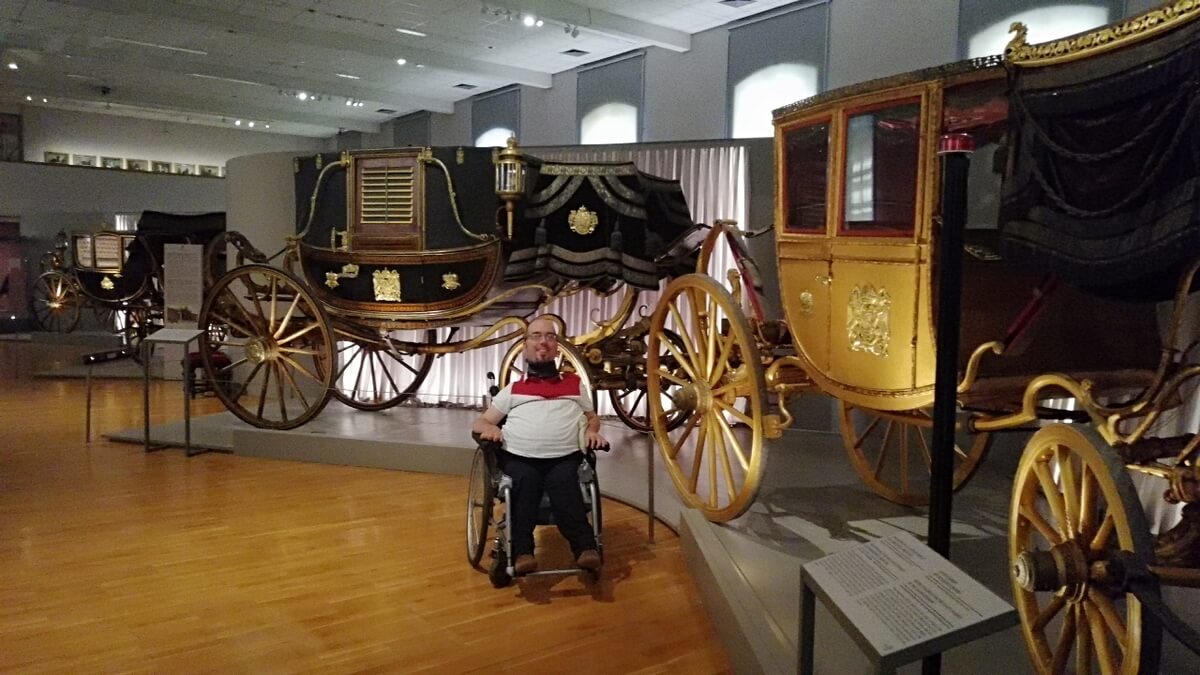
The Carriage Museum, which is also located here, is something I warmly recommend.
Within the park there is also a zoo, one of the best in the world and one of the few that has a giant panda. This is also the first place where I had to prove my more-than-obvious disability to an overly diligent staff member.
Belvedere Palace
Belvedere Palace was built by Prince Eugene of Savoy in the 18th century as his summer residence.
The complex consists of two palaces, the Upper Belvedere and Lower Belvedere, with a fantastic, impeccably maintained garden with fountains cascading between them toward the lower palace.
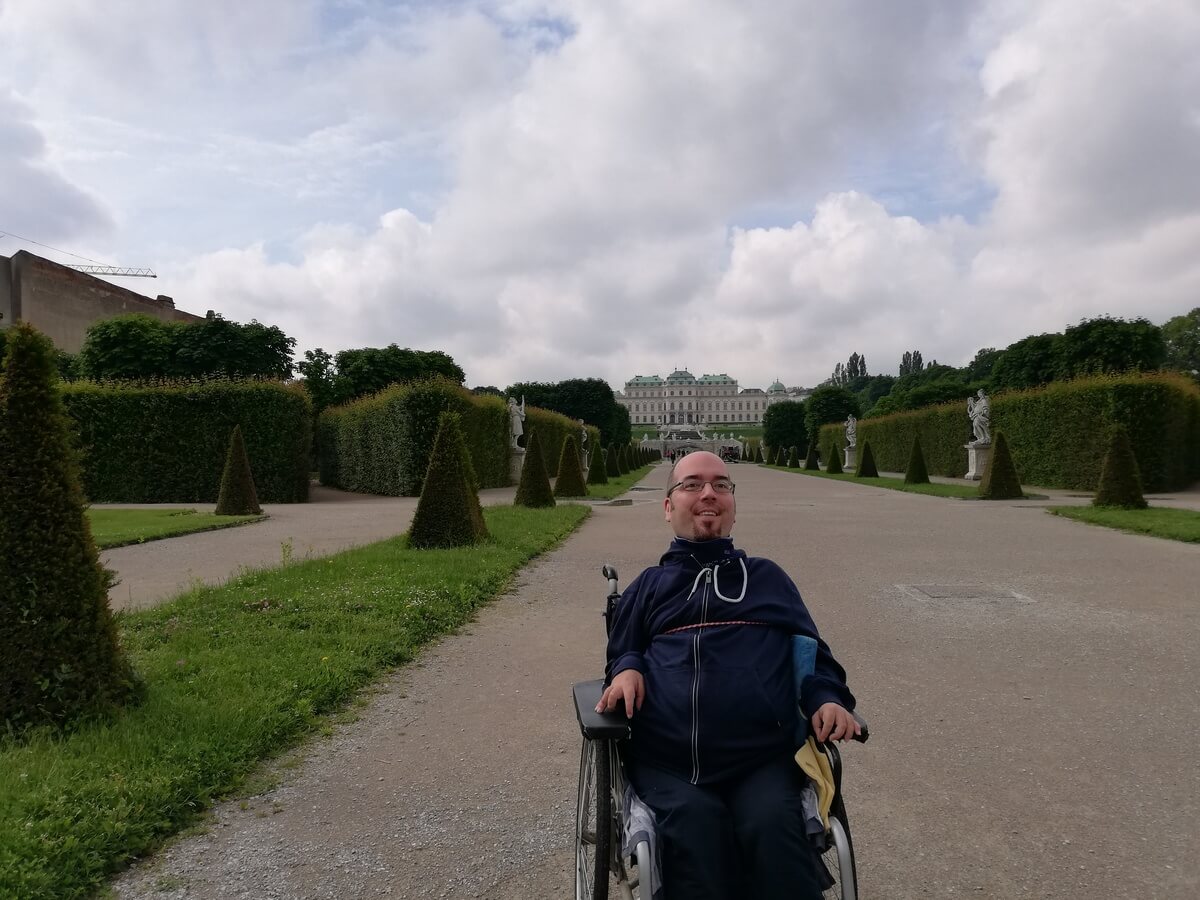
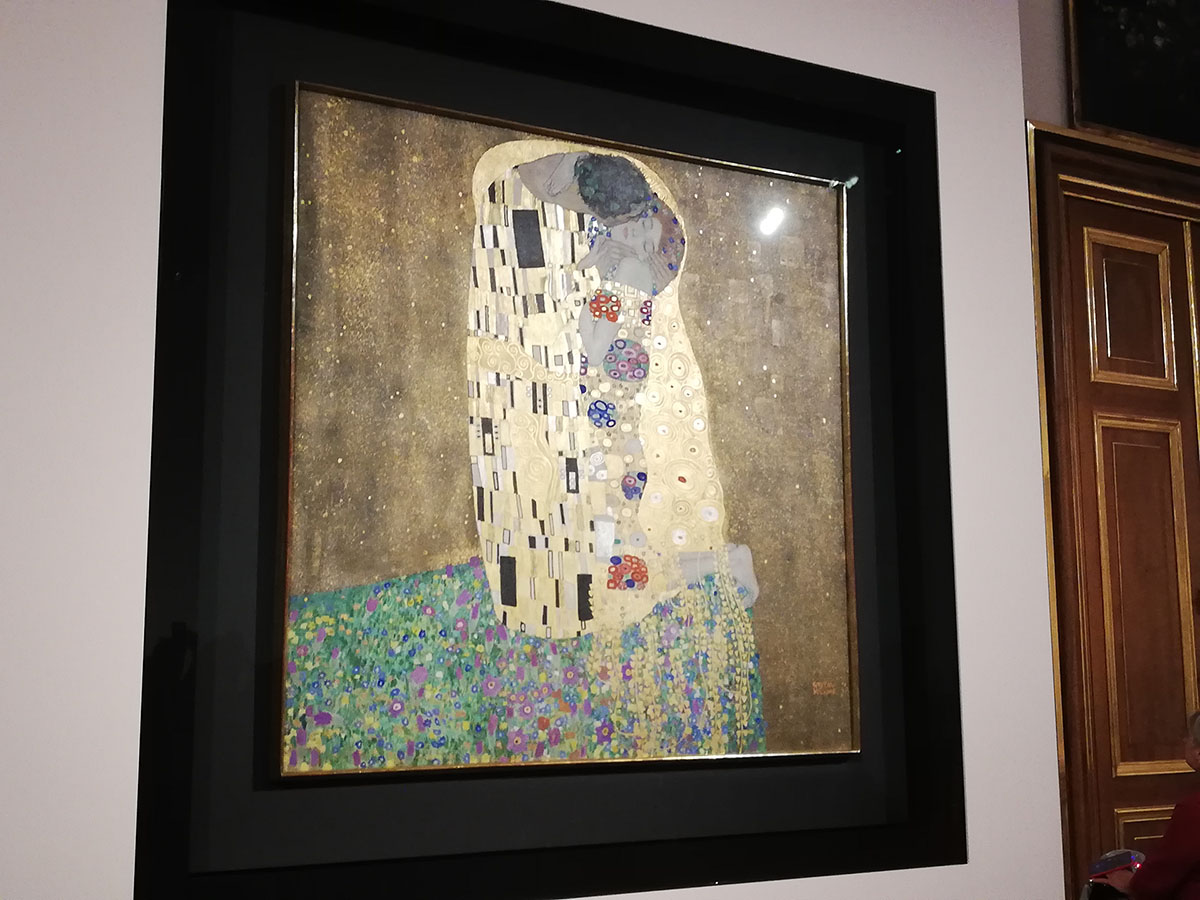
The palace itself is one of the most beautiful Baroque buildings in the world, but it is also famous for housing one of the most famous and expensive paintings in the world — Klimt’s “The Kiss.” I wrote more about Belvedere here.
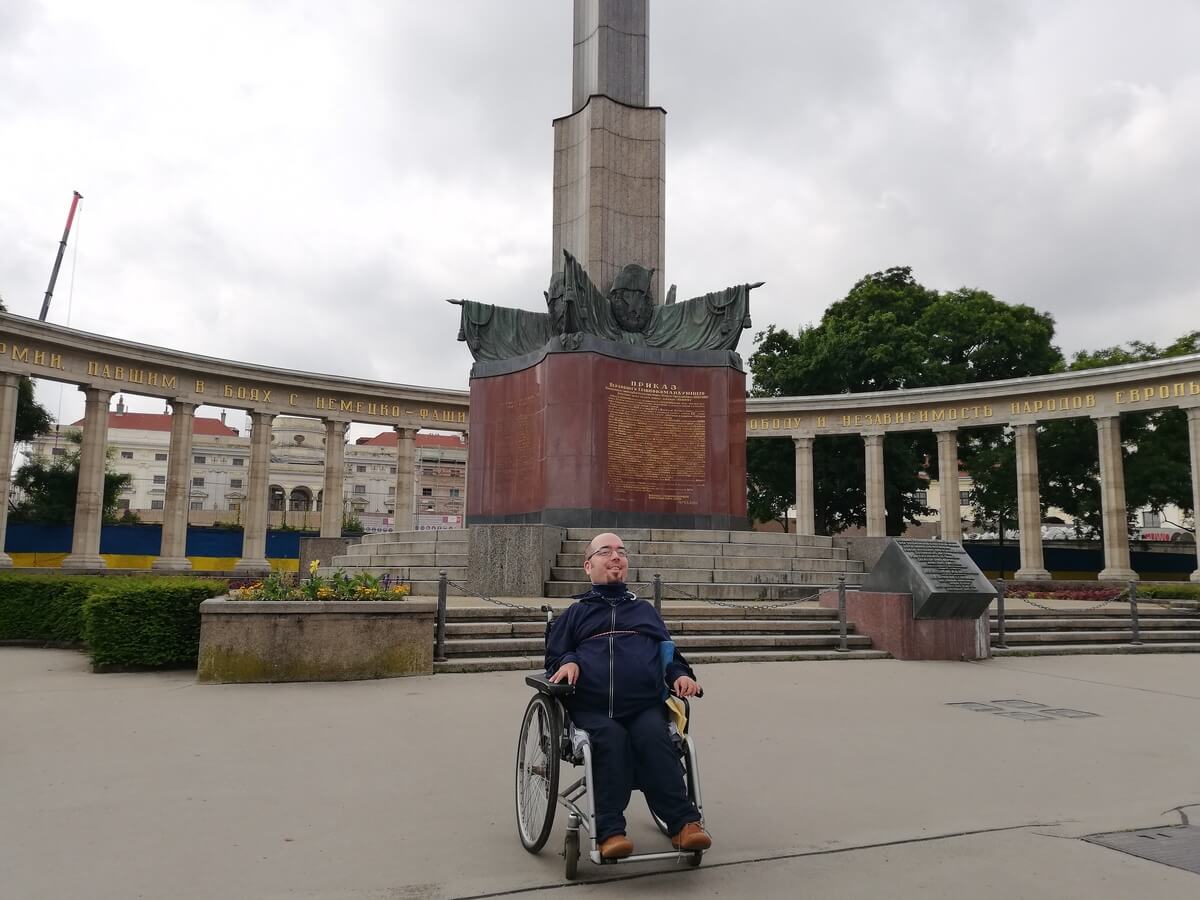
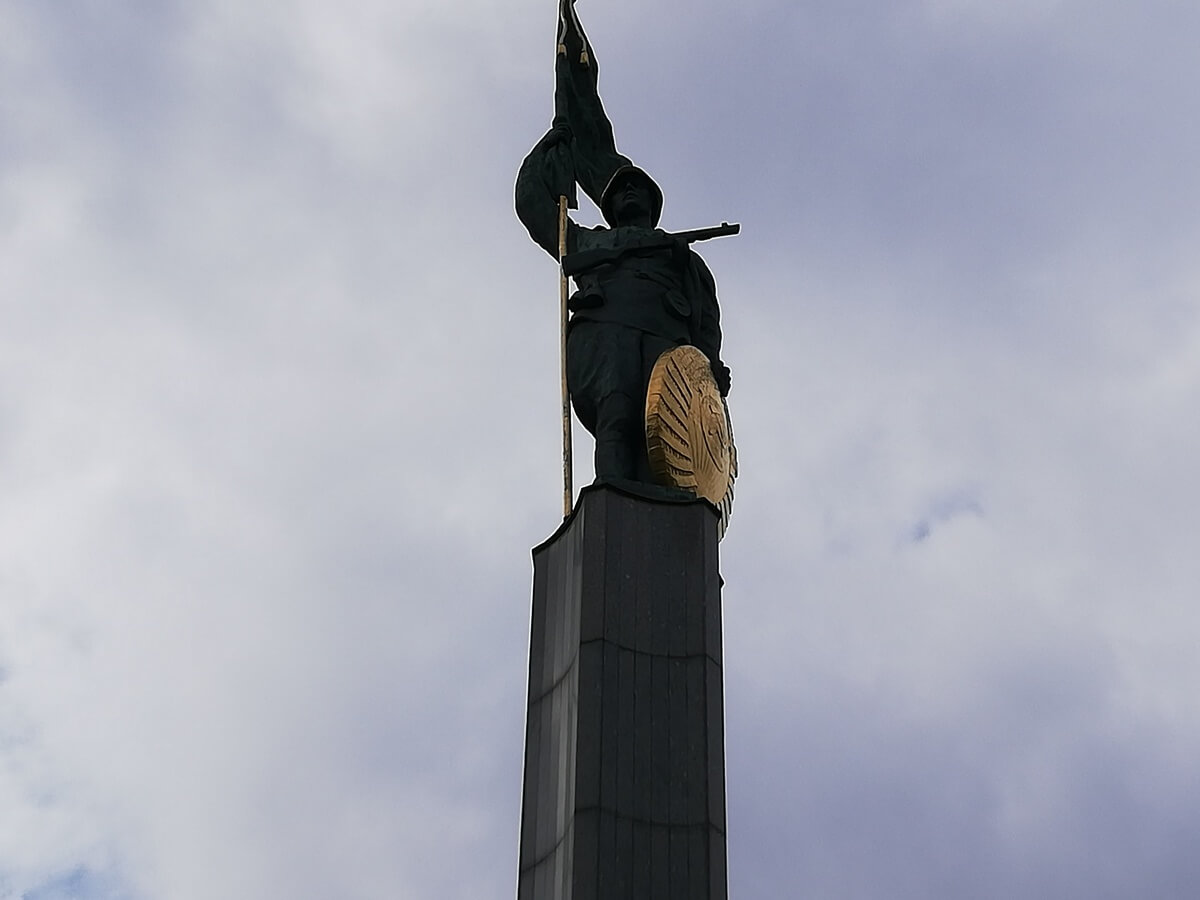
While you are near Belvedere, you will also come across a monument dedicated to the heroes of the Red Army who died during the liberation of Vienna in 1945.
Next to this monument is a fountain dedicated to the opening of the first water pipeline.
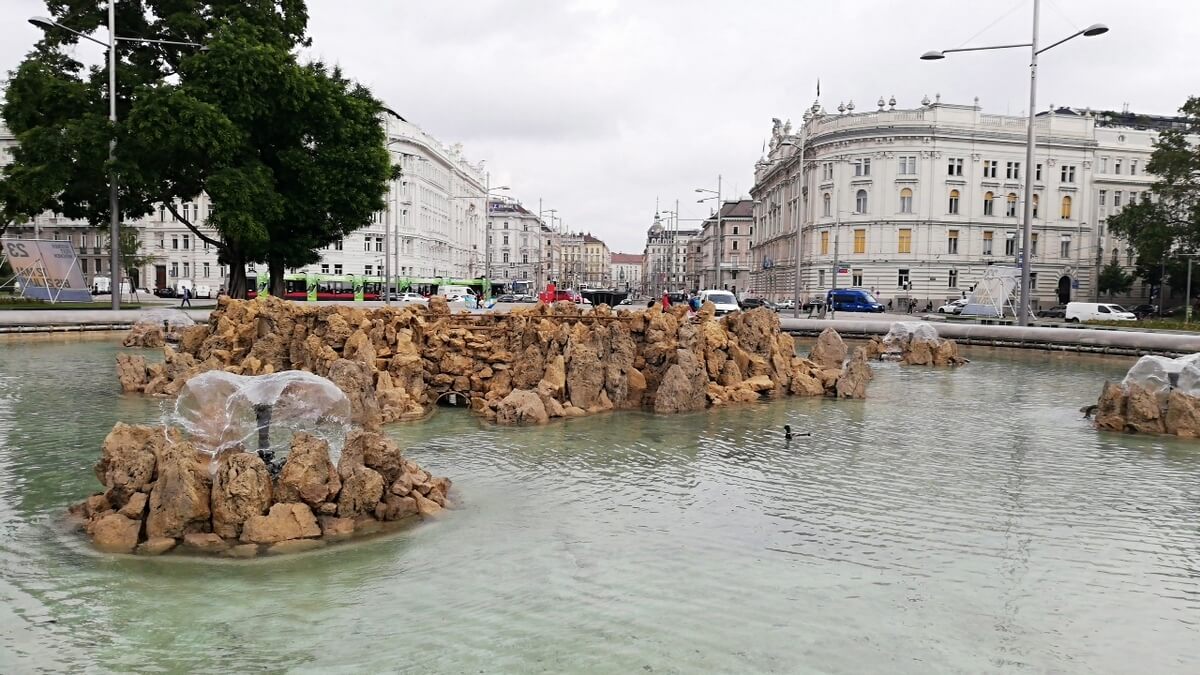
This aqueduct brought water from the Alps to the city around 1800. That’s the secret behind the excellent quality of Vienna’s tap water.
Hofburg
The Hofburg complex is located in the very heart of Vienna.
This is where the royal family lived, worked, ruled, and entertained themselves.
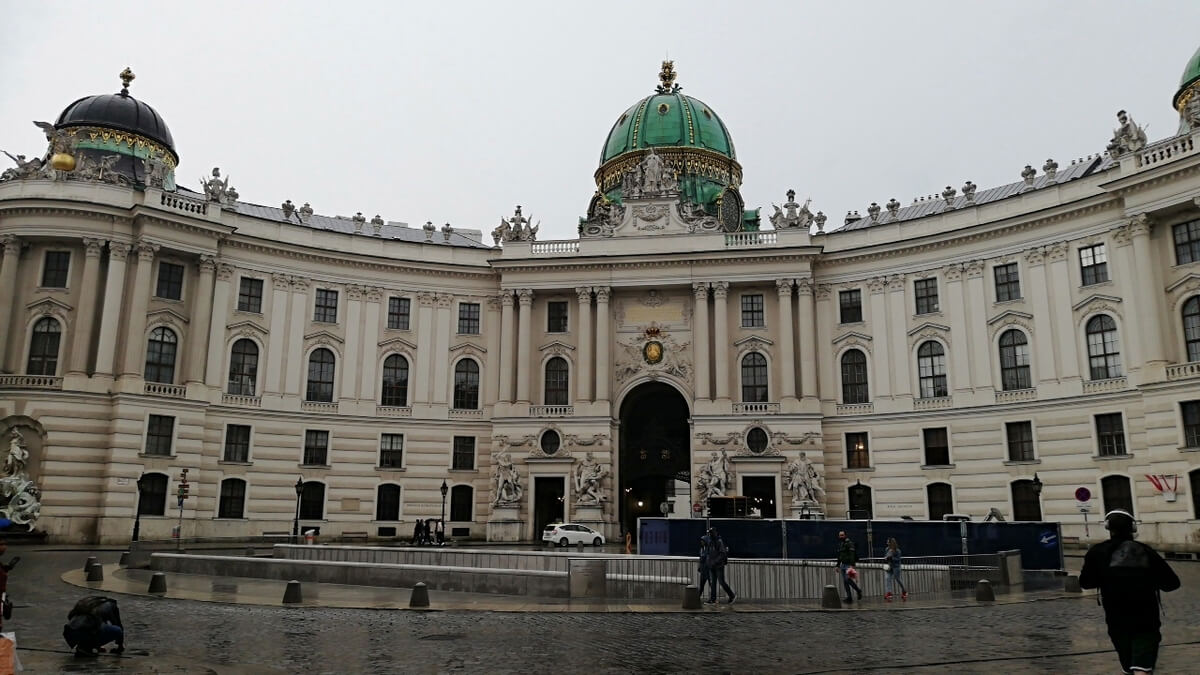
It consists of numerous buildings, courtyards, and gardens. Here you can visit the Sisi Museum, the Imperial Apartments, the Spanish Riding School, the Imperial Treasury and crown jewels, the National Library, the Ethnological Museum, and more. I wrote more about Hofburg here.
If you’re lucky, a horse-drawn carriage may pass by and complete the picture.
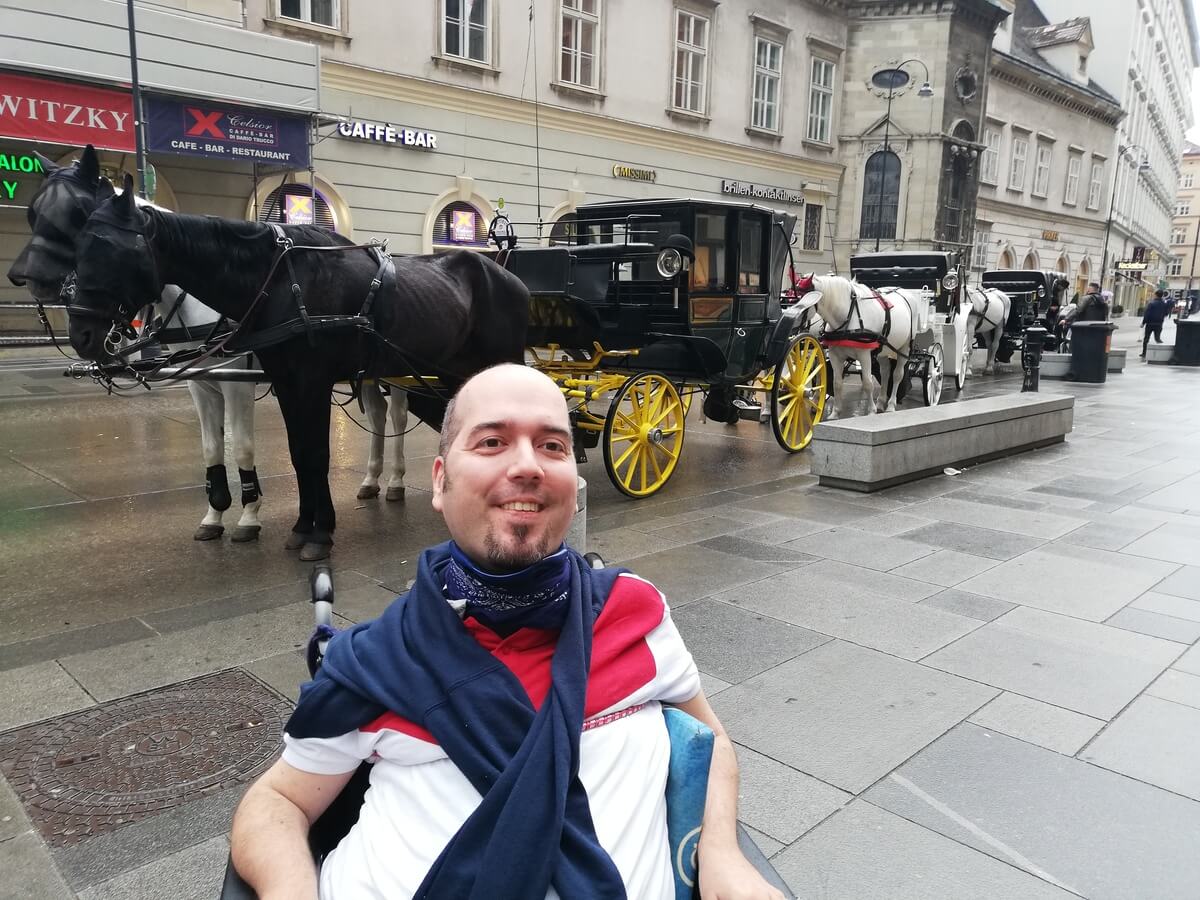
St. Stephen’s Cathedral
St. Stephen’s Cathedral is the most important symbol of Vienna.
Located in the city center, all roads seem to begin from here.
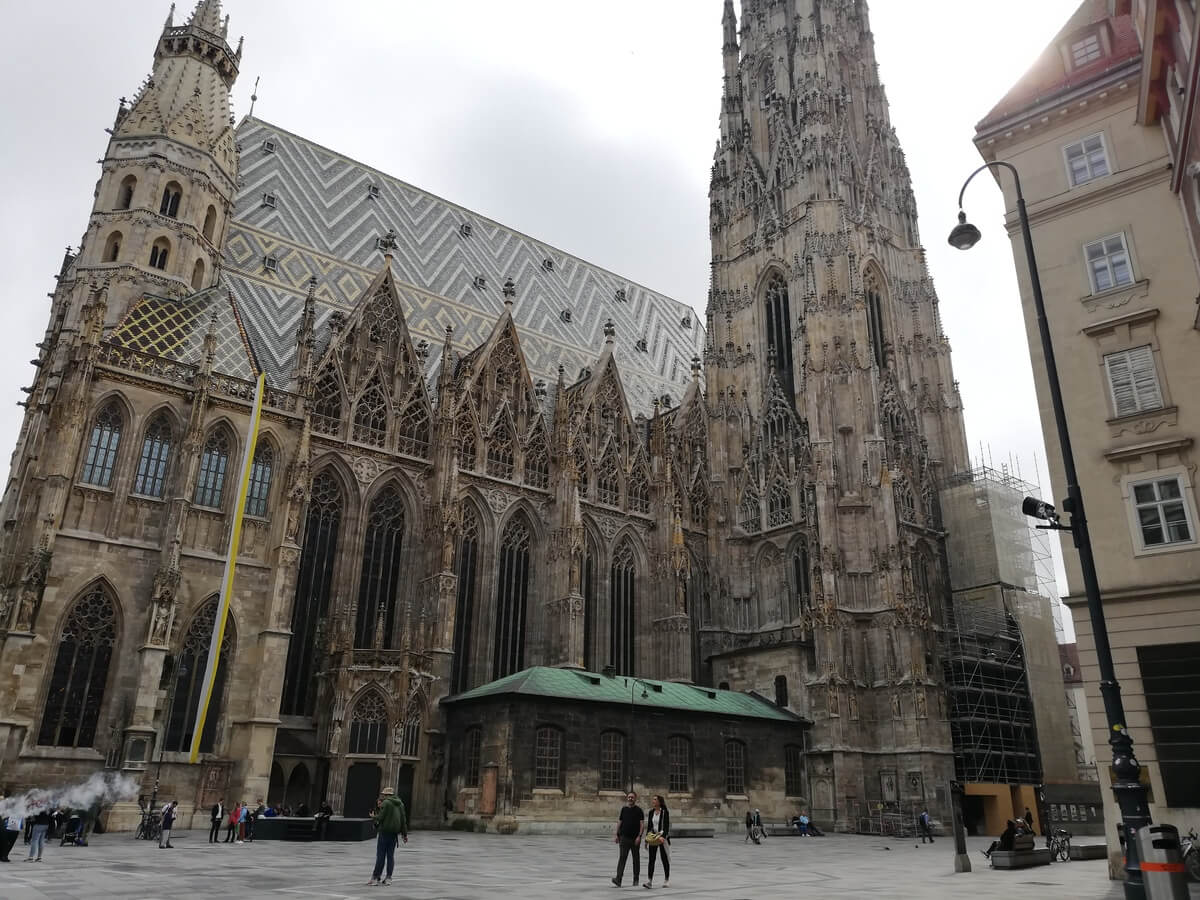
The foundation stone for this impressive structure was laid back in 1137. Entry to the front section of the cathedral is free, and it is accessible for wheelchair users.
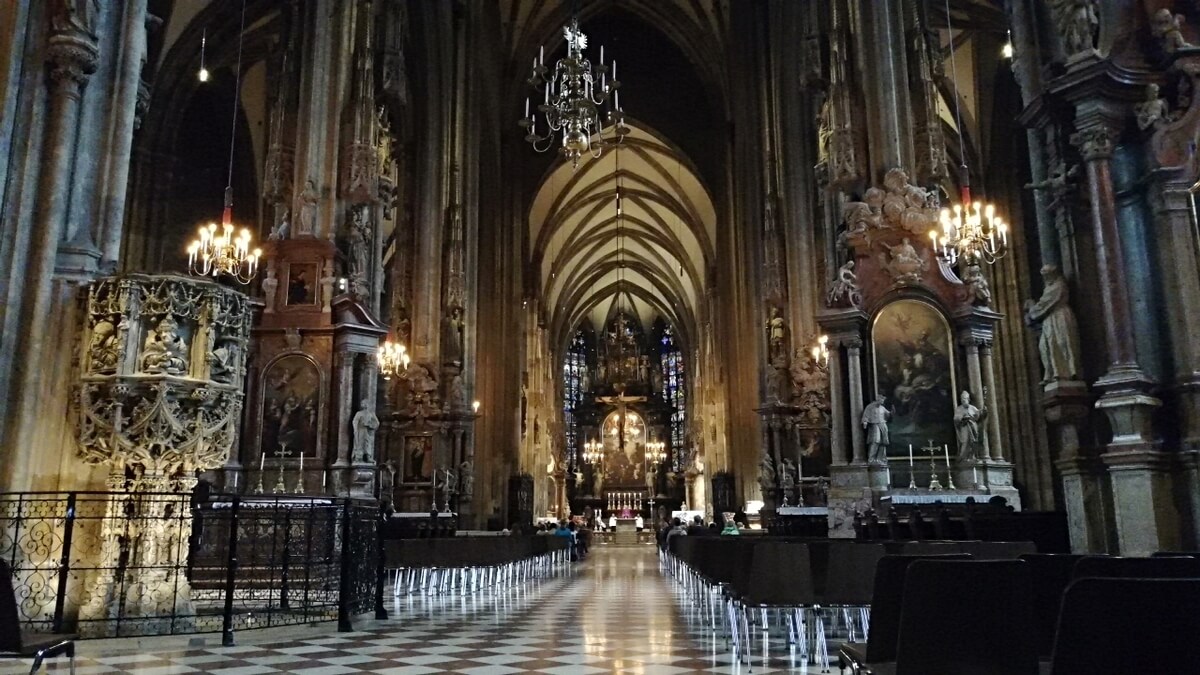
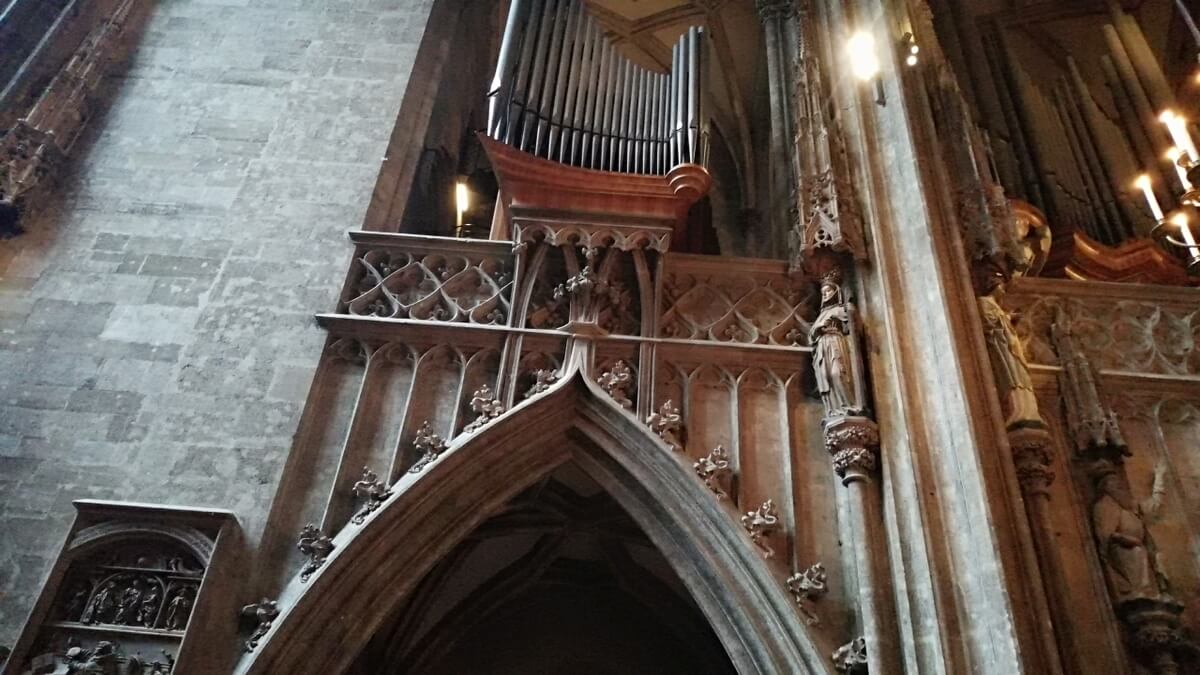
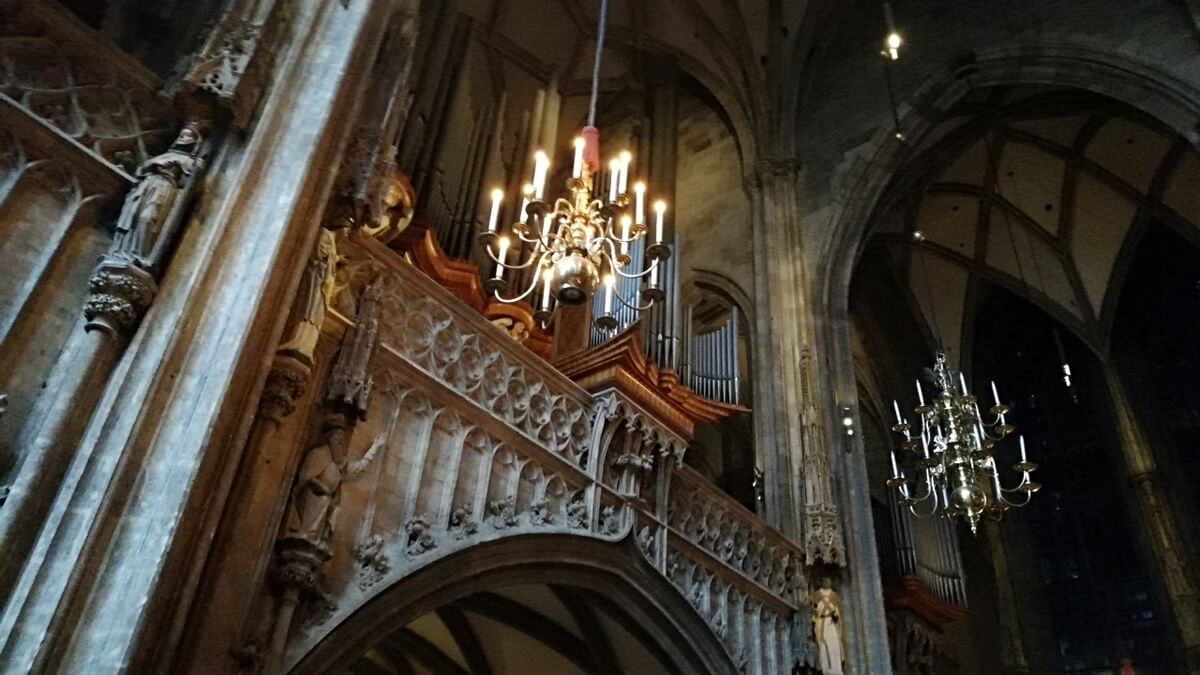
If you want to climb the towers, descend into the catacombs, and similar activities, you need to purchase a ticket.
The South Tower is 67 meters tall, and reaching its top requires climbing 343 narrow and very claustrophobic steps.
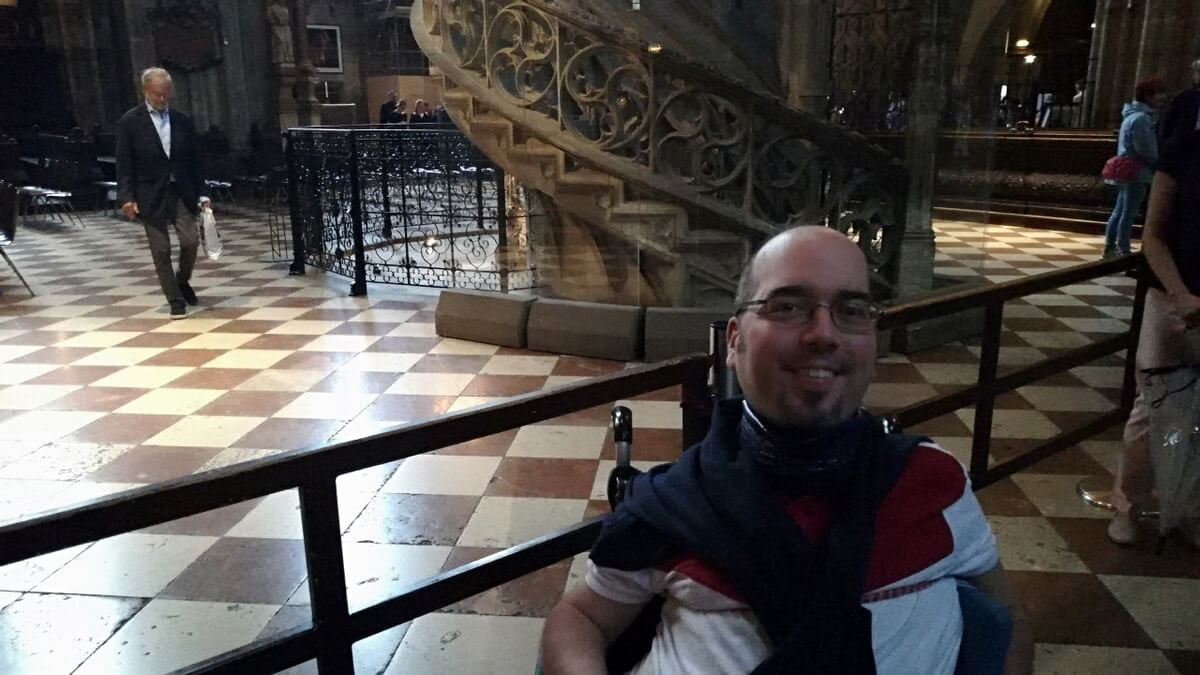
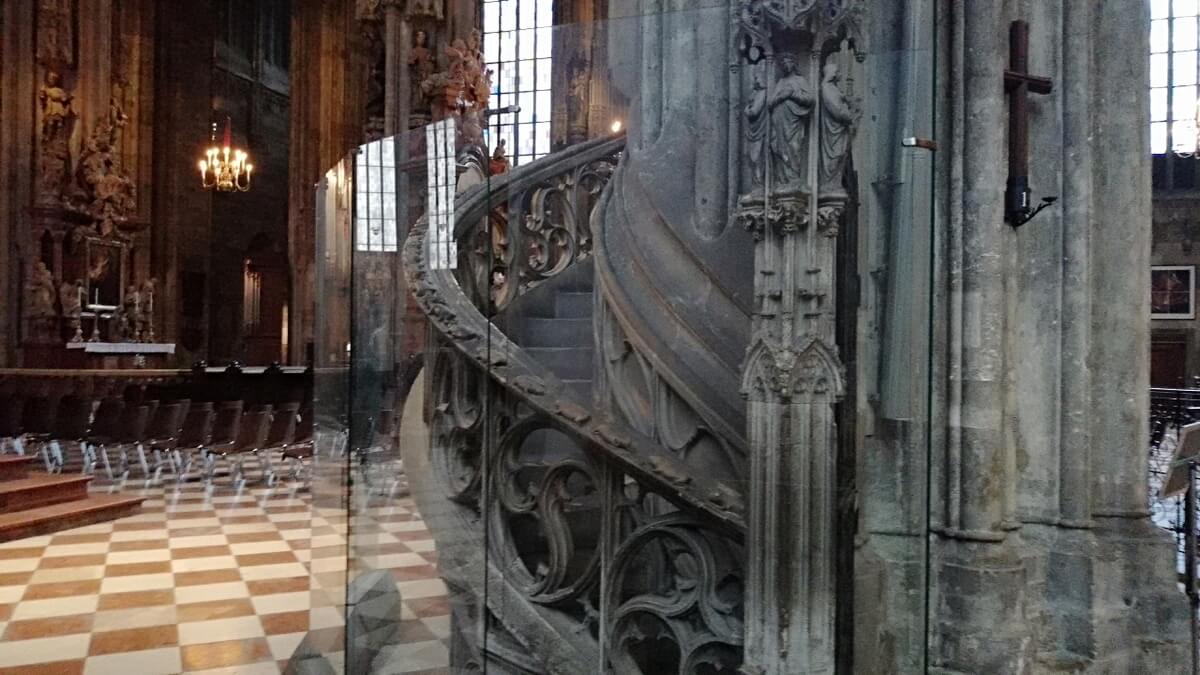
Of course, this is not my “cup of tea,” but I learned that the view from this tower is much better because all the major attractions can be seen clearly. It also allows you to closely observe the various gargoyles decorating the cathedral.
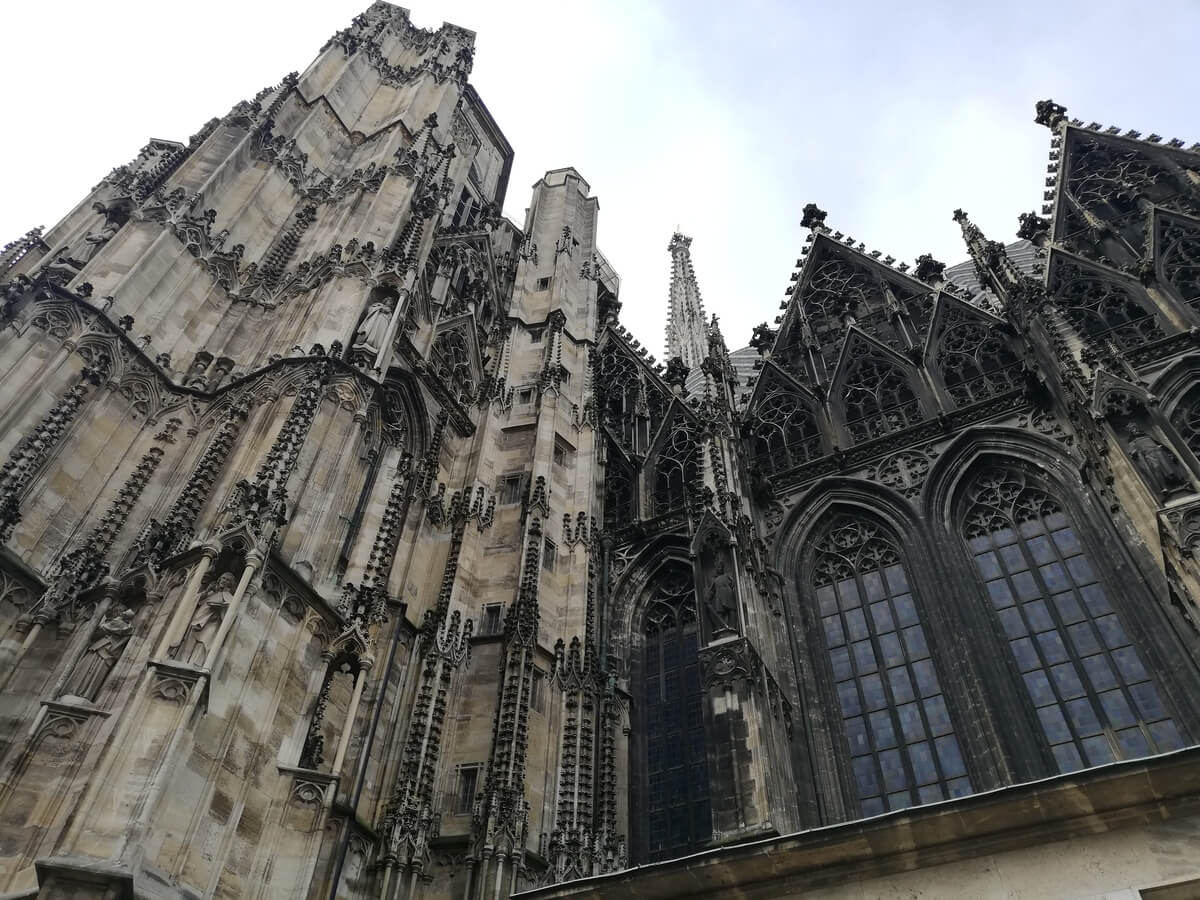
The North Tower was built later than the south one. You can reach the top by a small elevator whose door is about 65 cm wide, so I’m not sure how accessible it is for wheelchair users. The roof partially limits the view.
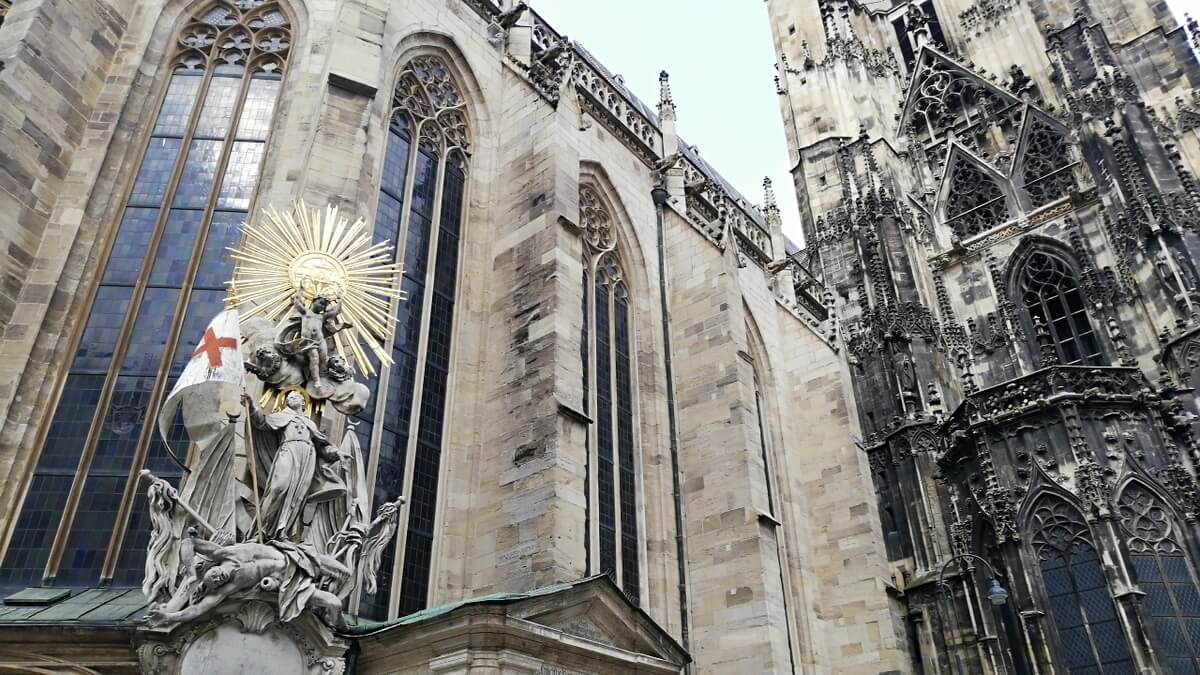
However, this tower allows you to better observe the famous roof tiles and the Pummerin bell, one of the largest free-swinging bells in the world. It weighs 21 tons and is 3 meters tall.
The current bell was made in 1950, while the original bell from 1711 was cast from melted Turkish cannons. Among other things, the Pummerin bell marks the beginning of the New Year.
The crypt is not accessible to wheelchair users.
Museum of Military History
I’m not a fan of weapons and devices designed for only one purpose, but this museum is something special.
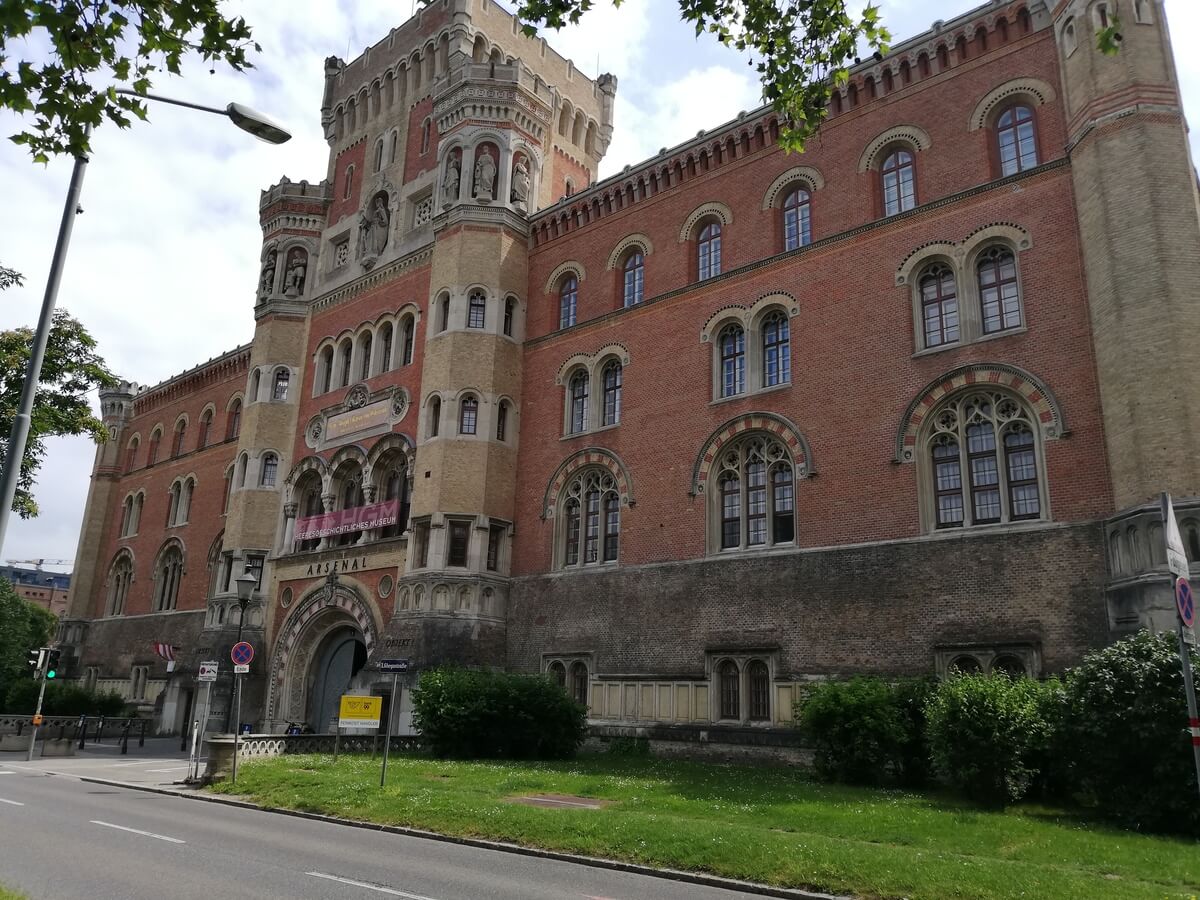
Some events changed world history, and one of them is the assassination of Archduke Franz Ferdinand in Sarajevo in 1914, which marked the beginning of World War I.
Seeing the car in which he was sitting, still bearing bullet holes, is an opportunity not to be missed.
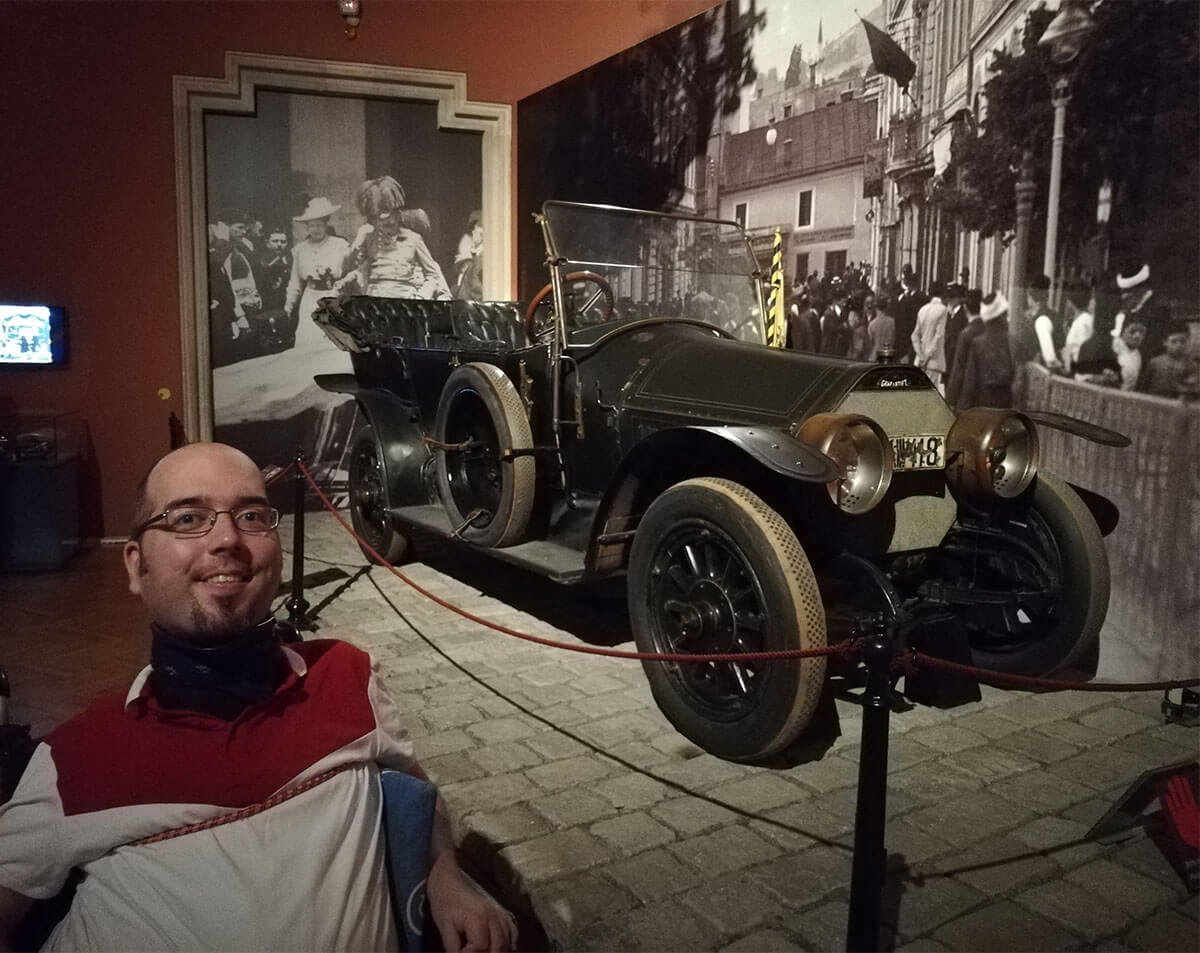
I wrote more about this museum here.
Museum of Art History & Natural History Museum
If possible, visit both.
The Museum of Art History contains a rich collection of art gathered by the Habsburgs since the 16th century, including works by Rubens, Dürer, Caravaggio, and others.
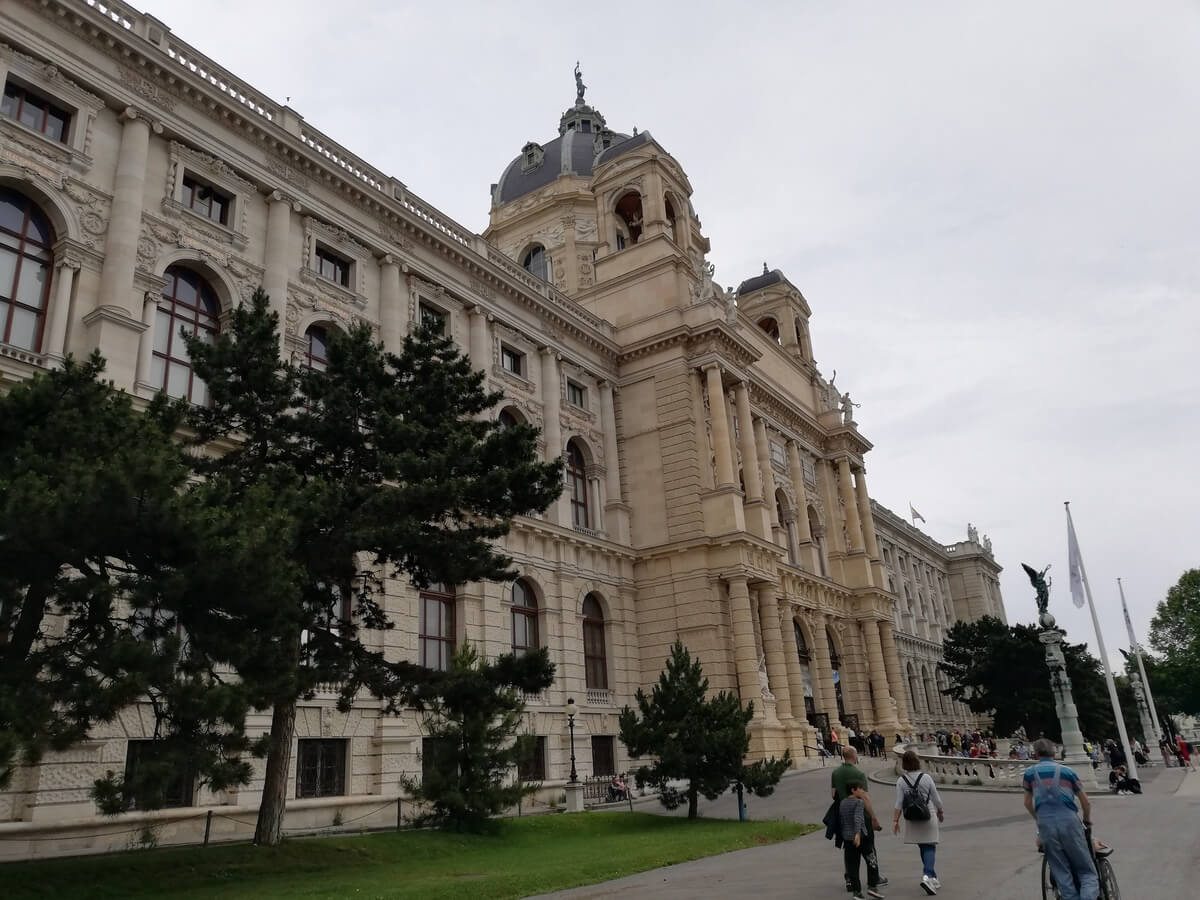
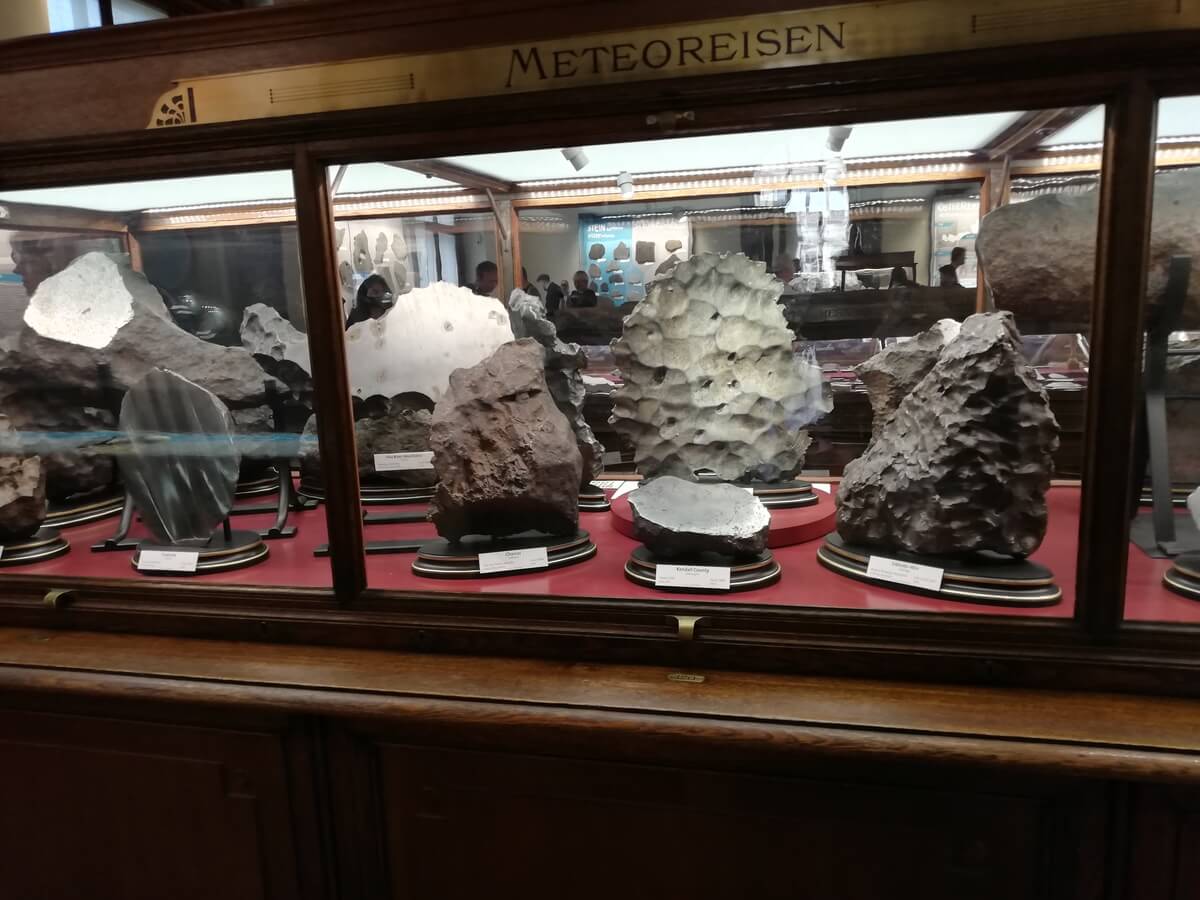
The Natural History Museum is one of the largest of its kind in the world, containing more than 500,000 exhibits. Among them is the oldest meteorite collection in the world.
Between these two museums stands a monument to Maria Theresa, the successful empress who marked an era.
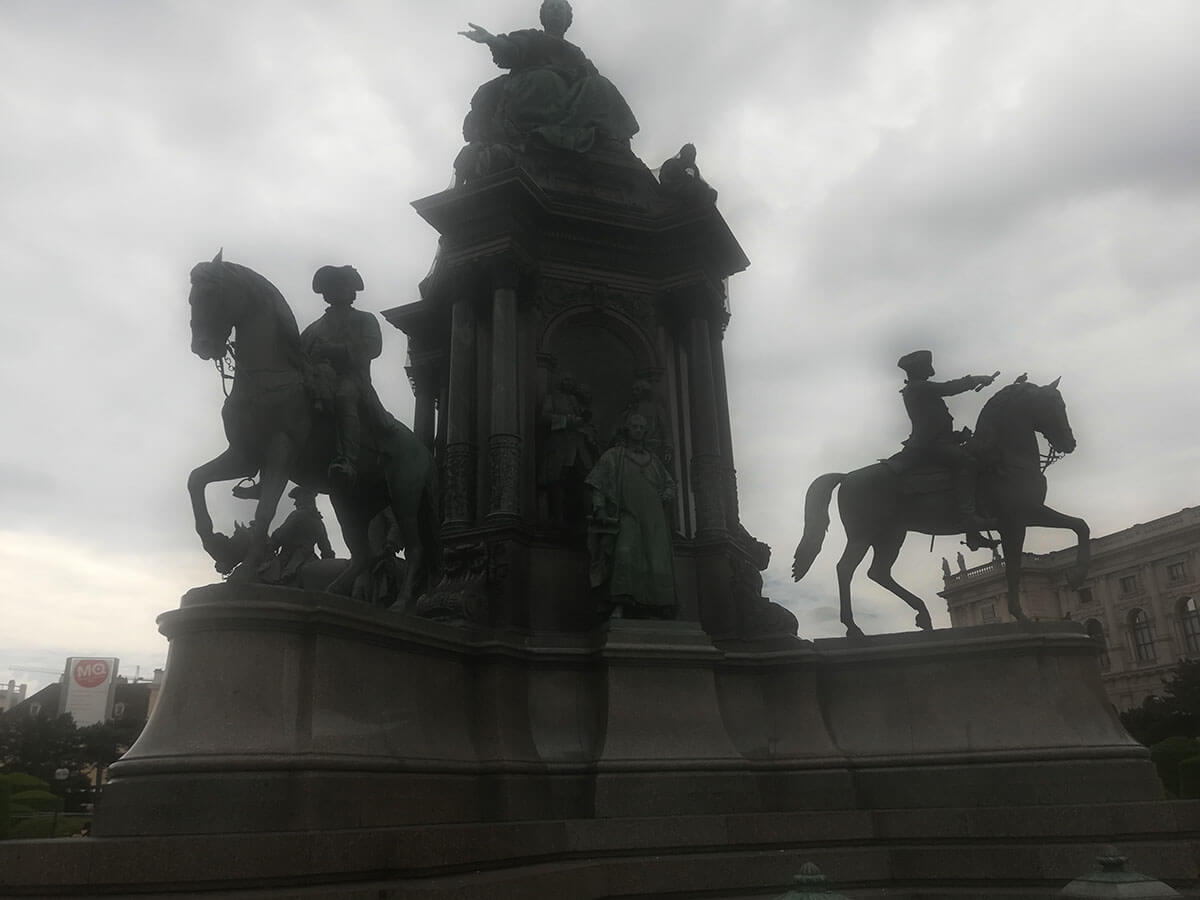
She relied more on politics and diplomacy through strategic marriages of her many descendants.
The empress is depicted on a throne, and below her are four riders representing her most important commanders. According to legend, they were also her lovers. Below them, on all four sides, are her advisers, on whom she relied the most.
Ringstrasse
Ringstrasse is Vienna’s most famous boulevard, built in the 19th century.
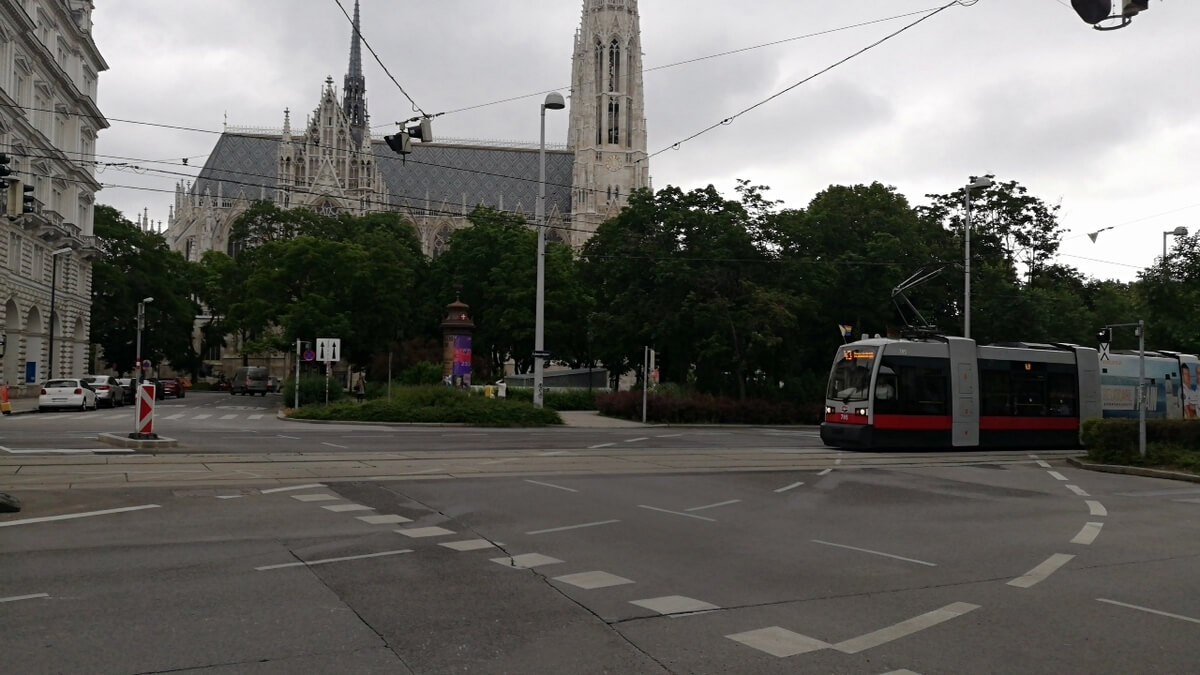
It is about 5 km long and can be explored on foot or by tram, which runs every half hour.
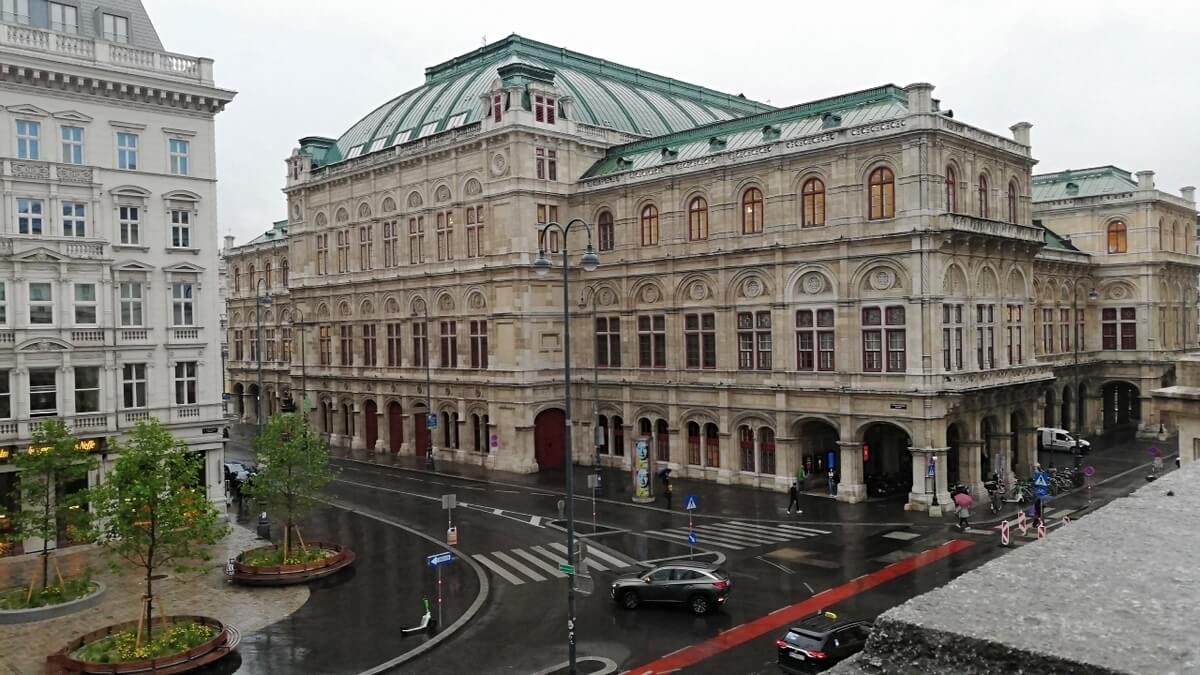
Many landmarks are located here, including the Vienna State Opera, Parliament, City Hall, museums, and parks.
The Vienna State Opera, built in the Neo-Renaissance style, can be visited during 40-minute guided tours where you can hear numerous anecdotes. You can see the imperial box, richly decorated foyers and staircases, and backstage areas where more than 180,000 costumes are stored.
The list of performers who ruled the stage here is impressive. One of them, Plácido Domingo, received 80 minutes of applause for his performance of Otello — a record that still hasn’t been surpassed.
There are also parks here such as:
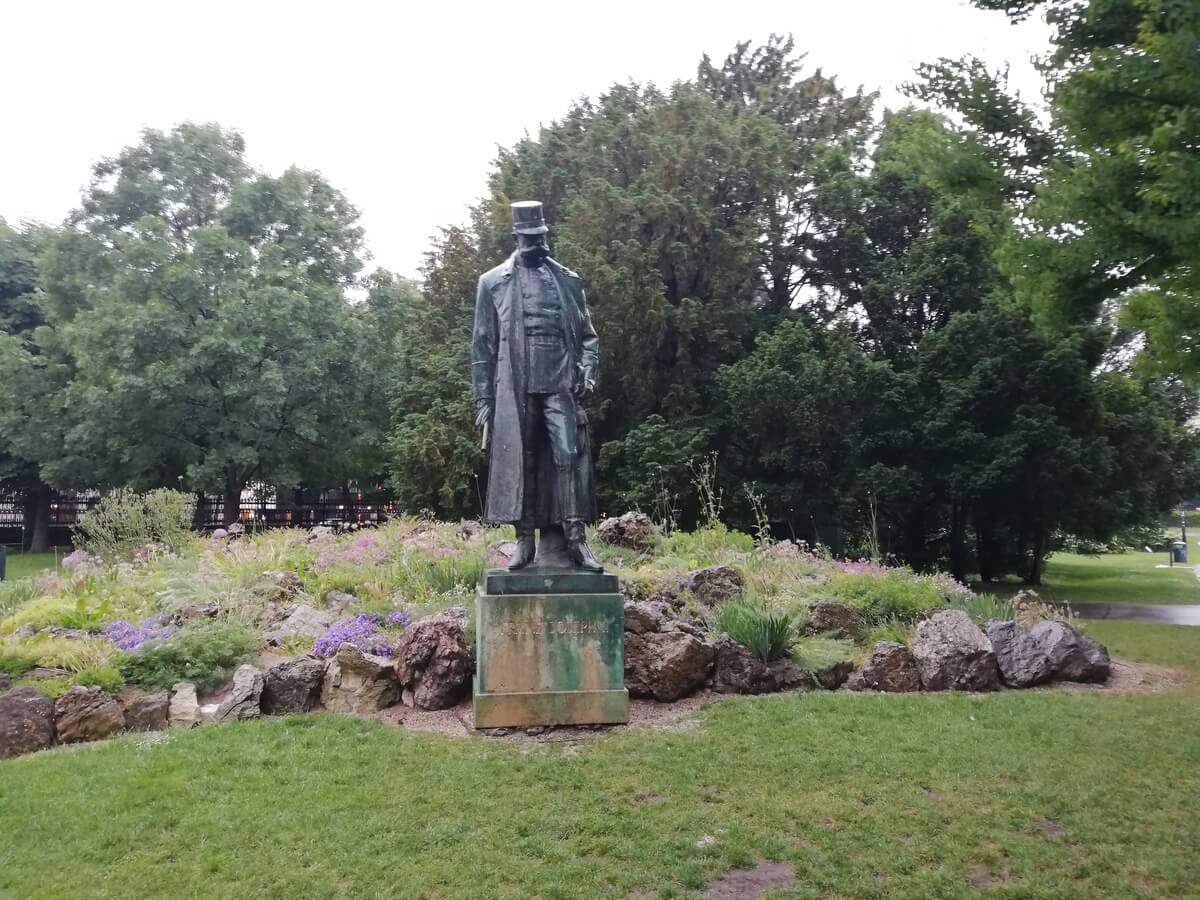
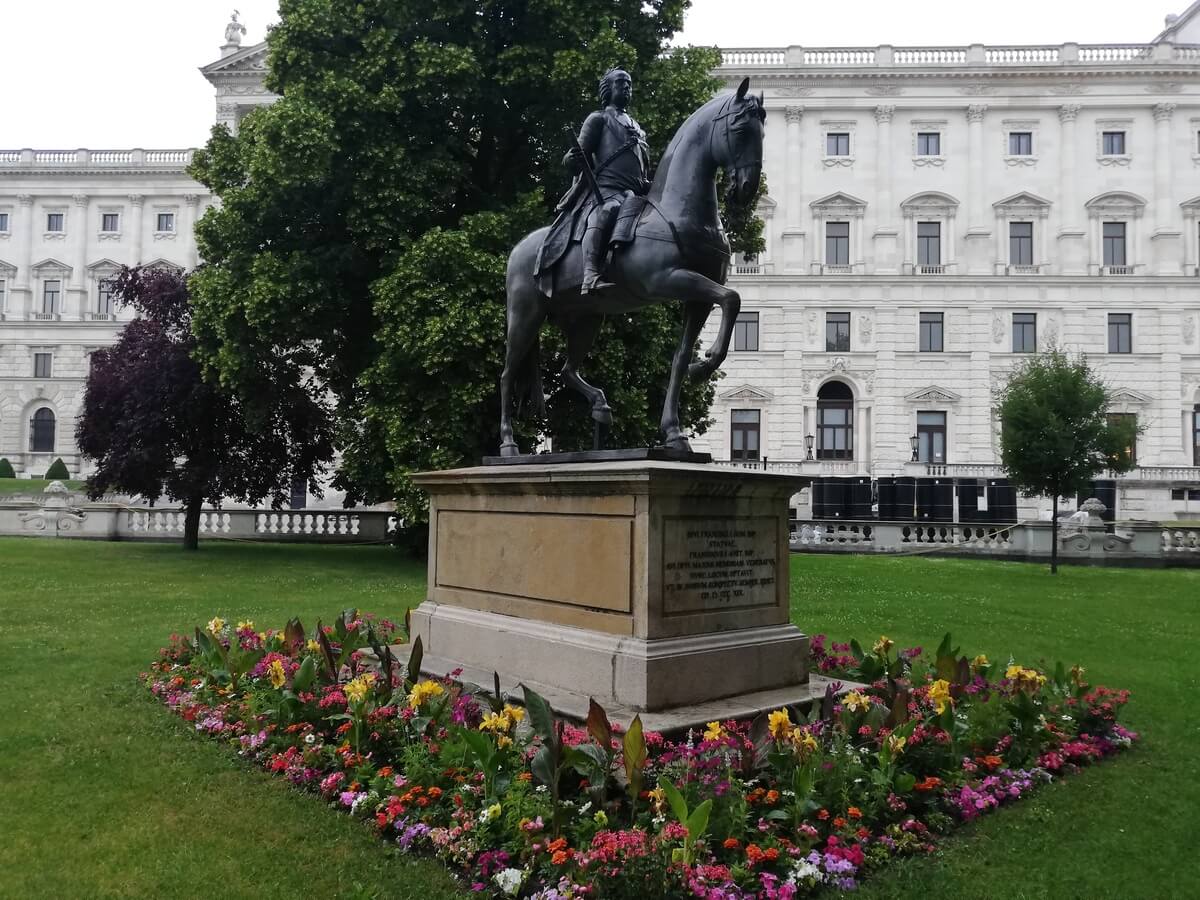
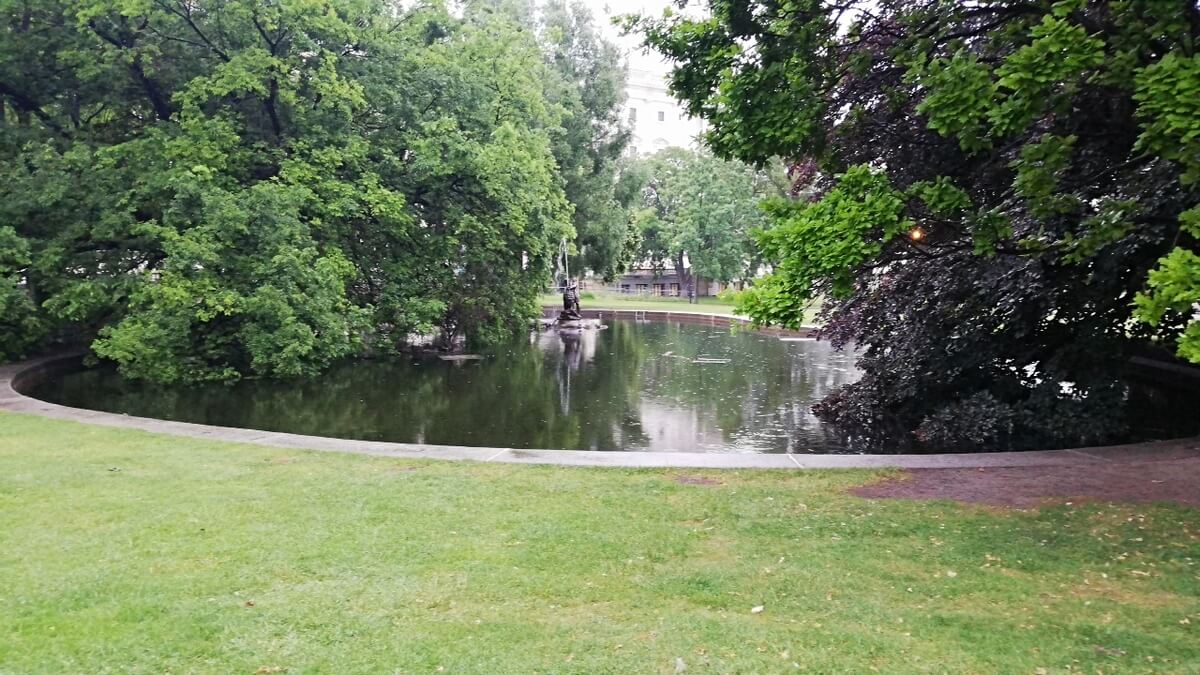
Burggarten, which features a Mozart monument and a statue of Franz Joseph, positioned as if he knew that the days of the Habsburg monarchy were numbered.
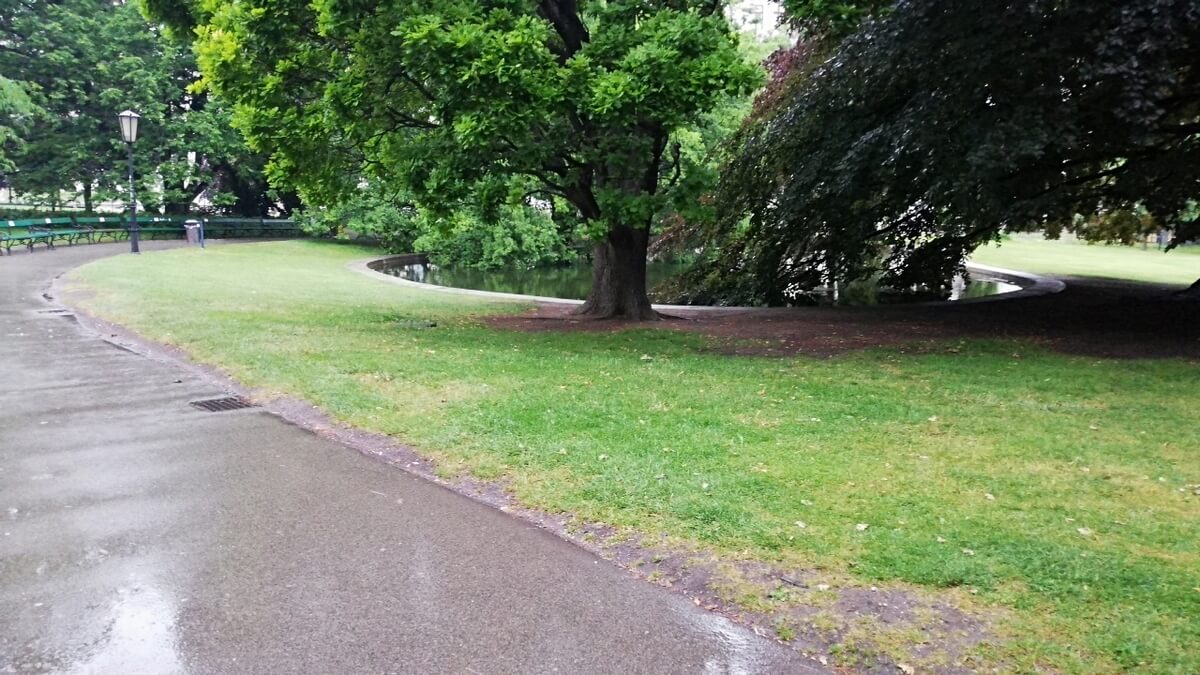
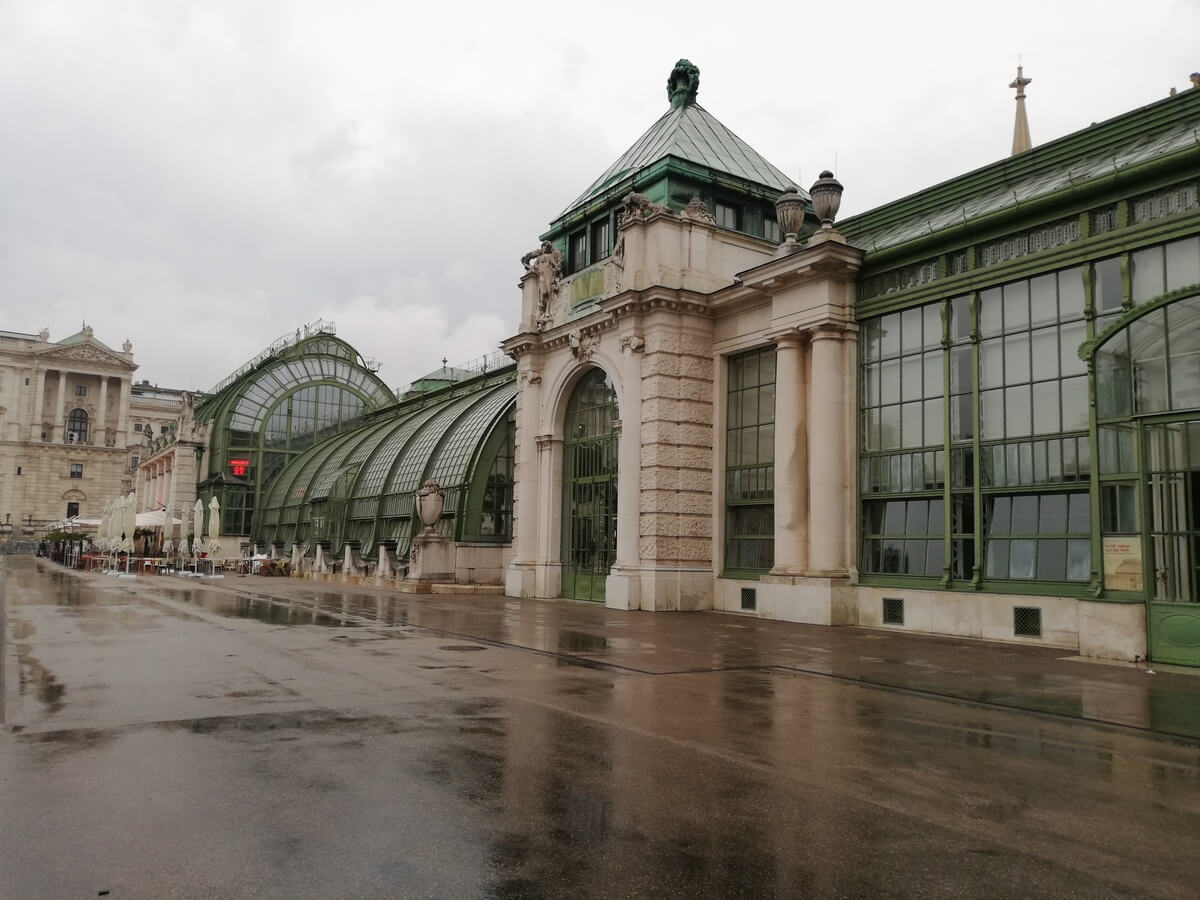
There is also a small winter garden, now home to butterflies that moved in around 1990.
This park is not as rich in flowers as Volksgarten, which is located on the other side of the Hofburg.
Volksgarten
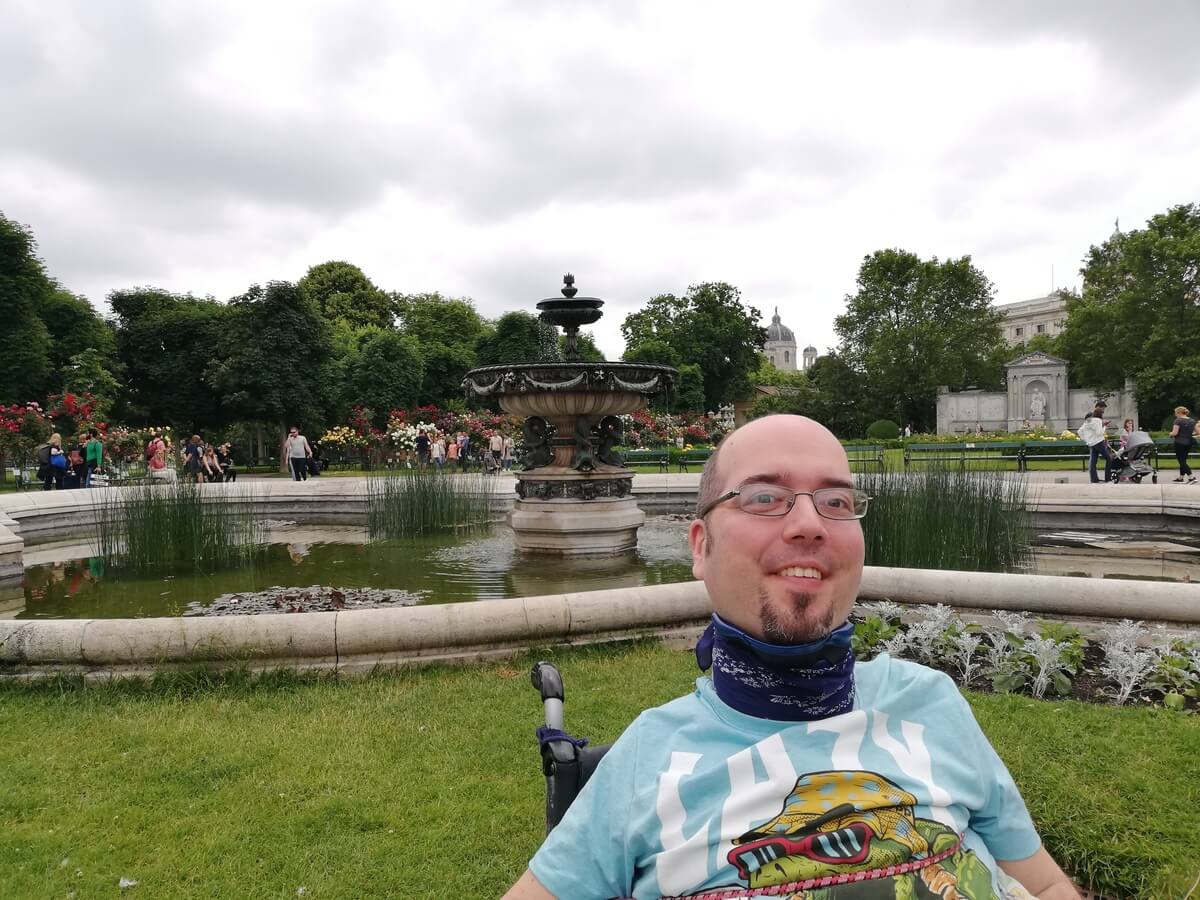
Besides an incredible number of roses, you can see the Temple of Theseus, the Sisi Memorial, several cafés, and more.
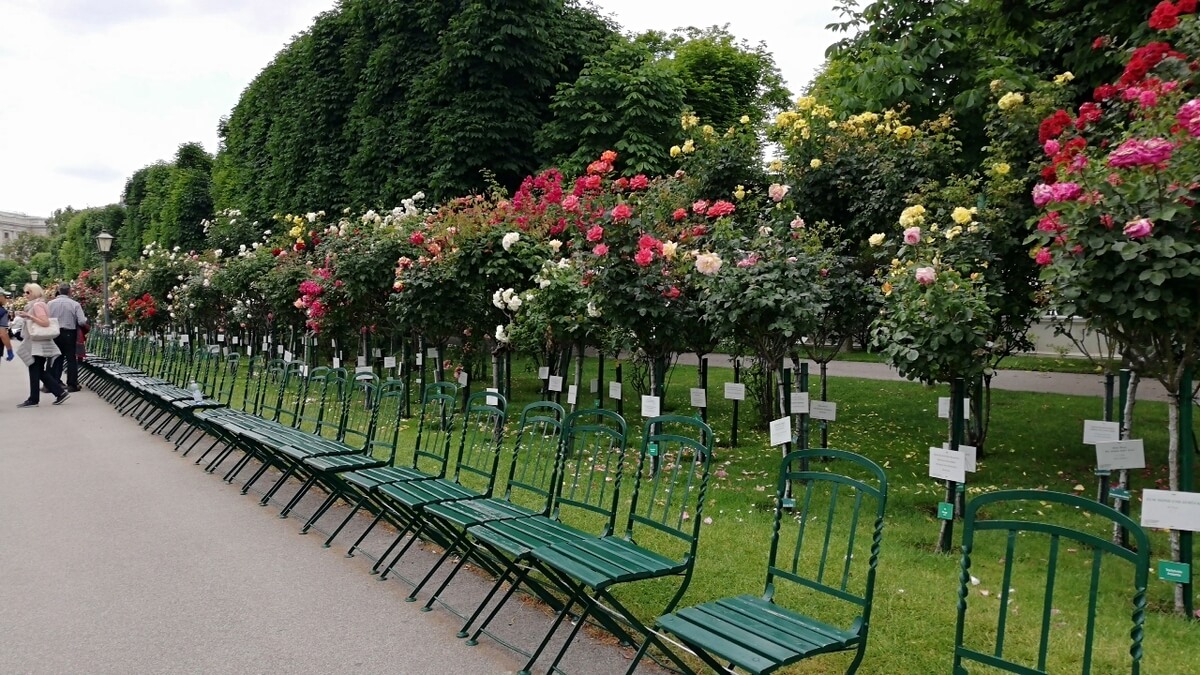
It’s best to visit in early spring or early summer, when the roses are in full bloom. Otherwise, the park feels like any other.
Stadtpark
Stadtpark, with its famous gilded statue of Johann Strauss, is the perfect place for photos.
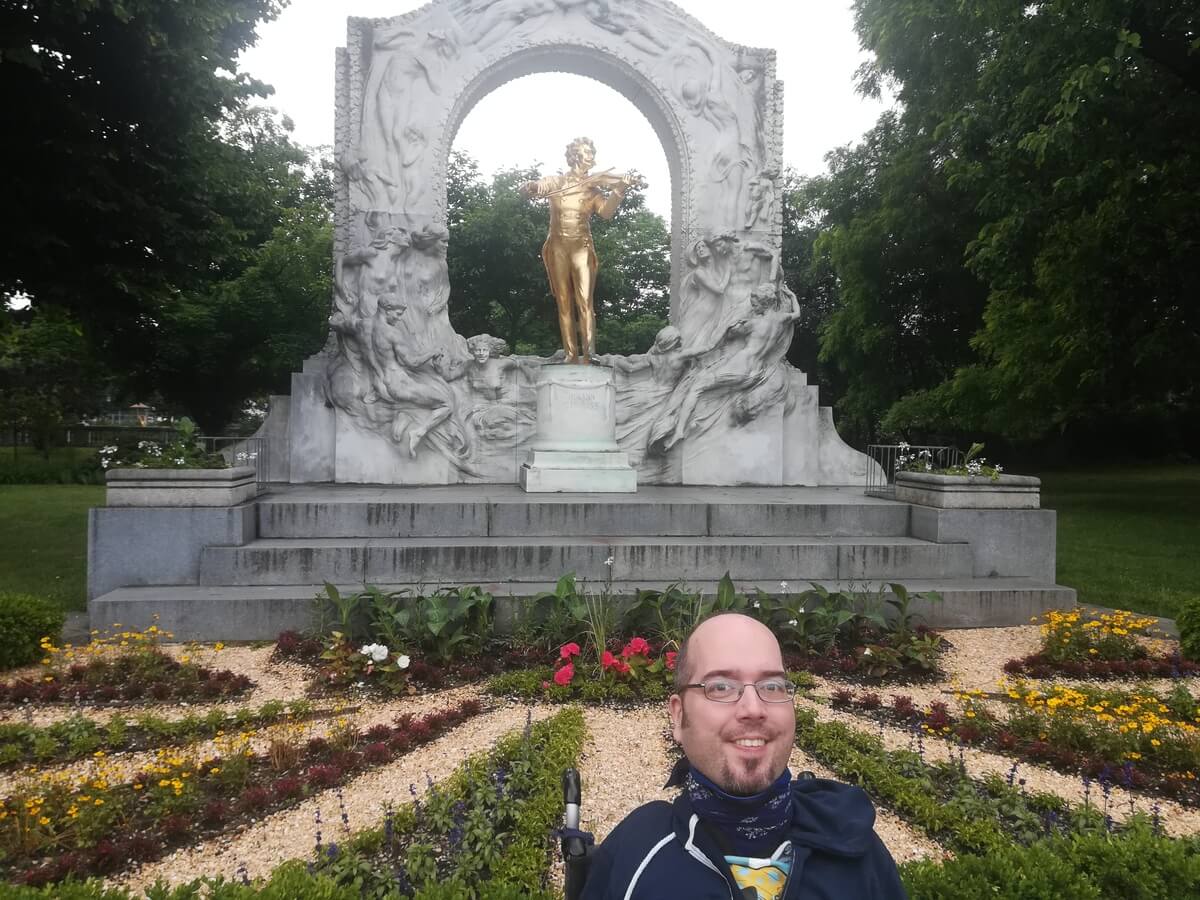
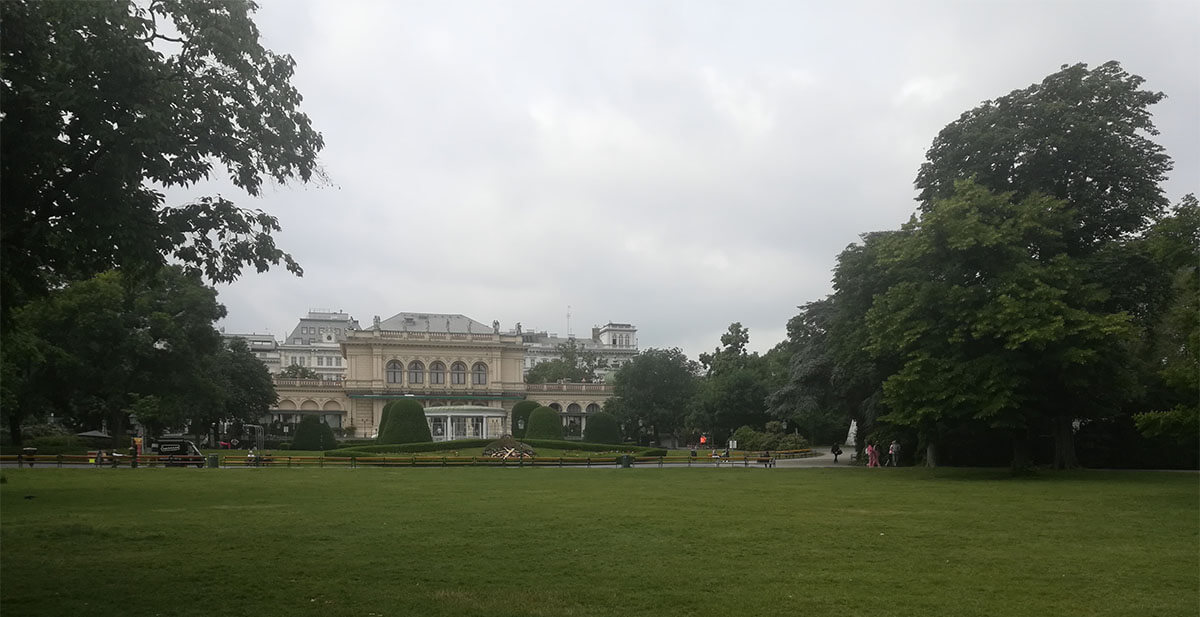
This was Vienna’s first public park — a place to rest and plan your next walk.
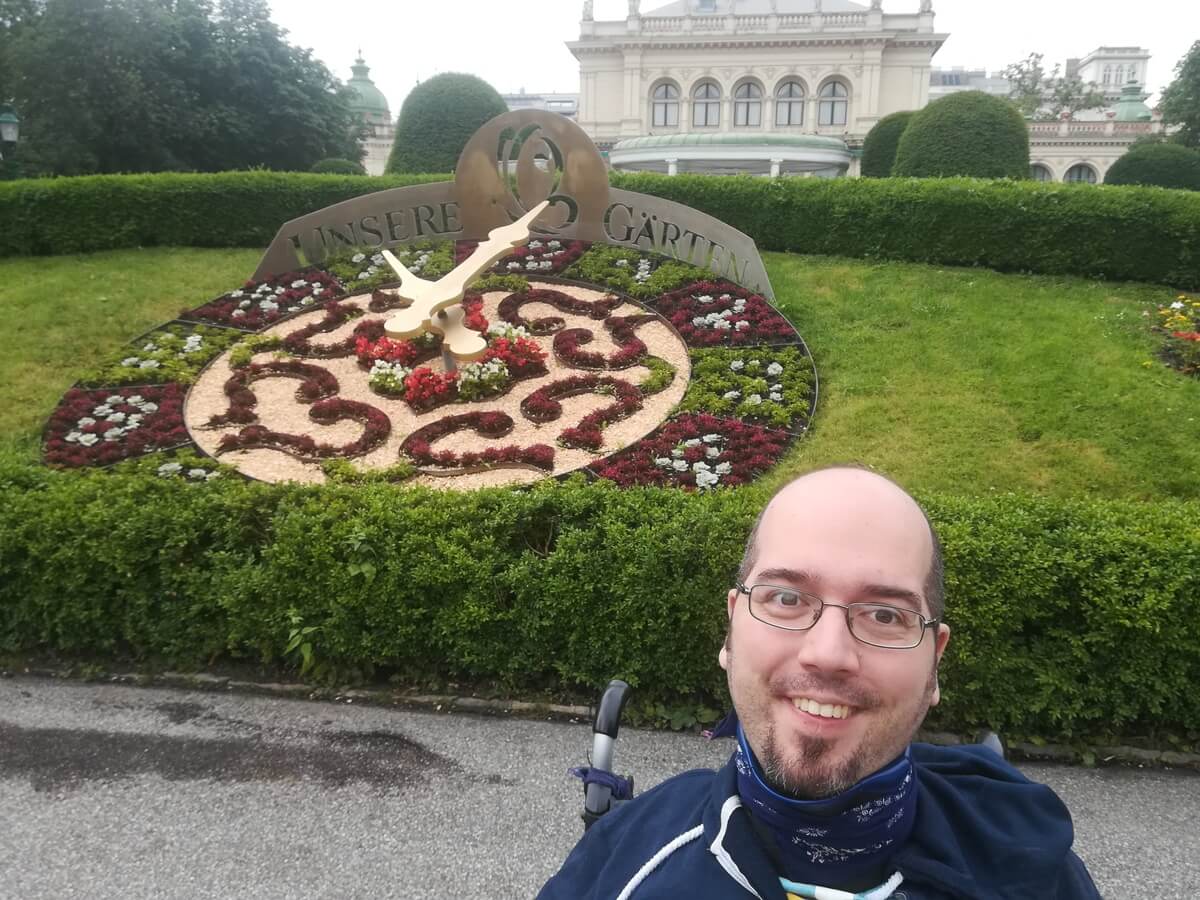
The famous Kursalon, built in 1867, is located here and serves as a venue for classical music performances.
Rathaus (City Hall)
One of the most impressive buildings in Vienna.
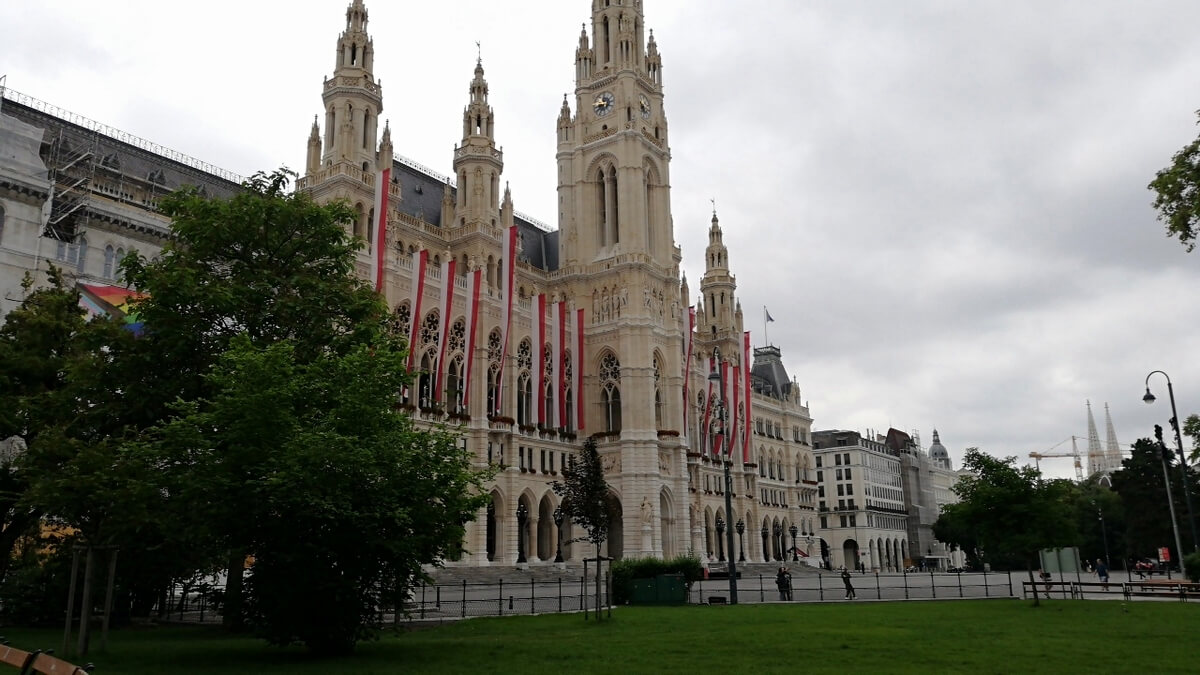
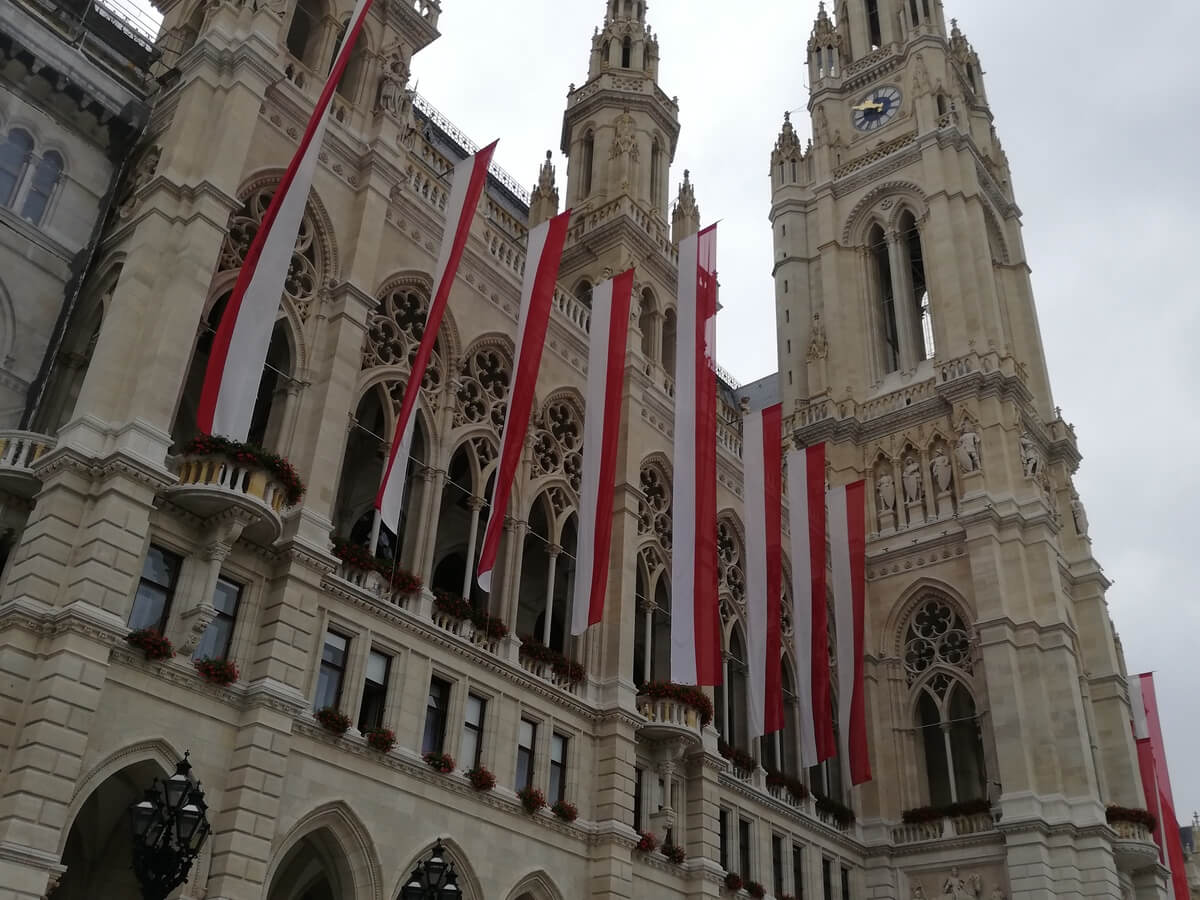
Built in the Neo-Gothic style in the 19th century, it serves as the administrative center of the city.
During construction, a decree from Emperor Franz Joseph required that buildings in Vienna must not be taller than St. Stephen’s Cathedral, whose tallest tower reaches 99 meters.
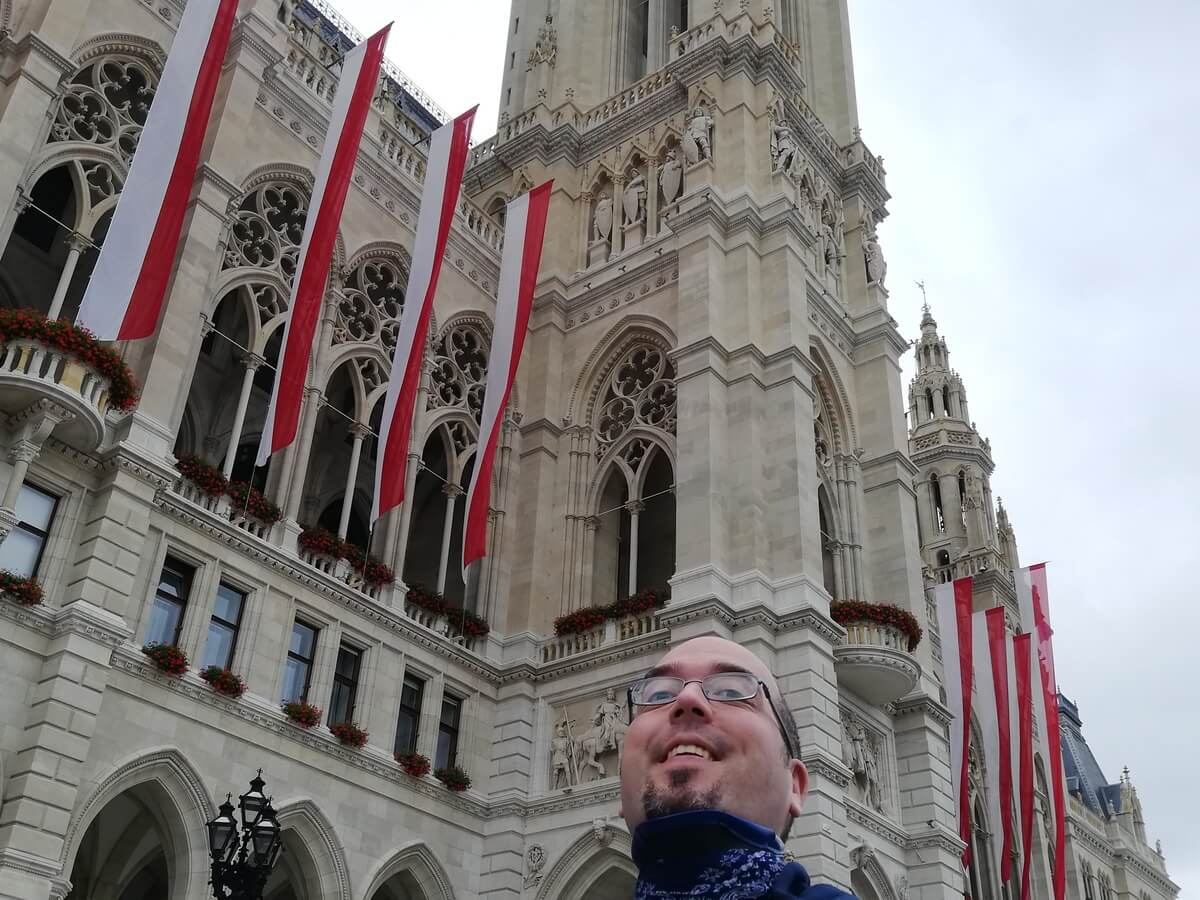
So they used a trick: the tallest tower of the Rathaus reaches 98 meters, but with the statue on top the height is 103.3 meters.
This allowed them to technically obey the emperor’s rule while making Rathaus the second tallest building in Vienna (without statues).
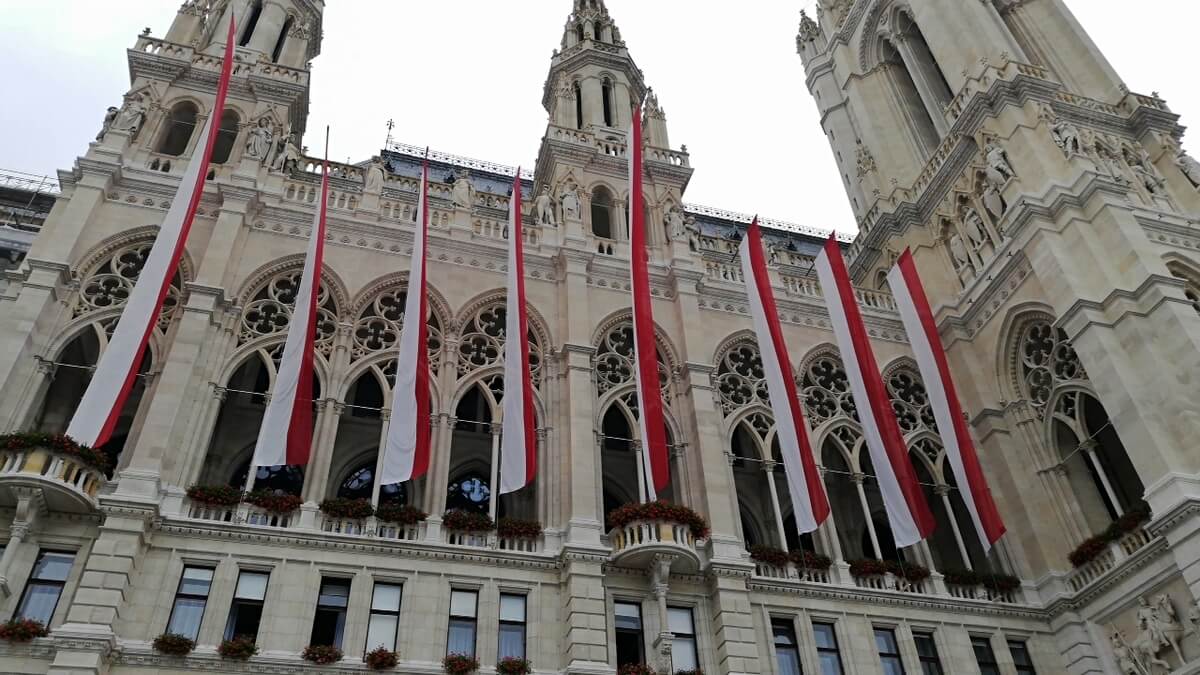
Many important events take place in front of Rathaus, including the Christmas Market.
Votive Church
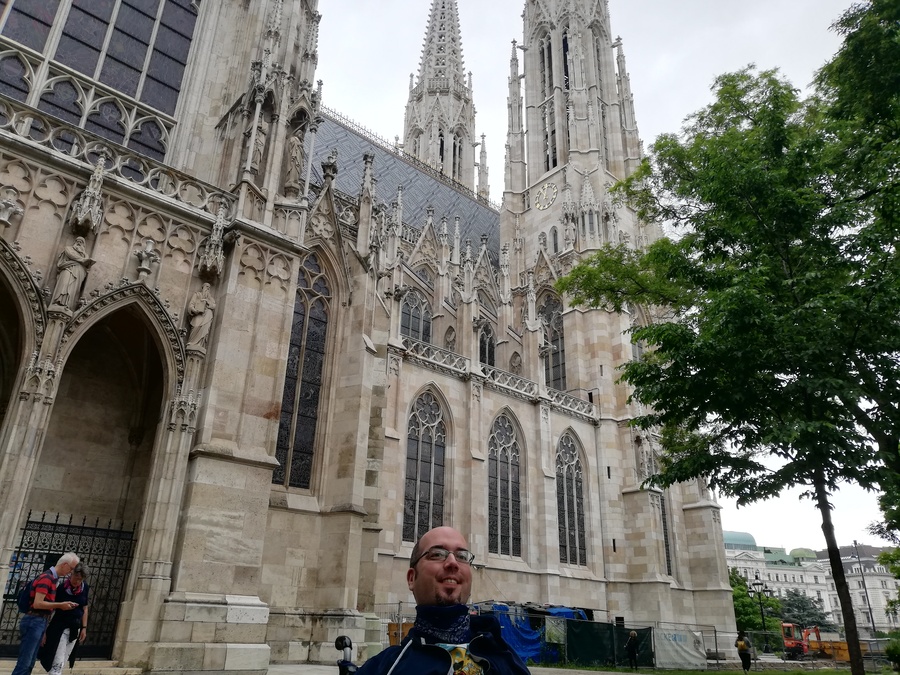
Right next to it stands a huge Neo-Gothic church from 1879.
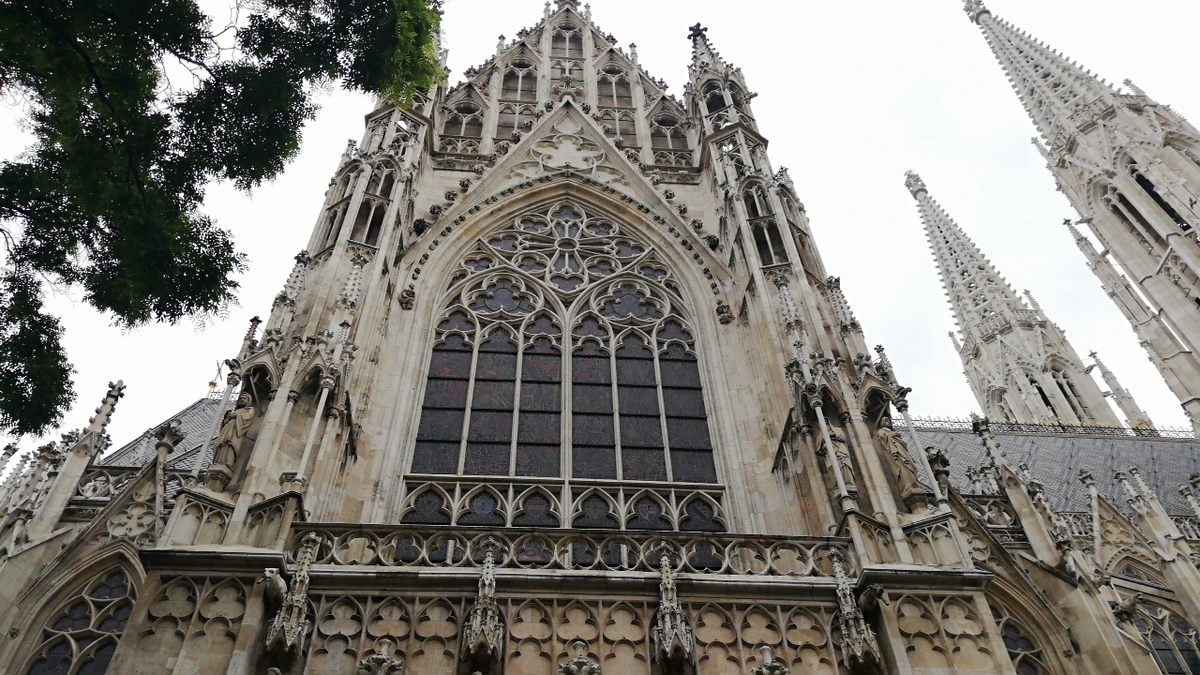
It was built from voluntary donations by subjects grateful that Emperor Franz Joseph survived an assassination attempt by a Hungarian nationalist.
Parliament
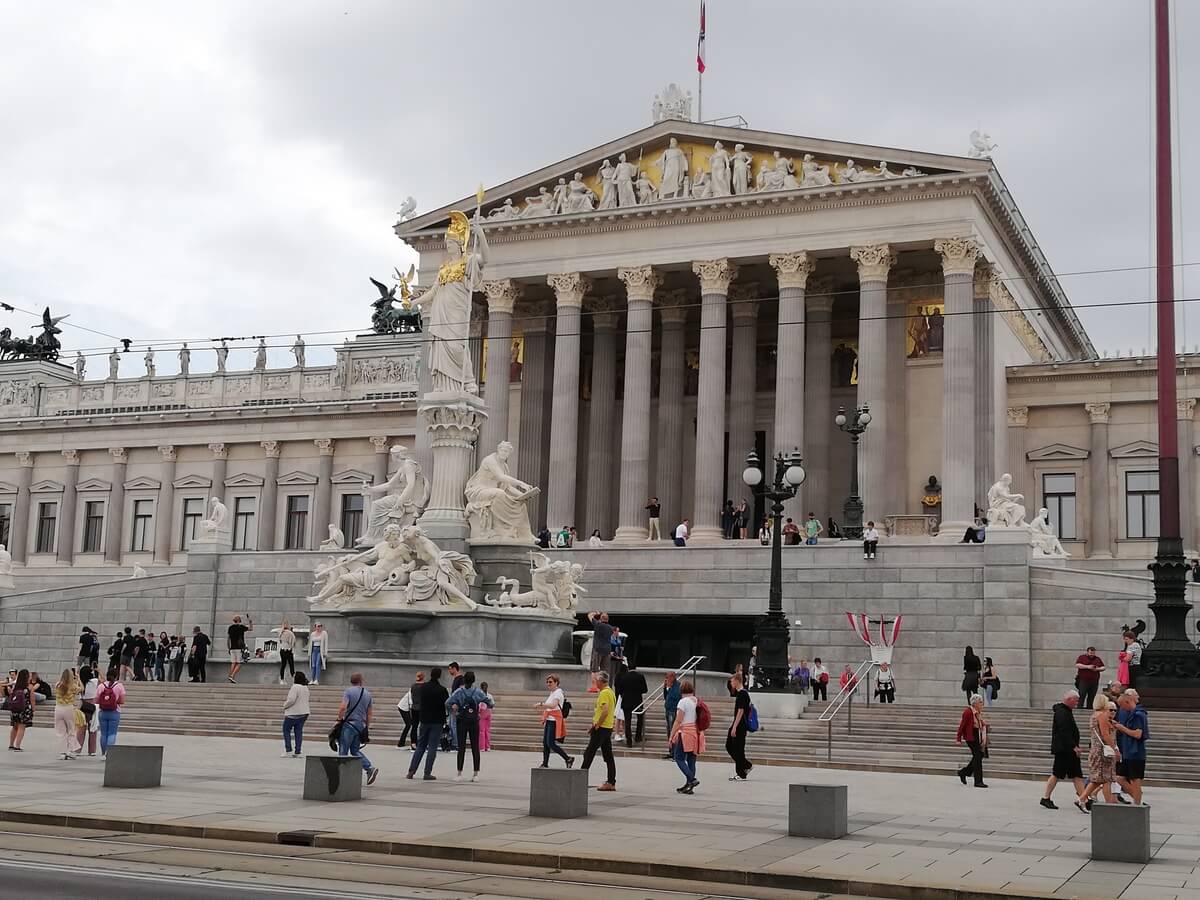
Built in a Hellenic style, very striking and impressive.
It can be visited on guided tours where you can learn many interesting facts.
Albertina Museum
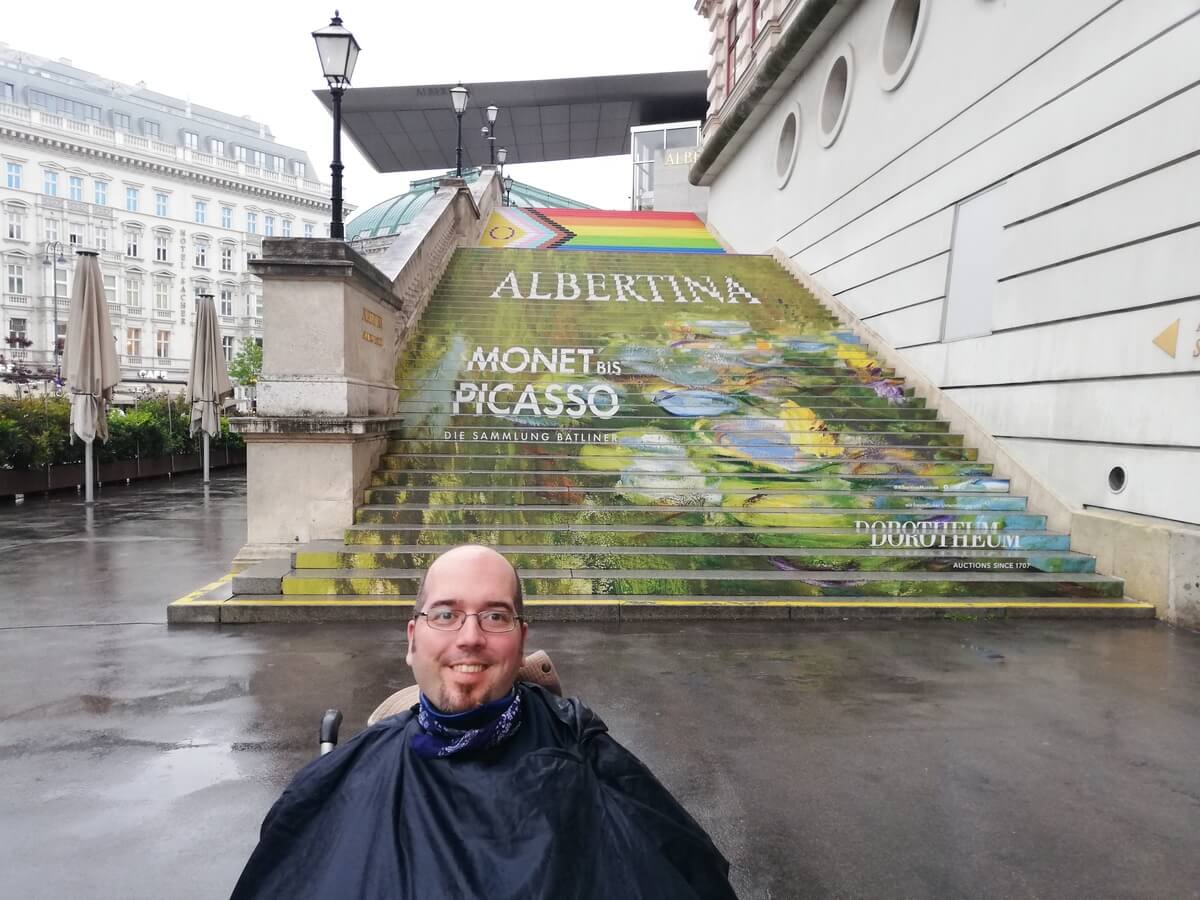
The museum has an impressive permanent exhibition offering insight into 19th-century aristocratic life, along with a rich collection of prints and French Impressionist works.
Imperial Crypt
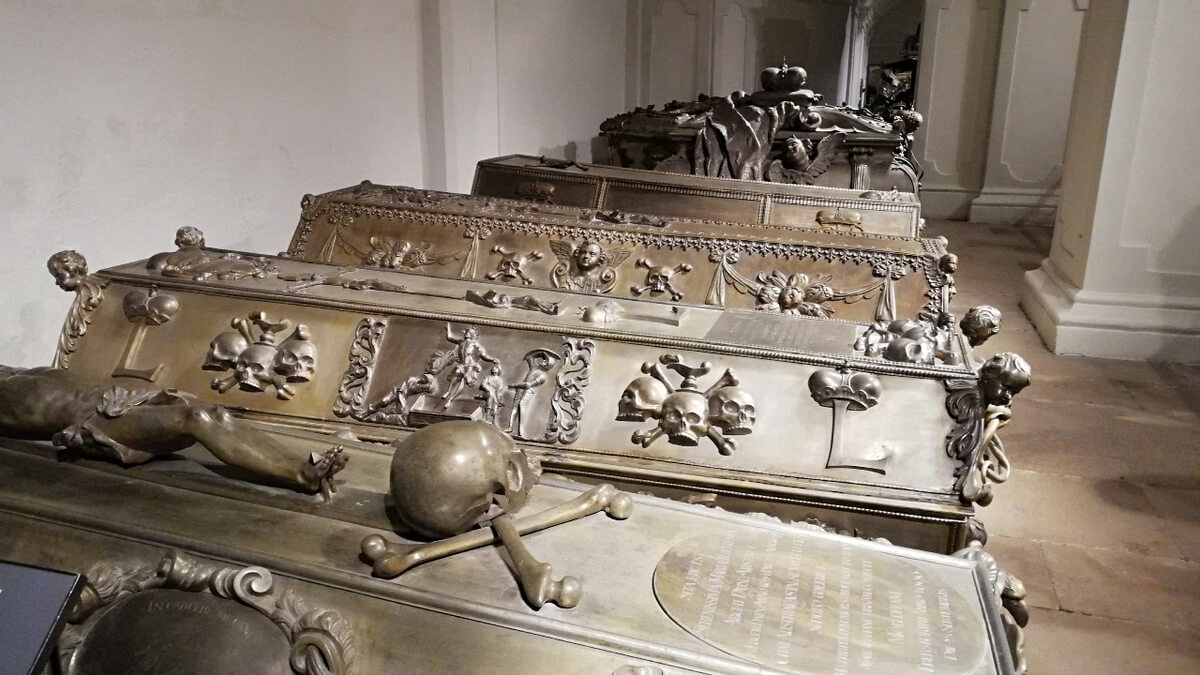
Located in the city center, it is the final resting place of many Habsburgs and other important dignitaries connected with them.
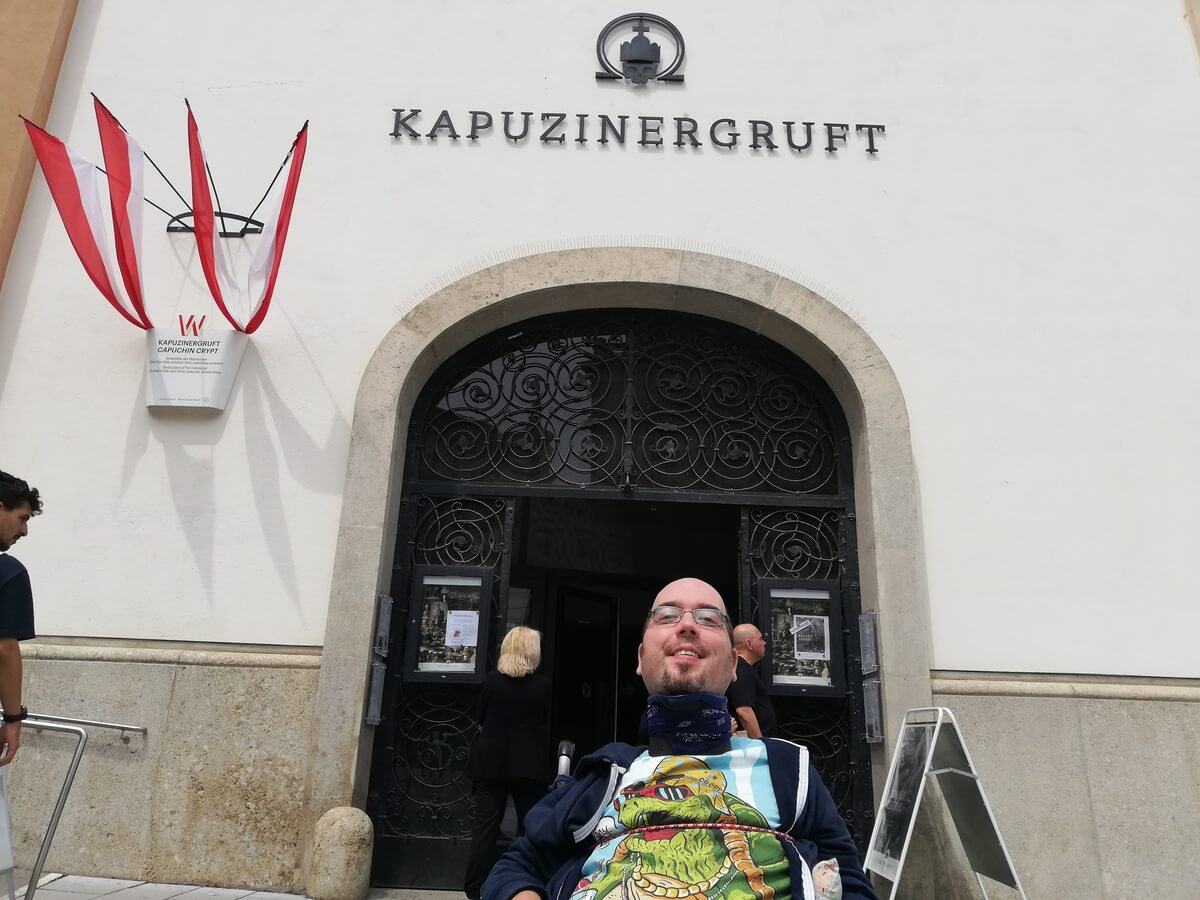
The coffins range from extremely ornate to very simple.
Among the names buried here are Empress Sisi, Maria Theresa, and others. I wrote more about the crypt here.
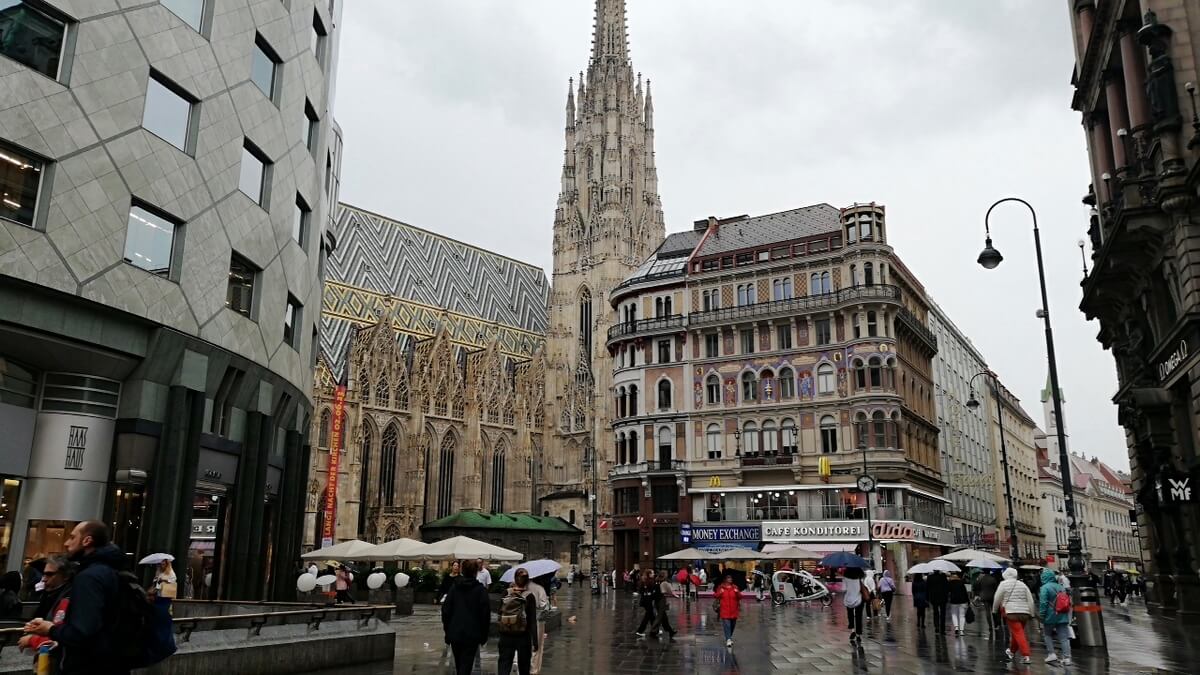
The City Center
Vienna’s city center is compact and mostly flat, making it easy to explore even for wheelchair users.
Many streets and passages invite you to explore.
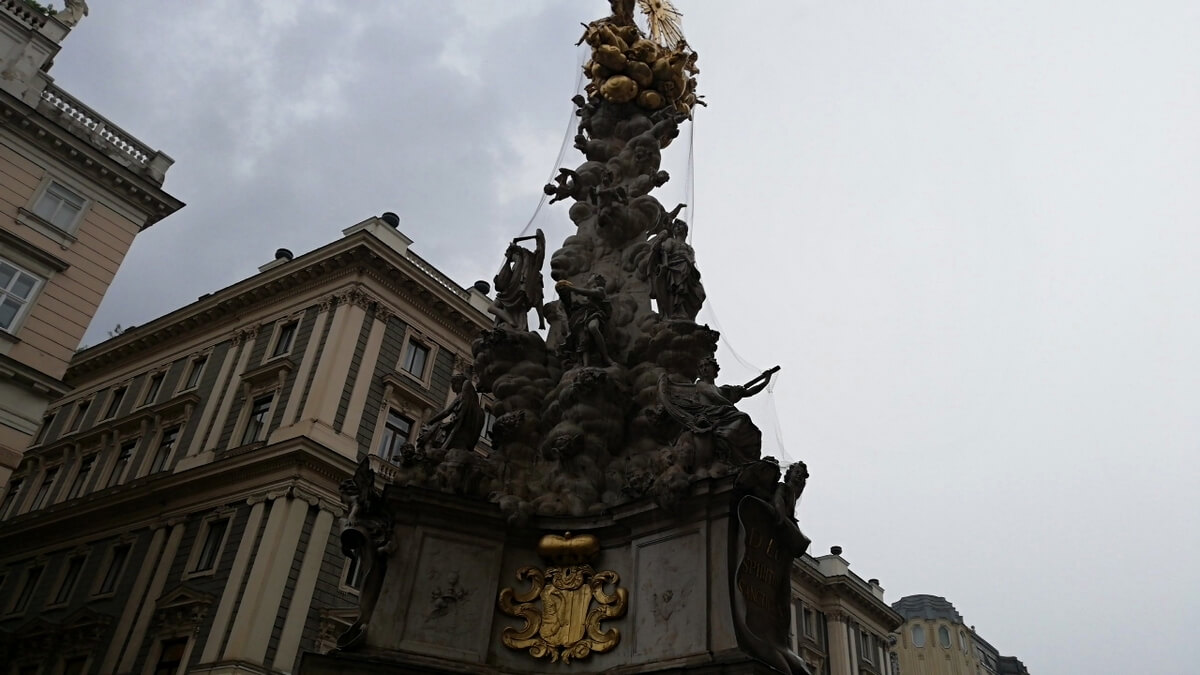
In the most visited street in the center stands the Plague Column from 1739.
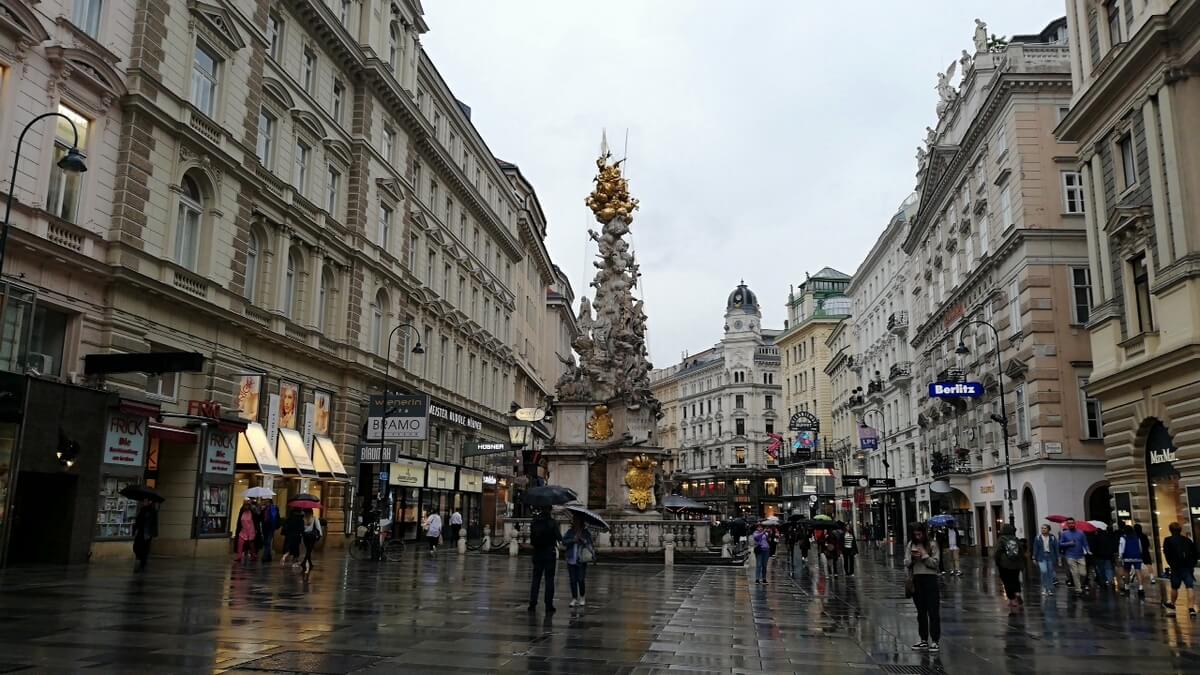
Such monuments were usually built as thanks for surviving a plague, war, or disaster.
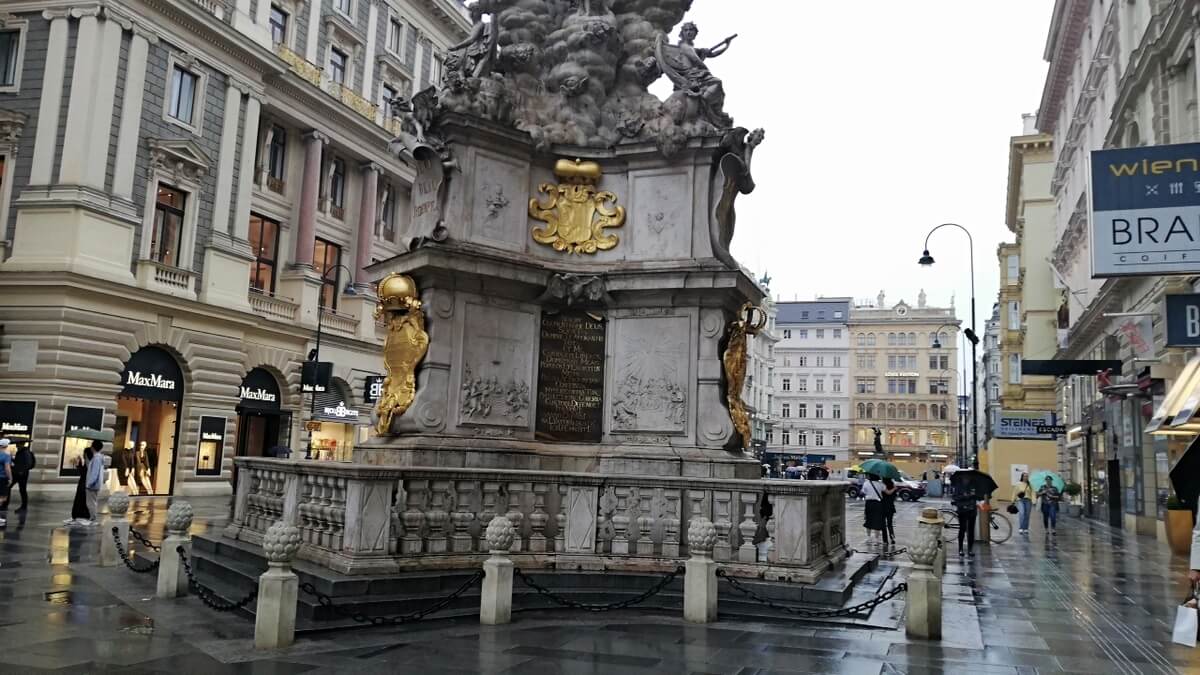
This one was commissioned by Leopold I even before the plague epidemic had ended — from a safe distance outside the city. It wasn’t the first time he fled.
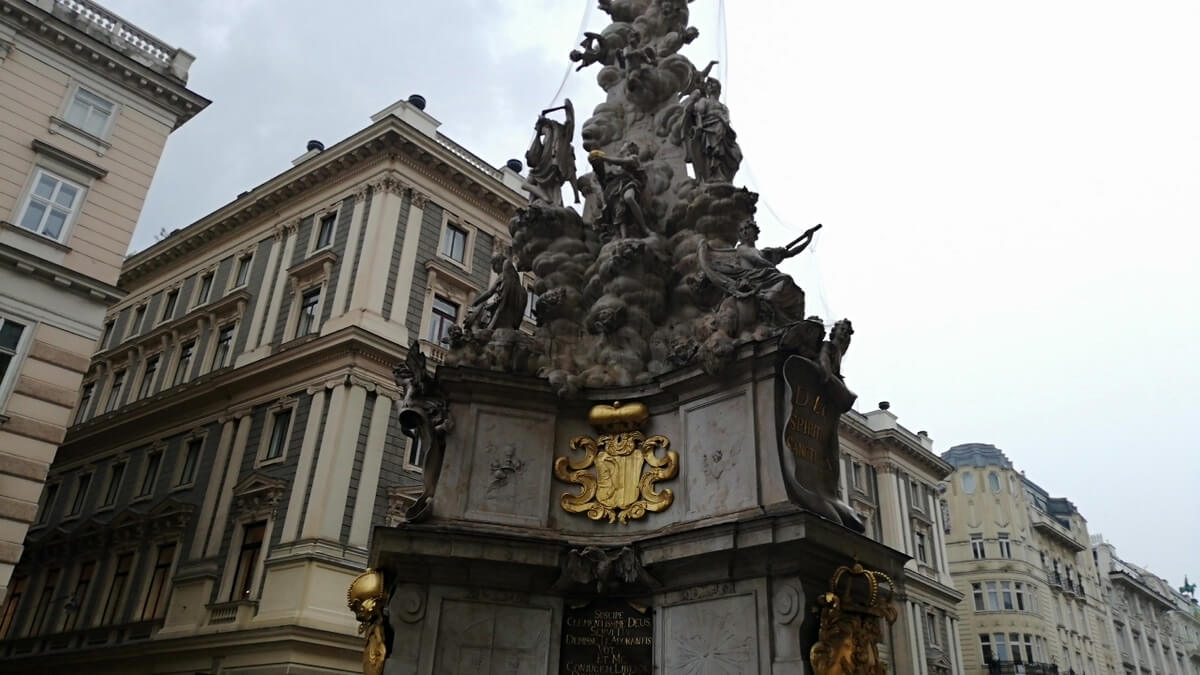
These columns usually depict people, angels, and at the top either the Virgin Mary or a symbol of the Holy Trinity.
Prater
Prater is a large public park.
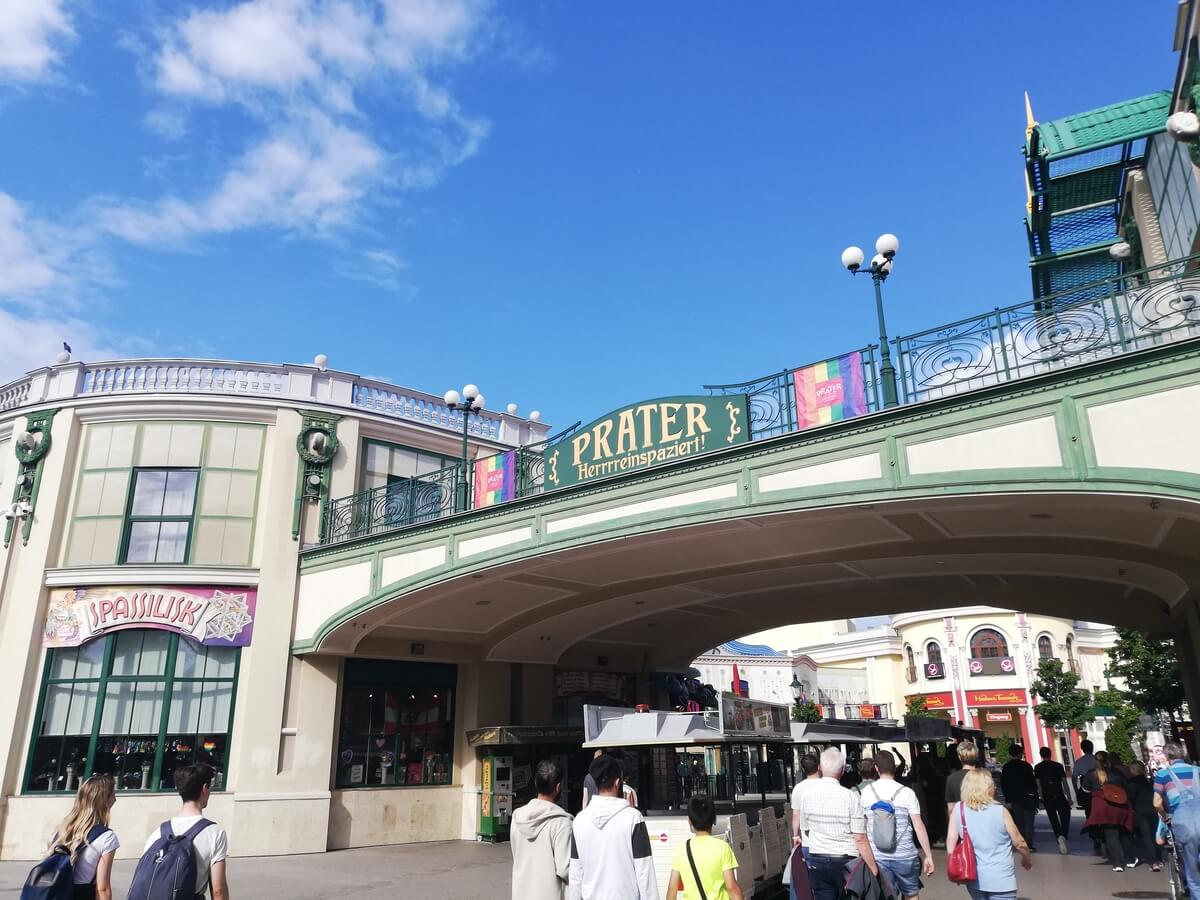
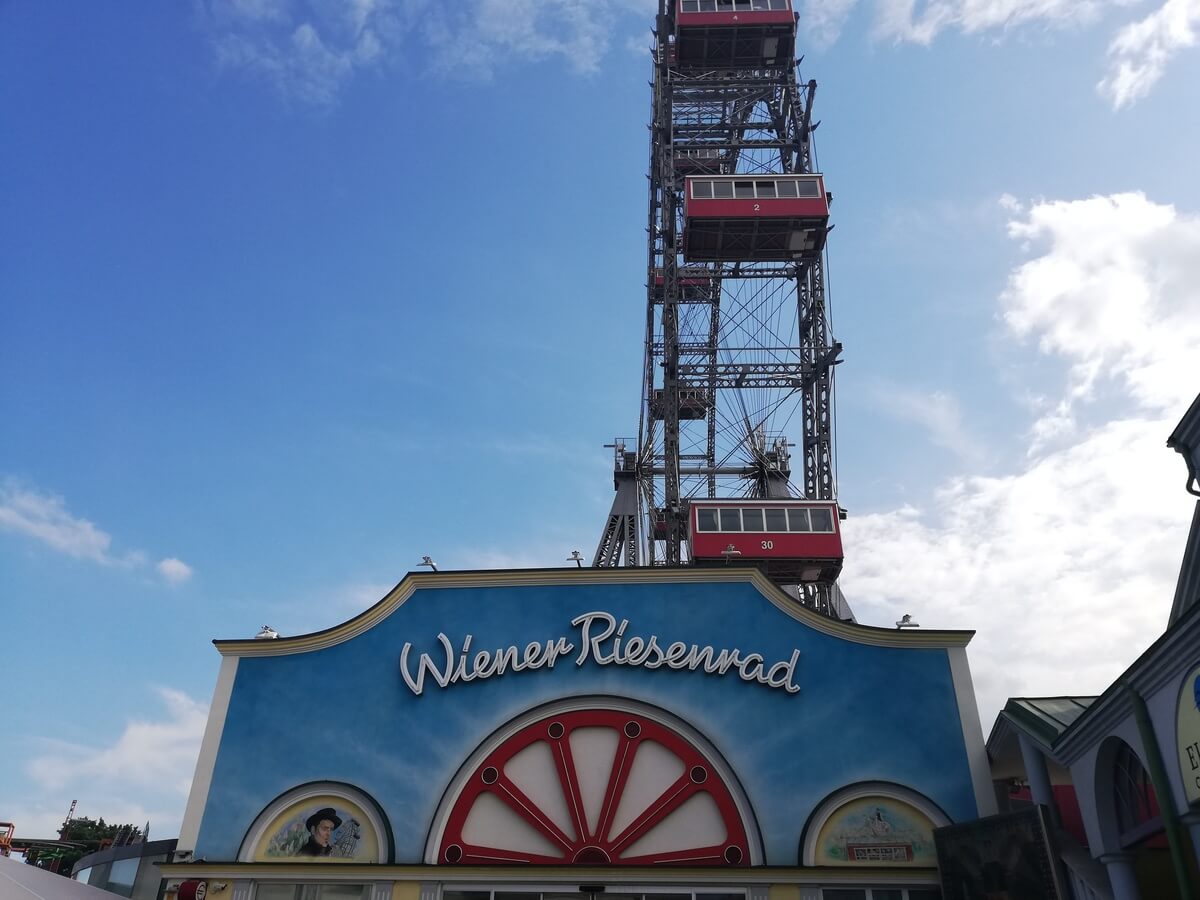
Inside the park there are more than 250 attractions, including roller coasters, Madame Tussauds, and the Prater Museum.
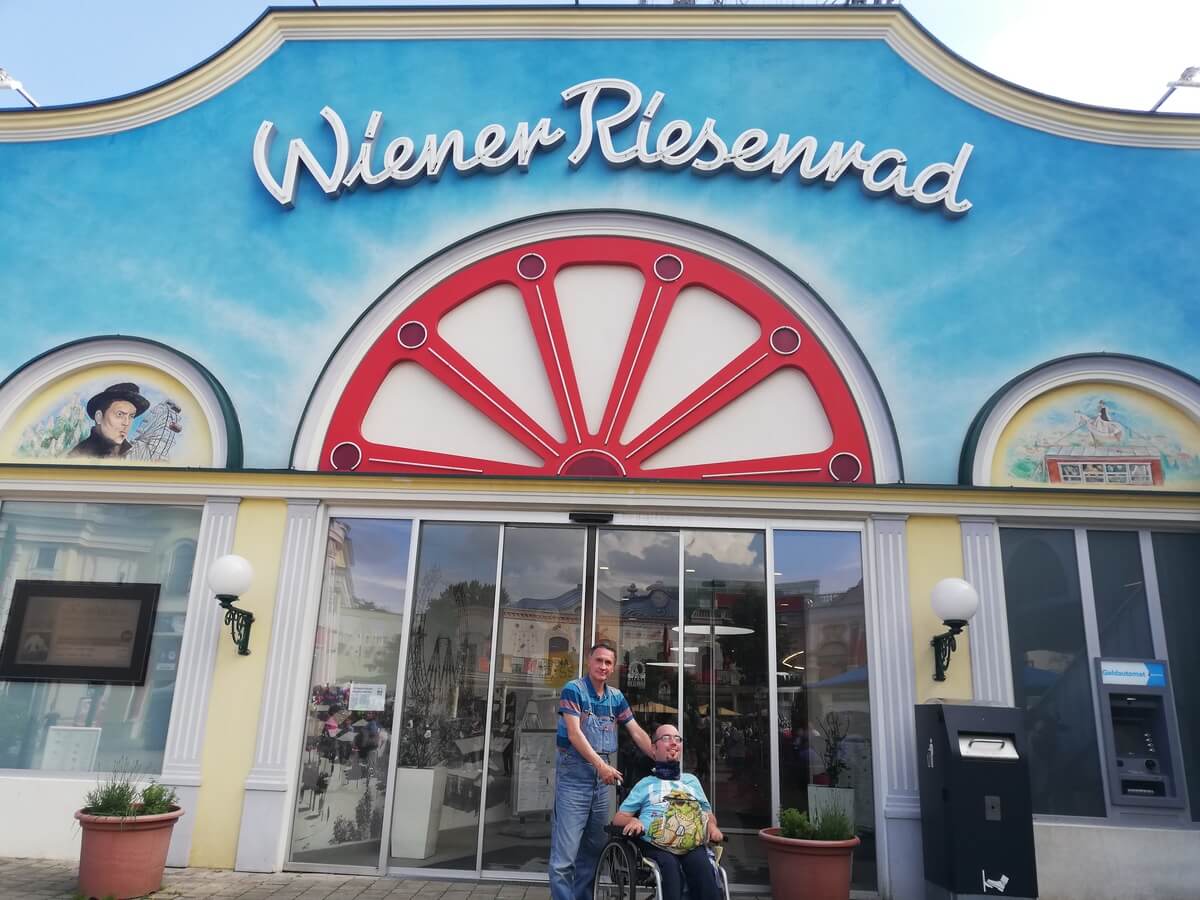
Today the symbol of the park is the giant Ferris wheel from 1879, 65 meters high, offering a view of the entire city.
Other Places Worth Visiting
This list should also include:
-
Hundertwasser House
-
Mozart’s Apartments
-
Sigmund Freud’s House
-
Danube Tower
-
Karlskirche
But those will be discussed another time.
You also must not forget the famous Viennese cafés such as Café Central and Café Landtmann, where drinking melange coffee with cold Alpine water is the ultimate Viennese experience.
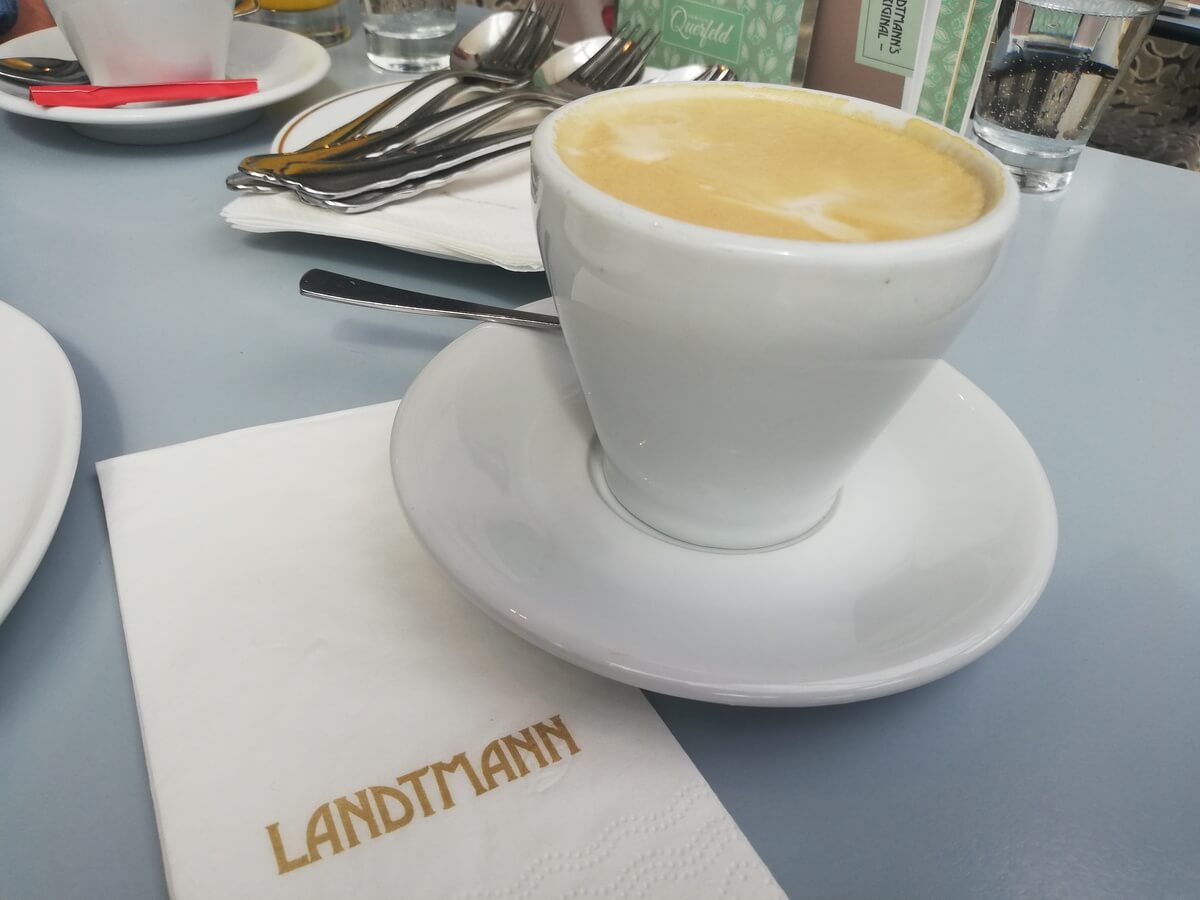
We’ll talk about Viennese sausages, Wiener schnitzel, and cakes another time…
Conclusion
All the attractions I mentioned above were easy for me to visit, which places Vienna among the cities that are accessible for wheelchair users. Public transportation in Vienna is also excellent, making it one of the most accessible cities I have visited so far.
Whether you choose art, history, or simply enjoying the city center and watching people go by, Vienna will not disappoint you. Vienna deserves more than just a few days, but if you manage to visit everything suggested here, you’ll return home full of memories.
If you enjoy my travel stories, feel free to buy me a coffee. The button is in the top-right corner of the sidebar on the pages.
Have you visited Vienna?
Did I miss something?
Traveled and enjoyed,
Marko Veličković

Excellent post, thank you! Really makes me want to visit Vienna. 🙂 Also, that’s a cool fact about the Vienna State Opera and the 80-minute ovation (the actors must have done a really great job!)
Thanks for the comment!