Located in the very heart of the city, Hofburg is the imperial complex in Vienna that served for centuries as the residence of the Habsburg emperors…
Whether you are a history lover, an art enthusiast, or simply eager to step into a world of imperial intrigue, Hofburg is a place that takes you on an unforgettable journey through time. These palaces not only testify to the grandeur and splendor of past eras, but also to the love, losses, and tragic destinies that shaped the imperial family.
For all these reasons, Hofburg is one of the attractions you simply must not miss when visiting Vienna.
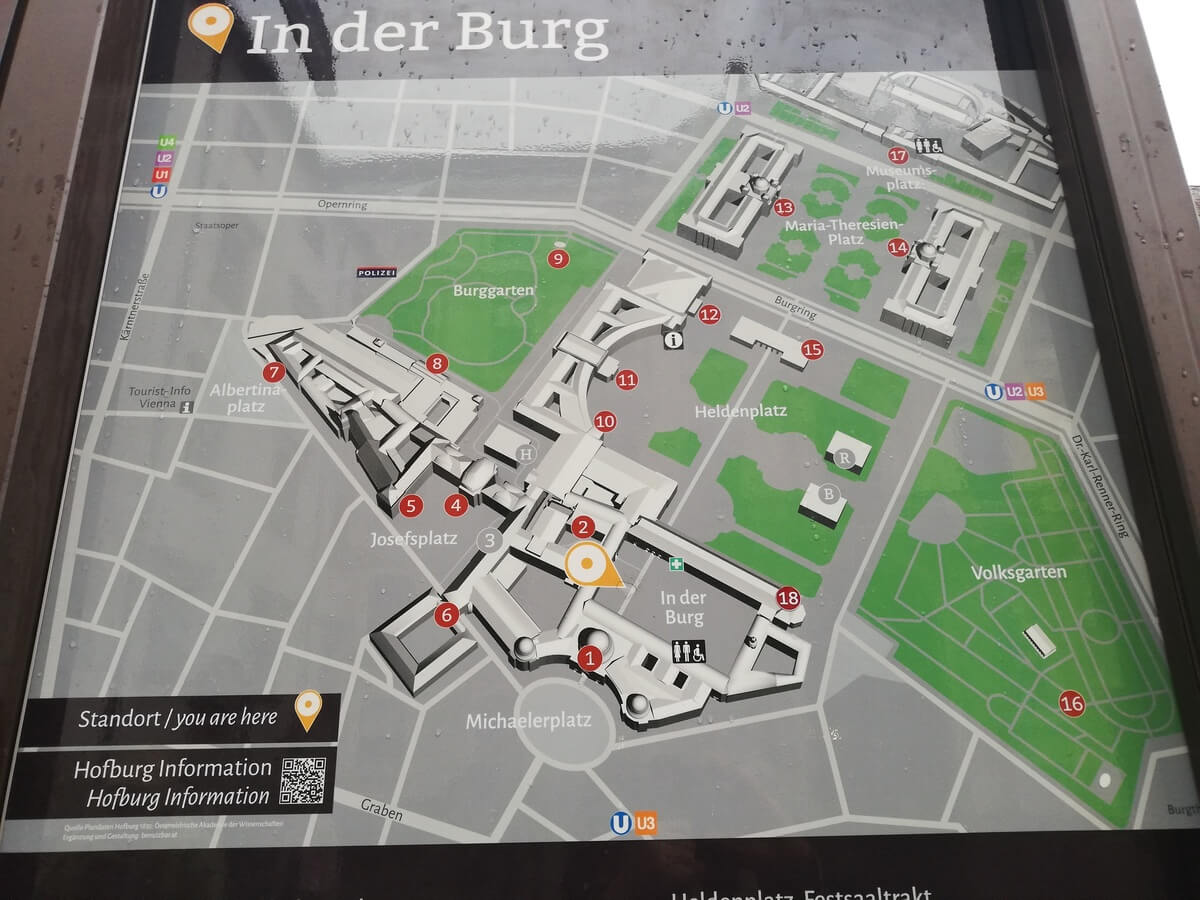
There are many attractions within Hofburg. Let’s mention just a few: the Sisi Museum and Imperial Apartments, the Imperial Treasury, the Arms Museum, the National Library, and the Spanish Riding School. If you only have time for one, make sure it’s the Sisi Museum and the Imperial Apartments.
Sisi Museum and Imperial Apartments
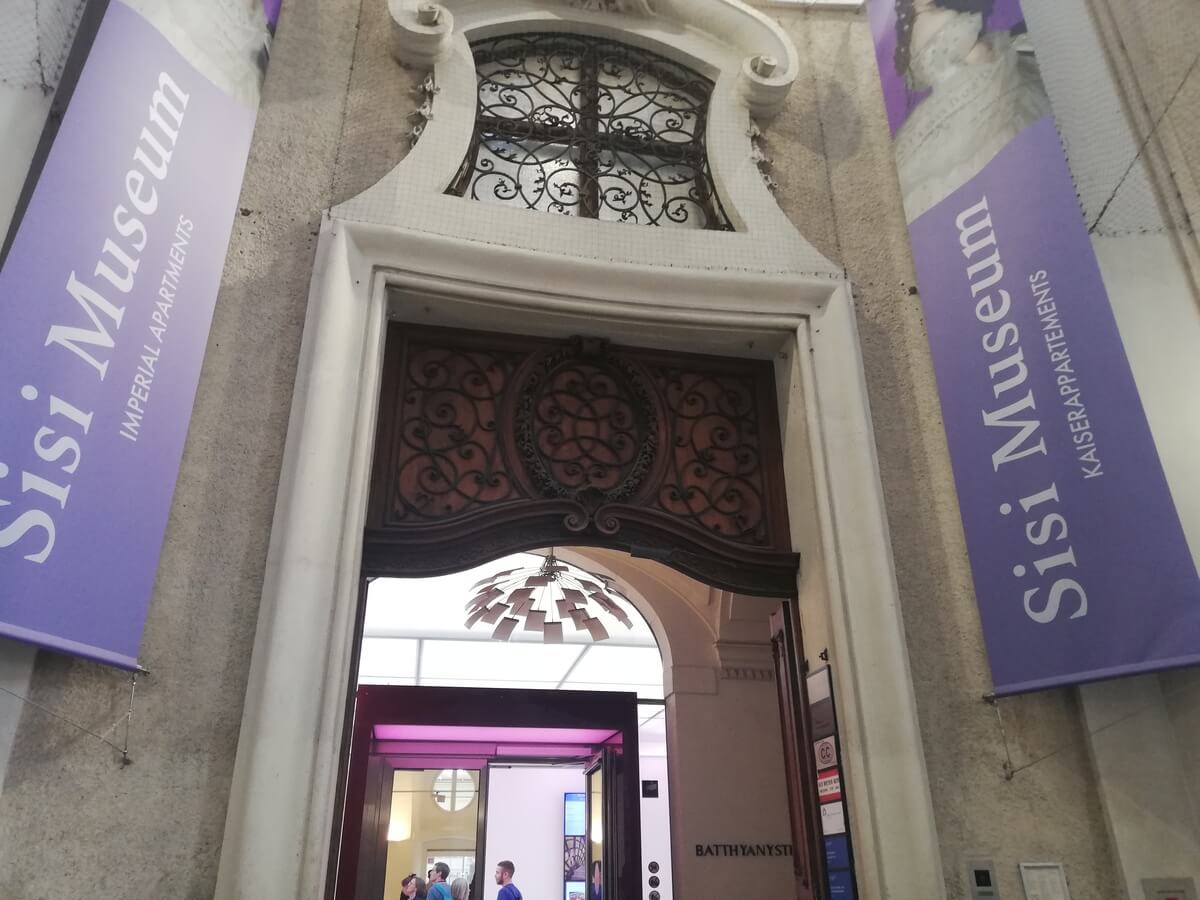
“Sisi” is the nickname of Empress Elisabeth, the wife of Emperor Franz Joseph, who was a 19th-century European icon of beauty and style. Walking through the six rooms of this museum gives you insight into the personality of this unusual empress.
Why is Sisi so famous? First, she was extraordinarily beautiful, which did not escape Emperor Franz Joseph, who changed his mind at the last moment and married her instead of her sister.
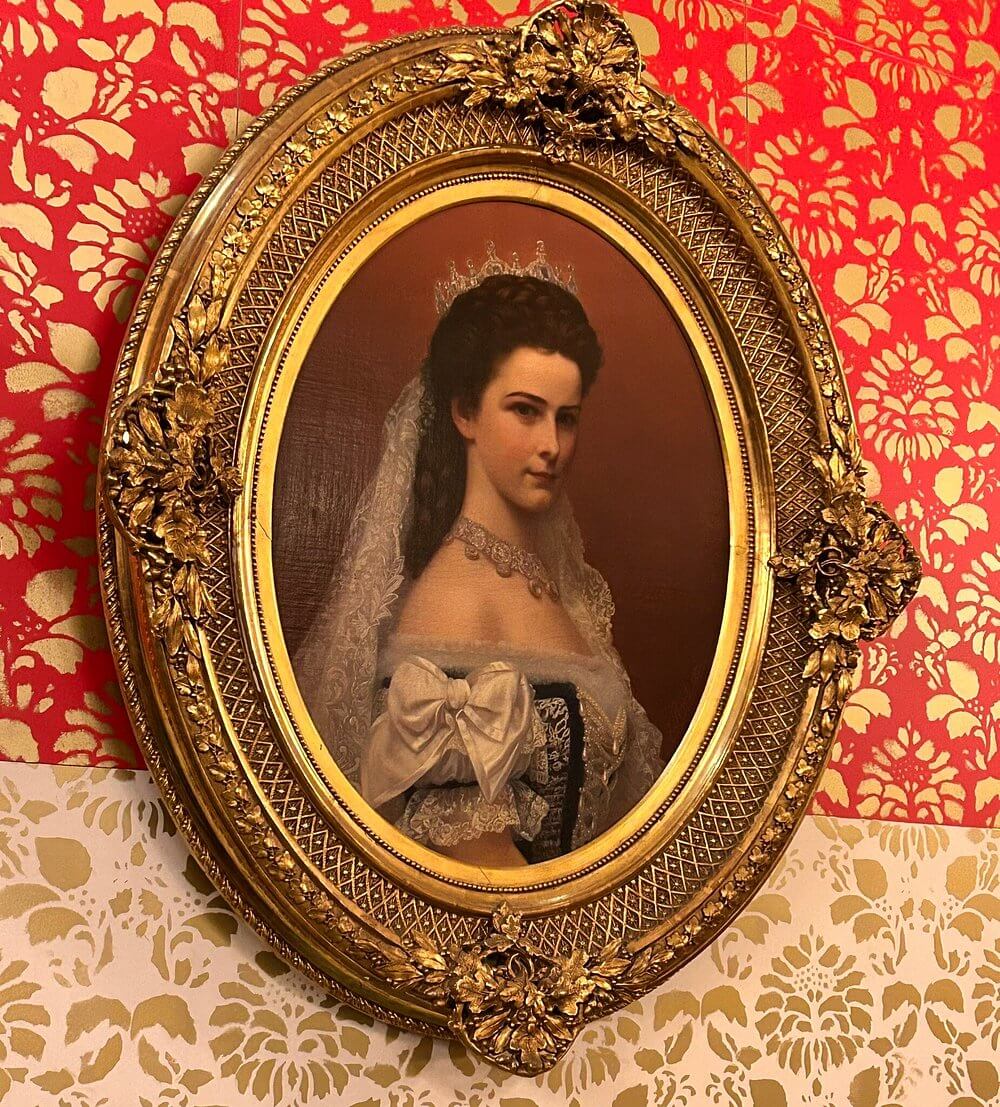
She was a very controversial figure. She hated the rigidity and military discipline of court life, yet she was extremely strict with herself. Through almost Spartan discipline and rigorous exercise, unusual for that time, she maintained an incredibly slim waist of about 50 cm, even after three childbirths.
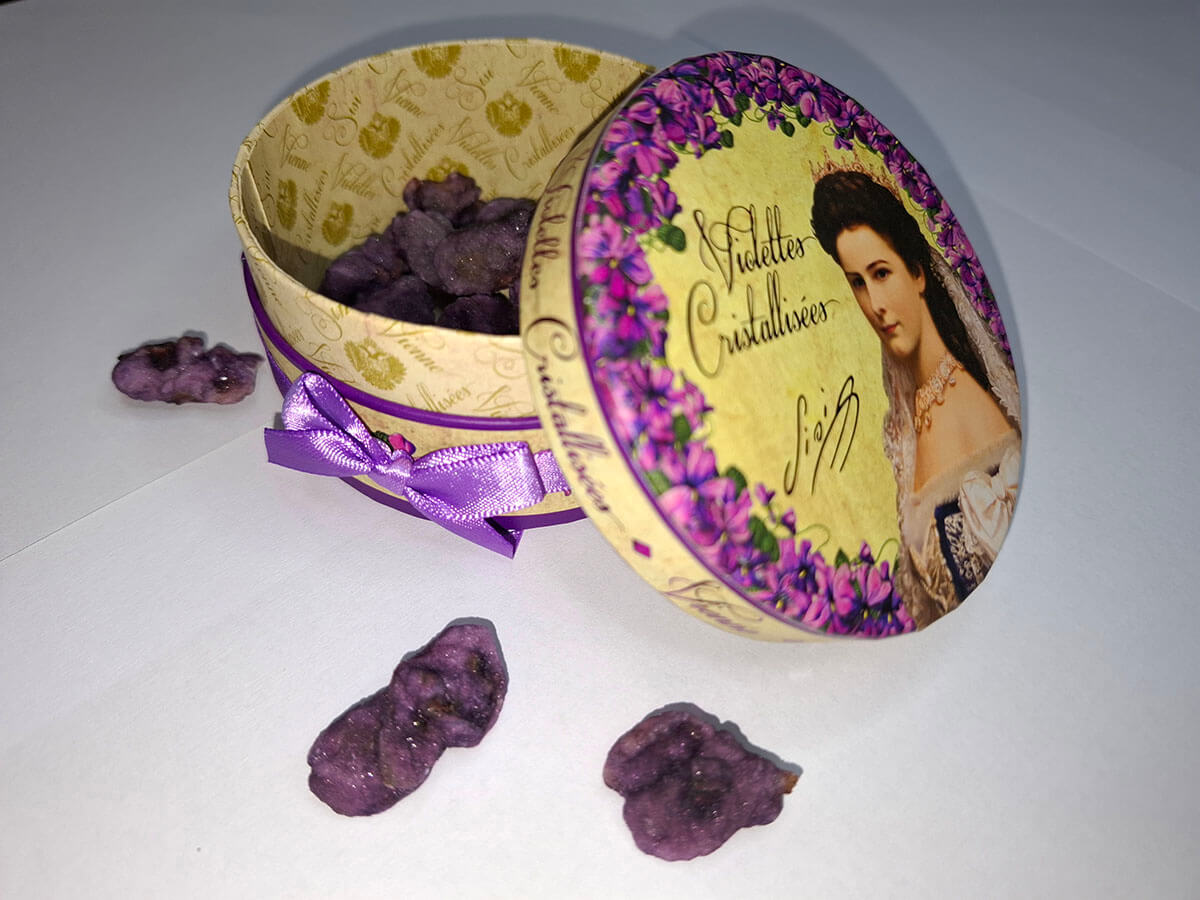
Although she was constantly dieting, she couldn’t resist sweets, especially candied violets regularly delivered to her by the famous Demel confectionery.
She was very vain about her appearance and, after the age of 32, no longer allowed herself to be photographed.
Her hair is a story of its own. Floor-length, it required enormous care.
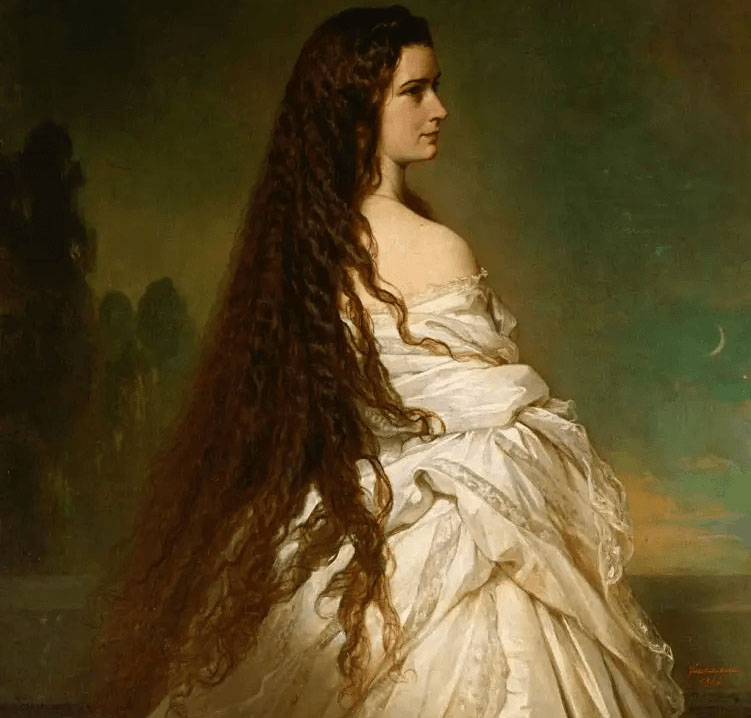
Brushing could take half a day, and washing was done exclusively with a mixture of cognac and eggs. The empress could handle all her correspondence while her hairstyle was being done.
Trying to escape herself, she traveled constantly, and one of her favorite residences was Achilleion on Corfu.
Although her husband loved her deeply, she herself found him lovers. Her death was just as unusual, she was stabbed with a sharpened file by an Italian anarchist while walking in Switzerland. She only died after her corset was removed following the incident.
The very first exhibit you will see in the Sisi Museum is her death mask, along with the black wreath from her funeral.
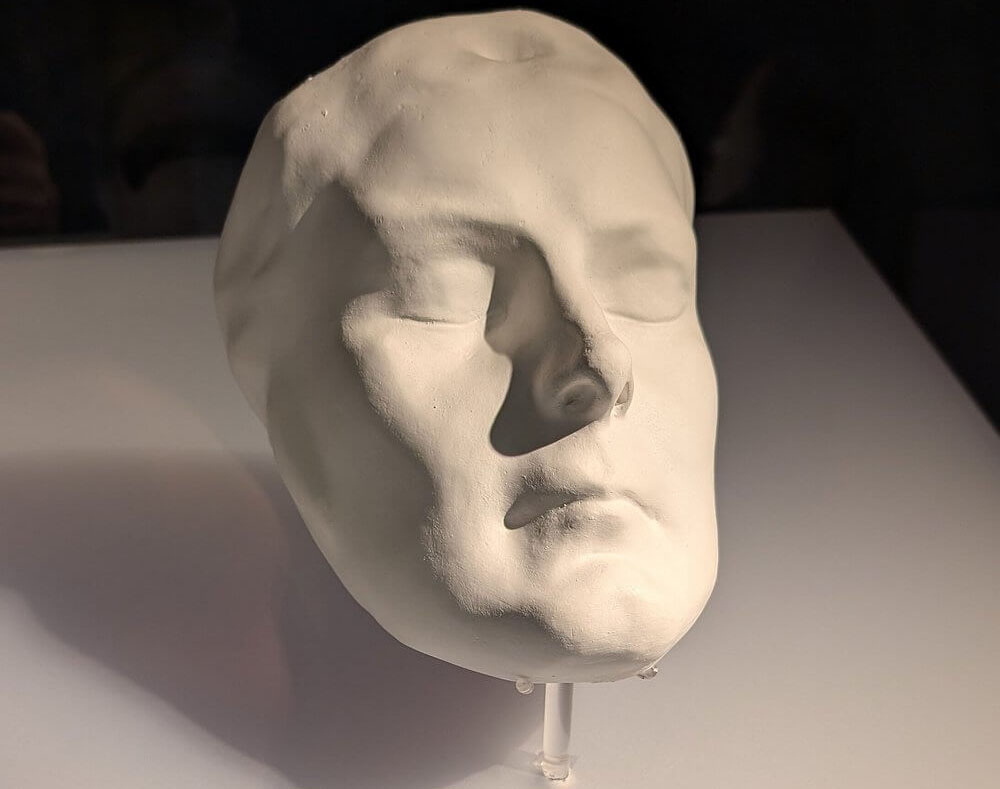
This unique exhibition takes you through Sisi’s childhood, explains her controversial relationship with fashion and beauty, her complicated family ties, her travels and escapes, and her unusual death.
Sisi remains an enigma—romantic, melancholic, stubborn, and unhappy. Still, a walk through this museum may bring you a little closer to understanding this extraordinary personality.
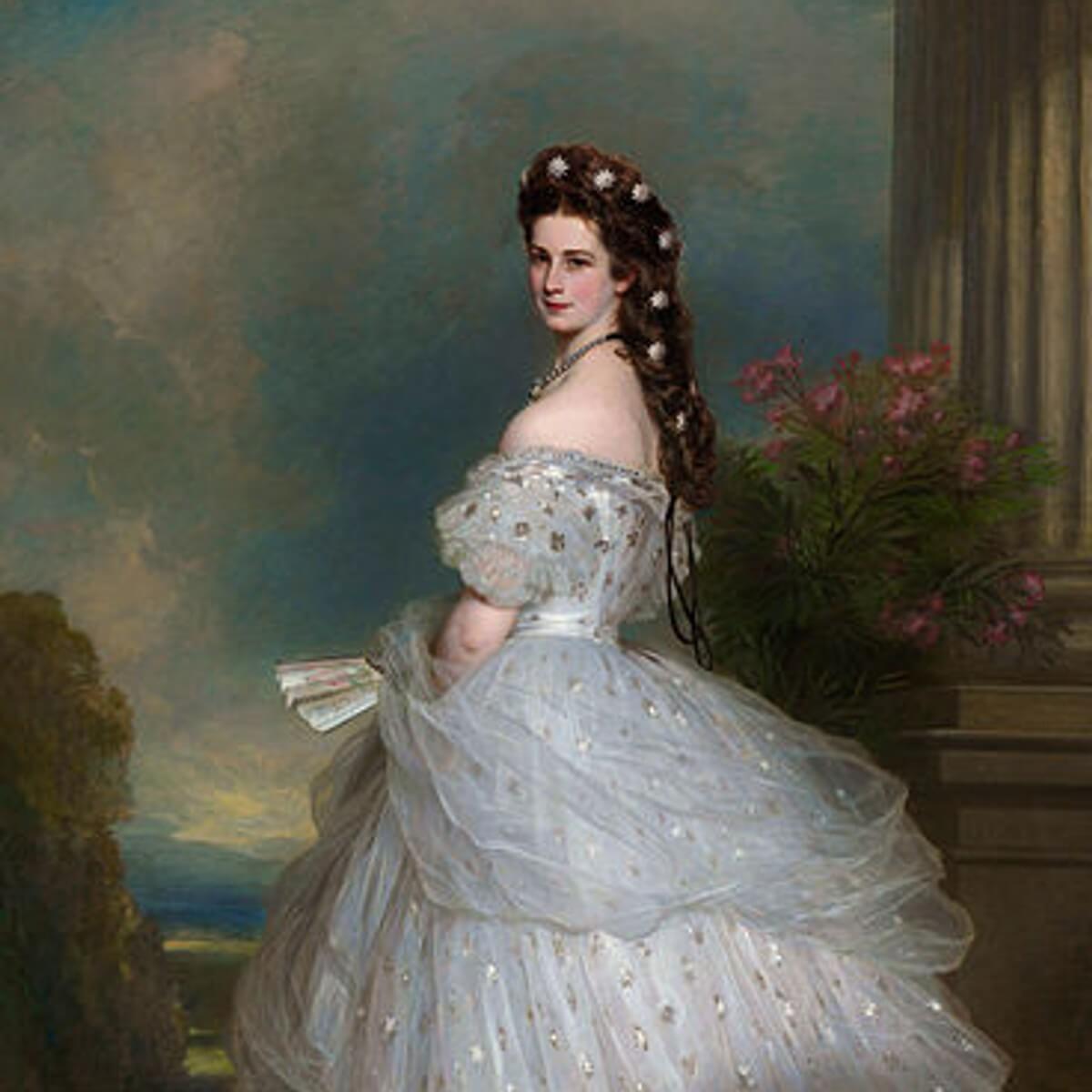
The museum also displays some of her original belongings, such as letters, a medicine case containing cocaine, her childhood shoes, original wedding invitations, and more.
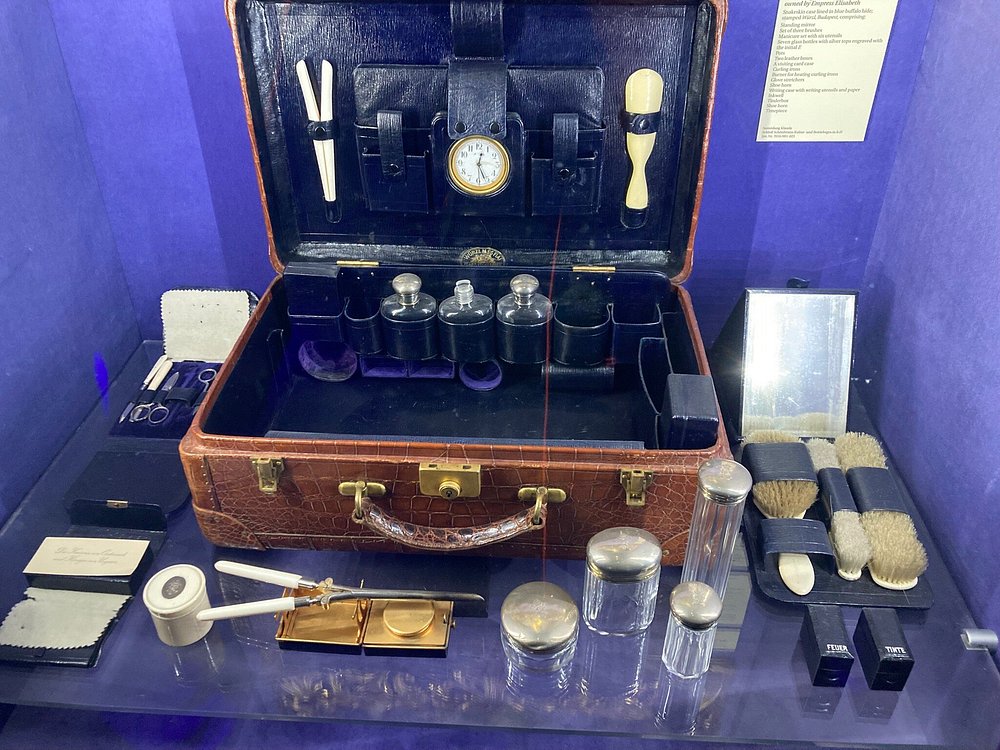
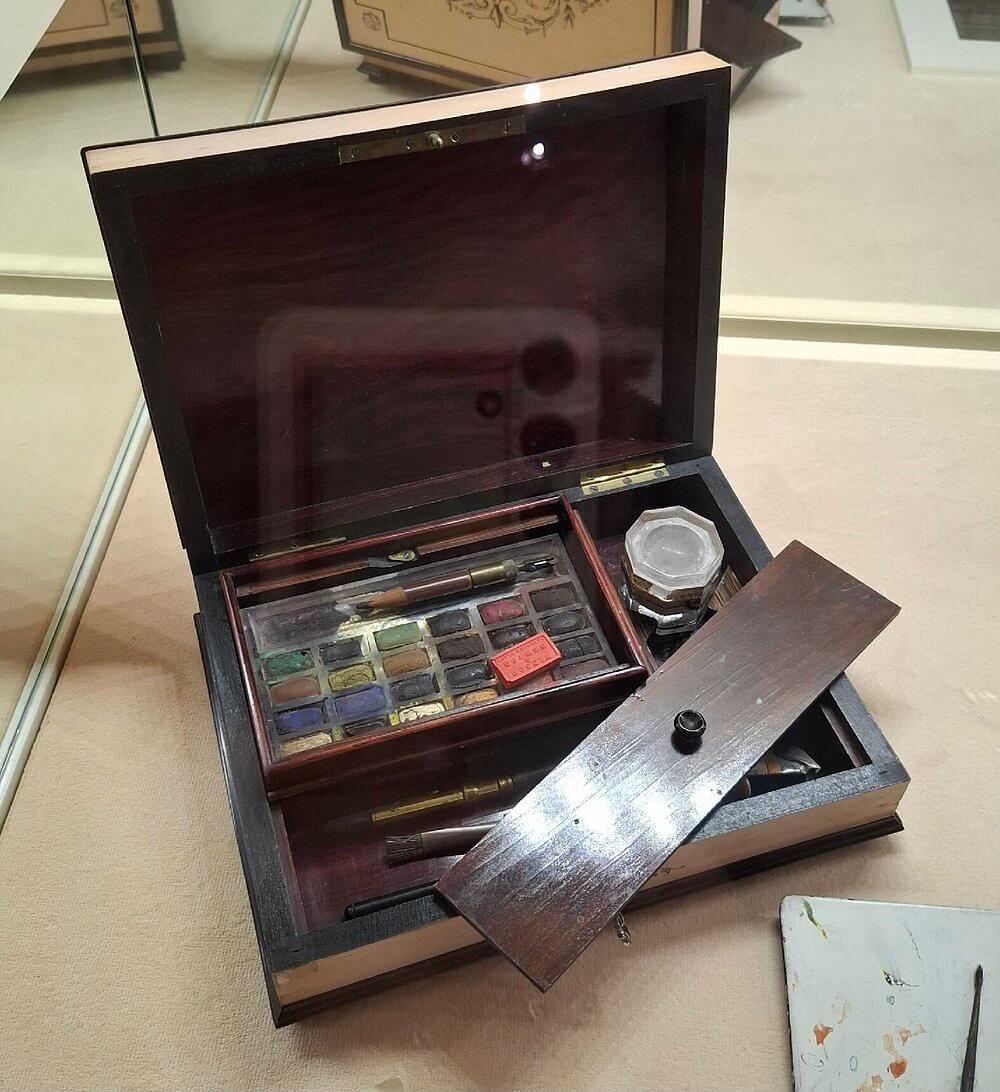
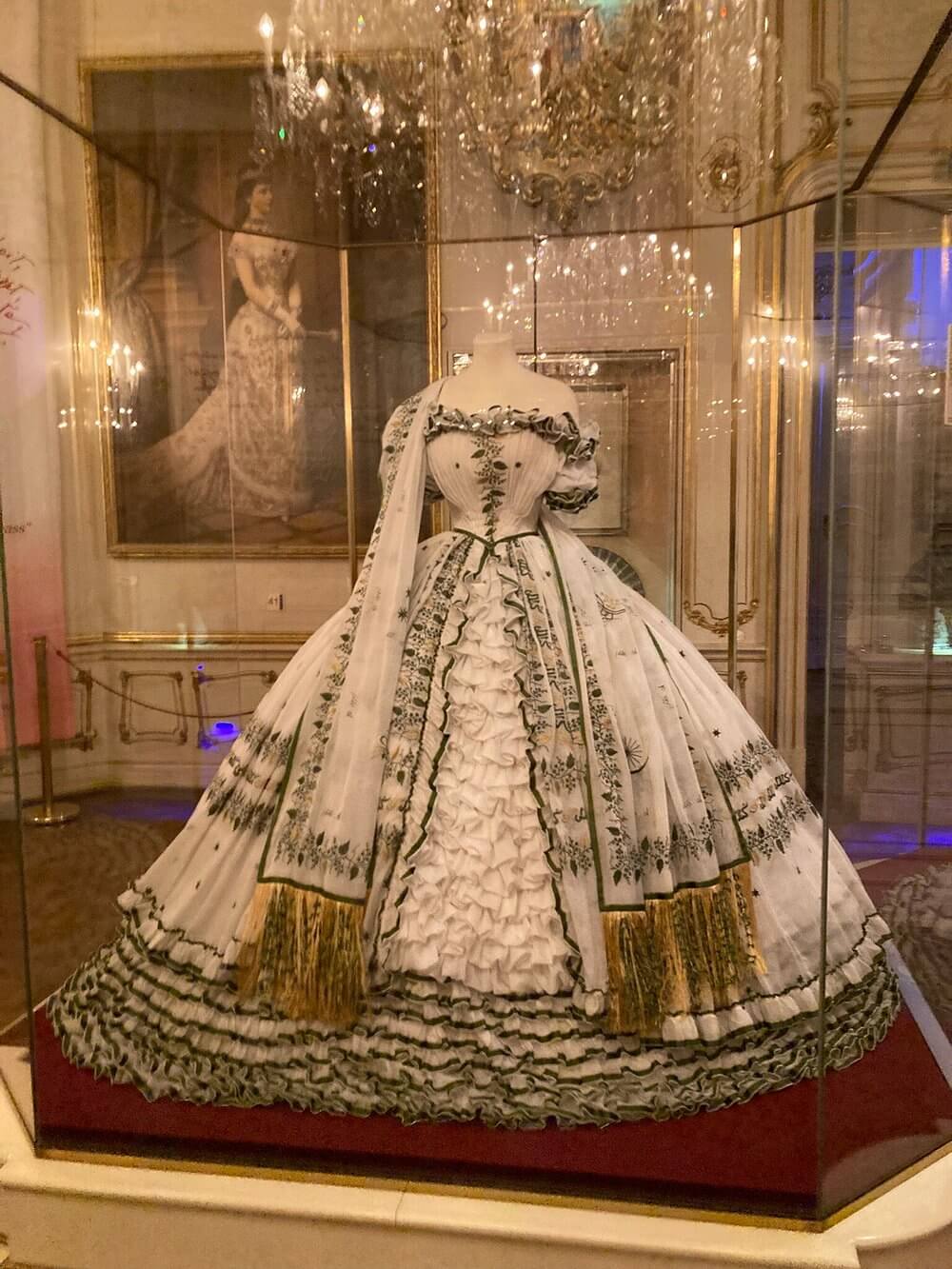
You will also find replicas of her remarkable dresses and jewelry.
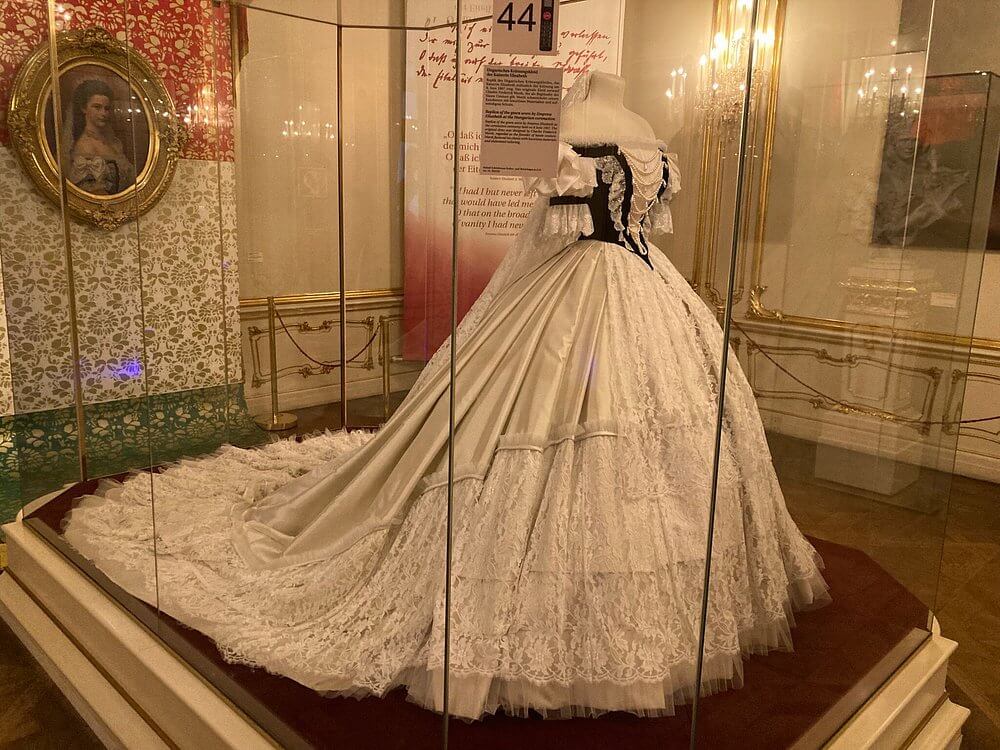
If you plan to visit other museums in Hofburg, consider combination tickets that include the Sisi Museum, the Imperial Apartments, and the Kunsthistorisches Museum.
Best time to visit: early morning or late afternoon to avoid crowds.
Imperial Apartments
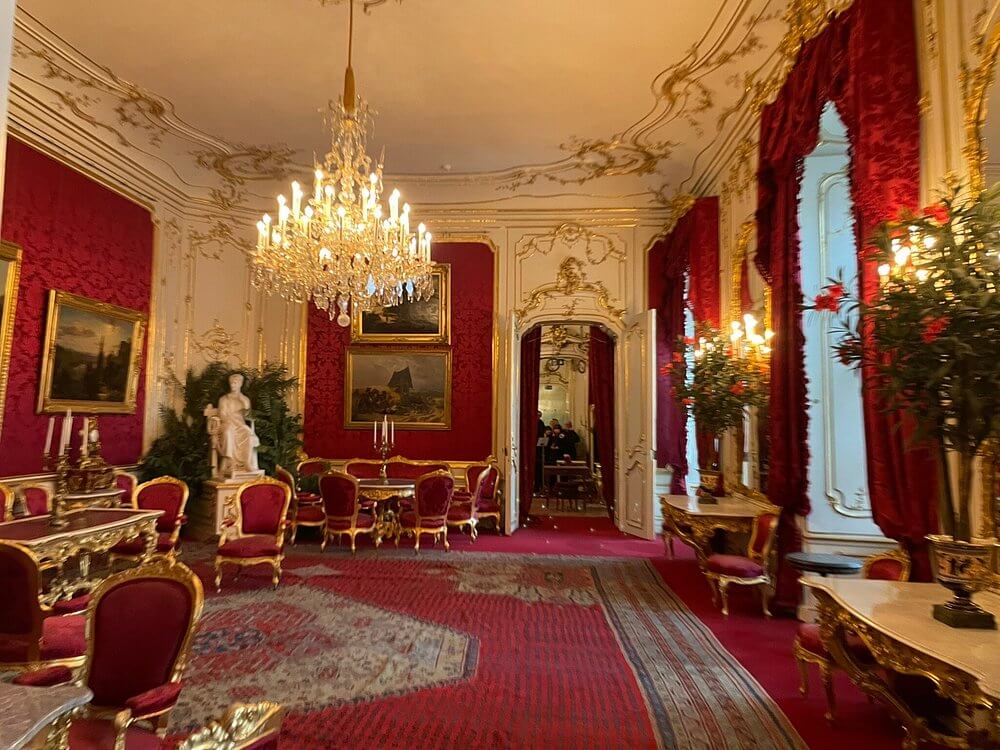
The Imperial Apartments in Hofburg are among the most important and impressive parts of this vast palace complex, which served for centuries as the seat of the Habsburg dynasty.
These apartments were both private and ceremonial spaces where emperors and empresses lived and worked, especially Franz Joseph and Elisabeth of Bavaria.
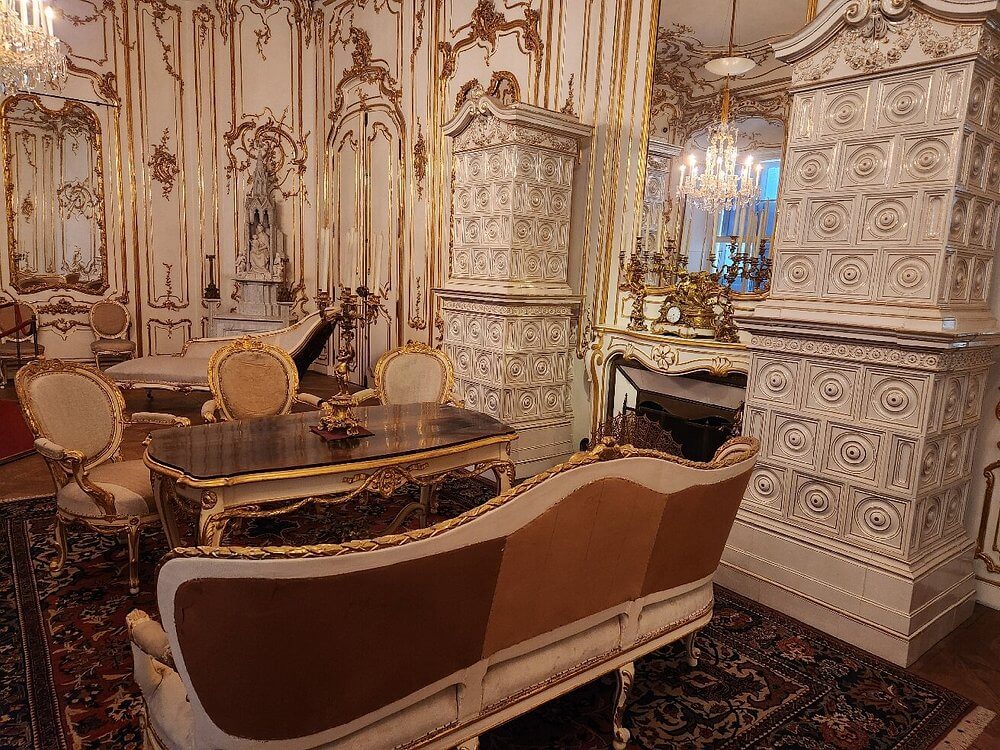
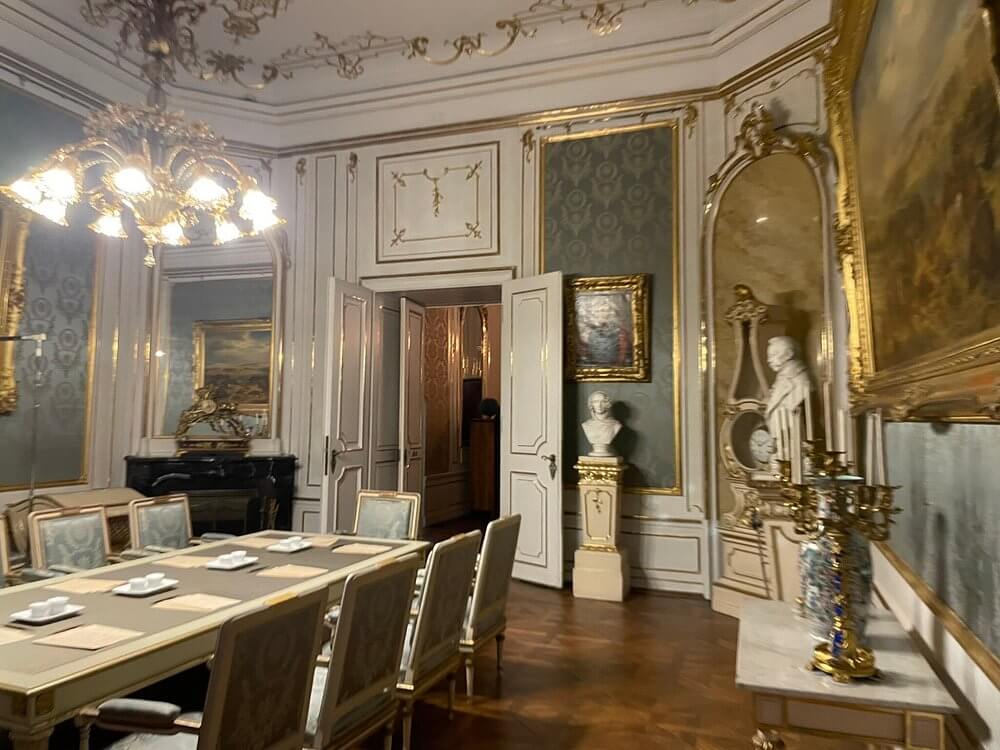
They include more than 20 rooms, such as offices, reception salons, bedrooms, and dining rooms where 9 to 13 courses were served on formal occasions.
Contrary to what one might expect, Emperor Franz Joseph’s apartments are surprisingly simple and modest.
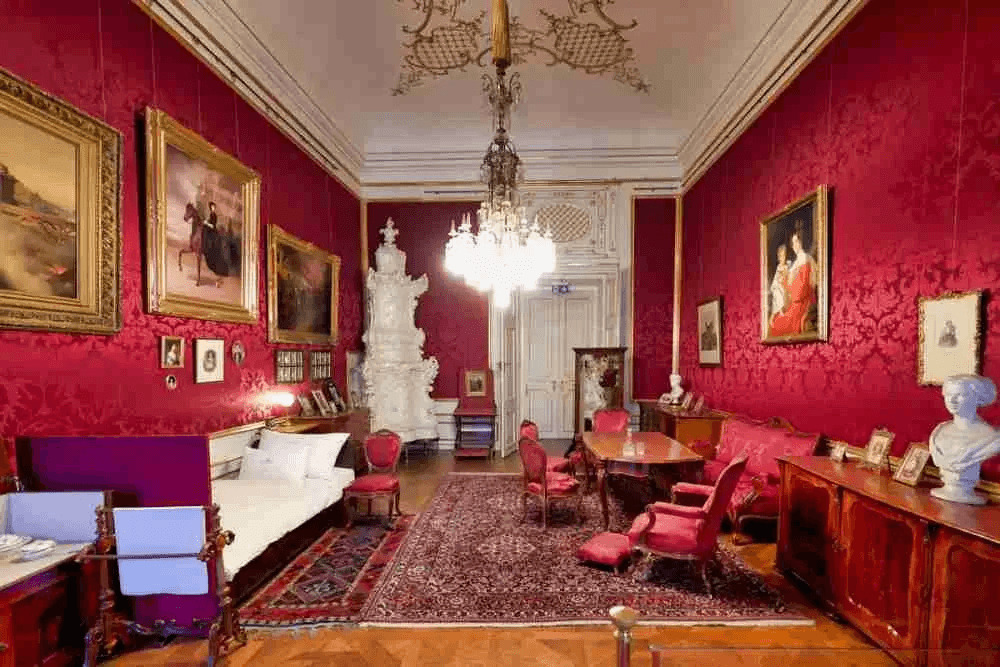
They include a small, plainly furnished bedroom and his study, where he worked up to 16 hours a day beneath Sisi’s portrait.
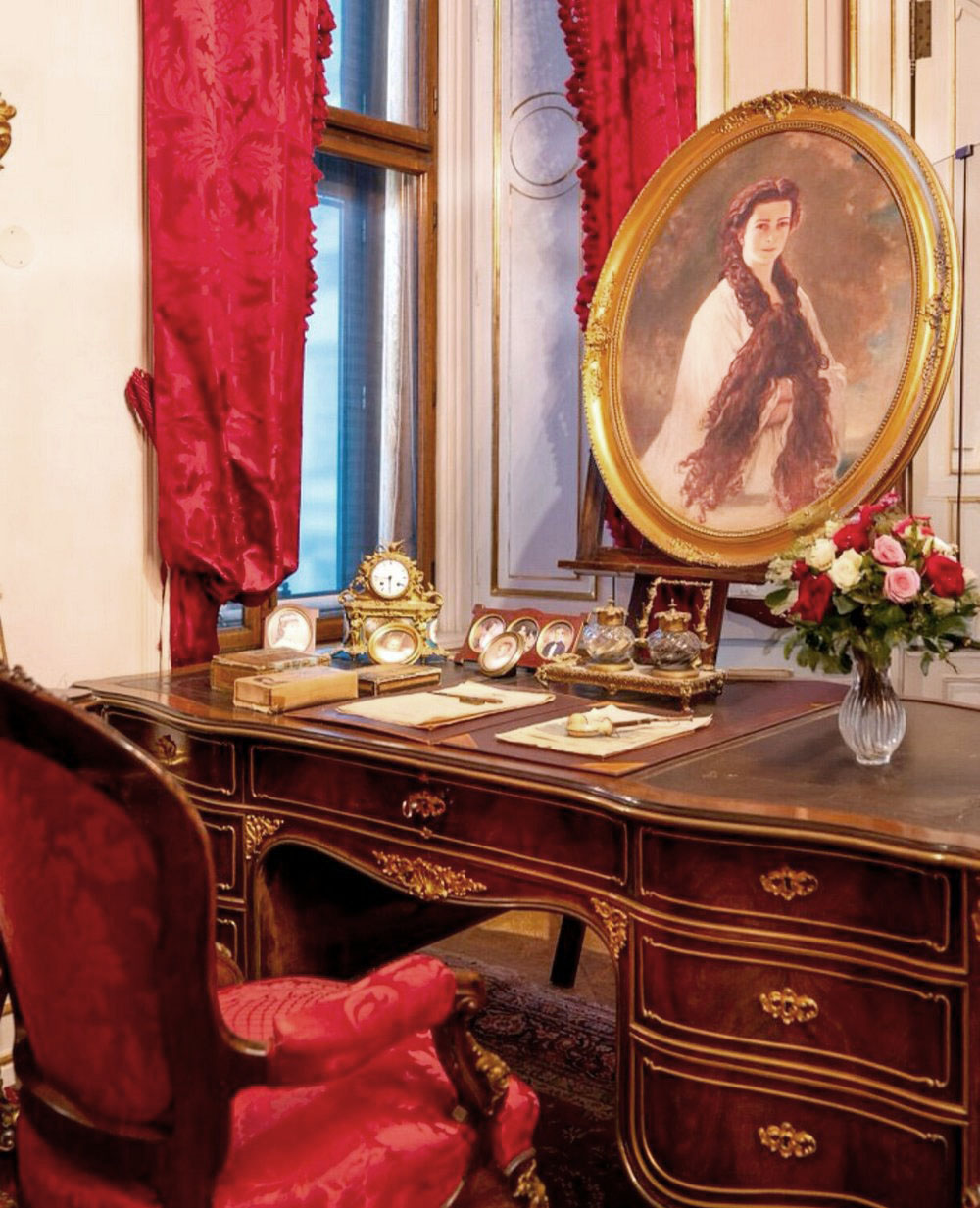
In contrast, Sisi’s apartments are more elegant and personal, with a more intimate atmosphere reflecting her strong desire for privacy. They also include her famous exercise room.
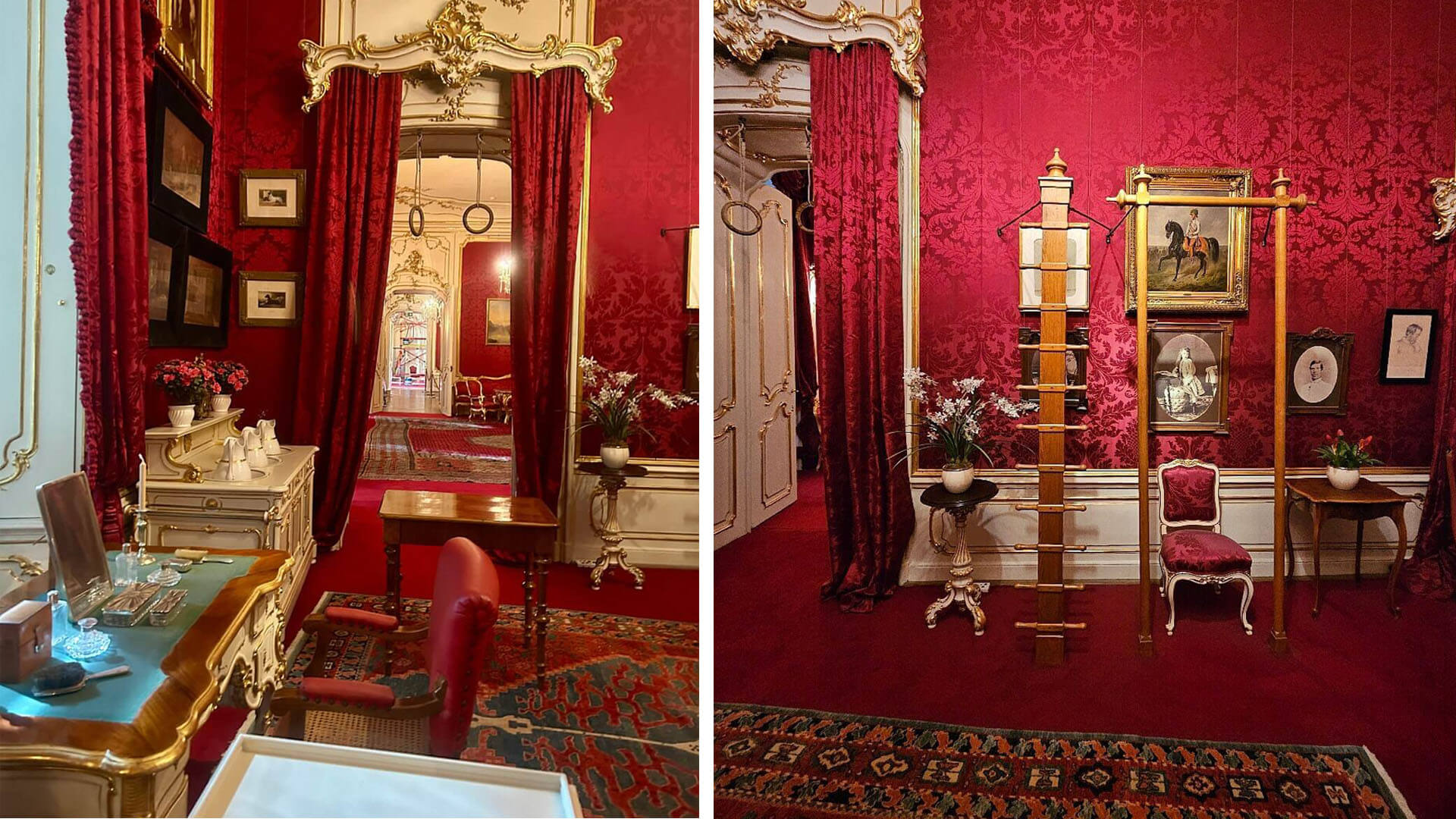
Daily court life unfolded in these apartments—morning preparations, meetings, receptions, and dinners conducted under strict court protocol.
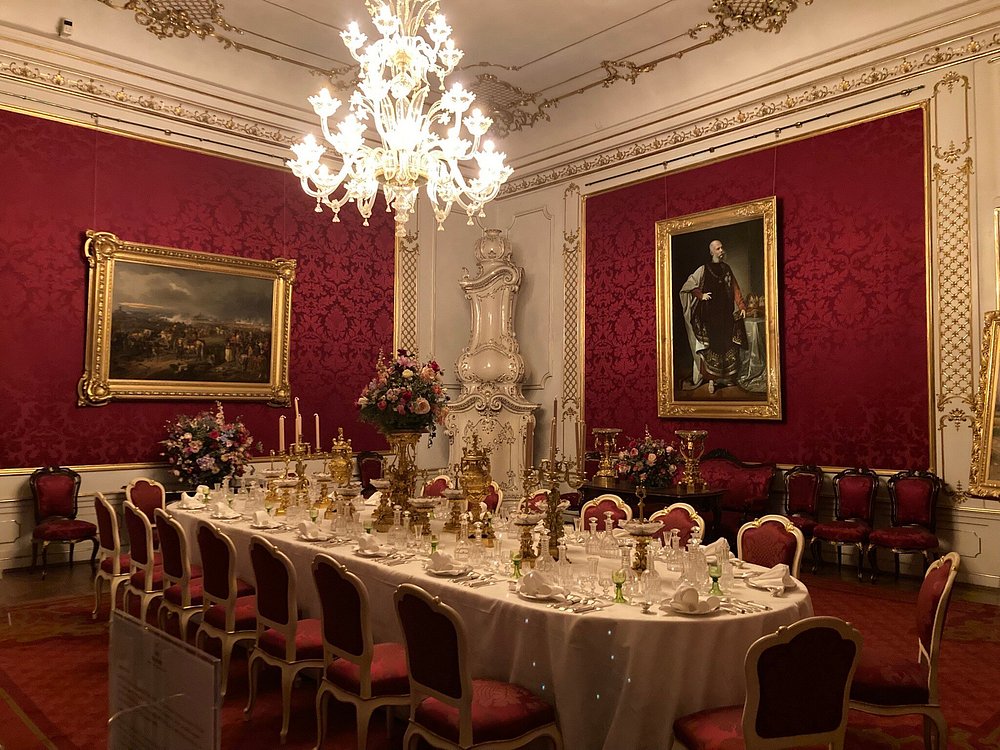
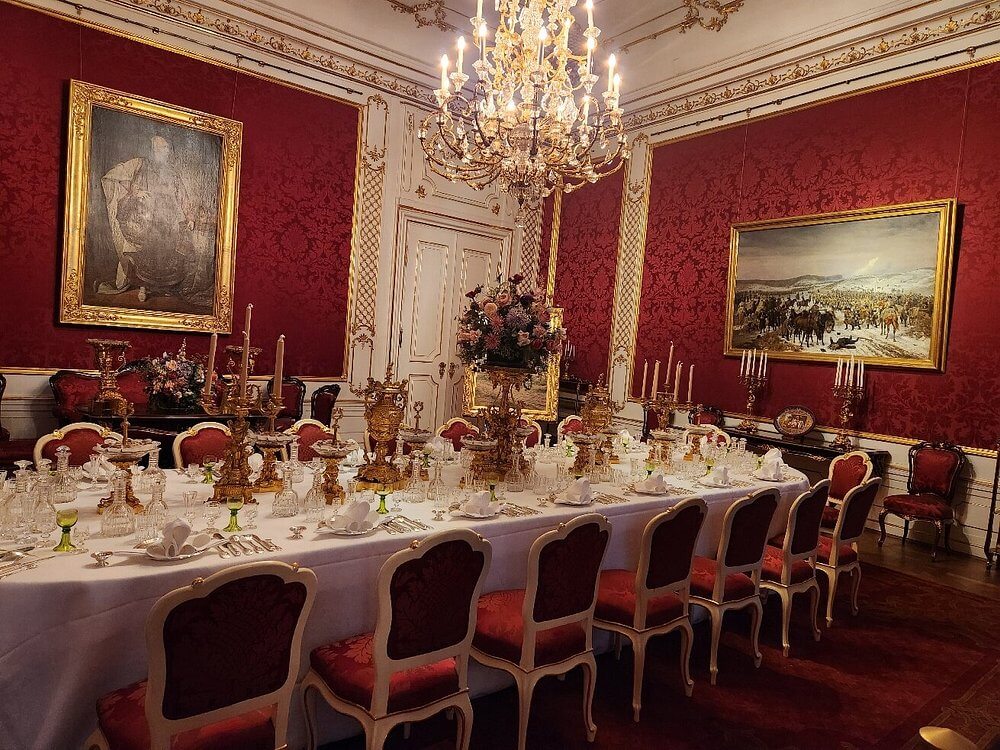
Today, the Imperial Apartments are open to visitors, who can see original furniture and personal belongings of the emperor and empress.
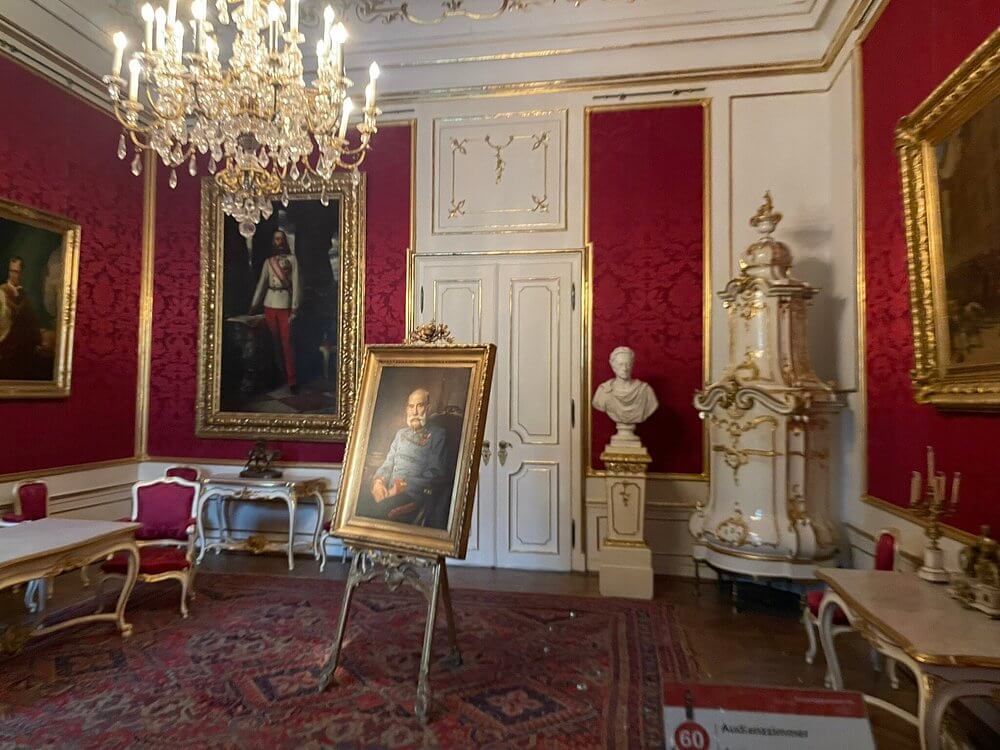
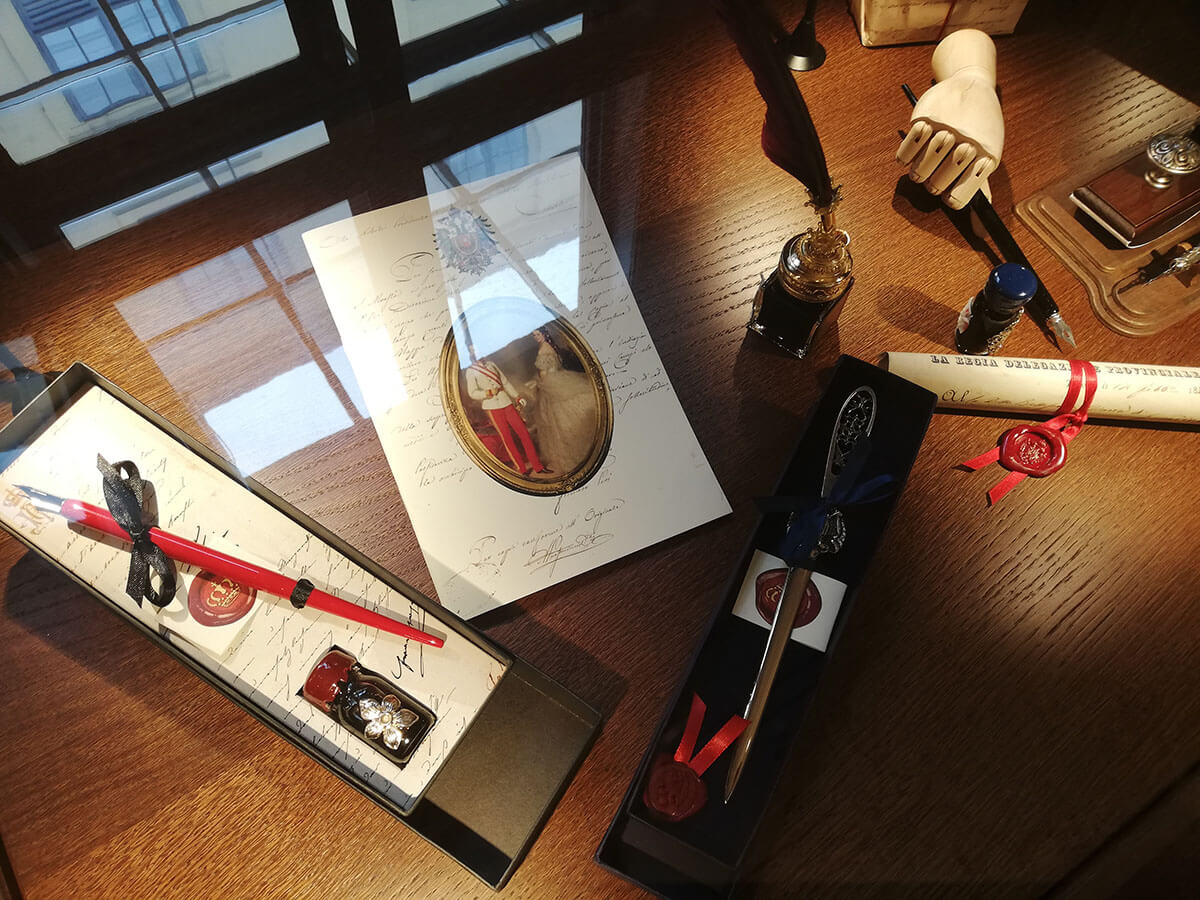
A visit offers insight into the life of one of Europe’s most powerful dynasties.
Imperial Jewels and Crowns
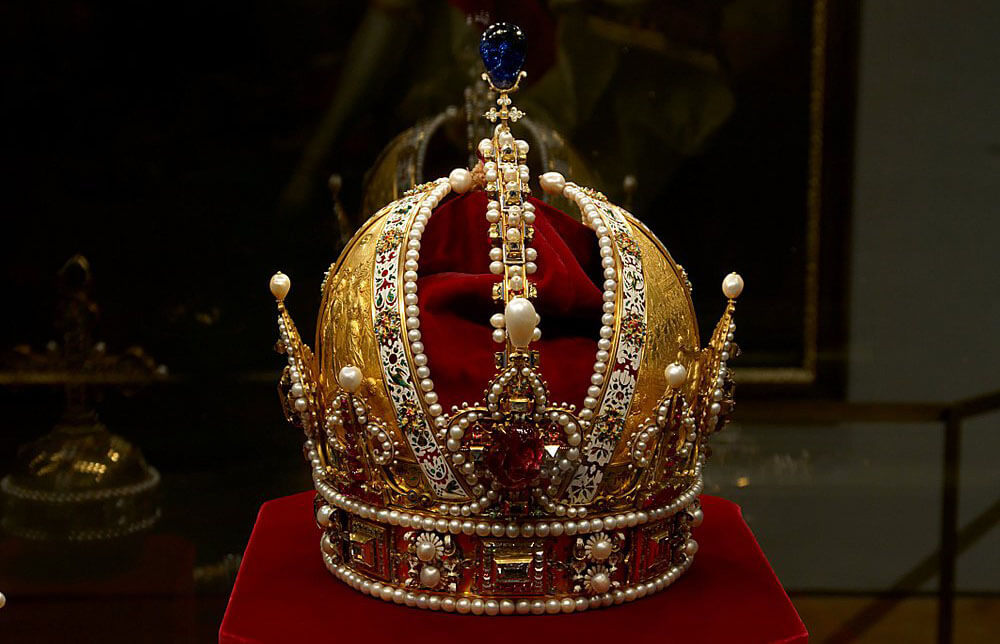
In rooms that function as a grand treasury, you will find an extraordinary collection of valuables accumulated during Habsburg rule. Among them is the crown of the Holy Roman Empire, along with numerous crowns of Austrian rulers. Some jewels are so impressive you’ll want to look at them twice.
Spanish Riding School
The Spanish Riding School in Vienna is one of the most famous and oldest institutions of classical horsemanship in the world.
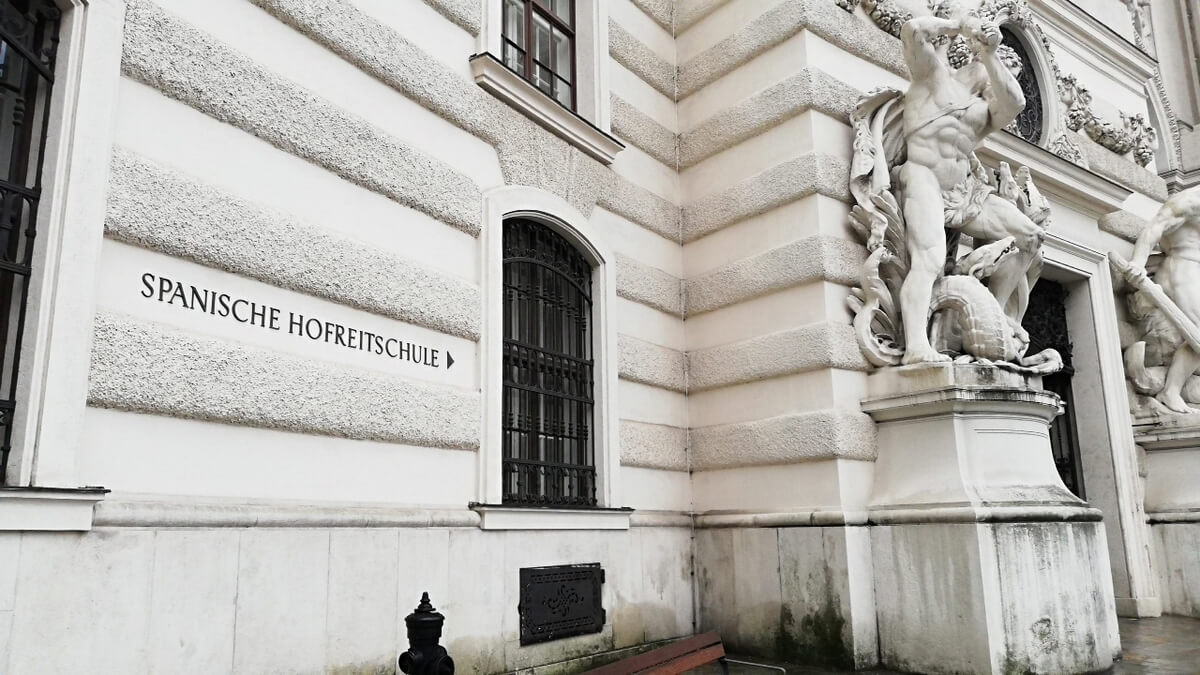
Founded in the 16th century, it has preserved the tradition of horse training almost unchanged to this day.
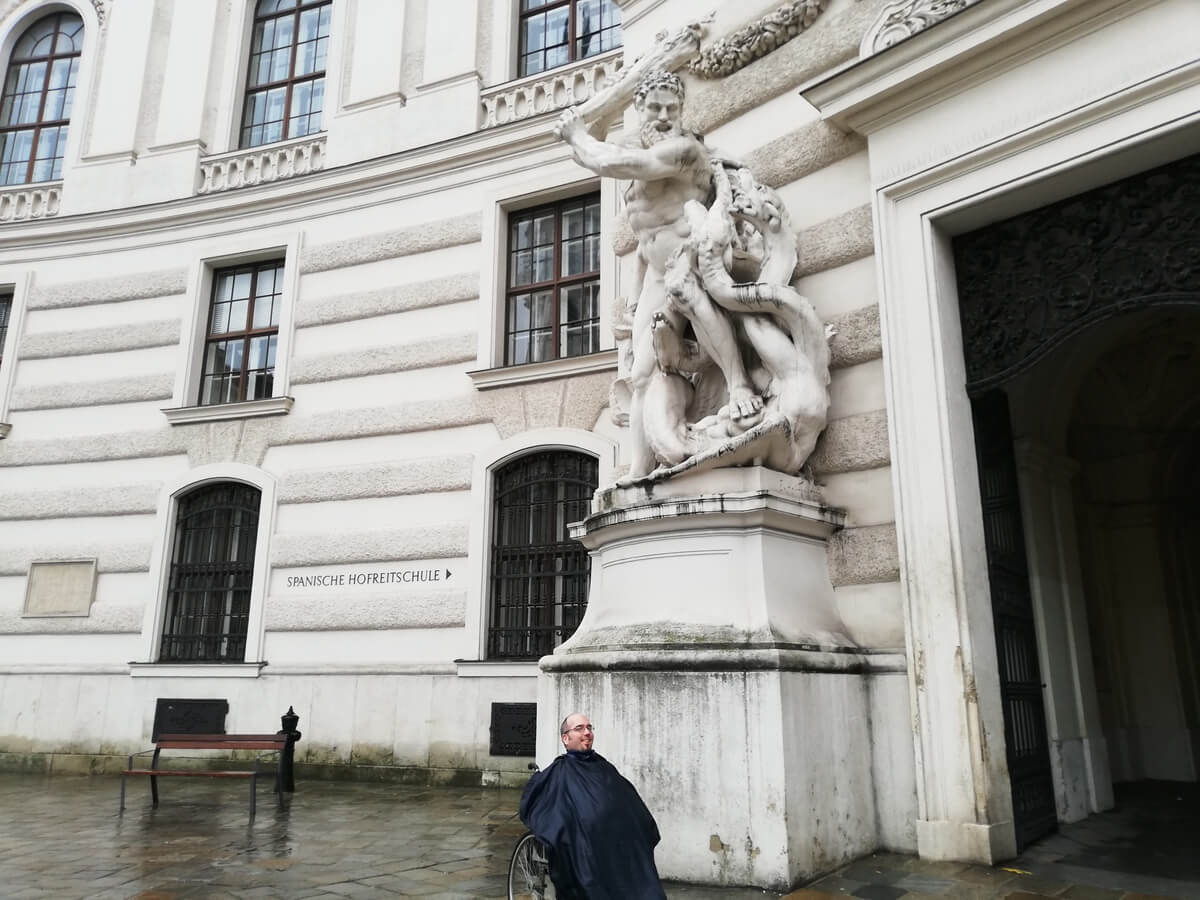
The name “Spanish” comes from the renowned Lipizzaner horses, a breed originating in Spain but developed within the Habsburg monarchy. These horses are known for their elegance, intelligence, and ability to perform complex movements.
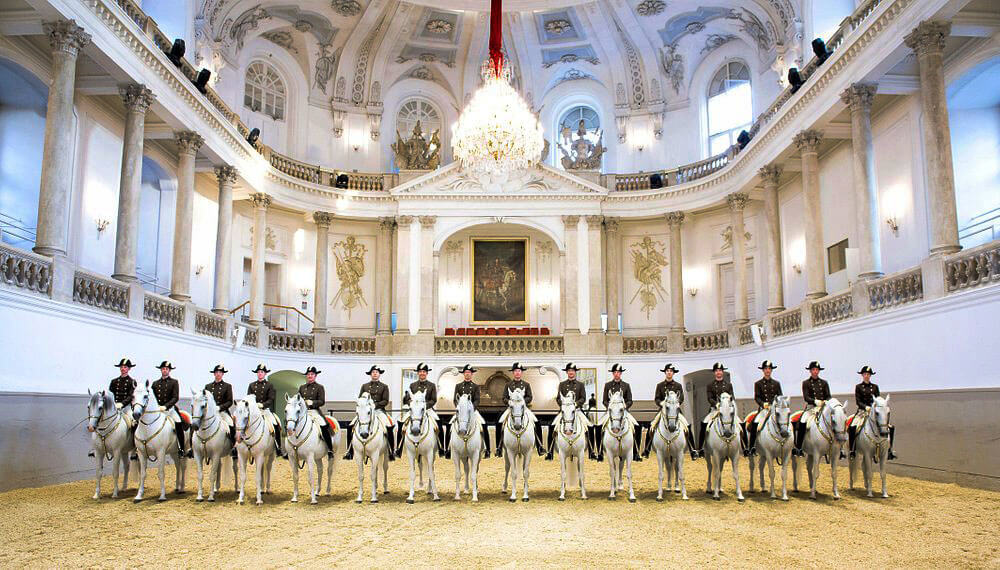
The school is housed in a magnificent Baroque hall within the Hofburg complex.
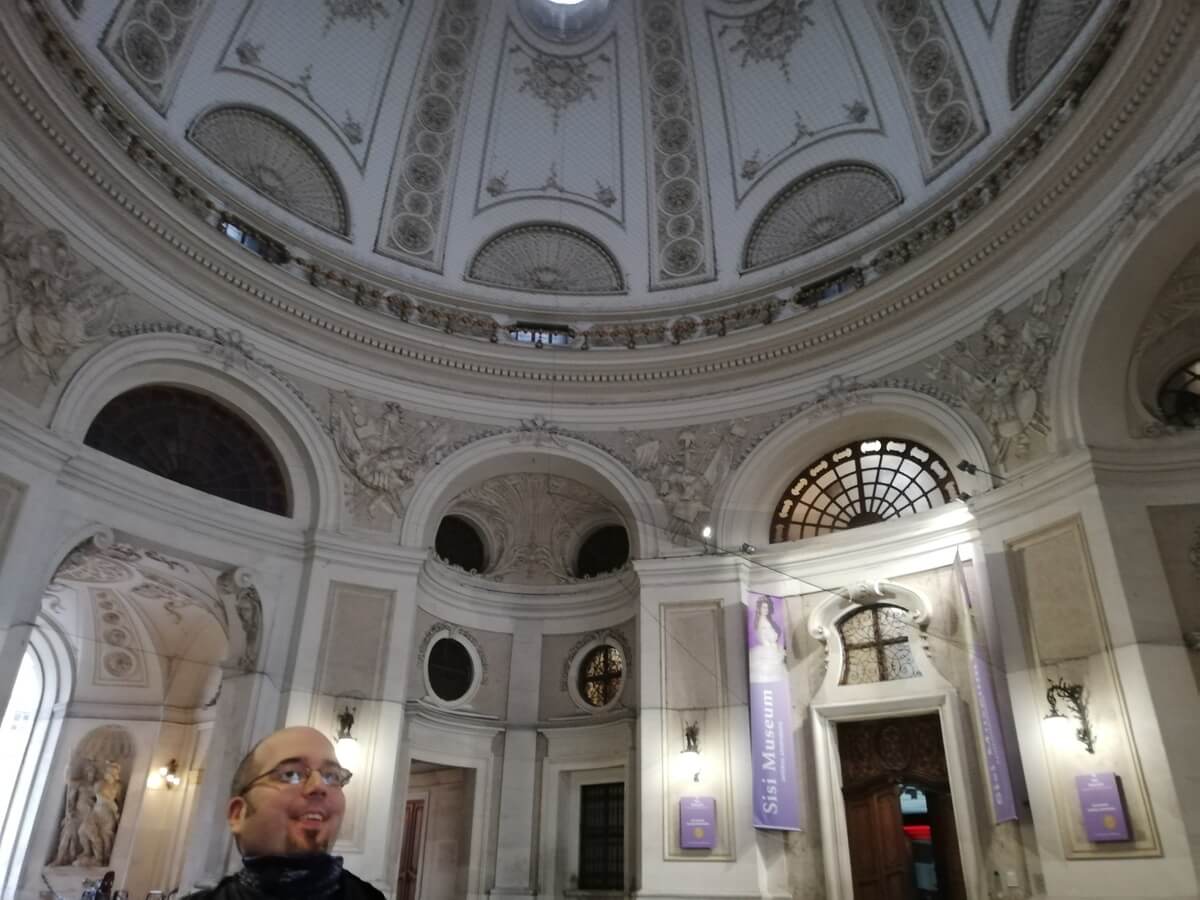
Training sessions and public performances are held there, where riders and horses perform precise classical dressage movements—another attraction not to miss when you’re in the area.
Michaelerplatz
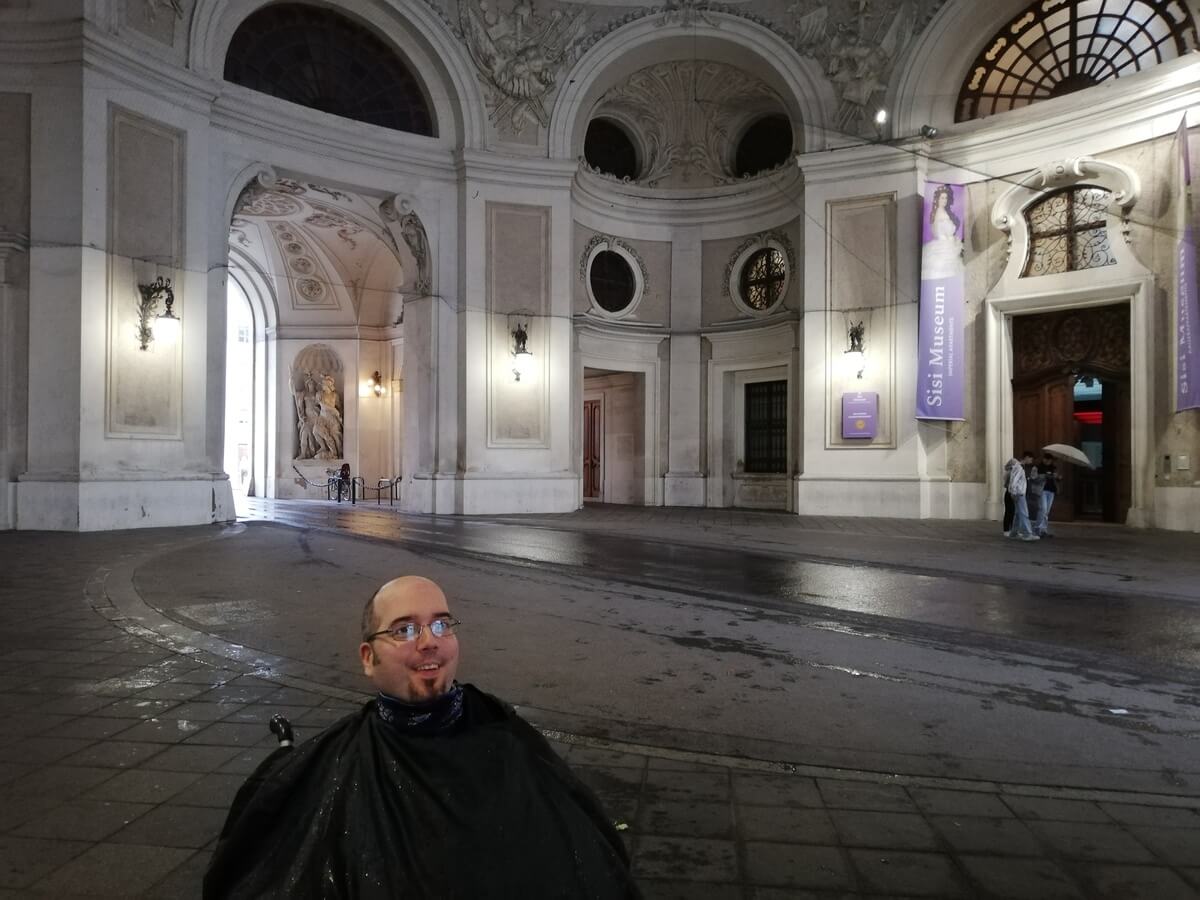
Michaelerplatz is a star-shaped Baroque square connecting several important streets in the historic city center, such as Kohlmarkt and Herrengasse. It is also one of the main entrances to Hofburg.
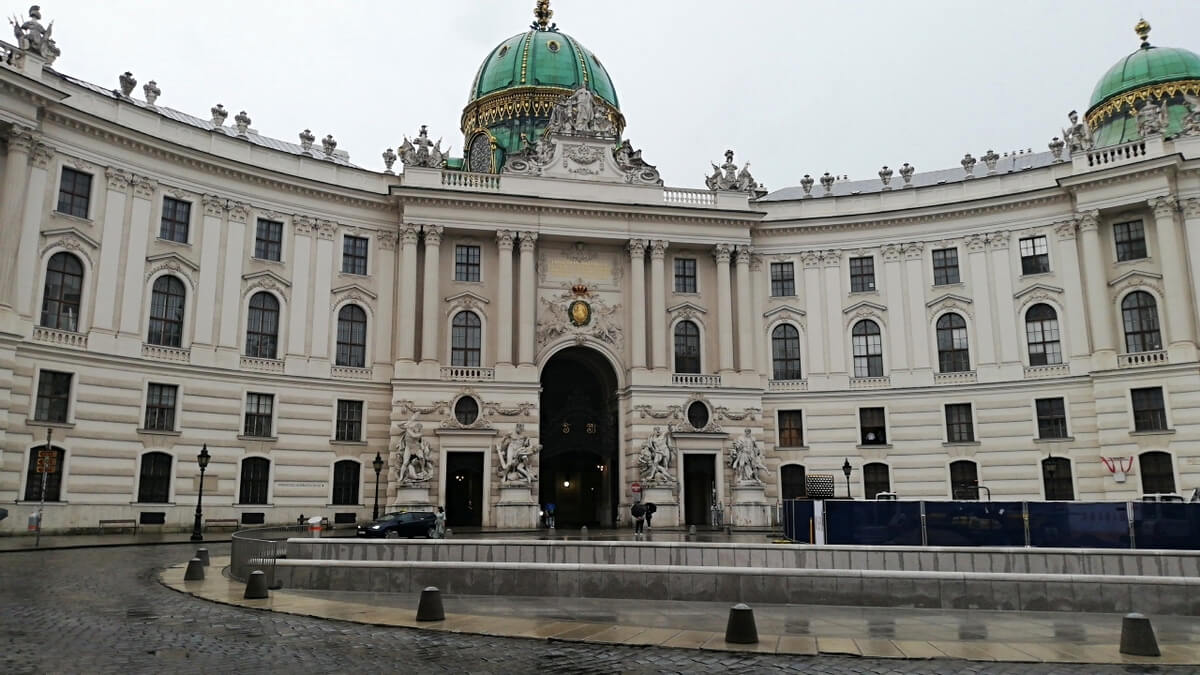
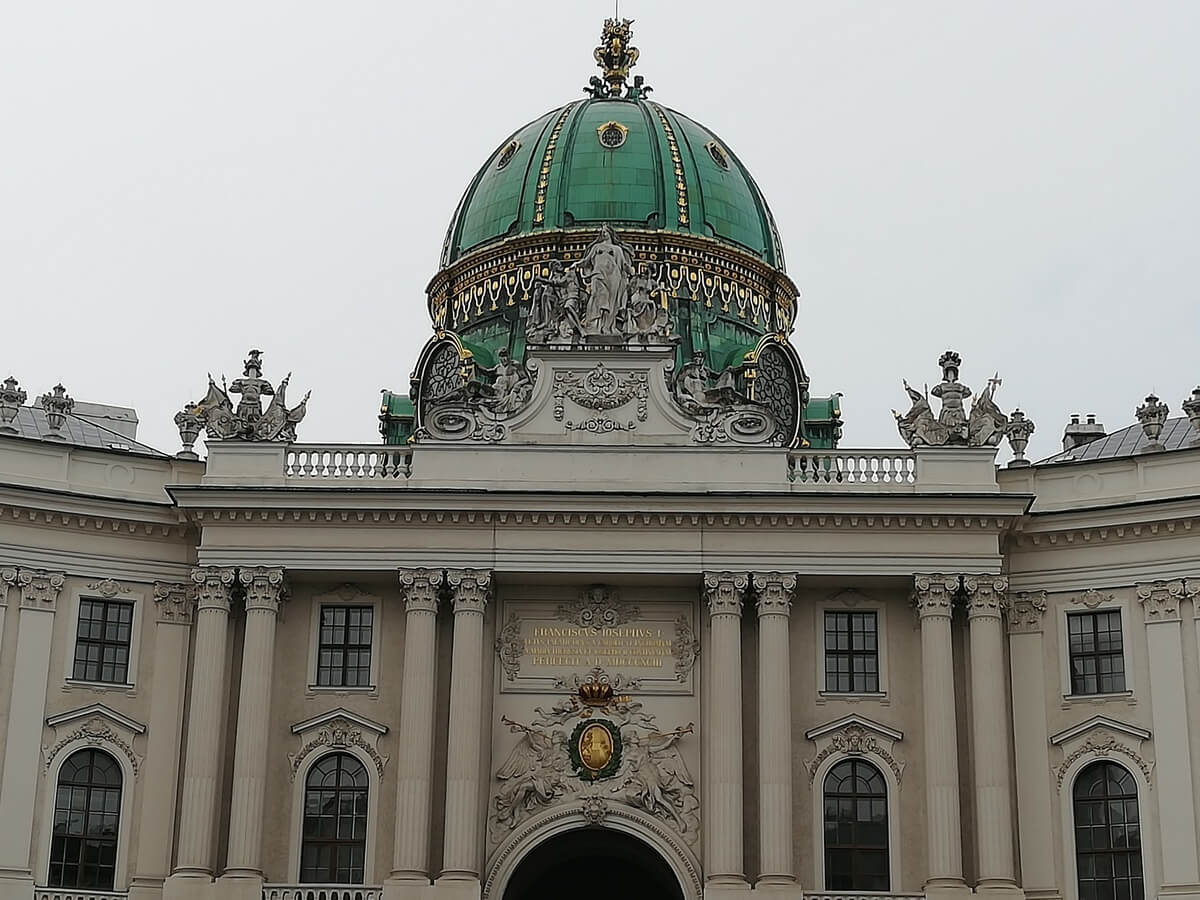
It is named after St. Michael’s Church, located at its edge and one of the oldest churches in Vienna.
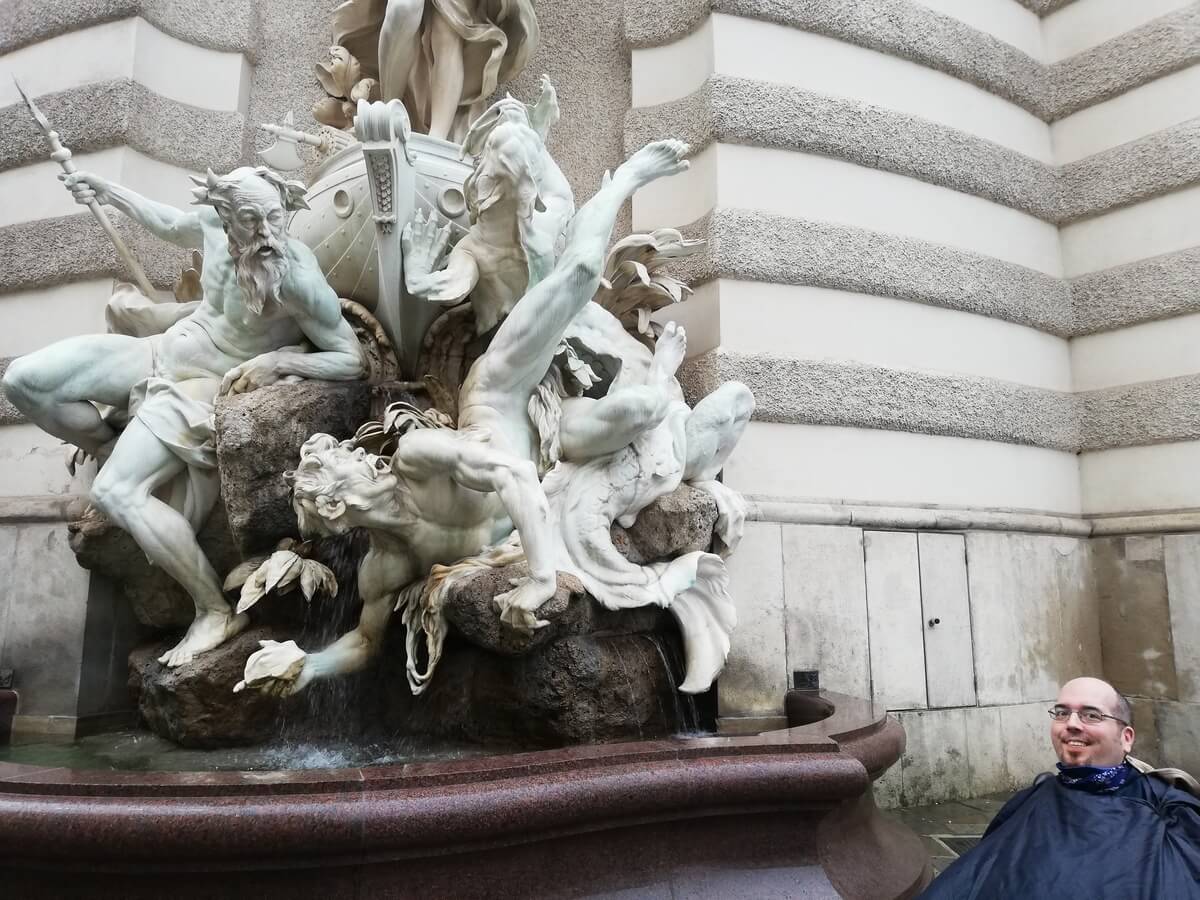
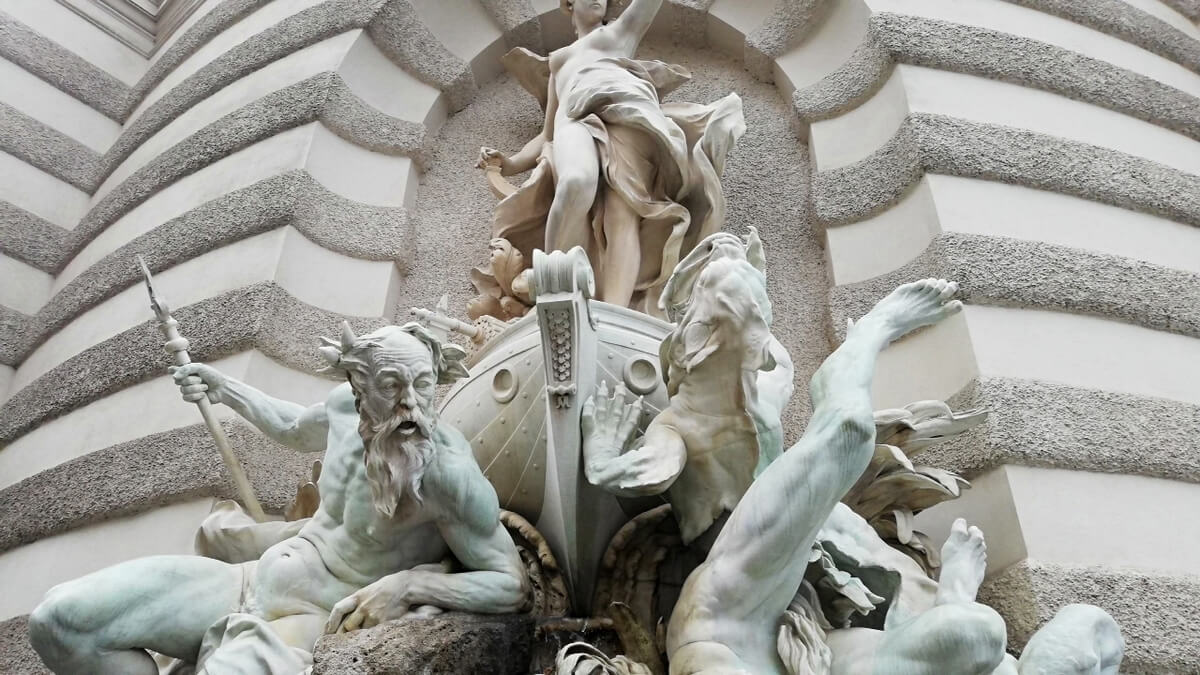
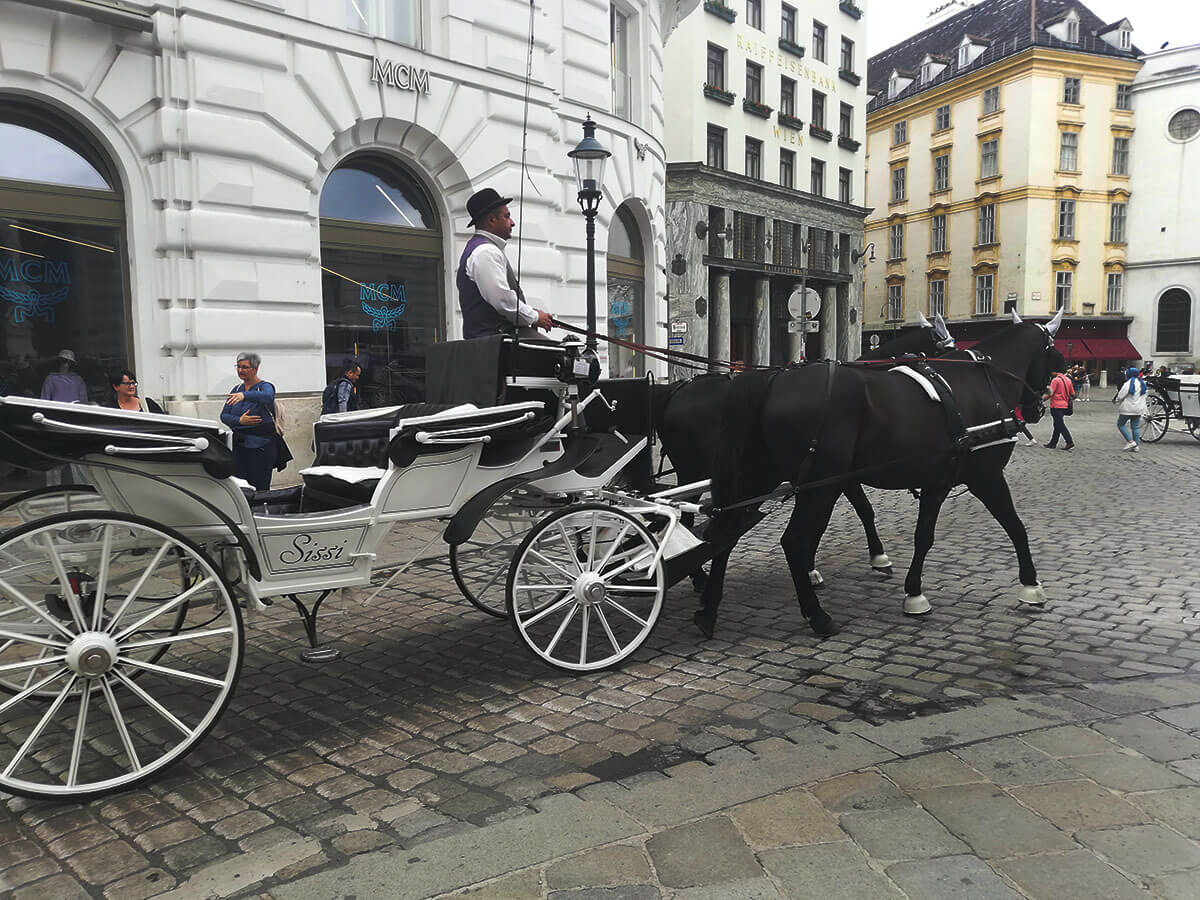
Today, Michaelerplatz is lively and busy, often filled with horse-drawn carriages (fiakers). In winter, Christmas and New Year markets are sometimes held here.
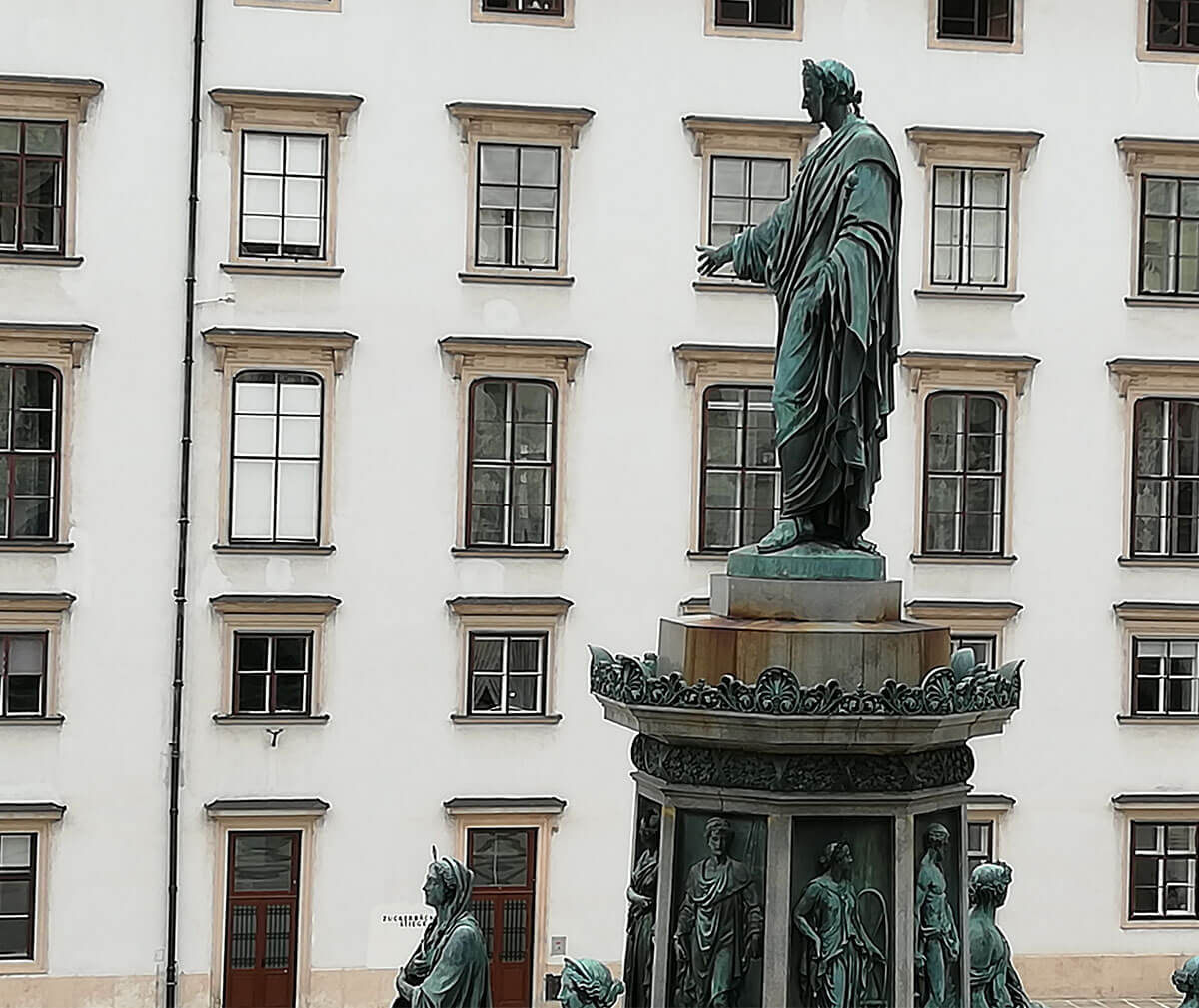
Inner Courtyard
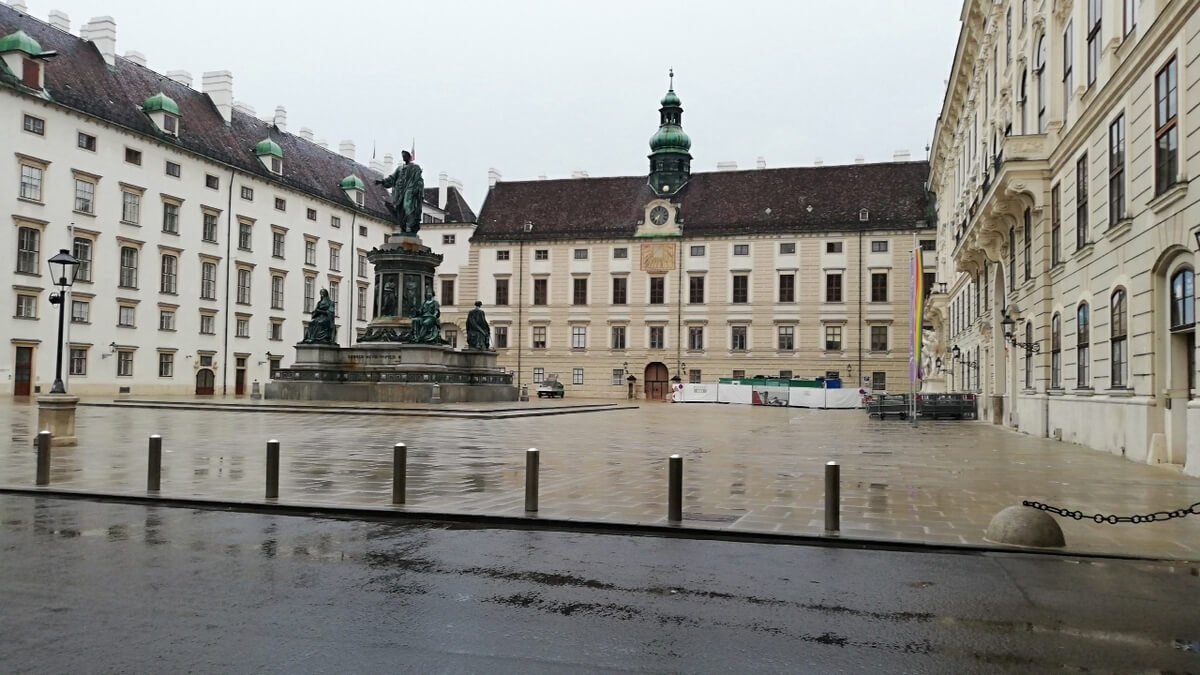
This courtyard is one of several within the complex and is notable for its blend of Renaissance and Baroque architecture.
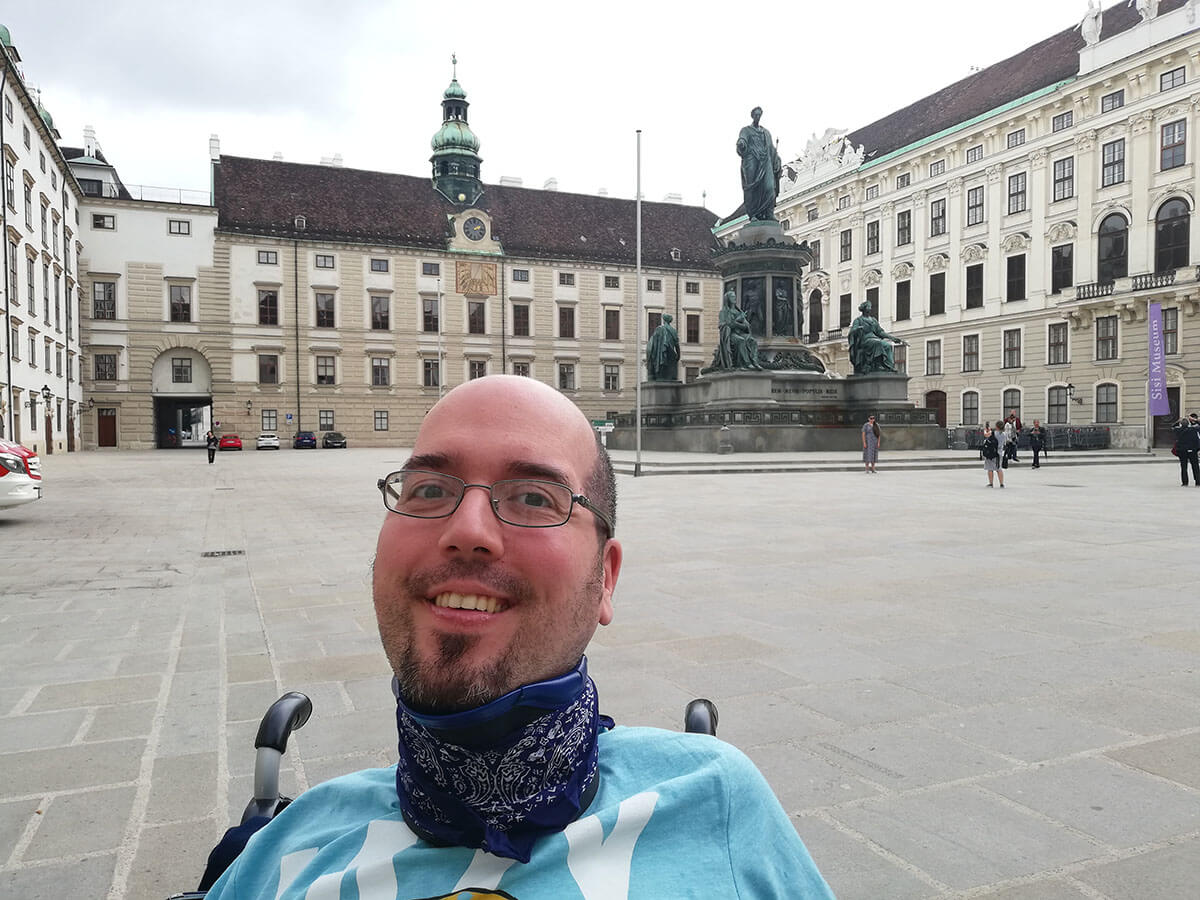
It was used for ceremonies, parades, and formal receptions, but also served practical daily functions. Today, it is a peaceful spot for visitors, often used for photography or as a starting point for exploring Hofburg.
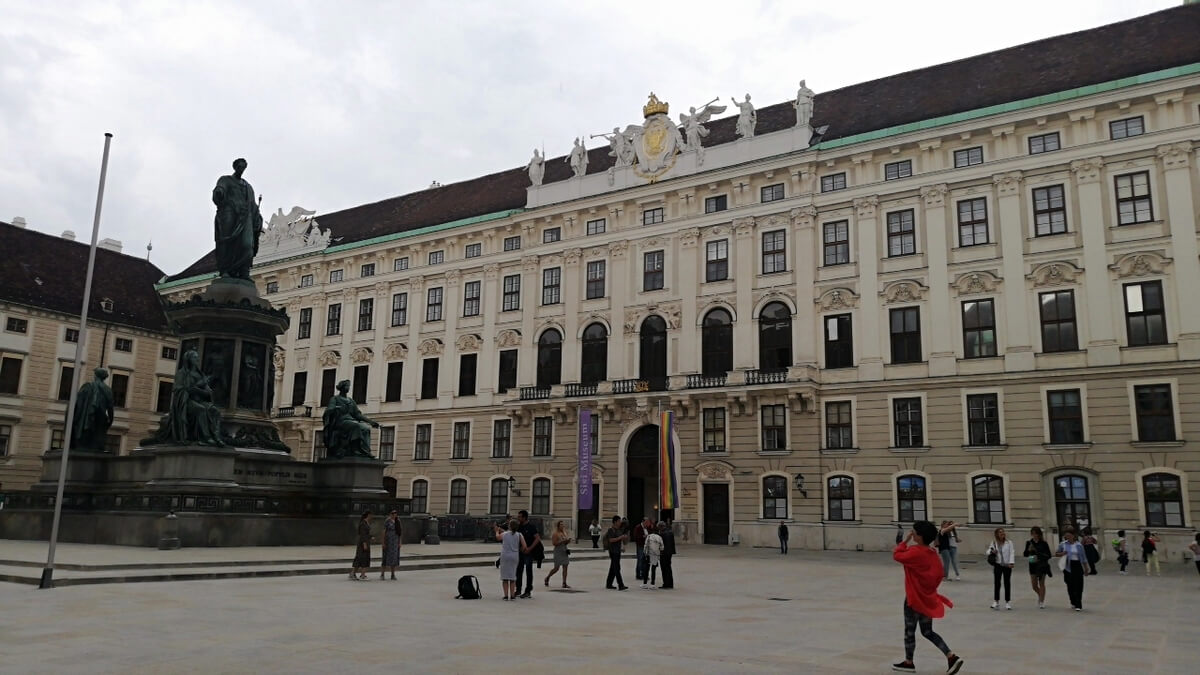
It contains several significant monuments and decorative elements reflecting Habsburg history, including a monument to Emperor Francis II.
Schweizertor
Schweizertor is one of the entrances to Hofburg. Its name means “Swiss Gate,” named after the Swiss Guard that protected the palace in the 17th and 18th centuries.
The gate is impressive, made of stone with decorative arches and reliefs.
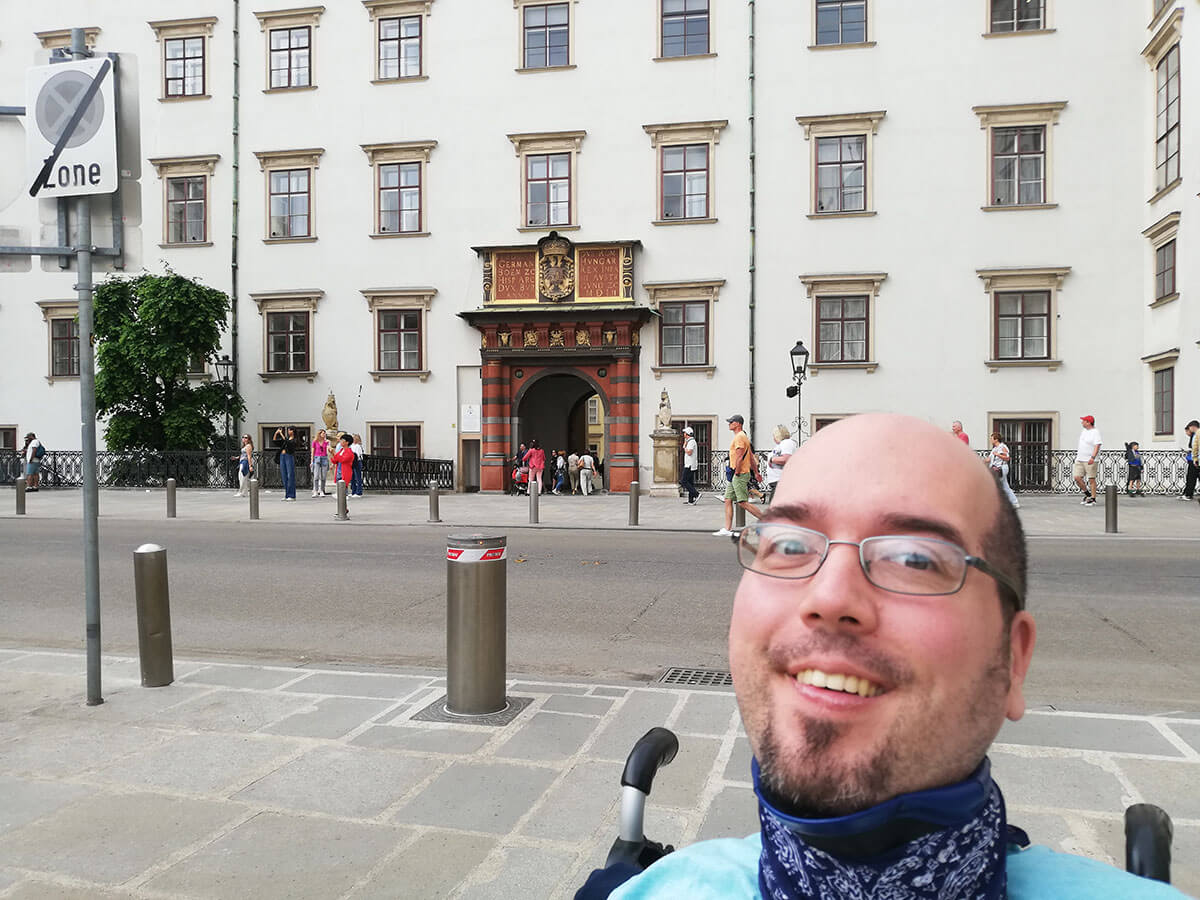
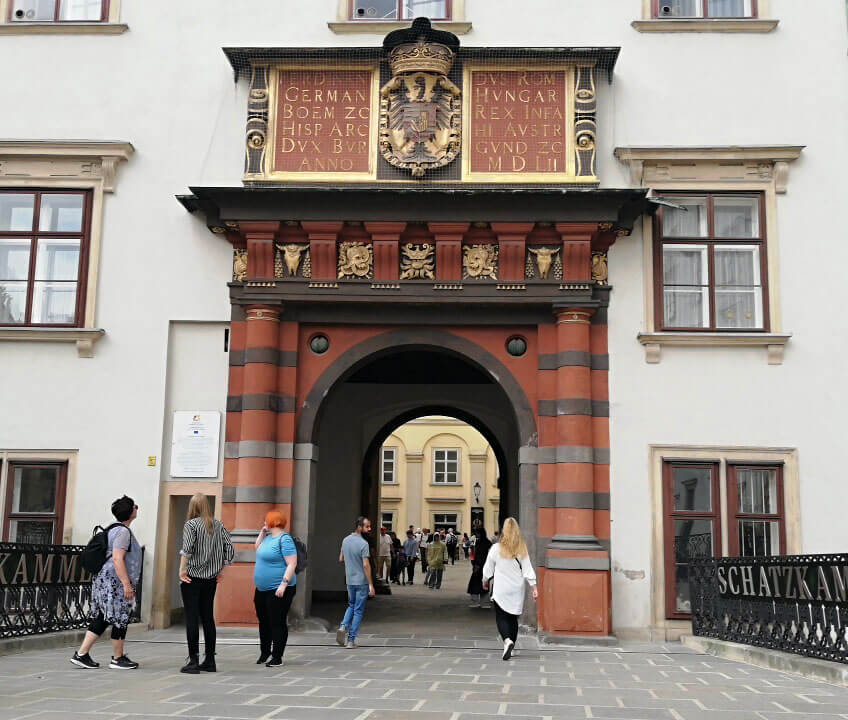
Today, it serves as a main entrance for tourists, though it was once part of the ceremonial and military approach to the palace.
Heldenplatz
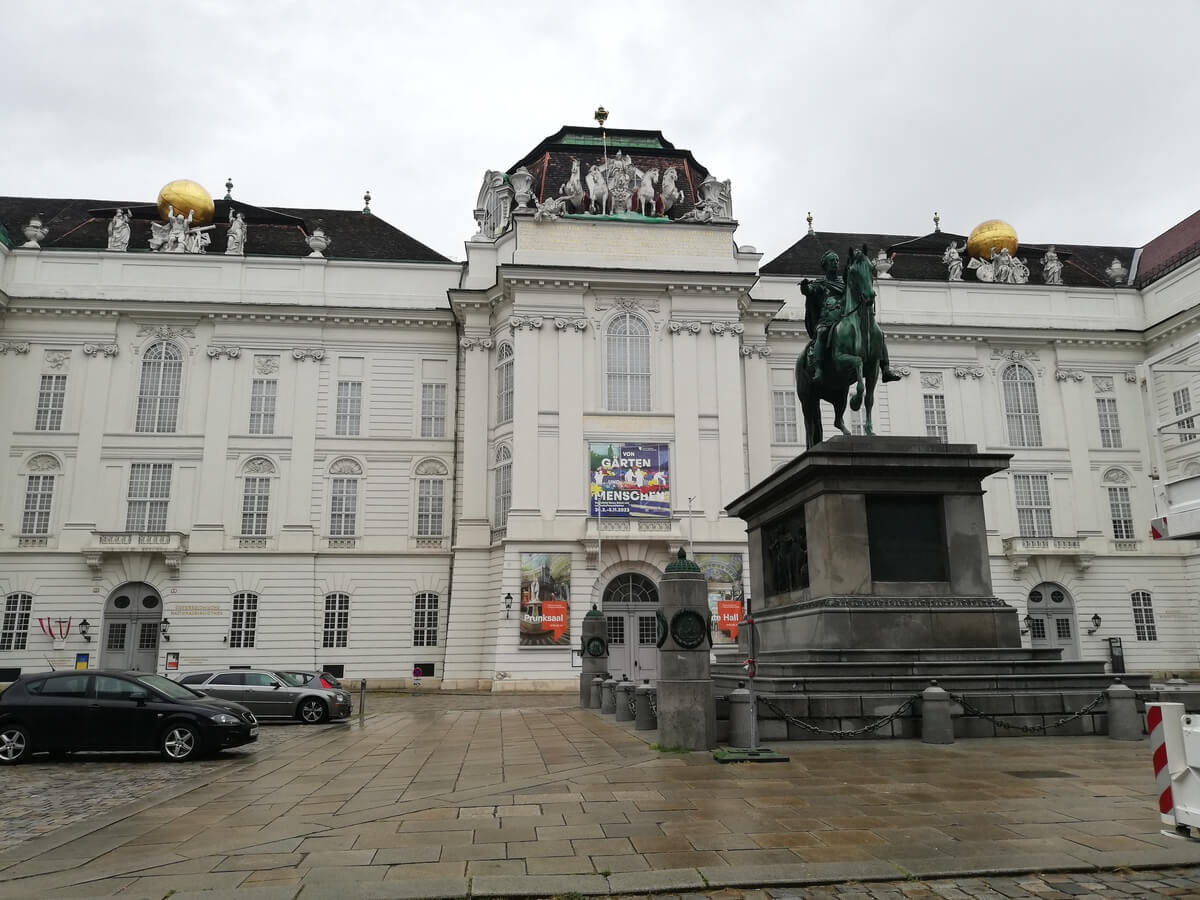
Heldenplatz, or “Heroes’ Square,” is one of Vienna’s most famous squares and a key part of the Hofburg complex.
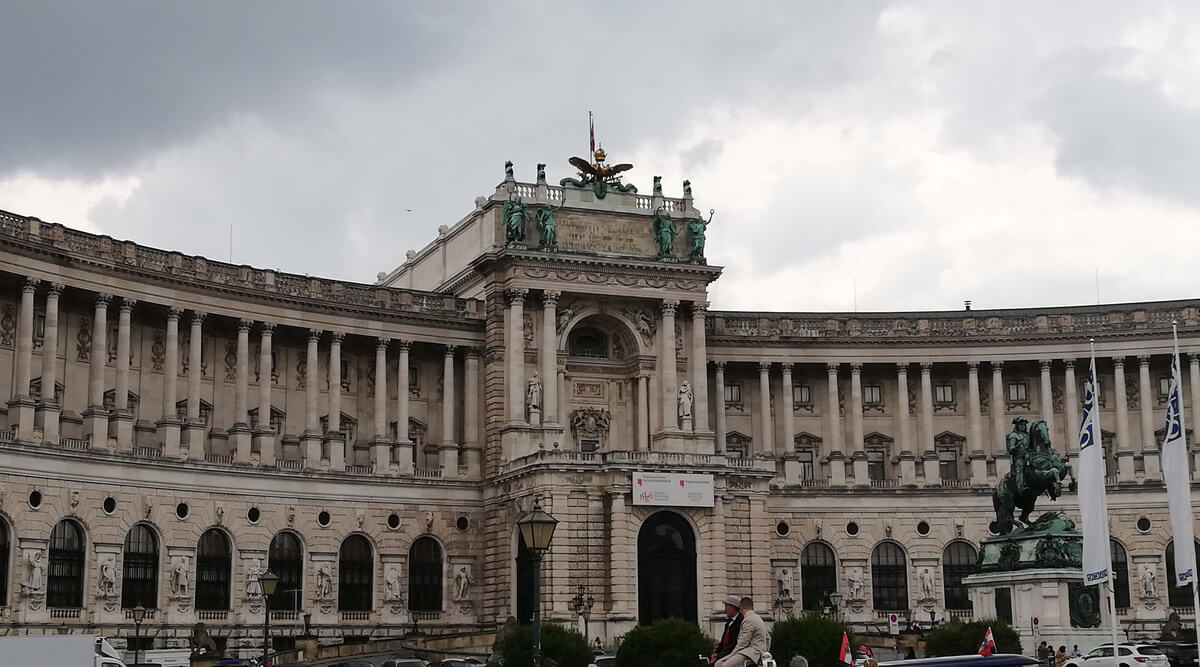
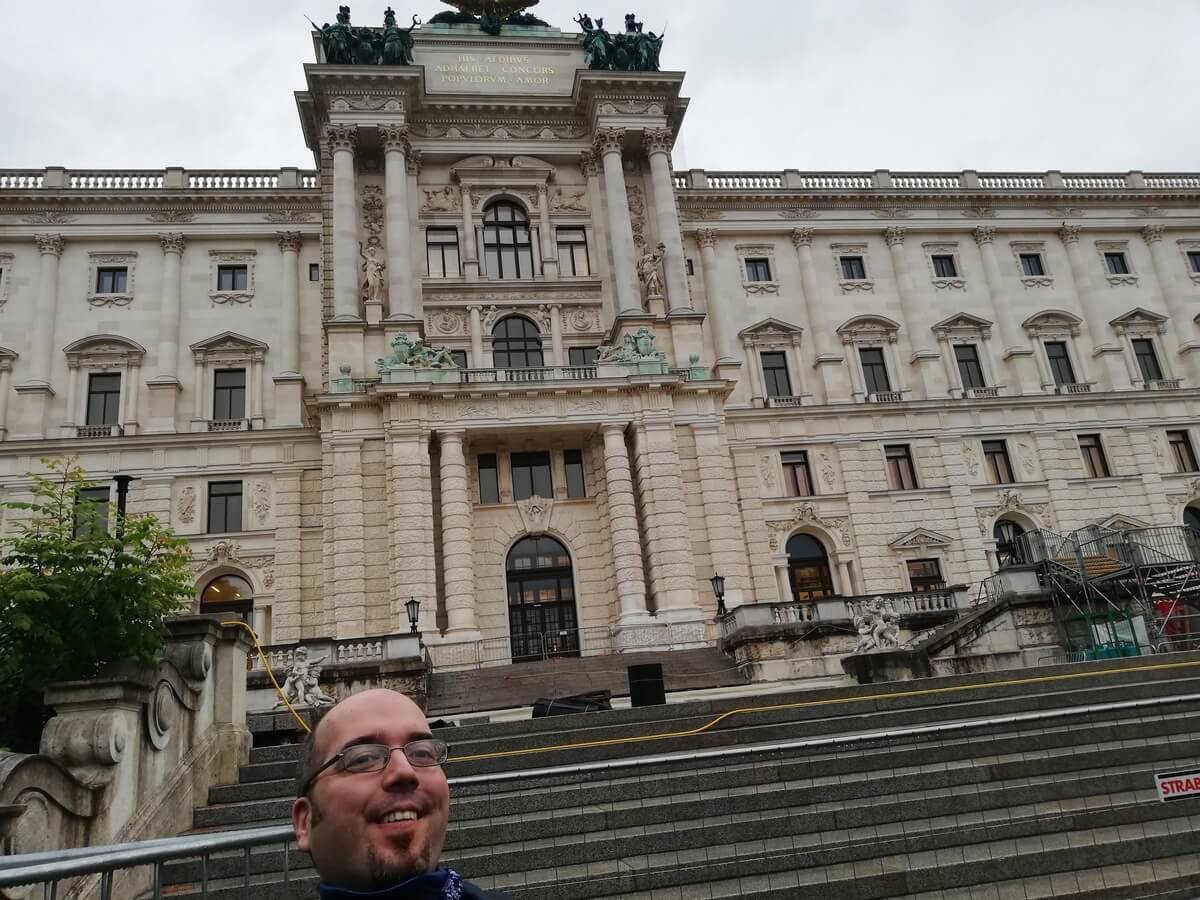
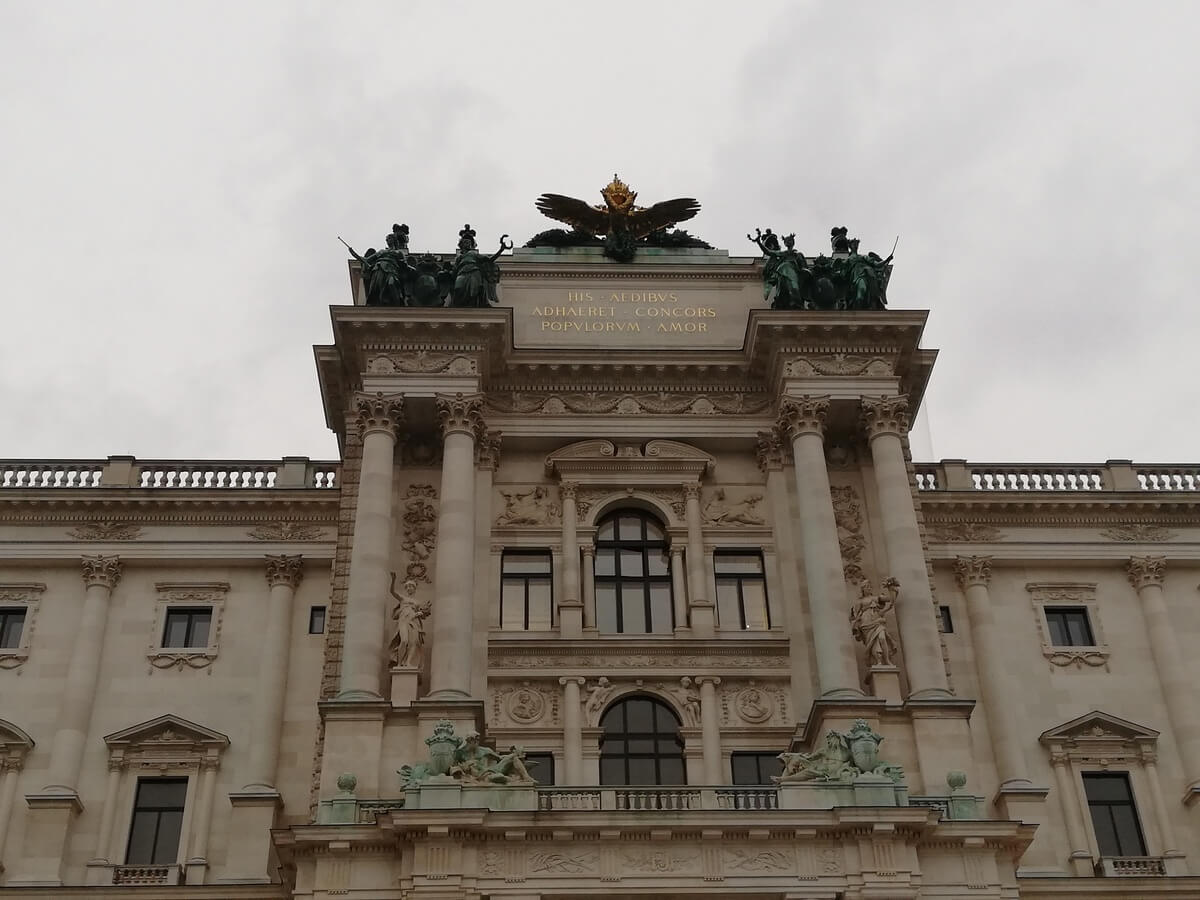
The name honors Habsburg military and state heroes.
The square is vast and open, surrounded by monumental façades. Prominent equestrian statues of military leaders symbolize Habsburg power, especially Prince Eugene of Savoy and Archduke Charles of Austria.
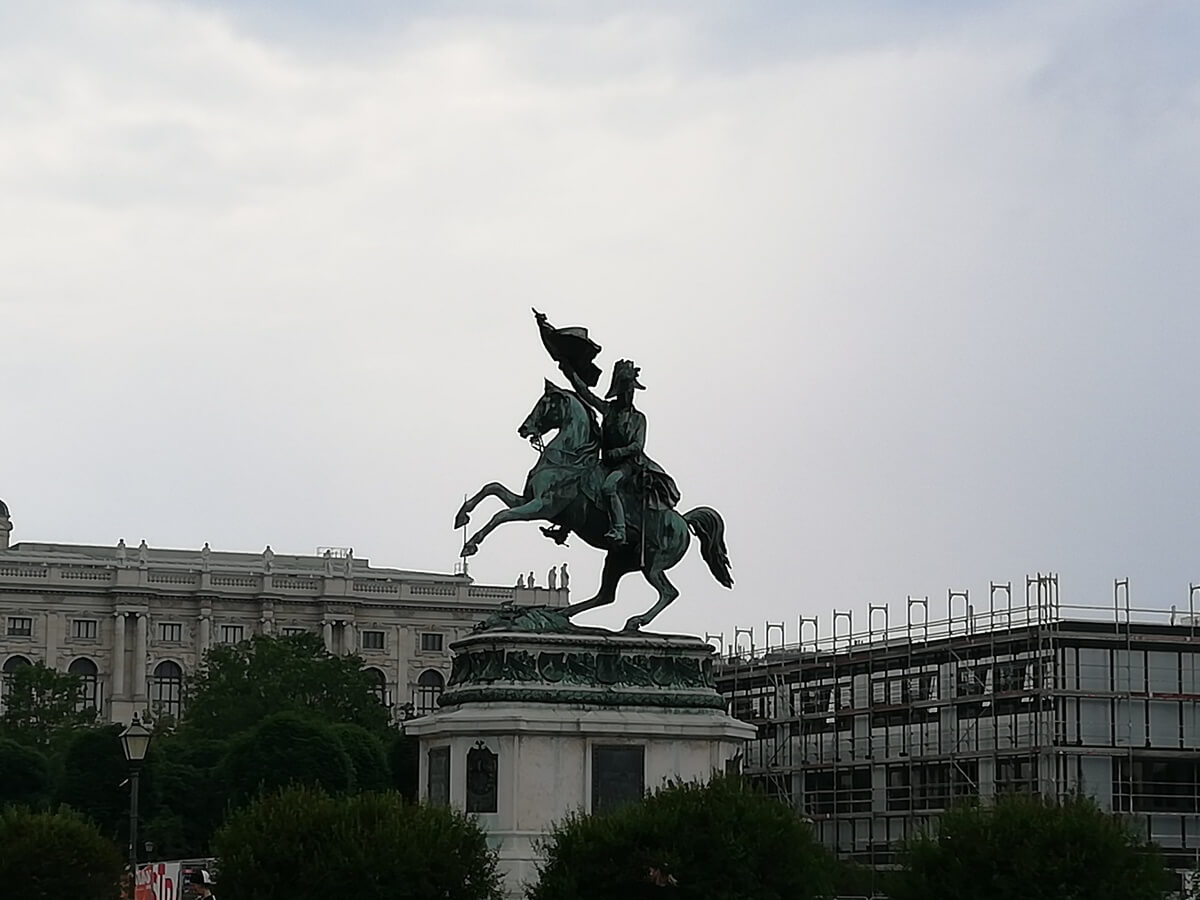
It was once used for military parades and state ceremonies.
It is also historically significant as the site where Adolf Hitler gave his famous speech in 1938, an important but dark chapter in its history.
Burggarten
Created in the 19th century on the site of former imperial gardens, Burggarten is designed in the English landscape style, with lawns, paths, flower beds, and decorative plants, a pleasant escape from the city’s bustle.
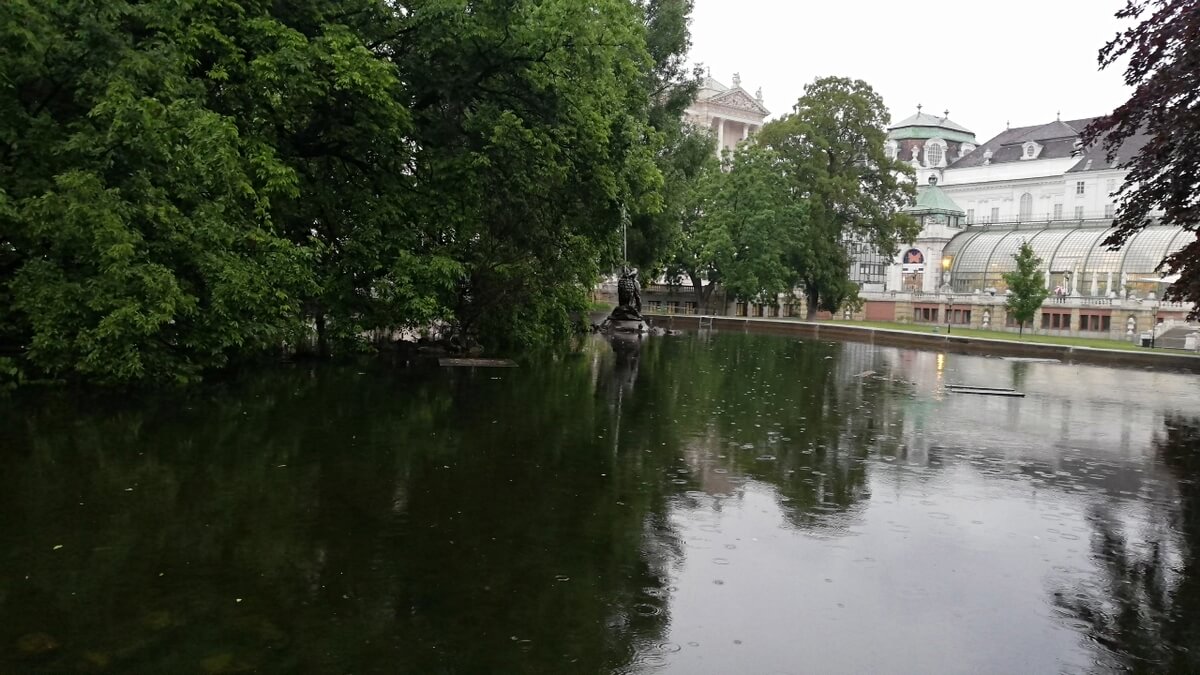
At its center stands a statue of Emperor Franz Joseph I.
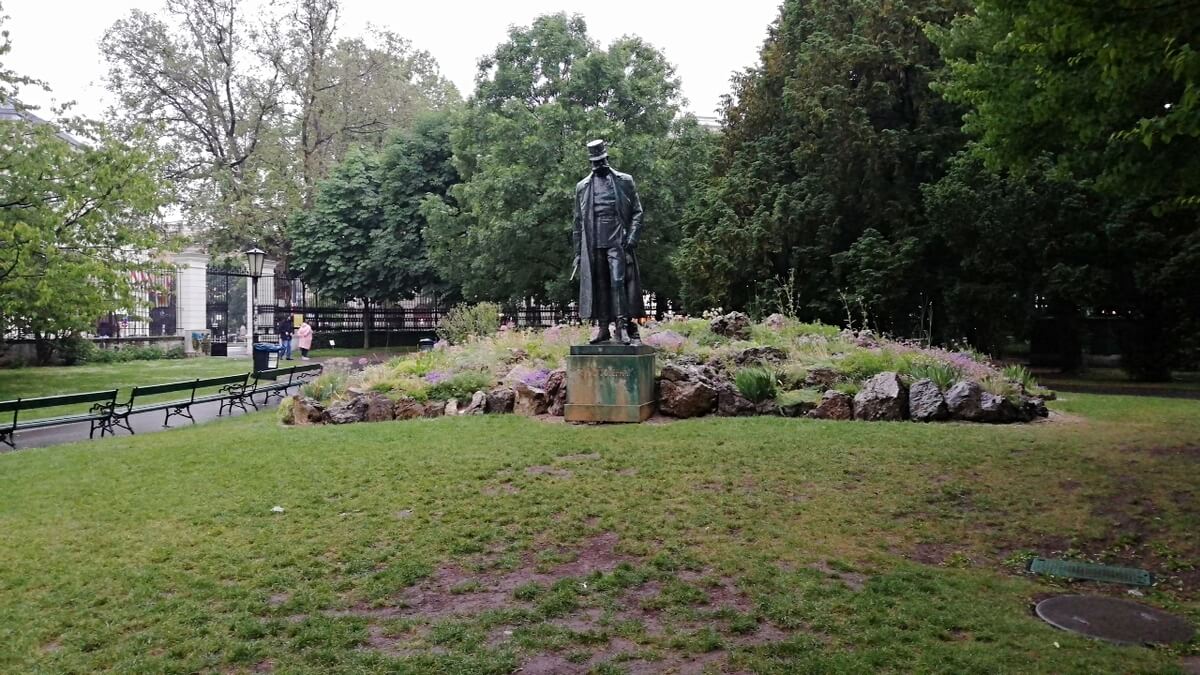
You’ll also find the Mozart monument, a popular photo spot, and the Palm House, a glass greenhouse with exotic plants and butterflies—perfect for a rainy day.
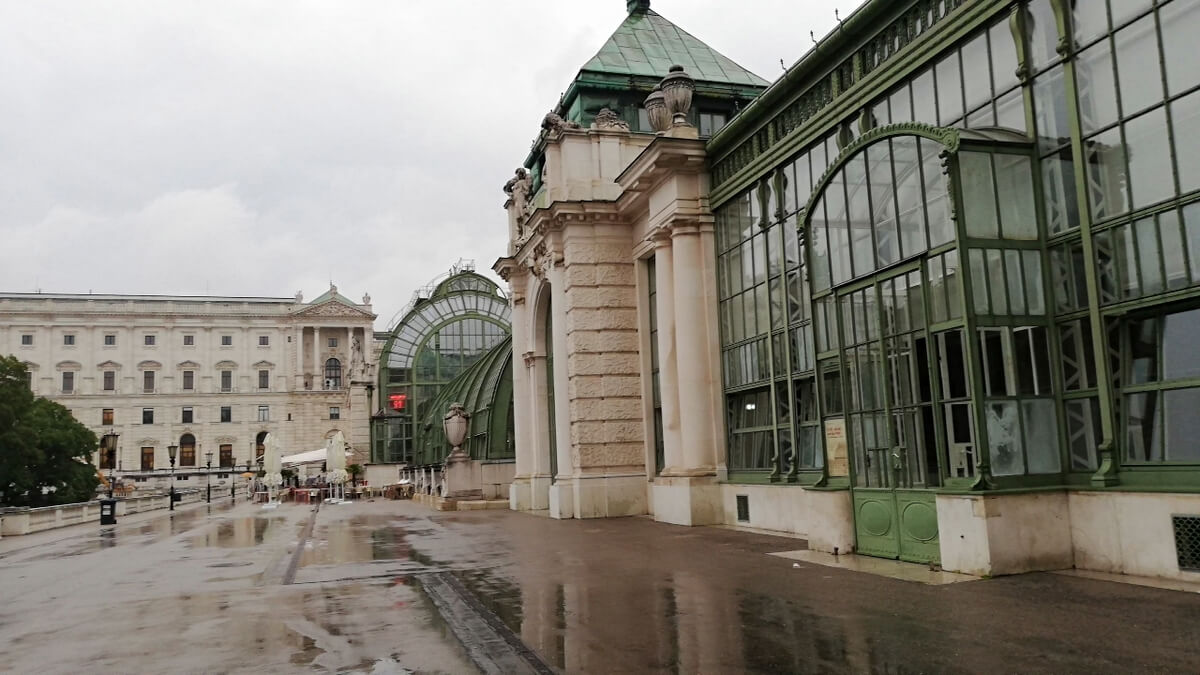
Volksgarten
Volksgarten is one of Vienna’s most beautiful public parks, located in the city center and part of the grand complex that includes Hofburg and the Ringstrasse.
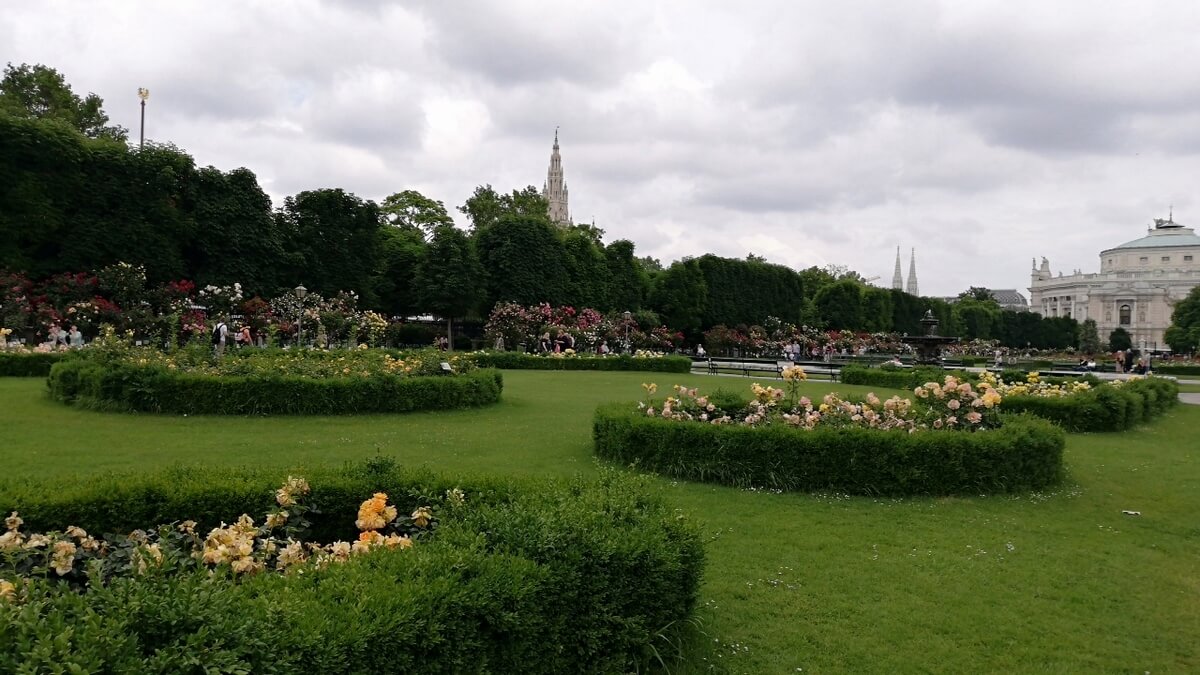
It was created in the early 19th century after Napoleon destroyed the old city walls. The area was transformed into a public garden.
One of its main attractions is its rose garden, with hundreds of varieties. It’s a very popular place for walking and photography, featuring decorative pavilions and fountains in a classical style.
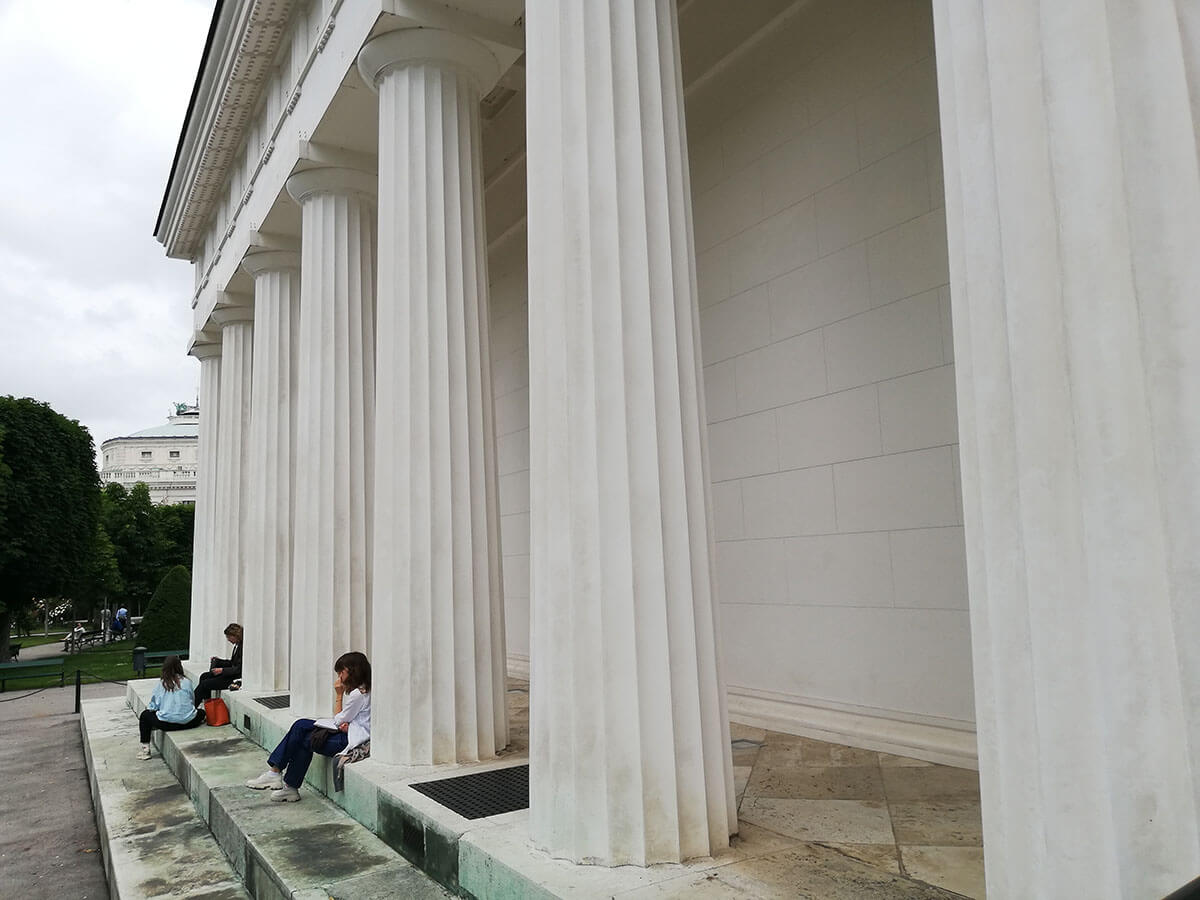
It’s an ideal place to relax between visits to Hofburg, Burggarten, and Ringstrasse.
How to Visit Hofburg
- Time: Minimum 2–3 hours for a basic visit; 4–5 hours for museums and courtyards
- Tickets: It’s recommended to buy tickets online to avoid queues
- Audio guide or live guide: Helps you understand Habsburg history and symbolism
- Photography: Best spots include Michaelerplatz, Heldenplatz, Burggarten, and views of Neue Burg
Why Visit Hofburg?
A visit to Hofburg is not just a tourist experience—it’s an opportunity to step into one of the most important periods of European history. Whether you love history, art, or simply beautiful architecture, Hofburg will captivate you.
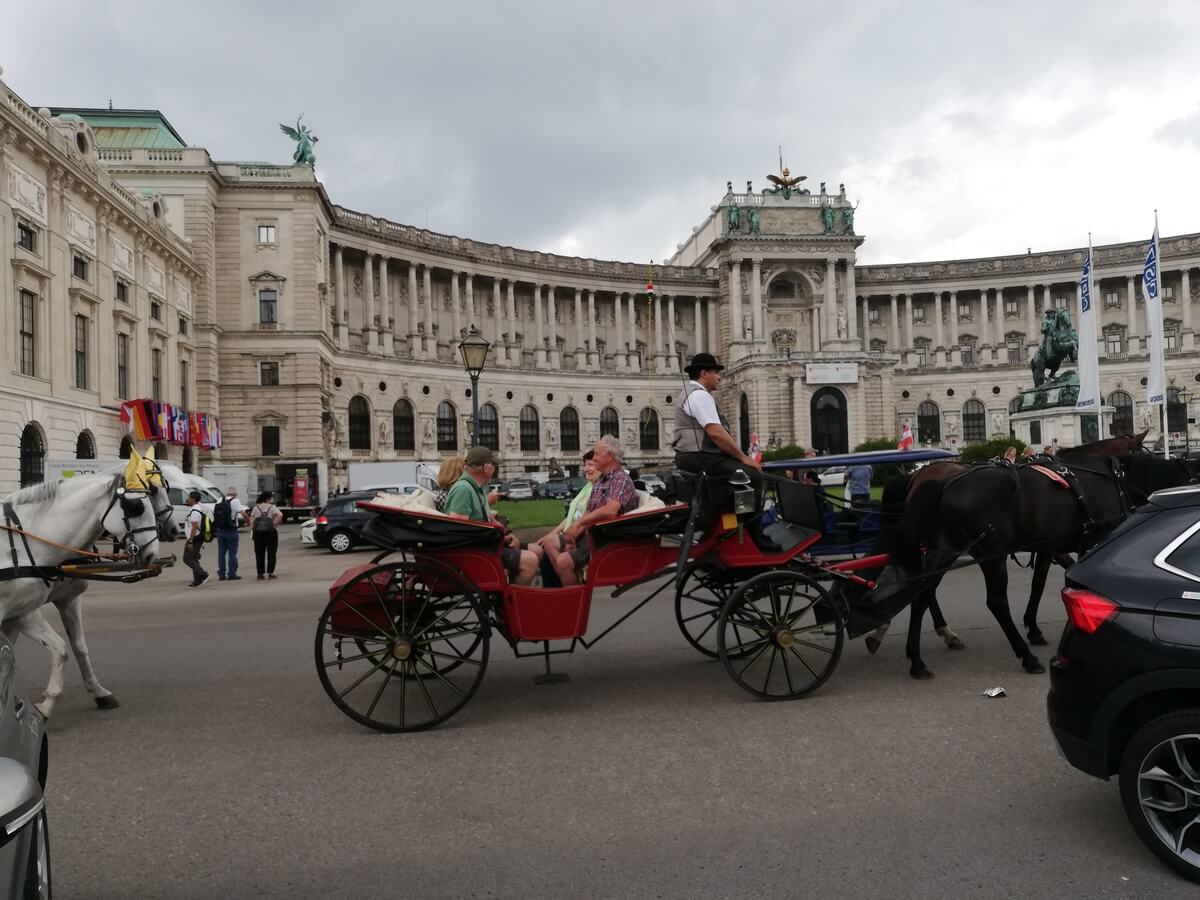
Hofburg is accessible to all visitors, including those using wheelchairs.
If you enjoy my travel stories, feel free to buy me a coffee—the button is in the top right corner of the sidebar on the pages.
Have you visited Hofburg?
Did I miss anything?
Traveled and enjoyed,
Marko Veličković