If you’ve done the obligatory part of Prague, here are suggestions on how to complete your visit to this city…
The Prague part of the Vltava contains 13 islands of various sizes. Some come to life during the summer thanks to numerous festivals, and some remain dormant throughout the year. Let’s mention three of the most important, which are located on this route accessible to people in wheelchairs.
This route is also recommended by the tourist organization. There are challenges but it is beautiful to walk.
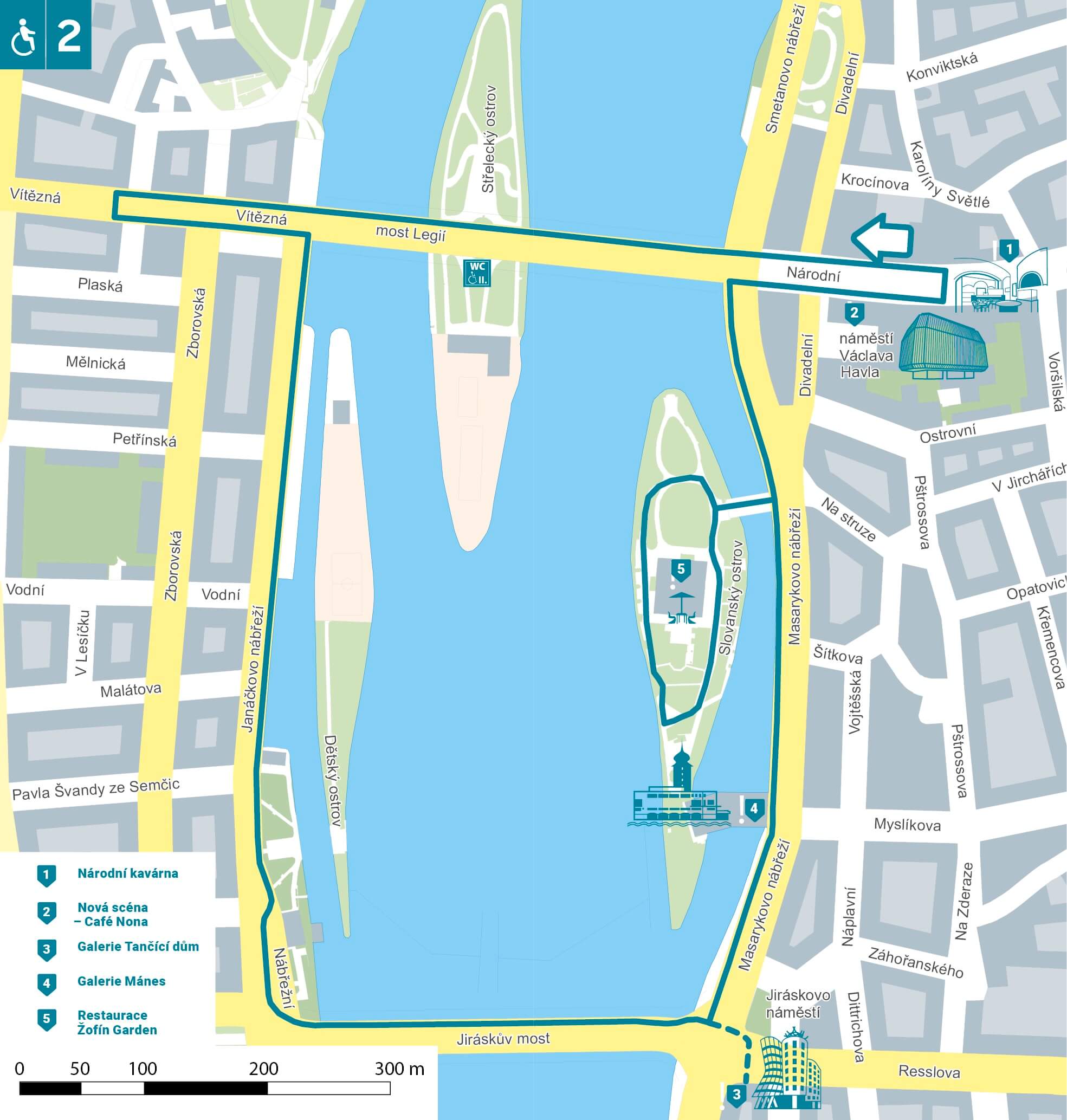
Legionary bridge
We start the walk at the Legionary Bridge, which was presented to the public in 1901 under the name Franz Joseph I Bridge.
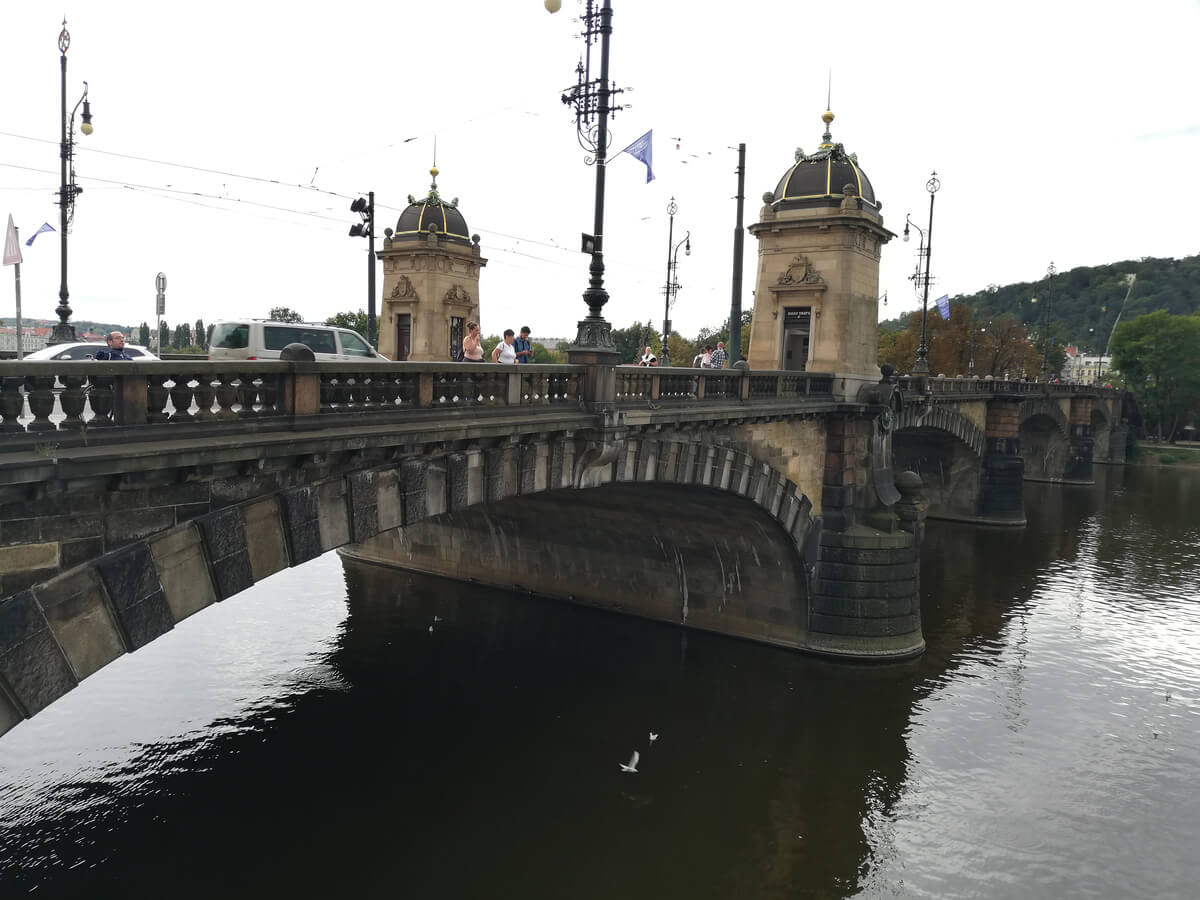
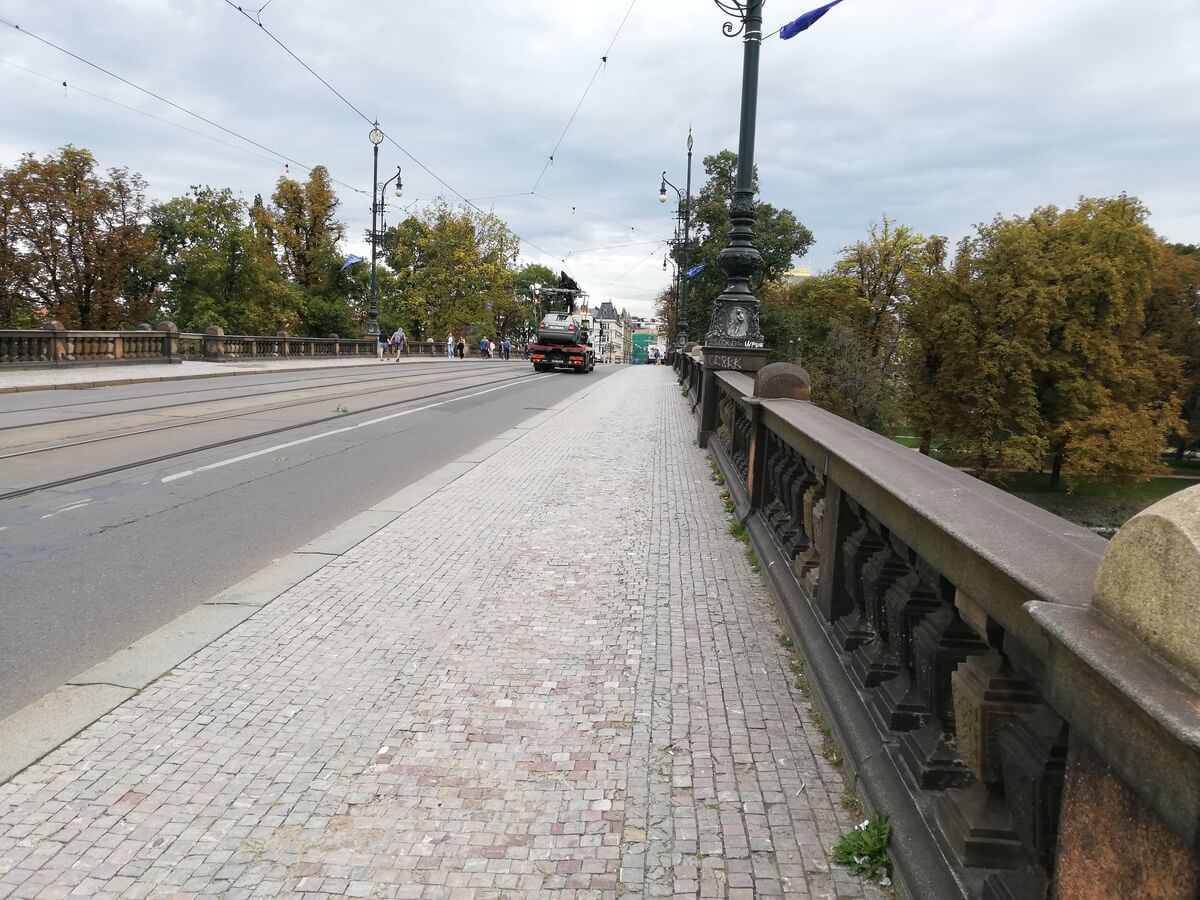
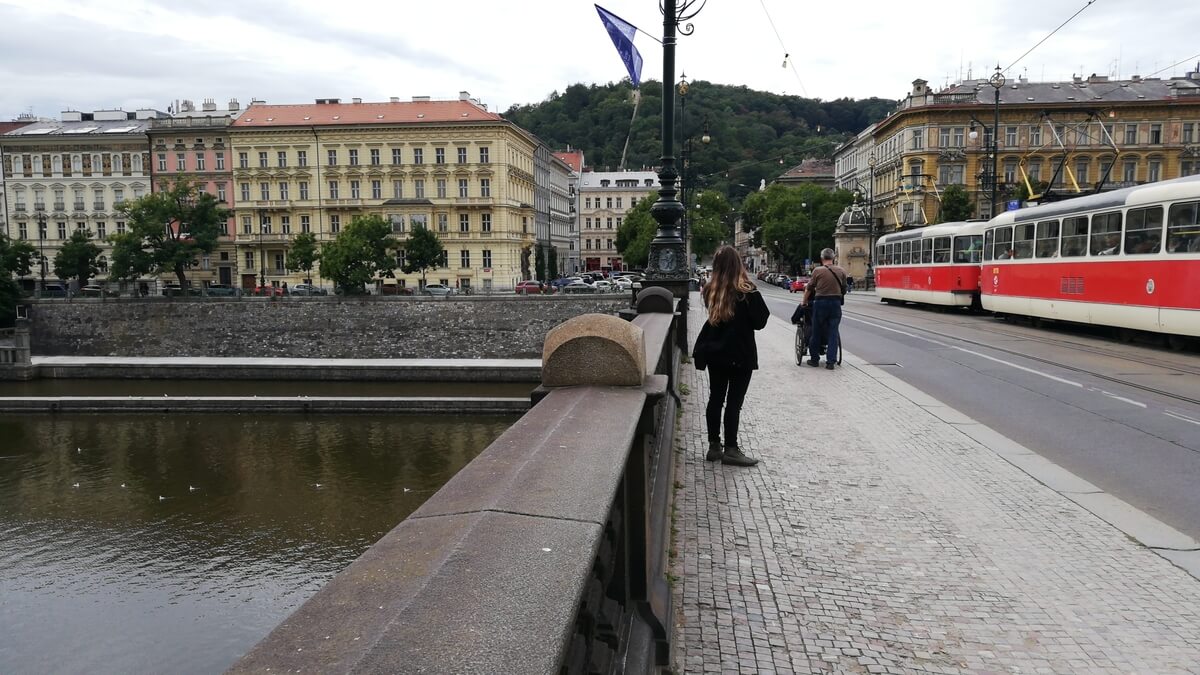
In 1919, the name was changed to Legionary Bridge. The bridge is 343 m long and 16 m wide. At the beginning of the bridge there are two towers, which were used to collect the bridge toll.
Archer’s Island
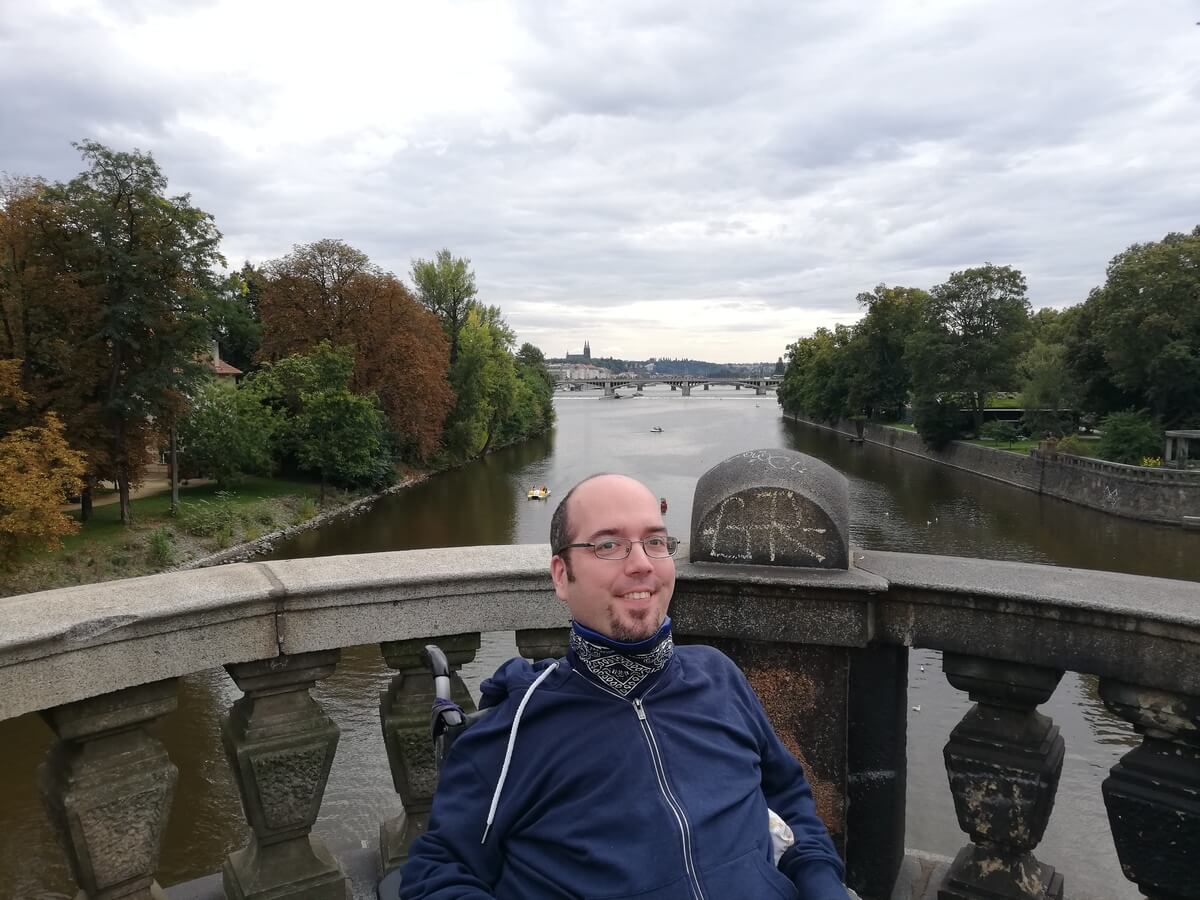
Below the bridge is Archer’s Island, which is connected to the bridge. The entire island is surrounded by greenery, providing a wonderful opportunity for rest and enjoyment. It is located in the middle of the river and if you look at the map it looks like a big ship.

It was first mentioned in writings from the 12th century and it served as a garden. During the reign of Charles IV, it became a place where archers practiced archery. That’s how it got its name, which has stuck to this day. Later, various other parties were organized here, which ended with the firing of cannons and fireworks. Visitors would reach the island by boat, which was replaced by the Franz Josef Bridge, today the Legionary Bridge. There is also a restaurant as well as numerous playgrounds, which miraculously survived several catastrophic floods.
The island is 2.5 ha in size and is located between the Slavonik and Children islands. Here, in the summer months, you can escape from the heat and the hustle and bustle of the city, you can refresh yourself in a restaurant with a panoramic view of the Charles Bridge. You can observe nutria, which have multiplied thanks to the fact that they have no natural enemies. You can also make a picnic.
Further on, the walk continues under a rich row of trees, where an interesting cafe is also hidden. Here you can invigorate yourself.
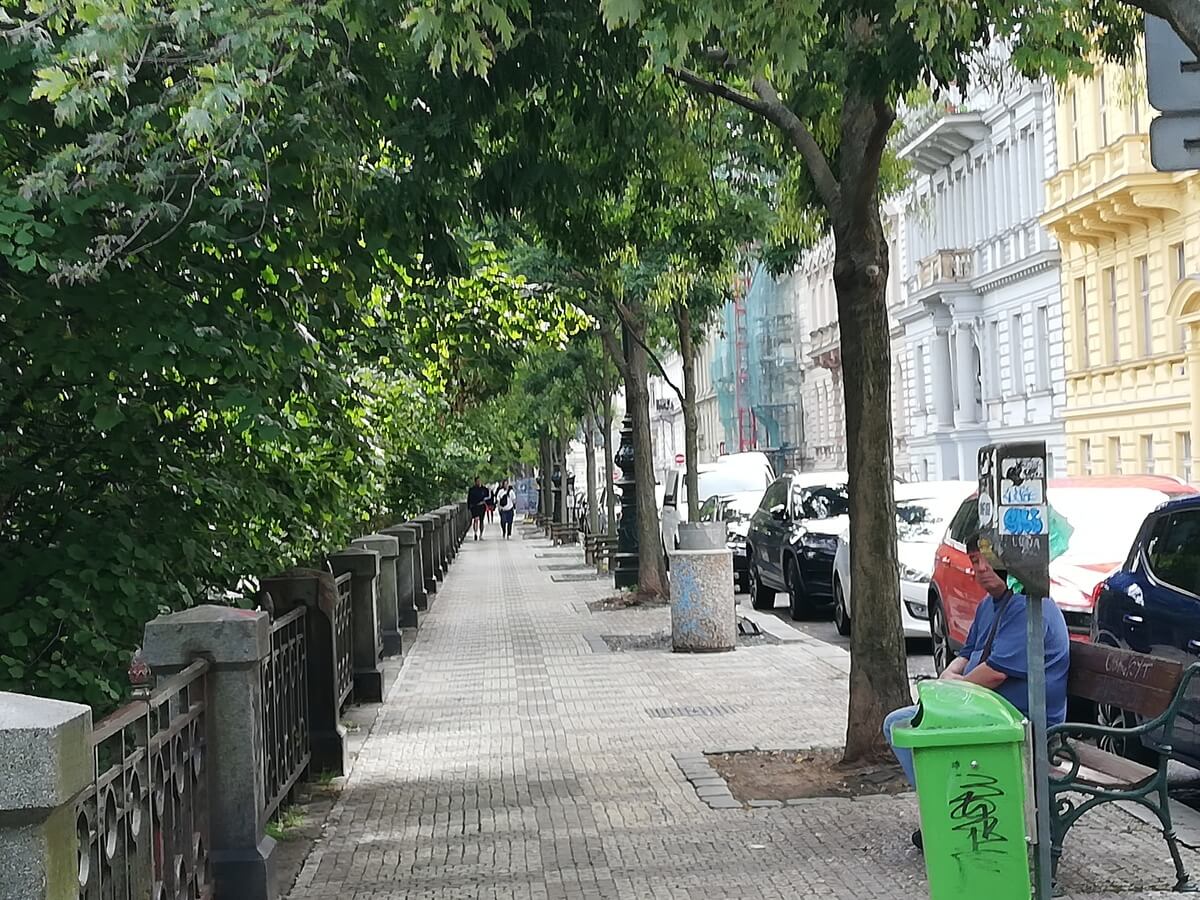
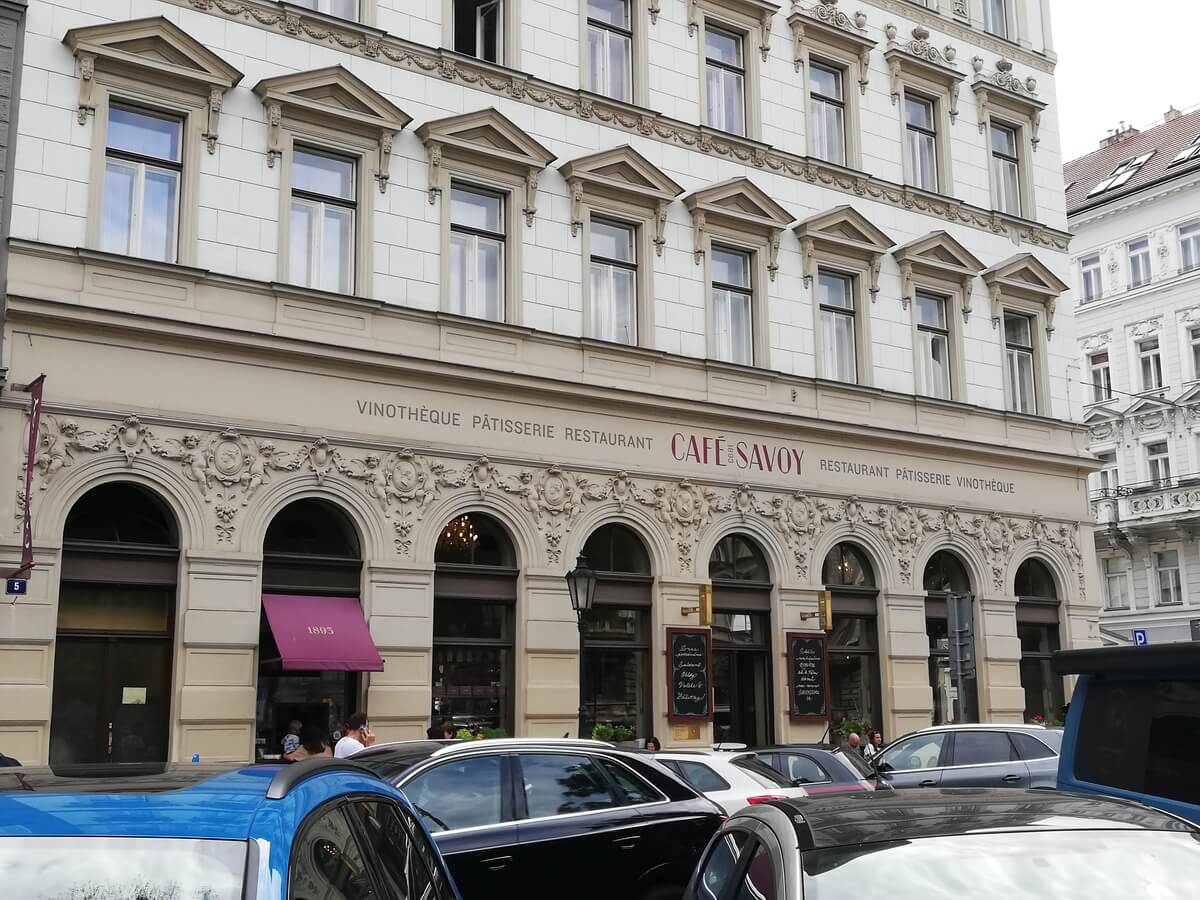
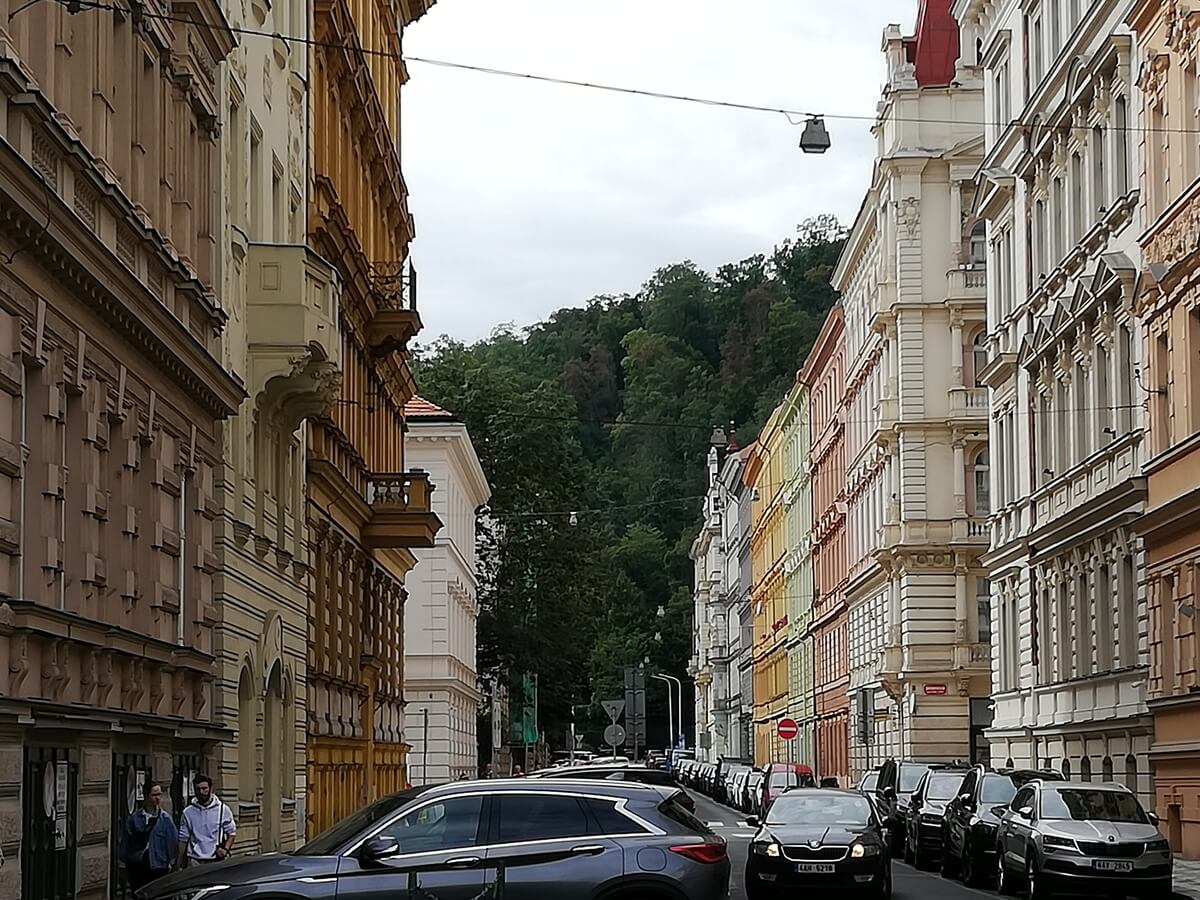
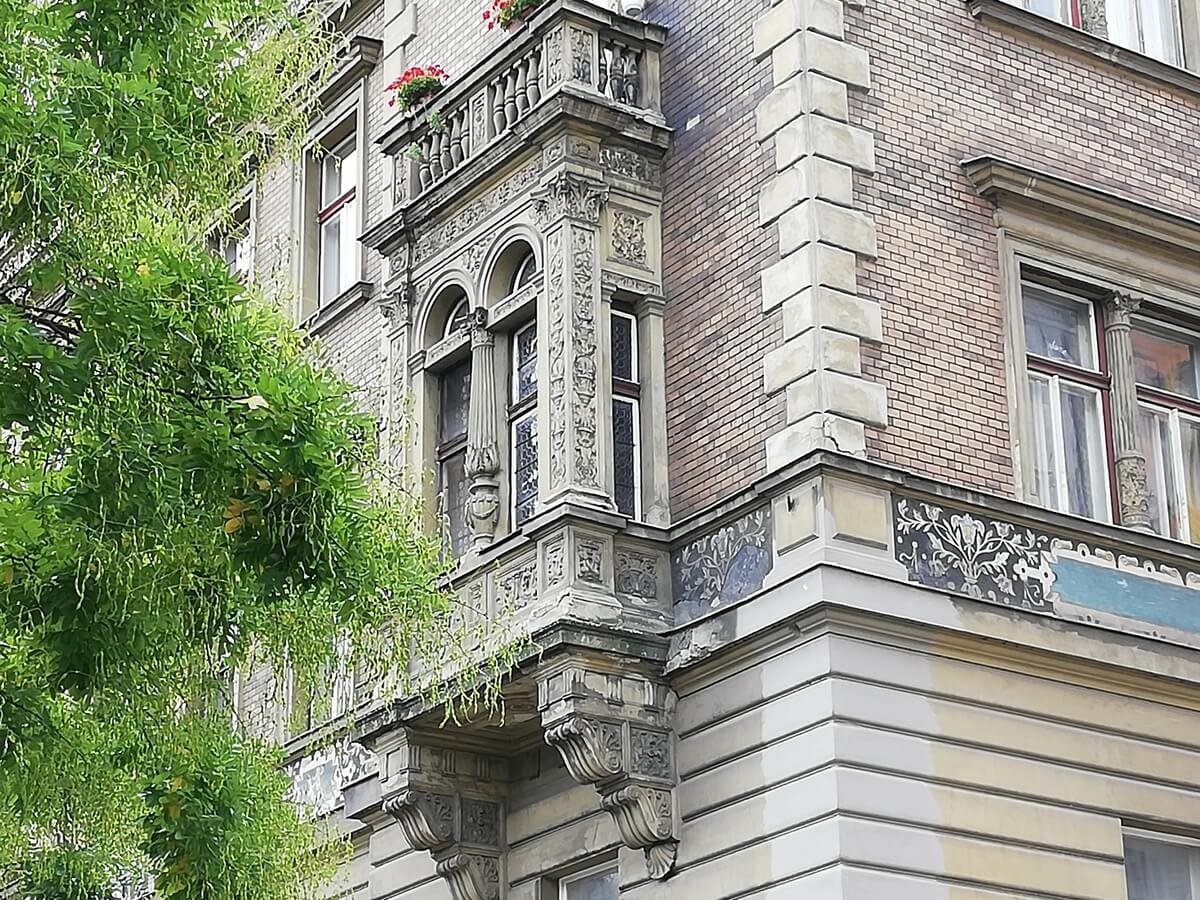
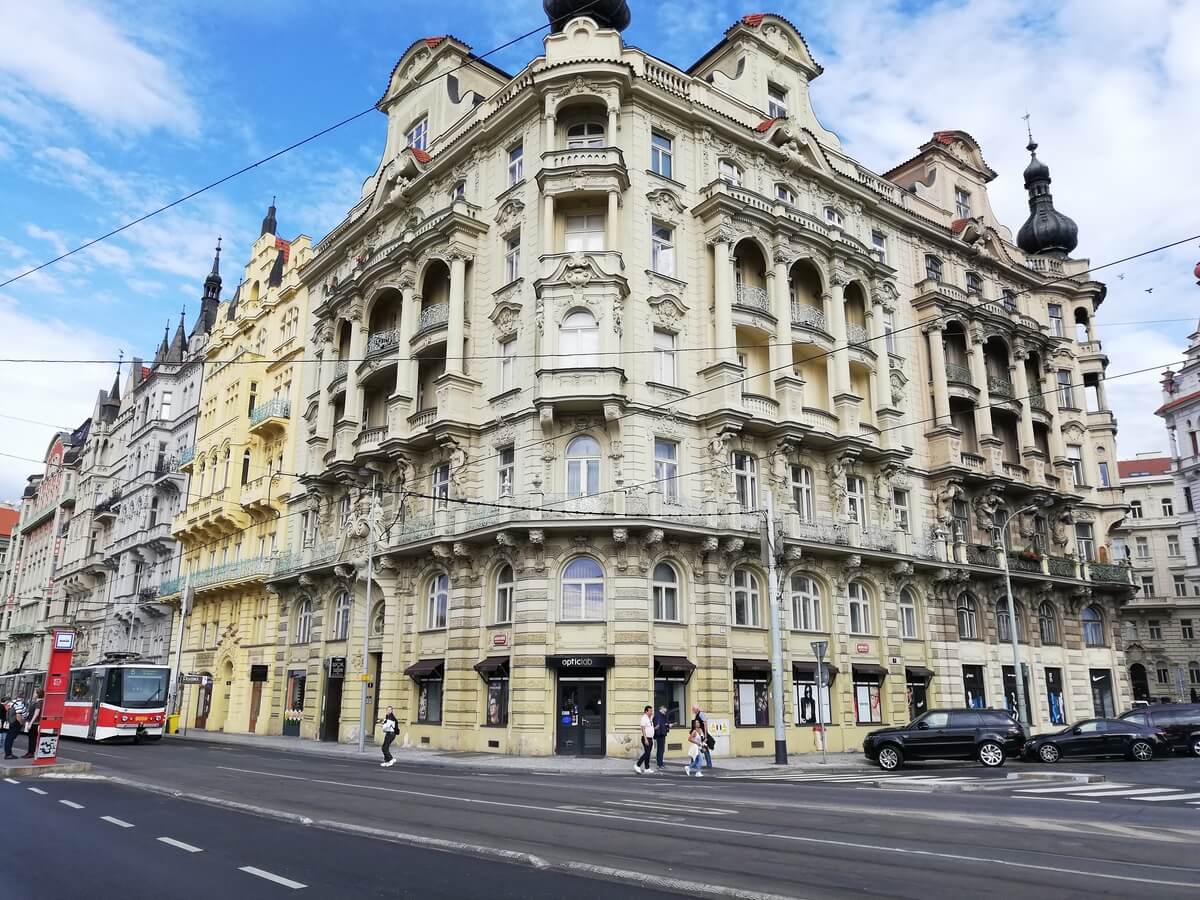
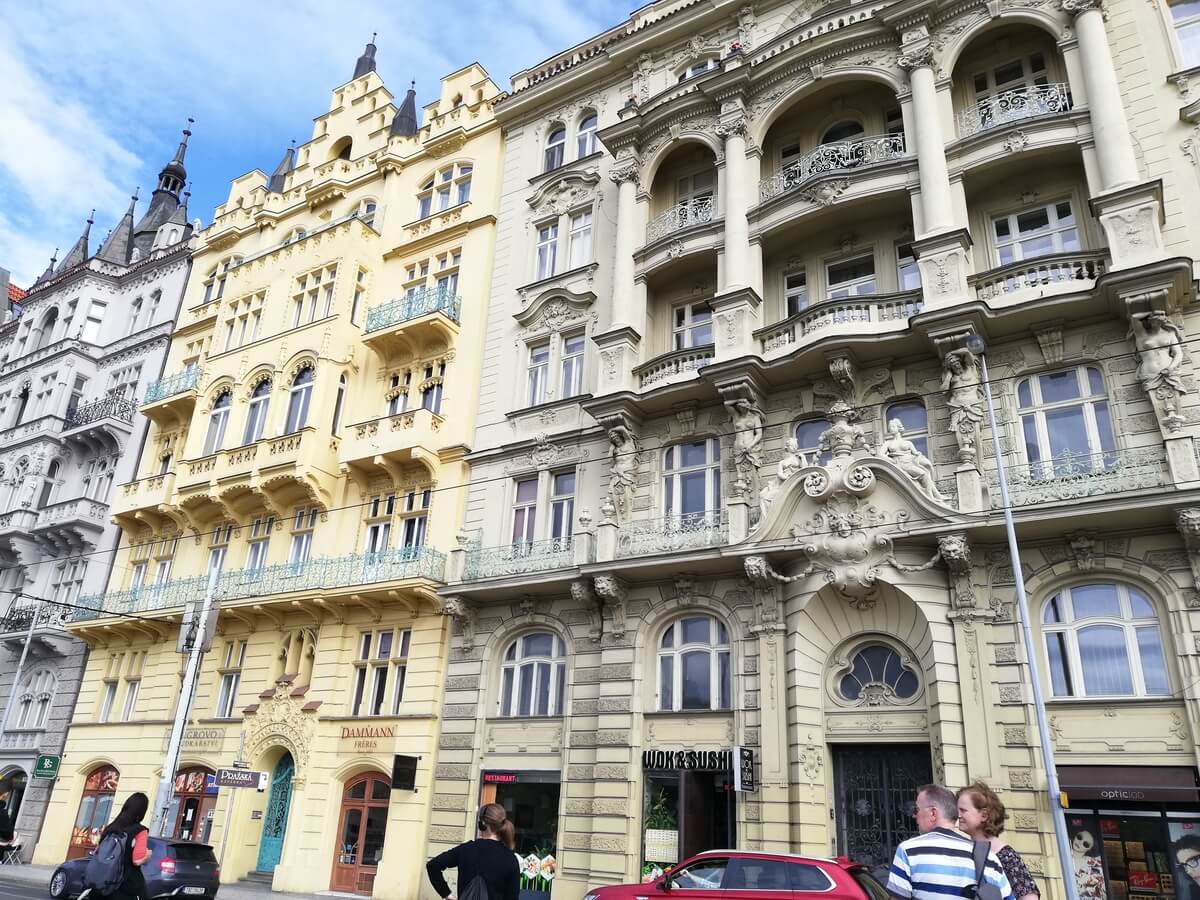
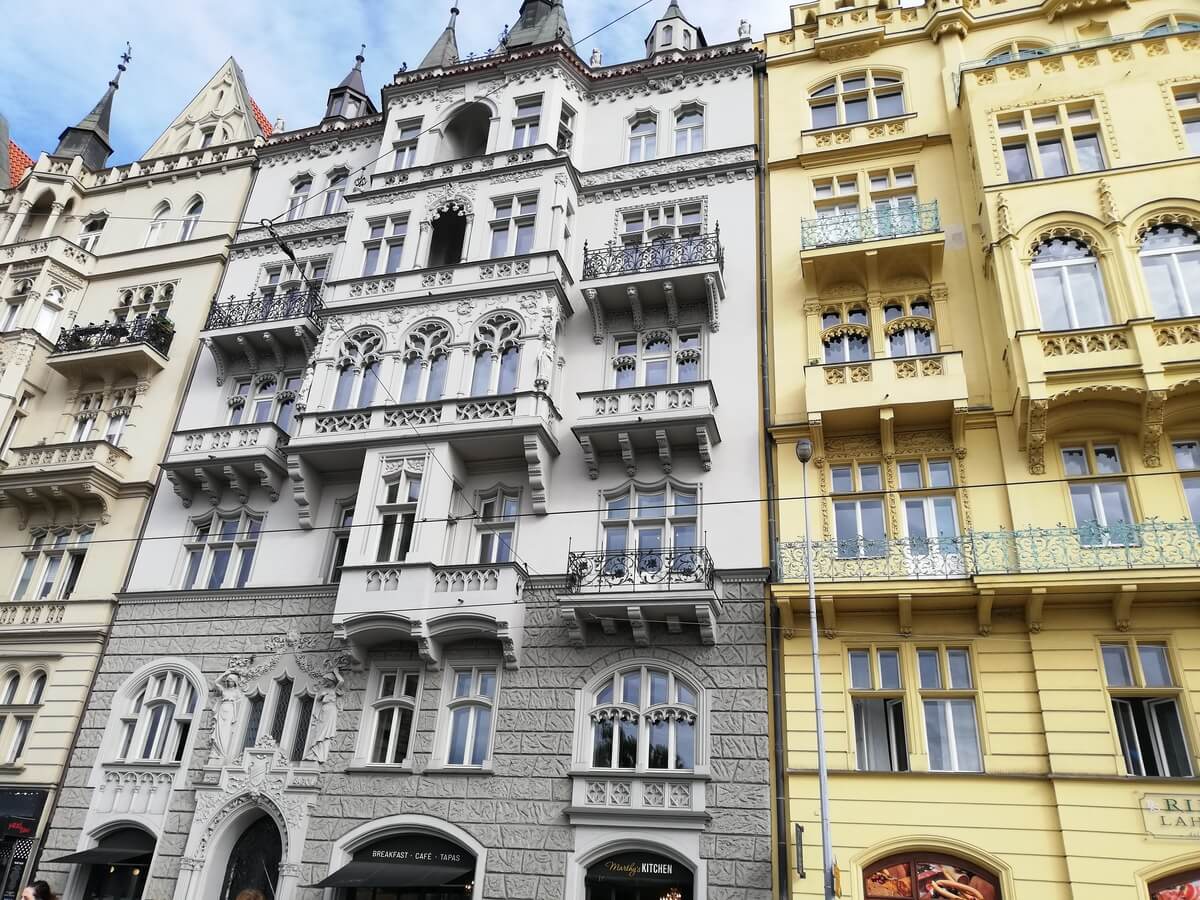
Along this route, you can admire the richly decorated buildings from the 19th century, which are protected by the state.
Children’s island
The children’s island is located between Jirasek and the Legionary bridge.
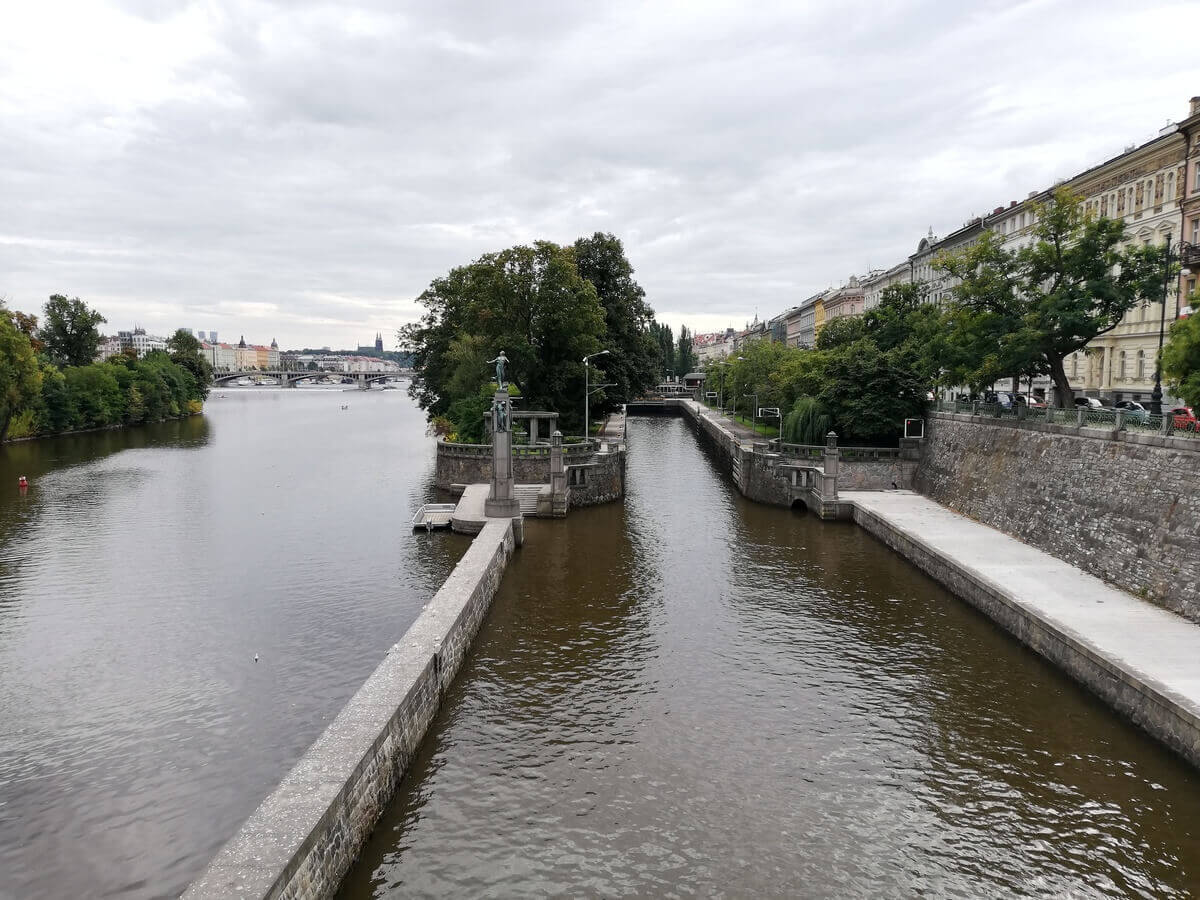
With the help of a small bridge, you can also go down to the Children’s Island, where there are playgrounds for children and a phenomenal view of Prague.
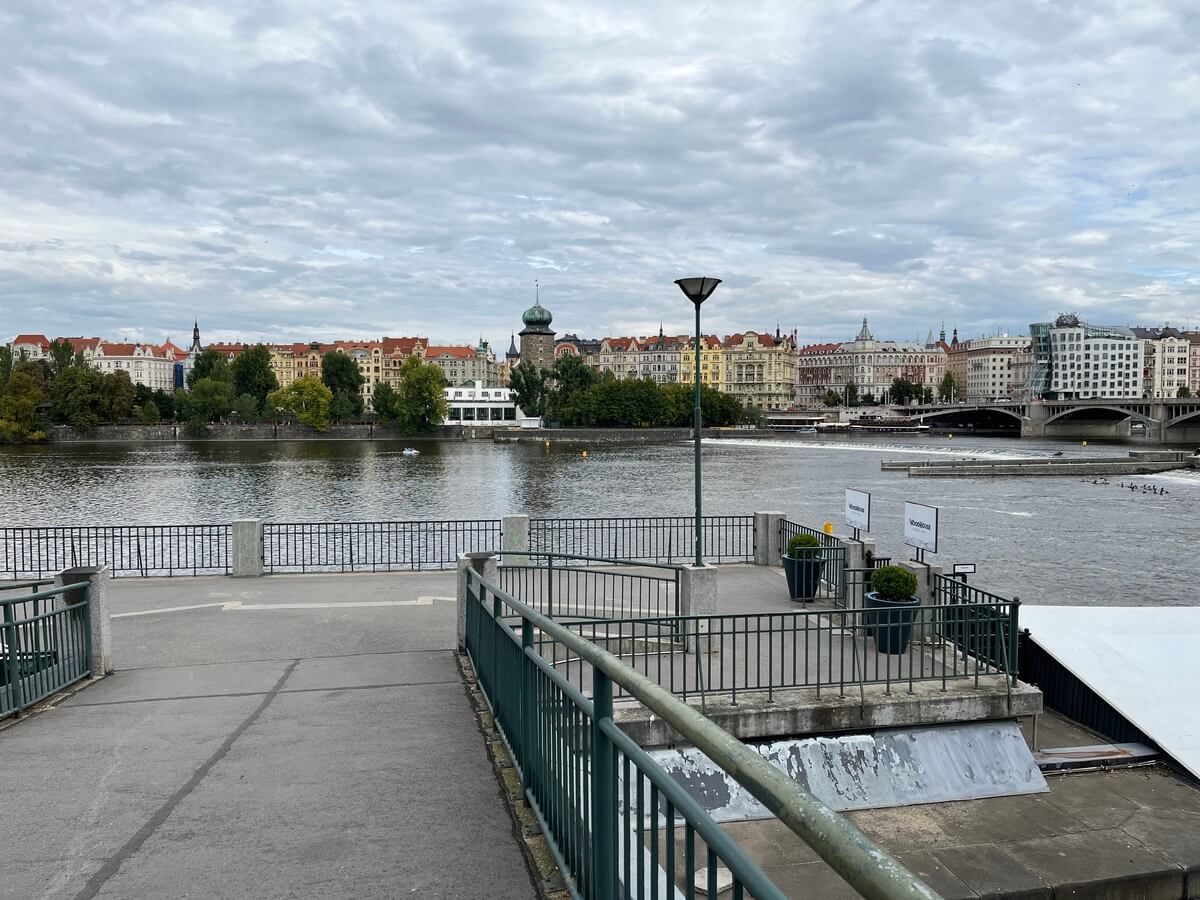
The island occupies 1.83 ha. The shape of the island in the past varied a lot depending on the amount of sand deposited. It was mentioned for the first time in 1355, after which all traces of it were lost due to floods. Until the 18th century, it was called Maltese Island and belonged to a local monastery.
Between 1913 and 1916, the island was artificially extended. Then the wall was built and a system of isthmuses was created for easier navigation. It got its current name in the early 1960s, when numerous playgrounds and facilities for children were built. On the north side of the island there is a pylon with allegorical statues of the Vltava and its tributaries.
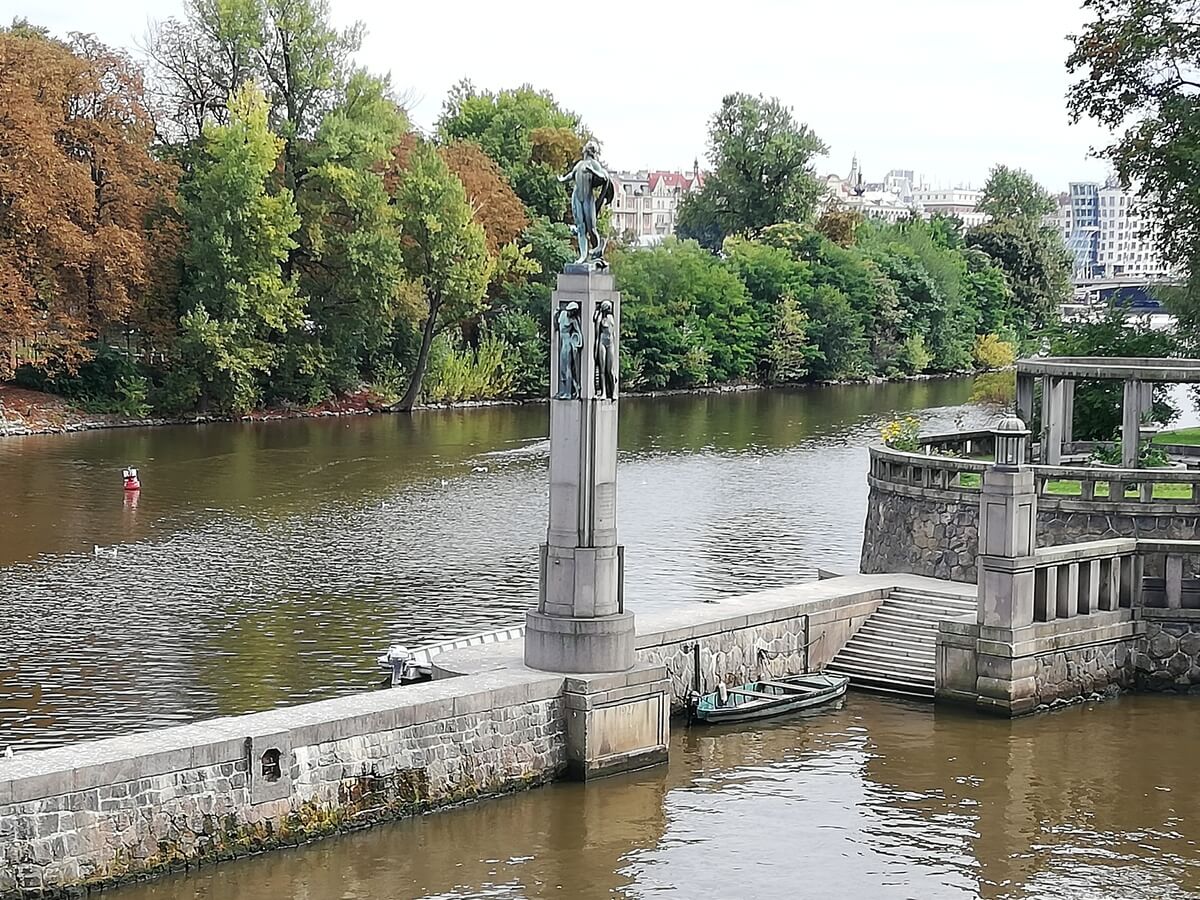
Every year, wreaths are laid here for the victims of the river and flood.
The walk continues to the White Water Tower, which was built way back in 1562 and its role was to supply water to fountains in the lower town.

It is located on the smallest Prague island called Petržikovski and is not open to the public.
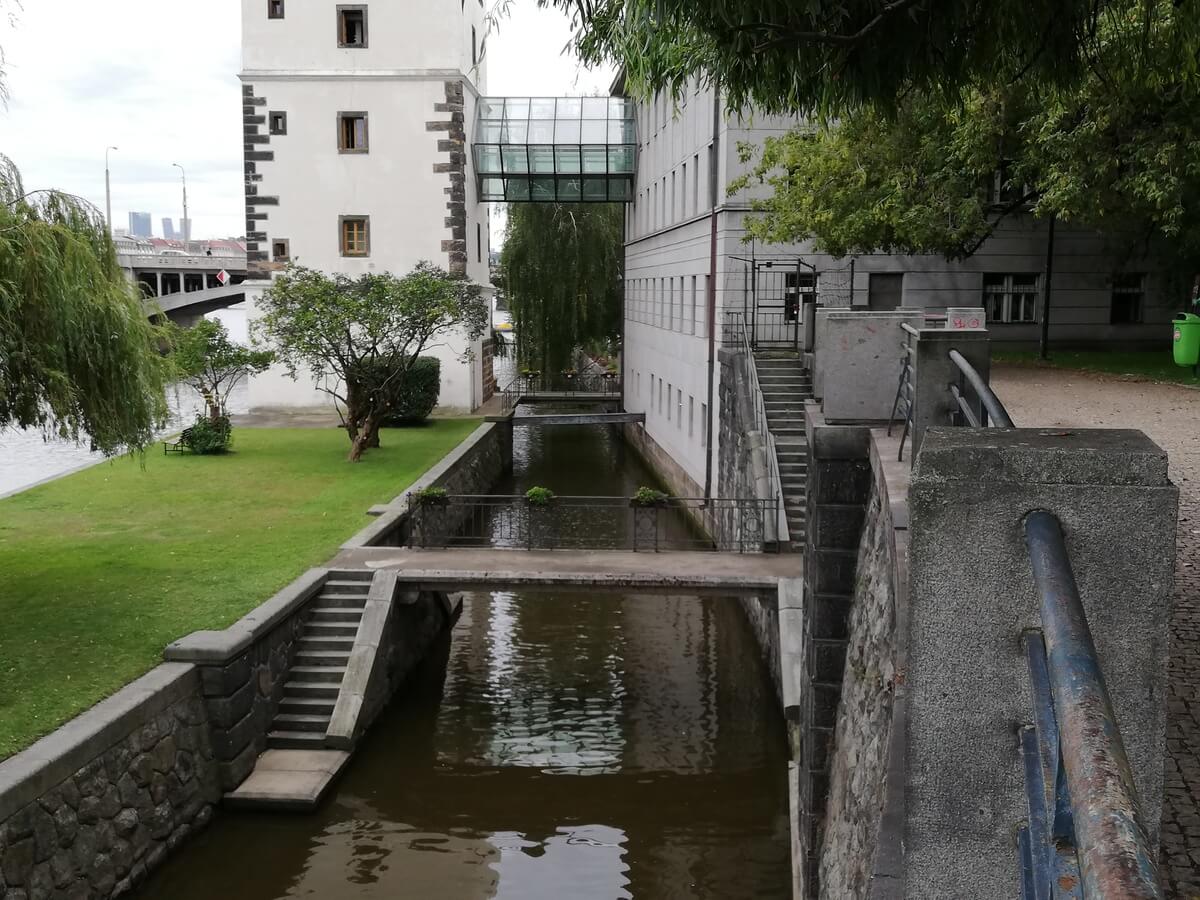
This smallest island in Prague is only 60 m long and 10 m wide. It can only be seen from the river.
The walk takes us to the next bridge, Jirasek, which is the sixth bridge over the Vltava River.
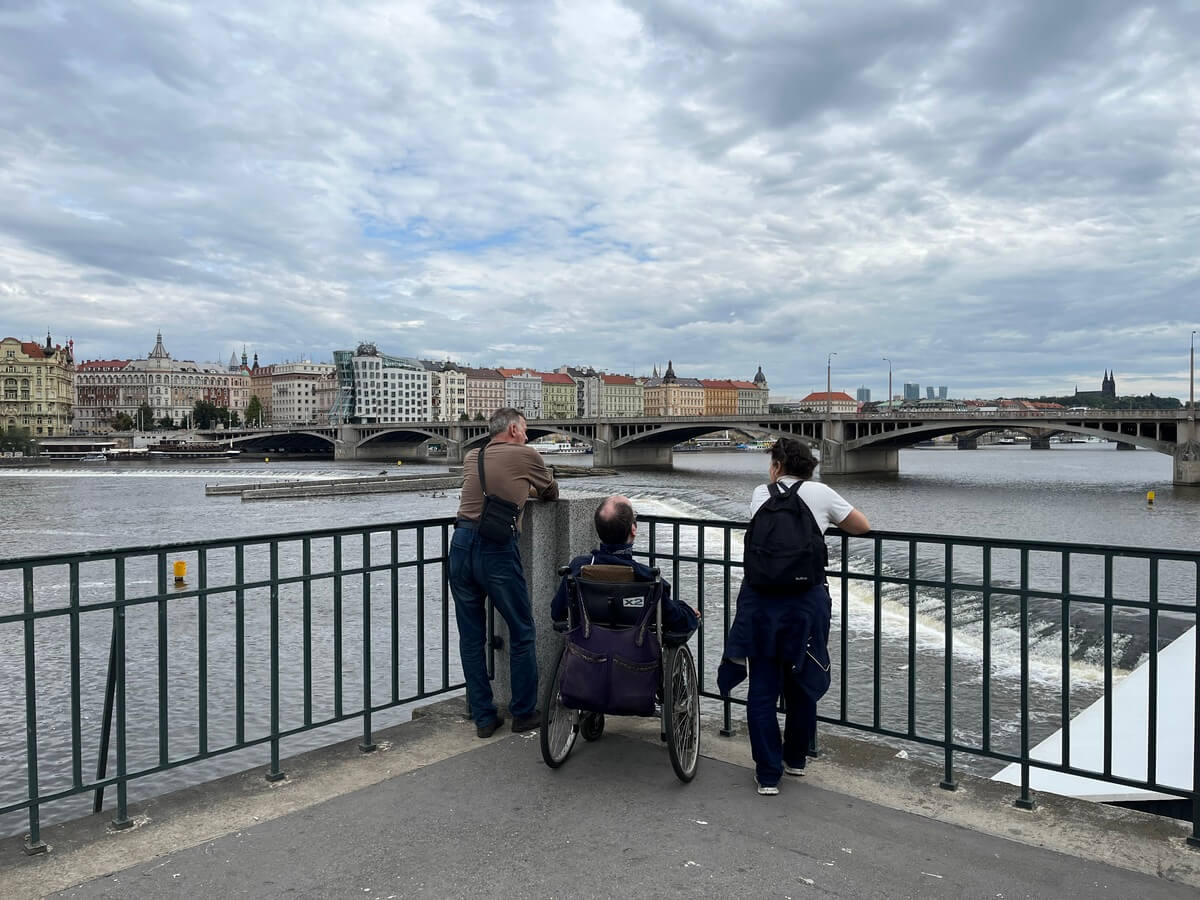
It is 21 m wide and 310 m long. It has 5 concrete pillars and 6 arches.

It is modestly decorated, unlike the others, which emphasizes its primary function, which is primarily to be a transport bridge. It was named after the famous Czech writer Aloysius Jiracek, who lived in the nearby neighborhood for almost 30 years.
After the bridge, we come across a new pearl of architecture, which is the Dancing House, which I wrote about here.

There are many buildings in this area that will leave an impression on all architecture lovers.
Slavonik island
Walking further, we come across the last island on this route, which is called Slavonik island.
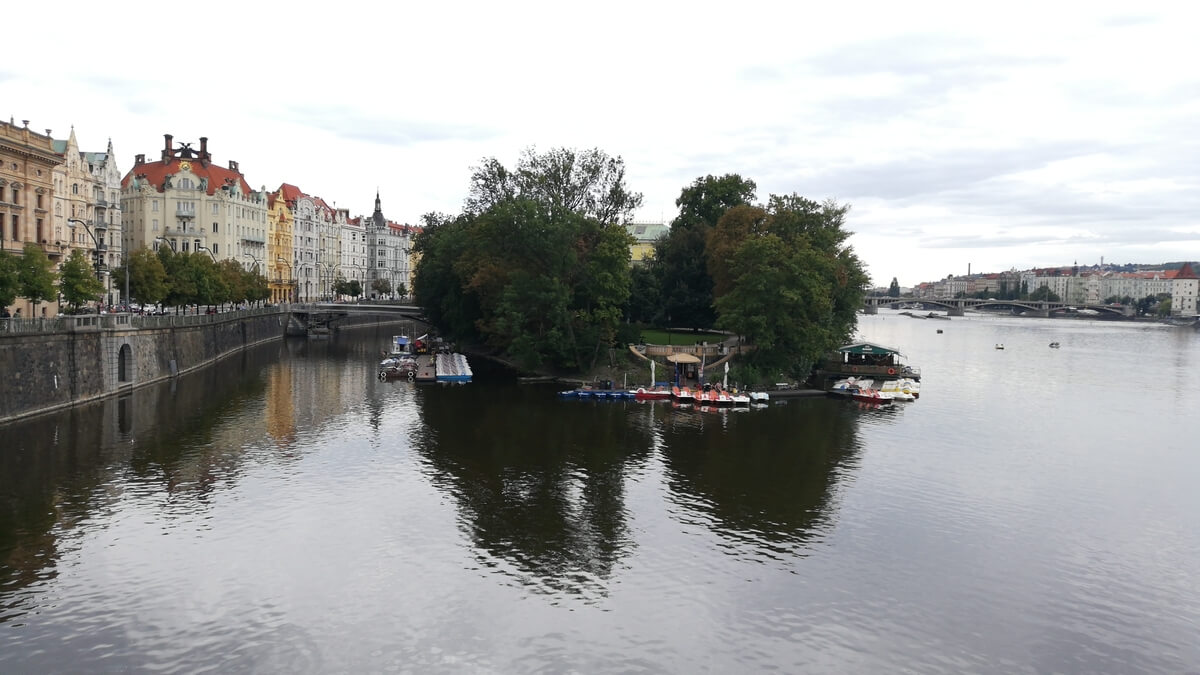
It is located on the right bank of the Vltava River next to the National Theater and the Legionary Bridge. Sometimes it is also called Zofin after the palace that was built there. It occupies an area of 2.2 ha. It is 355 m long and 95 m wide in its widest part.
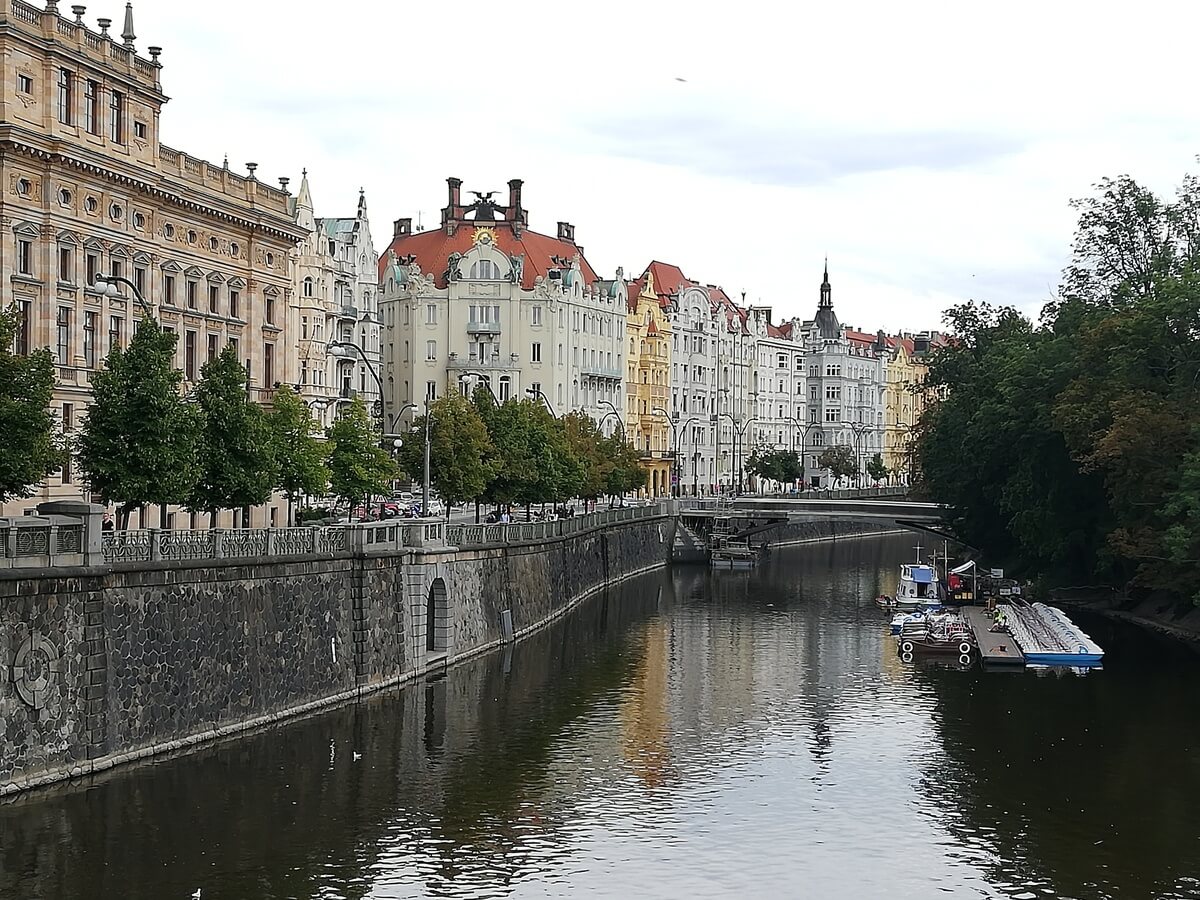
The island was created as drift from the mill and continued to grow to its present dimensions. It was then fortified with walls and planted with trees.
It changed its name several times. In memory of the Slavic Congress of 1848. In 1925, the island was renamed Slavonik island.
On the island there is also the famous Zofin Palace, which is named after the Austrian Archduchess Sophie, in Czech Zofia, who was the mother of Emperor Franz Joseph I.

It was built in the 19th century on the foundations of an old building, which could no longer meet the needs of the time. Concerts, balls, sports events were held here. The first performance of Smetana’s famous work “My Homeland” took place in this palace. Such names as: Franz Liszt, Hector Berlioz, Tchaikovsky performed here. Today, it can accommodate 580 visitors in the main hall. What is specific about this palace is that it was built on oak pillars, and it is protected from floods by pumps, which are placed in special rooms.
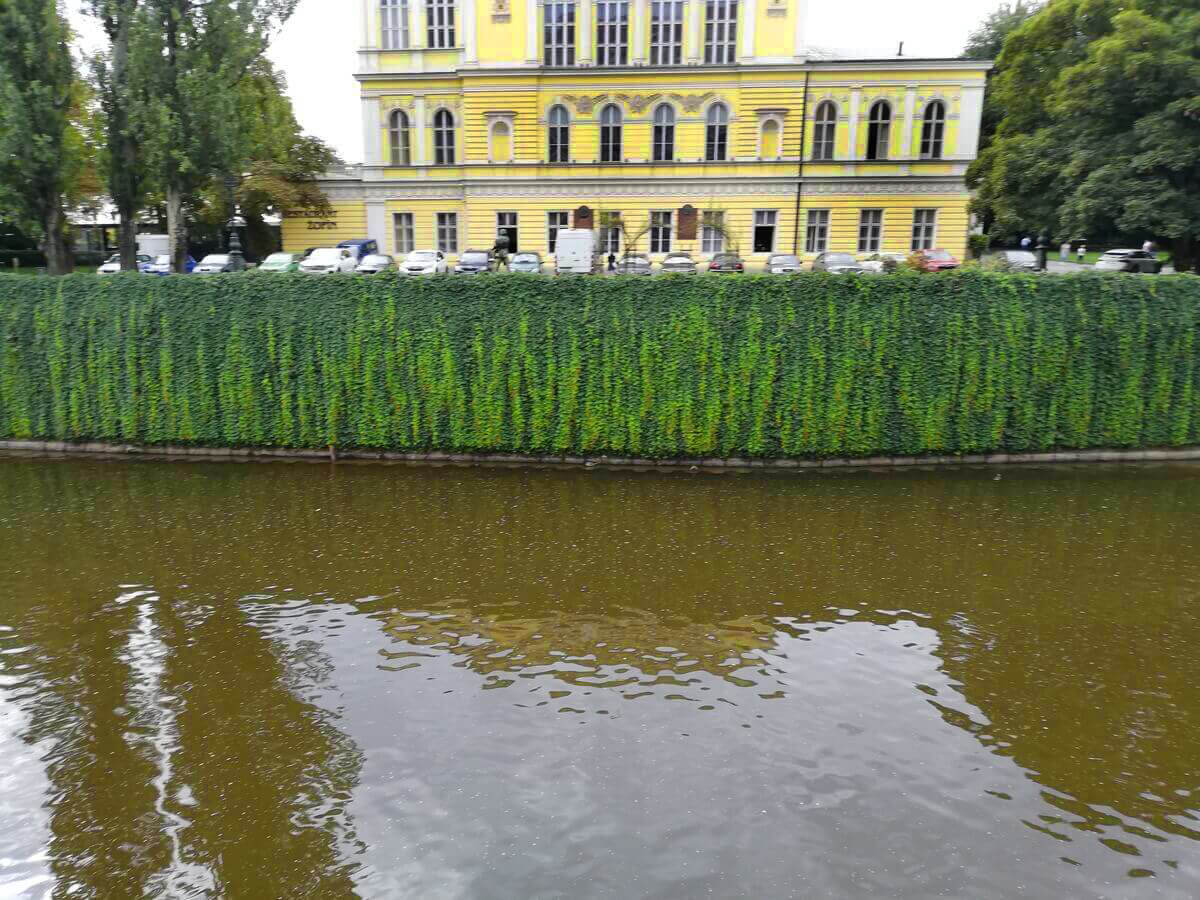
Today, Žofin is one of the most important cultural and social centers in Prague.
What can you do on the island?
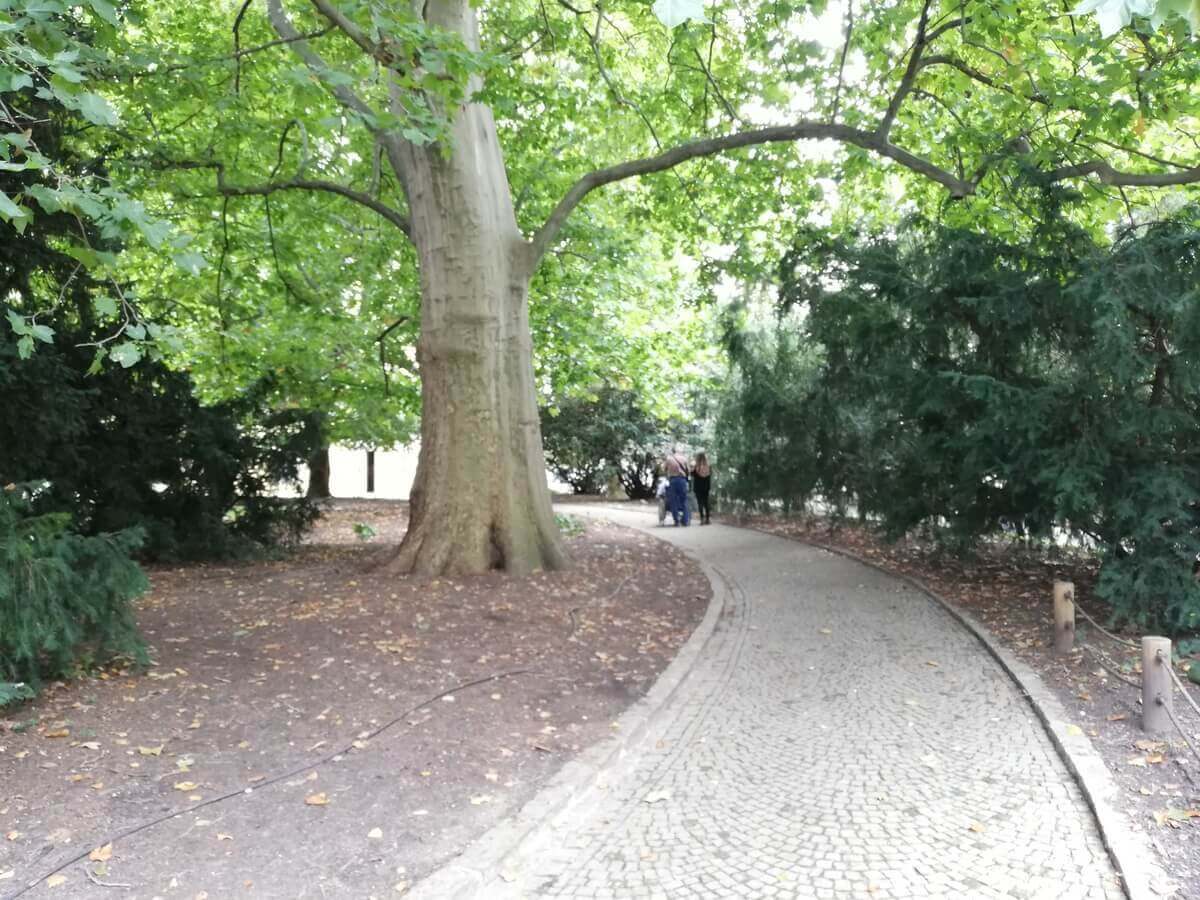
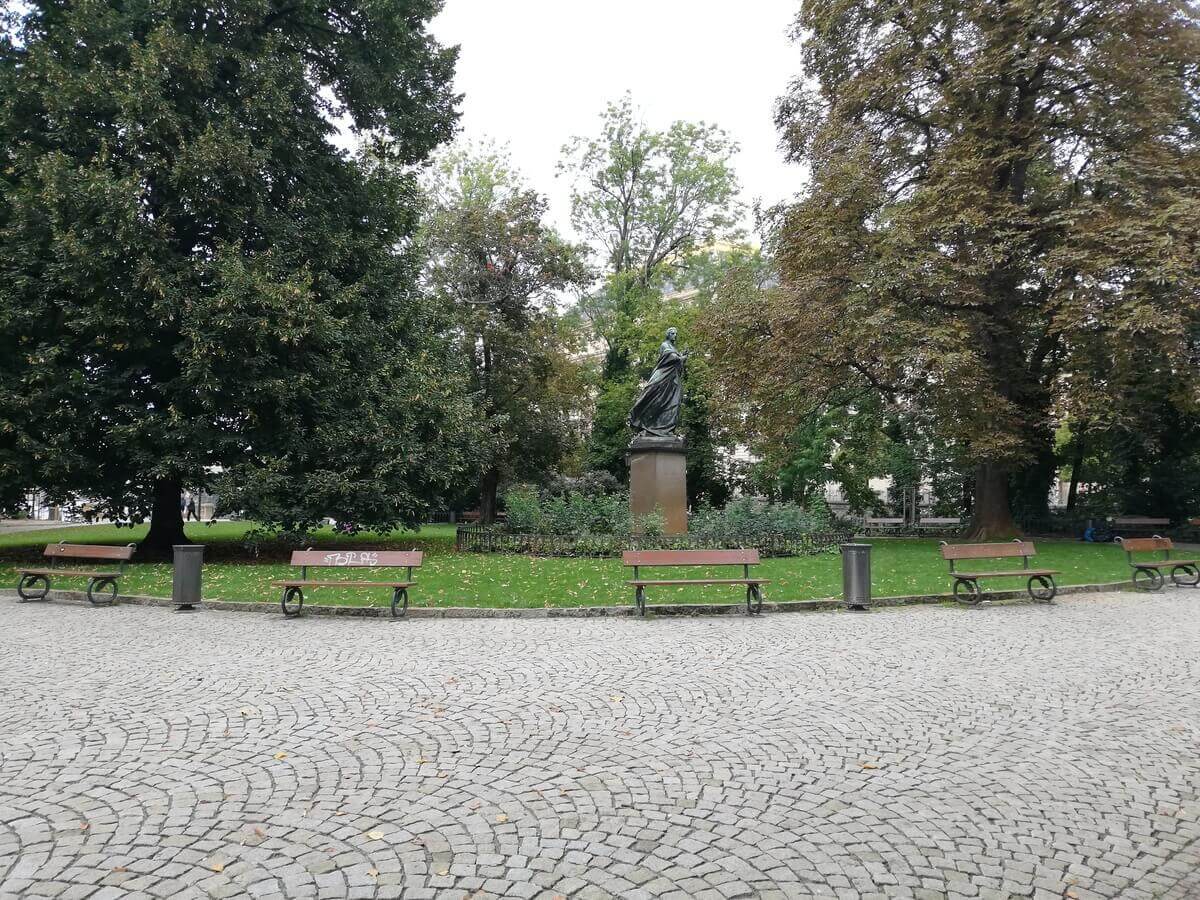
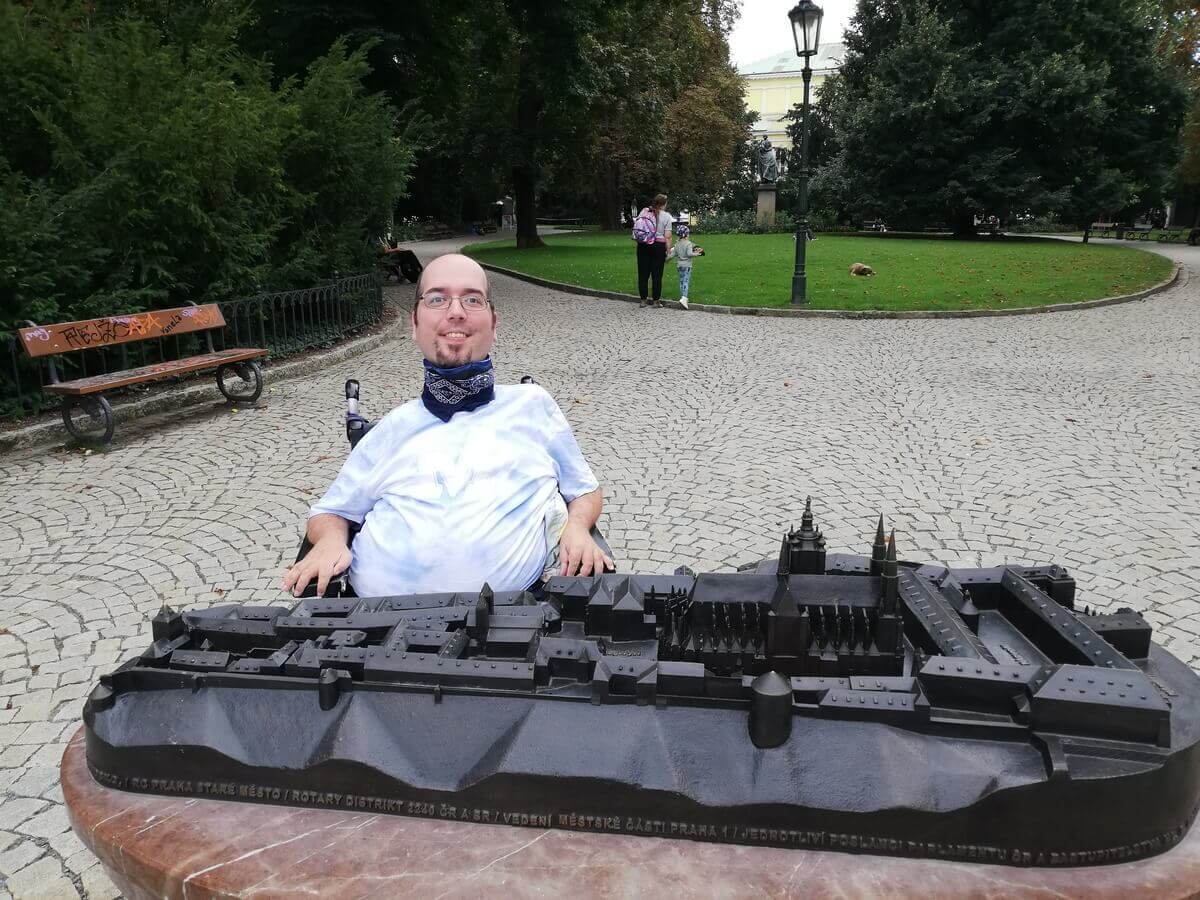
You can hide from the sun in a thick shade. There is also a children’s playground.
You can rent a pedal boat, which some of us did.
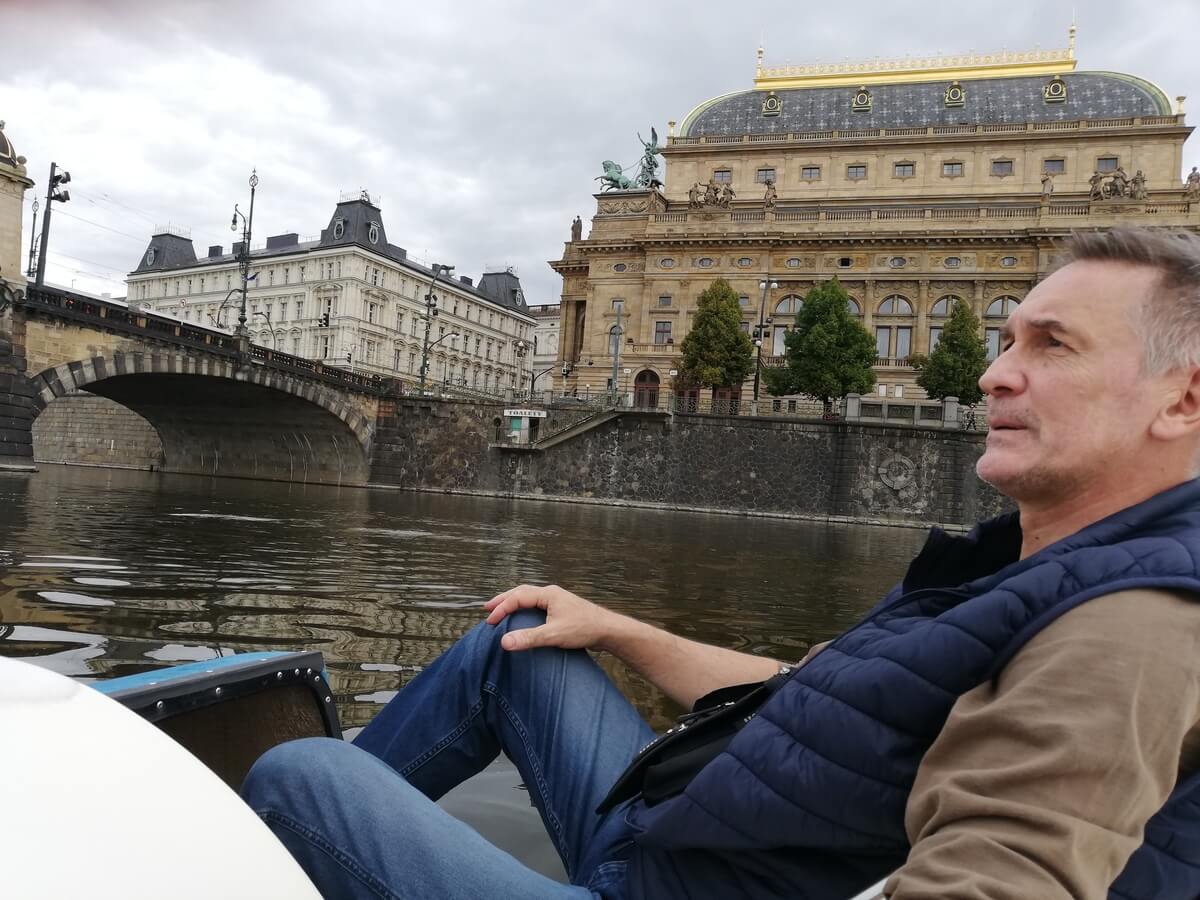
Vltava is quite calm in this part, so you should not be afraid, but you should also listen to the instructions of the employees. There you have the opportunity to see the Charles Bridge, Kampa Island with a gallery, Novi Mlin, the Legionary Bridge as well as numerous swans, of which there are many here, from the water. You can also see the National Theatre.
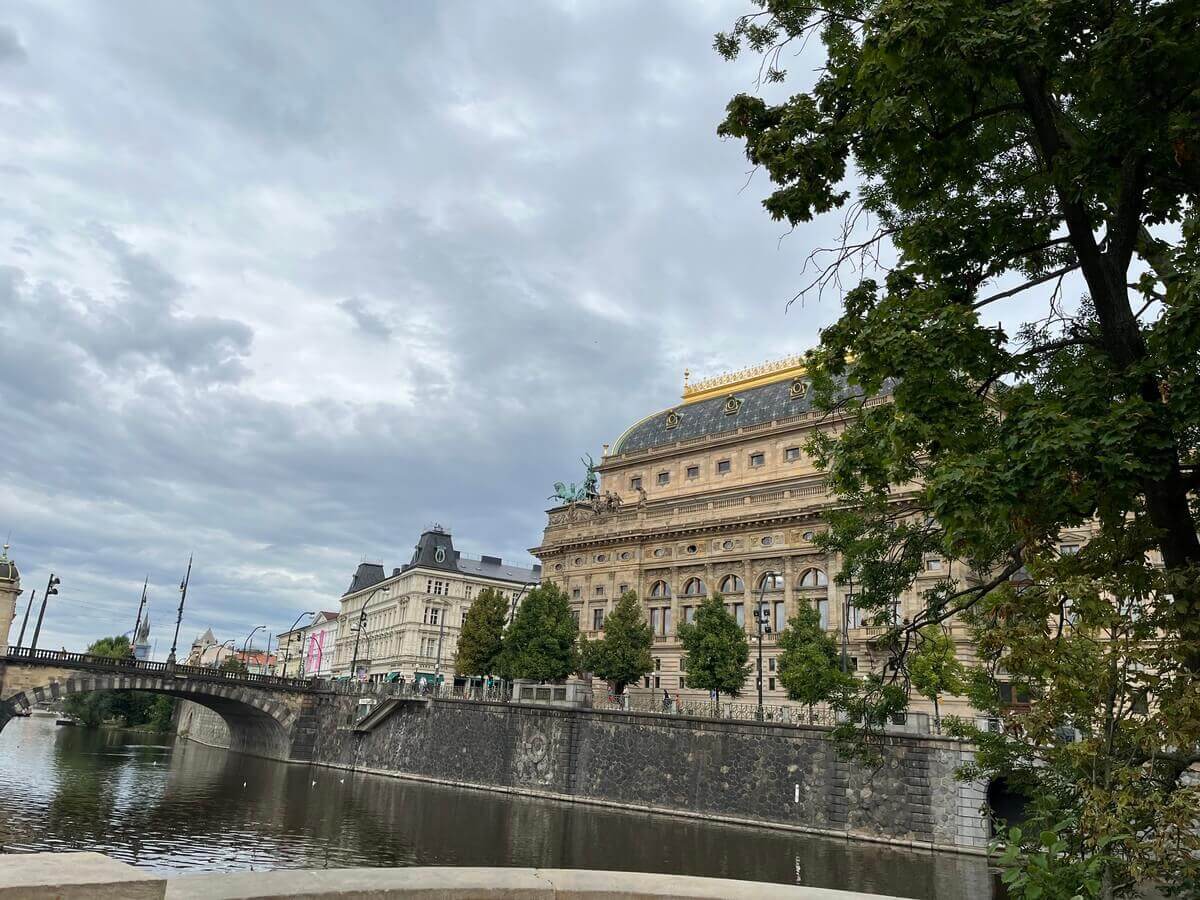
There is another important building here, which is connected to the island, and that is the Manes Gallery.
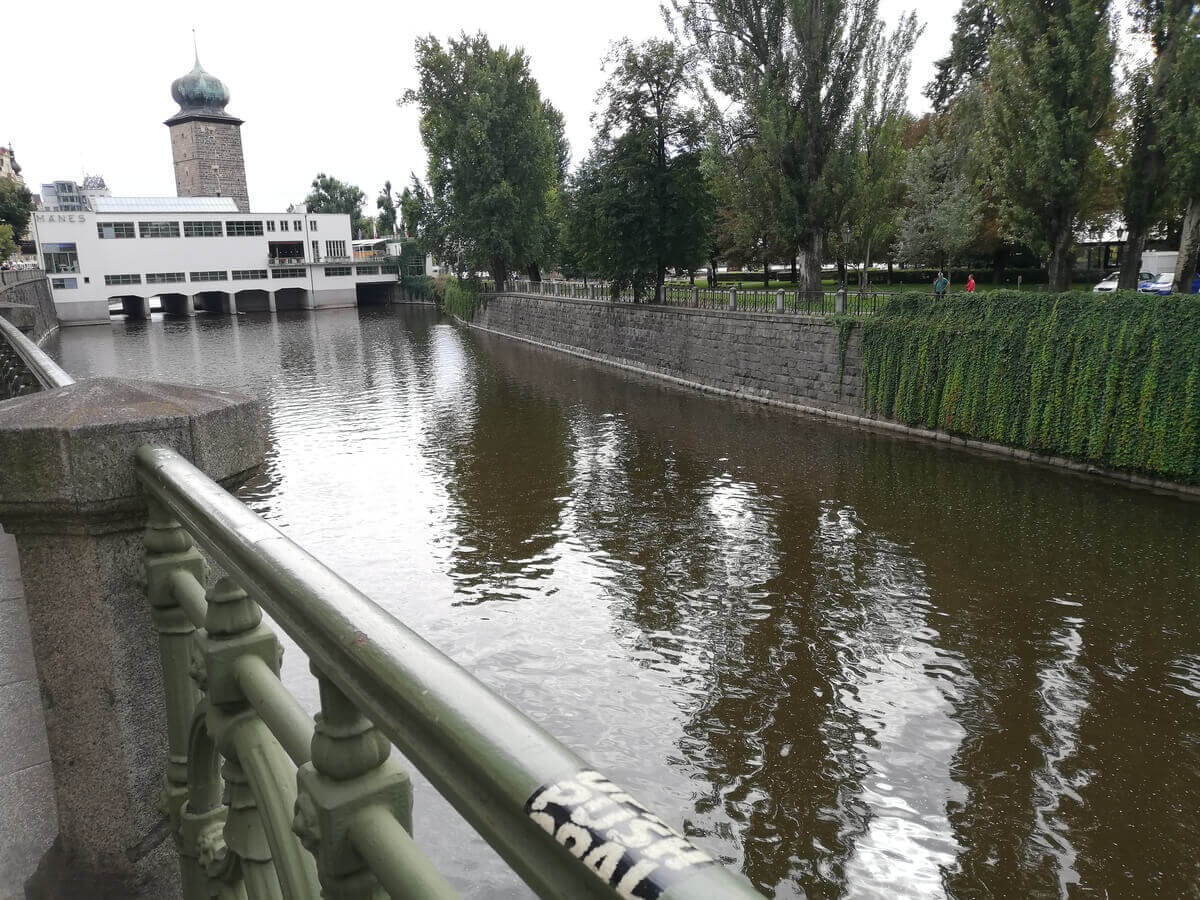
After a nice walk around the island, the route ends at the National Theatre.
National Theatre
The National Theater has come a long way to what Czechs can enjoy today.
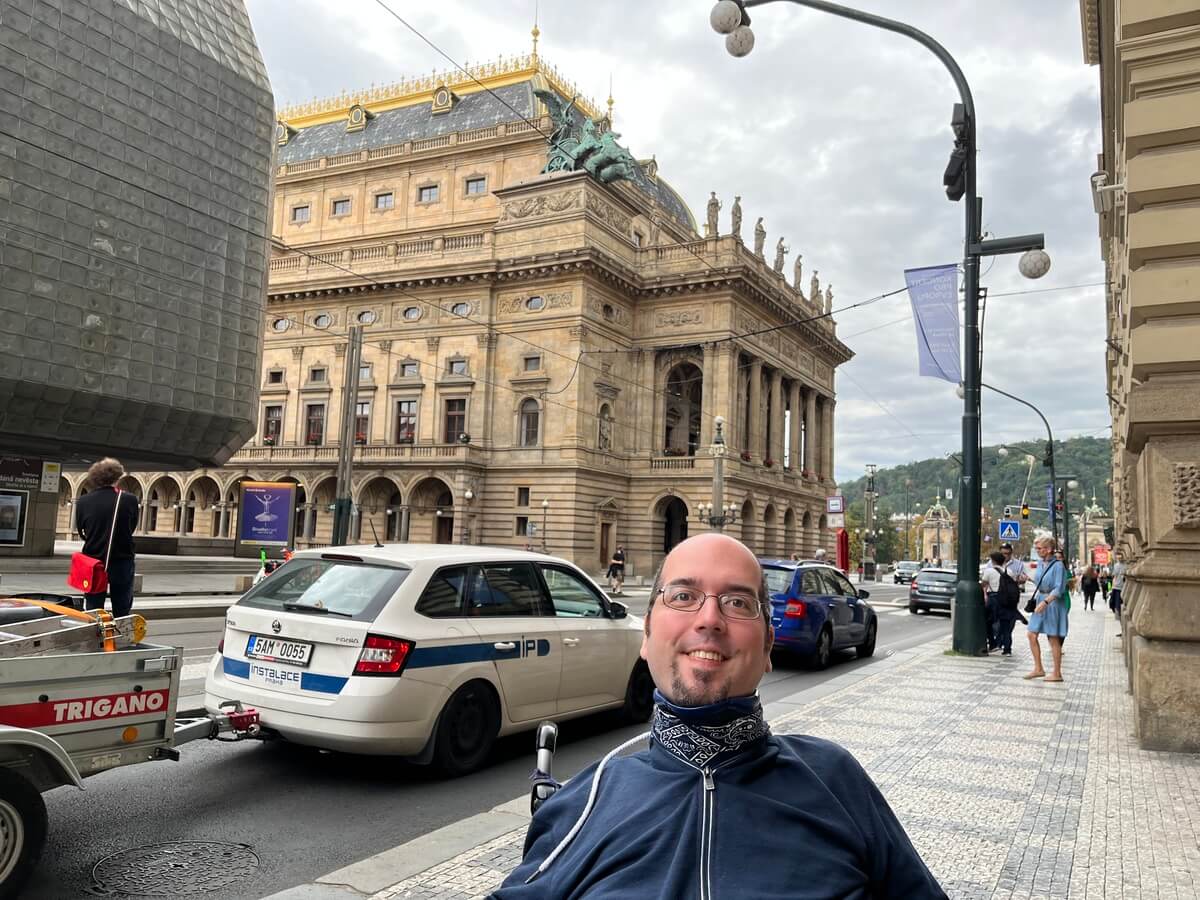
The first performances began as early as the 12th century. They took place around major church holidays such as Christmas, Easter, etc. They were played mainly around church property and all the actors were men. The text was spoken in Latin.
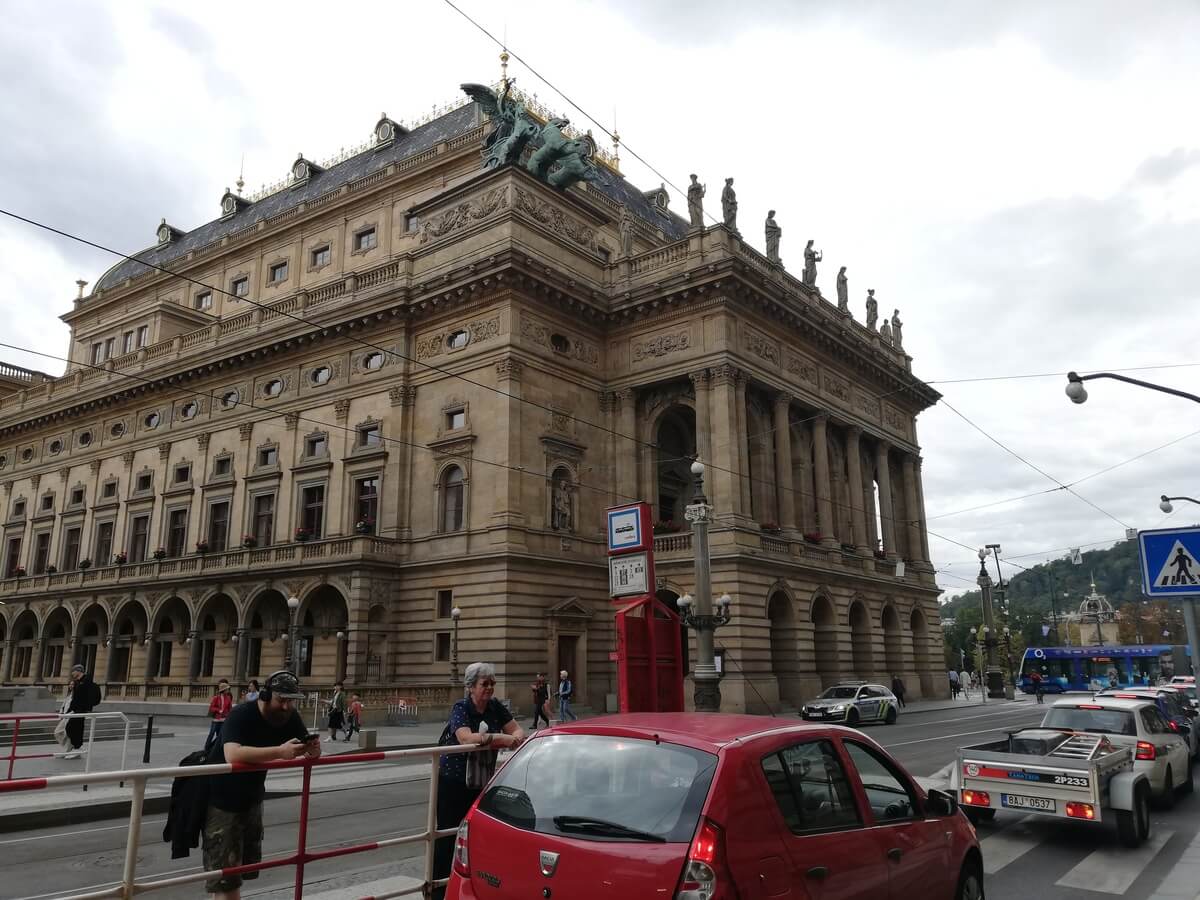
In the 13th century, the themes were much more varied, and performances began to take place in squares, streets and courts. The actors were still exclusively male.
In the 14th century, the text was no longer in Latin but in Czech. During the Renaissance period, many elegant buildings were created and each had large reception halls where closed performances were held.
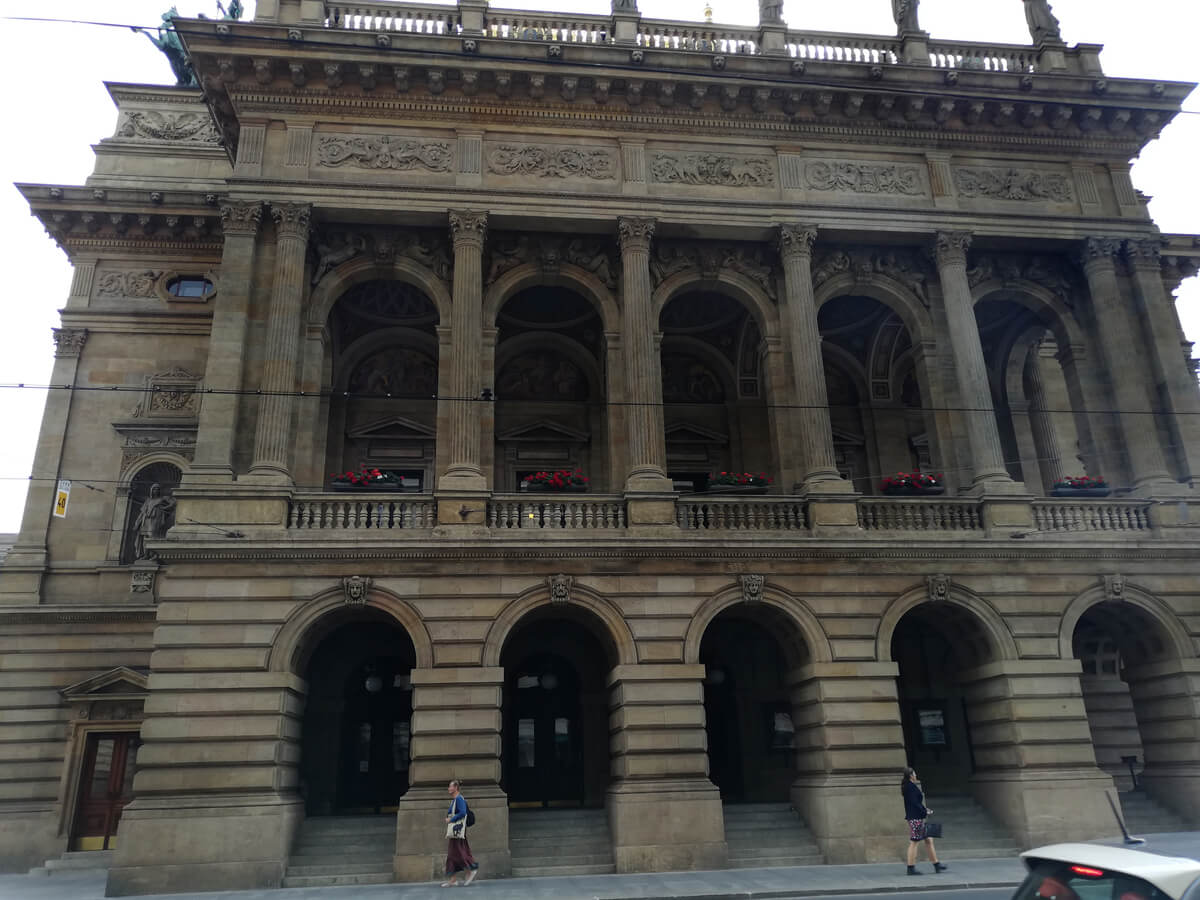
The first theater for the general public was opened on the site of the old market in 1771 and performances were performed in the Czech language.
As the needs for culture grew, an initiative appeared to start in 1848. where people began collecting voluntary contributions for the construction of the main theater house. Everyone, from the aristocracy to ordinary workers, participated.

Three years later, the building plot was purchased. The search for the best solution for construction has begun.
Members of the older generation wanted a simpler but faster solution, while members of the younger generation wanted a much more representative building, but with more costs and time. A middle solution was found, and after six months a temporary building was erected, which could accommodate 1000 spectators. This worked for the next 20 years.
After that, in 1868, the cornerstone was laid for the permanent version of the theater, which was officially opened in 1881 with the performance of Smetana’s composition Libusa, conducted by the completely deaf composer himself at that time.
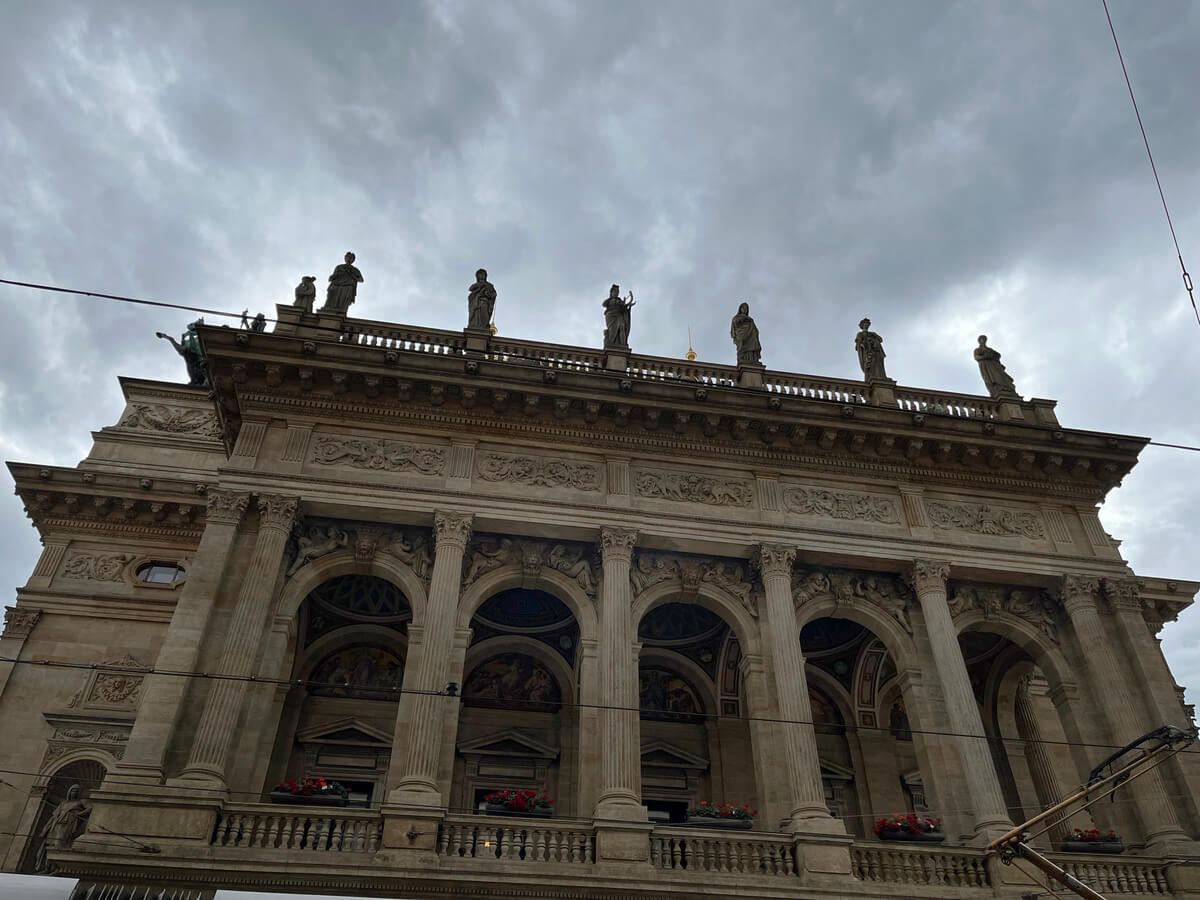
Several plays were performed before a good part of the theater burned down due to the carelessness of the workers. The collection of contributions was organized again, and the work of construction was entrusted to Josef Schulz, who was a student of Josef Zitek, the original architect. Zitek was accused of neglecting safety measures during the first design, which is why he bitterly withdrew from the new project. Schulz did not change much of his teacher’s original work, he reduced the number of spectators and with slight changes in 1883, again with Libuse, the theater was solemnly opened and continues to operate without interruption to this day.
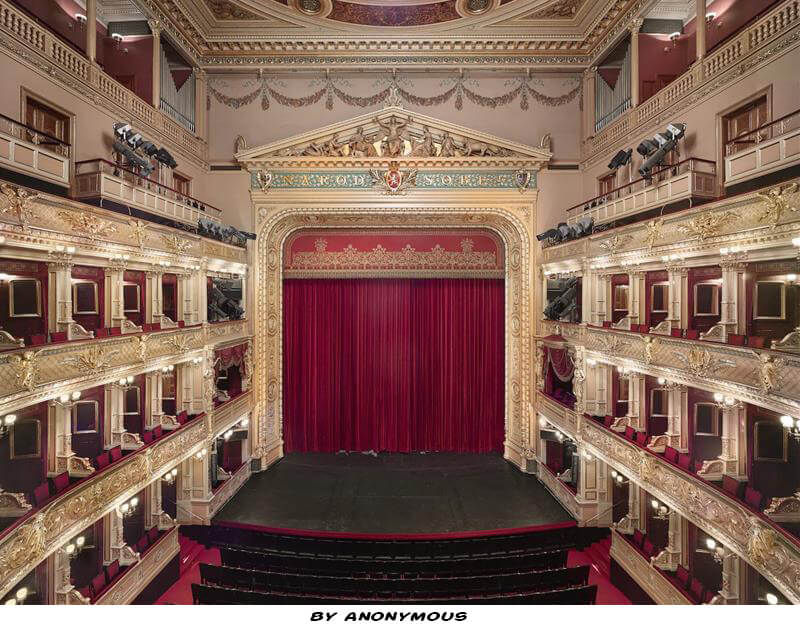
The theater looks very opulent from the outside. How could it not, when almost 3 kg of gold was used to decorate it. That is why it is sometimes called the Golden Chapel. The interior of the theater does not lag behind the exterior appearance. The National Theater is one of the first buildings in Europe that used electricity. A grandiose chandelier with a height of 5.5 m and a weight of 2 tons is inside.
Conclusion
This walk was, as far as my wheelchair is concerned, the easiest because the terrain is flat. Cobblestones can’t be completely avoided here either, but numerous stops made my walk fun and inspiring.

Have you tried this route?
Did I miss something?
Traveled and enjoyed,
Marko Velickovic