The charm of Prague is not only in the city but also in the kitchen. Czech cuisine is a mixture of influences from the surrounding countries. There is good food in the Czech Republic, but you need to know what to look for. This post will help you with that…
The main meal in the Czech Republic is lunch. Czechs usually eat something light for breakfast such as butter and bread, for dinner as well. Everything revolves around lunch, which consists of two, sometimes three courses. The first course is usually soup, which is eaten even in summer, the second is the main meat course with a side dish.
If it is a more festive occasion, dessert or compote is added as a third course. In Czech cuisine, boiled and roasted meat with a side dish of dumplings and vegetables are a big item. What is certainly unavoidable on the Czech table is beer, which is of the highest quality in the world.

In any case, Prague can also be considered an excellent gastronomic destination, and here is what you should definitely try.
Svičkova
Svičkova is the Czech national dish. No visit to Prague is complete without trying this dish, which you can find on offer in most restaurants.
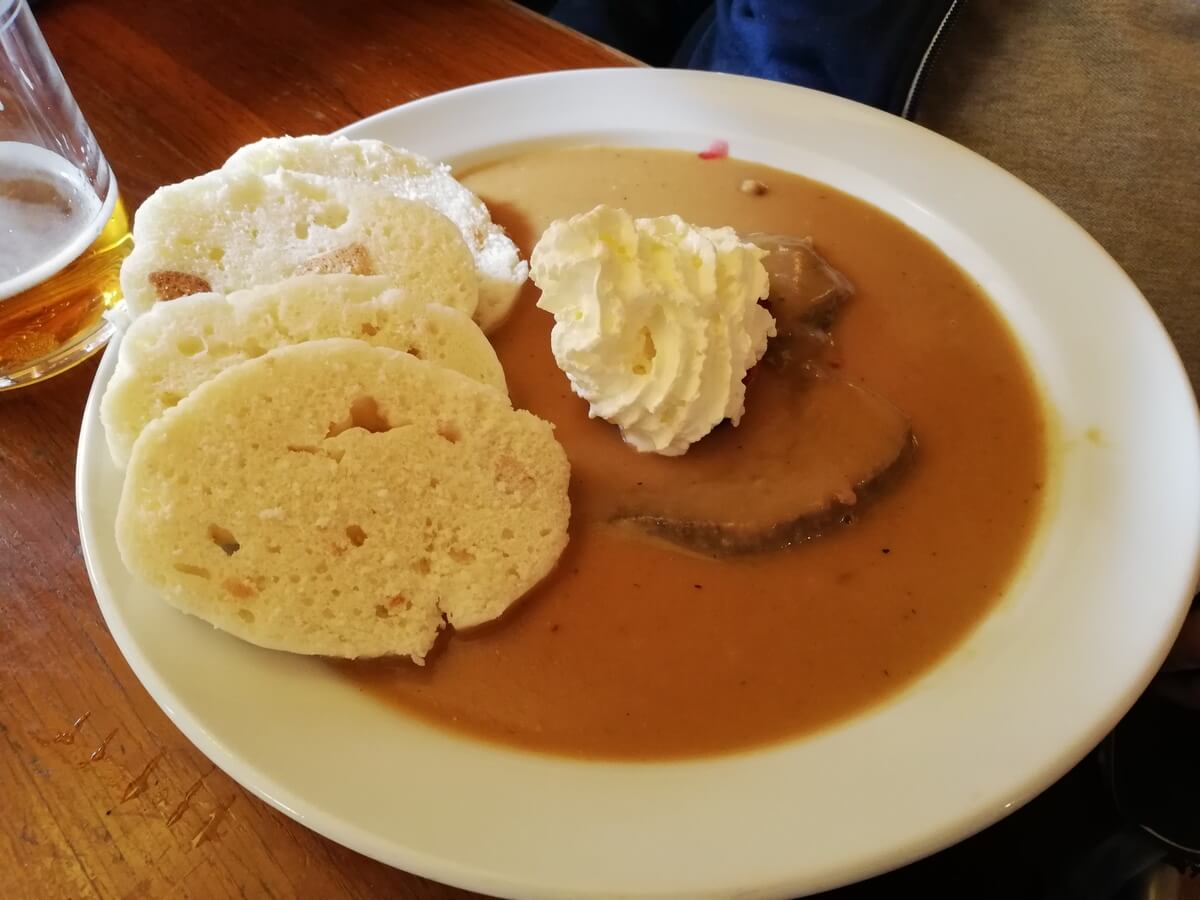
No two Svičkova are the same, but when it arrives on the table you’ll know it’s the one because Svičkova consists of meat in a rich vegetable sauce with bread dumplings, whipped sweet cream and sometimes cranberry jam.
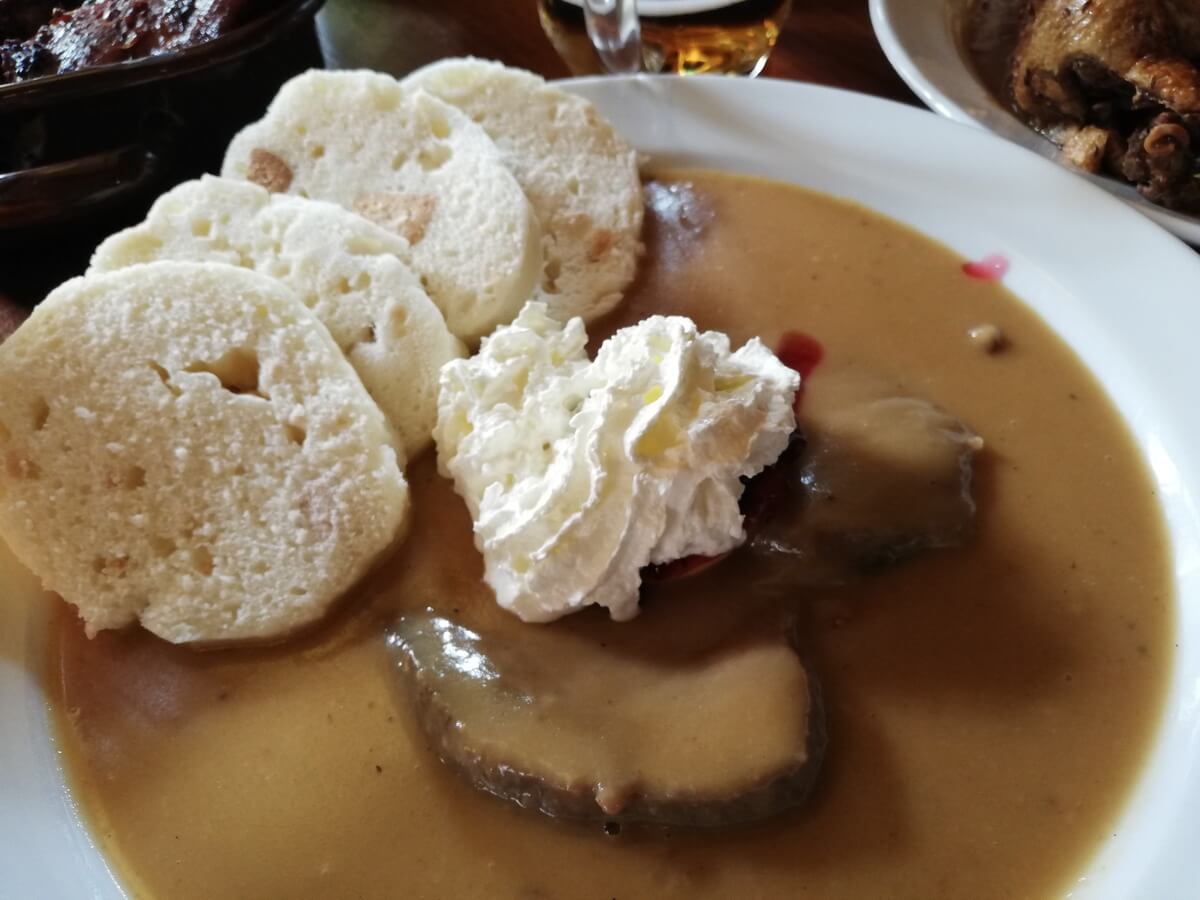
The seemingly impossible combination has been fully tested and proven many times over. I must say that it is very tasty. Since svičkova takes a long time to prepare, it is on the table in Czech houses mostly on Sundays and every house has its own recipe.
Roast duck
Another dish to look for in the Czech Republic is the roast duck.

Juicy and soft meat with a crispy skin, served with stewed cabbage and homemade dumplings is a favorite lunch in Czech kitchens. This specialty is not difficult to find in many Czech restaurants at affordable prices. The recipe is always a secret, but you can try and guess the ingredients while enjoying the meal.
Pork leg
We’ve already said that Czech cuisine is a carnivore’s paradise, so here’s another must-try dish in Prague. It’s a pork knuckle or slow-cooked pork leg with a crispy crust.
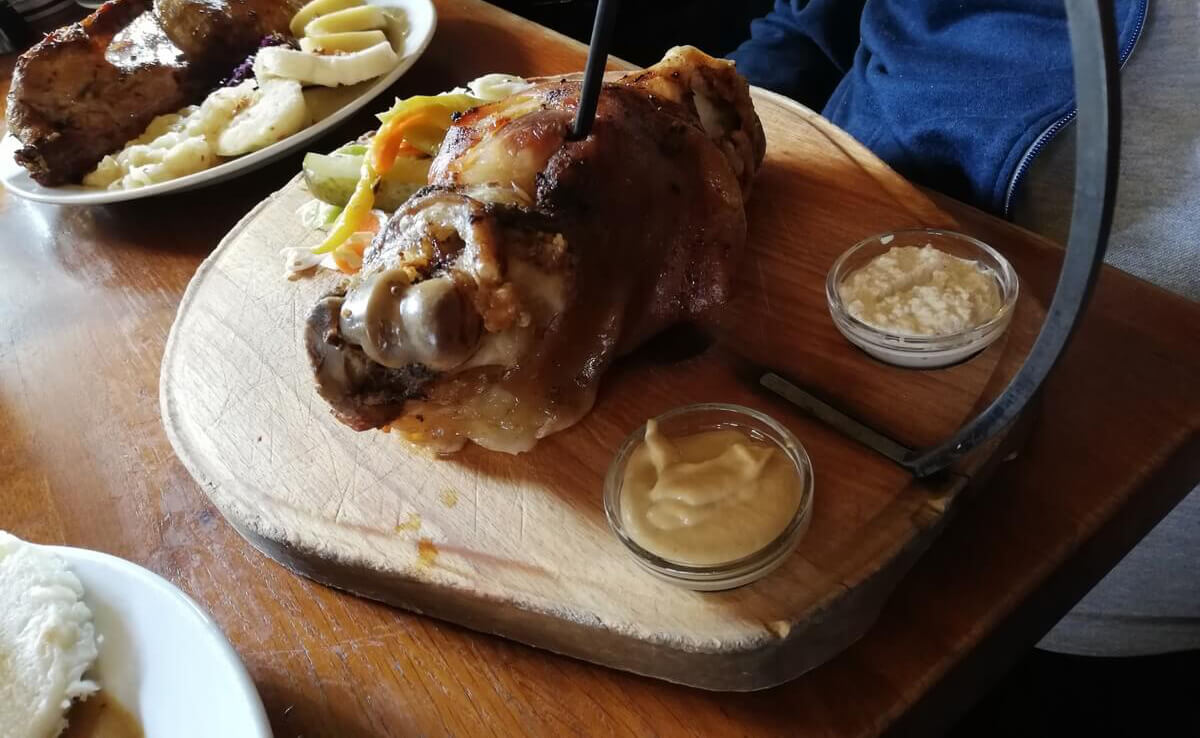
The pork leg is marinated in beer and garlic before roasting to give it a soft, fall-off-the-bone meat and crispy crust. It is served in a special stand and usually on a wooden board.

Sometimes it is so big that it can easily be considered a meal for two. It is served with additions such as horseradish and mustard. Sometimes pickled vegetables or crunchy cucumber salad are added. If they want to treat you especially in the Czech Republic, this is the dish they are proud of. I don’t need to emphasize that it goes well with the famous Czech beer.
Kulajda
So that it doesn’t seem like we’re only talking about meat, here’s a soup that will leave an impression on you. The most traditional soup, which the Czechs consider completely their own, is kulajda. It is a creamy soup made of mushrooms, potatoes, and spices with the addition of eggs, which can be hard-boiled or poached.
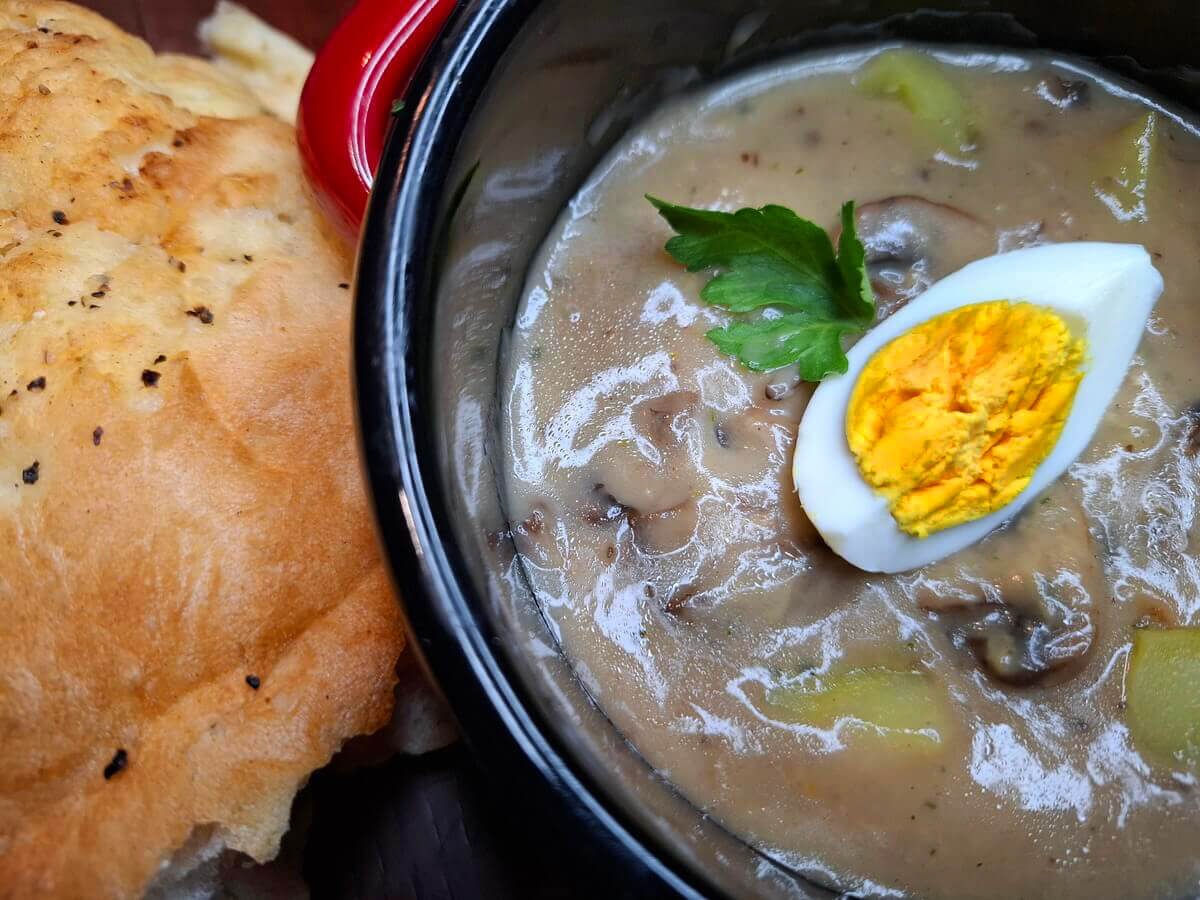
Mushrooms are often used in Czech cuisine because there are many forests in the area. It is believed that each Czech makes at least 20 visits to the forest a year and collects around 20,000 tons of mushrooms. Kulajda is eaten with homemade bread, sometimes with grilled vegetables.
Stuffed dumplings with dried meat
Stuffed dumplings with dried meat, known for their rich texture and full taste, are also an important part of Czech cuisine. Boiled potato dough filled with fragrant dried meat, topped with golden crispy onions and all this on a base of stewed cabbage, either fresh or pickled, is a combination that does not need improvement.

This dish can be served with a refreshing salad, which will balance the wonderful flavors of these dumplings. The only downside is that if you eat a lot of them, you’ll feel like you’re bloated. Therefore, when ordering, allow the waiter to assess what your options are. Don’t think about calories when you go for dumplings. Instead of meat, they are often filled with mushrooms, which is a slightly lighter variant.
Dill sauce
Koprovka is a creamy dill sauce, which is eaten on all occasions, even in school cafeterias.

Some love it and some hate it, but it’s Czech origin cannot be denied. It goes well with stewed meats and potatoes. It can be made with fresh or dried dill and is eaten in all seasons.
Hlebički
One of the most important things you must try in Prague are hlebički or open sandwich, which can be eaten in three bites. The Netherlands, Denmark and the Czech Republic started serving them almost at the same time about 120 years ago so it’s hard to say who the author is.
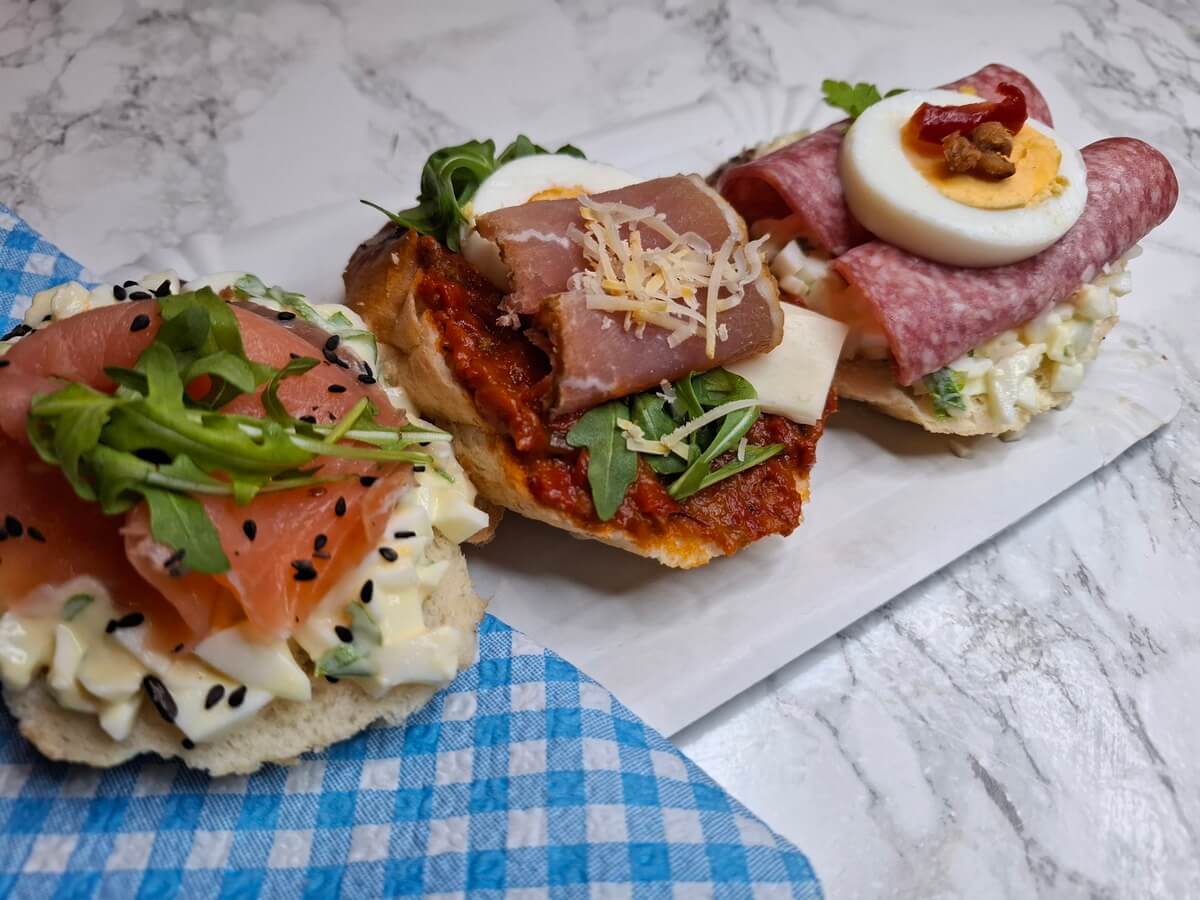
In the Czech Republic, hlebiček was first accepted by actors, who happily ate it between rehearsals in the National Theater as early as 1919. Since then, it has become accepted in all social classes. Today it is considered the most popular street food in the Czech Republic. It is eaten at parties, in offices, parks, for breakfast, lunch. They can be eaten alone or in combination with some soup or salad.
These small sandwiches are with sausages, cold meats, cheeses, eggs and vegetables, spread on a thin slice of bread, either white or black.
In some restaurants, in addition to the standard combination of cheese and ham, you can find a more inventive combination such as smoked fish, pickled vegetables and other exotic toppings.
At least two loaves of bread must be eaten.
Goulash
Everyone likes it and everyone has their own recipe. What I can confirm is that they prepare it well in the Czech Republic.
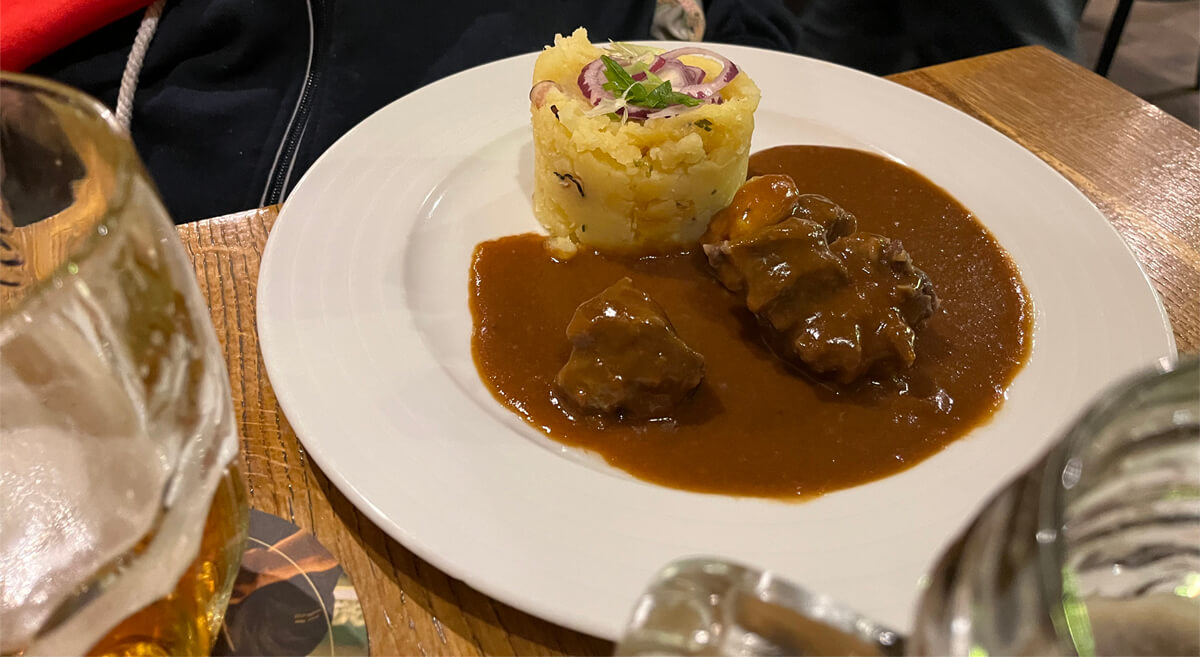
Tender meat served with potatoes is the right way to end another day.
Vietnam
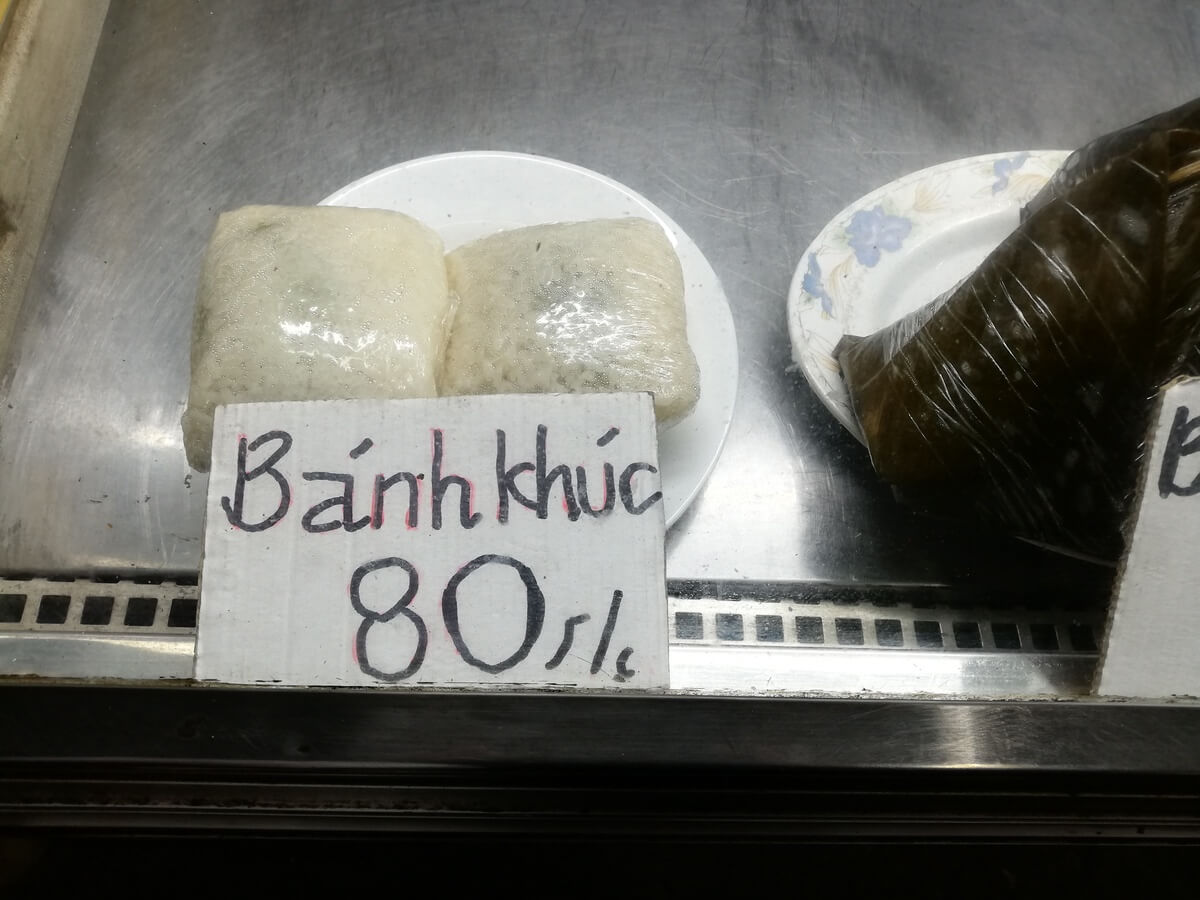
As soon as you arrive in Prague, you will notice that there are a lot of Vietnamese restaurants. There’s a good reason for that. There are currently over 70,000 Vietnamese living in the Czech Republic. During the communist era, the Czech Republic invited the population of Vietnam to study in their country. Many accepted the invitation but also decided to stay here. Many of them started to open restaurants. First, everyone was concentrated in a small market, sometimes called Little Hanoi or officially SAPA.
The market is located outside the city, some 16 km from Wenceslas Square.
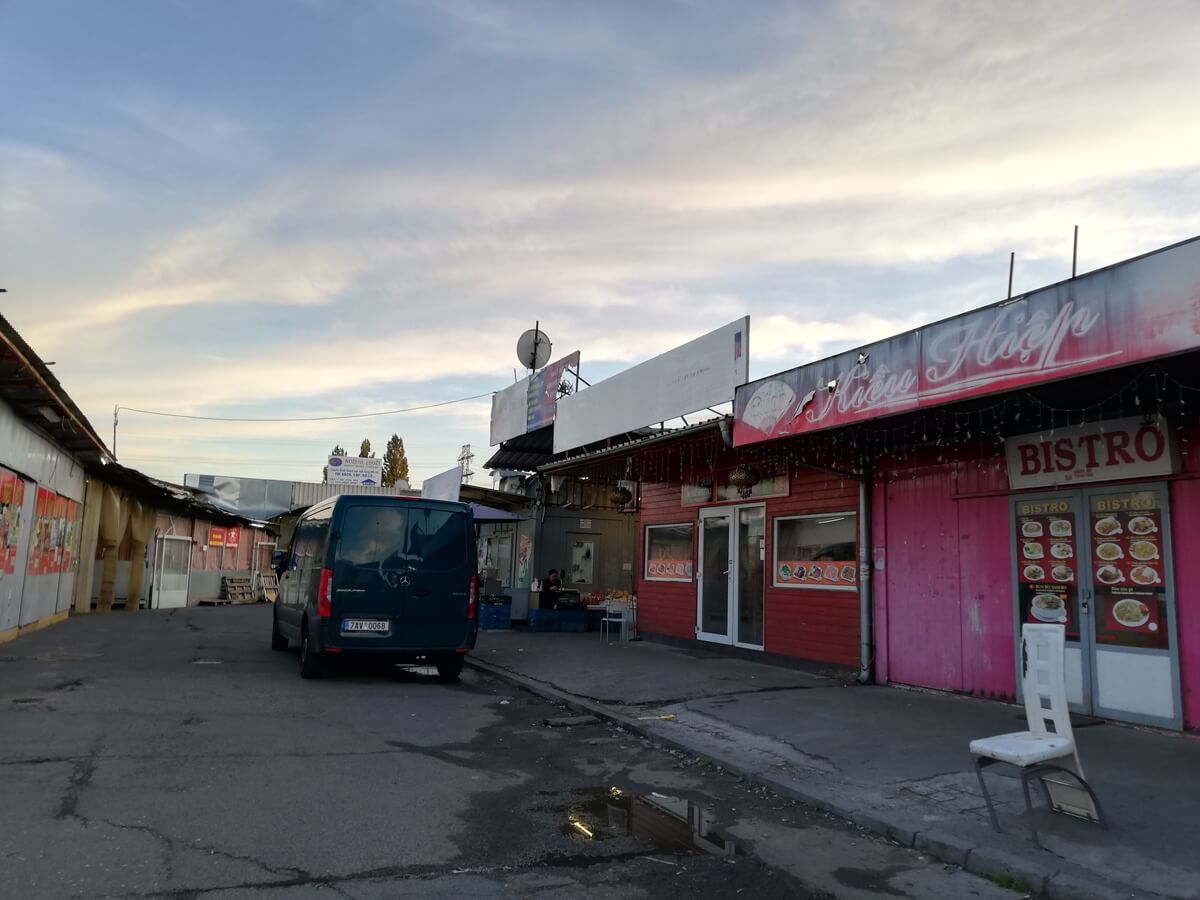
SAPA is the largest Vietnamese market outside of Vietnam. Everything from a needle to a locomotive can be found there. If you have transportation, you should definitely spend a few hours in the SAPA market, which is not a tourist attraction. That’s why you can’t take pictures aggressively.
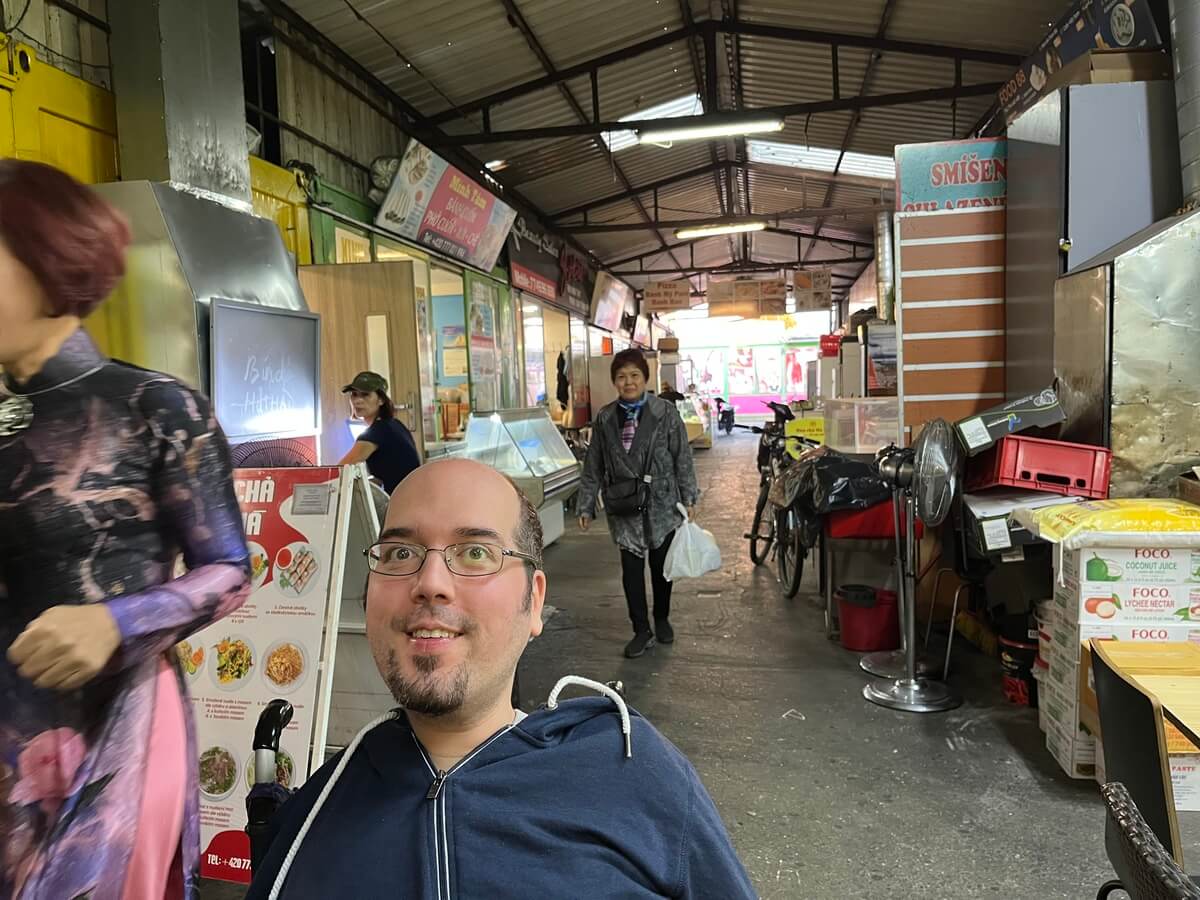
Visiting this market was a unique experience for me. We don’t know Czech, they don’t know English, the food is certainly different.
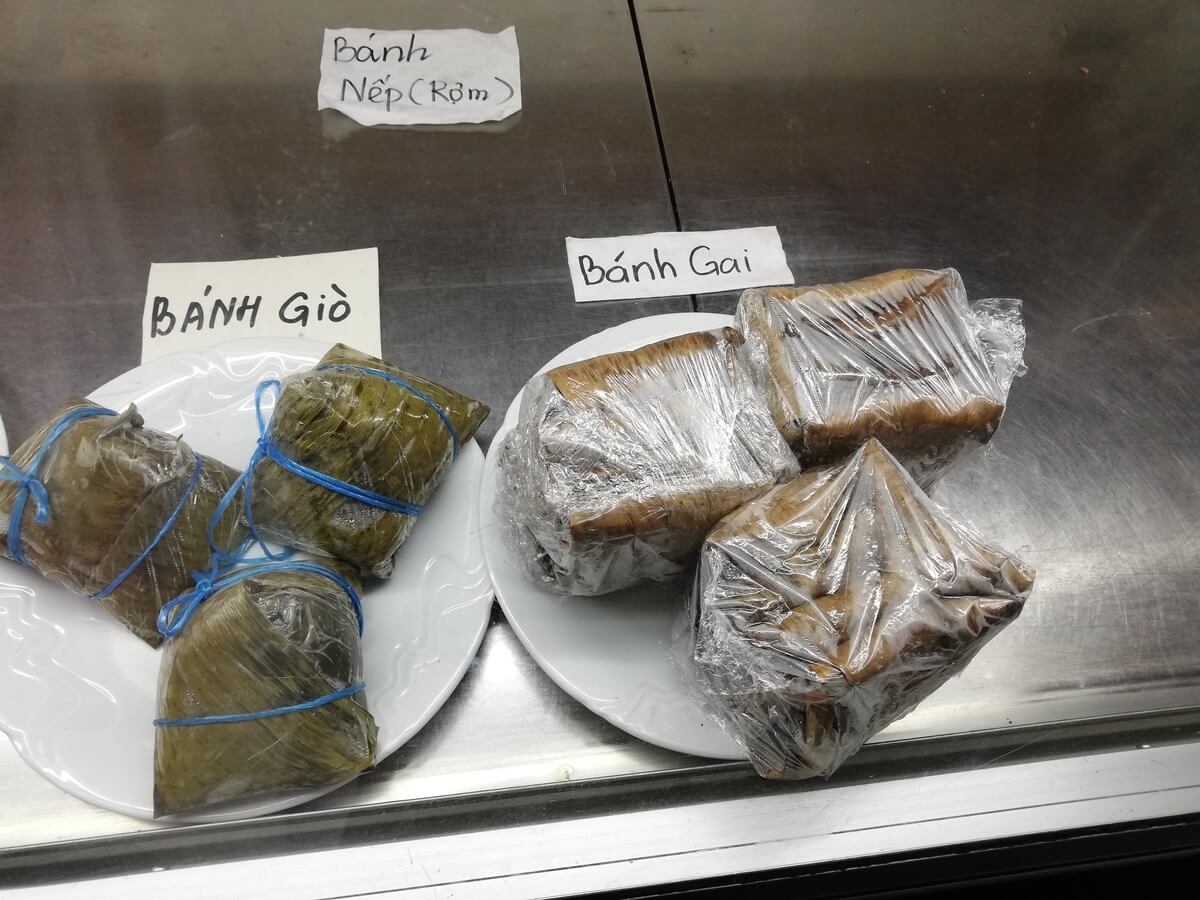
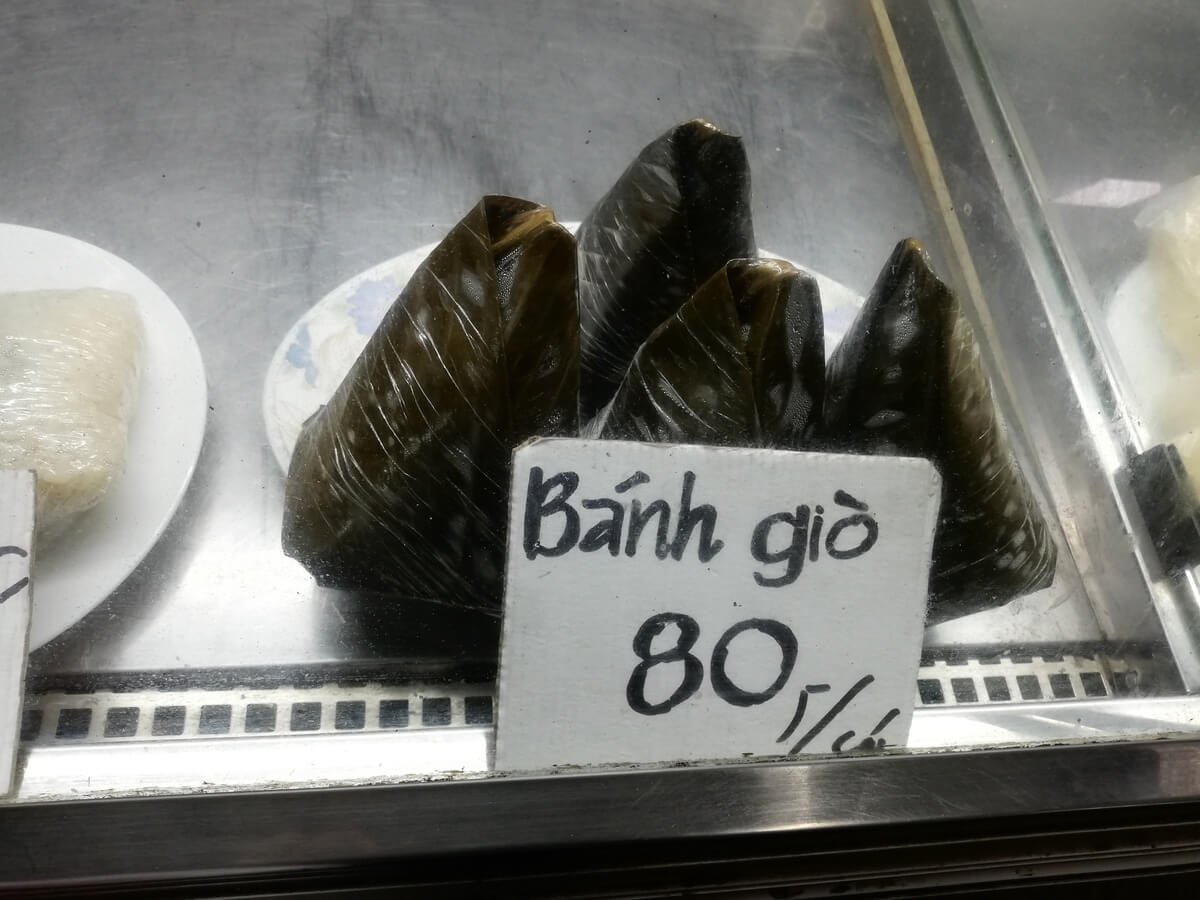
The restaurants are small, secluded, as if you are in a labyrinth. You get the impression that no one cares what you do there, but they let you know that you are on their territory.
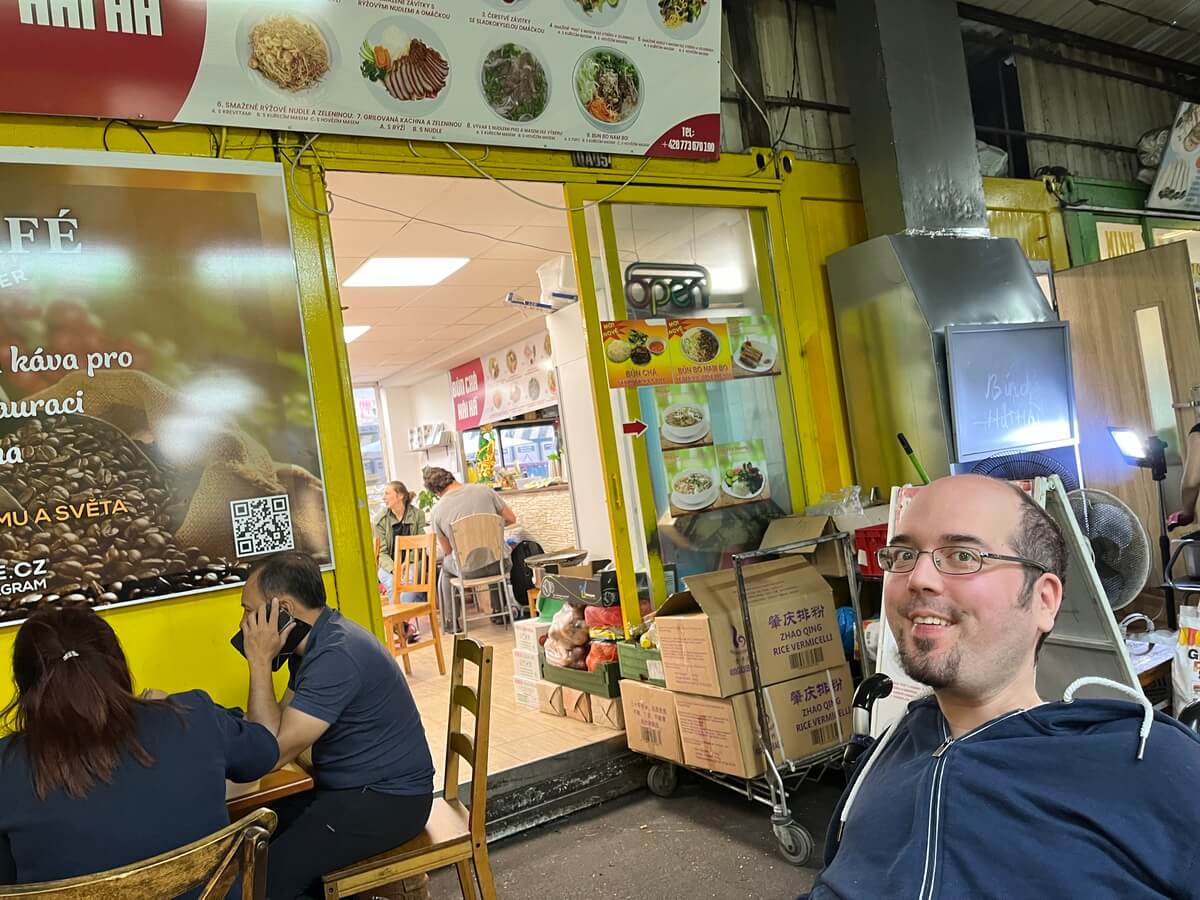
The food is superb and it’s hard to decide.
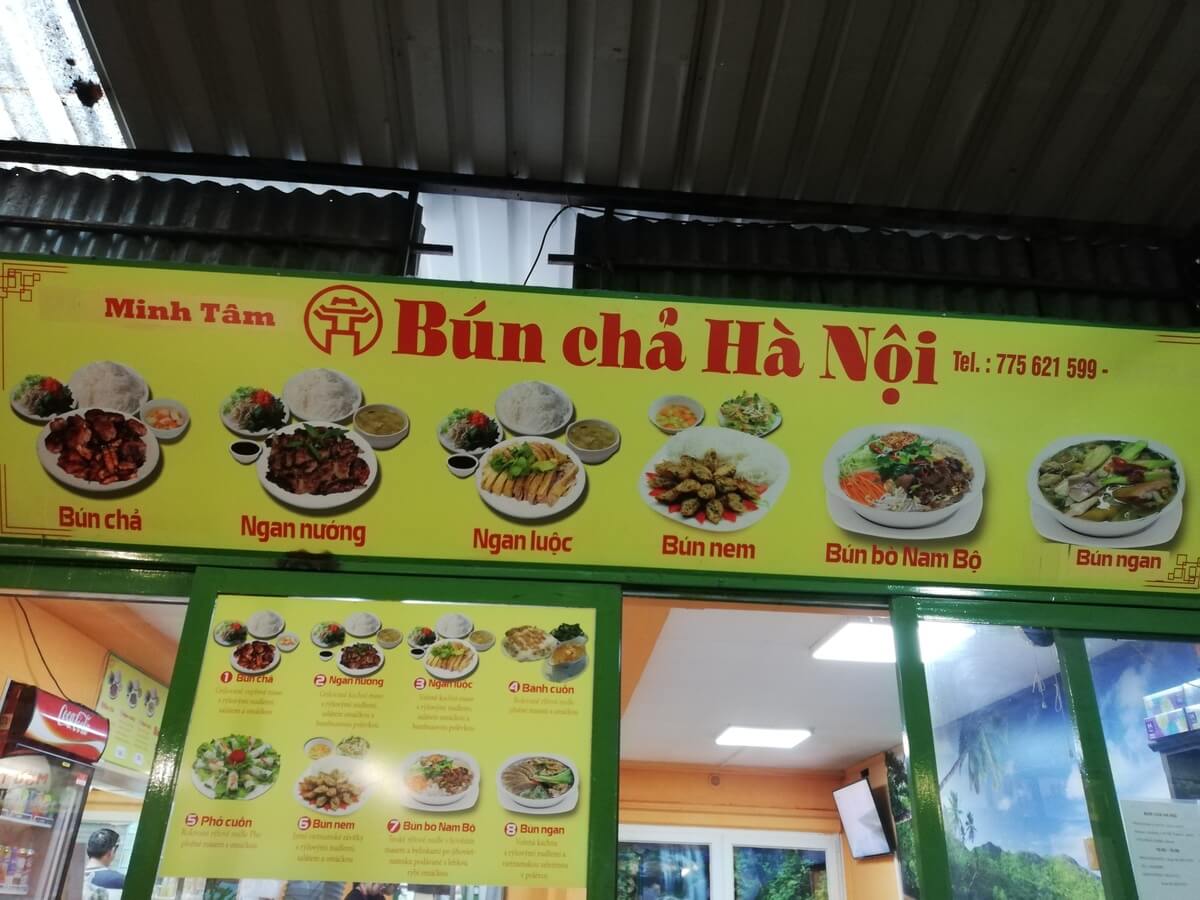

However, we stuck to the classics and started our Vietnamese lunch with the famous Vietnamese soup pho. There is chicken pho ga and beef pho ba.
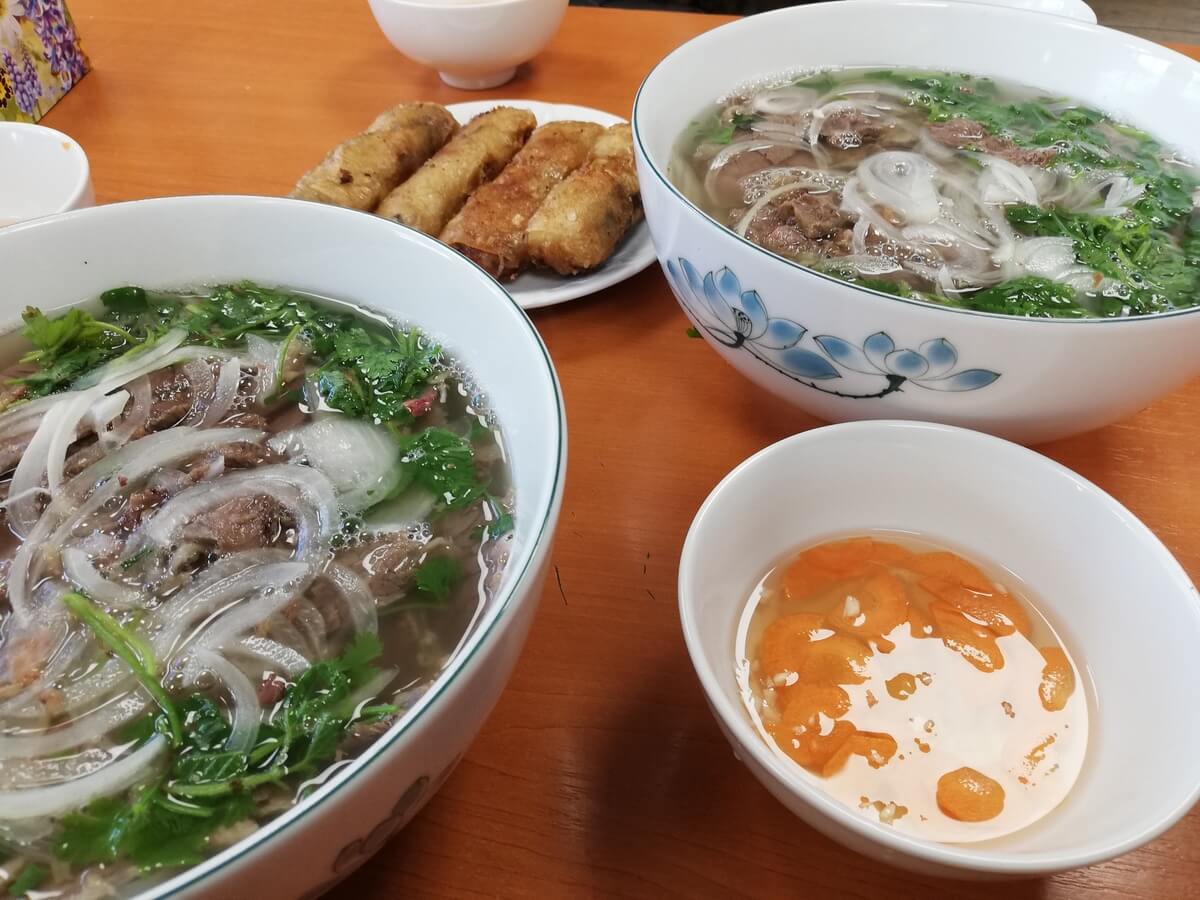
The waitress brought us the one she chose and it was outstanding. Of course, we ordered more food and, as always, enjoyed ourselves very much.
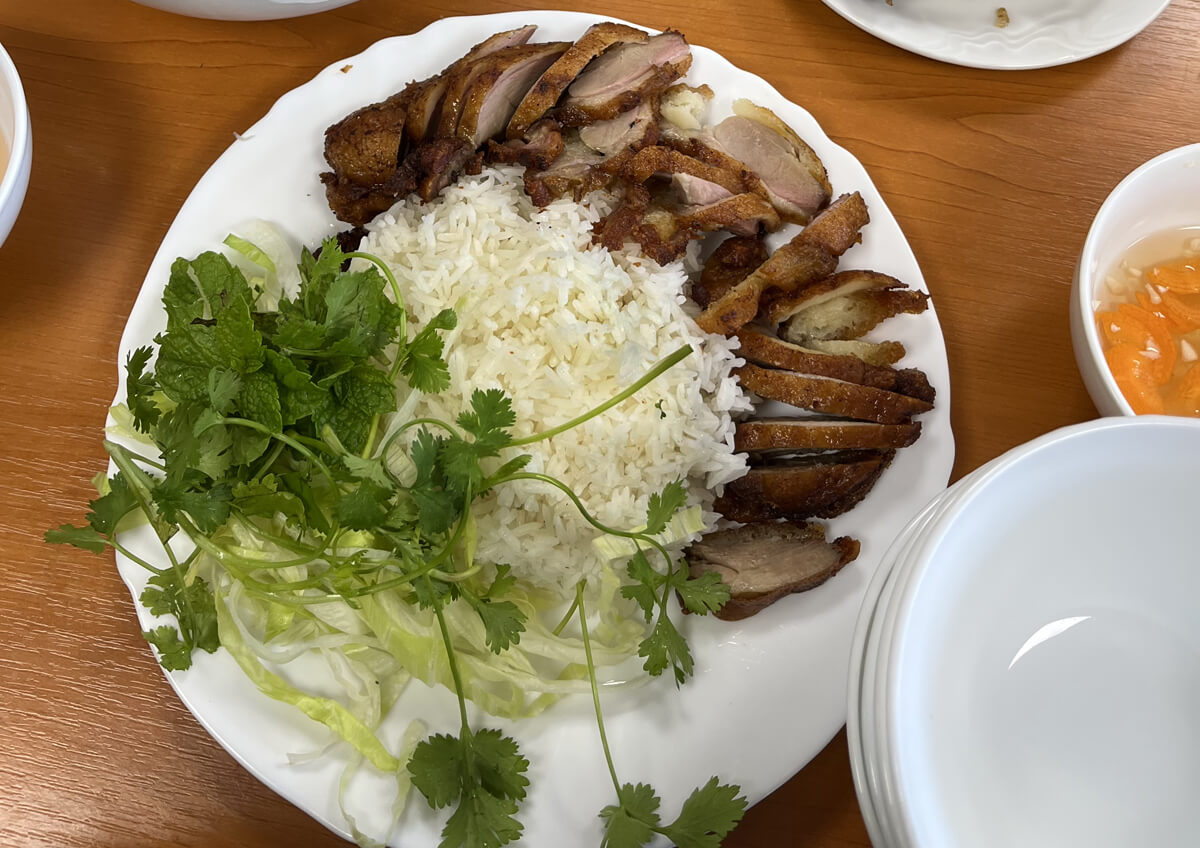
Today, you can find Vietnamese restaurants all over the city. I really enjoyed eating in such an authentic environment. I will never forget this lunch, and I learned to distinguish Vietnamese food from similar ones thanks to the huge amount of coriander, which they put everywhere.
About beer
In Prague, beer is taken very seriously. It is believed that the average Czech drinks 140 liters of beer per year. In the Czech Republic, everything can be closed, but not bars.

Beer has been drunk here since 1842, when the first sweet malt beer, which does not have much alcohol, was made. You won’t get bad beer in any bar because the beer culture is at a high level. Besides being of good quality, the beer is not expensive. The most famous Prague beer is Pilsner.
Beer service goes best with beer, such as renowned homemade ham, then pickled sausages called Utopenci with chopped onion or blood sausage. And it can also go well with this.
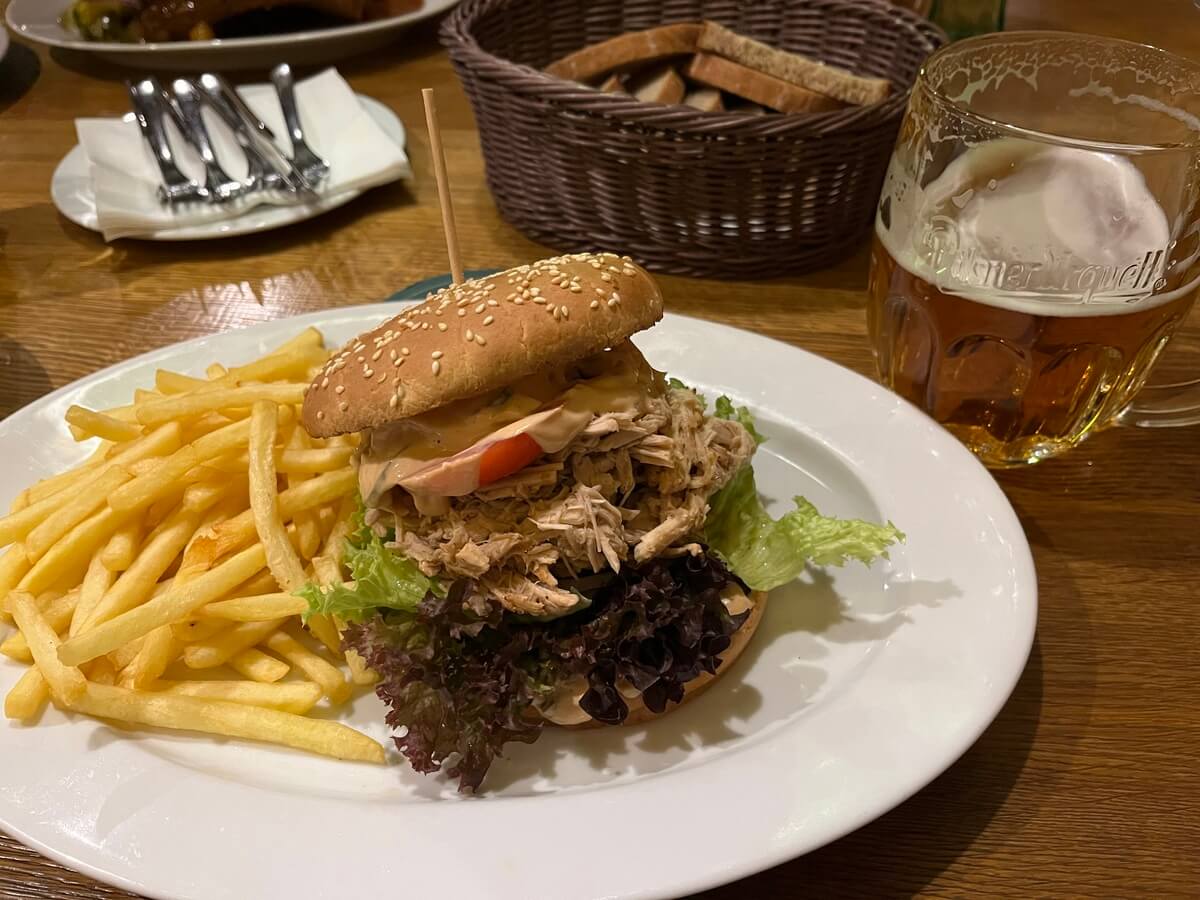
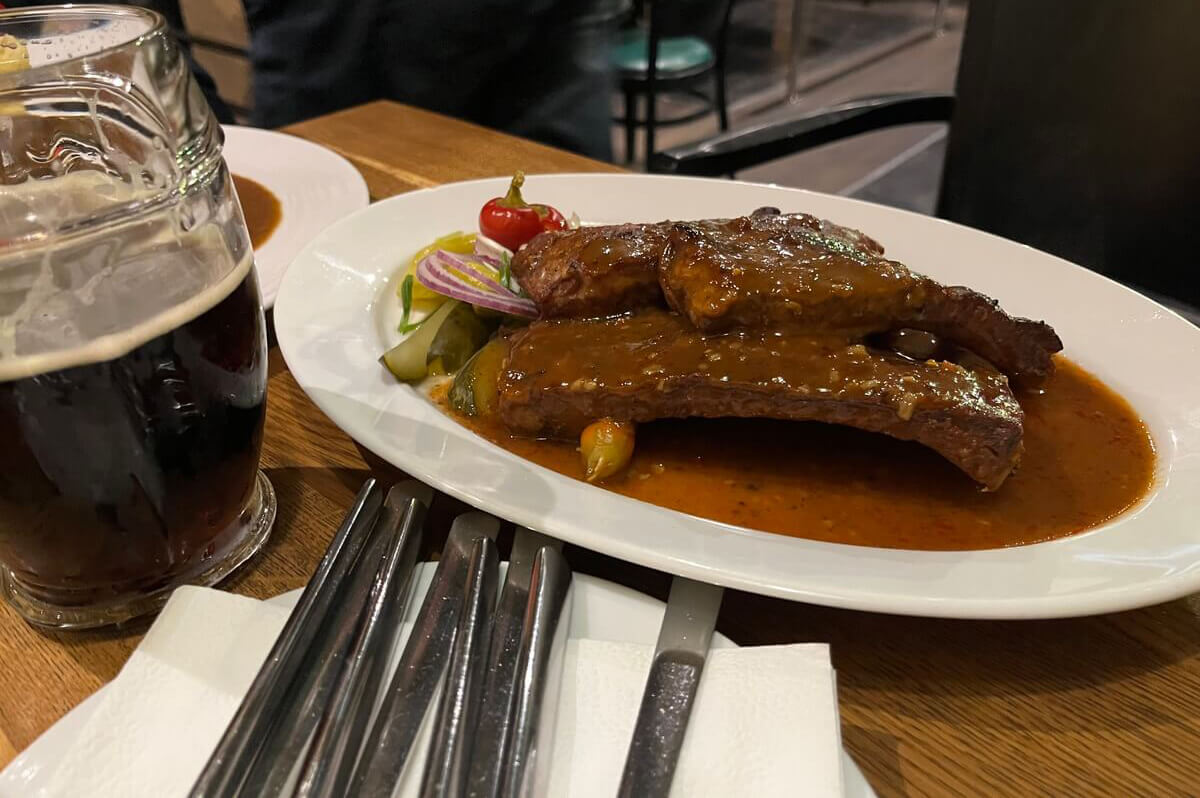
There are also some “basic” meals like goulash, steak and sausages of unknown origin. I wrote only about dishes that were interesting to me and that are part of the Czech heritage.
Conclusion
One of the main tasks in my travels is to eat only local specialties if possible. Everything I wanted to try this time, I succeeded and enjoyed it very much.

Have you tried Prague cuisine?
Did I miss something?
Traveled and enjoyed,
Marko Veličković.