They call it Florence on Elba. Schiller’s Ode to Joy was written here. It was razed to the ground in World War II. This city has a lot to show…
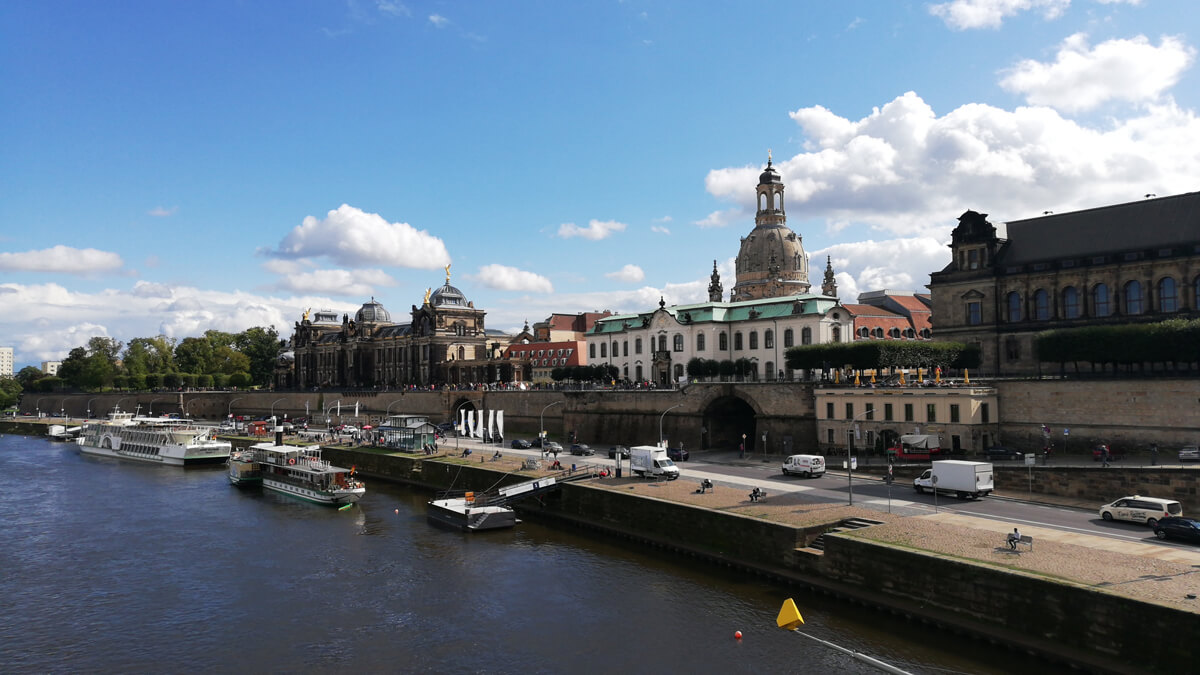
Here are my suggestions for the must-sees in Dresden and why:
1. Zwinger Palace
In Dresden, everything begins and ends with the Wattin family. They ruled Dresden, as well as all of Saxony, from the 13th to the 20th century. In the 18th century, their most powerful ruler was August the Strong, King of Saxony and Poland.

It was said that he could bend a horseshoe with his bare hands, so his nickname was completely fitting. He was also a great lover, who left behind as many as 370 children for whose mothers, as a sign of gratitude, he built luxurious palaces. Because of them, Dresden, during his reign, was the most beautiful city in Saxony.
The real truth is different, however, as far as palaces are concerned.
The king simply loved art and luxury. He traveled around the world and brought back various works of art, which had to be placed somewhere. That’s why he ordered that, following the example of Italy and France, luxurious palaces were to be built in which these rare art objects would be housed. And so we come to the first suggestion, what to visit in Dresden, which is the Zwinger Palace.
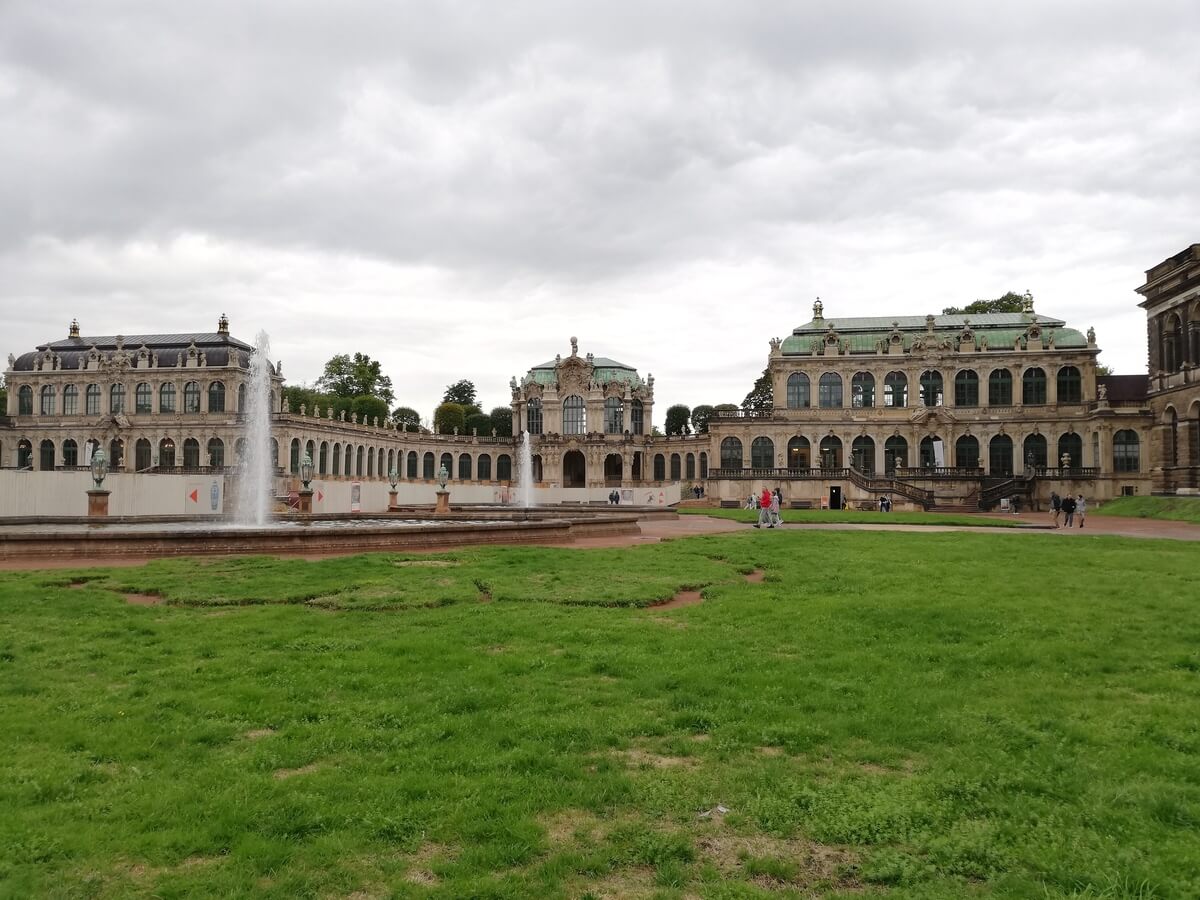
This baroque complex, modeled after Versailles, was built in the 18th century by Auguste Jacques, after returning from a trip to France and Italy.
Today, there are three important museums here, such as the Gallery of Old Masters. It houses, among other things, the works of Van Dyck, Rubens and Raphael. There is also the Porcelain Museum, which contains the most valuable examples of Meissen porcelain and porcelain from Asia, as well as the Cabinet of Mathematical and Physical Instruments, which once helped scientists in discovering the secrets of the universe.
The entire complex was built in Rococo style and is located across the street from the Dresden castle. I wrote about Zwinger Palace in this post.
2. Dresden castle
This palace is one of the oldest buildings in Dresden. It was originally built in 1200 and was intended for the rulers who ruled Saxony from the 16th to the 19th century.
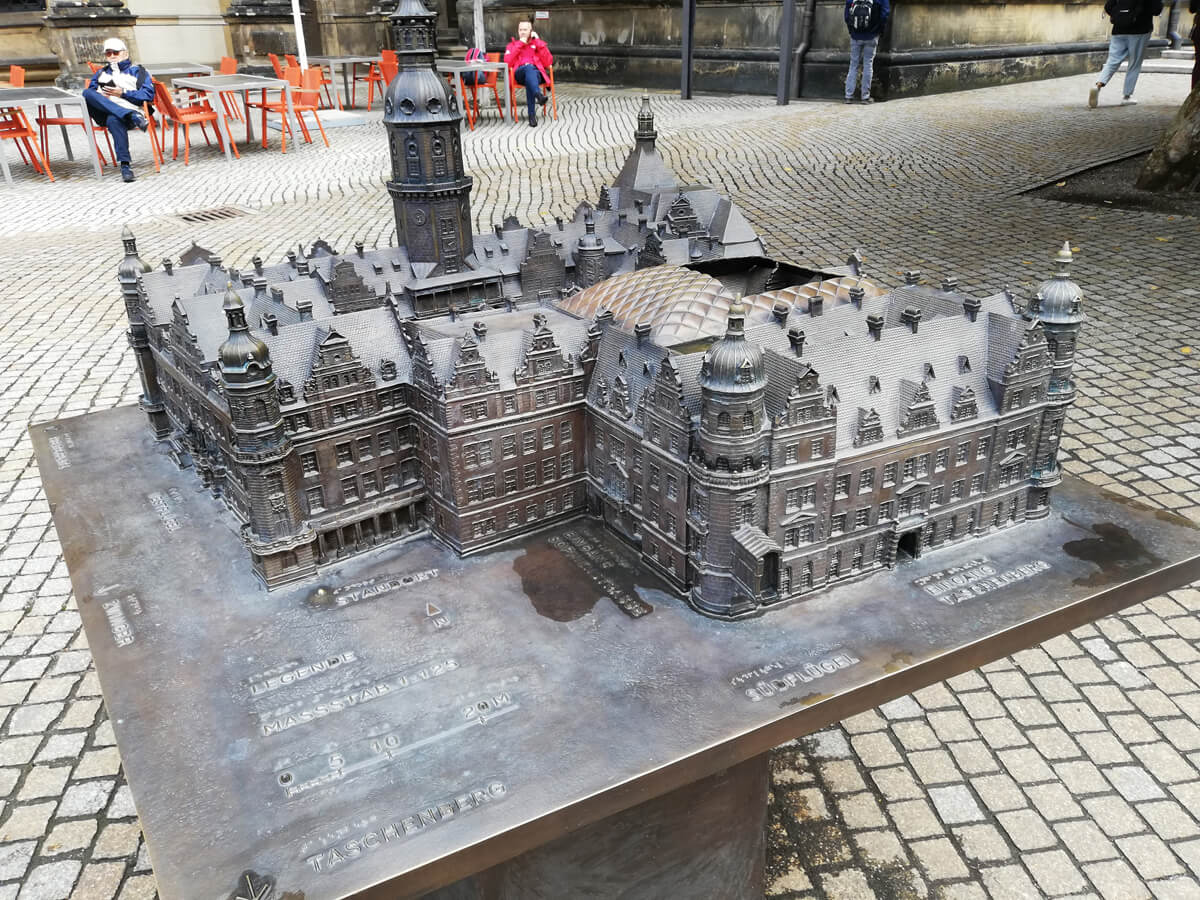
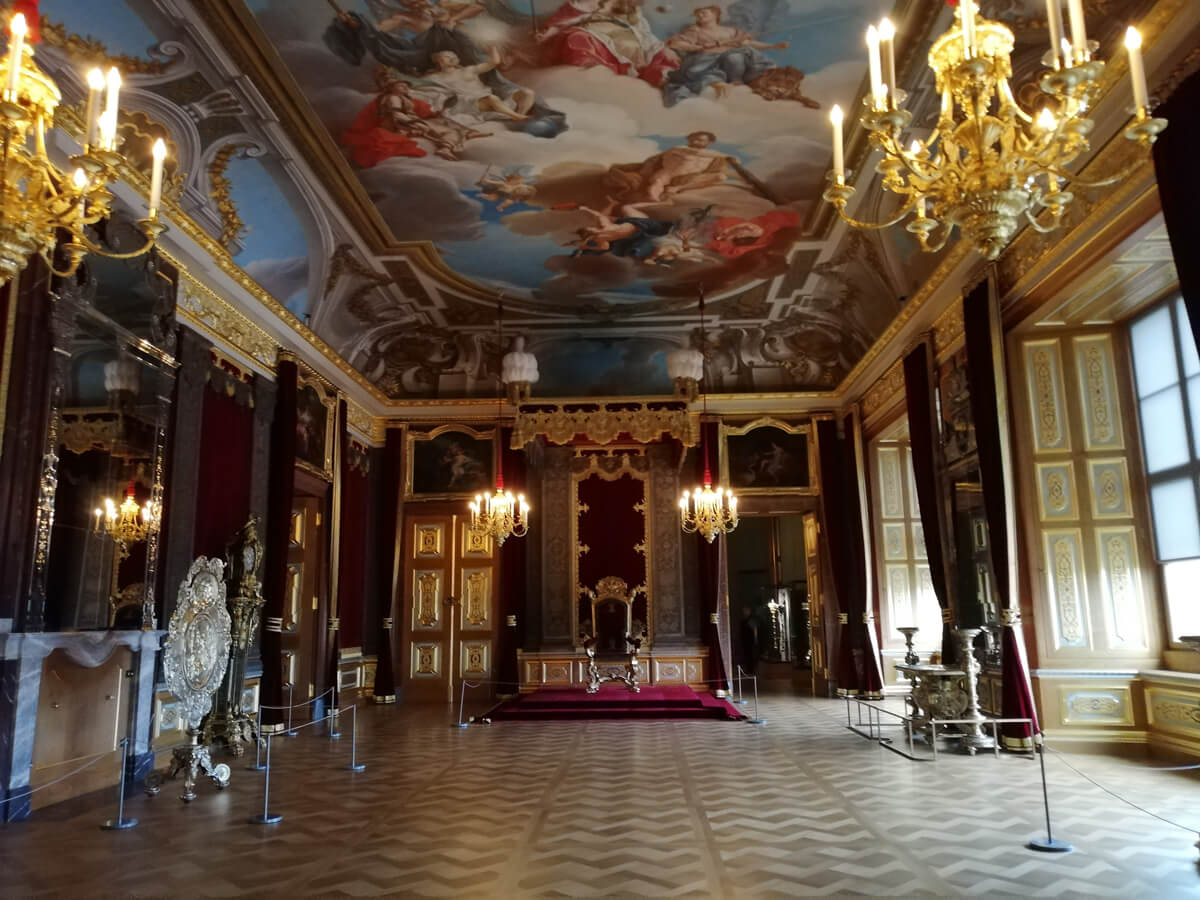
Today, there are no rulers here, but some of the most important museums in Dresden are located here, such as the Green Vault and the Numismatic Cabinet.
Also, the castle houses an enviable collection of ceremonial weapons with a Turkish section. It is considered one of the most important collections of Ottoman art outside of Turkey. You can read more about Dresden Castle here.
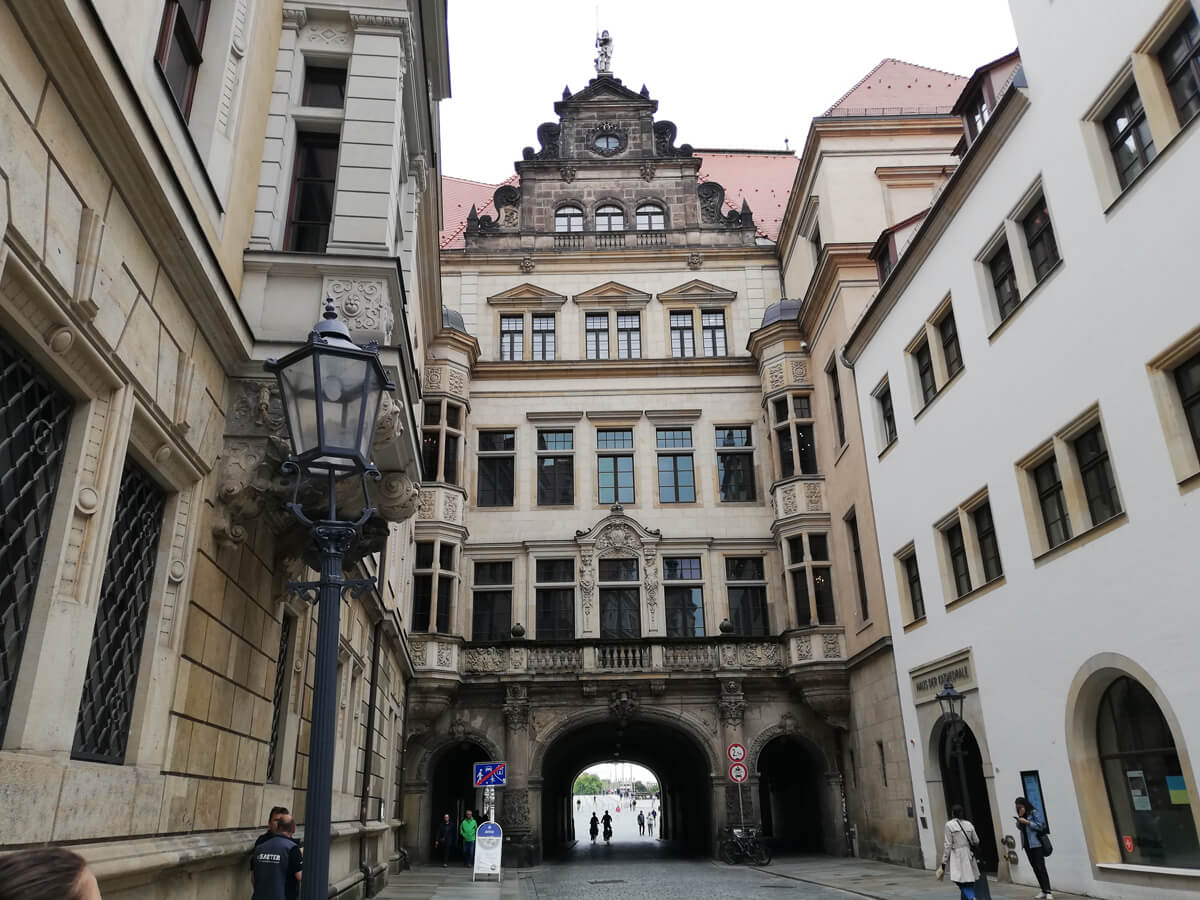
If there’s only one thing you have time to visit, it’s the famous Green Vault. One of the largest collections of jewelry in Europe is stored there. Almost 4000 items of priceless value. I wrote about it here.
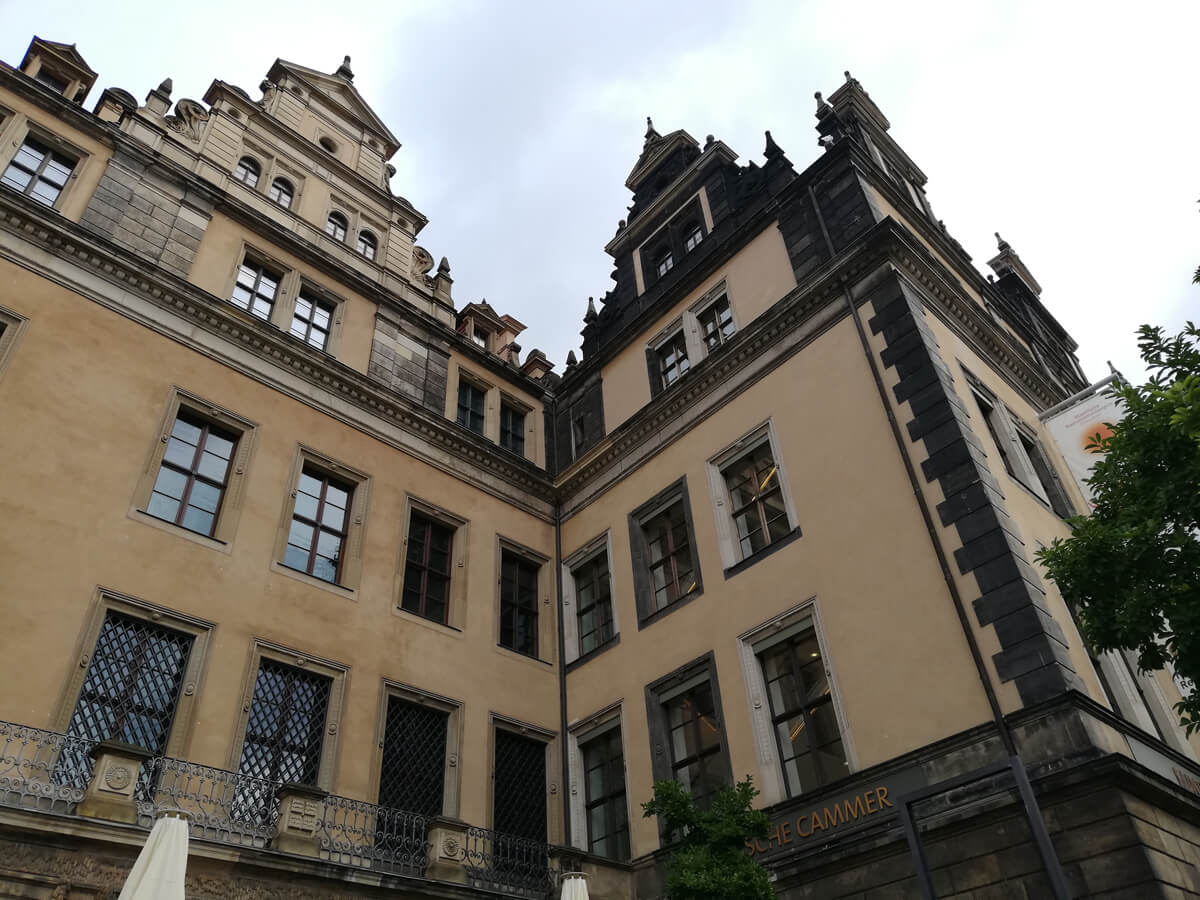
The collection also includes the famous 41-carat Dresden Green Diamond. It is considered the largest green diamond in the world. That’s why it’s no wonder that one of the biggest robberies happened here, when the notorious “Pink Panthers” managed to rob part of the treasure. I will write about the green vault in more detail in another post.
3. Taschenberg Palace (Taschenbergpalais)
Across from the castle, there is the Taschenberg Palace
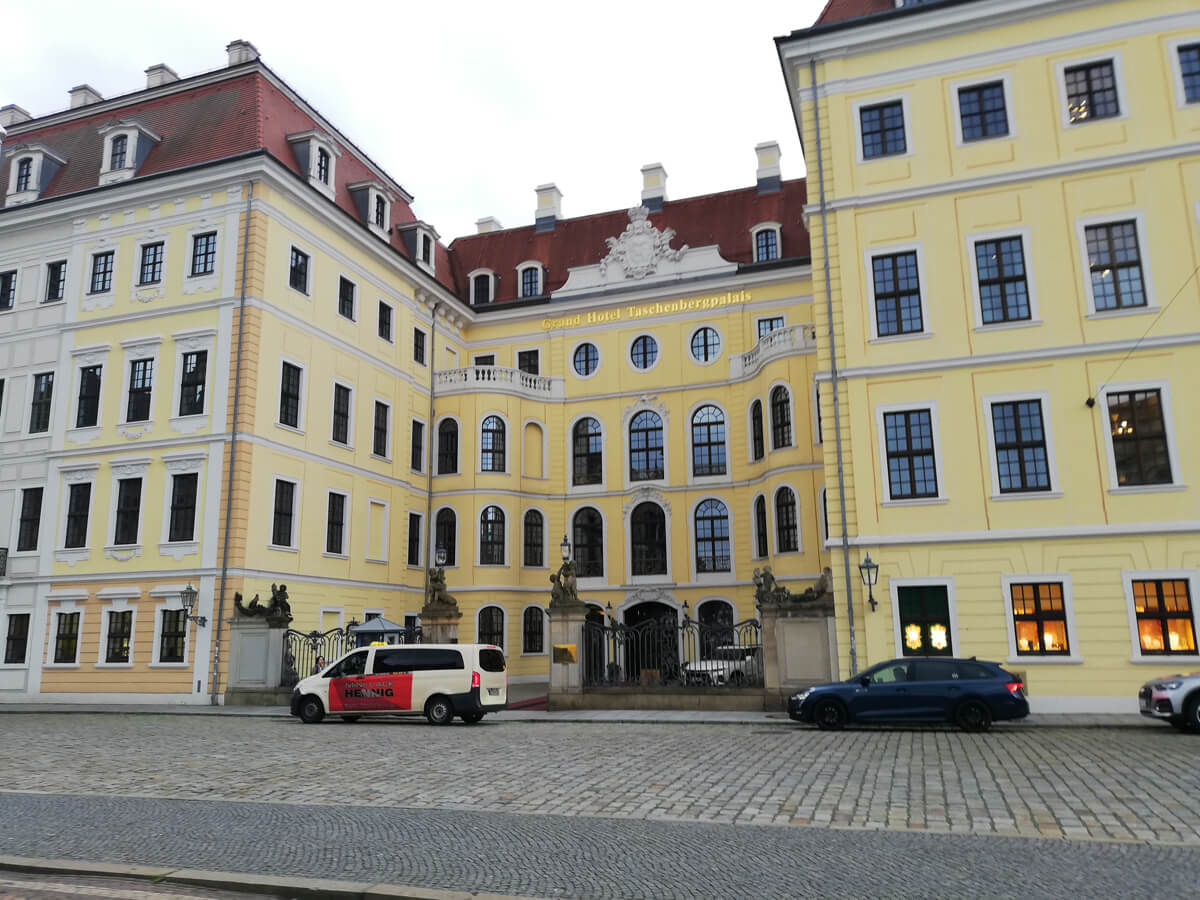
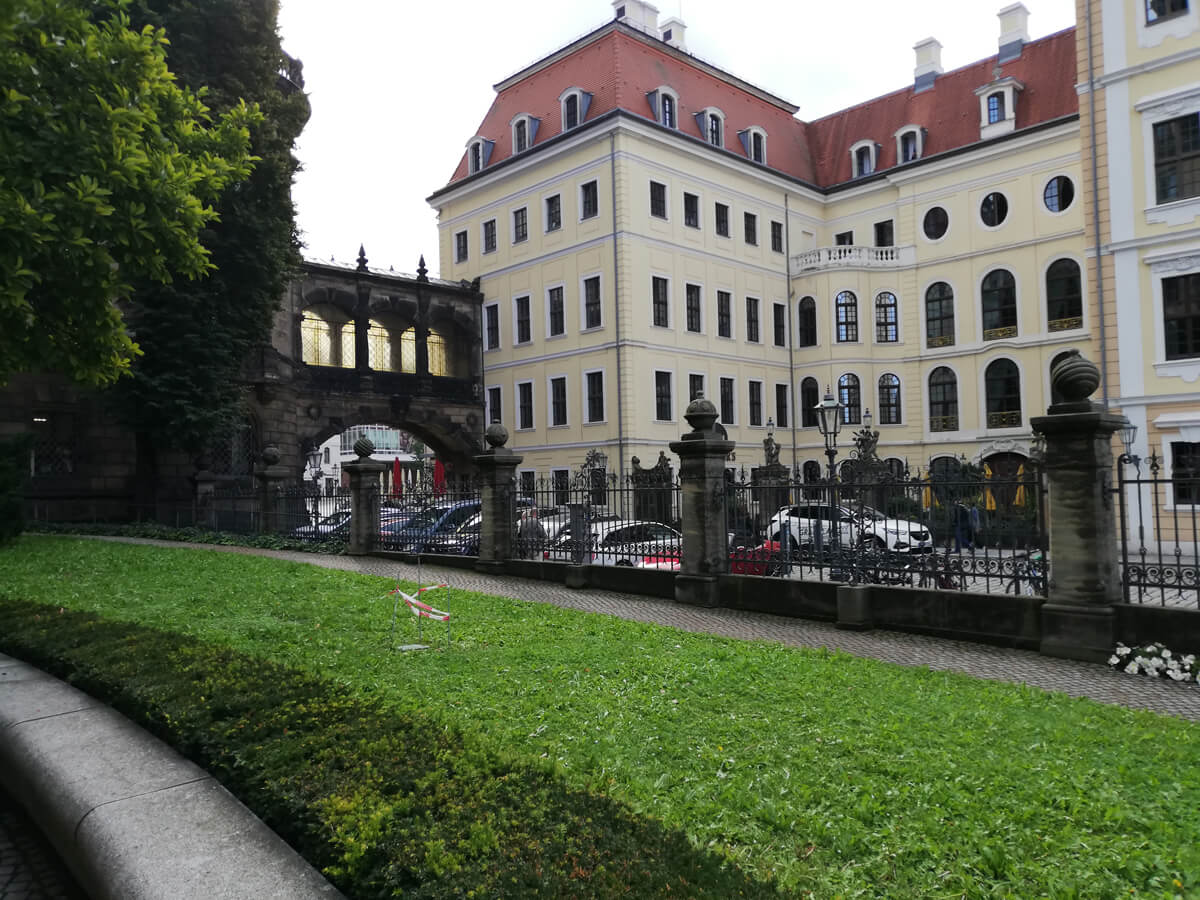
It was built in 1705 for the most beloved lover of Augustus the Strong, Countess Anna Constance von Holm, and was connected to the castle.
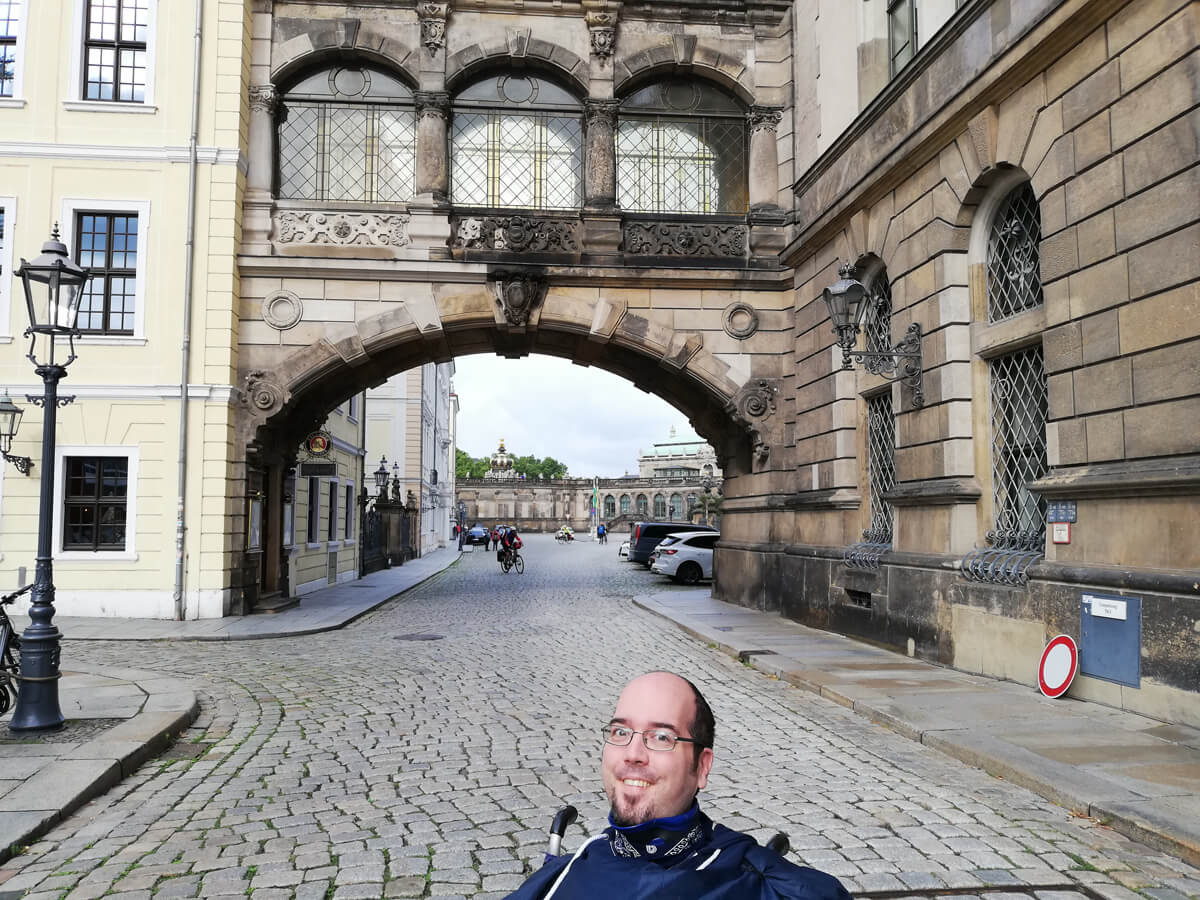
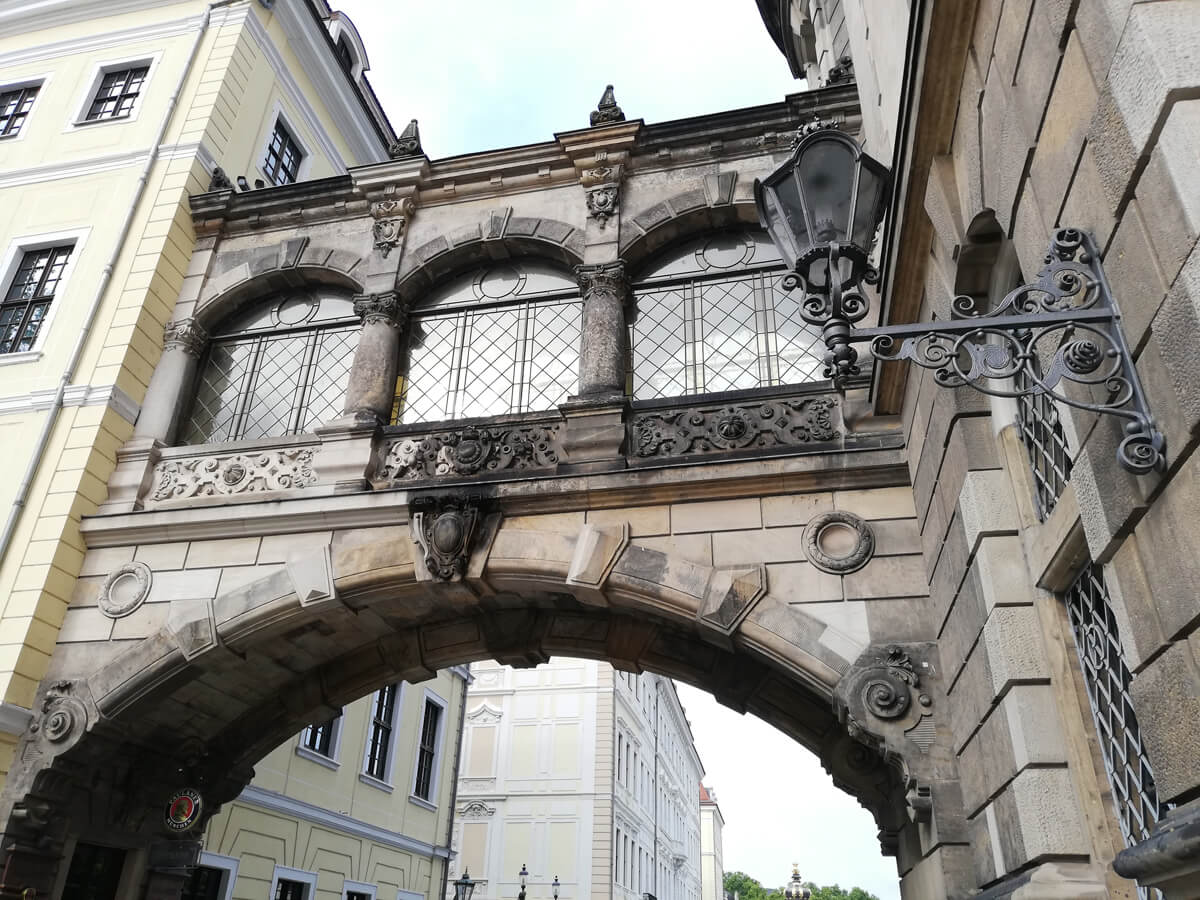
In World War II, the hotel, like most of the city, was razed to the ground, but was later rebuilt for 128 million euros. Today it is a place where famous people stay.
4. Church of the Virgin Mary (Frauenkirche)
Another attraction in Dresden is this Lutheran church, built in the 18th century.
The first recital on her organ was given by one of the greatest composers, Johann Sebastian Bach. The church dominated the Dresden panorama, until in 1945 it was completely demolished, like the rest of Dresden, during the Allied bombing.
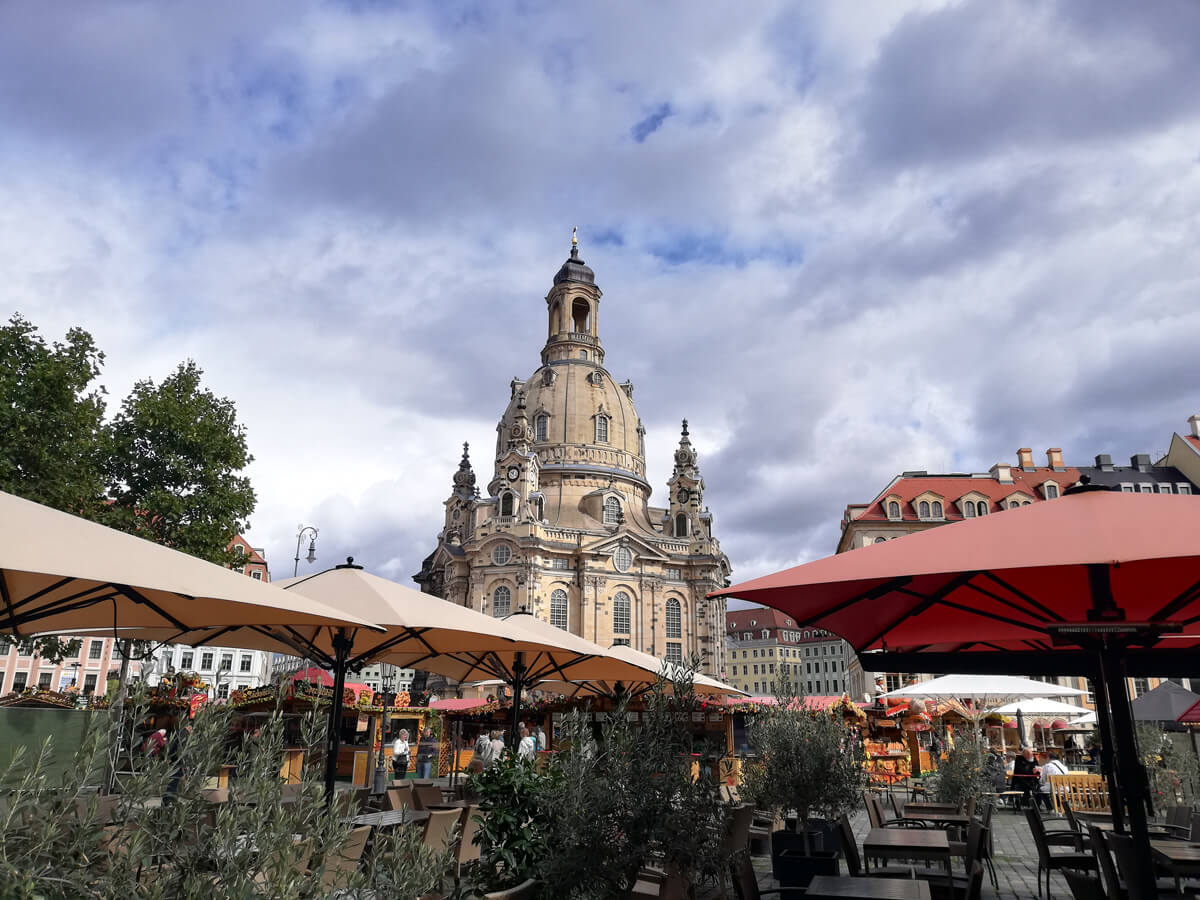
After the war, the inhabitants of Dresden collected parts of the church, hoping that better days would come and that the church would one day be rebuilt. That’s why, when you look at the church from the outside, you can see lighter and darker blocks. They represent a combination of old and new.
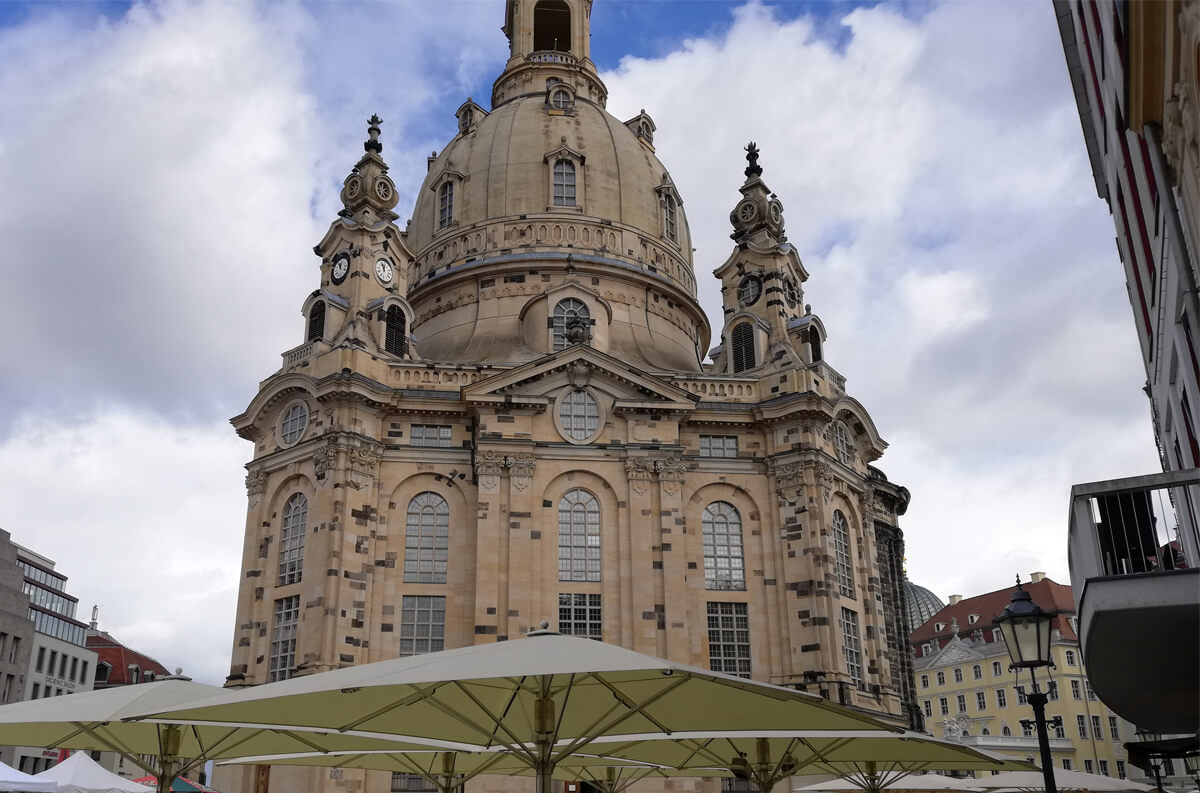
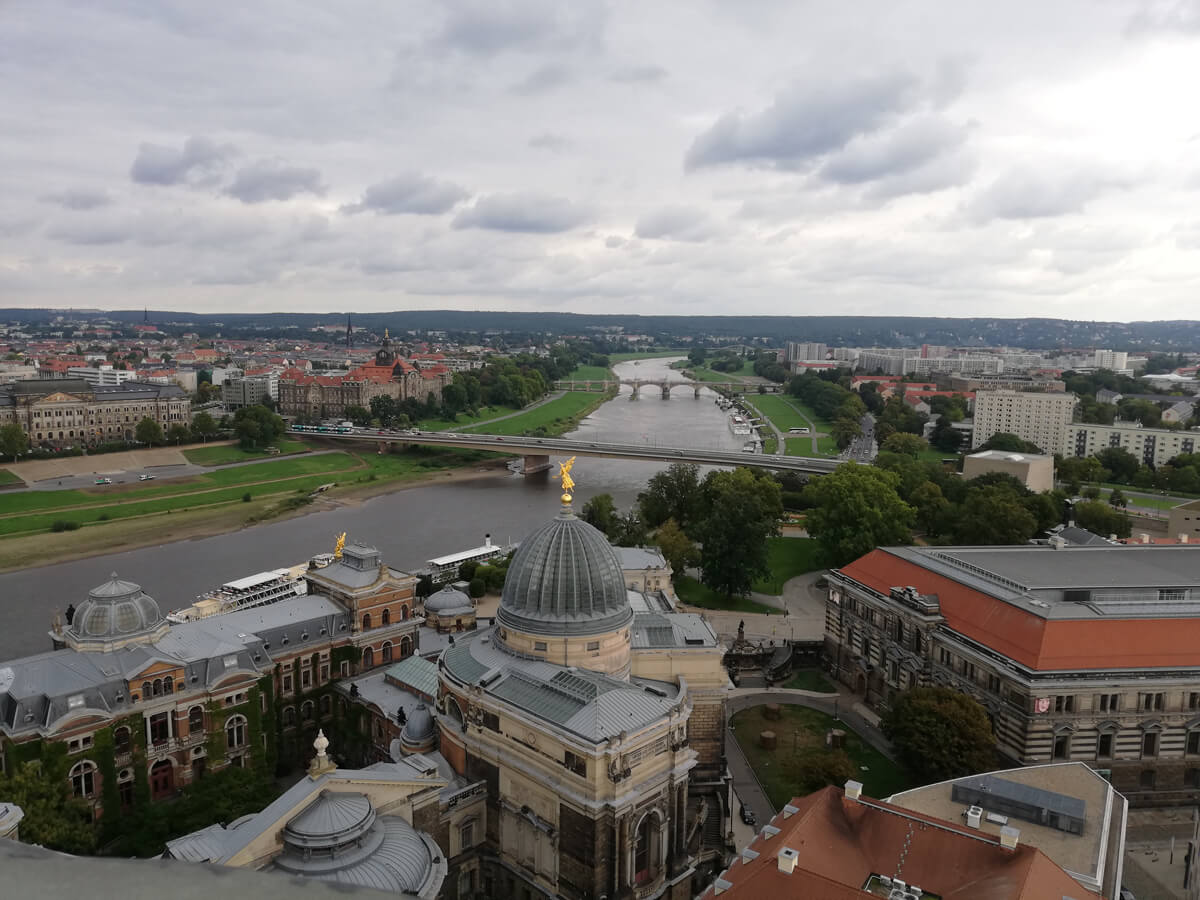
By the way, you can visit the dome of the church and from there you have a magnificent view of the city, which I will write about in more detail in another post.
In the winter months, fairy-tale Christmas markets and numerous festivities are held here.
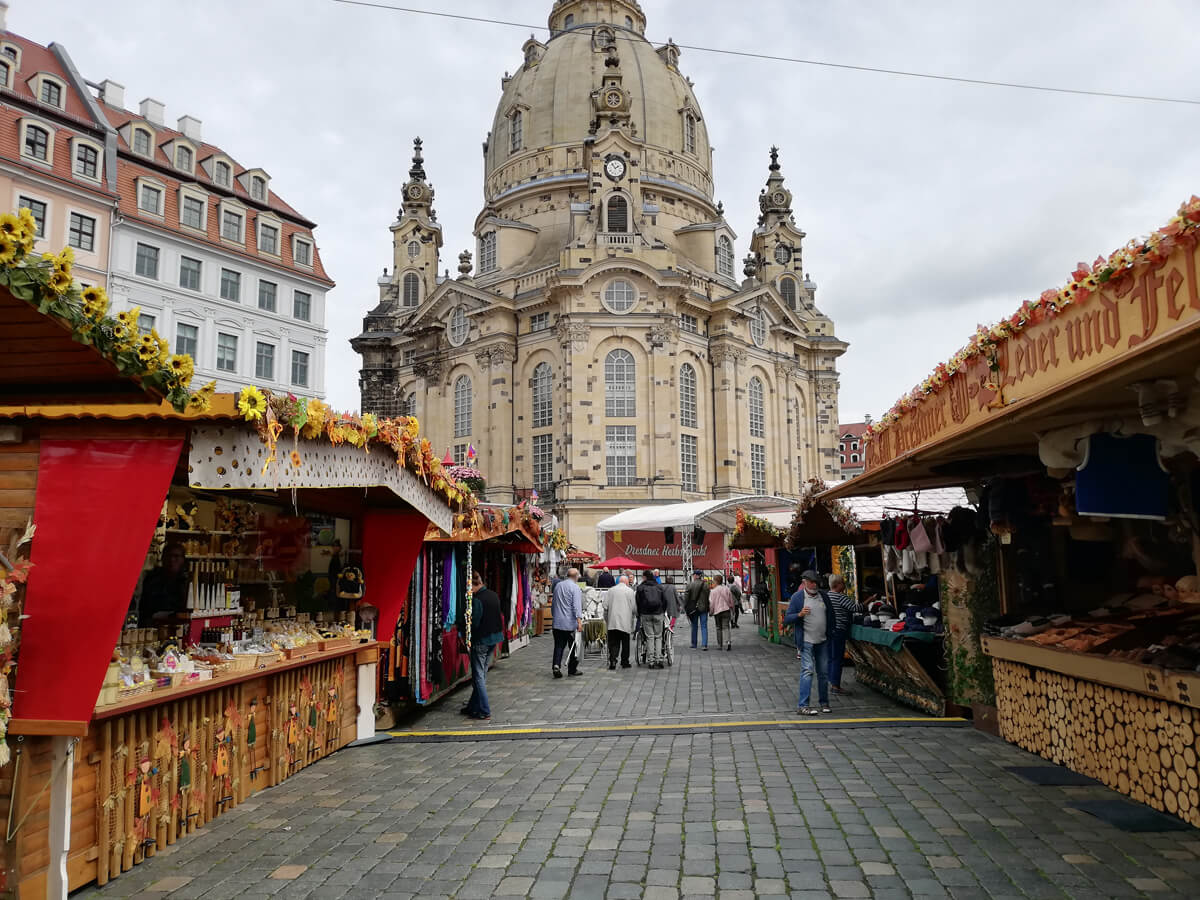
5. Schloßplatz
The main square in Dresden is where all city walks start or end.
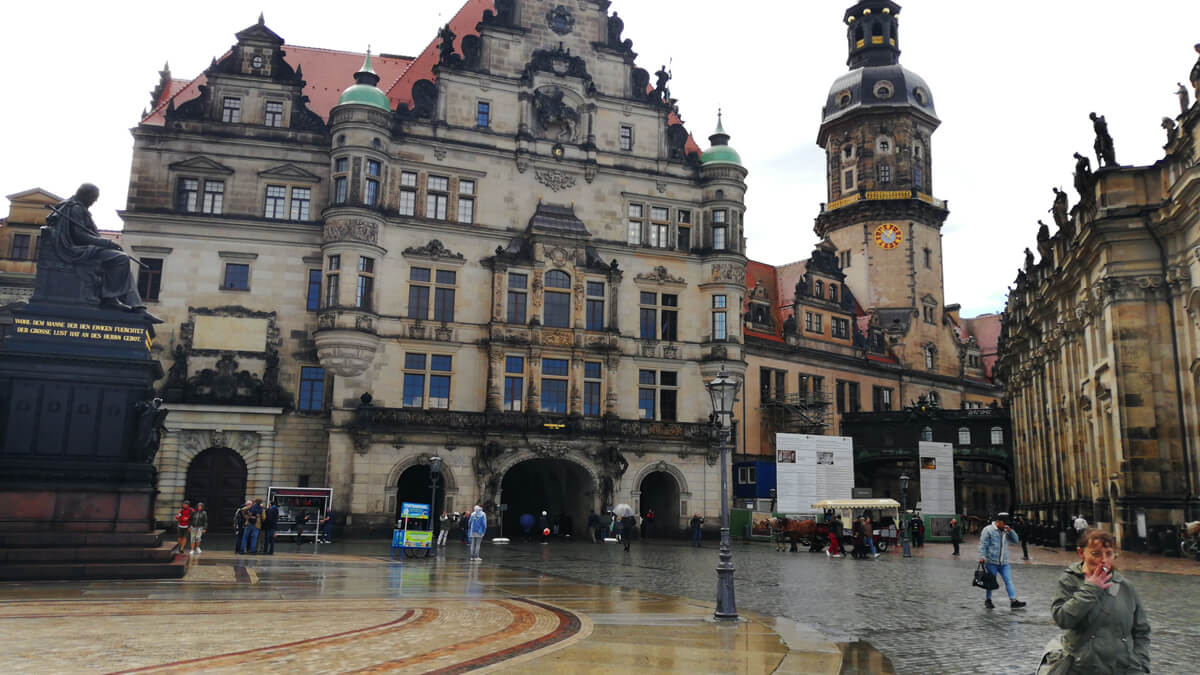
Here, there are: Saxon House, Princes’ Procession, Brühl’s Terrace and the Cathedral.
6. Saxon House
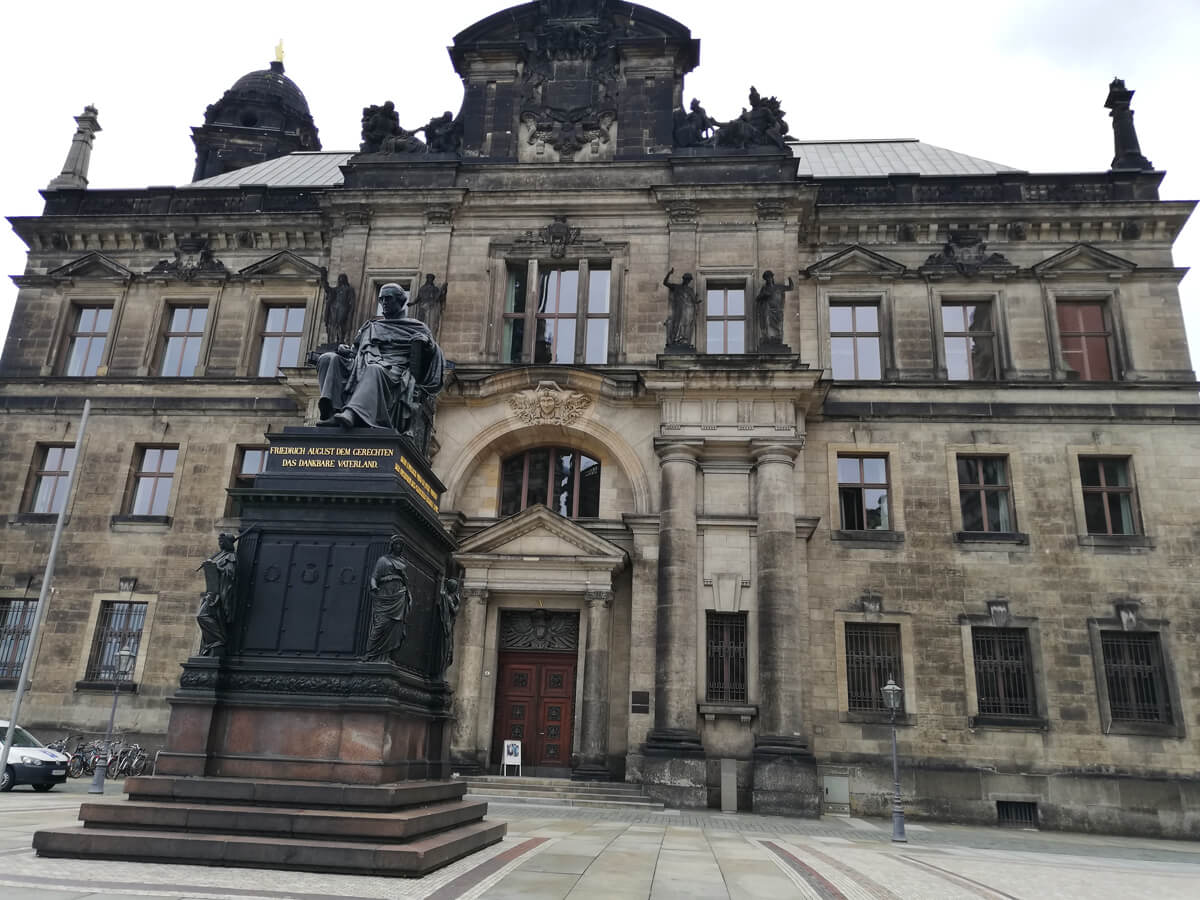
This 115-year-old building was once the Saxon Parliament. Today it has a different purpose. In front of it stands a statue of Frederick Augustus, who was the king of Saxony and Poland in the 18th century.
7. The Procession Of Princes (Fürstenzug)
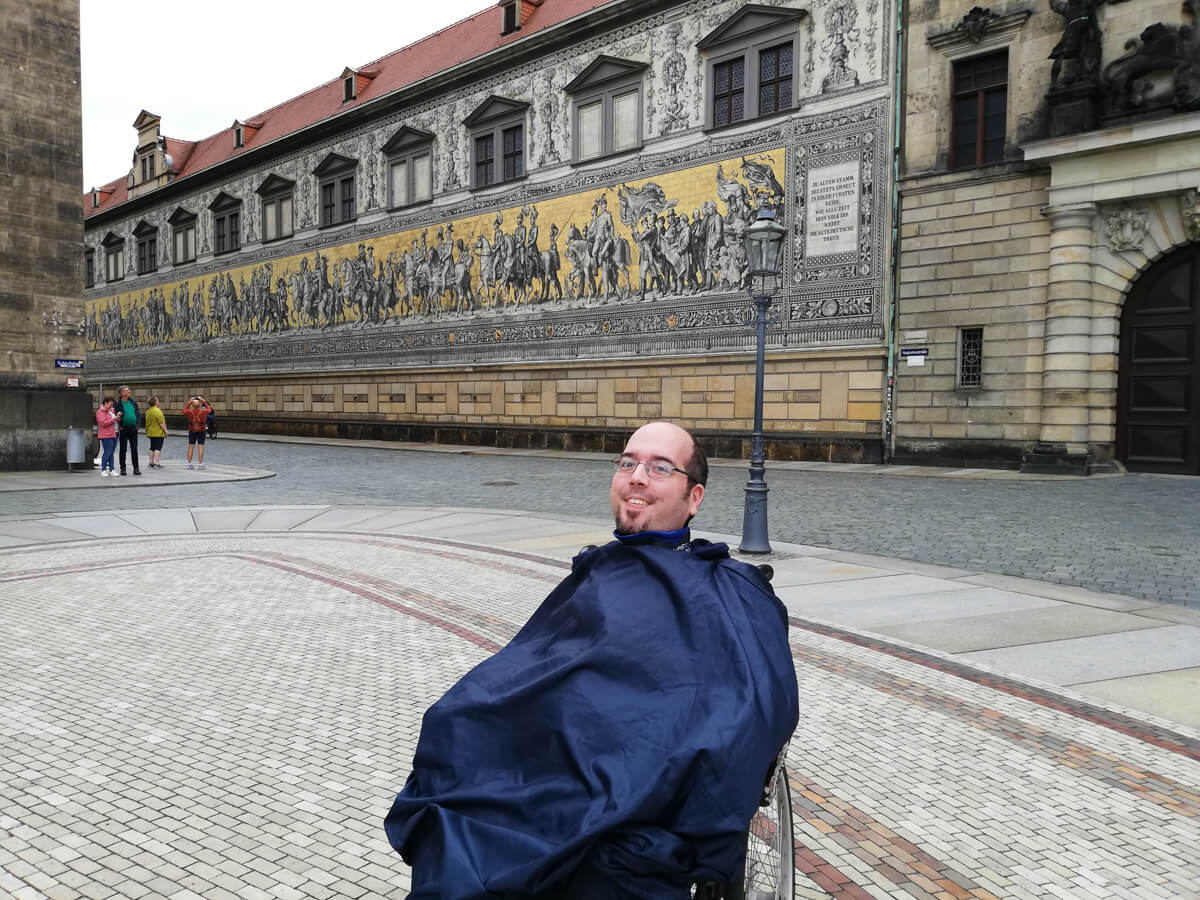
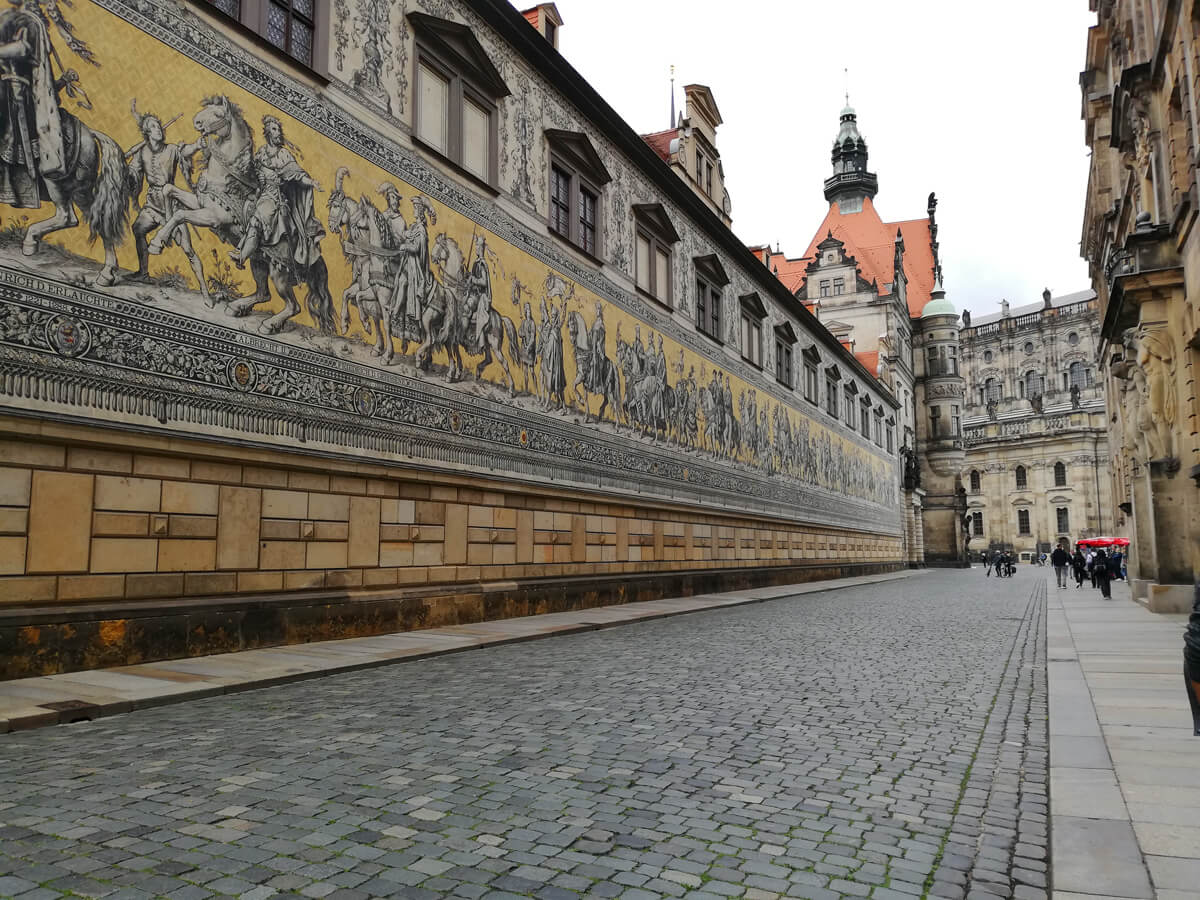
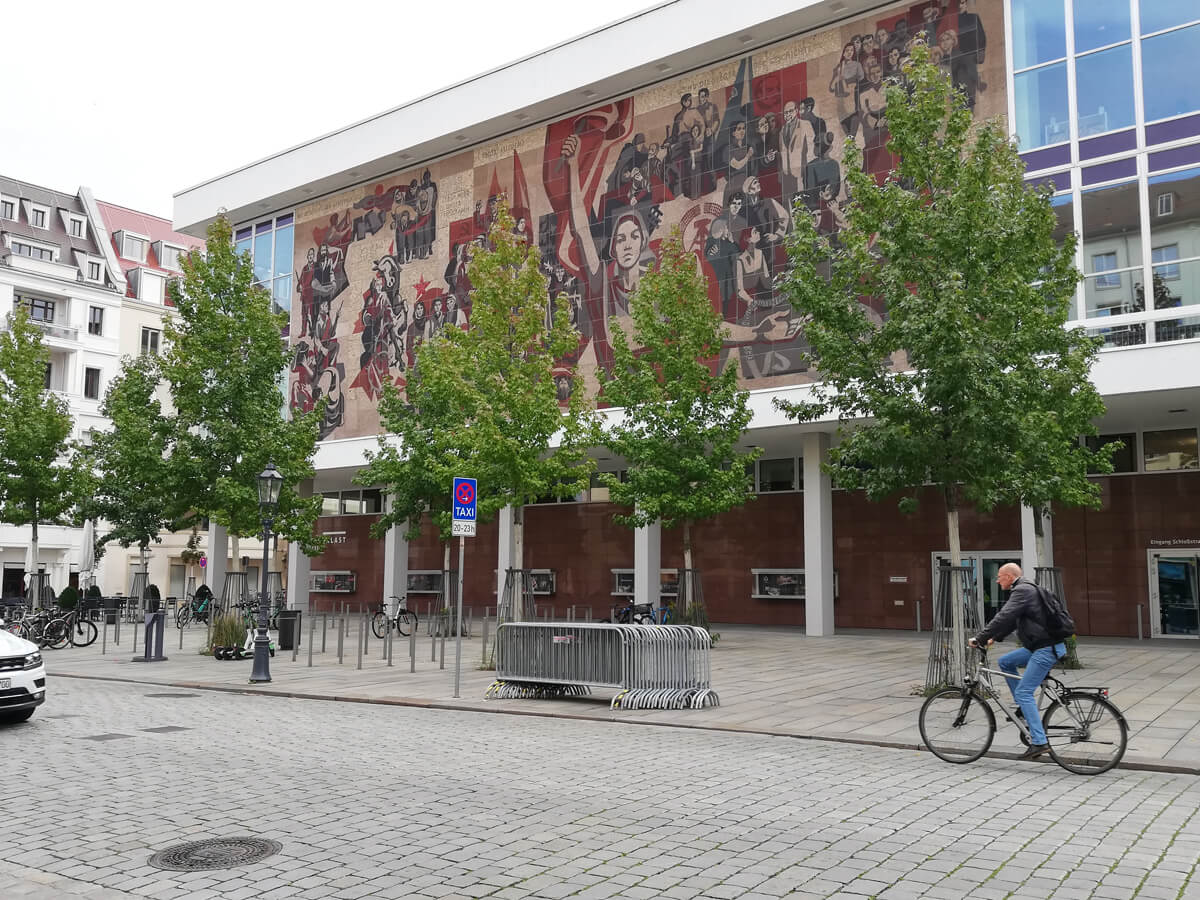
One of the largest mosaics in the world. Originally painted in 1870 to celebrate 800 years of reign of the Royal House of Vetin. It is composed of 25,000 porcelain cubes from Meissen, 102 meters long, and depicts the procession of the rulers of Saxony, who ruled from the 12th to the 20th century.
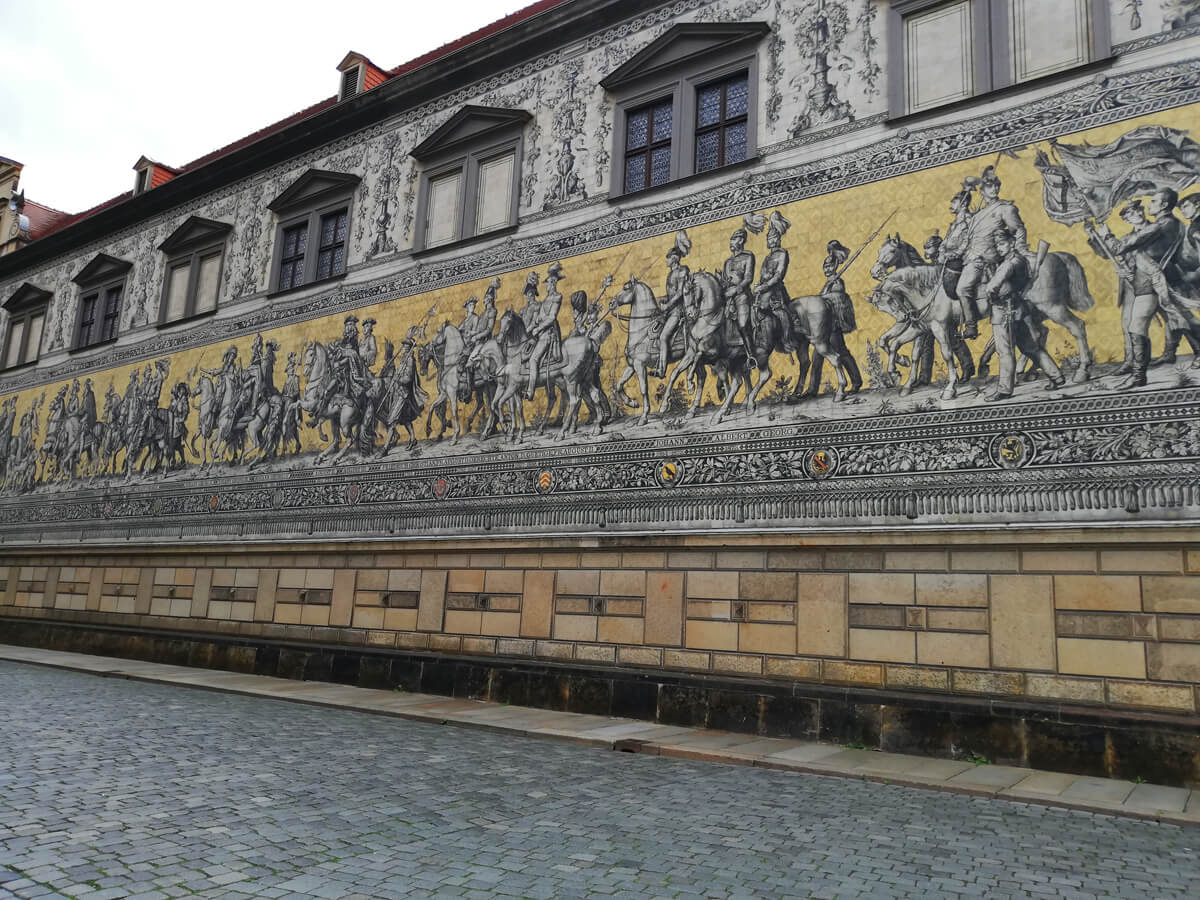
More precisely, 35 rulers from the royal house of Vetin, then prominent representatives of science and art, and the creator of this mosaic himself found his place on the wall. He is shown as the last in the procession.
At the end of the mural we see a frame with a text that says: “You old tribe, be again and again in the noble ranks of princes, because your people always give you the old German loyalty”.
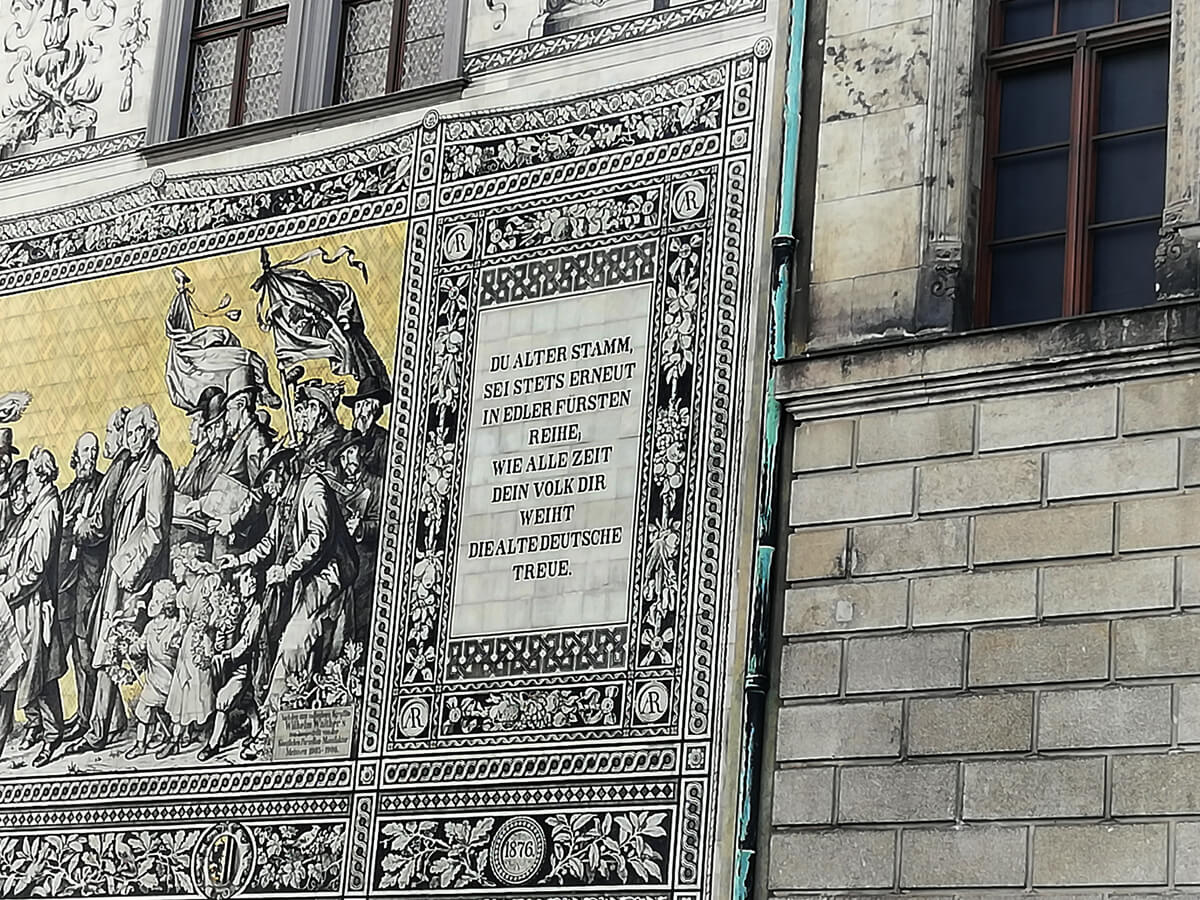
The original mural was painted, but since it faded over time, it was replaced by a mosaic in the 1900s. During the Dresden bombing, it suffered minimal damage, which is a real miracle.
8. Royal stables
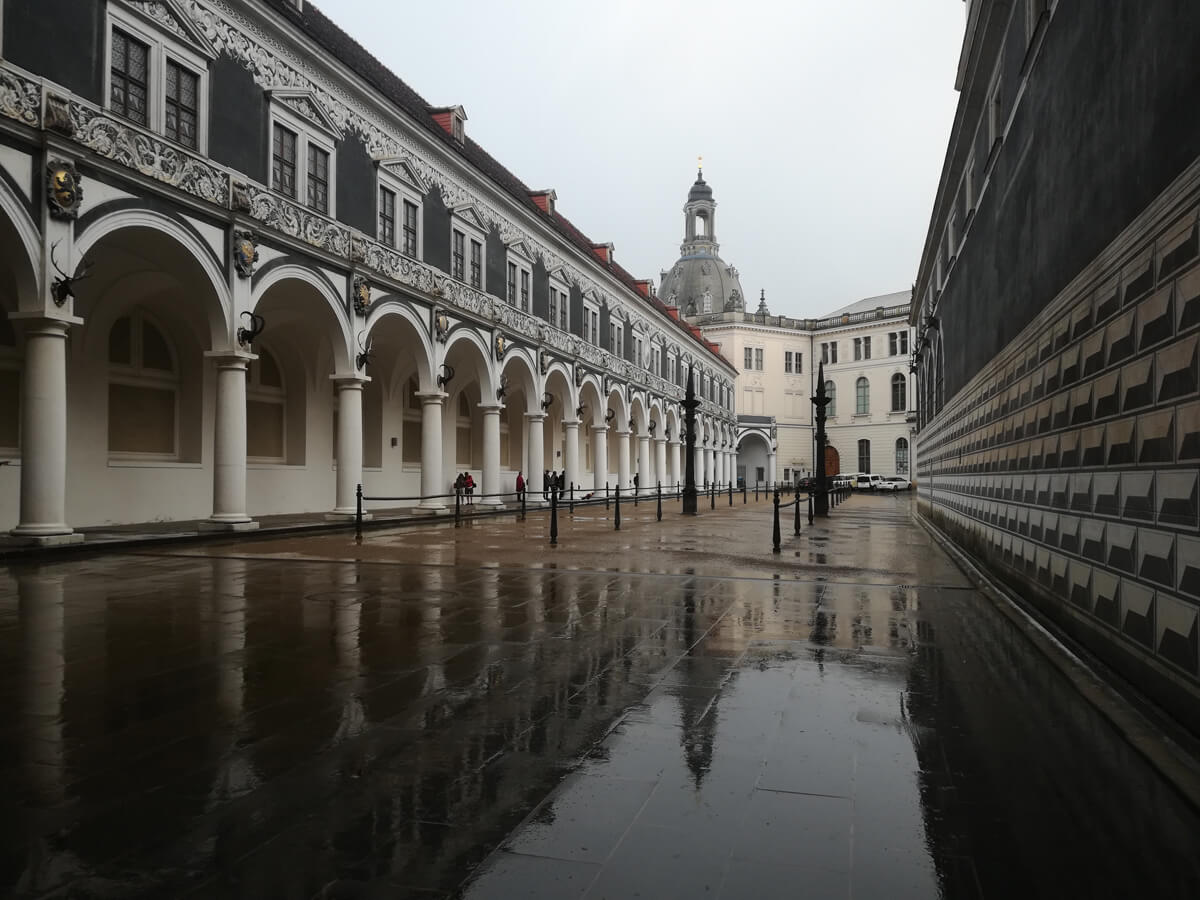
These stables adjoin the castle. They were once used to hold tournaments, back in the 15th century. This is where the Dresden elite gathered for fun and socializing.
9. Brühl’s Terrace
Brühl’s Terrace is a 500 m long promenade with a panoramic view of the Elba River.
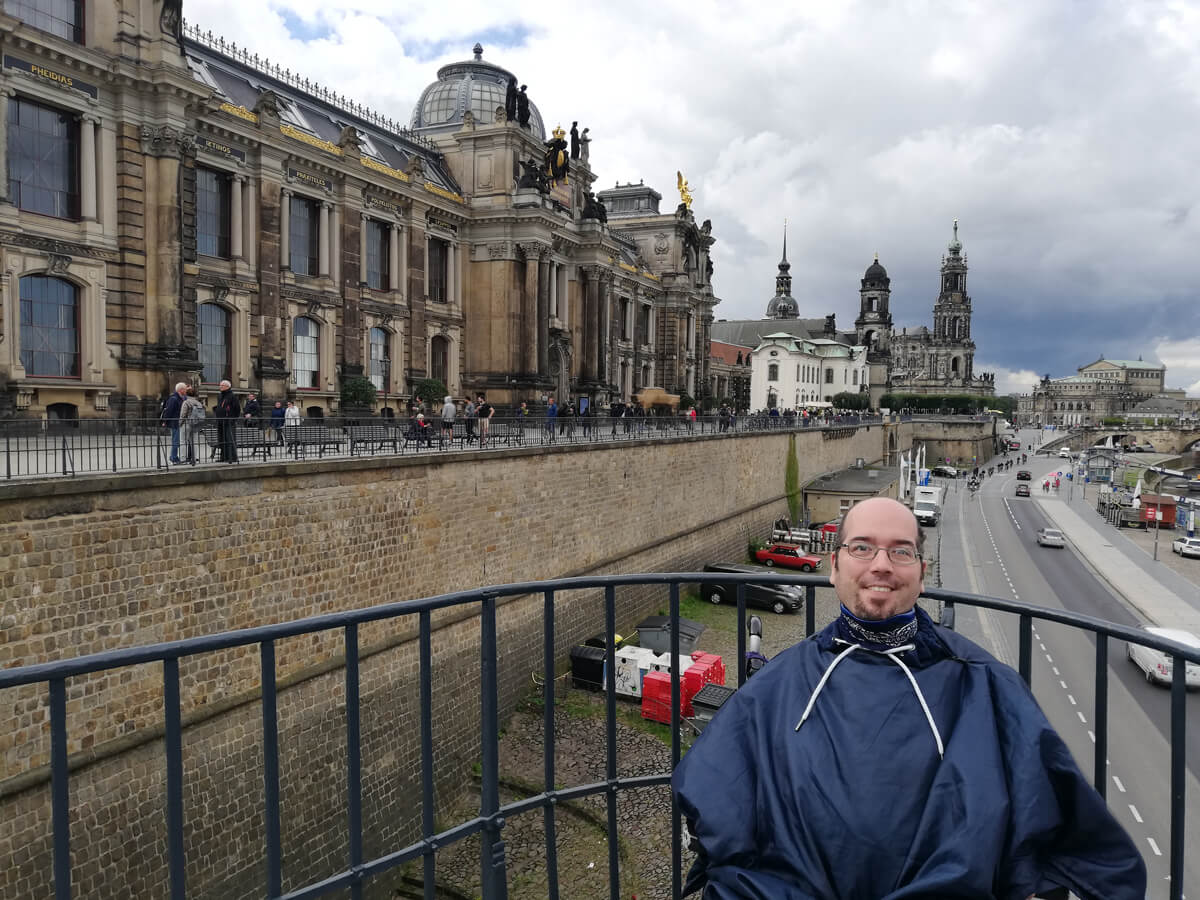
It is also called the Balcony of Europe. It used to be part of the city’s protective walls, but between 1739 and 1748 it was turned into a public garden. The terrace offers a wonderful view of the new part of the city.
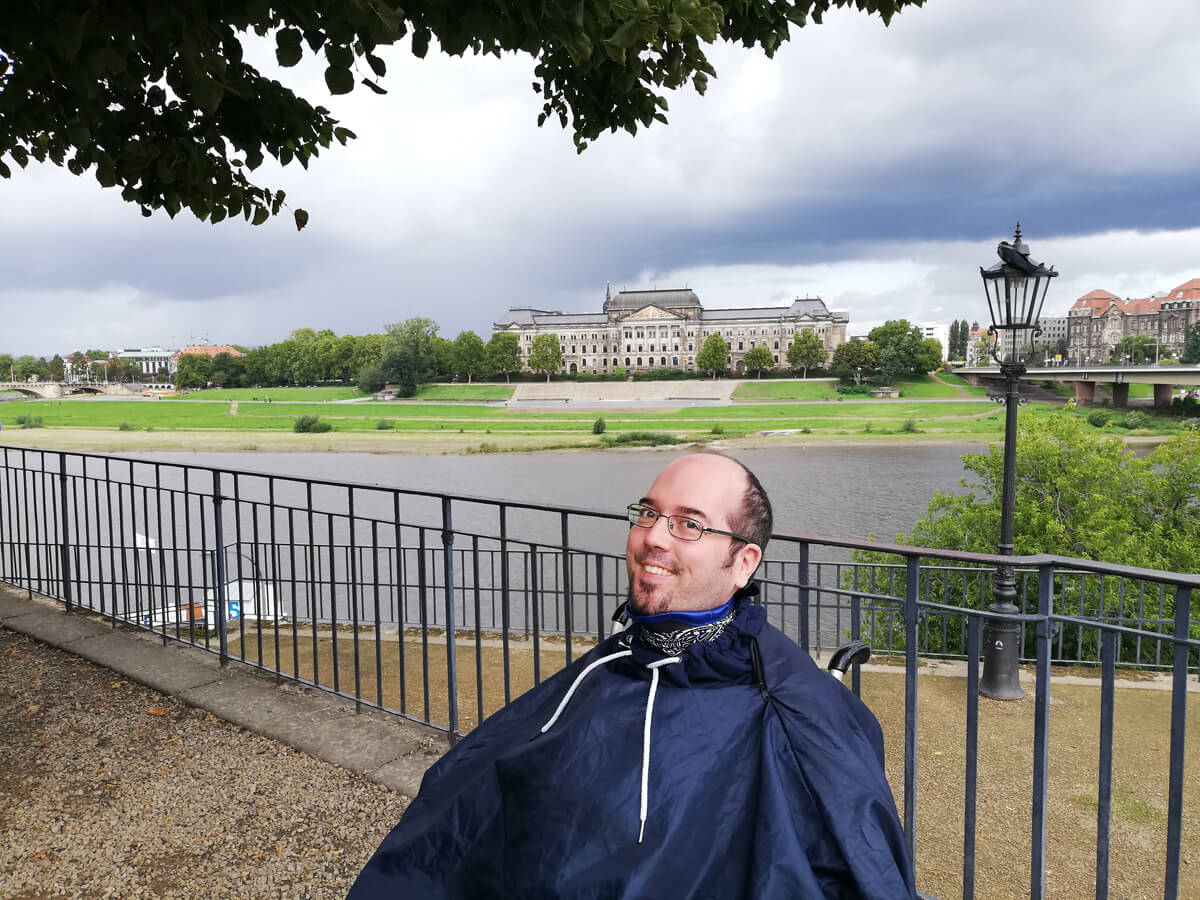
It was named in the 18th century after the statesman Heinrich von Brühl, who was one of the chief ministers and a close friend of Augustus III.
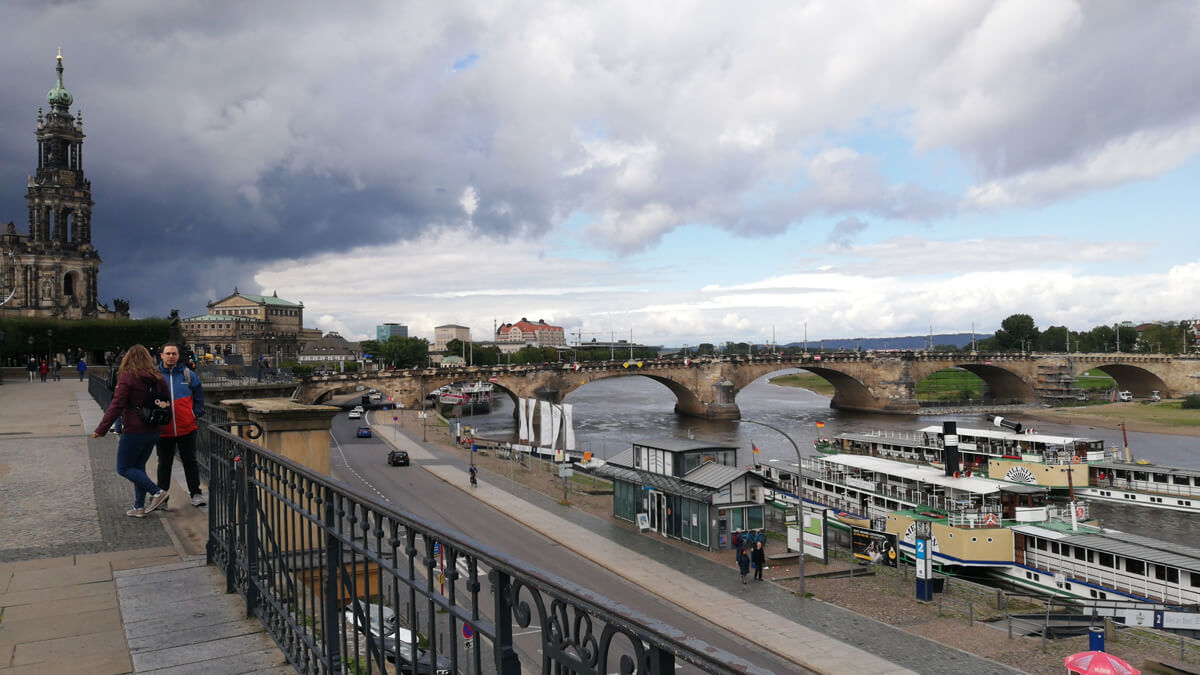
It is also possible to board steamships here. They are a trademark of Dresden and have been produced here since 1830.
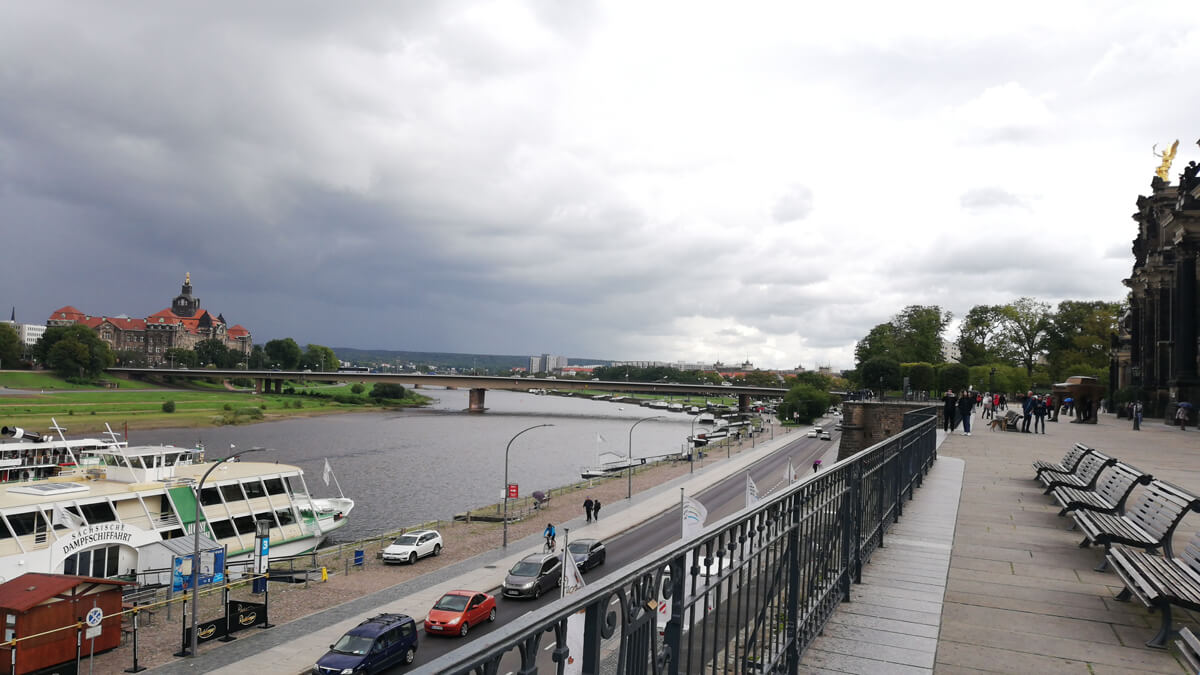
There are many sculptures on the terrace as well as several important buildings.
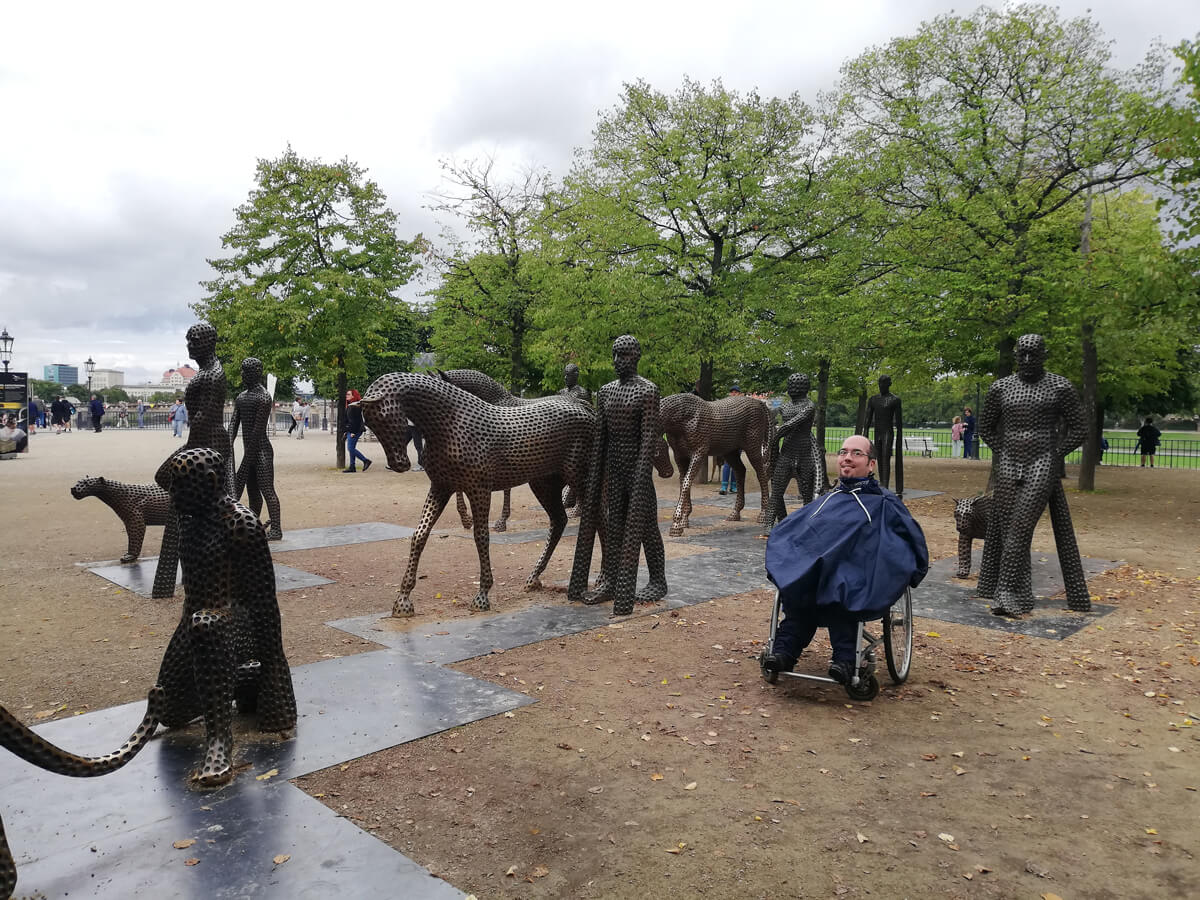
10. Albertinum
At the very beginning of the Brühl’s Terrace is the Albertinum, a building that houses some of the masterpieces of modern art.
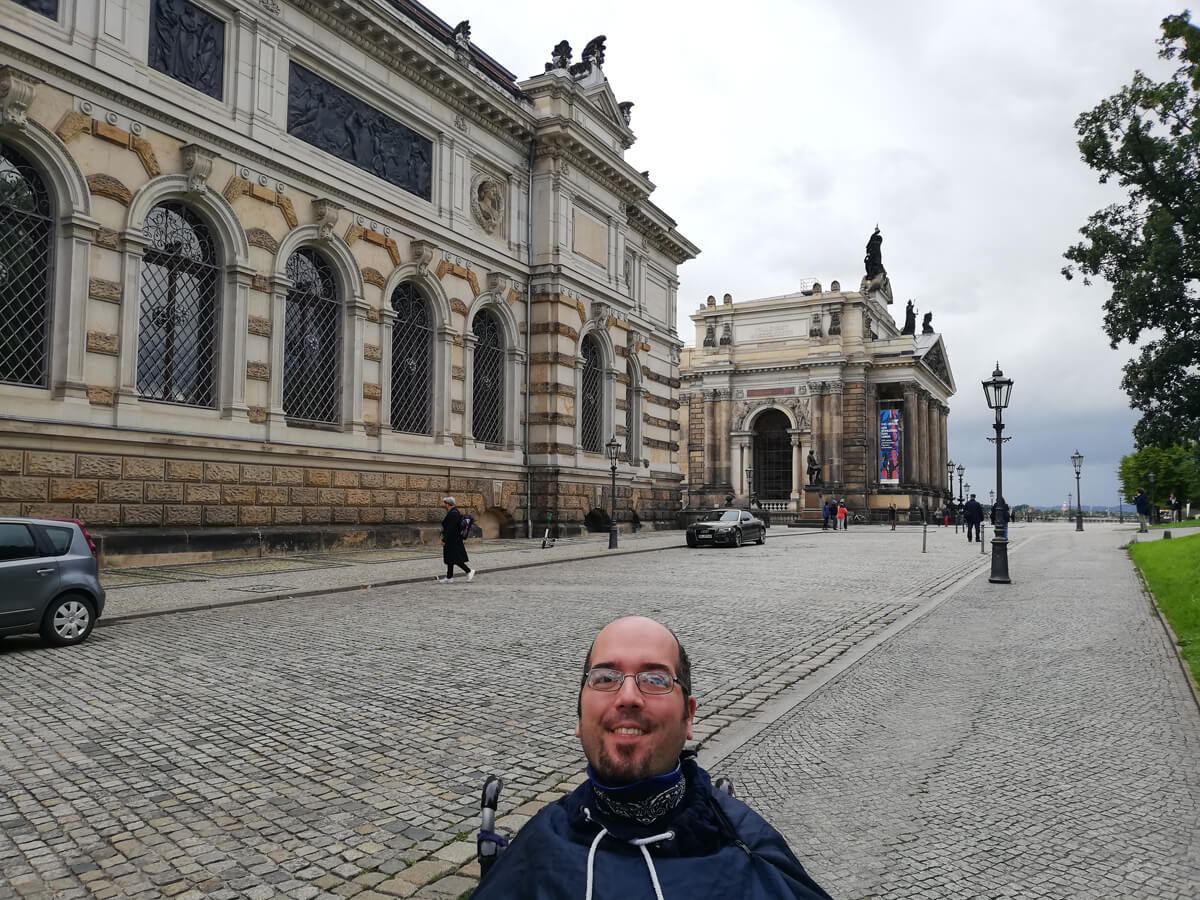
In 1559, the Albertinum was part of the fortress, which was later demolished to build a terrace. Then the Albertinum was also renovated and turned into a museum. It shows a period of 200 years. modern art. Some of the most famous works of Rodin, Monet, Gauguin and Van Gogh are located here.
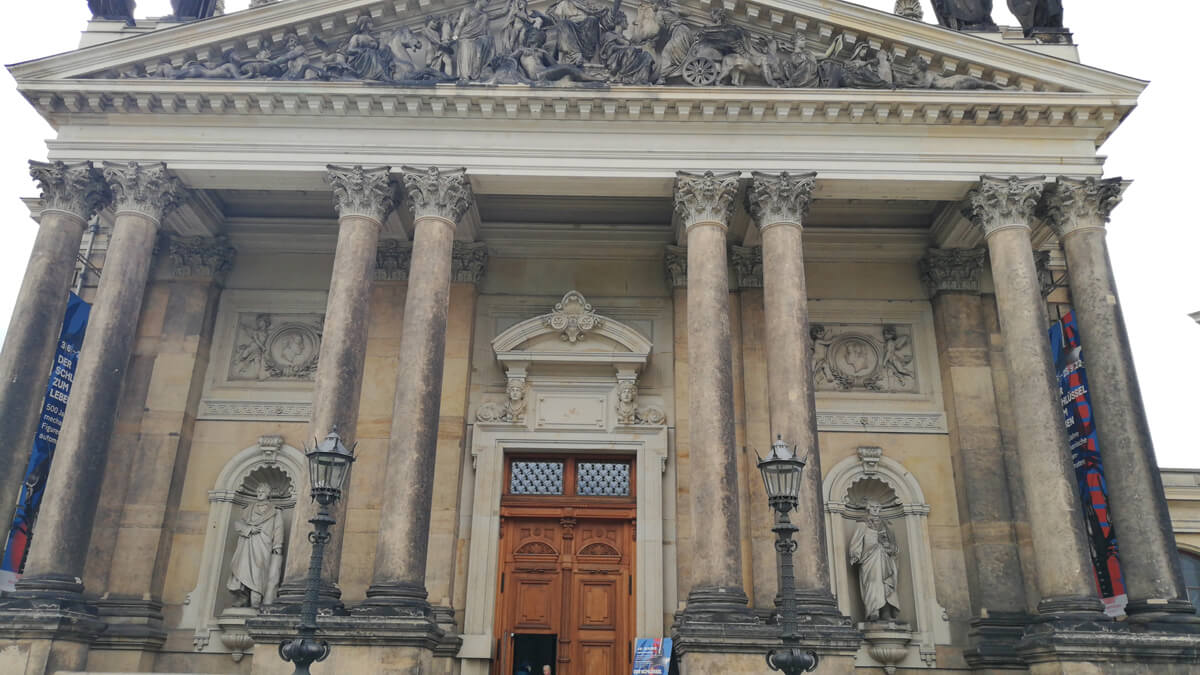
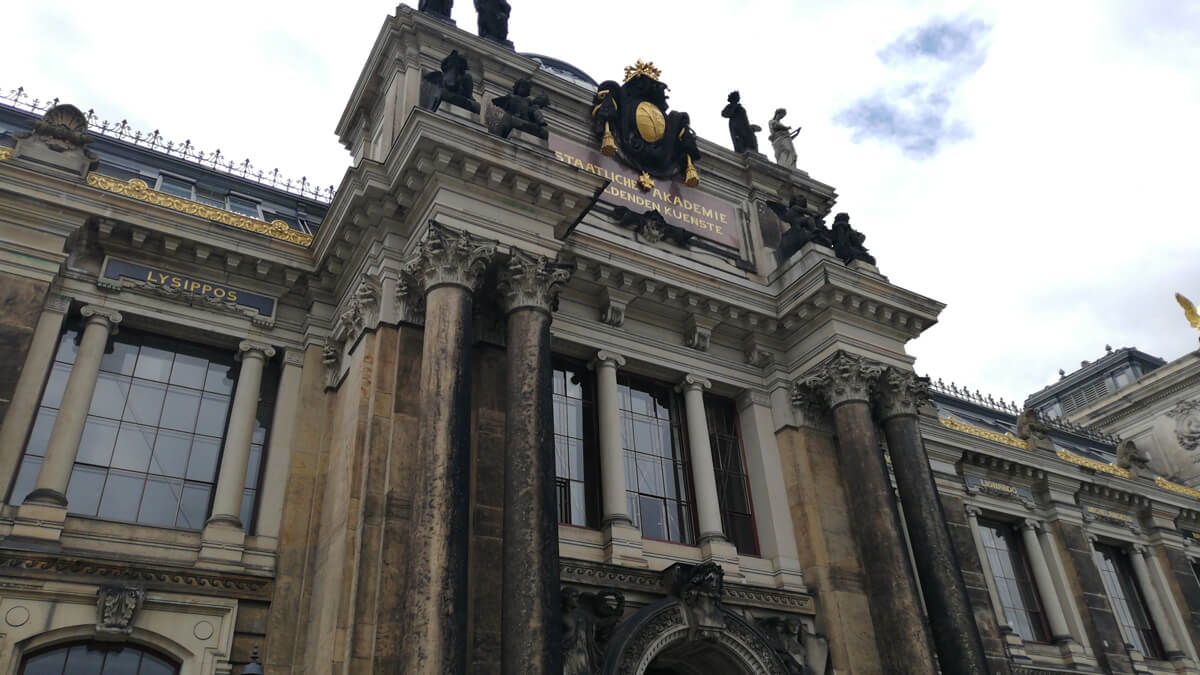
11. Dresden Academy of Fine Arts
This building was built in 1764 and was intended for the education of young artists.
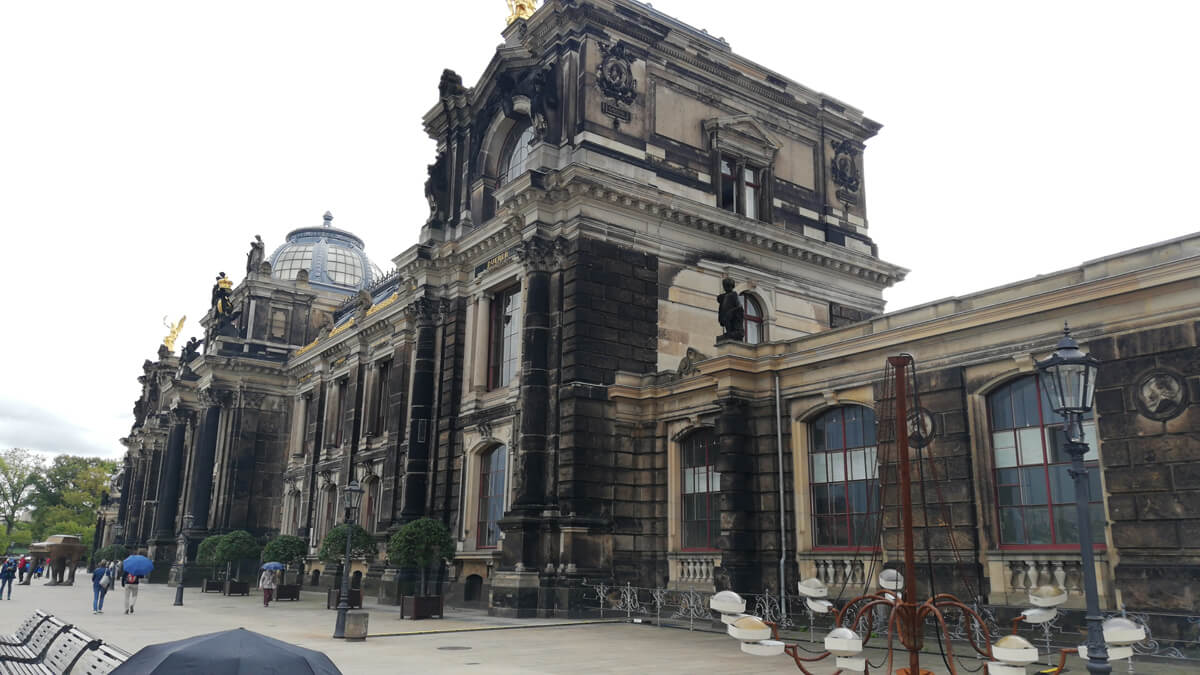
On the front of the building, which for some reason is called a lemon squeezer, there are golden figures, the Phamas, creatures from Greek mythology. They represent the physical embodiment of glory. On the other side of the building there is an inscription “DEM VATERLAND ZU ZIER UND EHR” or “For the honor and decoration of the fatherland”.
12. Sekundogenitur
This palace was built in 1887 for the second son of the king and got this name. Brühl’s library with over 60,000 books was once located here.
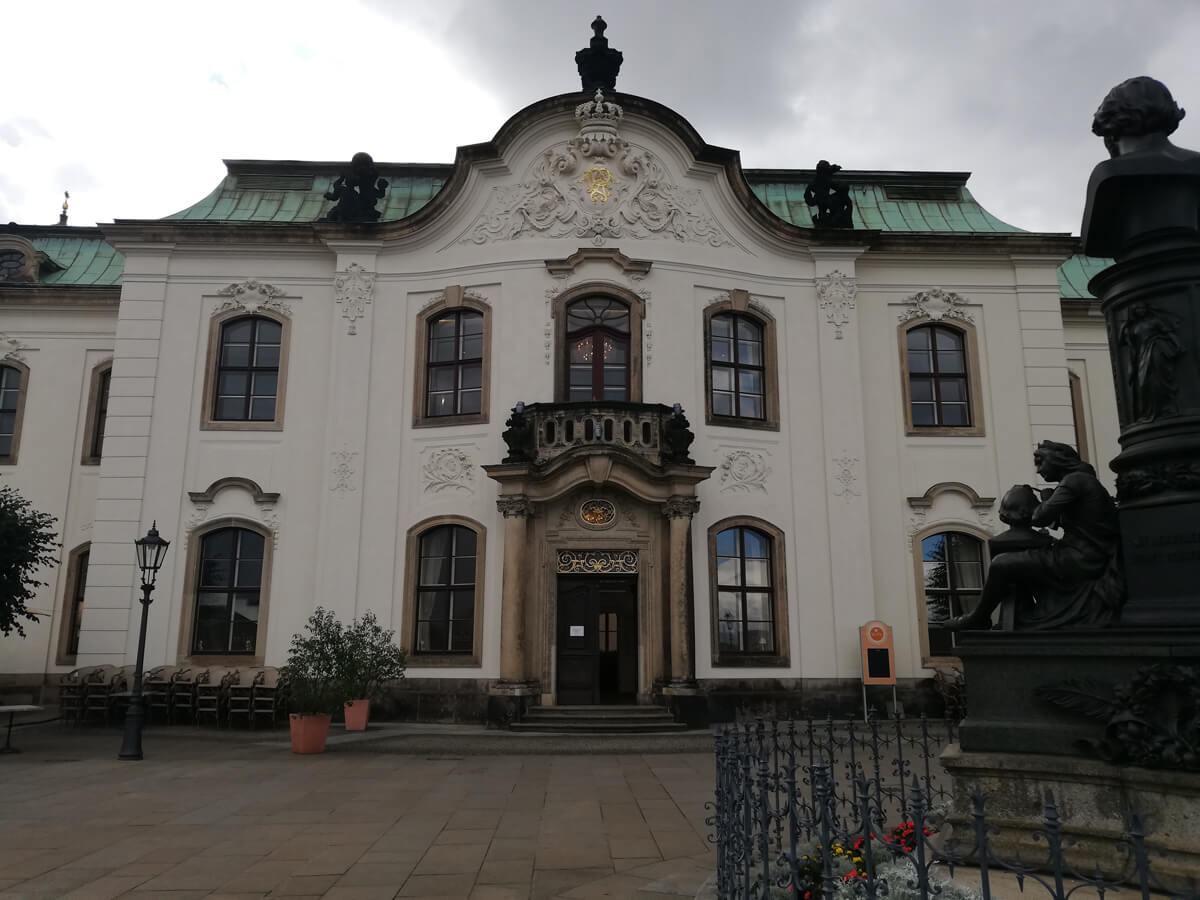
In 1918 it became an exhibition space for the Academy and was heavily damaged during Allied bombing. Today, you can drink coffee here on the beautiful terrace.
13. Georgentor
Built as the main gate for people coming into the city. It changed its appearance many times, depending on the ruler whose status he was supposed to represent.
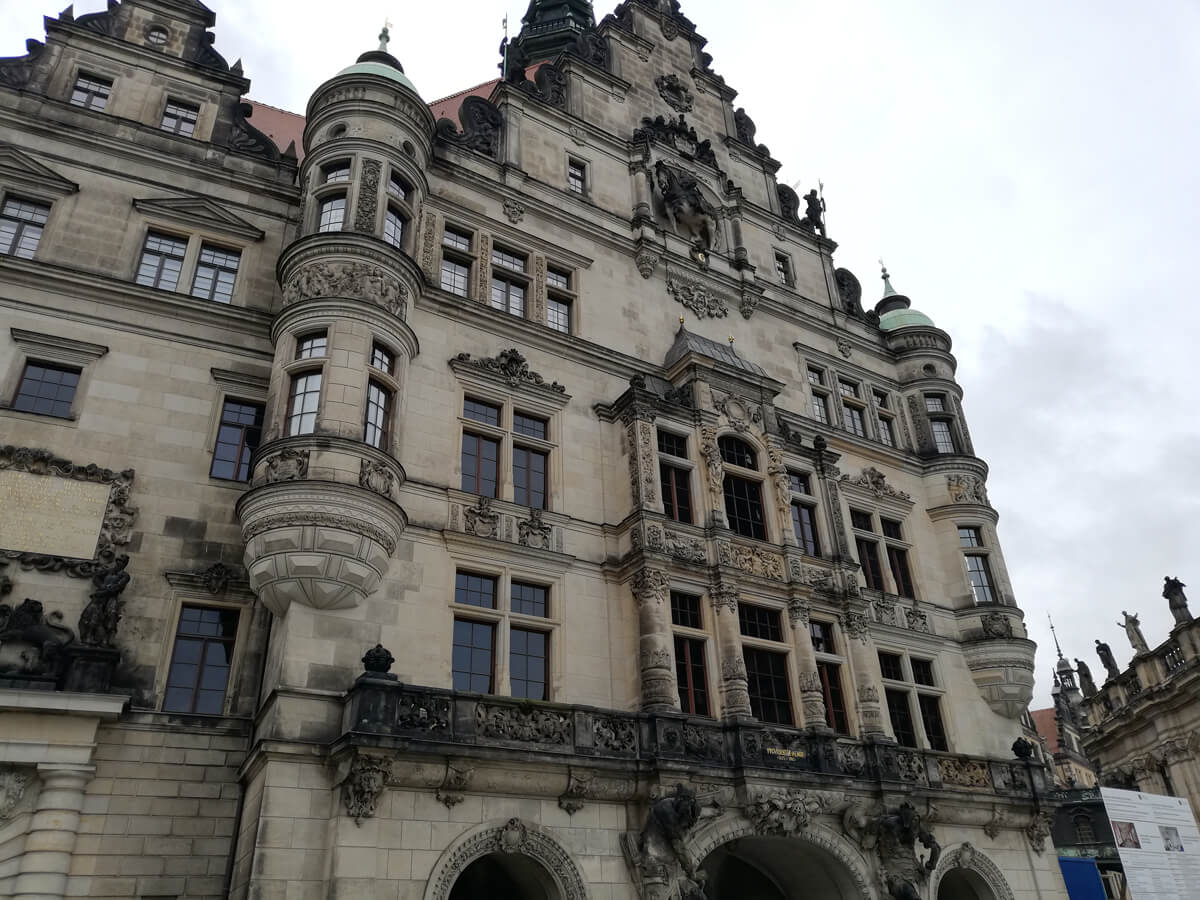
It got its present appearance under the reign of Augustus the Strong, when it was renovated as the first building with a Renaissance appearance.
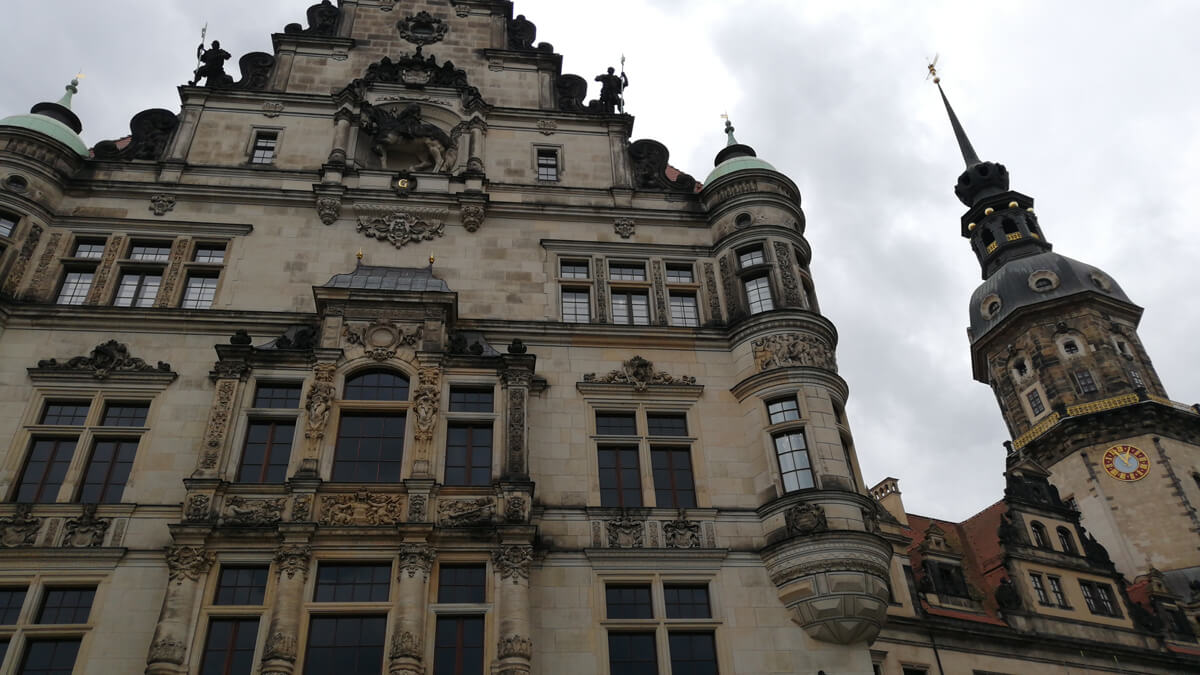
The façade is decorated with religious motifs. Statues of life and death guard the entrance and above them the motto: “Per invidia Diaboli Mors Intravit In Orbs” (through the devil’s envy death entered the world).
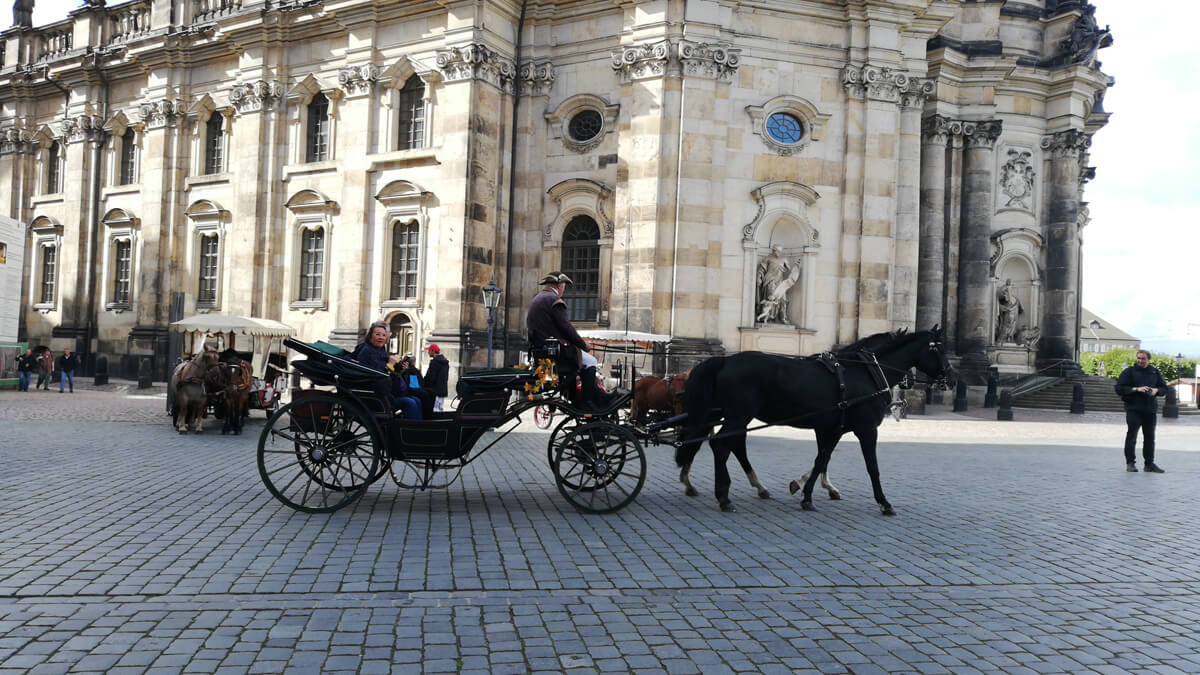
Inside, there is a nice view of the square.
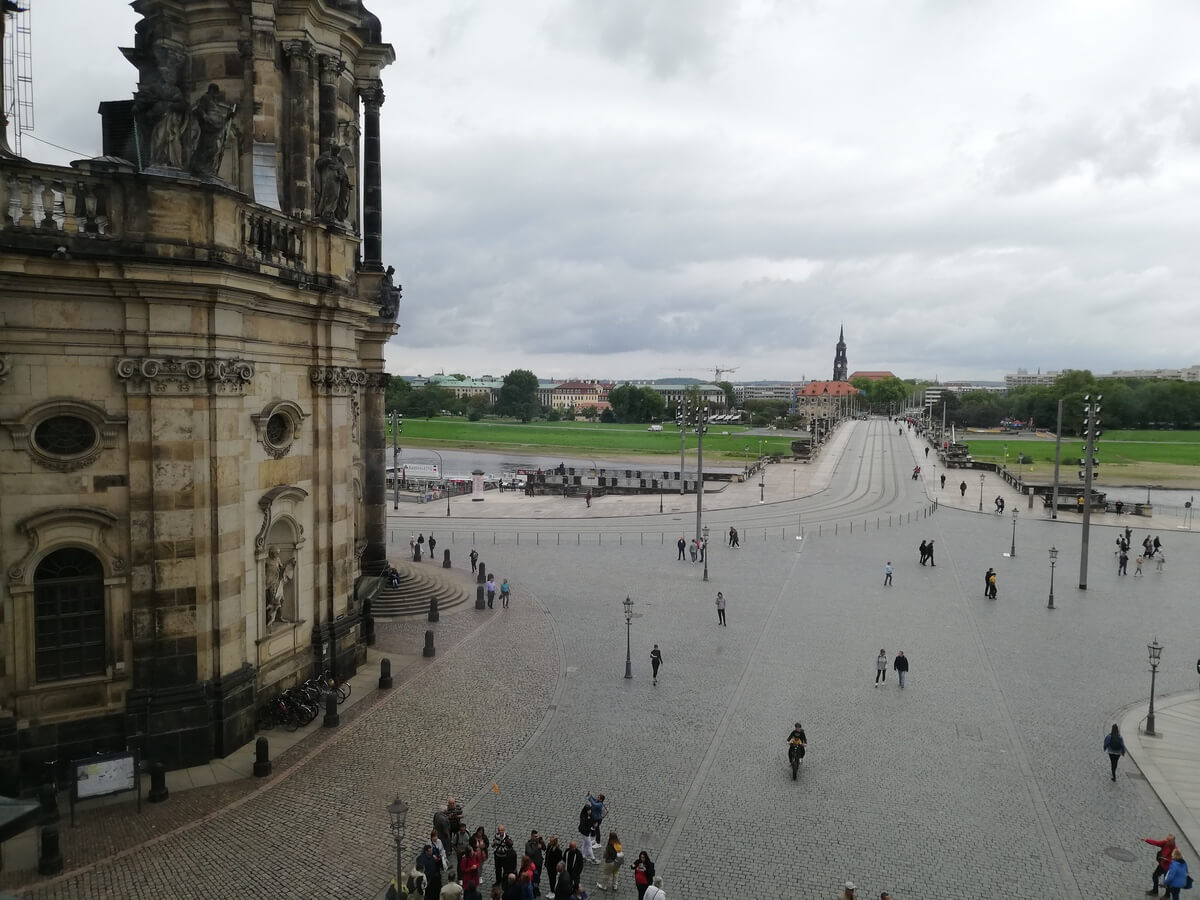
14. Dresden Cathedral
In order to remain the rulers of Poland, the members of the royal house of Wettin accepted Catholicism in the 18th century. In honor of the new religion, next to Brühl’s terrace, this church was built, which only received the status of a cathedral in 1960.
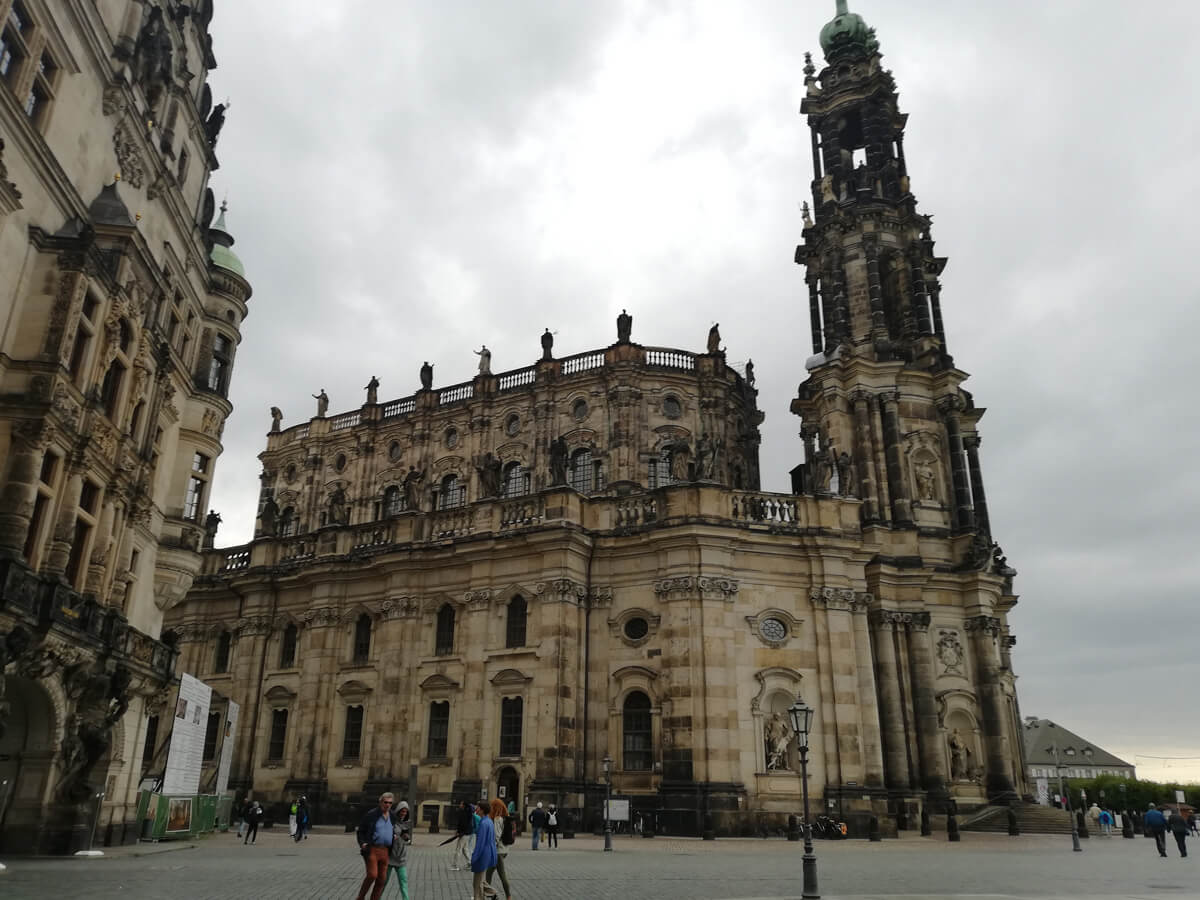
In this Holy Trinity Cathedral, 49 members of the Wettin family and the heart of Augustus II the Strong are buried. His body rests in Poland.
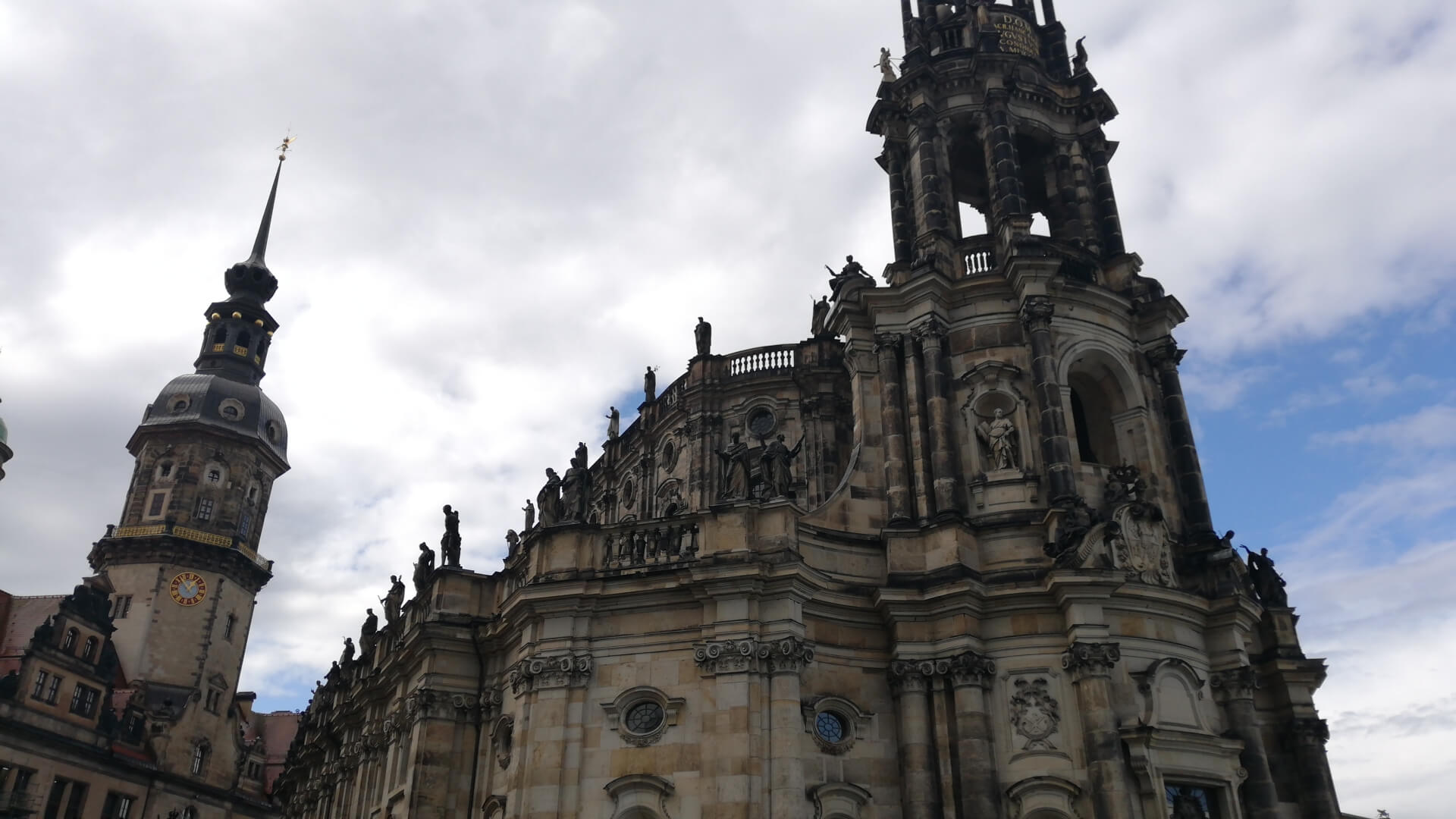
Legend has it that his heart still skips a beat when a beautiful woman passes by the cathedral. The cathedral, like everything else, was razed to the ground in World War II and has been rebuilt today, as can be seen from the stones of different colors.
15. Theater square (Theaterplatz)
Behind the cathedral is the Theater Square, in the center of which is dominated by the statue of the Saxon King Johan, erected in 1889.
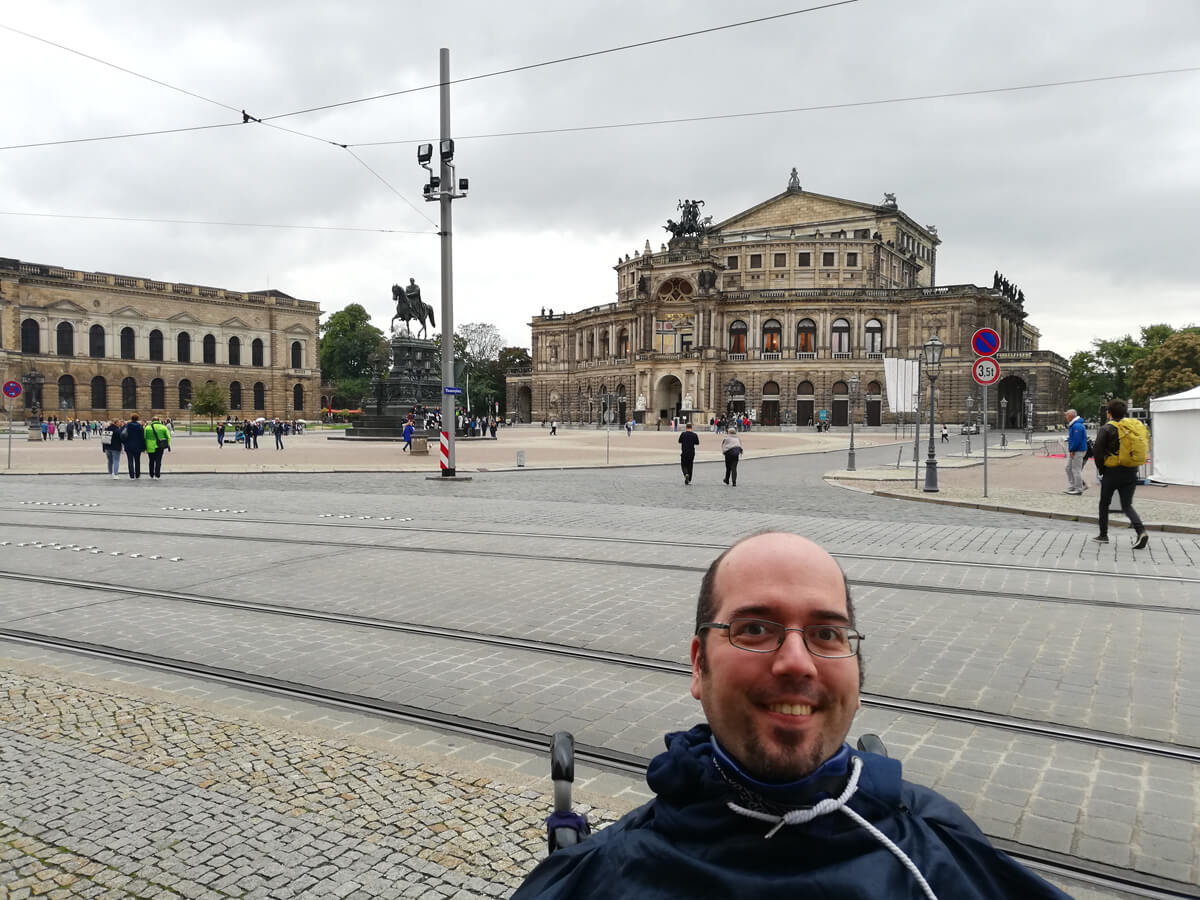
King Johan ruled Saxony from 1854 to 1871.
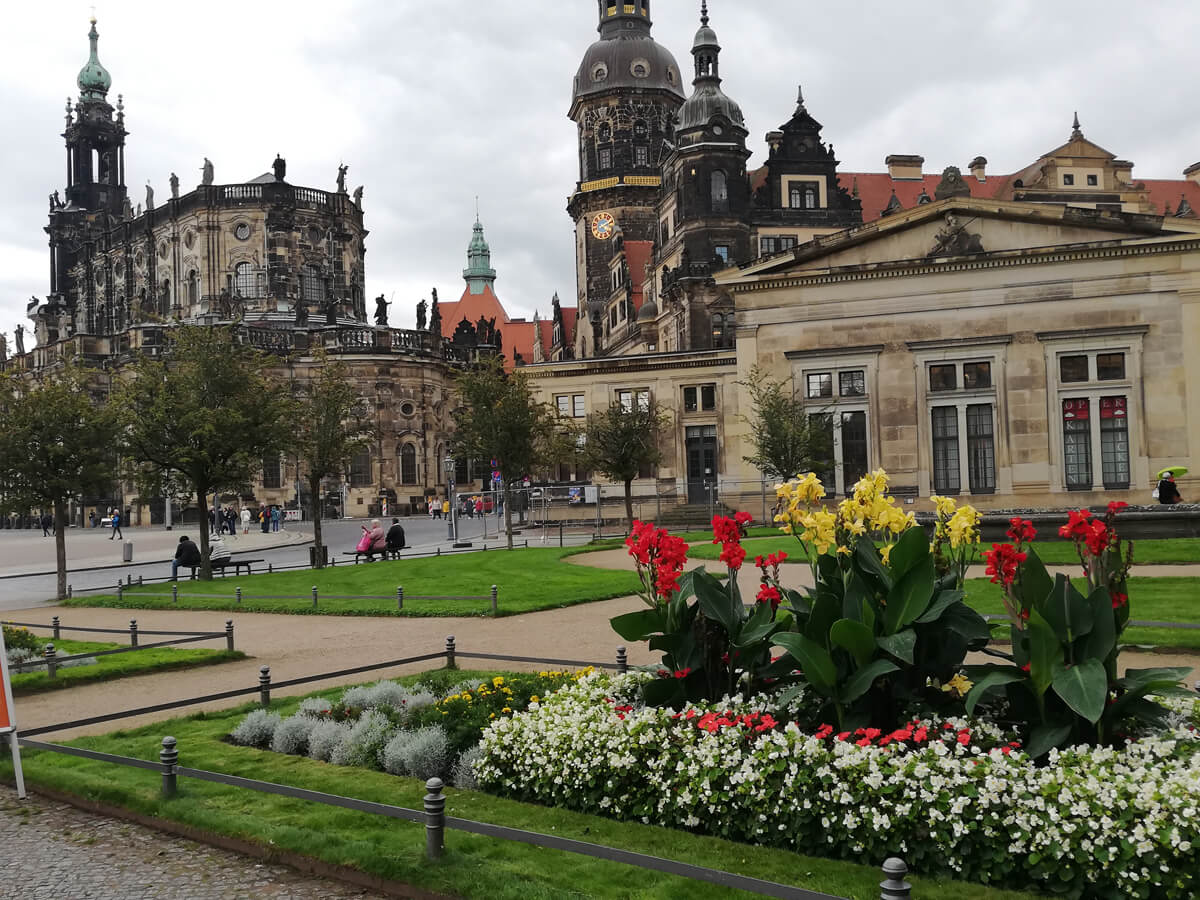
Since the king was a lover of art, it can be said that his statue is in the right place, in front of the theater.
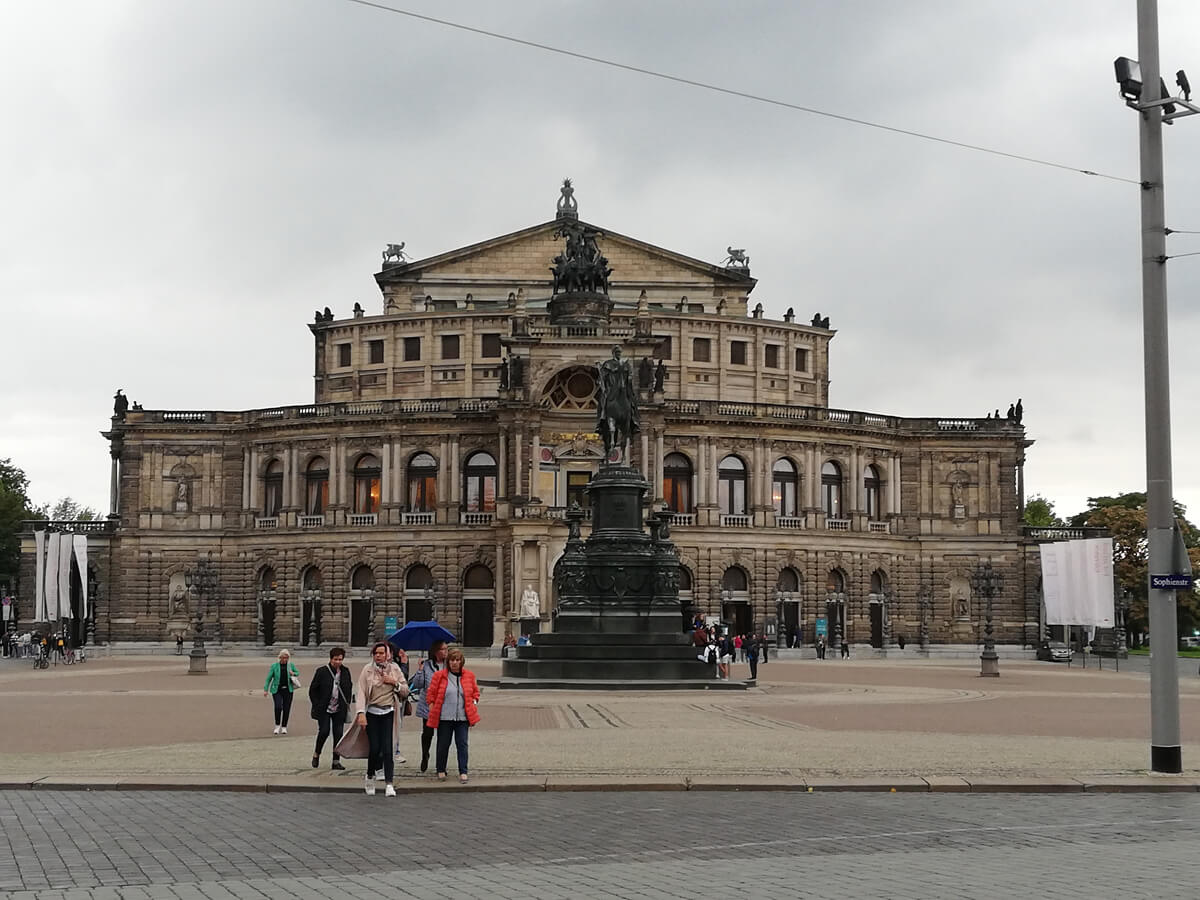
16. Semper Opera
The first opera house was built in 1841 on this site, by the architect Gottfried Semper, in the style of the Italian Renaissance, with Corinthian columns and Baroque decorations.
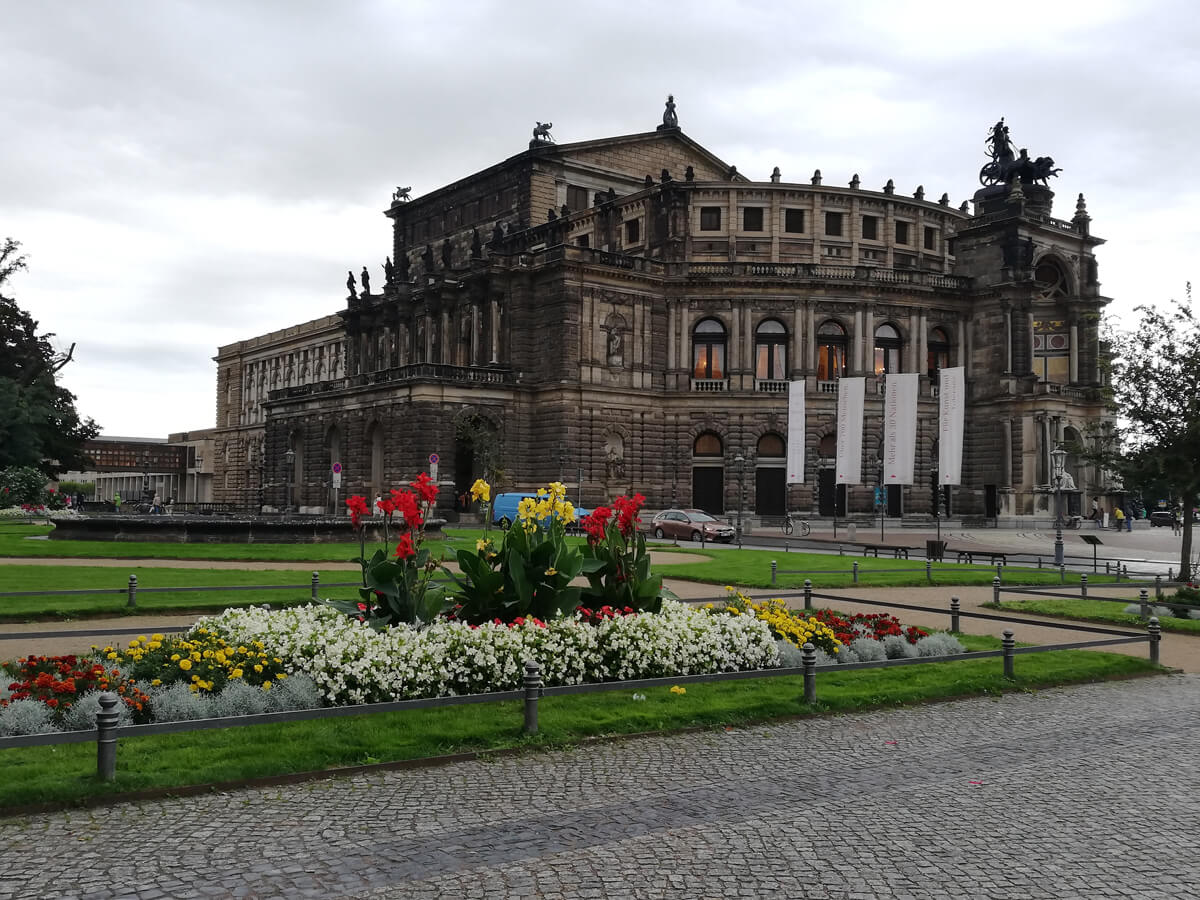
It was once considered one of the most beautiful buildings in Europe. It quickly became the center of social life in the city, and that’s why, when it was completely burned in a fire in 1869, it was almost immediately rebuilt. Here were the premieres of such creators as Wagner and Strauss. Today, it is a secret that the acoustics here are better than in the Milan Scala.
17. August Bridge
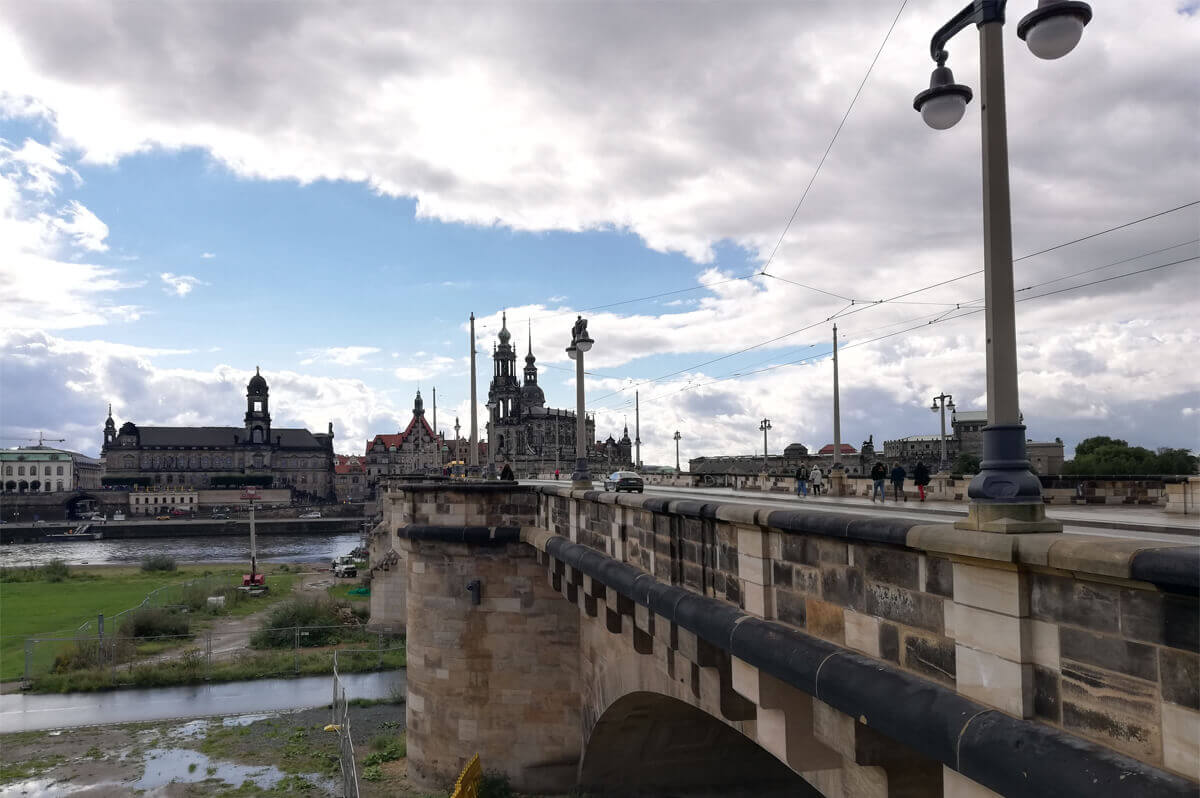
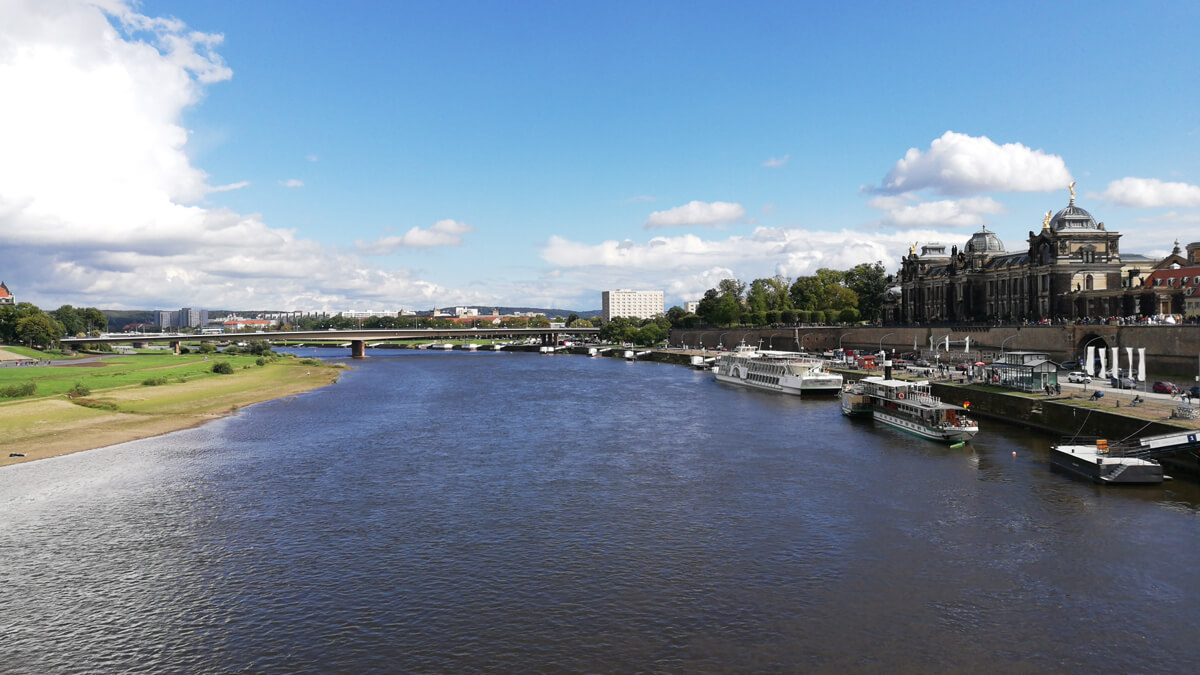
The best way to cross the river and visit another part of the city is via the August Bridge. There has always been a bridge here since the 12th century, the design of which has changed over time.
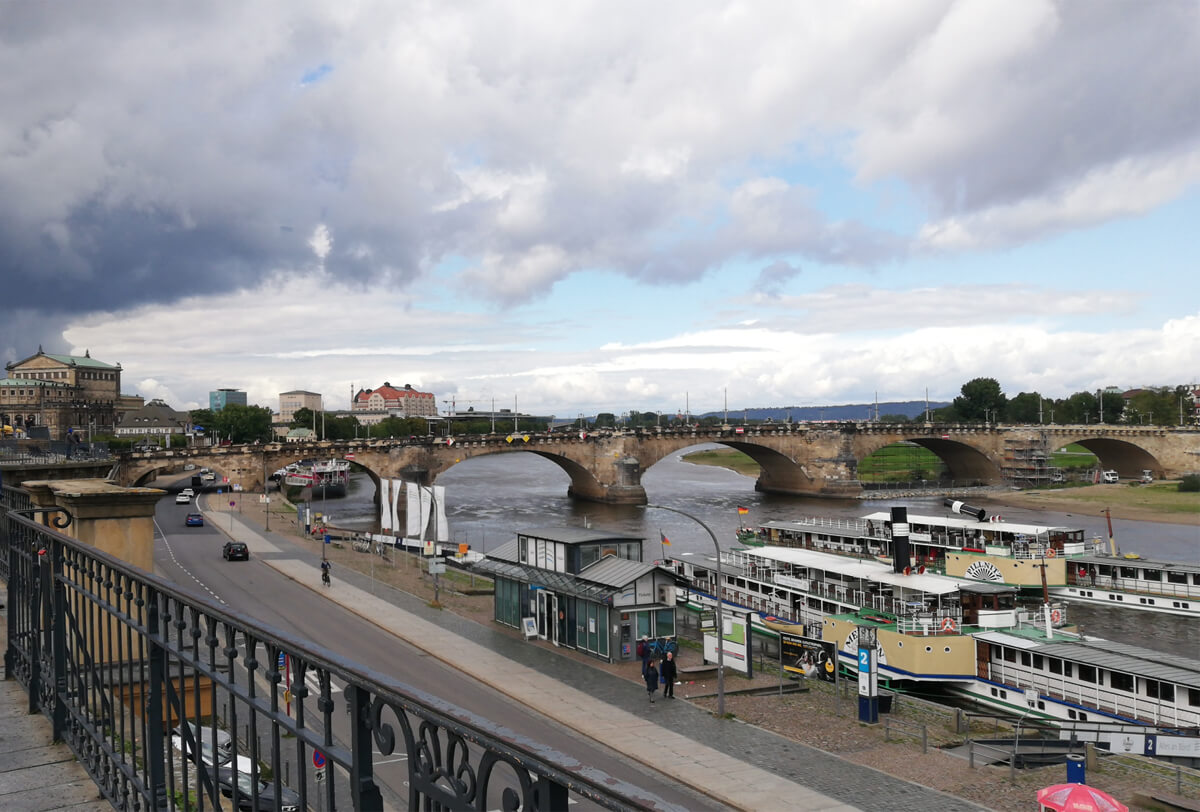
The bridge got its present appearance between 1907 and 1910. It is considered the oldest bridge in the city.
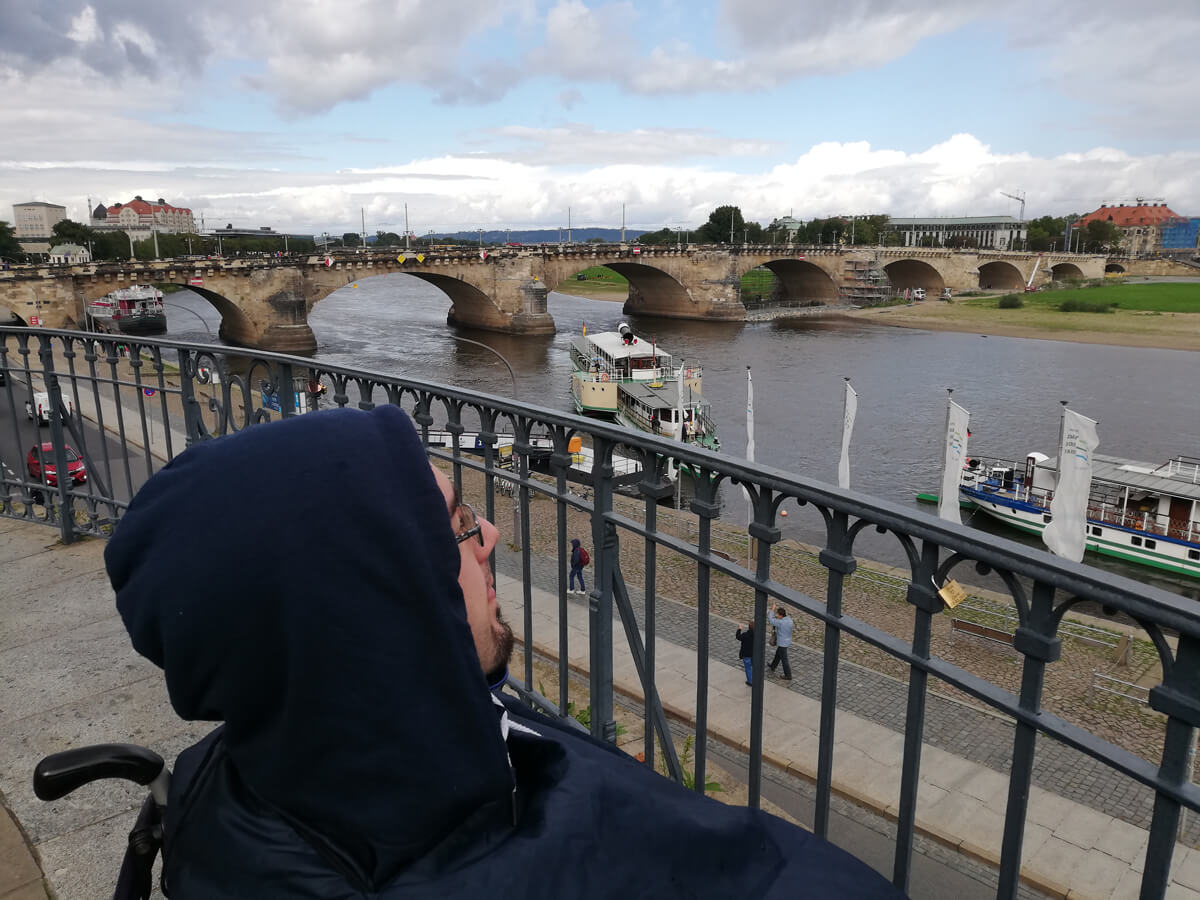
It consists of 9 arches, wide open, so as not to interfere with river traffic.
18. The Golden Horseman
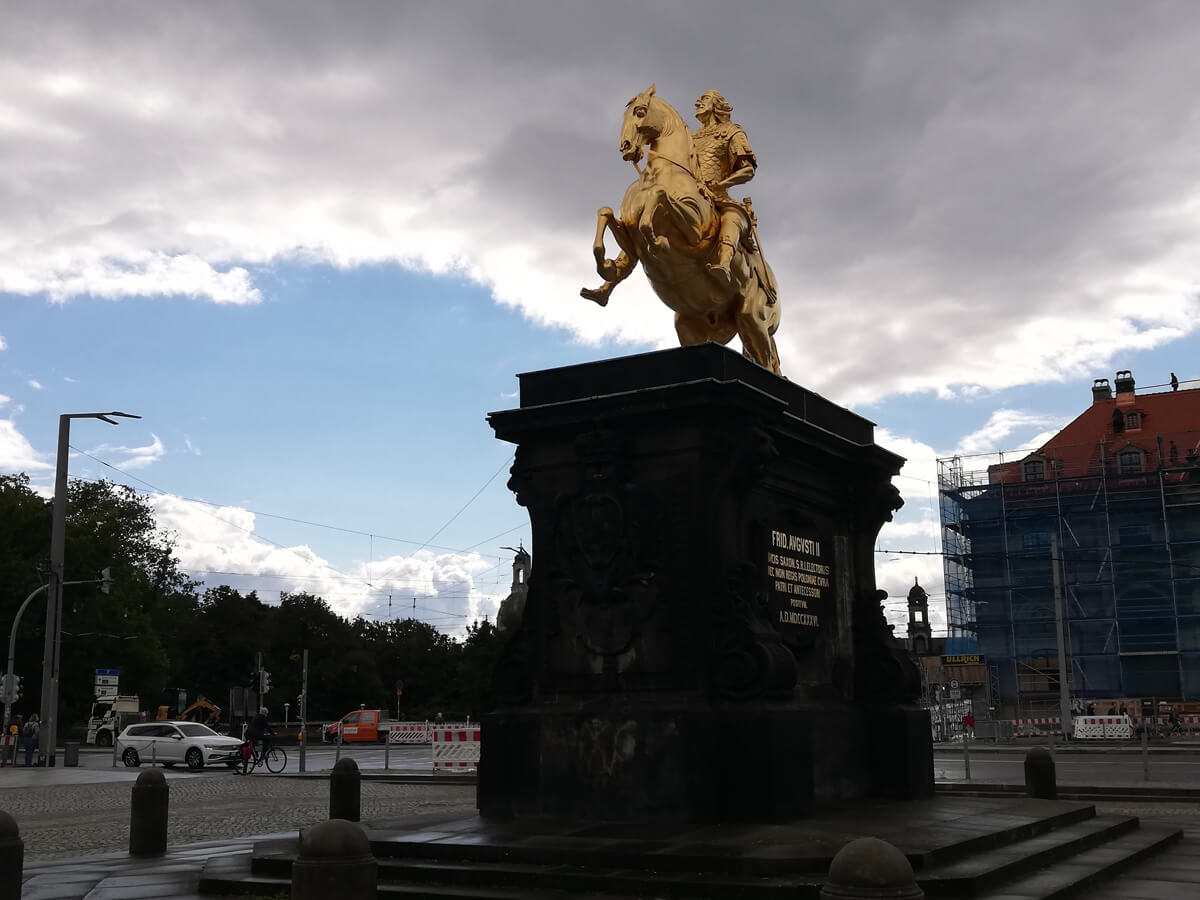
On the other side of the bridge, there is a striking statue, decorated with gold leafs.
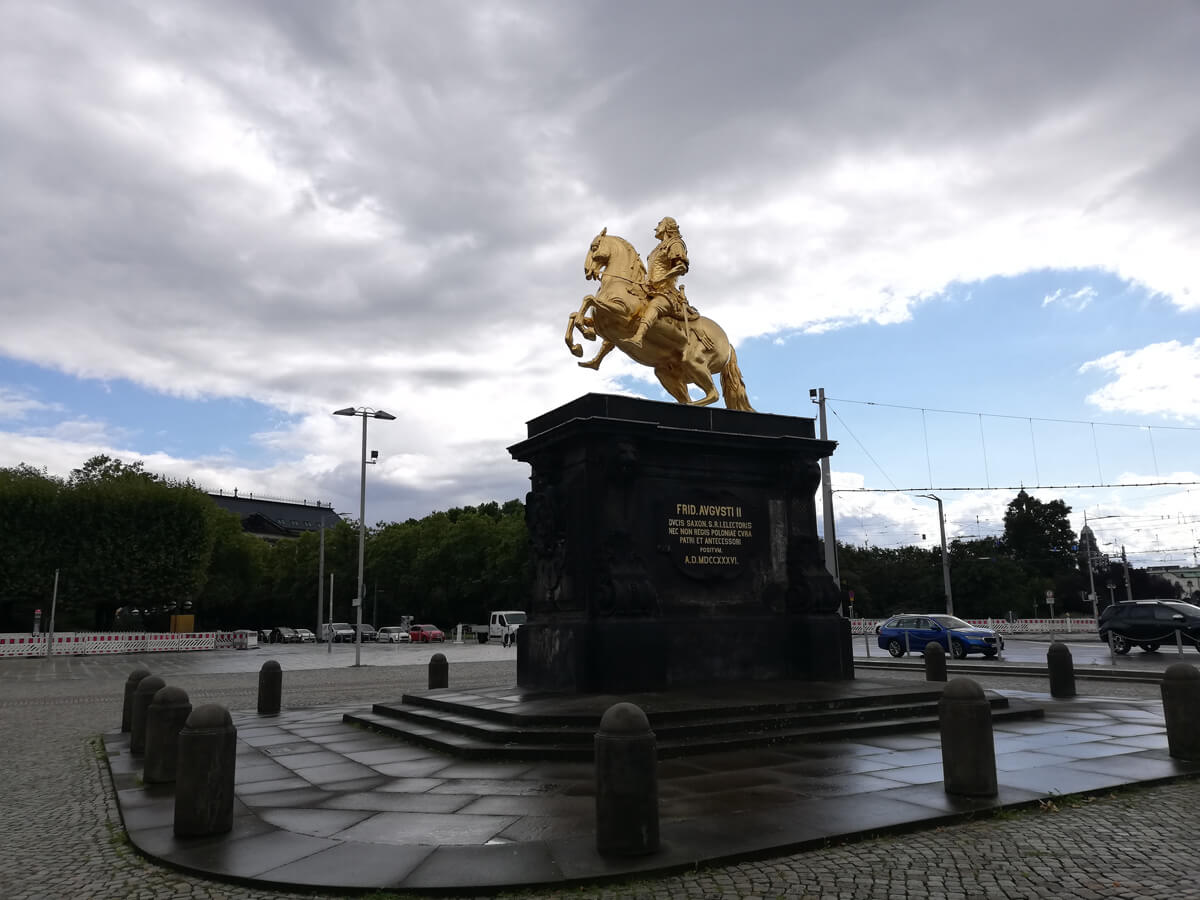
The statue depicts Augustus the Strong, King of Saxony and Poland, on horseback.
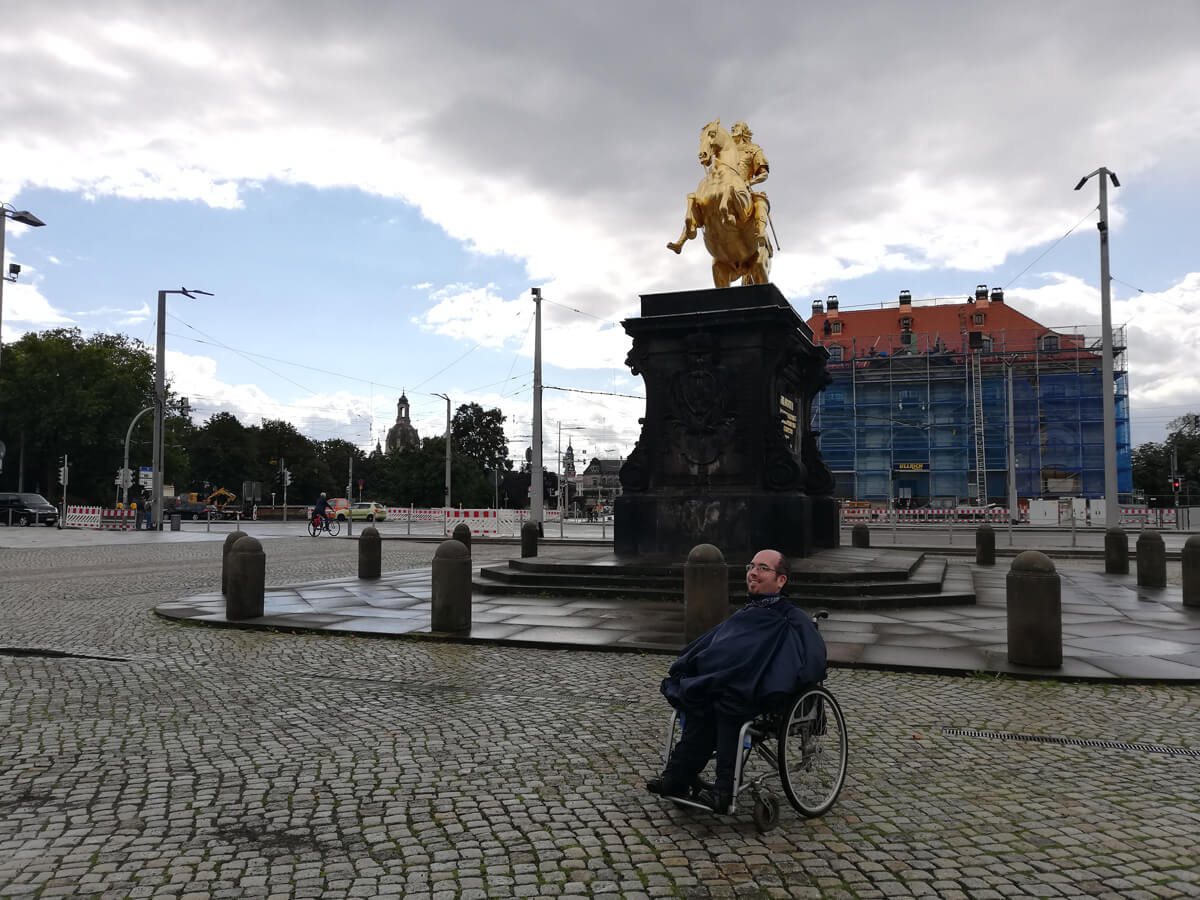
This monument dates back to 1736.
19. Markthalle
Near the statue, you come across a nice promenade.

The Markthalle is here, a shopping center built in 1899 in the German Baroque style.
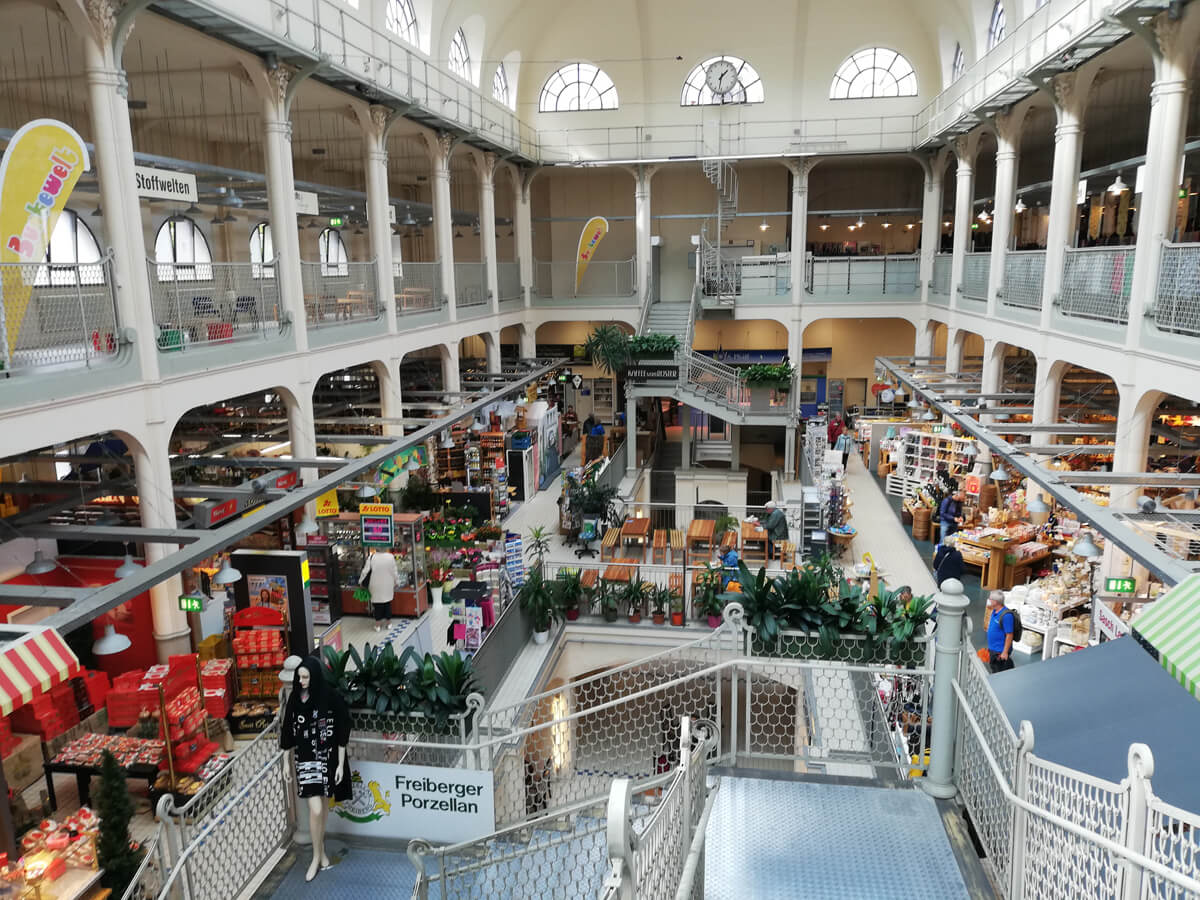
There is great variety here.

Most of the building was destroyed during World War II. It was restored to its former glory, and reopened in the year 2000 with over 200 shops and restaurants.
20. Big park (Grosser Garten)
The Great Park in Dresden is located in an excellent location, which is accessible to most on foot.
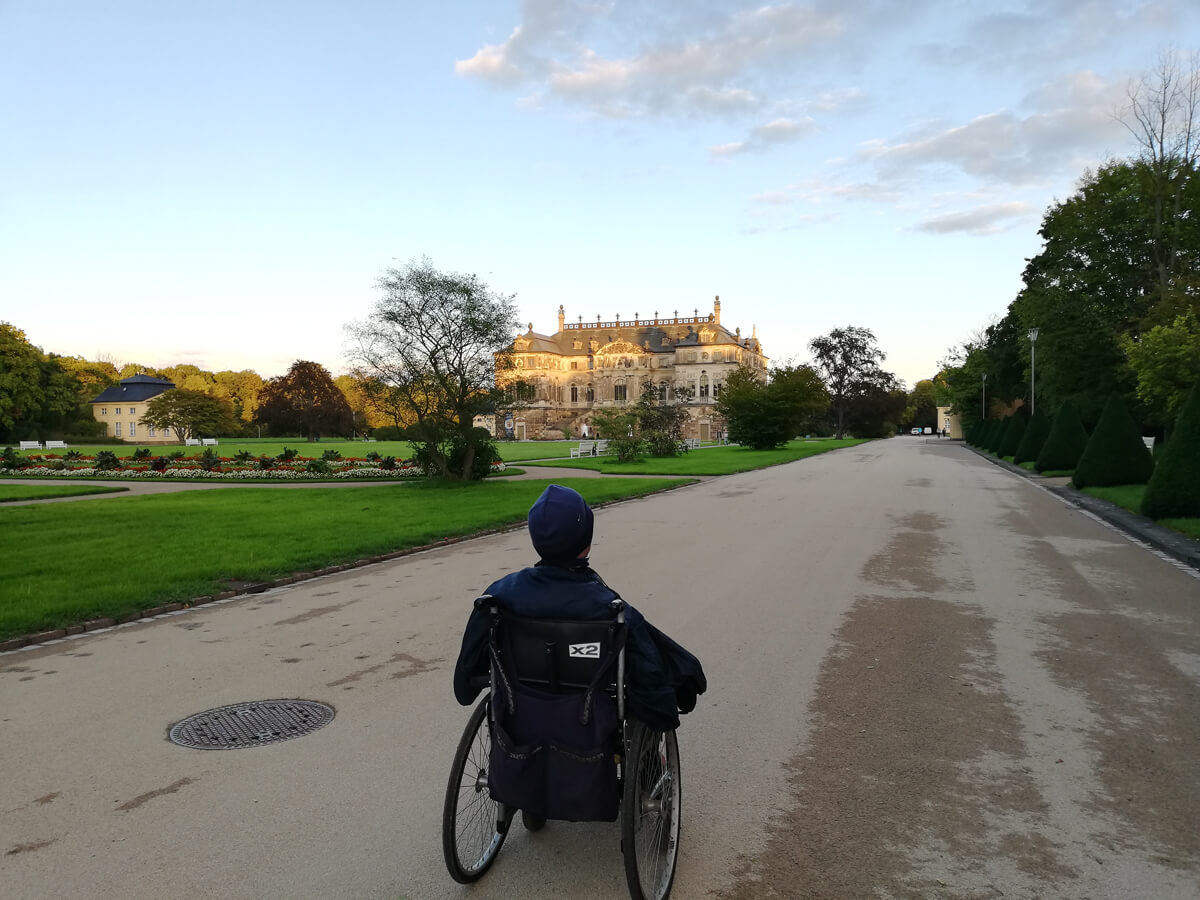
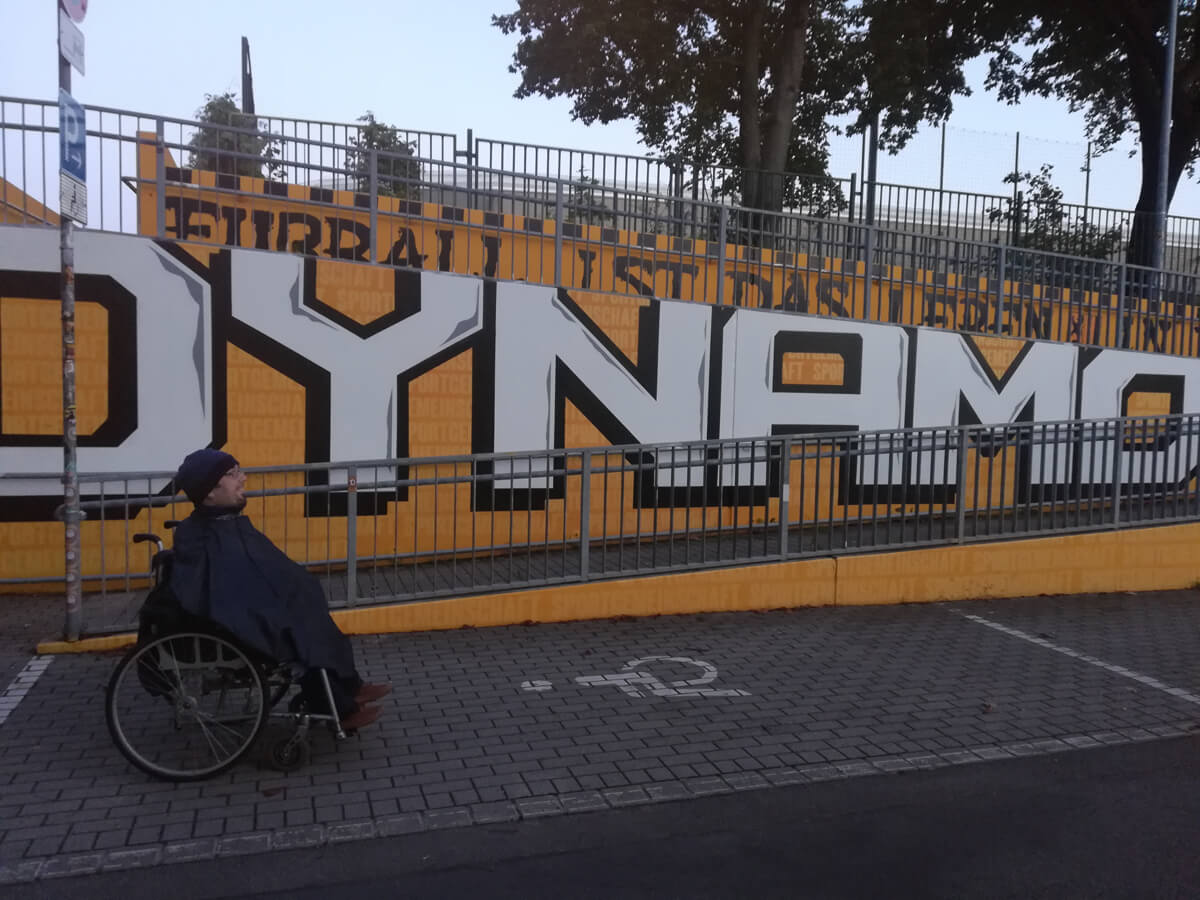
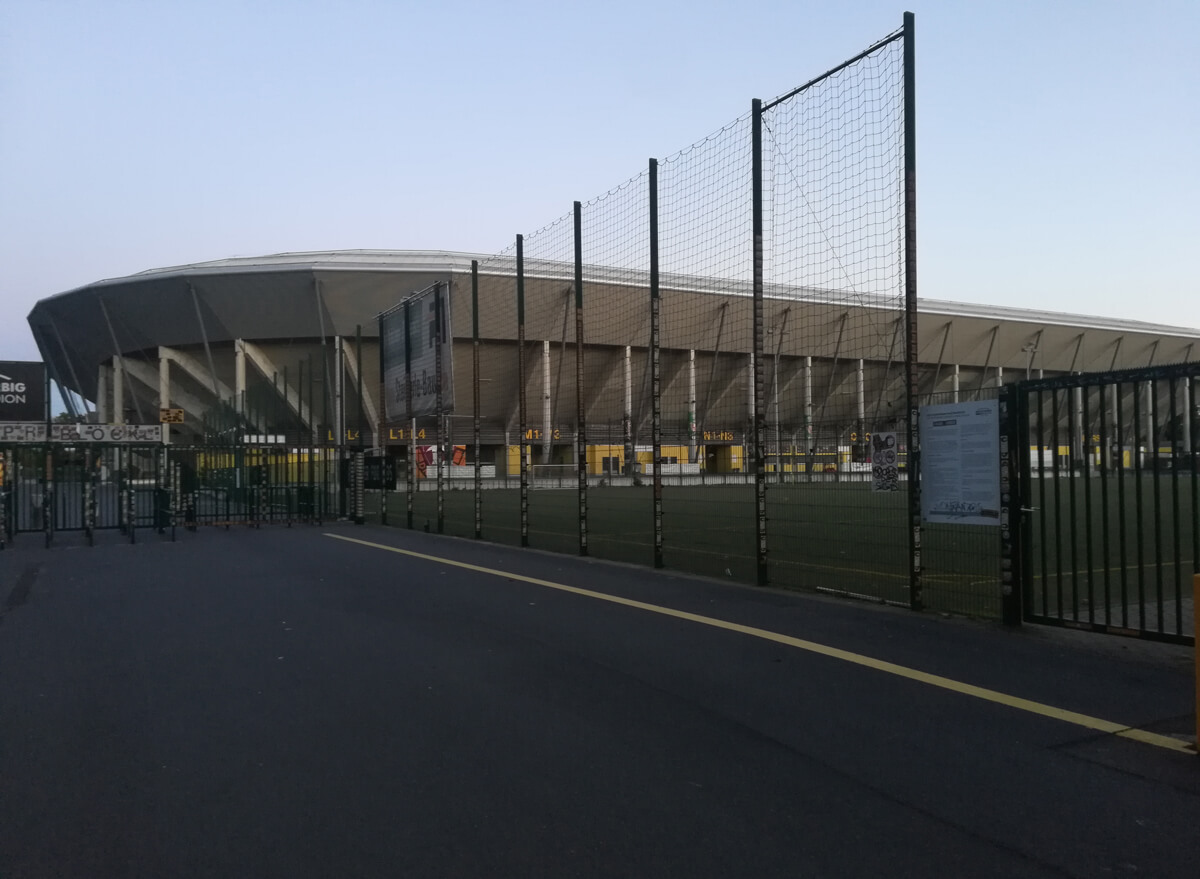
Large green areas provide an ideal escape from city noise and crowds. The central part of the park is occupied by the Summer Palace, a baroque masterpiece from the 17th century. This park was declared public in 1814. During the summer, a trolley also runs. There is also the city stadium of the famous football club Dinamo from Dresden.
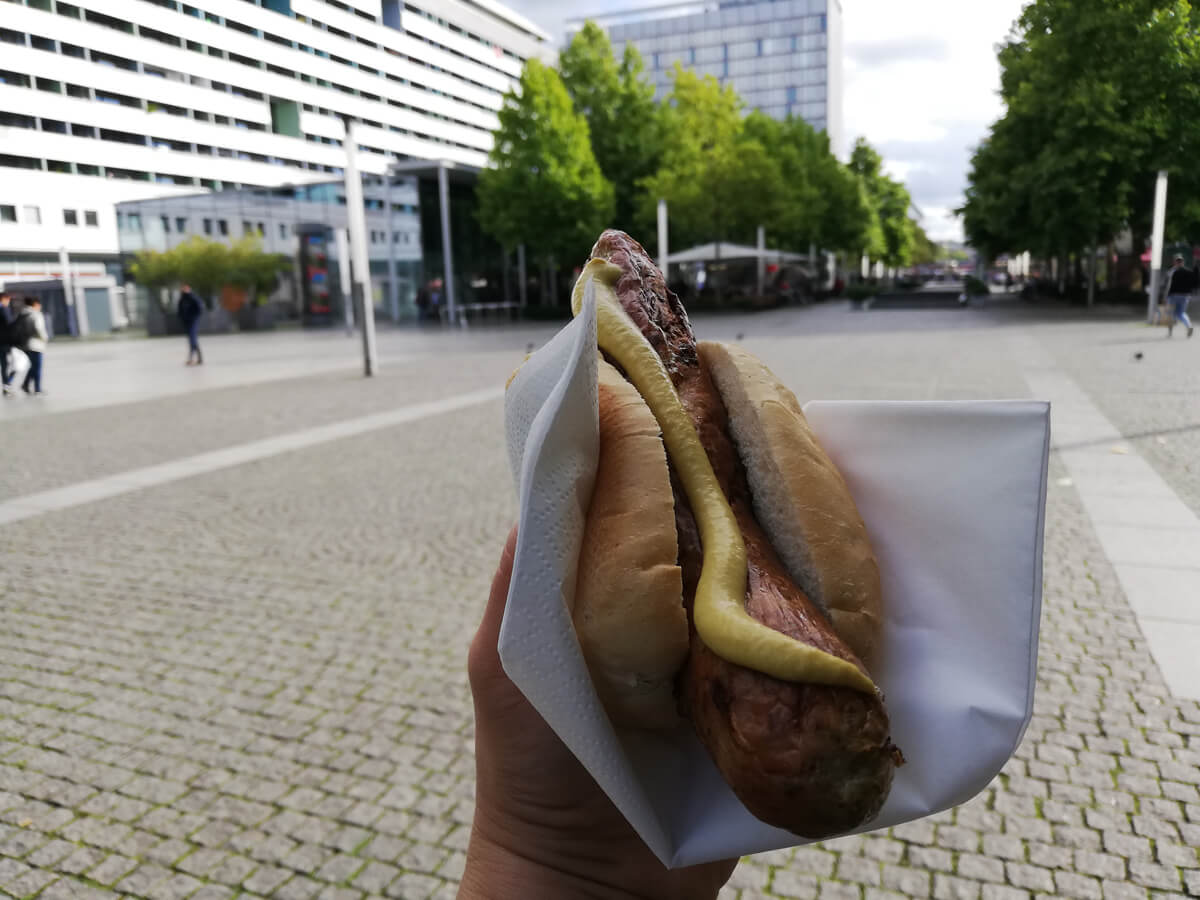
Visiting Dresden and not trying its famous hot dogs is a big minus. Especially since you can find them at every turn, as well as in the city center or at the Market.
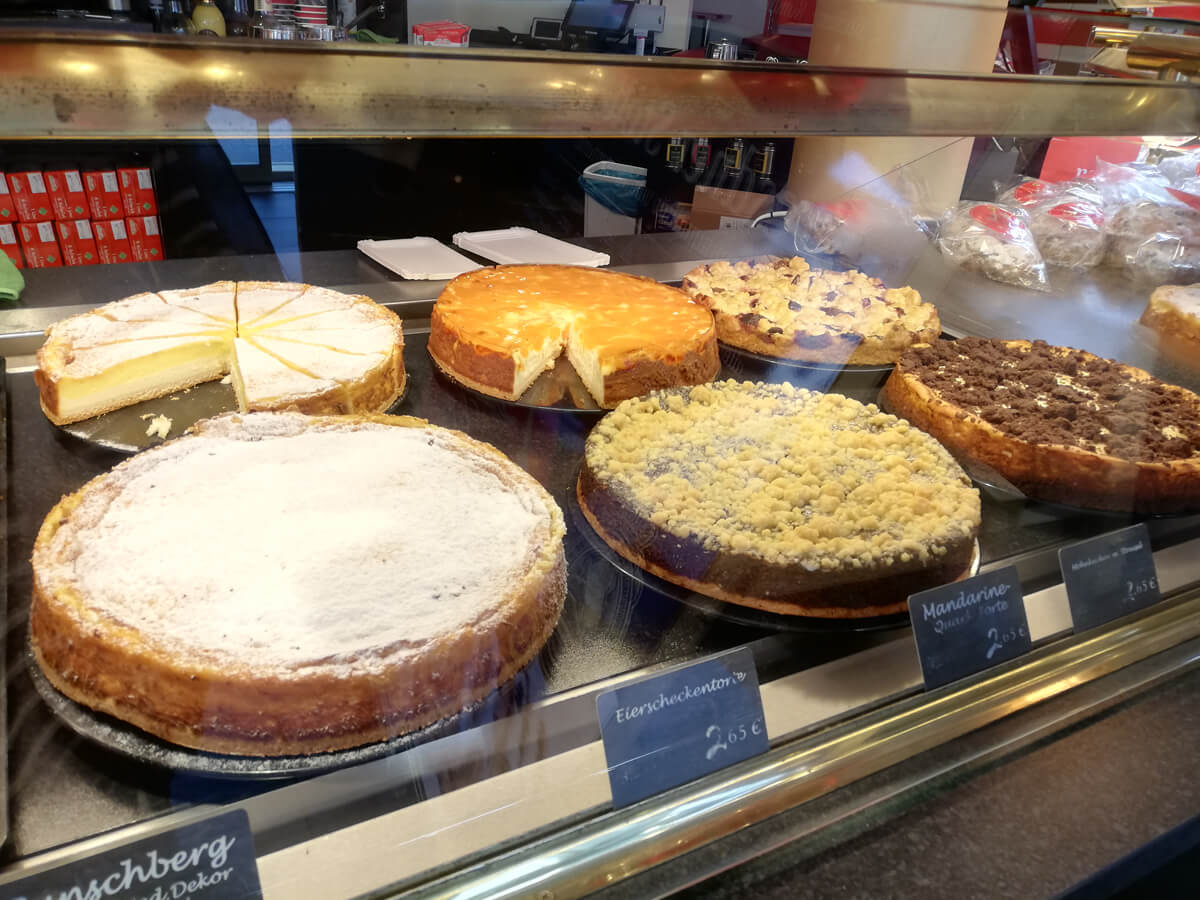
Also, you must try the famous Dresden cake with the untranslatable name eirschecke, which goes very well with hot chocolate.
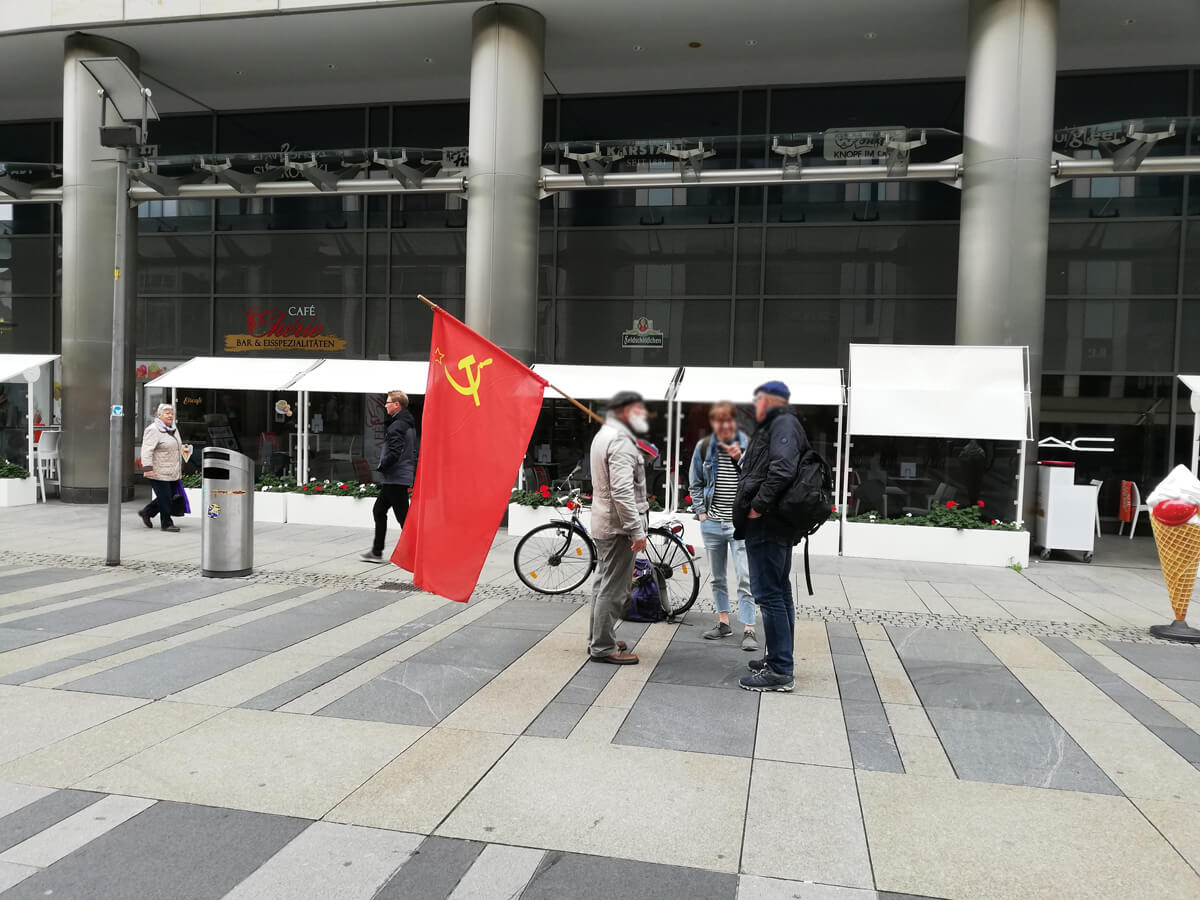
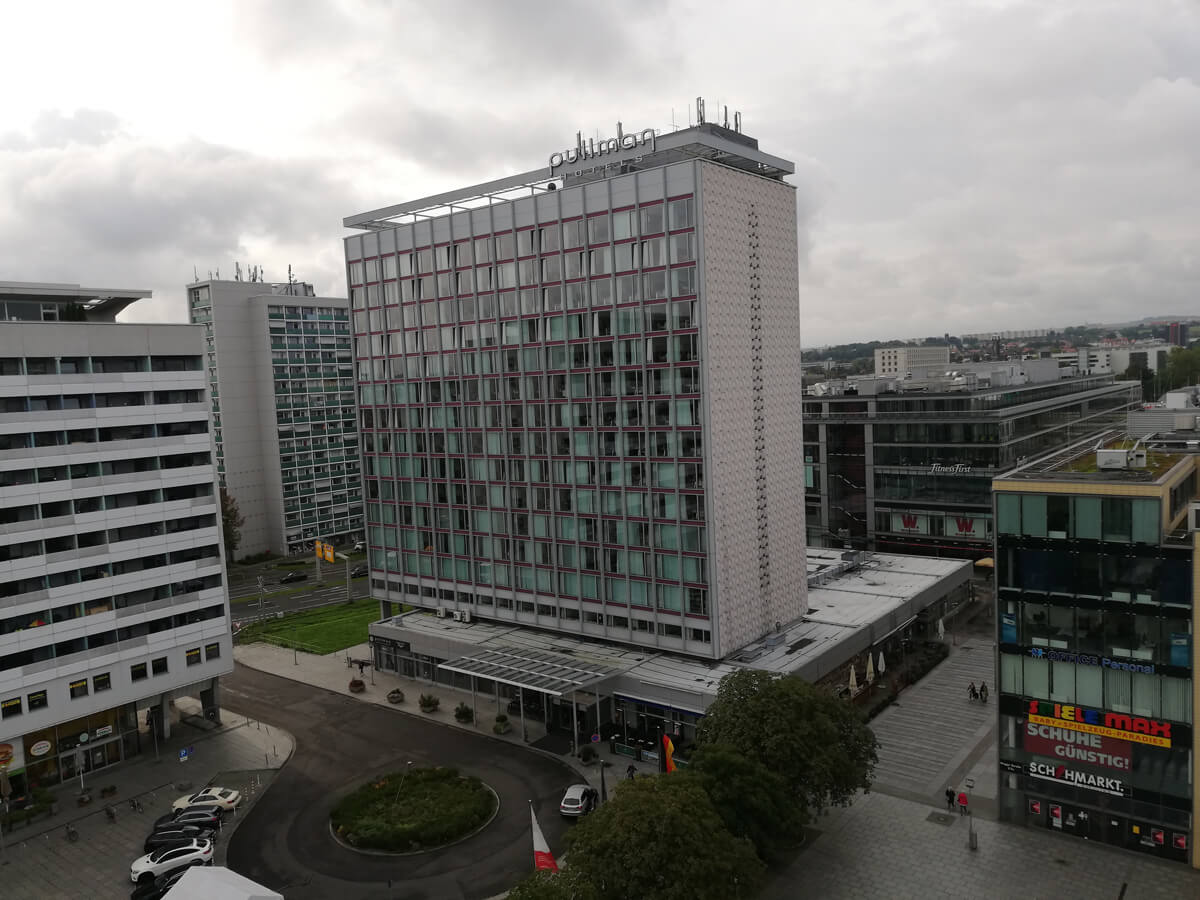
After World War II, Dresden was part of the Russian zone, so today you can see scenes like this in Dresden.
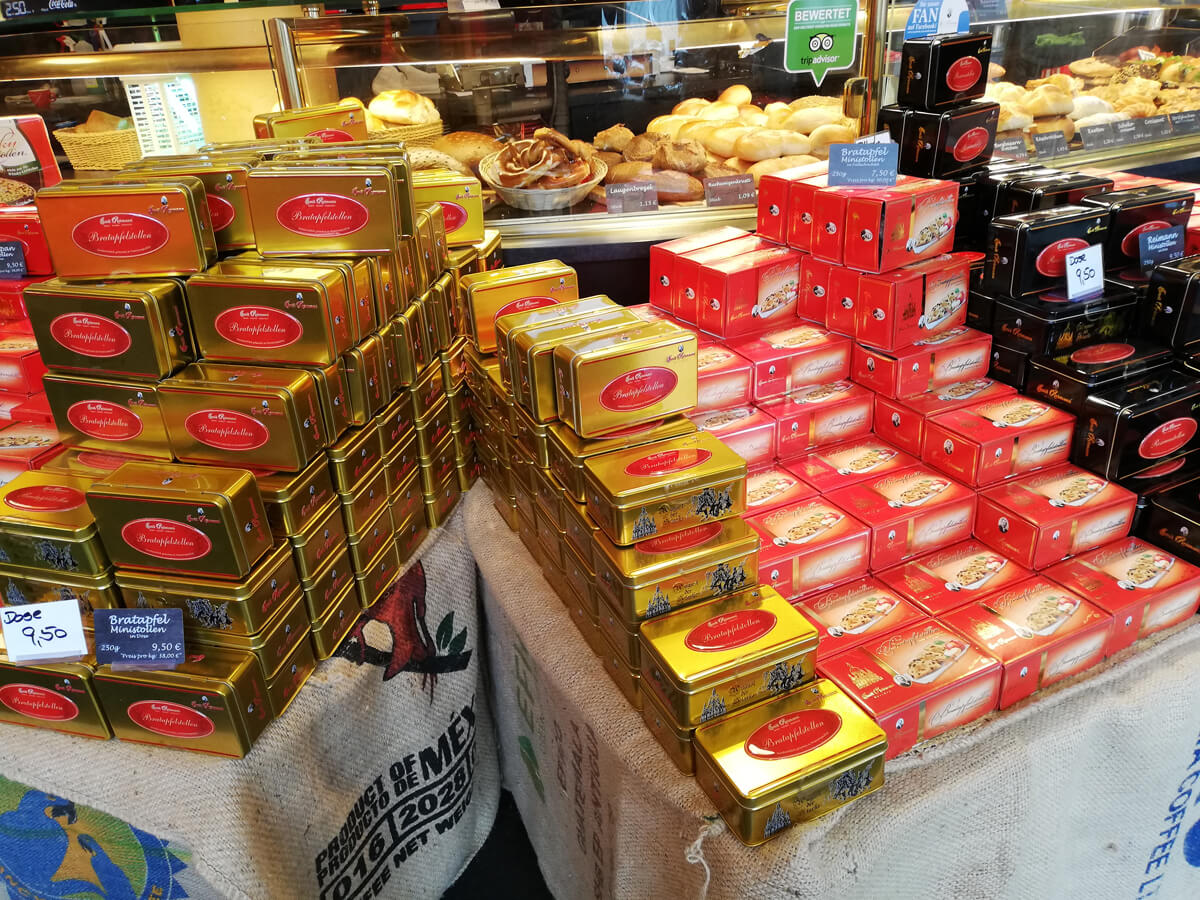
The souvenirs I brought back from Dresden are numerous.

Conclusion
Dresden is a very beautiful city, whose baroque center with modern parts is easy to visit due to its compactness. Nowhere have I seen so many of my fellow wheelers on the street, which means that the city is completely flat, with perfectly organized traffic.
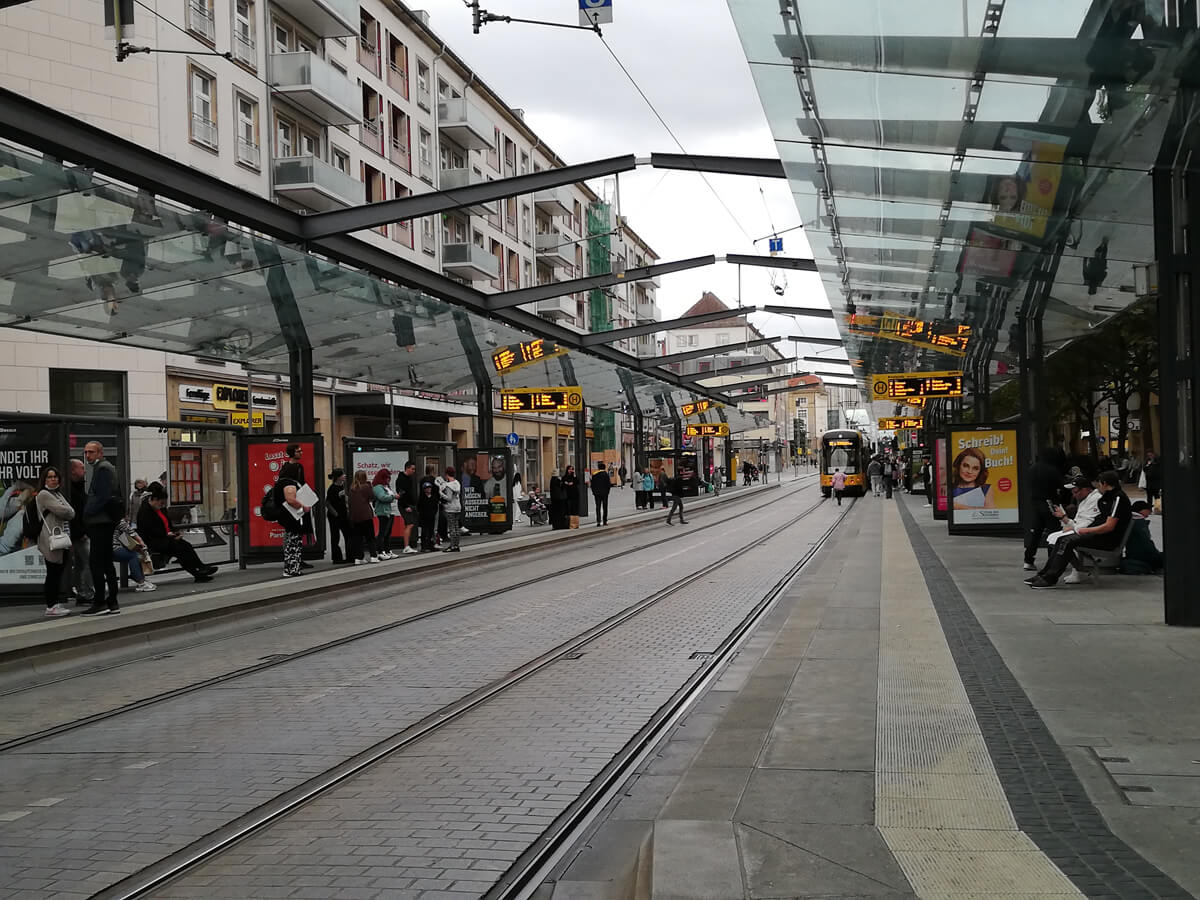
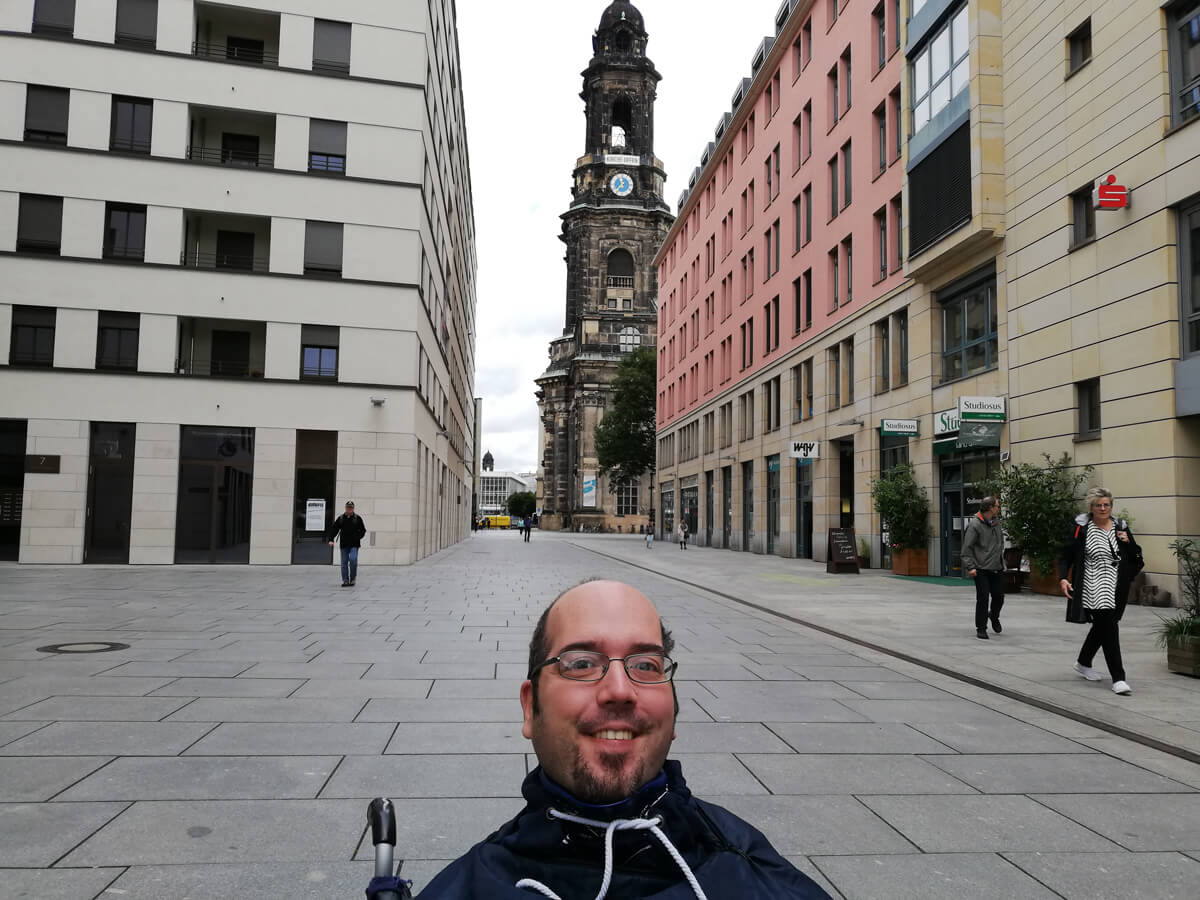
Given that they restored it so perfectly after World War II, this adaptation does not surprise me at all. Visit Dresden and give it at least two days. This city has something for everyone.
If I had more time, I would have taken the steamboat to Pilnitz Castle if it is wheelchair accessible, and I would also visit Moritzburg Castle, which is 10 km from Dresden.
Have you been to Dresden?
Did I miss something?
Traveled and enjoyed,
Marko Veličković